10 Best Places to visit in Kashmir

Kashmir is the Indian subcontinent’s northernmost geographical area.

Srinagar

Srinagar is one of Kashmir’s and India’s most attractive and well-known tourist destinations. Srinagar offers it everything, from boating to trekking, bird viewing to water skiing. This location is regarded as the “mirror to the mountains” by the locals. This location provides an up-close glimpse into Kashmiri cuisine and culture.

Dal Lake

Dal Lake, often known as the “Jewel in the Crown of Kashmir,” is one of Kashmir’s most exquisite pieces of heaven. For decades, the lake has been the region’s favorite summer getaway, surrounded by magnificent Mughal gardens and dotted with British-built houseboats.

Indira Gandhi Memorial Tulip garden

You enter the garden with your eyes closed, then open them to find yourself immersed in a lake of flowers. Tulips of different colors may be found in this garden, which was planted using seeds brought in from Spain. They’re at their finest in the springtime, and the neighboring Dal Lake provides the perfect backdrop for photography.

Gulmarg

Gulmarg, also known as the ‘Meadow of Flowers,’ is a big attraction with its stretch of colorful flowers set against the backdrop of snow-capped mountains. For all the right reasons, Gulmarg is regarded as one of the greatest locations to visit in Kashmir. Because of the numerous opportunities for skiing in the snow while taking in the scenery, this region of Kashmir is also regarded as an adventurer’s paradise.

Sonmarg

Sonamarg is known as the ‘Golden Meadow,’ as its name indicates. Its attractions include an unending stream of beautiful flowers and undulating hiking trails.

Pahalgam

Pahalgam, at a height of 2740 meters, is considered a representation of paradise on earth. It is 95 kilometers from Srinagar and is surrounded by thick woods, lovely lakes, and flower-filled meadows. This small town is famous for pulling all of a visitor’s tension away, making it one of the greatest locations to visit in Kashmir.

Betaab Valley

Many trekkers begin their journey in this valley, which is surrounded by beautiful green meadows and snow-capped mountains. The thick greenery of conifers and lush green bushes encapsulate Kashmir’s genuine nature. This valley, which is dotted with colorful cottages, shelters, and a variety of bird species, is unique in its own right. You may go horseback riding or enjoy a picnic on the banks of the snow-fed Jade River in the Betab Valley, which flows south from the snowy peaks. The water in Jade is so clean that it is used for drinking by the locals!

Nishat Garden

On the shores of Dal Lake, this one is regarded as one of the biggest Mughal Gardens. Nishat Garden is also known as the Garden of Bliss, which is fitting given the stunning Zabarwan Mountains in the background. This garden is historically significant, and it was created by Asaf Khan, Nur Jahan’s brother.

Shalimar Garden

The well-known Emperor Jehangir built this garden specifically for his wife, Nur Jahan, in the year 1616. Another garden, Faiz Baksh, was added to this one after a while. Inside the garden, there is a canal with polished stones around the edges.

Sinthan Top

Sinthan Top, at 3,658 meters above sea level, provides stunning panoramic views of the area’s snow-capped mountains and low-lying areas. The location is easily accessible from a highway, but you must navigate yourself and overcome a few challenges before reaching the summit. You may even continue walking and land on the snow while enjoying a beautiful and magnificent 360-degree panorama of the entire area.

EDUCATION DEVELOPMENT DAY IN TAMILNADU!!!

Though many National leaders rendered their selfless service to our country, one among them to be noted was the Kingmaker Kamaraj. K. Kamaraj, familiarly known as Kamarajar was an independent activist and the former Chief Minister of Tamil Nadu. He was popularly known as the Kingmaker of India during the 1960s. He supported Lal Bahadur Shastri, to be the President of India after the death of Nehru. After the sudden dismissal of Lal Bahadur Shastri, he supported Indira Gandhi to be the President of India. He was a man of simplicity and known for his best leadership in the development of Tamil Nadu. The Midday Meals Scheme introduced by him was very popular in India. He was popularly known as Karmaveerar, KalviKan Thirantha Mudhalvar, etc.

K KAMARAJ – Former Chief Minister Of TamilNadu

Kamaraj was born on 15th July 1903 at Virudhunagar in TamilNadu to Kumarasamy and Sivagami Ammal. His birth name was Kamatchi and later changed to Kamarajar. He studied primary education in a traditional school and he was to drop out because of his father’s death to support his family. He had a younger sister named Nagammal. He worked in his uncle’s shop and begun to attend political meetings and common meetings related to Home Rule Movement. He developed his interest in politics by reading daily newspapers. In 1920, at the age of 18, he became a very enthusiastic person and joined Indian National Congress. He organized public meetings for leaders in Virudhnagar and was very eager to meet Mahatma Gandhi. As he wished, he met Gandhiji for the first time in the meeting. Kamaraj went to jail for two years for taking part in ‘Salt Sathyagraha’ led by C. Rajagopalachari at Vedaranyam.

At the age of 34, he contested in the Legislative election for the first time and marked his first victory at Sattur in 1937. He stuck by the principle ‘ One should not accept any post/leadership to which one could not do full justice ‘. In 1954, Kamaraj became the Chief Minister of Tamil Nadu. Various schemes and deeds introduced by him as a Chief Minister are as follows:

  • He removed Hereditary Education Policy introduced by Rajaji.
  • He reopened more than 12,000 schools during his leadership as a Chief Minister.
  • Education and trade hiked during his period.
  • Kamarajar aimed to eradicate illiteracy and introduced compulsory education. The literacy rate was 7% during the British period but during his period, the literacy rate increased to 37%.
  • He also introduced the Midday Meals Scheme to provide atleast one healthy meal per day to the poor and needy children. He introduced the uniform scheme to the school children to eradicate the germination of caste-based flaws in young minds.
  • He built several irrigation canals during his period. He built nine dams which are appreciated till now and they are as strong as him.
  • Huge investment industries such as Neyveli Lignite Corporation, BHEL, etc. were started during his period.

He has been the Chief Minister of Tamil Nadu for three consecutive terms, by the victory in 1957 and 1962. His ruling period was known as the Golden Age of Tamil Nadu. Kamaraj was a great follower of Mahatma Gandhi, yet to this fact, he died on 2nd October 1975 during his sleep in his native Virudhunagar. He was awarded ‘Bharat Ratna’ posthumously in 1976. The Chennai Airport is named after him as Kamaraj Terminal.

His birthday is celebrated as ‘ Education Development Day ‘ in Tamil Nadu every year. Though he died, his good deeds remain in the hearts of the people.

Intelligence plus character – that is the goal of Education.

– K Kamaraj.

BIOGRAPHY of 'Swami Vivekanand'

Born: 12 January, 1863

Place of Birth: Kolkata, India

Childhood Name: Narendranath Dutta

Father: Vishwanath Dutta

Mother: Bhuvaneshwari Devi

Education: Calcutta Metropolitan School; Presidency College, calcutta

Religion: Hinduism

Guru: Ramakrishna

Founder of: Ramakrishna Mission (1897), Ramakrishna Math, Vedanta Society of New York

Philosophy: Advaita Vedanta

Literary works: Raja Yoga (1896), Karma Yoga (1896), Bhakti Yoga (1896), Jnana Yoga, My Master (1901), Lectures from Colombo to Almora (1897)
Death: 4 July, 1902

Place of Death: Belur Math, Belur, Bengal

Memorial: Belur math, west bengal

About Swami Vivekanand:-

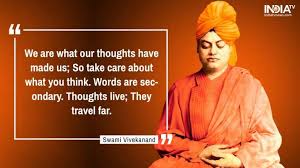
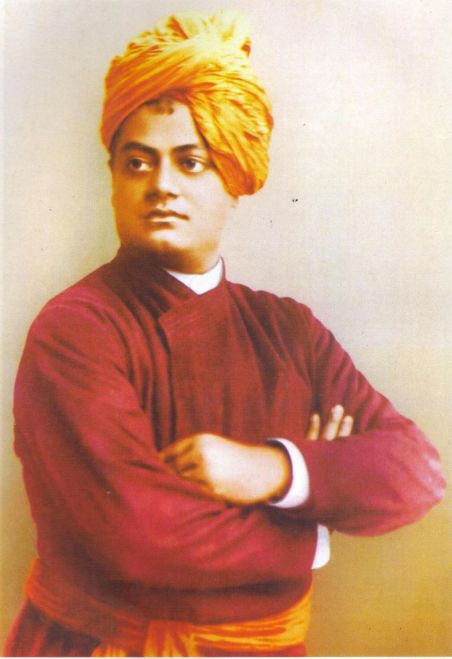
There are some rare men who leave their footprints on the sands of time, becoming a source of motivation for thousands of lost wanderers in the battlefield of life. Swami Vivekananda is one such example. “Come up, o lions and shake off the delusion that you are sheep; you are souls immortal, spirits free, blest and eternal….’ These words of stunning optimism proclaimed the arrival of a prophet- philosopher no less than Swami Vivekananda on the stage of the world. Such were his words that shook the world in the Chicago address on 19 September 1893. A young, educated man, Narendranath Dutta once walked the path of scepticism and even cynicism when it came to religion.

All the powers in the universe are already our. It is we who have put our hands before our eyes and cry that it is dark.”- –Swami Vivekananda

A visit to Ramakrishna Paramahansa changed his life. He challenged Ramakrishna’s claims of having seen God. Ramakrishna put his fingers on Naren’s heart, and in a moment of overwhelmingly powerful spiritual vision, Naren discovered God everywhere- from the rich man in his mansion to the poor rickshaw puller on the streets of Kolkata. God was no more a wishful thinking confined to the Kali temple at Ramakrishna’s Dakshineshwar. He was a living entity beyond all limitations of caste, creed, religion, language, time and space. Thus Narendranath Dutta metamorphosed into Swami Vivekananda, a disciple of Ramakrishna. This, however, was merely the beginning. The master, Ramakrishna, had told him before his passing away that he, Naren, would have to do ‘Mother’s work’, to teach mankind and be like a banyan tree, giving shelter to the tired and weary. In January 1891, he left the company of his brother monks and traversed the country from the North to the South alone with God. He wept to see the suffering and ignorance of the poor, and was disturbed at the material complacency of the affluent classes. The picture of ancient India appeared vividly before his eyes in all its grandeur and glory, and the contrast was unbearable. Swamiji set upon himself the task of rebuilding a new and rejuvenated India.

Learn everything that is good from others but bring it in, and in your own way absorb it; do not become others.” –Swami Vivekanand‘.

Be it his journey to America or the lecture at Chicago or the setting up of the Ramakrishna Mission in 1897, his main aim was service to mankind and the rebuilding of a young, vibrant and educated India. · Ramakrishna Mission today is a giant organisation which dedicates itself to the execution of extensive educational and philanthropic work in India and abroad, and expounds the profound Vedantic philosophy preached by Swamiji. The impact Swamiji had on India and across the world can be best understood by the comment made by The New York Herald about his speech at Chicago; ‘He (Swamiji) is undoubtedly the greatest figure in the Parliament of Religions. After hearing him, we see how foolish it is to send missionaries to this learned nation.

“Take up one idea. Make that one idea your life; dream of it; think of it; live on that idea. Let the brain, the body, muscles, nerves, every part of your body be full of that idea, and just leave every other idea alone. This is the way to success, and this is the way great spiritual giants are produced.”

― Swami Vivekananda

Narendranath Dutta was born on 12 January 1863, and Swam Vivekananda passed away on July 4, 1902. But the lionheart with his piercing eyes, mobile lips, swift movements, clad in yellow and orange, shining like the sun of India in the heavy atmosphere of Chicago, lives on in the memory of millions. He inspires every ma in the world to ‘arise, awake, and stop not till the goal is reached.

You have to grow from the inside out. None can teach you, none can make you spiritual. There is no other teacher but your own soul.”
― Swami Vivekananda

If anyone wants to study the origin of the Vedanta movement in America then study Swami Vivekananda travels across the US. He was a great thinker, great orator, and passionate patriot. It is not wrong to say that he was more than just a spiritual mind.

“Be the servant while leading. Be unselfish. Have infinite patience, and success is yours.”
― Swami Vivekananda

GREAT DEPRESSION

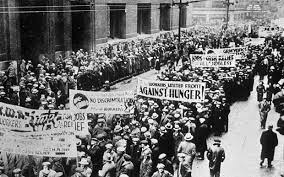
The Great Depression was the worst economic downturn in the history of the industrialized world. Lasting from 1929 to 1939. It began after the stock market crash of October 1929, which sent Wall Street into a panic and wiped out millions of investors. Over the next several years consumer spending and investment dropped. Causing steep declines in industrial output and employment as failing companies laid off workers. By 1933, when the Great Depression reached its lowest point some 15 million Americans were unemployed and nearly half the country’s banks had failed.

Throughout the 1920s the U.S economy expanded rapidly and the nation’s total wealth more than doubled between 1920 and 1929 a period dubbed “the Roaring Twenties. The stock market centered at the New York Stock Exchange on Wall Street in New York City, was the scene of reckless speculation, where everyone from millionaire tycoons to cooks and janitors poured their savings into stocks. As a result, the stock market underwent rapid expansion, reaching its peak in August 1929.

By then production had already declined and unemployment had risen leaving stock prices much higher than their actual value. Additionally, wages at that time were low, consumer debt was proliferating the agricultural sector of the economy was struggling due to drought and falling food prices and banks had an excess of large loans that could not be liquidated. The American economy entered a mild recession during the summer of 1929 as consumer spending slowed and unsold goods began to pile up which in turn slowed factory production. Nonetheless, stock prices continued to rise and by the fall of that year had reached stratospheric levels that could not be justified by expected future earnings.

Stock market crash of 1929

On October 24, 1929 as nervous investors began selling overpriced shares mass the stock market crash that some had feared happened at last. a record 12.9 million shares were traded that day known as “Black Thursday”. Five days later on October 29 or Black Tuesday some 16 million shares were traded after another wave of panic swept Wall strret. Millions of shares ended up worthless and those investors who had bought stocks “on margin” were wiped out completely. As consumer confidence vanished in the wake of the stock market crash the downturn in spending and investment led factories and other businesses to slow down production and begin firing their workers. For those who were lucky enough to remain employed wages fell and buying power decreased. Many Americans forced to buy on credit fell into debt and the number of foreclosures and repossessions climbed steadily. The global adherence to the gold standard which joined countries around the world in a fixed currency exchange, helped spread economic woes from the United States throughout the world especially Europe.

Great Depression end

The Great Depression was a worldwide economic depression that lasted 0 years. GDP during the Great Depression fell by half, limited economic movement. A combination of the New Deal and World War II lifted the U.S out of the Depression. Those war jobs seemingly took care of the 17 million unemployed in 1939. Most historians have therefore cited the massive spending during wartime as the event that ended the Great Depression.

FRIENDSHIP DAY

True friendship is a way of being mutually lovable to each other! In fact every flourishing relationship has a whiff friendship into it. It’s that transparent and lucid bond between two people.

Friendship is all about  trust, emotional attachment, caring each other or compassion, responsible relationship, mutual support in both sadness and happiness and its sharing of all things between two peoples who emotionally attached with each other.

We do not have boundation to select our friends on any ground including caste, age, sex, creed or any such differentiation that exit within the society.

Friendship Day is a day in several countries for celebrating friendship.
In India, National friendship day is celebrated every year on first Sunday of August. This year the Indian Friendship Day will be celebrated on 1 August, 2021.

It was first proposed in 1958 in Paraguay as the “International Friendship Day“.
Friendship Day was originated by Joyce Hall, the founder of Hallmark cards in 1930, intended to be 2 August and a day when people celebrated their friendships by holiday celebrations.

Art Therapy

“Art washes from the soul the dust of everyday life.” —Pablo Picasso

“Expressive art therapy integrates all of the arts in a safe, non-judgmental setting to facilitate personal growth and healing. To use the arts expressively means going into our inner realms to discover feelings and to express them through visual art, movement, sound, writing or drama. This process fosters release, self-understanding, insight, and awakens creativity and transpersonal states of consciousness.” -Natalie Rogers

Art therapy is a kind of therapy that uses art as a means of communication and le people explore and express their emotions and thoughts. This therapy is also known as expressive therapy.

In the process of the therapy arts, therapists use fine arts and performing arts to improve physical, mental, and emotional well-being. Fine arts and performing arts include drawing, painting and drama, dance, and movements respectively to improve physical, mental, and emotional well-being. In the process, the therapists work with individuals or groups using arts to create meaning rather than focusing on the end product. This process includes activities like creating stress painting, designing a postcard that one will never send, creating an emotional wheel, collage, doodling and scribbling, finger painting, photography, sculpting, working with clay, etc. Art therapy is more useful for people who cannot verbalize their feelings. This therapy is perfect for people of all ages because of its versatility.

Art therapy can help in treating a wide range of mental disorders and psychological distress.

Certain studies and institutions recommend art therapy for people suffering from schizophrenia (a long-term mental disorder of a type involving a breakdown in the relation between thought, emotion, and behavior, leading to faulty perception, inappropriate actions and feelings, withdrawal from reality and personal relationships into fantasy and delusion, and a sense of mental fragmentation.) and other related conditions. People who face difficulties in learning, art therapy are great for them.

People suffering from Dementia (a chronic or persistent disorder of the mental processes caused by brain disease or injury and marked by memory disorders, personality changes, and impaired reasoning). Due to art therapy, people use creative parts of their brain, which helps them to manage stress levels and restore a sense of personal identity.

People suffering from Autism spectrum disorder (ASD) (a complex developmental condition that involves persistent challenges in social interaction, speech, and nonverbal communication, and restricted/repetitive behaviors). Art therapy helps people to distract and calm themselves and also improve their communication skills.

It also helps prisoners to help in their feelings. It can also be used for people suffering from Post-traumatic stress disorder and depression.

Things to keep in your mind to participate in art therapy

•             People do not need to have artistic ability or special talent. According to some researchers sometimes only the presence of art can play a part in boosting mental health.

•             Art therapy is not the same as art classes. Art classes are focused on teaching techniques while art therapy is more about let people focus on their inner feelings. People do not need to create masterpieces in art therapy but they need to express their feelings with the help of color or anything they feel connected with.

•             People do not need to have experience in arts for participating in art therapy.

In this pandemic like situation people are facing issues like stress, depression and mental health more than ever. To get out of these situations people started to do yoga and many more things. So here is the suggestion you can start art therapy at your home. You just need to practice regularly to overcome the issues. Art therapies can help you open up emotions you have been pushing back. The therapy forces you to notice them and work on them. So start playing with colors or dance or sing in your own way and let yourself express what you feel.

THE CONTINUATION ( MAHABHARAT)

LAKSHAGRAHA (the lac house)

After the deaths of Pandu and Madri the Pandavas with their mother Kunti return back to the Hastinapur palace. Yudhishthira is Crowned Prince of Hastinapur by Dhritarashtra.But  Dhritarashtra also wanted his son Duryodhana to crowned as the king of Hastinapur.

Uncle Shakuni, Duryodhana, and Dushasana plan to get rid of the Padu’s Son the Pandavas. Shakuni ask architect Purochana to build the palace which can catch fire easily. He then requests for the Pandavas and Mother Kunti to stay there and plan to set it alight. However, after all this incident set by the Shakuni, Duryodhana and Dushasana the Pandavas escape with the help of  their wise uncle,Vidur. They escaped to safety and go into hiding. During this time one of the Pandava’s brother Bhima marries Hidimbi who was a demon, and they had a child son named Ghatotkacha. And in Hastinapur, the Pandavas and Kunti were declared to dead.

DRAUPATI’S MARRIAGE

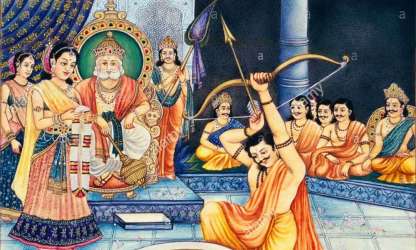
During the period when the Pandavas was hiding, got to find the swayamvara of the princess of Pancala Draupati. The Pandavas witness the event being as bharmhin. Meanwhile, Krishna and Draupati became good fridends, and tells her to look out for Arjuna (which was considered to be dead). The competion was shoot a target on the ceiling, on the eye of a moving artificial fish while looking at the reflection of the fish in oil below., Karna proceeds to the attempt but by Draupadi refuses to marry a. After all this the swayamvara got opened to all the Brahmins hence the Arjuna wins the competion and marries Draupadi. The Pandavas return home and Arjuna inform their mother about what he have won in the copetion and what they have got after winning  the competion. Without even looking at anyone, Kunti asks them to share whatever Arjuna has won among all five brother. Thus, Draupadi ends up being marrying and being wife of all five brothes.

INDRAPRASTHA

After being married, the Pandava werecalled up in the Hastinapura. The Kuru family didn’t liked that the Pandavas got married to one lady at a time hence his made all five brother and Draupati to leave the kindom and led them to build their own kingdom at Indraprastha.

Soon after this, Arjuna seceratly marries Krishna’s sister, Subhadra.

As times passed the Pandavas built their new palace for them, They also  invite their Kaurava cousins to Indraprastha, Duryodhan seeing a pond and assumes it will not have any water in it and falls in. All Pandava brothers (except Yudhishthira) everyone laughed at him including Draupadi. Furious by the insult, and jealous at seeing the wealth of the Pandavas, Duryodhana decides to arrange a dice-game as suggested by Shakuni.

THE GAME OF DICE

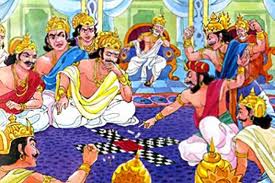
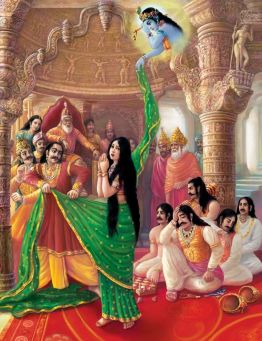
Shakuni, Kaurava’s uncle, arranges a dice game,played against Pandavas elder brother Yudhishthira. In the game of dice, Yudhishthira loses all his wealth, then his kingdom. And then he also gambles his brothers, himself, and finally his wife Draupati. The Kauravas then get chance to take their revenge for Duryodhan’s insult and this leads to disrobe Draupadi in front of the entire court, but this disrobe is prevented by Krishna, who magically made her saree endless, therefore it couldn’t be removed.

After all  Duryodhana says there is no place for two crown princes in Hastinapura. Hence Dhritarashtra orders for another game of dice. After the second game of dice now the Pandavas are required to go into exile for 12 years, and in the 13th year, they must remain hidden. And if they were seen by any kaurava in their 13th year of exile, then they again have to go for 12 year of exile.

THE KURUKSHETRA BATTLE.

Soon after the completion of 13 years of exile, the Pandavas return back to Hastinapur.

The battle took place because of the disrespect of the Draupati in the court during dice game.She wanted not to repeat this injustice and torture to any other women in the Hastinapur.Hence lord Krishna was always with the Panadav and guided them during the war. The war was of 18 days. At the end of the 18-day battle, only the Pandavas,Yuyutsu, Ashwatthama and Krishna survive. Yudhisthir becomes King of Hastinapur and Gandhari curses Krishna that he will also face the same situation as she faced.

THE END

What are Folkways ?

What are social norms ?

Social norms refer to the group shared standards of behaviour .It is a pattern setting limits on individual behaviour .
Norms are said to be ” blueprints ” for behaviour .
They determine , guide , and control human behaviour .
Norms are not systematically classified by Sociologists . But they are grouped into –
” Folkways “, “mores ” , “fashions “, “rites “, “ceremonies “, “customs ” etc. .

What are folkways ?

In general , folkways means “ the ways of folk “.
The term ‘folk’ represents people and ‘ways’ represent their behavioural habits .
Folkways are the customary, normal and habitual ways of the group to meet certain needs or solving day-to-day problems.

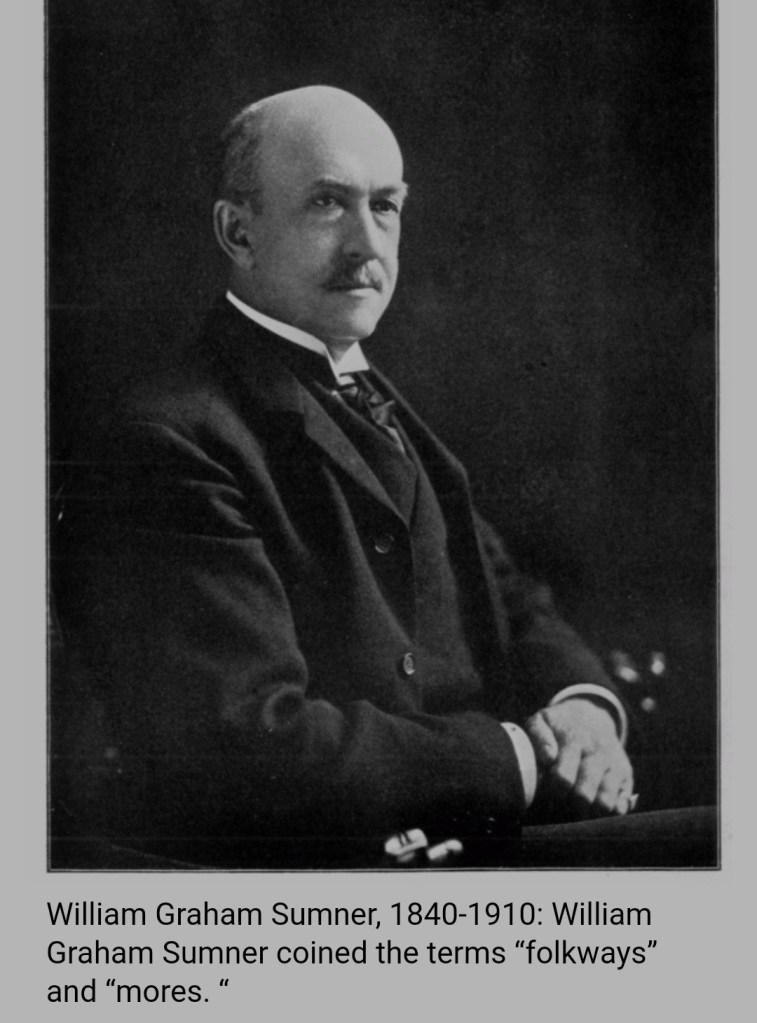
The term folkways was introduced into Sociology literature by W.G .Summer in a book with the title , ” Folkways: A Study of the Sociological Importance of Usages, Manners, Customs, Mores, and Morals ” published in 1906.

Folkways are accepted ways of behaviour.
According to Summer ,
” folkways represent man’s unique means of adapting himself to the environment .

Examples of Folkways :-

The ways of eating , talking , dressing , playing , walking , working , greeting , conversing ,etc. represent folkways .

The daily activities become an individual’s habits ,but folkways are termed as habits of a group though Not all (group) habits become general. They differ from individual to individual and place to place.

Folkways are a learned process of socialisation. They become the second nature of the individual.

Habits are socially approved habits which are followed by a number of persons in a society are referred as folkways,

Habits of exchanging greetings and courtesies like bidding ‘Namaste’ with joined palms is an.examples of Indian folkways .

Walking on right side if the road , taking three meals a day , Wearing different clothes at different occasions, showing respects to elders , love and affection to younger ones ,
Wearing a cap, hat or turban,.shaking hands, eating with forks and knives, driving on the left or right hand side of the street, attending classes in paints and skirts rather than gowns or bathing suits etc..are some folkways followed by difficult individuals.

Definitions :-

Folkways are behavioural patterns of e everyday life which generally arise unconsciously in s group .”
-.Gillin and Gillin

According to Reuter and Hart (1933),
“The folkways are simple habits of action common to the members of the group; they are the ways of the folks that are somewhat standardised and have some degree of traditional sanction for their persistence”.

Maclver and Page (1949) defined it as:
“Folkways are the recognized or accepted ways of behaving in society.”

A.W. Green opines ,
Those ways of acting that are common to a society or a group and that are handed down from one generation to the next are known as folkways .

Lundberg stated ,
“. Folkways are the typical or habitual beliefs , attitudes and styles of conduct observed within a group or community .”

In simple words , folkways are “repetitive petty acts of the people .”
___________________________________________

Characteristics of Folkways

• Social in Nature :- Folkways are the products of man’s group life . They are created by the groups for their sustenance and maintenance . Individuals get social recognition by comforting the folkways .

Repetitive in Character:– A social practice becomes a folkway when the majority of people observe it constantly and regularly . The often repeated practices of the majority normally become the folkways . These practices become standardized practices by constant repetitions .

Unplanned Origin :– The origins of Folkways are very obscure . Summer believed that they arise automatically and unconsciously . They are not the result of any advance planning . Someone in the group starts a new way and in course of time it becomes popular and a good number of people may start following it but by the time it becomes folkways the origin trace fades away.

Informal Enforcement :– Folkways constitute one of the types of informal means of social control . Folkways are not as compulsive and obligatory as that of laws or morals . Conformity to the folkways is neither required by law nor enforced by any special agency of society. They are not absolutely obligatory though they are considered as necessary .

Folkways Differ a Lot :- Folkways Differ from group to group and society to society . They may also undergo changes in course of time within the same group or society .
For example , table meals are common in the West whereas the majority of Indians used to squat on the floor and take their meals with their hands .

Folkways vary with age and sex in almost all places . They even vary according to social status , religion , ethnic groups , racial groups etc .

Folkways are Numerous :- It is not possible for anyone to enlist all the folkways . There are so diverse and numerous folkways . They range from most trivial acts and behaviour patterns to the most serious ones .

Folkways are subject to Change :- Just like everything folkways are also subject to change . Folkways change according to changes in social conditions .
Summer is referred to as ” fashion ” .
Fashion related to dress , hairstyle , architecture designs , etc. undergo rapid changes .
___________________________________________

Social importance of Folkways

The folkways are the foundation of every culture . They give us a better understanding about a particular culture.
When fully assimilated they become personal habits .

Summer believed , ” the life of society consists in making folkways and applying in them . The science of society must be construed as the study of them .

Folkways have become a universal characteristic of human societies. No society does or could exist without them . Hence they constitute an important part of the social structure . They are most powerful and control the behaviour of individuals in society even more than the state action.

They become a part and parcel of the personality of the infant through the process of socialisation. An individual learns different folkways at different stages of socialisation . They become a form of unstated premises of our mental life .

Folkways play a major part in social control in society, as folkways are informal means of social control.

Hence , folkways are not compulsory or obligatory but constitute an important part of social structure as they become personal habits that contribute stability and order in social relations .

TEA CONNOISSEUR

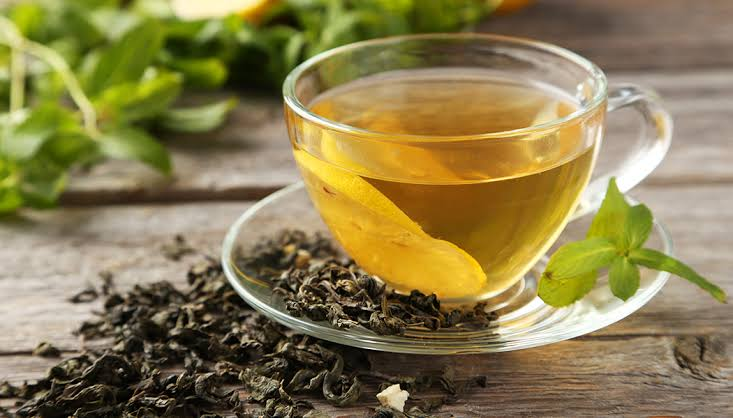
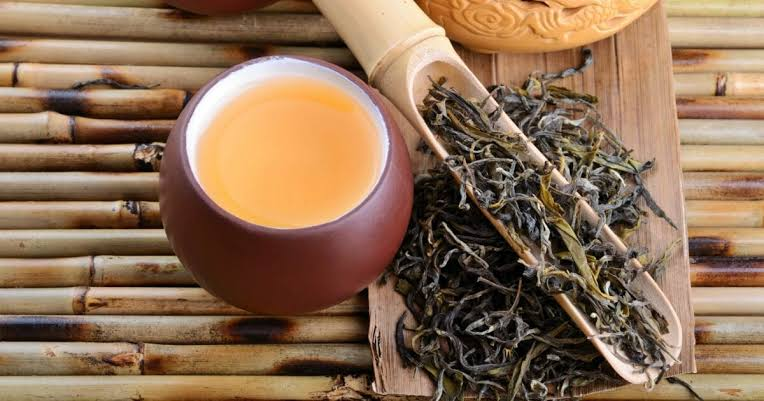
Tea is not a word but an emotion for Indians. Be it masala chai, black tea, green tea or even kashmiri kahwa. A hot cup of tea suit’s every season and emotion. Happy? It will add up to your mood. Anxious? It will calm you down. Sleepy? It will keep you awake. Insomnia? It will help you relax and sleep.
So now you might be wondering, how does one tea provide so many services where most of them contradict one another?

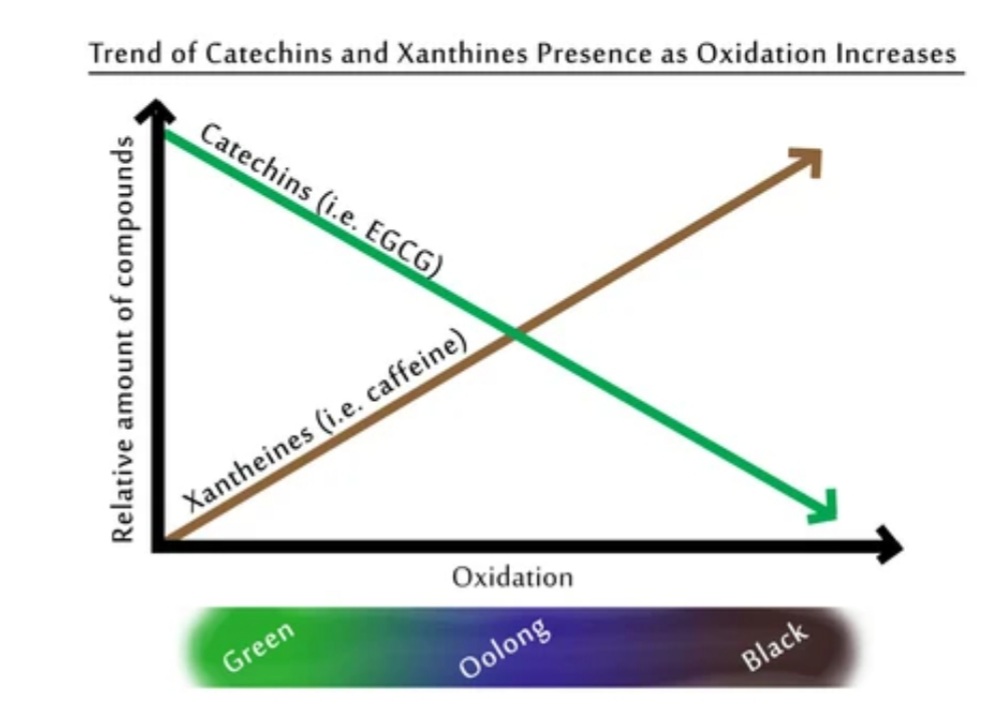
To answer that, the quality and benefits of the tea depends on its Level of Oxidation. The four major types of tea i.e. WHITE TEA, GREEN TEA, OOLONG TEA and BLACK TEA, comes from the same plant called Camellia sinensis. However, they are differentiated by the level of oxidation they undergo. This adds to its level of flavour, aroma and health properties.

The two major compounds in tea are Catechins and Xantheines. Catechins is present in the form of ECGC which are naturally occurring antioxidants that reduces the oxidative cellular damage in the body and Xantheines in the form of caffeine that provides a gentle energy boost without the harmful side-effects of coffee. The presence of these compounds depends on the oxidisation of the tea leaves. Higher oxidisation leads to more of Xantheine and less of Catechins, where’s lower oxidized leaves contain higher Catechines and less Xantheine.

White Tea is most delicate of all the tea’s as it’s uncured and unfermented. Famous for it’s floral, fruity and naturally sweet flavour, it contains the highest amount of antioxidants as is least oxidized (So it has most of it’s natural Catechins). Hence, it possesses major health benefits because of the absence of caffeine. It’s known for its anti-aging and most potent anti-cancer properties.

Green Tea is the most famous health tea for the past few decades. It is darker compared to White tea as it is slightly more oxidized, however it contains high number of antioxidants that is beneficial for promoting good metabolism and weight-loss. Some of the numerous health benefits of green tea include growth of bladder, stomach, pancreas, lungs; reduced risks of neurological disease like Alzheimer’s; lower blood pressure; prevent cancer; lowers cholesterol levels; prevents tooth decay and many more.

Oolong Tea comes after green tea in terms of its antioxidant content as it’s more oxidized compared to the latter. Its properties depend upon the level of oxidation which is mostly between 30% -70%. It is aromatic and highly fragrant. It is known to lower bad cholesterol levels (LDL) and increase the production of good cholesterol (HDL). It has higher amount of caffeine hence it is known to increase mental alertness and increases concentration

Black Tea is rich, hearty and bold. It’s over 80 % oxidized and hence contain highest levels of caffeine compared to all the others. Hence, this makes it best for an instant energy boost. It is known to protect the skin against excess UV radiation exposure, boost immunity, protect lungs, improve heart health and lower the risk of kidney stones.

Hence, who wouldn’t want to enjoy a hot cup of tea on a pleasant evening (Specially, if it’s good for your health as well as taste buds).

Female emancipation!

Feminism

Women’s empowerment can be defined to promoting women’s sense of self-worth, their ability to determine their own choices, and their right to influence social change for themselves and others.

‘There should be gender equality’ —a familiar line uttered repeatedly by many self-claimed modern era intellectuals .I think I will use the term that ‘men and women are complementary to each other’. Neither can survive without the other. Nature has created women and men in such a way that mankind will only survive if both genders coexist. Thus, the genders complement each other. I think this definition makes more sense .My argument is that gender equality means equal respect and equal remuneration in the same performance in their exclusive domain.

               Not all girls are made of sugar               and spice and all things nice.            There are girls made of dark lace         and witchcraft and a little bit of vice.          There are daughters made claw-first        and story-mad, tiger roar and wolf-bad.     There are women made of terrible tempests    and savage storms and the untamed unwanted.   These are damsels made of flawless fearlessness made of more bravery than knights have ever seen.These are princesses made of valour and poison alike and they are here to hold court as your queens.                             -Nikita gill
  • Why should the men’s championship get more sponsorship than women’s, and why should the winner be paid more? Why is it that men cricketers get paid more, receive more appreciation and more respect than their women counterparts? Why is Sachin Tendulkar treated as the God of cricket but Mithali Raj simply a good Indian woman cricketer? Why do male hockey players get more money and respect than women players?
  • The bottom line is, and I repeat myself here, nature has made men and women differently. They compliment each other but can’t be equal physically and cannot compete with each other in every area. But gender equality can be achieved if we can extend the same respect, offer the same pay scale and the same status to champions of both genders in their domain. Personally, I respect Sachin Tendulkar and Mithali Raj equally. I do watch women cricket matches with the same enthusiasm as I watch men’s cricket. Are you ready to do that? If yes, then you are encouraging gender equality. Else, you are going down a darker path, with no respect and no equality.
  • Also, being called “beautiful” is nice, don’t get me wrong. But hearing the words, “You’re brilliant” means so much more. Because beauty won’t get me a college diploma. Curves won’t get me a secure job and a sufficient salary. Being pretty won’t get me respect.
  • Beauty doesn’t encompass the person you are. All women have natural beauty, but beauty can only take you so far. When I am most insecure, I don’t want confirmations of my physical appearance. I want confirmation that my work, mind and strength are recognized. We grow up thinking beauty and male validation was the ultimate goal. Now, as a young woman, my greatest goal is to be successful in my career. I strive for knowledge, not perfect hair. I want respect, not a skinny waist. Being educated and opinionated will get you so much farther than just a pretty face. “Screw beautiful. I’m brilliant. If you really want to appease me, compliment my brain.”

” I WOULD RATHER STRUGGLE EVERYDAY OF MY LIFE THAN TO EVER GIVE A MAN THE POWER TO SAY ‘ YOU WOULDN’T HAVE THAT IF IT WASN’T FOR ME’ “

Search

Search

Indian Rituals

India is known as a cultural country, filled with traditions, religions, rituals, customs, etc. The diversity in the country results in spreading love, unity, and openness among the citizens. Over the years, people have learned to accept each other’s religions and beliefs. Every person in India has his language, religion, traditions, rituals, and beliefs. We all are aware of these traditions and beliefs but, there are some odd rituals too which are practiced in India but unfortunately, we are not aware of it at all.
These rituals are weird but are still practiced in many rural parts of the nation. The people practicing them have a lot of faith in it. These rituals are brutal and it’ll be shocking to know that they exist even today.
These are some of the rituals you should know about.

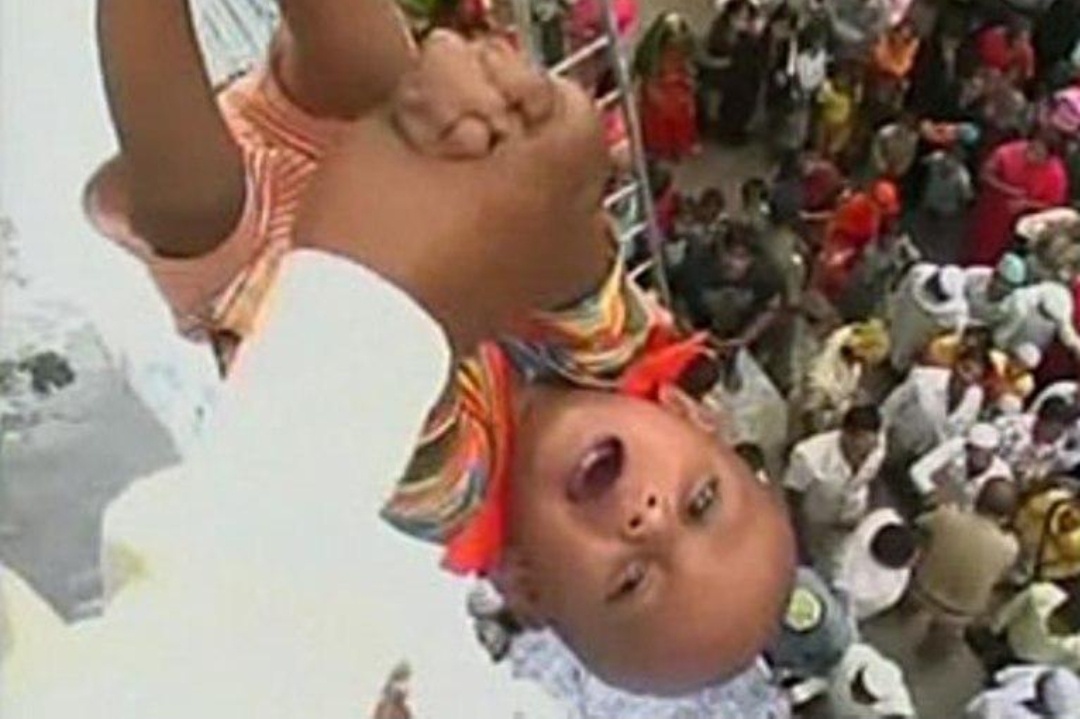
 • Baby Tossing
Baby Tossing is a very old ritual followed by many in the states of Maharashtra, and Karnataka. In this, a baby is thrown from a height of 30 to 50 feet and the devotees catch the babies with the help of some blankets. This ritual is not at all safe and is also against India’s children’s rights law.

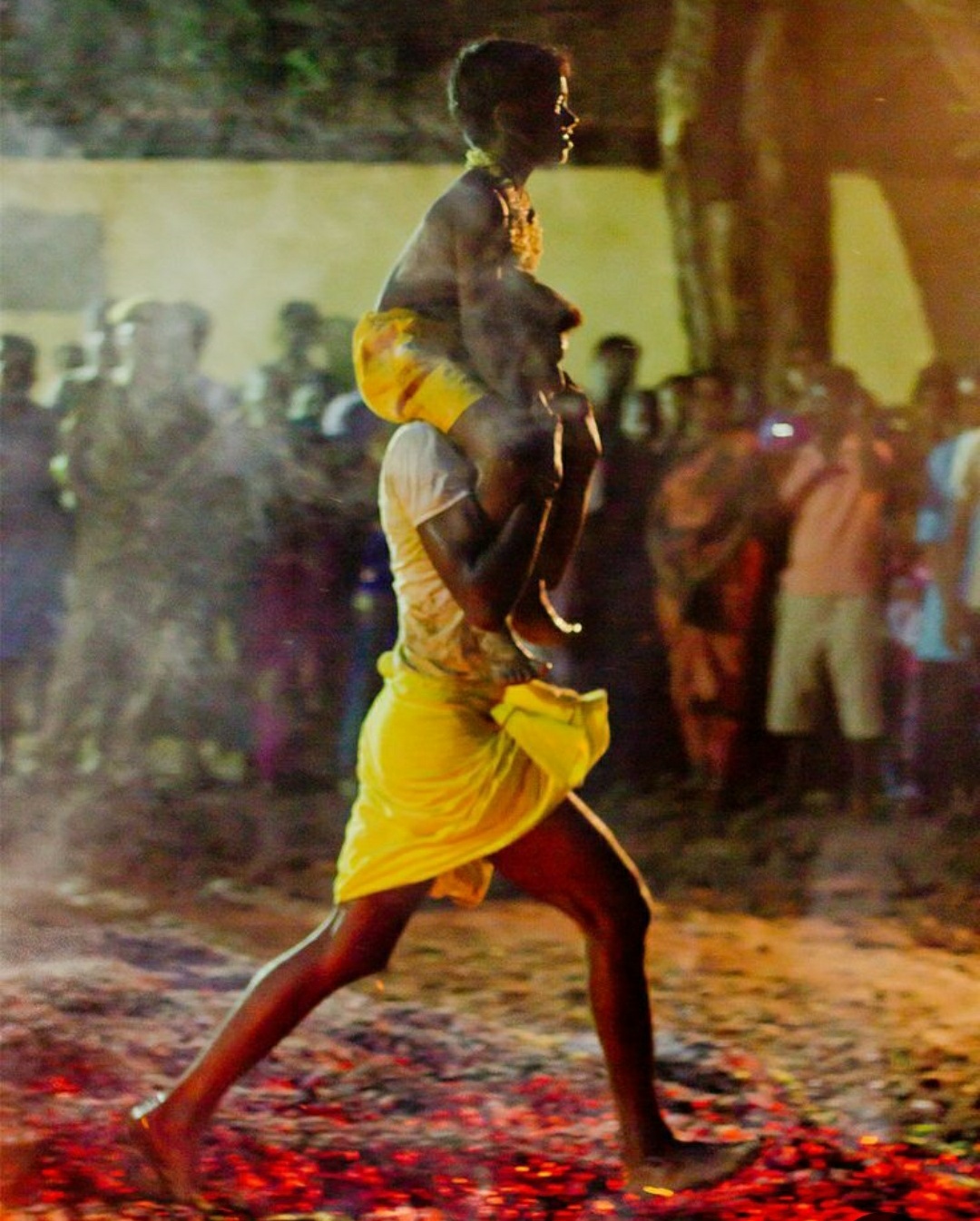
•  Thimithi or Firewalking
Thimithi is a festival celebrated in the state of Tamilnadu, South India. It is believed that walking on a pit of fire will bless the devotees and Goddess Draupadi will grant their wishes.


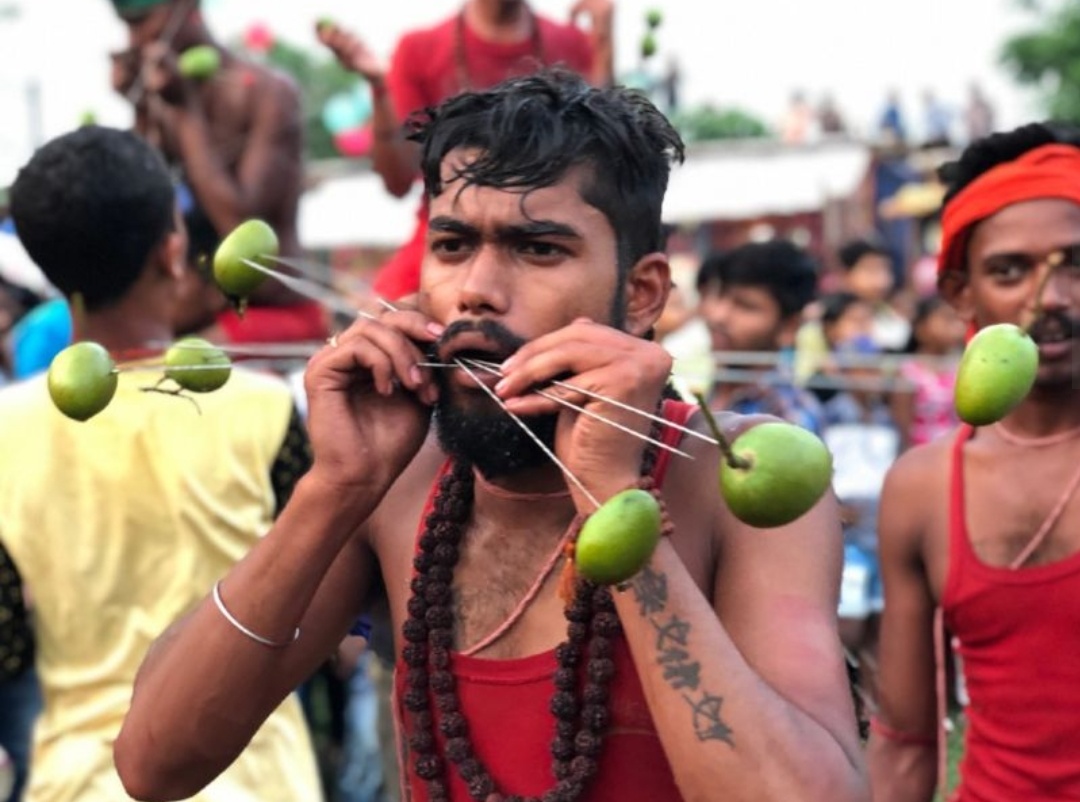
• Impaling
Impaling includes piercing various body parts with sharp objects such as needles, iron rods, swords, hooks, etc. It is practiced in the southern part of India. It is done for protection against evil and it is also done to bring good luck to the community.


• Female Genital Mutilation
FGM is a procedure that involves partial or total removal of the external female genital organ. So basically the clitoris is the pleasure center of the female body and they just brutally cut the clitoris, not to enjoy the pleasure of having some sort of extra affairs. It’s is strongly believed that if a girl has done is circumcision, she will have no extramarital affairs.FGM (Female Genital Mutilation) is violence against girls and is practiced in countries like the Middle East, Indonesia, some parts of India, and many more countries.

 • Aghori
Aghoris are the followers of Lord Shiva often referred to as the God of Death and Destruction. They believe that everything nature provides can be consumed. They feast on human flesh, drink from skulls, and live among the dead. From Eating flesh to conjuring black magic, they do it all.

It is hard to believe that such rituals are still practiced in India. India is truly filled with mysteries.

GONCHA- JAGANNATH IN CHHATTISGARH

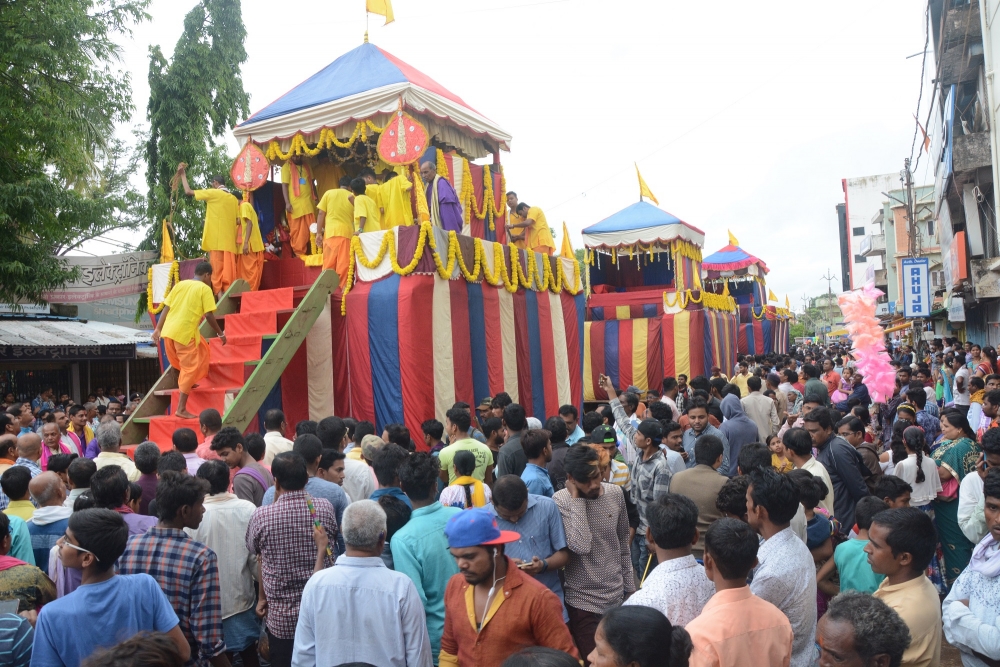
2021 marks the 614th year of a unique festival of chariots known as Goncha. It is specifically celebrated in the district of Bastar in Chhattisgarh state. This is just a variation of widely celebrated Rath Yatra in Puri. Goncha gets its name from dialect modulation of Gundicha- wife of the legendary King Indradyumna, who built the Puri Jagannatha temple.

There are many versions as to how the Bastar tribe started celebrating the festival. The King of Bastar, Maharaja Purushottam Dev visited Puri temple in 1408 on the occasion of Rathyatra known as ‘Gundicha’, which over time got converted to ‘Goncha’ in Bastar, Chhattisgarh. The king of Odisha gifted Maharaja Purushottam Dev, a 16-wheeled chariot, and gave him the title of ‘Rathadhipati’. 360 Aranyak Brahmin families from Odisha came to Bastar under the homage of Maharaja Purushottam Dev. These 360 families brought with them several idols of Lord Jagannath, Balbhadra and Subhadradevi to Bastar Chhattisgarh. 22 idols of Lord Jagannath, Balbhadra and Subhadradevi were consecrated in a single temple at Jagannath Temple in Jagdalpur.

 Maharaja Purushottam Dev offered its 4 wheels to Lord Jagannath as homage and returned to Bastar with a 12-wheeled chariot. The 12 wheeled chariot was very heavy to pull so in 1810, it was separated into an eight wheeled and four wheeled chariots. The latter is called phool rath. From that time, the ritual of Rathayatra (chariot procession) during Goncha and Bastar Dussehra at Chhattisgarh got started. Bastar is the only place in Chhattisgarh where three chariots are made to carry 22 idols of Lord Jagannath, Balrama and Subhadra.

TUPKI

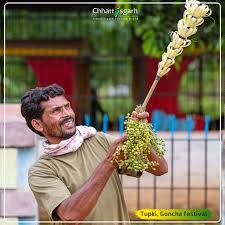
There are several customs associated with this Chhattisgarh Festival. The tribal people make a pistol using tukki or bamboo. It is a mock weapon that is constructed by them to follow the tradition of the tribe. The fruit pengu is used as a bullet. They use the pistol and the bullet, actually a bamboo stick cut in the shape of a pistol and a fruit to strike each other. Tupkis are used as Guard of Honour for Lord while in chariot procession. They are a source of unlimited joy for people. They find it very thrilling and exciting. Like Diwali, tukki sounds fill the atmosphere with fervor. The celebration of Festivals like these brings to the forefront the ethnicity of this part of the country.

.

Juggernaut was borrowed from Jagannath; Rath Yatra 12/07/2021

EVENTS

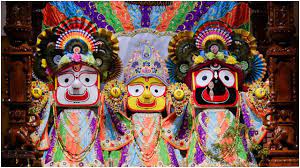
The Puri Rath Yatra begins on the Dwitiya Tithi in Ashadha, Shukla Paksha. This year, Ratha Yatra is being celebrated on July 12, 2021. The festival of Puri Rath Yatra is devoted to Lord Jagannath who is believed to be one of the incarnations of Lord Vishnu. Jagannath Rath Yatra is a nine-day festivity marked by various rituals and traditions. On this day, Lord Jagannath, Balbhadra and Subhadra proceed towards the Gundicha temple (a monument built in the memory of the Queen of Indradyumna) from the Puri shrine on their giant wooden chariots. It is believed that in order to pay their respects to Queen Gundicha, wife of the legendary King Indradyumna, who built the Puri Jagannatha temple, Lord Jagannatha along with brother Balabhadra and sister Subhadra leave their regular abode from the main temple and spend some time in this temple built by Gundicha in their honour. Lord Jagannatha, after resting for eight days in Gundicha temple, returns to his main abode. This day is known as Bahuda Yatra or Return Yatra. It is observed on the eighth day after Ratha Yatra on Dashami Tithi.

During Bahuda Yatra, the Lord makes a short stoppage at Mausi Maa temple, which is dedicated to Goddess Ardhashini. Remember, Lord Jagannatha, returns to his main abode just before Devshayani Ekadashi, when Lord Jagannatha goes to sleep for four months.

The rituals of Ratha Yatra start much ahead of Ratha Yatra day. Approximately 18 days before Ratha Yatra, Lord Jagannatha, his brother Balabhadra and his sister Devi Subhadra are given a famous ceremonial bath which is known as Snana Yatra. Snana Yatra day is observed on Purnima Tithi in Jyeshtha month, which is popularly known as Jyestha Purnima.

On the occasion of Puri Ratha Yatra, having a mere sight of Lord Jagannath on his chariot is considered very auspicious. Three chariots are made for the three respective deities.

Name of the three chariots

The names and important characteristics of the three raths (Chariots) belonging to the three deities are:

Lord Jagannath: Nandighosa

NANDIGHOSA
  • Lord Jagannath’s chariot is made of approximately 16 wheels
  • Lord Jagannath’s chariot is about 45 ft. high
  • Red and yellow canopy

Lord Balabhadra: Taladhwaja

TALDHWAJA
  • Lord Balabhadra chariot is made of 14 wheels
  • Lord Balabhadra chariot is 45.6 feet high
  • Red and bluish green canopy

Goddess Subhadra: Darpadalana

DARPADALANA
  • Goddess Subhadra’s chariot is made with 12 wheels
  • Goddess Subhadra’s chariot is 44.6 feet high.
  • Red and black canopy

Jagannatha literally means Lord of the Universe. It is believed that, if a person participates with full devotion in the Rath Yatra will be free from the cycle of birth and death. Rath Yatra symbolises harmony, brotherhood and unity. Thousands of devotees come here from different corners of the country to take part in this yatra and get good luck by pulling the chariot of the Lord. However in accord with the Covid 19 regulations, devotees were not allowed in the procession. Only the priests and workers with negative reports were allowed.

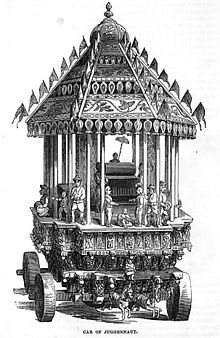
Car of Juggernaut as depicted in 1851. Source: Wikipedia

  Lord Jagannath is one of the avatars of Lord Krishna. It is said that Rath Yatra is equal to hundred sacrifices. If a devotee takes part in this Rath Yatra and pulls the chariot of God, then he gets god’s blessings. Jagannath Rath Yatra is a ten-day festival. The preparations for the yatra begin with the construction of the chariots on the day of Akshaya Tritiya. According to religious beliefs, just by watching this Rath Yatra one gets freedom from all kinds of sins and salvation is attained after death.

ETYMOLOGY OF JUGGERNAUT

Jagannath is also the etymological origin of the English word ‘Juggernaut’. When the British first observed the Rath Yatra in the 18th century, they were so amazed that they sent home shocking descriptions which gave rise to the term ‘juggernaut’, meaning “destructive force”. They misunderstood that people sacrificed themselves infront of the chariot. However these were accidents which often occur during commotion in pulling of chariot. As a matter of fact sacrificial rituals are banned in Jagannath temple.

FELLING OF BUXWAHA

Diamond mining in India dates back to ancient times. In the past, India was the only source of nearly all the world’s known diamonds, until the discovery of diamonds in South Africa in 1896. India has not been a major diamond-producing country since the 1900s, but diamond mining continues. But don’t we all know what is the price we have to pay for in order to make a mine?

Not recently have the forests of Buxwaha been in news for the wrong reasons. The diamond mine project, which is now with Aditya Birla Group’s Essel Mining & Industries Limited (EMIL), is once again facing dark clouds due to protests over ecological concerns, as it could result in the felling of over 2 lakh trees. Yes, this is the rate of a diamond mine currently!

The 55,000-crore rupees mining project spans over 300 hectares in Madhya Pradesh’s Chhatarpur district, in the drought-prone Bundelkhand region. The block is estimated to have 34 million carats of rough diamonds. The existing diamond mine, National Mineral Development Corporation’s (NMDC) is about 175 kilometres from Bunder.

The proposed Bunder diamond block in the Chhatarpur district of Madhya Pradesh has been in the news for the wrong reasons over the years. The forests of Buxwaha, located near the site, are home to tigers, leopards, Indian foxes, sloth bears and other wildlife. The area is also rich in minor forest produce such as Tendu leaves and Mahua. Over 200,000 trees are expected to be cut in the Buxwaha forest for the diamond project. Environmentalists fear that the mining project would result in loss of biodiversity as well as air and water pollution.

The Forest clearance report shows that the project would cost over 200,000 trees in the forest region and also use a lot of water. We are against the environmental destruction in our area, which is already a water distress area,” said Sankalp Jain, a local youth who is associated with one of the groups running social media campaigns such as ‘save Buxwaha forest’ and ‘India stands with Buxwaha forest’ last month.

Credits: Mongababy

 It is to be noted that the project, once operational, has the potential to become one of the largest diamond mines in the Asian region. The company targets the execution of the mining lease by the end of the financial year 2022. But what potential be praiseworthy where Mother Nature gets compromised? In addition to trees and wildlife, the amount of water needed to build the mine will dry out the already water-scarce region of Buxwaha. A dam is to be constructed to divert a seasonal nallah.

Expectedly the project is facing strong opposition, including social media campaigns. Already, a Public Interest Litigation has been filed in the Supreme Court of India, seeking a stay on the project that had been secured by the Essel Mining & Industries Limited in 2019. In 2006, the Madhya Pradesh government had granted a prospecting licence to Rio Tinto Exploration India Private Limited, an Australian mining giant, to explore diamond mining in the Buxwaha region in the Chhatarpur district. Opposition was done even then.

Effects of Mine

  • 2,00,000 trees are no joke. The ecosystem is no joke. Imagine the countless number of animal species residing in the woods, the amount of oxygen and water that is retained by these green guys.
  • The residents fear a massive loss of trees, including teak, kenbehda, banyan, jamuntenduarjuna and other medicinal trees as well as the devastation of the natural ecosystem if the project proceeds further.
  • “Despite the claims to provide jobs in mining, I feel the project will eat out the livelihood options in the area.” said a resident of Kasera village- closest village to mining site.
  • The villagers are dependent on minor forest produce and water for farming. The project involves the diversion of a nullah which is a lifeline for the area. It ensures groundwater level and water for wildlife.This project will lead to groundwater depletion as well.
  • Environmental activist Hari Krishna Dwivedi said the “whole Bundelkhand region is facing a water crisis and this forest is essential for the local ecology”.
  • The homes of people are going to be uprooted. What progress is this that uproots tribal people who have lived in the region for hundreds of years and generations, tending to the forests and taking only as much is their wont?

BASTAR’S EXOTIC FUNGI ”BODA”

AN EXPENSIVE EDIBLE FUNGUS

Chitrakote Waterfalls

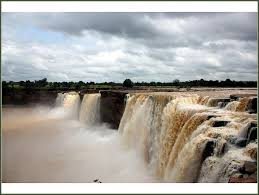
Situated at the foot of Indian state Chhattisgarh, Bastar is a tribal district. Nature has clearly lent Bastar it’s generous hands. There are nearly 5 to 6 waterfalls around the place, two of which are very near to Jagdalpur city (headquarter of Bastar district). Chitrakote Water fall is known by the name “Niagra Falls of India” because of it’s width. It is the widest fall in India, reaching a width of nearly 300 metres (980 ft) during the monsoon season. (Fun Fact: Chitrakote Fall has a Horse shoe shape and Chhattisgarh itself is in Seahorse shape!)

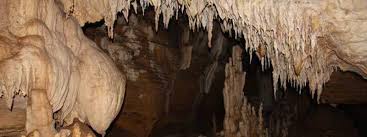
Formation of Stalectites and Stalagmites in Kutomsar Cave

The caves are much to be talked about.  Kotumsar cave is a major attraction for people interested in ecotourism. It is a limestone cave formed on the Kanger limestone belt, situated near the bank of the River Kanger, a tributary of the Kolab River. Apart from this, there was a new species of Blind fish found inside the cave. there are yet another caves which are yet to be explored. Dandak Cave, for example is not open to public but forest officials. This clearly shows how people are concerned about not interfering with nature’s business.

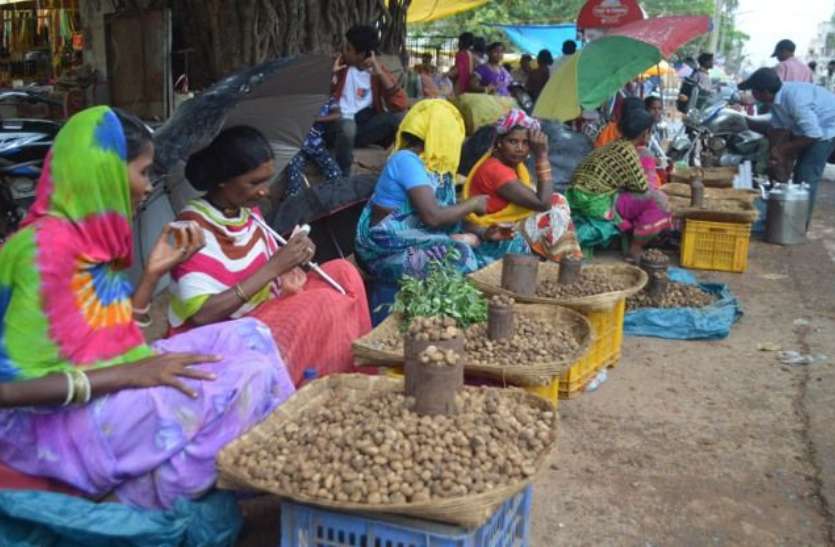
Talking of Boda (scientific name: Astraeus hygrometricus), it is a species of fungus which lives solely in a symbiotic relationship with the decayed Sal tree leaves and earth. Yes, Sal trees are the whole soul guardians to these spherical angels! During monsoon, when the leaves from Sal trees fall on ground, the exclusive juices from the trees help in development of these fungi. These little ball-like organisms are packed with carbohydrate and lots and lots of nutrition.

BAZAARS OF BODA IN BASTAR

You may shriek with amazement when I mention Boda’s price. These fungi remain in markets for about 2 months only and cost an arm and leg. During the first quarter of this time period, the price hikes up to Rupees 2000 per kilogram and more! Well this is no surprise for inhabitants rather it seems strange if the inflation does not occur. Obviously, the rarity and exertion which takes to search and pick the fungi out of ground make the price reasonable. And taste is definitely out of question. The outer layer is juicy and chewy while the inside part is as soft as butter.

The initial batches of Boda have darker outer cover; known as “Jaat Boda” while with the progress in time the outer layer becomes lighter and white; they are called “Laakdi Boda”. People mostly prefer Jaat Bodas because the are comparitively softer than their variation, Laakdi Boda. However the latter ones are no less good.
These fungi do not cease their limit here. They are also of vital importance in Medicinal field. Facial creams are made out of them for medicinal purposes.

But do NOT forget that all good things come at a price. Before you decide on enjoying these fungi as exotic food, you must brace yourselves for the cleaning process, for these underground beings are no joke to clean. They have a strong affinity for earth.

The two main lessons we learn are (a) the exclusive food of Bastar teaches us to PRESERVE TREES, therefore nature. For, how else is the world going to benefit from the treasury of mother nature? (b) Try your best to visit Bastar around early June to enjoy nature’s bounty at its fullest; with overflowing waterfalls, Boda, mangoes and much more!