

Artificial Intelligence (AI) has rapidly evolved from experimental technology to a foundational tool shaping industries across the globe. One fascinating domain of this transformation is creative content production. Designers, filmmakers, content creators, educators, and even marketers are now leveraging AI-powered platforms to produce visuals, soundscapes, animations, and immersive digital experiences at unprecedented speed. Among the AI tools gaining attention in this sphere is pixverse ai, a platform that blends creativity with intelligent automation to empower users in exciting new ways.
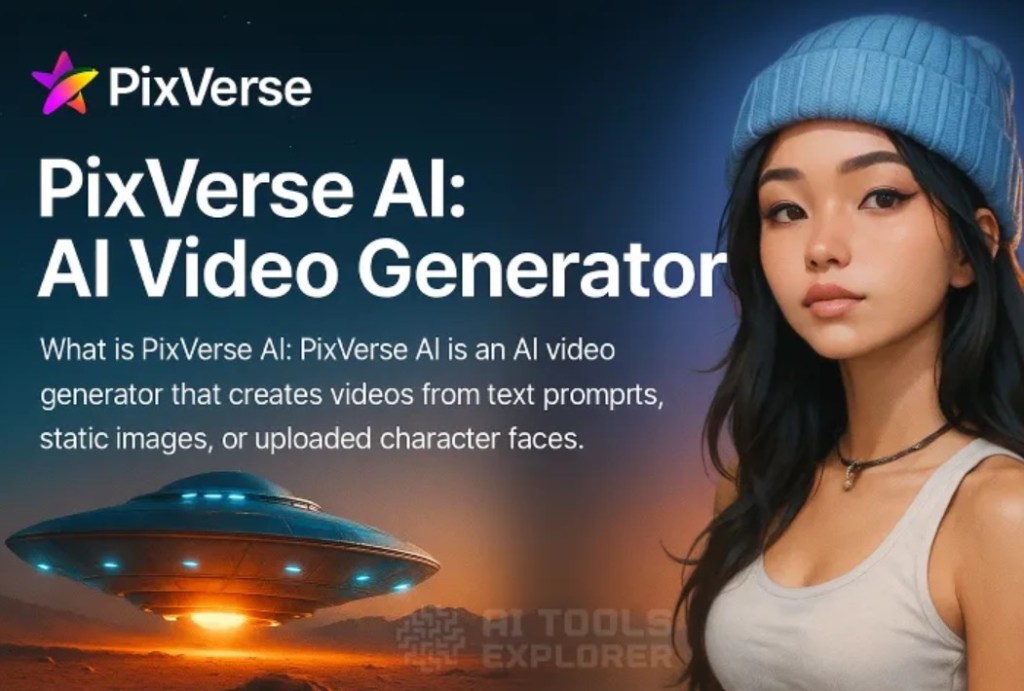
Over the past decade, we have witnessed the shift from traditional graphic software to AI-first applications capable of generating realistic 3D characters, cinematic scenes, and animated sequences. This has removed many of the technical and financial barriers that once separated professional studios from independent creators. Today, a solo content creator can produce playful or sophisticated visuals with minimal hardware and limited technical training—something unimaginable in previous creative eras.
How AI Is Redefining Creative Workflows
The integration of AI into creative pipelines offers three major benefits:
1. Speed and Efficiency
Tasks that once required days of manual work—such as storyboard creation, animation sequencing, or lighting adjustments—can now be automated. AI models can analyze context, predict user needs, and generate intelligently configured scenes instantly, enabling artists to focus on narrative and aesthetics instead of repetitive setup work.
2. Lower Production Costs
Producing animation or VFX traditionally required expensive software licenses, render farms, and large multidisciplinary teams. AI systems provide built-in rendering, pre-trained artistic models, and cloud support that drastically lower the cost barrier. This democratization of tools ensures access for students, indie developers, and small studios.
3. Enhanced Experimentation
Perhaps the most valuable contribution of AI is creative exploration. Instead of being constrained by time, tools like PixVerse empower users to iterate rapidly, try new styles, and experiment with radically different design approaches—often discovering results they might never have envisioned manually.
Why Platforms Like PixVerse AI Are Becoming Essential
As digital content consumption continues to increase, platforms capable of automating multimedia creation are positioned for significant growth. pixverse ai stands out because it bridges accessibility with advanced features. Content creators don’t need years of animation training to produce engaging outputs; instead, they can rely on the platform’s intelligent engines to generate animations, visual scenes, and even stylized content aligned with their vision.
The platform’s interface, workflow, and output formats are designed to support real-world use cases across entertainment, education, advertising, and social media marketing. For example, educators can convert lecture topics into animated explainers, marketers can transform campaign ideas into visual storyboards, and indie game developers can prototype character animations without hunting for external design talent.
The Future of AI-Powered Creativity
Looking ahead, AI will play an even more influential role in shaping the creative industries. Advancements in model training, multi-modal synthesis, generative video, and 3D scene understanding will allow tools to produce near-cinema-level sequences autonomously. Meanwhile, emerging markets such as the metaverse, VR experiences, immersive simulations, and gamified learning environments will create continuous demand for scalable creative content.
The takeaway is clear: creative professionals who embrace AI tools today will be significantly better positioned for tomorrow’s digital economy. Platforms like PixVerse AI represent a gateway into this future—lowering the technical barriers and making high-quality visual creation intuitive, efficient, and highly accessible.
As the AI landscape matures, these tools are not replacing artists—they are amplifying human creativity and enabling more people to contribute meaningfully to visual culture. The combination of imagination and machine intelligence is unlocking creative potential at a scale we have never witnessed before.


 Eduindex
You must be logged in to post a comment.