Reclaiming the Classroom: Applying Sociological Interventions to Reduce Educational Inequality through Community Tutoring Networks in Semi-Urban India

How to Cite it

Kar, S. (2026). Reclaiming the Classroom: Applying Sociological Interventions to Reduce Educational Inequality through Community Tutoring Networks in Semi-Urban India. International Journal of Research, 13(1), 171–178. https://doi.org/10.26643/eduindex/ijr/2026/11

Dr. Sukanya Kar

Assistant Professor

Department of English (CDOE), Sikkim Manipal University

ORCID ID: https://orcid.org/0009-0008-5637-9095

Abstract

Educational inequality in India persists despite extensive policy reforms, owing to entrenched cultural hierarchies, linguistic divides, and uneven access to social capital. This paper presents an application-oriented sociological intervention—Learning Together—conducted in semi-urban West Bengal to address educational disparities among first-generation learners. The initiative mobilized community networks by engaging college students, retired teachers, and mothers’ collectives to co-create inclusive neighborhood tutoring spaces. Using Participatory Action Research (PAR), the study explored how social capital, cultural capital, and critical pedagogy intersect to improve learning motivation, attendance, and community cohesion. The project operationalised Pierre Bourdieu’s theories of habitus and cultural capital alongside Robert Putnam’s bonding and bridging social capital, integrating Paulo Freire’s critical pedagogy. The findings show that community-based interventions can foster emotional safety, gender inclusion, and learning engagement, thereby transforming educational participation from a passive process to a collective social act. The study argues that applied sociology, when enacted through participatory frameworks, can shift education from an institutional privilege to a shared social responsibility.

Keywords: applied sociology, educational inequality, participatory learning, cultural capital, social capital, community engagement, India

1. Introduction: Sociology Beyond Diagnosis

The field of sociology has long illuminated the structural dimensions of inequality—class, caste, gender, and language—that shape educational outcomes. However, sociology’s public role remains underutilized when it comes to transforming these insights into tangible change. In India, education remains one of the most visible sites of social reproduction (Bourdieu, 1986; Jeffrey, 2010). Semi-urban schools, often sandwiched between rural deprivation and urban privilege, exemplify this paradox: despite the promise of mobility, they reproduce marginality through curricular alienation, language barriers, and infrastructural scarcity.

The Learning Together project emerged from this sociological impasse, aspiring to convert theory into intervention. It asked: Can sociological knowledge—when directly applied—alter the lived experience of inequality? Rather than limiting itself to critique, the project sought to co-design solutions grounded in community knowledge and participatory engagement. This article thus contributes to the growing domain of applied and clinical sociology, where the goal is not only to understand but also to improve social conditions (Fritz, 2020). By focusing on the everyday struggles of first-generation learners, it demonstrates how sociology can become a tool of empowerment—bridging the gap between academic theory and social practice.

2. Context: The Semi-Urban Educational Landscape

Educational inequality in semi-urban India operates through intersecting material and symbolic dimensions. While infrastructure, teacher availability, and digital access are visible challenges, the deeper inequities lie in how education itself is socially valued, accessed, and experienced across lines of class, caste, language, and gender.

2.1 Structural Challenges: Semi-urban regions such as those surrounding Siliguri in North Bengal embody the duality of India’s development trajectory: expanding educational institutions coexist with persistent socio-economic precarity. Schools in these areas typically function with limited resources—insufficient classrooms, irregular electricity, and minimal teaching aids. Teachers, often commuting from urban centers, are overburdened with administrative duties that reduce actual teaching time.The digital divide compounds this structural inadequacy. According to the Annual Status of Education Report (ASER, 2022), only 38% of rural and semi-urban households in India possess smartphones accessible to children for learning. Thus, technological reforms, though well-intentioned, tend to reproduce inequality by privileging those already advantaged.

2.2 Symbolic and Relational Inequalities: Beyond these tangible constraints, inequality assumes a symbolic and relational form. Sociologist Pierre Bourdieu (1991) argues that schools act as sites where “legitimate culture” is produced and reproduced through language and habitus. In semi-urban North Bengal, this plays out in the preference for English-medium education, which becomes a marker of social mobility rather than a tool of learning.Children who speak local dialects such as Rajbanshi, Nepali, or Bengali at home find themselves alienated in classrooms that valorize English or standardized Bengali. Their linguistic capital—though rich and expressive—carries little exchange value in the formal educational field. This symbolic exclusion erodes self-confidence and reinforces a sense of inferiority, especially among first-generation learners.

Gender further mediates these inequalities. Girls are often expected to help with domestic chores or sibling care, limiting study time. In some families, investment in girls’ education is still seen as secondary to marriage prospects. As one mother remarked during a focus group, “A boy’s education earns money; a girl’s education earns respect—but respect does not feed us.” Such statements reflect the complex intersection of economic and cultural capital that governs educational choices.

2.3 The Field Site: Two Neighborhoods near Siliguri: The field site comprises two semi-urban neighborhoods on the periphery of Siliguri, characterized by cultural hybridity and economic marginality. The population includes tea garden workers, daily-wage laborers, small shopkeepers, and low-income service employees. Most families are nuclear but socially interconnected through kinship and neighborhood networks. Children in these areas typically attend government or low-fee private schools. While parents express a deep desire for their children’s success, they often lack the cultural literacy or leisure time to assist with schoolwork. Homework is frequently left incomplete not from negligence, but from parents’ inability to understand the curriculum. As one father noted, “We can earn for the books, but we cannot read the books.”

2.4 Home as a Site of Contradiction: Home environments in these neighborhoods are culturally vibrant but educationally marginalized. Evenings are filled with community interactions—folk songs, local festivals, and storytelling traditions—but these forms of cultural capital remain unrecognized by formal education. The curriculum, dominated by urban middle-class values, fails to acknowledge the rich experiential knowledge embedded in local life. This disjuncture between home and school produces what Bernstein (1971) termed “codes of exclusion,” where children learn to internalize the feeling that their ways of speaking, dressing, or thinking are less legitimate. Consequently, the school becomes a site of both aspiration and anxiety—a place that promises mobility but often reproduces exclusion.

2.5 Impact of the COVID-19 Pandemic: The COVID-19 pandemic intensified these pre-existing inequalities. When schools transitioned to online platforms, access became a matter of privilege. Many families shared a single smartphone, usually belonging to a working adult, which left children without devices during school hours. Internet connectivity was unstable, and digital literacy among parents was minimal.As one mother expressed during a focus group discussion:

“School moved into the phone, but the phone never came into our home.”

This poignant observation encapsulates the digital and emotional distance that widened during the lockdowns. While urban children navigated online classrooms, semi-urban learners were cut off from both formal education and peer interaction, leading to learning regression and emotional fatigue.

2.6 Conceptualizing a Sociological Intervention: It was against this backdrop that Learning Together was conceptualized as a sociological application rather than a charity-driven initiative. The aim was to reimagine education not merely as classroom instruction but as a social process rooted in community participation. By mobilizing existing social capital—retired teachers, college volunteers, mothers’ groups, and neighborhood spaces—the project sought to bridge the symbolic gap between the home and the school. Rather than imposing external pedagogical models, the intervention worked within the community’s own rhythms of life, using local idioms, songs, and storytelling to create familiarity and ownership.

In this sense, Learning Together did not attempt to replace the formal school but to reclaim learning as a communal act, challenging the notion that education must occur only within institutional walls. It demonstrated how applied sociology can function as a pragmatic and empathetic response to inequality, transforming local relationships into sites of social innovation.

3. Theoretical Framework: Sociology in Application

3.1 Bourdieu: Cultural Capital and Habitus: Pierre Bourdieu’s (1986) theory of cultural capital explains how education often legitimizes existing social hierarchies. Students from privileged backgrounds possess linguistic fluency, confidence, and cultural familiarity—the “invisible assets” that schools reward. Meanwhile, marginalized students, lacking such capital, are misrecognized as “less capable.”

This project sought to redistribute cultural capital by embedding learning in local idioms—folk songs, regional stories, and collaborative games—transforming community spaces into alternative classrooms. It aimed to reshape habitus—the internalized dispositions that regulate perception and aspiration—by fostering confidence, curiosity, and belonging.

3.2 Putnam: Social Capital and Collective Efficacy: Robert Putnam’s (2000) distinction between bonding and bridging social capital offers another analytic layer. Bonding networks create solidarity within communities, while bridging networks link them to external resources. The tutoring circles cultivated both. Neighborhood solidarity encouraged trust and mutual aid (bonding), while mentorship by college students and retired teachers created exposure to aspirational pathways (bridging). The interplay between these forms of capital became the intervention’s social engine.

3.3 Freire: Critical Pedagogy and Empowerment: Paulo Freire (1970) emphasized education as a dialogic act—where learners become co-creators of knowledge, not passive recipients. This philosophy underpinned the program’s design. Students were encouraged to question, express, and teach one another. Volunteers acted as facilitators, not authorities, aligning with Freire’s concept of “problem-posing education.” Through this method, learning became a means of consciousness-raising (conscientização), linking academic progress with social self-awareness.

4. Methodology: Participatory Action Research (PAR)

4.1 Research Design: The study employed the Participatory Action Research (PAR) model (Tandon, 2018; McIntyre, 2008), combining data collection with social intervention. PAR’s cyclical process—diagnosis, action, reflection, re-evaluation—allowed iterative adaptation based on community feedback. The project aimed to

i)Identify the social barriers that limit educational participation.

ii) Develop a community-based tutoring model rooted in sociological principles.

iii)Assess its social and educational impact.

4.2 Participants and Sampling: The project involved60 students (Grades 6–10),15 college volunteers (mentors trained in social science methods),8 retired teachers, and20 mothers, who hosted sessions and coordinated logistics.Participants were recruited through community meetings and school collaborations.

4.3 Data Collection: Data were collected through Focus Group Discussions (FGDs):

Monthly sessions recorded participants’ experiences and perceptions.

i) Field Diaries: Volunteers maintained reflective notes on student engagement and group dynamics.

ii) Observation and Photovoice: Visual documentation captured the learning spaces’ transformation over time.

iii) Post-Intervention Interviews: Conducted with parents, students, and mentors to assess perceived changes.

4.4 Analytical Framework: Data were coded thematically using NVivo, following grounded theory procedures. Emergent themes—confidence, collaboration, belonging, and reflexivity—were mapped against theoretical categories of capital, agency, and participation.

4.5 Ethical Considerations: The project followed AACS ethical guidelines: informed consent, anonymity, and participant co-ownership of data. Reflexive positionality was maintained throughout—acknowledging that the researcher was not a neutral observer but a co-participant in the intervention.

5. Implementation: Learning as Collective Practice

The Learning Together initiative was implemented through a series of interlinked micro-interventions that transformed community spaces into learning laboratories. The goal was not only to deliver academic support but also to reconstitute the social relations of learning—to make education a participatory, relational, and emotionally inclusive process. The implementation unfolded across four major components: community mapping, structuring of Learning Circles, mothers’ collectives, and volunteer reflexivity.

5.1 Community Mapping: Discovering Learning Ecologies: The first phase of implementation began with community mapping, an ethnographic exercise designed to identify organic spaces of gathering and everyday interaction. Rather than imposing an external venue or institutional structure, the team explored where children already congregated — courtyards, tea stalls, temple verandas, and community halls. These spaces were not pedagogical by design, but they carried deep social familiarity and emotional comfort, making them ideal for trust-based learning.

  Through participatory discussions, residents helped select venues that were accessible and symbolically neutral — spaces not dominated by any caste, gender, or linguistic group. This ensured inclusivity and minimized the social intimidation often experienced in formal classrooms. Each of these spaces evolved into what we called “Learning Circles,” typically comprising 6–8 students and one mentor. These circles were intentionally small to maintain intimacy and individual attention. The goal was to create “safe micro-publics” of learning — informal, dialogic, and rooted in the community’s own rhythm.

Within these Learning Circles, sessions integrated academic reinforcement with creative engagement: storytelling, local song composition, debates, drawing, and games. Lessons often drew from students’ lived experiences — discussing tea garden life, monsoon rituals, or market dynamics — thereby validating local knowledge as part of the learning process. By anchoring the intervention in everyday spaces and familiar cultural idioms, Learning Together effectively dissolved the boundary between learning and living, fulfilling the sociological aim of making education a collective social act.

5.2 Structuring Learning Circles: Blurring the Line Between Study and Sociality: The pedagogical design of the Learning Circles was flexible yet structured, balancing routine with creativity. Each circle met three times a week for 90-minute sessions, with each day dedicated to a distinct learning dimension:

Mondays: Focused on academic reinforcement—reading comprehension, basic arithmetic, and homework assistance. Mentors used multilingual scaffolding (local dialects and English) to ensure conceptual clarity and confidence.

Wednesdays: Dedicated to collaborative learning through creative expression. Activities included role play, storytelling from local folklore, song writing, and art-based learning. This was designed to foster communication, cooperation, and imaginative thinking.

Saturdays: Functioned as reflection and sharing days. Students discussed what they had learned during the week, celebrated small achievements, and collectively planned the next week’s goals. This rhythmic pattern allowed children to perceive learning as an ongoing conversation rather than a one-way transmission. The deliberate blending of academic and expressive activities blurred the traditional dichotomy between study and play, creating what Lave and Wenger (1991) describe as a “community of practice.” Moreover, by situating these sessions outside formal institutions, the project disrupted hierarchies of age, class, and language that typically structure schooling. In these circles, knowledge circulated horizontally — between peers, between mentors and mothers, and even across generations — thus democratizing the act of learning.

5.3 Role of Mothers’ Collectives: Education as Shared Care: A defining innovation of the Learning Together model was the integration of mothers’ collectives into the learning process. In many semi-urban families, mothers are central to children’s emotional and moral upbringing but remain excluded from educational decision-making due to limited literacy or social confidence. The project sought to redefine educational labour as collective caregiving, validating the knowledge embedded in domestic experience. Mothers were trained in basic facilitation skills and took charge of attendance monitoring, safety, and participation of girls. They managed schedules, prepared learning corners, and encouraged reluctant children to attend sessions. Their visible leadership transformed community perceptions of women’s roles — from passive supporters to active educators. As one participant mother remarked during an interview:

“Before, only teachers taught; now we all teach a little.”

This statement captures the essence of feminist sociology’s understanding of reproductive labour and community care (Chakraborty, 2021; hooks, 1994). Education here became an extension of caregiving, reframing motherhood as a form of pedagogical agency. The mothers’ collectives also served as a bridge between domestic and public spheres, providing a platform for women to discuss social issues, share experiences, and build confidence. Over time, this nurtured new forms of gendered social capital, positioning women as key stakeholders in the educational ecosystem.

5.4 Volunteer Reflexivity and Peer Learning: Sociology in Action: The fourth component focused on developing reflexivity among volunteers, most of whom were undergraduate students of sociology and education. They participated not as detached researchers but as engaged facilitators in a living social environment. Biweekly reflection meetings were held to discuss experiences, dilemmas, and positionality. Volunteers reflected on their own assumptions about class, language, and “good education.” These sessions revealed a gradual shift in understanding: effective teaching depended less on technical expertise and more on empathy, listening, and relational trust.

One volunteer noted in her field journal:

“I came to teach English but ended up learning how inequality speaks in silence.”

This self-realization embodies the heart of applied sociology—where practitioners evolve alongside participants. Volunteers began identifying subtle forms of exclusion within their own practices, learning to translate sociological theory into ethical pedagogy. Additionally, peer learning among volunteers became a site of knowledge co-production. Experienced mentors shared locally adapted techniques, while newcomers contributed fresh perspectives. This recursive process created a reflexive learning network that paralleled the Learning Circles themselves. Ultimately, the volunteer experience transcended mere service—it became a transformative sociological apprenticeship, shaping a generation of socially conscious educators capable of translating theory into practice.

5.5 Summary: From Implementation to Transformation: The implementation of Learning Together demonstrated that when education is embedded in social relations rather than imposed through formal institutions, it fosters not only academic progress but also social cohesion. The convergence of children, mothers, and volunteers created a microcosm of participatory democracy, where knowledge was produced through interaction, empathy, and collective reflection. Through these interconnected practices, the initiative illustrated the possibility of reclaiming education as a community common, reaffirming the sociological insight that learning, at its best, is a shared human endeavour.

6. Findings: Transformations in Learning and Social Relations

The Learning Together initiative generated a series of observable transformations at both the individual and community levels. These findings were derived from continuous field observation, reflective journals of volunteers, and focus group discussions conducted over nine months.

6.1. Reframing of Learning as Collective Practice: Initially, most participants perceived learning as an individualized, school-bound task. Over time, however, the tutoring spaces evolved into community learning hubs where knowledge was collectively produced and shared. Children began bringing siblings and friends, while mothers who were initially passive observers gradually started assisting in reading aloud or helping with simple arithmetic. This shift demonstrates a sociological redefinition of “learning” — from a hierarchical transaction to a shared social process embedded in everyday interaction.

6.2. Development of Confidence and Voice: At the outset, learners displayed hesitancy

To engage, often responding in monosyllables or avoiding direct communication. By the fourth month, classroom discourse became participatory, characterized by storytelling, peer questioning and humor. Students who were earlier silent in formal schools began articulating opinions and even debating local issues. This transformation underscores the link between social inclusion and self-expression — a central tenet in Freire’s (1970) idea of dialogic pedagogy.

6.3. Shifts in Intergenerational Relations: The program also affected the parent–child dynamic. Interviews with mothers revealed that they began perceiving their children’s education as a shared family responsibility rather than a distant institutional obligation. Retired teachers in the neighborhood, initially skeptical, became emotionally invested in the children’s progress. This intergenerational collaboration fostered new forms of social capital (Putnam, 2000), as the act of teaching became intertwined with affective and moral dimensions of care.

6.4. Emergence of Peer Leadership: A striking development was the emergence of “peer leaders”—older students who spontaneously took responsibility for helping younger ones. This self-organized mentorship expanded the project’s reach without external intervention. Peer-led sessions proved more relatable for participants, demonstrating that empowerment can diffuse horizontally within social groups when trust and recognition are nurtured.

6.5. Gendered Shifts and Safe Spaces: The creation of informal and familiar learning spaces encouraged greater participation from adolescent girls, who were often restricted from traveling far or attending evening tuition classes. The project’s spatial flexibility—using courtyards, temples, or mothers’ clubs—allowed girls to negotiate their presence in public learning activities. Over time, mothers began organizing “study evenings” themselves, signaling a subtle but profound reconfiguration of gendered spatial norms.

6.6. Strengthening of Social Networks and Trust: Perhaps the most enduring outcome was the restoration of social trust. Families that previously competed for limited tuition resources began pooling materials and sharing food during group sessions. The transformation from competition to cooperation mirrored a collective realization that educational success could be a shared community good.

7. Reflexivity among Volunteers: College students who served as tutors reported significant changes in their own outlook. Many expressed that they had gained a “sociological imagination in practice,” understanding firsthand how structural inequalities manifest in everyday schooling. Their reflective journals indicate that they began to see themselves as agents of social change rather than mere facilitators. This reflexive awareness marks a vital pedagogical outcome of applied sociology — learning through engagement. In sum, the findings illustrate that the Learning Together intervention did not merely improve academic performance; it reconstituted the very social relations that shape the learning environment. Education, in this context, became a site of empowerment, empathy, and community building

7. Discussion: Sociology as Praxis

The Learning Together initiative validates the proposition that theories gain vitality when enacted. Each theoretical strand—Bourdieu’s capital, Putnam’s networks, Freire’s dialogue—was not merely cited but embodied in practice.

7.1 Theory in Action: Bourdieu’s framework helped identify invisible barriers; Putnam’s clarified how trust networks sustain motivation; Freire’s pedagogy transformed hierarchy into collaboration. When operationalized collectively, these frameworks produced measurable social transformation—improved attendance, self-efficacy, and intergenerational dialogue.

7.2 Emotional Infrastructure: Beyond metrics, the project built emotional infrastructure—trust, care, belonging—elements often overlooked in policy design. Learning improved not solely because of instruction but because children felt seen and valued. Sociology here acts as a therapeutic science of collective well-being.

7.3 Rethinking Educational Reform: Conventional reforms treat education as a technical system; applied sociology reframes it as a relational ecology. By recognizing community agencies, it shifts responsibility from institutions alone to networks of shared solidarity.

7.4 Knowledge Co-Production: The process exemplified co-production of knowledge—where community insights refine sociological understanding. For instance, the use of folk songs as mnemonic tools emerged organically from participants, later becoming a core learning strategy. This bottom-up creativity shows that communities are not research subjects but co-theorists.

8. Policy and Practical Implications

The Learning Together initiative offers not merely a localized solution to educational inequity but a replicable framework for policy innovation rooted in applied sociology. Its implications cut across educational planning, social welfare, and gender-inclusive community development. The following recommendations arise from both field-based insights and theoretical reflection.

8.1 Integrating Sociology into Teacher Training: Teacher education in India has traditionally focused on pedagogy and content delivery while neglecting the sociological dimensions of the classroom. To make learning environments more inclusive and empathetic, sociology should be embedded within teacher training curricula. Modules on social capital (Putnam, 2000), cultural capital (Bourdieu, 1986), and participatory engagement (Freire, 1970) can help educators understand that learning is mediated by social hierarchies and cultural codes. A teacher sensitized to these dimensions can better recognize why certain students remain silent or disengaged — not due to lack of ability, but due to alienation from dominant linguistic and cultural norms. By cultivating empathy-driven pedagogy, teachers can transform classrooms into dialogic spaces where every student’s background becomes an asset rather than a deficit. Policy frameworks like the National Education Policy (NEP) 2020 already emphasize holistic learning; sociological training can operationalize that vision by grounding it in lived social realities.

8.2 Institutionalizing Community Learning Hubs: Formal schools often operate in isolation from the communities they serve. The Learning Together model demonstrates how neighbourhood-based tutoring circles can act as bridges between home and school, aligning informal learning with formal curricula. Partnerships among schools, local NGOs, and universities can institutionalize such learning hubs. College students studying sociology or education could earn credits through structured fieldwork, while retired teachers and mothers’ collectives can contribute local wisdom. This collaborative ecosystem transforms education from an institutional service into a community responsibility. Government programs like the Samagra Shiksha Abhiyan could incorporate this model by allocating micro-grants to community learning spaces. The long-term impact would be a reduction in dropout rates and an increase in parental participation — crucial indicators of social capital growth in semi-urban India.

8.3 Recognition of Informal Learning: Current educational assessment systems overwhelmingly prioritize measurable academic outcomes — test scores, attendance, and grades — while overlooking affective, emotional, and cooperative competencies that are equally vital for social integration. The Learning Together initiative provides evidence that informal learning—through storytelling, peer mentoring, and collective play—significantly enhances self-confidence and communication skills among first-generation learners. Policymakers should therefore advocate for multi-dimensional assessment frameworks that value collaboration, empathy, and social engagement alongside academic metrics. Such recognition could reshape the very notion of success in education, validating community-based knowledge systems and everyday learning as legitimate pedagogical outcomes.

8.4 Women’s Participation: Women’s engagement emerged as a cornerstone of the project’s success. Mothers who were initially hesitant observers evolved into active collaborators, managing study groups and mentoring younger children. This transformation reveals the latent educational potential of caregiving labour and the need for gender-sensitive community frameworks that recognize it.

            Policies that empower mothers as educational partners can bridge the domestic–public divide that often excludes women from decision-making spaces. Integrating women’s collectives—such as self-help groups (SHGs)—into local education governance could create sustainable structures of support. This aligns with feminist sociological theory (Chakraborty, 2021; hooks, 1994), which advocates for community-based empowerment and recognizes the home as a legitimate site of social transformation. Enabling women to co-own educational spaces not only enhances learning outcomes but also contributes to broader gender justice.

8.5 Low-Cost Replicability: A significant strength of the intervention lies in its economic simplicity. With minimal financial investment—basic learning materials, local spaces, and voluntary time—the initiative achieved measurable improvements in engagement and confidence. The underlying resource was social trust, which functioned as a currency more valuable than funding. This insight has profound policy implications: it suggests that educational reforms need not depend solely on large-scale infrastructural spending. Instead, by mobilizing existing human and social capital, small communities can generate significant educational transformation. Government and NGO partnerships can replicate this model in other regions by training local facilitators, offering micro-incentives, and using low-cost communication tools. The emphasis should be on contextual adaptation rather than uniform implementation, allowing each community to evolve its own sustainable learning culture.

8.6 Toward a Sociology-Informed Education Policy: Ultimately, the Learning Together initiative urges policymakers to integrate sociological insight into the very architecture of education reform. Recognizing education as a social process rather than a purely cognitive endeavor means valuing relationships, empathy, and participation as key learning outcomes. By embedding applied sociology within education policy, India can move closer to a truly democratic model of learning—one that not only transmits knowledge but also transforms social relations.


9. Limitations and Future Scope of Research

            While the Learning Together initiative demonstrates the transformative potential of community-based sociological interventions, several limitations must be acknowledged. First, the study was geographically limited to semi-urban pockets of West Bengal, which restricts the generalizability of findings. The socio-cultural fabric of this region—marked by specific linguistic, caste, and gender dynamics—may differ significantly from other Indian contexts, such as tribal belts in central India or urban migrant clusters. Future research should thus employ comparative case studies across diverse cultural terrains to test the adaptability of the model. Second, the project’s reliance on voluntary participation created inconsistencies in engagement levels. While enthusiasm among college volunteers was initially high, sustainability beyond six months required structured incentives or institutional backing. Future interventions should explore hybrid models that combine community motivation with formal recognition—perhaps through credit-based service-learning programs or local government partnerships.

            Third, while qualitative data through observation and interviews yielded rich insights, longitudinal quantitative tracking of academic performance was limited. Further studies could incorporate mixed methods—combining ethnography with statistical measurement of educational progress, confidence levels, and social capital indicators—to establish stronger causal relationships. Fourth, gender representation, though organically balanced, revealed nuanced challenges. Adolescent girls often faced domestic restrictions that limited participation during certain hours. Future research should pay closer attention to the intersection of gender, mobility, and informal education, using feminist participatory frameworks (Chakraborty, 2021; hooks, 1994) to ensure equitable access.

            Finally, the pandemic and subsequent digital divide limited the project’s reach to offline spaces. Exploring how low-cost digital tools—community radio, WhatsApp learning circles, or solar-powered mobile libraries—can augment social learning offers fertile ground for future investigation. Overall, the Learning Together initiative opens pathways for future scholarship that reimagines applied sociology not just as a means of studying society, but as a collaborative tool for rebuilding it


10. Conclusion

            The Learning Together project underscores that sociology’s true relevance lies not in detached critique but in applied compassion— in its ability to transform communities through collective reasoning and participation. Educational inequality, when approached sociologically, reveals itself as a problem of relationships, not just resources. By redistributing cultural and social capital through community cooperation, this initiative demonstrated that the classroom need not be confined to four walls—it can be the neighborhood itself. Applied sociology thus reclaims its founding purpose: to bridge the moral and the empirical, to turn understanding into transformation. In semi-urban India, where the distance between knowledge and opportunity remains vast, such praxis can convert sociology from an academic discipline into a living instrument of justice

References

Bourdieu, P. (1986). The forms of capital. In J. G. Richardson (Ed.), Handbook of theory and research for the sociology of education (pp. 241–258). Greenwood.

Chakraborty, T. (2021). Gender, care and community in India: Feminist interventions. Routledge.

Freire, P. (1970). Pedagogy of the oppressed. Continuum.

Fritz, J. (2020). Applied sociology: Using sociological knowledge for social change. Springer.

Jeffrey, C. (2010). Timepass: Youth, class, and the politics of waiting in India. Stanford University Press.

McIntyre, A. (2008). Participatory action research. Sage.

Putnam, R. D. (2000). Bowling alone: The collapse and revival of American community. Simon & Schuster.

Sen, A. (1999). Development as freedom. Oxford University Press.

Tandon, R. (2018). Participatory research and social change. PRIA.

 United Nations Institute for Training and Research

Daily writing prompt
What’s your dream job?
The United Nations Institute for Training and Research is pleased to announce its 2025 portfolio of educational and training programmes, offered in partnership with world-class universities. These programmes, taught by UN experts and distinguished practitioners in their fields, offer flexible formats and a diverse array of learning opportunities, designed to equip diplomats, government officials, and professionals with the skills and knowledge needed to advance their careers.
Master’s ProgrammesComprehensive master’s degrees designed to provide in-depth knowledge in diplomacy and international relations, available in hybrid, online, or in-person formats. ● M.A. in Digital International Relations and Diplomacy In partnership with EU Business SchoolStart: October, January, April (In-person, Geneva, Full-time) | Deadline: Rolling Learn More >  

● M.A. in International Affairs and DiplomacyIn partnership with Open University of Catalonia Start: 12 March 2025 (Online, Full-time or Part-time) | Deadline: 21 February 2025Learn More >  

● Master’s Programmes in Diplomacy, International Law, Gender and DevelopmentIn partnership with the University for PeaceStart: July, August, September (Online, Hybrid, In-person, Full-time) | Deadline: April, June, August (Depending on the format)  |See related certificates >Learn More > 

● LL.M. in Public International Law In partnership with Sigmund Freud University ViennaStart: October 2025 (Online or In-person, Full-time) | Deadline: 14 April (Non-EU Citizens) / 31 August 2025 (EU/EFTA Citizens)Learn More >  

● M.S. in International Affairs and Diplomatic PracticeIn partnership with Seton Hall UniversityStart: August 2025 (Online, Full-time) | Deadline: RollingLearn More > | Join the info session (4 February) > 

● Professional Masters in Data Science and Artificial Intelligence ApplicationsIn partnership with the Asian Institute of TechnologyStart: August 2025 (Hybrid, Part-time)Learn More > 

● MBA in Alternative Dispute ResolutionIn partnership with the University of BoltonStart: September 2025 (Online Part-time, with 1-week in Geneva)Learn More > 

● MSc. Gender and Diplomatic PracticeIn partnership with the University of StirlingStart: September 2025 (In-person, Full-time or Part-time)Learn More > 

● M.A. in International Leadership and Negotiation In partnership with Universidad Europea de Valencia Start date: 2025 TBC (Online, Full-time)Learn More > 

* For programmes without confirmed deadlines, further details will be shared in upcoming communications.

Executive Diplomas Executive programmes for professionals seeking specialized knowledge in diplomacy, available in both in-person and online formats. 

● Executive Diploma in Cultural Diplomacy, International Relations and Global GovernanceIn partnership with the Center for Cultural Diplomacy StudiesStart: 9 February 2025 (Berlin or Online, 10 days) | Deadline: 8 February 2025Learn More >  

● Online Diploma in Multilateral Diplomacy Modules can also be taken separately as certified courses, with upgrade options toward the diploma.Start: 10 February/ 1 September 2025 | Deadline: 9 February/ 1 September 2025 (10 months)

Upcoming Courses Include:– The Art of Speechwriting- Overcoming Negotiation Deadlocks- United Nations Protocol- Public and Cultural Diplomacy- Cross-Cultural CommunicationLearn More >  

 Executive Diploma in Anti-Corruption and Diplomacy In partnership with the International Anti-Corruption Academy Start: March 2025 | Deadline: 21 February 2025 (Online, 5 months)Learn More >

Immersion Programmes 5-day field visits in the world’s multilateralism capitals, receiving expert lectures, training workshops, multilateral conferences, private guided tours, access to UN institutions, and career development sessions. 

● UN Geneva Immersion ProgrammeDates: February, May, July, August 2025Learn More >  

● UN Nairobi Immersion ProgrammeDates: 17 March – 21 March 2025 Learn More >  

● UN The Hague Immersion ProgrammeDates: 7 – 11 July 2025Learn More >  

● UN New York Immersion ProgrammeDates: 4 – 8 August 2025Learn More >  

● UN Vienna Immersion ProgrammeDates: 29 September – 3 October 2025Learn More >

UGC (Minimum Qualifications for Appointment & Promotion of Teachers and Academic Staff in Universities and Colleges and Measures for Maintenance of Standards in Higher Education) Regulations, 2025

Daily writing prompt
What’s your dream job?

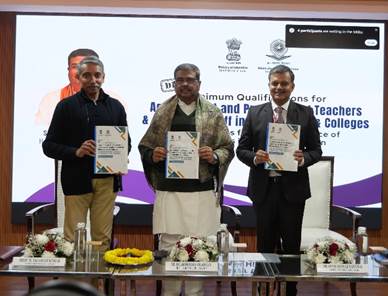
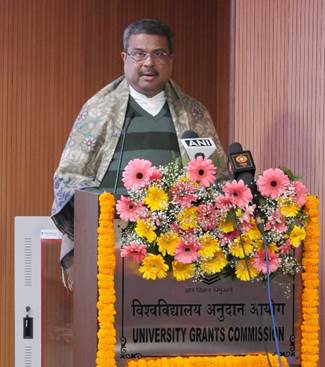
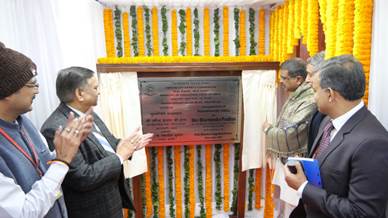
Union Minister for Education, Shri Dharmendra Pradhan, released the draft UGC (Minimum Qualifications for Appointment & Promotion of Teachers and Academic Staff in Universities and Colleges and Measures for the Maintenance of Standards in Higher Education) Regulations, 2025, today in New Delhi. He also inaugurated ‘Pushpagiri’, the new auditorium of UGC. Shri Sunil Kumar Barnwal, Additional Secretary, Ministry of Education; Prof. M. Jagadesh Kumar, Chairman, UGC; heads of the institutions, academicians, officials of the Ministry and other dignitaries were also present at the event.

Shri Dharmendra Pradhan, while addressing the audiences said that these draft reforms and guidelines will infuse innovation, inclusivity, flexibility and dynamism in every aspect of higher education, empower teachers and academic staff, strengthen academic standards and pave the way for achieving educational excellence. He congratulated the team of UGC for their efforts in formulating the Draft Regulations and Guidelines in sync with the ethos of NEP 2020.

The Minister mentioned that the Draft Regulations, 2025, have been placed in the public domain for feedback, suggestions, and consultations. He expressed confidence that the UGC will soon publish the Draft Regulations, 2025, in their final form, driving transformations in the education system and propelling the country towards Viksit Bharat 2047 through quality education and research.

Shri Pradhan also complimented the UGC for honouring the unparalleled intellectual heritage of Odisha by naming their newly constructed auditorium ‘Pushpagiri.’ He noted that it is a matter of great pride and personal delight for him. He highlighted how Pushpagiri in Jajpur, Odisha, was a cradle of knowledge and a symbol of enlightenment. He commended the UGC for this laudable step in reappropriating Bharat’s intellectual heritage and values in the 21st century. Additionally, he expressed hope that this state-of-the-art auditorium would emerge as a hub for vibrant intellectual discourses, shaping bright futures.

Shri Sunil Kumar Barnwal, in his address, said that these regulations will significantly enhance the quality of teaching and learning in the higher education institutions. He also mentioned how the Ministry is committed to supporting their effective implementation across the country.

About the Regulations

The Draft UGC (Minimum Qualifications for Appointment & Promotion of Teachers and Academic Staff in Universities and Colleges and Measures for the Maintenance of Standards in Higher Education) Regulations, 2025 will give flexibility to universities in appointing & promoting teachers and academic staff in their institutions.

The draft regulations and guidelines are available for public consultation, inviting comments, suggestions and feedback from stakeholders at:

Draft Regulations: https://www.ugc.gov.in/pdfnews/3045759_Draft-Regulation-Minimum-Qualifications-for-Appointment-and-Promotion-of-Teachers-and-Academic-Staff-in-Universities-and-Colleges-and-Measures-for-the-Maintenance-of-Standards-in-HE-Regulations-2025.pdf

Key Highlights of the Regulations

•     Flexibility: Candidates can pursue teaching careers in subjects they qualify for with NET/SET, even if different from their previous degrees. Ph.D. specialisation will be prioritised.

•     Promoting Indian Languages: The draft Regulations encourage the use of Indian languages in academic publications and degree programmes.

•     Holistic Evaluation: It aims to eliminate score-based short-listing, focusing on a broader range of qualifications, including “Notable Contributions.”

•     Diverse Talent Pool: Creates dedicated recruitment pathways for experts in arts, sports, and traditional disciplines.

•     Inclusivity: Provides opportunities for accomplished sportspersons, including those with disabilities, to enter the teaching profession.

•     Enhanced Governance: Revises the selection process for Vice-Chancellors with expanded eligibility criteria with transparency.

•     Simplified Promotion Process: Streamlines the criteria for promotions, emphasising teaching, research output, and academic contributions.

•     Focus on Professional Development: Encourages continuous learning and skill enhancement for teachers through faculty development programs.

•     Enhanced Transparency and Accountability: Promotes transparent processes for recruitment, promotion, and addressing grievances.

*****

Department of School Education & Literacy

Daily writing prompt
What’s your dream job?
  1. SAMAGRA SHIKSHA

The Department of School Education and Literacy is implementing an integrated centrally sponsored scheme for School education – Samagra Shiksha. The scheme treats school education holistically, without segmentation from pre-primary to class XII and is in accordance with the Sustainable Development Goal for Education (SDG-4). The scheme provides support for the implementation of the RTE Act.

The Scheme has been aligned with the recommendations of the National Education Policy (NEP) 2020.

Under Samagra Shiksha, financial assistance is provided to States and UTs for undertaking various activities for Universalization of School Education including opening/strengthening of new schools up to senior secondary level, construction of school buildings and additional classrooms, development/strengthening of school infrastructure in northern border areas under Vibrant Village Programme, setting up, up-gradation and running of Kasturba Gandhi Balika Vidyalayas, construction of hostels for PVTGs under PM-JANMAN, setting up of Netaji Subhash Chandra Bose Avasiya Vidyalayas, construction of hostels under Dharti Aaba Janjatiya Gram Utkarsh Abhiyan for uncovered ST population, free uniforms to eligible children and free textbooks at elementary level, transport allowance, and undertaking enrolment and retention drives. Special training for age-appropriate admission of out-of-school children and residential as well as non-residential training for older children, seasonal hostels/residential camps, special training centres at worksites, transport/escort facility are also supported to bring out of school children to the formal schooling system including support to complete their education through NIOS/SIOS. Under the student-oriented component for the children with special needs, financial assistance is provided for identification and assessment of children with special needs, aids and appliances, braille kits and books, appropriate teaching learning material and stipend to girl students with disability etc.

Achievements of Samagra Shiksha

From 2018-19 to 2024-25

ActivitiesAchievement*(2018-19 to 2024-25)
Number of schools upgraded3656
New Residential schools/hostels242
Number of schools strengthen including additional classrooms80105
Schools covered under ICT & Digital initiatives including Smart Schools138802
Schools covered under Vocational Education9477
Number of KGBVs upgraded from class VIII to X313
Number of KGBVs upgraded from class VIII to XII2303
Construction of separate Girl’s toilets35457
*Works completed in the Financial Year 2018-2019 till 2024-2025 (till November)

Source: PRABANDH

  1. PM SCHOOLS FOR RISING INDIA (PM SHRI)

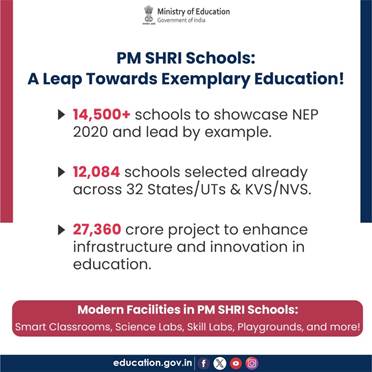
The centrally sponsored PM SHRI (PM ScHools for Rising India) scheme was approved by Cabinet on 7 September, 2022. Under the scheme there is provision of setting up of more than 14500 PM SHRI Schools by strengthening the existing schools from amongst schools managed by Central government/State/UT Government/local bodies. PM SHRI schools showcase the implementation of the National Education Policy 2020 and emerge as exemplar schools over a period of time, and also offer leadership to other schools in the neighbourhood. The total cost of the project will be Rs. 27360 crore spread over a period of 5 years which includes central share of Rs. 18128 crore.

A total of 33 States/UTs including KVS & NVS have signed the Memorandum of Understanding (MoU) with Ministry of Education for implementation of PM SHRI Scheme. Selection of PM SHRI schools is done through Challenge Mode wherein Schools compete for support to become exemplar schools.

A total of 12,084 schools have been selected from 32 States/UTs along with KVS/NVS in 1st, 2nd, 3rd & 4th phase of selection of PM SHRI Schools through the transparent challenge method out of which 1329 schools are Primary, 3340 schools are Elementary, 2907 schools are secondary and 4508 schools are senior secondary.

PM SHRI Scheme is being implemented by saturating all the components such as Bala feature and Jadui Pitara, Support at Pre-school Education, Child Friendly Furniture, Outdoor Play Materials etc. in Primary and Elementary Schools and Furniture, Fully equipped integrated Science Lab/Physics Lab/Chemistry Lab/ Biology Lab, Smart Classrooms, Computer Lab/ ICT Lab, Atal Tinkering Lab, Skill Lab, School Innovation Councils, Playground with well-equipped sports facilities etc. for secondary and senior secondary schools.

  1. PM POSHAN

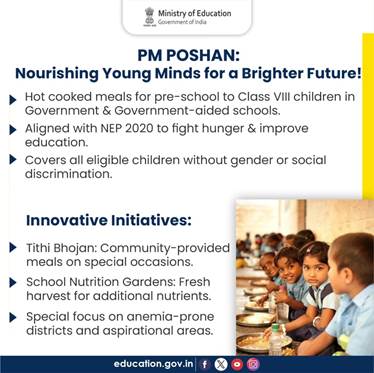
The Government has approved the Centrally Sponsored Scheme ‘Pradhan Mantri Poshan Shakti Nirman (PM POSHAN)’ for providing one hot cooked meal in Government and Government-aided Schools from 2021-22 to 2025-26. The Scheme is being implemented by the Ministry of Education. Under the Scheme, there is a provision of hot cooked meal to children of pre-schools or Bal Vatika (before class I) in primary schools also in addition to eligible children of classes I to VIII. The Scheme is implemented across the country covering all the eligible children without any discrimination of gender and social class. The main objectives of the PM POSHAN Scheme (earlier known as Mid-Day Meal Scheme) are to address two of the pressing problems for majority of children in India, viz. hunger and education by improving the nutritional status of eligible children in Government and Government-aided schools as well as encouraging poor children, belonging to disadvantaged sections, to attend school more regularly and help them concentrate on classroom activities.

The Scheme has been aligned with NEP 2020 in 2021 through:

a)         Tithi Bhojan – A community participation programme in which people provide special food to children on special occasions/festivals.

b)         Development of School Nutrition Gardens in schools to give children first-hand experience with nature and gardening. The harvest of these gardens is used in the scheme providing additional micro nutrients. iv.) Social Audit of the scheme is made mandatory in all the districts.

c)         Special provision is made for providing supplementary nutrition items to children in aspirational districts and districts with high prevalence of Anaemia.

d)         Encouraging cooking competitions to promote ethnic cuisine and innovative menus based on locally available ingredients and vegetables.

e)         Involvement of Farmers’ Producer Organizations (FPO) and Women Self Help Groups in the implementation of the scheme.

4.         ULLAS

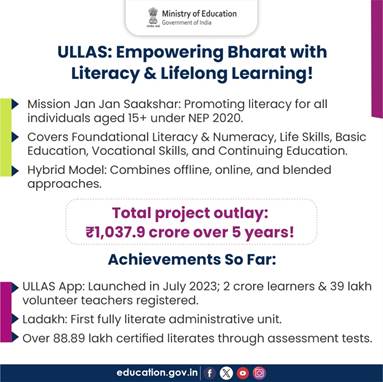
A Centrally Sponsored Scheme, ULLAS – Nav Bharat Saaksharta Karyakram, is an educational initiative implemented from FY 2022-23 to 2026-27. ULLAS, which stands for Understanding of Lifelong Learning for All in Society, aligns with the National Education Policy (NEP) 2020 and aims to provide educational opportunities to adults aged 15 and above who have missed formal schooling. The scheme is implemented in a hybrid mode, States/UTs have flexibility in offline, online, or combined approaches. The scheme has five components, namely: (i) Foundational Literacy and Numeracy, (ii) Critical Life Skills, (iii) Basic Education, (iv) Vocational Skills, and (v) Continuing Education.

ULLAS works under the inspiring vision of making Bharat ‘Jan Jan Saakshar’, driven by Kartavyabodh (a sense of duty), utilizing Singapore school platforms and community engagement through volunteerism. The scheme aims to achieve universal literacy by encouraging community participation, inclusivity, and leveraging technology, ultimately empowering every citizen with the ability to read, write, and engage meaningfully in society. The scheme has a total outlay of Rs. 1037.9 crore over the period of five years, out of which Central Share is Rs. 700 crore and State Share is Rs. 337.90 crore.

Major Achievements under ULLAS – Nav Bharat Saaksharta Karyakram:

•     ULLAS Mobile App launched on 29.7.2023 during Akhil Bhartiya Shiksha Samagam held at Bharat Mandapam, New Delhi.

•     More than 2 crore learners and 39 lakh volunteer teachers have been registered under ULLAS till now.

•     A total number of 1,11,03,397 learners have appeared in Foundational Literacy and Numeracy Assessment Test and a total number of 88,89,654 learners have been declared as certified literates through Foundational Literacy and Numeracy Assessment Test so far.

•     Ladakh has become the first administrative unit which is fully literate under ULLAS by the LG of Ladakh on 24.06.2024.

•     National Literacy Week was celebrated from September 1st to 8th, 2023, concluding on International Literacy Day, with approximately 3 crore participants. The 2024 National Literacy Week saw an even larger turnout, with over 4.8 crore participants. The literacy day was celebrated on 8th September 2024, with Vice President of India as the Chief Guest.

•     Institutions such as UGC, AICTE, and NCTE are actively engaging their resources in supporting the ULLAS scheme in a comprehensive manner. Directions have been issued to teachers and students for their robust involvement in the scheme.

•     Joint letter was issued by Secretary, DoSEL and Secretary, Skill Development & Entrepreneurship on 10 October 2023 for linking neo-literates to skill education through JSS.

•     To facilitate the accomplishments of selected neo-literates and volunteer teachers from States/UTs, the Department conducted two-day ULLAS Mela on 6th and 7th February, 2024 inaugurated by Union Minister for Education, Shri Dharmendra Pradhan.

•     Primers in 26 languages were released during the ULLAS Mela.

•     Various training programmes are being conducted continuously in various States/UTs.

•     Media and digital presence of ULLAS is expanding, with a focus on nationwide awareness and effective implementation strategies. Facebook page and You Tube Channel of ULLAS – Nav Bharat Saaksharta Karyakram have been created. Adult Learning lessons are being broadcasted on DTH Channel No. 14 in 29 official languages.

•     A total of Rs. 35.60 crore (Central Share) has been released to the States and UTs so far for the year 2024-25. A total of Rs. 159.67 crore has been released to State/UTs under the scheme so far.

5.   NATIONAL MEANS-CUM-MERIT SCHOLARSHIP SCHEME (NMMSS)

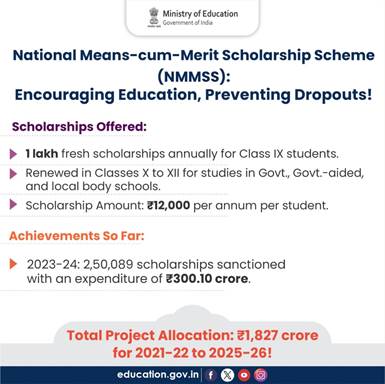
The Central Sector Scheme ‘National Means-cum-Merit Scholarship Scheme’ is being implemented with the objective to award scholarships to meritorious students of economically weaker sections to arrest their drop out at class VIII and encourage them to continue their education at secondary stage. One lakh fresh scholarships are awarded to selected students of class IX every year and their continuation/renewal in classes X to XII for study in State Government, Government-aided and Local body schools under the scheme. The amount of scholarship is Rs. 12000 per annum.

Government has approved continuing the Scheme from FY 2021-22 to 2025-26 with total allocation of Rs.1827 crore.

Achievements under the scheme

Under the scheme, 250089 scholarships have been sanctioned at an expenditure of Rs. 300.10 crore during the year 2023-24. During the current project year, i.e., 2024-25, NSP has been operational since 30.06.2024 and the last date for registration of scholarship applications was 15.11.2024. The last date for L1 or Level 1 verification (by Institute Nodal Officer) was 30.11.2024 and L2 or Level 2 verification (by District Nodal Officer or DNO) was 15.12.2024. Applications which are finally verified on NSP are considered for sanction of scholarship in a project year for the preceding academic year.

6.         PM-JANMAN

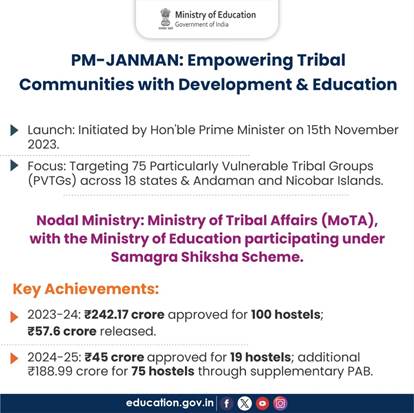
Pradhan Mantri Janjati Adivasi Nyaya Maha Abhiyan (PM- JANMAN) has been launched by Prime Minister Shri Narendra Modi on 15 November 2023. The Abhiyan targets development of 75 Particularly Vulnerable Tribal Groups (PVTGs) residing in 18 states and UT of Andaman and Nicobar Islands. The Abhiyan envisages saturation of basic facilities, including Education, in these villages by adopting whole of Government approach in convergence with line ministries. M/o Tribal Affairs (MoTA) is the nodal ministry for implementation of PM JANMAN. Ministry of Education is one of the participating Ministries in the Abhiyan and PM-JANMAN is being implemented in convergence with Samagra Shiksha Scheme of this Department.

•     For 2023-24 an amount of Rs. 24217 lakh have been approved for 100 hostels with the financial release of Rs. 57.6 crore.

•     For 2024-25 an amount of Rs. 4500 lakh have been approved for 19 hostels.

•     In 2024-25 a supplementary PAB was held under which 75 hostels were sanctioned with an amount of Rs. 18,899 lakh.

7.   DA JGUA

Dharti Aaba Janjatiya Gram Utkarsh Abhiyan (DA-JGUA) has been introduced to improve the socio-economic conditions of tribal communities through interventions in health, social infrastructure, livelihood and education. The scheme aims at holistic and sustainable development of tribal populations in villages through convergence of schemes. DA JGUA scheme has a run over period from 2024-25 to 2028-29, in education the schemes target construction of 1000 hostels under Samagra Shiksha during the period. For 2024-25, Rs. 1102.19 crore has been approved for 304 hostels.

8.   NATIONAL TEACHERS’ AWARDS (NAT)

National Teacher’s Award 2024 is conferred by President of India every year on 5th September. Each award carries a certificate of merit, a cash award of Rs. 50,000 and a silver medal. The purpose of the National Teachers’ Award is to celebrate the unique contribution of teachers in the country and to honour those teachers who, through their commitment and dedication, have not only improved the quality of education but also enriched the lives of their students.

The awardees are selected through a rigorous transparent and online three stages, i.e., District, State and National level selection process by the Department of School Education and Literacy.

The applicants are evaluated based on the evaluation matrix consisting of two types of criteria: Objective criteria and Criteria based on performance

These criteria includes initiatives to improve learning outcomes, innovative experiments undertaken, organisation of extra and co-curricular activities, use of Teaching Learning Material, social mobility, ensuring experiential learning, unique ways to ensure physical education for students, etc. The selection procedure for NAT-2024 involved a two-step process:

  • Evaluation by Preliminary Search-cum Screening Committee for initial shortlisting of nominees and
  • Committee of ‘Jury’ for selection of awardees from the shortlisted nominees.

Important initiatives of the Department for 2024

1.         Foundational Literacy and Numeracy

1.1       The National Education Policy 2020 has stipulated that attaining foundational literacy and numeracy for all children must become an immediate national mission. Toward this end, the Department of School Education & Literacy has launched a National Mission called “National Initiative for Proficiency in Reading with Understanding and Numeracy (NIPUN Bharat)” by the Government on 5th July 2021 to ensure that every child in the country necessarily attains foundational literacy and numeracy by the end of Grade 3 by 2026-27.

1.2       The Foundational Literacy and Numeracy Assessment Test (FLNAT) as part of the ULLAS – Nav Bharat Saaksharta Karyakram was on 17th March 2024, across 23 states. The assessment comprises three subjects: Reading, Writing, and Numeracy. This test is developed to evaluate the foundational literacy and numeracy skills of registered non-literate learners. A total of 1,11,03,397 learners have appeared in FLNAT out of which 88,89,654 learners have been declared as certified literates so far.

2.         PARAKH and PARAKH Rashtriya Sarvekshan

2.1       In pursuance of the recommendations of the National Education Policy (NEP) 2020, National Assessment Centre, PARAKH (Performance Assessment, Review, and Analysis of Knowledge for Holistic Development) has been setup by the Ministry of Education under the National Council of Educational Research and Training (NCERT) for establishing norms, standards, and guidelines for student assessment and evaluation across all school boards.

2.2       PARAKH has also been entrusted with the responsibility of carrying out the next round of PARAKH Rashtriya Sarvekshan 2024 (earlier known as NAS). The survey was held on 4th December 2024 across the country and will help to assess the competencies developed by students at the end of foundational, preparatory and middle stages (i.e., Students currently in 3rd, 6th and 9th Grades) and help to take remedial measures. Development, testing, finalization of the test items and survey tools have been developed by PARAKH, NCERT. The administration of the test in the sampled schools has been done by CBSE in collaboration with the respective States/UTs. Around 23 lakh students from approximately 88 thousand schools participated in the Sarvekshan.

2.3       A key initiative of PARAKH is the conceptualization of the Holistic Progress Card (HPC) for all four levels of school education. HPC is a comprehensive document of the learners’ progress captured across several curricular and co-curricular elements based on their performance on the competency-based and multidisciplinary activities.

2.4       PARAKH has developed HPC at the Foundational, Preparatory, Middle and Secondary stages to strengthen the implementation of a Competency Based Assessment Framework model.

3.         Multilingualism

3.1       National Education Policy (NEP) 2020 emphasizes the importance of languages (Mother tongue-based education and multilingualism) and a holistic approach to education that values and preserves the linguistic heritage of our country and fosters a sense of pride in its linguistic diversity. NEP 2020 recommends that wherever possible, the medium of instruction until at least Grade 5, but preferably till Grade 8 and beyond, will be the home language/mother tongue/local language/regional language. Thereafter, the home/local language shall continue to be taught as a language wherever possible.

3.2       National Curriculum Framework for Foundational Stage (NCF-FS) has emphasised the use of the child’s mother tongue, home language, local language, or regional language for teaching-learning at the foundational stage. It is important to provide children with comprehensive reading and writing skill, including both letter recognition and the ability to understand and interpret written text in their mother tongue, local language, or the language spoken at home. Keeping this in view, a total of 104 Primers in Indian Languages have been developed and released, out of which twenty-five new primers in various Indian languages were also released during Bharatiya Bhasa Utsav held on 11/12/2024.

4.         Textbooks

4.1       As a follow-up to the National Curriculum Framework for School Education introduced in August 2023 and under the guidance of National Syllabus and Teaching Learning Material Committee NCERT has developed Learning Teaching Material (LTM) for Balvatika (Jaadui Pitara), Grade 1 (Languages and Mathematics), Grade 2 (Languages and Mathematics), Grade 3 (Languages, Mathematics, The World Around US, Arts, Physical Education and Well-being) and Grade 6 (Languages, Mathematics, Science, Social Science, Skill Education, Arts, Physical Education and Well-being) in print and digital form. These textbooks are also available in three languages viz., Hindi, English and Urdu.

4.2       Textbooks of grades 4, 5, 7 & 8 are under development.

4.3       Textbooks of grades IX and XI will be developed during 2025-26 while Textbooks of grades X and XII will be developed during 2026-27.

4.4       Major features of textbook developed are competency-based and age-appropriate content; fostering critical thinking and problem solving; integration of interdisciplinary and multidisciplinary approaches; inclusion of digital resources; emphasis on cultural rootedness and Indian knowledge systems etc.

4.5       NCERT’s annual textbook printing has expanded from 5 crore to 15 crore books to meet demand.

4.6       Textbooks are being prepared in all scheduled Indian languages and made accessible via online platforms.

5.         Integrated Teacher Education Programme

5.1       The four-year Integrated Teacher Education Programme (ITEP) has been introduced in 64 multidisciplinary institutions as envisioned in the NEP 2020. ITEP is a 4-year integrated dual major bachelor degree in Education as well as a specialized subject in arts, science, physical education etc. The aim is to develop passionate, motivated, qualified, professionally trained, and well-prepared teachers.

5.2       Admission for the ITEP is carried out by the National Testing Agency (NTA) through the National Common Entrance Test (NCET) which was last held on 10th July 2024.

6.         NPST & NMM

6.1       The National Mission for Mentoring (NMM), as envisaged in Para 15.11 of NEP 2020, aims to create a large pool of outstanding professionals willing to provide mentoring to school teachers. These potential mentors, regardless of age or position, will contribute towards realizing the 21st-century developmental goals of our nation.

6.2       The Department launched the NMM – The Bluebook on 9th March 2024. The Braille Version and Audio version of NMM – The Bluebook were released on 29.07.2024 on the occasion of 4th anniversary of NEP, 2020.

6.3       The National Professional Standards for Teachers (NPST), as envisioned in Para 5.20 of the National Education Policy (NEP) 2020, aims to enhance the personal and professional development of teachers by providing clear expectations and guidelines for performance improvement.

6.4       The Department launched the NPST Guiding Document on 9th March 2024. The Braille Version and Audio version of NPST Guiding Document were released on 29.07.2024 on the occasion of 4th anniversary of NEP 2020.

Steps taken to improve learning outcomes in schools

National Assessment Centre, PARAKH (Performance Assessment, Review, and Analysis of Knowledge for Holistic Development), NCERT under the aegis of Ministry of Education, is implementing several strategic initiatives to enhance learning outcomes and competencies in schools across India in collaboration with the States and UTs.

A key initiative of PARAKH is the conceptualization of the Holistic Progress Card (HPC) for all the four levels of school education. HPC is an integrative and comprehensive document of the learners’ progress captured across several elements based on their performance on the competency-based assessment activities. PARAKH has developed the Holistic Progress Cards at the Foundational, Preparatory, Middle and Secondary stages to strengthen the implementation of a Competency Based Assessment Framework model.

Another core initiative of PARAKH has been the conduction of PARAKH Rashtriya Sarvekshan 2024 (earlier known as National Achievement Survey- NAS) on December 4, 2024 covering approximately 23 lakh students in 87,619 schools across the country. This nationwide survey will help assess the learning competencies at the end of the foundational, preparatory, and middle stages of schooling (i.e. students currently in Grades 3, 6, and 9).

The primary objective of this survey is to establish a baseline for the national benchmark of student competencies, allowing for a detailed understanding of learning levels across different states, regions, and socioeconomic backgrounds. By gathering sample data on student achievement, PARAKH can identify specific competencies where students may be struggling and design targeted interventions to support these learning needs. This approach enables the creation of focused action plans that can be tailored to address the diverse educational landscapes of India’s school system.

Post-assessment, PARAKH will collaborate with state and district-level educational authorities to implement targeted interventions based on the survey findings.

Teacher training is another significant aspect of the steps taken to improve learning competencies. By equipping teachers with effective tools and methodologies for competency-based education, PARAKH seeks to ensure that classroom instruction meets the evolving demands of 21st-century education.

Steps to improve percentage of CWSN children in Schools

Under Samagra Shiksha, there is a dedicated component for Inclusive Education (IE) for Children with Special Needs, to ensure full equity and inclusion such that all children with special needs are able to fully participate in regular schools. The scheme aims to look at education of CwSN in a continuum from pre-school to class XII. The scheme covers all CwSN with one or more disabilities as mentioned in the Schedule of disabilities of Rights of Persons with Disabilities (RPwD) Act, 2016.

Through the IE component, various provisions are made available for CwSN such as identification and assessment camps (at block level), student specific interventions @ Rs. 3,500 per CwSN per annum for support. In addition, to encourage girl children with disabilities to attend schools, stipend for girls with special needs @ Rs.200 per month for 10 months (Rs. 2,000 per annum) through Direct Benefit Transfer is provided. Further, individualized support is also provided through resource centres at block level to cater to the unique learning needs of CwSN.

For early screening and identification of CwSN, Prashast, a Disability Screening Checklist for Schools’ booklet and mobile app covering 21 disabilities, including the benchmark disabilities as per the RPwD Act 2016, facilitates early screening and identification of CwSN leading to their certification and provisions of IE interventions under Samagra Shiksha.

Schools are being made more disabled friendly by incorporating barrier free features in their designs. Another recent initiative of SS has been to provide disabled friendly toilets. So far, 58.5% government schools have been equipped with ramps and handrails and 31.1% schools have CwSN friendly toilets. The Accessibility Code for Educational Institutions in consultation with stakeholders and Office of Chief Commissioner for Persons with Disabilities was notified on January 10th, 2024.

The Department notified the Pupil Teacher Ratio (PTR) for special teachers in general schools vide Notification No. S.O. 4586 (E) dated 21.09.2022 (published on 29.09.2022).

NCERT textbooks have been converted into Indian Sign Language (ISL): Till date 4250 plus ISL videos related to curricular content for classes I to VII, glossary words in psychology, history, geography, Urdu, economics have been produced and are being continually disseminated through DIKSHA portal and PM eVidya (One Class, One Channel), DTH TV Channels, on regular basis to ensure coherent access of these e-Contents.

Central Board of Secondary Education (CBSE) being sensitive to the needs of CwSN students provides several exemptions/concessions as defined in The Rights of Persons with Disabilities Act – 2016 such as issuing authority of Medical Certificate, facility of Scribe and compensatory time, appointment of Scribe and related instructions, fee and special exemptions for class X like exemption from third language, flexibility in choosing subjects, alternate questions /Separate Question and special exemptions for class XII like flexibility in choosing subjects, separate question paper and questions in lieu of practical component.

Steps taken to bring equivalence amongst different State School Boards in curriculum & assessment

The Government of India endeavours to create a more equitable, standardized, and effective education system across the country, so that all students, regardless of their state or board, have access to similar assessment standards. The PARAKH has been set up as a constituent body under the NCERT for establishing norms, standards, and guidelines for student assessment and evaluation across all school boards to bring about equivalence in curriculum, assessment practices, and examination formats across the boards in the country. The PARAKH has taken following steps for promoting equivalence among school boards:

  1. National Consultative Meeting: The first national meeting with 26 school education boards from 30 States/UTs focused on school assessment practices and board equivalence.
  2. Regional Workshops: PARAKH conducted a series of five-day regional workshops across the country in the Western, Northern, Eastern, North-Eastern, and Southern regions. These workshops involved discussions on school assessments and ways to standardize practices between boards.
  3. Study of Question Papers: A study was conducted by the PARAKH on question papers from different boards to analyze their assessment patterns. Guidelines were then drafted to ensure better alignment and equivalence across boards.
  4. Workshops for Equivalence Finalization: Workshops were organized to finalize findings from the question paper study and discuss the report on equivalence. Several key boards participated to review and implement the final guidelines.
  • V.Sharing the Report on Equivalence: Workshops were held to share the findings of the equivalence study aiming for a more inclusive and comprehensive assessment framework.
  1. Standardization of Question Paper Templates: PARAKH initiated workshops on standardizing question paper templates across boards. The workshops focused on improving question paper design and assessment quality, aligning with the National Education Policy (NEP 2020). Special emphasis was placed on training master trainers from different states to further train teachers on effective question paper design.

APAAR ID – Status of Roll out in different States/UTs

APAAR empowers students to accumulate and store their academic accomplishments, facilitating seamless transitions between institutions for the pursuit of further education. The APAAR ID simplifies the processes of credit recognition and transfer right from the school level, thereby streamlining academic progression and recognition of prior learning.

APAAR Registration Process

  • Step 1: Verification: Visit the school to verify demographic details
  • Step 2: Parental Consent: Obtain parental consent if the student is a minor
  • Step 3: Authentication: Authenticate identity through the school
  • Step 4: ID Creation: Upon successful verification, the APAAR ID is created and added to DigiLocker for secure online access

As on 17 December 2024, more than 7 crore APAAR IDs have been generated and validated, ensuring unique tracking of student progress.

Building awareness amongst states on climate change & global warming via Eco Clubs for Mission LiFE

The National Education Policy (NEP) 2020 emphasizes the critical importance of integrating environmental awareness and sustainability principles into school curricula. The Policy aims to sensitize students to environmental / climate change concerns and inculcate among students the values, attitudes, behaviour and skills essential to address environmental challenges, thus preparing them to contribute to a sustainable future.

In alignment with this vision, Eco Clubs serve as a critical platform within schools, providing students with the opportunity to develop practical skills and knowledge for the responsible use of natural resources. Through participation in activities such as optimizing water usage, minimizing waste generation, recycling, and conducting plantation drives, students learn sustainable practices that they can implement both within and beyond the school environment. Eco Clubs empower students to act as environmental ambassadors, extending their impact to their families and communities by promoting sound environmental behaviour, such as reducing single-use plastics, conserving water, and participating in eco-friendly initiatives. Through these engagements, students gain a profound understanding of the shared responsibility to preserve and protect our planet, thereby advancing NEP 2020’s objective of nurturing environmentally conscious citizens for a sustainable India. Activities of Eco clubs for Mission LiFE are supported through Samagra Shiksha. A sum of Rs. 744 crore (approx.) has been allocated to the States / UTs under AWP&B for 2024-25.

The activities of Eco Clubs have been integrated with Mission LiFE, leading to their renaming as “Eco Clubs for Mission LiFE.” All the activities of Eco Clubs have been aligned with the seven themes of Mission LiFE (Save Energy, Save Water, Say No to Single Use Plastic, Adopt Sustainable Food Systems, Reduce Waste, Adopt Healthy Lifestyles and Reduce E-waste). As part of this initiative, summer camps were organized starting on June 5, 2024 (World Environment Day), in recognition of World Environment Day, covering seven core themes of Mission LiFE. These camps saw active participation from over 11 crore individuals, including students, teachers and community members. As a best practice, during the camps, school teachers, students and community members from states like Chhattisgarh, Kerala and Tamil Nadu engaged in seed ball preparation, later dispersing these seed balls over degraded lands during the monsoon season as a measure against desertification.

During Shiksha Saptah, observed from July 22 to 28, 2024 as a run up to the 4th anniversary of NEP 2020, one day was designated as “Eco Clubs for Mission LiFE” Day. As of November 11, 2024, notable achievements of Eco Clubs for Mission LiFE Day are the establishment of 1.46 lakh new Eco Clubs for Mission LiFE [part of the 100 Days’ Action Plan of Department of School Education & Literacy (DoSEL)], establishment of more than 1 lakh School Nutrition Gardens (also part of the 100 Days’ Action Plan of DoSEL), the planting of 5.18 crore saplings under the  initiative with a total participation of 6.75 crore individuals, encompassing students, teachers and community members. Schools conducted these tree plantation drives from 27.07.2024 to 30.09.2024 covering the monsoon season.

Increasing of material cost for procurement of ingredients under PM Poshan Scheme

On the basis of inflation index provided by the Labour Bureau, the material cost for procurement of ingredients (pulses, vegetables, oil, spices & condiments, fuel) for cooking meals for Bal Vatika and Primary classes under PM Poshan Scheme has been increased to Rs. 6.19 per child per day from Rs. 5.45 (increase of Rs. 0.74 per child) and to Rs. 9.29 per child per day from Rs. 8.17 (increase of Rs. 1.12 per child) for upper primary classes w.e.f. December 2024. These rates for material cost are the minimum mandatory rates. States/UTs are free to contribute more from their own resources.

Status of framing of Rules under the Right of Children to Free and Compulsory Education (Amendment) Act, 2019 [RTE (Amendment) Act, 2019]

The rules under the Right of Children to Free and Compulsory Education (Amendment) Act, 2019 has been amended vide Gazette notification G.S.R.777(E) dated 16th December, 2024 by providing for regular examination in the 5th & 8th class at the end of academic year. If a child fails to fulfil the promotion criteria, he/she shall be given additional instruction and opportunity for re-examination within a period of two months from the date of declaration of results. If the child appearing in the re-examination fails to fulfil the promotion criteria again, he shall be held back in fifth class or eight class, as the case may be.

Opening of new KVs & JNVs

The Cabinet Committee on Economic Affairs, chaired by the Prime Minister, on 4th December 2024, has approved the opening of 85 new Kendriya Vidyalayas (KVs) under Civil / Defence sector across the country and the expansion of one existing KV i.e., KV Shivamogga, District Shivamogga, Karnataka to facilitate increased number of Central Government employees by adding two additional Sections in all the classes under the Kendriya Vidyalaya Scheme (Central Sector Scheme).

The Cabinet Committee on Economic Affairs, chaired by the Prime Minister on 4th December 2024, has approved the setting up of 28 Navodaya Vidyalayas (NVs) in the uncovered districts of the country under the Navodaya Vidyalaya Scheme (Central Sector Scheme).

*****