Education and Feminist Disillusionment: Empowerment and Alienation in the Works of Bama and Manju Kapur

Daily writing prompt
Write about your approach to budgeting.

Dr. Aparna Mishra

English

Bhopal, India

Email: aparnaamishra24@gmail.com

Abstract

Education is widely conceptualised within feminist theory and social-development discourse as a transformative instrument capable of enabling women’s empowerment, autonomy, and social mobility. In the Indian context, however, literary narratives frequently complicate this assumption by revealing the emotional, cultural, and structural consequences of education for women situated within rigid caste and gender hierarchies. This paper examines education as a site of feminist disillusionment in Bama’s Karukku and Manju Kapur’s Difficult Daughters and A Married Woman. It argues that while education sharpens feminist consciousness and ethical awareness, it often intensifies social and emotional marginalisation when institutional and cultural structures remain unchanged. By integrating literary analysis with feminist social theory, the study demonstrates that education often produces awareness without emancipation, exposing the gap between developmental promises and lived realities. The paper concludes by outlining policy implications for gender and education that emerge from these narratives.

Keywords: women and education, feminist disillusionment, caste and patriarchy, social exclusion, Indian society

1. Introduction

Within international social-studies scholarship, education is consistently positioned as a cornerstone of social progress. Development indices, policy frameworks, and feminist advocacy alike emphasise women’s education as a solution to gender inequality, poverty, and social stagnation. Education is assumed to foster rational agency, economic independence, and democratic participation, thereby enabling women to transcend traditional constraints. However, this assumption presupposes that social institutions are willing and able to absorb the transformed consciousness that education produces. In societies structured by caste hierarchy, patriarchal family systems, and moral regulation of women’s lives, education may heighten awareness without ensuring social acceptance. It is within this contradiction that feminist disillusionment emerges—not as personal despair, but as structural betrayal. Indian women’s writing offers a particularly incisive lens through which to examine this paradox. Rather than celebrating education as an unqualified emancipatory force, many narratives document the emotional, ethical, and social costs of educational awakening. As Elaine Showalter observes, women’s literature often records “the painful process of becoming conscious” rather than triumphant liberation (13).

This paper examines such consciousness in the works of Bama and Manju Kapur. Writing from distinct social locations—Dalit Christian Tamil society and North Indian middle-class Hindu patriarchy—both authors foreground women whose educational attainment intensifies their awareness of injustice without securing belonging or fulfilment. The paper argues that education functions as a paradoxical force: it empowers the mind while isolating the self.

2. Education, Feminism, and the Problem of Structural Limits

Liberal feminist theory has traditionally foregrounded education as a primary route to women’s emancipation. Simone de Beauvoir asserts that women’s subordination persists because they are denied access to institutions that produce autonomy, among which education is central (37). From this perspective, education appears as a corrective capable of dismantling gender inequality.

Yet postcolonial and subaltern feminists challenge the universality of this claim. Education, they argue, does not operate outside power relations; it is embedded within them. Gayatri Chakravorty Spivak cautions that access to education does not automatically confer voice or agency, particularly for subjects positioned at the margins of social power. Institutional systems often absorb educated marginal subjects without altering the hierarchies that silence them (Spivak 287).

Dalit feminist scholarship further complicates the narrative of educational empowerment. For Dalit women, education frequently produces heightened awareness of exclusion while leaving caste structures intact. Knowledge becomes a means of recognition rather than escape. Disillusionment, therefore, emerges not from the failure of education itself but from the failure of society to respond to the consciousness education generates.

This theoretical tension provides the framework for the present analysis. In the texts examined, education produces critical consciousness without social legitimacy, resulting in feminist disillusionment.

3. Education and Caste Alienation in Bama’s Karukku

Bama’s Karukku occupies a central position in Dalit feminist literature, offering a searing critique of caste oppression as experienced within educational and religious institutions. Education initially appears as a promise—a means to dignity, equality, and escape from inherited humiliation. As a student, Bama internalises the belief that learning will enable transcendence.

This belief, however, is systematically dismantled. Bama states with stark clarity: “No matter how educated we are, the label of ‘Paraiya’ can never be erased” (Bama 29). This assertion encapsulates the fundamental paradox governing education in the text. Education sharpens awareness of injustice but does not dismantle caste as a social determinant.

Educational spaces, rather than functioning as neutral sites of meritocracy, become arenas where caste prejudice is reproduced. Bama recounts repeated experiences of humiliation within Church-run schools, exposing the hypocrisy of institutions that preach equality while practising discrimination. She observes that “they spoke of love and justice, but treated us as if we were born to be humiliated” (Bama 41).

As is evident from the narrative, education intensifies emotional alienation. The more Bama learns, the more acutely she perceives the injustice surrounding her. Education estranges her not only from dominant institutions but also from her own community, which often discourages questioning as a threat to collective survival. The educated Dalit woman thus occupies a liminal position—critically aware yet socially marginalised.

From a social-studies perspective, Karukku demonstrates the limitations of educational inclusion without structural reform. Education exposes inequality but lacks the institutional authority to dismantle it. Feminist disillusionment here emerges as a rational response to systemic betrayal rather than personal pessimism.

4. Education, Gender, and Nationalist Modernity in Difficult Daughters

Manju Kapur’s Difficult Daughters situates women’s education within the socio-political context of nationalist India, a period that outwardly promoted female education as a symbol of progress and reform. Yet the novel reveals that this promotion was conditional and deeply gendered.

Virmati’s education enables intellectual awakening and feminist questioning. She becomes increasingly dissatisfied with domestic confinement and marriage as destiny. However, this awareness does not translate into autonomy. Reflecting on her educational journey, Virmati recognises that it made her “restless, dissatisfied, and incapable of fitting into the life laid out for her” (Kapur, Difficult Daughters 143).

Education destabilises her social position without providing alternatives. As can be understood from the narrative, educated women are perceived as disruptive rather than empowered. Virmati’s learning threatens patriarchal order, yet the same order refuses to accommodate her aspirations. She becomes a figure of moral anxiety rather than progress.

Kapur thus exposes a central contradiction of nationalist modernity: women’s education is celebrated rhetorically but constrained materially. The educated woman is expected to embody progress without demanding autonomy. Feminist awareness produces isolation rather than solidarity, revealing the emotional cost of consciousness.

5. Education, Sexual Identity, and Emotional Estrangement in A Married Woman

In A Married Woman, Kapur extends the theme of feminist disillusionment by linking education to political and sexual awareness. Astha’s education enables her to engage with art, activism, and alternative forms of intimacy. This expansion of consciousness allows her to perceive the emptiness of her marriage with clarity.

Astha acknowledges that education has given her “the ability to see the emptiness of her marriage clearly” (Kapur, A Married Woman 212). Yet clarity does not produce freedom. As is conveyed in the text, education sharpens perception but does not dismantle the structures that enforce marital conformity.

Astha’s feminist awareness intensifies emotional fragmentation. She becomes increasingly alienated within domestic life, unable to reconcile intellectual fulfilment with social expectation. Education destabilises patriarchal arrangements but leaves her without viable alternatives. This condition reflects what feminist theorists describe as the emotional cost of consciousness—awareness becomes a burden when society lacks the capacity to absorb transformed subjectivities.

6. Comparative Analysis: Awareness without Emancipation

Across Bama and Kapur’s works, education functions as a catalyst for feminist consciousness while simultaneously producing alienation. In Karukku, caste hierarchy renders education socially ineffective. In Kapur’s novels, gendered respectability neutralises its emancipatory potential.

As Elaine Showalter notes, women’s writing frequently records “a struggle for self-definition within structures that deny legitimacy” (19). Education intensifies this struggle by exposing injustice without resolving it. The educated woman becomes hyper-aware of exclusion but remains constrained by institutions unwilling to change.

From a social-studies standpoint, these narratives challenge education-centric models of empowerment. They demonstrate that education, when divorced from structural reform, risks producing disillusionment rather than liberation.

7. Implications for Gender and Education Policy

The literary insights offered by Bama and Kapur carry significant implications for gender-responsive education policy. First, the narratives reveal that access to education alone is insufficient to ensure empowerment. Policies that focus solely on enrolment and attainment must be re-evaluated, as they risk overlooking the lived realities of educated women who remain socially marginalised.

Second, the texts underscore the necessity of addressing structural inequalities alongside educational expansion. In Karukku, caste discrimination persists within educational institutions themselves, suggesting the need for institutional accountability, inclusive pedagogy, and enforceable anti-discrimination mechanisms. Without confronting caste hierarchies, education may amplify awareness without enabling mobility.

Third, Kapur’s novels highlight the gap between educational advancement and social accommodation. Gender-sensitive policy must address not only access but also the social conditions that shape women’s post-educational lives—marriage norms, workplace discrimination, and moral surveillance. Education that disrupts traditional roles without institutional support can intensify emotional vulnerability.

Finally, these narratives emphasise the importance of integrating emotional and ethical dimensions into educational policy. Empowerment must be understood not only in economic terms but also in terms of belonging, dignity, and legitimacy. Feminist disillusionment, as portrayed in these texts, serves as a critical diagnostic tool, revealing where policy promises fail to translate into lived justice.

8. Conclusion

This paper has examined education as a site of feminist disillusionment in the works of Bama and Manju Kapur. While education enhances critical awareness and ethical questioning, it often deepens social and emotional marginalisation when caste hierarchies, gender norms, and institutional resistance remain intact.

Rather than rejecting education, these narratives demand a re-evaluation of its role within social transformation. Education alone cannot guarantee empowerment unless accompanied by systemic change. Feminist disillusionment thus emerges not as failure but as critique—a powerful indicator of the gap between educational promise and social reality.

For international social-studies scholarship, these texts underscore the necessity of coupling educational access with structural reform. Without such integration, education risks producing awareness without emancipation.

References

Bama. Karukku. Translated by Lakshmi Holmström, Oxford UP, 2012.

Beauvoir, Simone de. The Second Sex. Translated by H. M. Parshley, Vintage, 1989.

Kapur, Manju. A Married Woman. Penguin India, 2003.

—. Difficult Daughters. Penguin India, 1998.

Showalter, Elaine. A Literature of Their Own. Princeton UP, 1977.

Spivak, Gayatri Chakravorty. “Can the Subaltern Speak?” Marxism and the Interpretation of Culture, edited by Cary Nelson and Lawrence Grossberg, U of Illinois P, 1988, pp. 271–313.

Dhand, D. (2016). Representation of subaltern voices in Indian English writings highlighting the narrative of subalternity in women. Research journal of English language and literature4(01).

Sharma, P., & Dwivedi, A. K. (2025). Colonial Echoes. Indian Literature69(6 (350), 42-49.

Kavitha, T. N. K., & Rajaram, M. (2025). Fragmented Selves and Commodified Bodies: A Posthumanist Exploration of Gender, Identity and Power in Shobhaa De’s Sisters.

Sharma, D. (2017). Insights of Feminist Epistemology in Some Selected Novels of Alice Walker. Rupkatha Journal on Interdisciplinary Studies in Humanities.

Essential Role of Natural Products In Drug Discovery and Chemical Biology

Daily writing prompt
Write about your approach to budgeting.

1Dr. P. P. Patil, 2Mr. J. S. Sonawane and 1Dr. D. V. Nagarale*

1VVM’s S. G. Patil Arts, Commerce and Science College, Sakri

2 D. M. Patil Jr. College, Dahivel

Abstract:

Natural products (NPs) derived from plants, microbes, and marine organisms remain a vital source of structural diversity for drug discovery, particularly in treating cancer and infectious diseases. While historically significant, challenges in screening, isolation, and optimization previously caused a decline in their use by the pharmaceutical industry. Modern advances in computational chemistry, artificial intelligence, and genomics are revitalizing this field, facilitating the screening of new molecules and the optimization of lead structures. 

Introduction:

Natural materials with demonstrated biological activity are frequently used as central research points for the development of new pharmacological lead candidates. In order to get must pass a comprehensive test that calls for effective and extraordinary synthetic systems. entry to these convoluted and fundamentally different communities, scientific specialists An alluring component of early drug development is the use of small molecule libraries motivated by bioactive natural compounds, which plays a crucial role in the drug discovery process. In this case, the possibility of presenting unique organic action may increase as one moves from planar structures with a sp2-rich nature to all the more fundamentally complex libraries that have diverse sp3 focuses.

Newfound awareness of environmental concerns has also led to the reevaluation of several previous breakthroughs, compelling veteran scientists to develop cutting-edge “green” methods. These loops should save energy, reduce the need for primary inputs, and generate as little waste as possible.

Review of Natural products:

Datta, Avhad & Alpana, Asnani& Shrikant. Mohurle et. al (2020) Benzotriazole is a derivative of a heterocyclic ring with three nitrogen atoms in the first, second, and third positions. Each nitrogen atom can be found in a separate solitary pair. Due to its unique electron pair, a five-membered ring can exhibit tautomeric structures. Benzotriazole belongs to the class of interwoven heterocycles that consists of a benzene ring fused to a traizole ring. The medical relevance of benzotriazole and its derivatives cannot be overstated. Researchery will be able to improvise with the concepts and structure activity correlations they learn about in this article01.

Review of Natural products:

Campos, Kevin and Coleman, Paul and Alvarez, Juan and Dreher, Spencer and Garbaccio, et al. (2019)

Many ground-breaking medications that have benefited human health over the past century could not have been found without the discoveries in synthetic science that have occurred over the previous century. New scientific discoveries are what will propel the pharmaceutical industry forward in the face of growing threats to existing treatments. Not only can these synthetic procedures make previously inaccessible chemical matter available, but they also spark novel ideas for the design and production of chemical matter. In this paper, we identify the most significant recent advancements in synthetic science and situations at the interface with partner fields that are prepared to revolutionize the process of drug discovery and development01.

Yao, Zhu-Jun and Yu, Shouyun (2018)

One of the main motivating factors for physicists to develop new synthetic processes is the growing need for more efficient synthetic developments and sustainable cycles. It also includes recent attempts at the photochemically aided complete synthesis of natural compounds. The complete synthesis of natural products might benefit from visible-light-mediated oxidation. An appealing method for the creation of organic molecules is electrochemical synthesis. The criteria of green and monetary science are met by the synthetic advancements, which exhibit features like short reaction times, optimized screening times, reduced waste, enhanced safety, heightened intensity and simple scalability02.

Khayyat, Suzan and SelvaRoselin, L (2018)

Flowers, leaves, organic items, natural product rinds, seeds, stems, roots, barks, and resins are all potential sources for essential oils.

They are used as ingredients in perfumes, cosmetics, foods, beverages, medicines, and treatments for a wide range of health problems. Essential oils are complex mixtures of many different components, and their effects can be unexpected. Essential oils can be extracted using a number of different methods. Essential oils’ biological functions have been uncovered through a number of studies. However, the extracted oils are not the same as the activities of the same forces03.

Michelin, Clément and Hoffmann, Norbert (2018)

Organic synthesis is aided by photocatalytic processes. Synthesis of complicated nitrogen-containing heterocycles via photooxygenation of furan derivatives has proven successful. When coupled with photoredox techniques, protein-catalyzed asymmetric oxidations are reorganized .Preparing physiologically active products requires the production of fluoroorganic molecules. Therefore,. the pharmaceutical sector has a strong interest in the photoredox catalytic trifluoromethylation of aromatic and, in particular, heteroaromatic molecules05.

Campbell, Ian and Macdonald, Simon and Procopiou, Pan (2017)

 Synthetic and medical research, as well as drug discovery science, are depicted as they have evolved over the past few decades in the context of big pharma. Larger societal shifts, such as the proliferation of personal computers, the rise of the internet, and the spread of globalization, have been essential in shaping these. The next generation of medical researchers will share information using methods that are more akin to social media and the outcomes of constant association between people and data06.

Jakub Trawiński, Robert Skibiński (2017)

Even in high-income countries, the use of psychotropic medications is rising07. The substantial amount that is released into the climate is one of the most important consequences of this reality. Waterways, lakes, and oceans were found to contain detectable levels of atypical antipsychotics, benzodiazepines, and antidepressants, as well as their metabolites. Multiple investigations confirmed their environmental harm. It should be obvious that the combination of psychiatric drugs and radiation can result in the development of possibly more lethal intermediates, However, photo-assisted wastewater treatment methods are an effective strategy for getting rid of them for good. There have been several recent proposals and developments of photolysis and photocatalysis-based methods, but the problem remains unresolved. However, recent research suggests that photocatalysis, rather than ordinary photolysis, may be the most promising and practical option. A schematic outlining the use of several catalysts in photocatalytic, homogeneous, and heterogeneous degradation processes is presented. There was also discussion on how drugs react to light and how phototoxic they can be.

Shahnavi, Iqbal and Ahmed, Sofia and Anwar, Zubair and Sheraz, Muhammad et al. (2014)

 In the pharmaceutical sector, studying the photostability of pharmaceuticals and drug products is a standard quality control procedure. These tests are conducted to ensure that the prepared goods maintain their quality, efficacy, and safety throughout the manufacturing, storage, and application processes. The concept of photostability and its related features are discussed, as well as the relevant literature. Different strategies for the photodegradation of pharmaceuticals are presented alongside representative molecules. Biological effects of light’s effect on medication breakdown are shown08.

Amara, Zacharias and Bellamy, Jessica and Horvath, Raphael and Miller, Samuel et al, (2015)

 However, the semi-synthetic synthesis of artemisinin incurs relatively large environmental and monetary costs given its importance as an antimalarial medication today. These expenses are driven mostly by the complex acid-and-photograph-catalyzed final chemical steps that involve oxygenation via both singlet and triple oxygen. We show that many of the problems with present photochemical cycles can be avoided by adopting novel tactics based on the concepts of green science. The primary method incorporates a powerful acid/photocatalyst that performs double duty and the use of fluid CO2 as a dissolvable. Next, dihydroartemisinic acid, oxygen, and light are used in an aqueous combination of organic solvents at room temperature to produce pure, crystalline artemisinin. The photocatalyst, aqueous acid, and solvents can all be recycled08.

Yusuf, Mohamad and Solanki, Indu and Jain, Payal and Kumar, Rupesh (2014)

When light is absorbed, it causes a chain reaction in a chemical process called a photochemical reaction09. Carbonyl grouping and a double bond in conjugation characterize the bichromophoric atoms that make up chromones, bischromones, and anthraquinones. These particles are formed via photochemical reactions of these substances and cannot be obtained in any other way.

Morsy, Nagy (2014)

Numerous plants are commonly used by indigenous people all around the world for their purported medicinal benefits. The effectiveness of different plants and plant components in fighting different diseases has been a major focus of scientifice investigation. It has always been difficult to identify, quantify, and extract the bioactive plant ingredients10.

Bochet, Christian (2014)

The goal of organic photochemistry is to use photons (light) instead of heat or other reactive chemicals to alter organic compounds. When a substance is excited, it enters a highly energetic and often lively condition from which it can either progress toward the ideal product or degrade without discrimination. We have come a long way in the last century in our ability to predict and regulate the outcomes of photochemical reactions, and to identify and develop families of highly specific photochemical reactions. This chapter covers a subset of these general classes of reactions, drawing on recent literature fe its discussion and providing specific, synthetically relevant examples11.

Conclusion:

Photochemistry as a useful tool for the synthesis of natural and unnatural compounds Synthetic organic photochemistry has given an amazingly ground-breaking strategy to the change of straightforward substrates into more mind boggling products. Although great large scale industrial applications (for example, vitamin D synthesis) are being directed, the pharmaceutical industry has not generally embraced photochemical reactions in the routine synthesis of new drug substances. Specifically, several challenges associated with the performance of preparative photoreactions on large scale have been seen to be a significant issue to be fathomed before their routine application.

REFERENCES

1. Datta, Avhad&Alpana, Asnani& Shrikant, Mohurle&Pratyush, Kumar & 11. 215-225. Abhibnav, Bais&Ruchita, Tale. (2020), Review on synthetic study of benzotriazole, GSC and Pharmaceutical Sciences. Biological 10.30574/gscbps.2020.11.2.0137.

2. Campos, Kevin & Coleman, Paul & Alvarez, Juan & Dreher, Spencer &Garbaccio. Robert &Terrett, Nicholas &Tillyer, Richard &Truppo, Matthew &Parmee, Emma (2019). The importance of synthetic chemistry in the pharmaceutical industry. Science. 363. caat0805. 10.1126/science.aat0805.

3. Yao, Zhu-Jun & Yu, Shouyun. (2018). Modern Technologies in Natural Product Synthesis. 10.1002/9781118940228.ch11.

4. Khayyat, Suzan &SelvaRoselin, L.. (2018). Recent progress in photochemical reaction on main components of some essential oils. Journal of Saudi Chemical Society. 22. 10.1016/j.jscs.2018.01.008.

5. Michelin, Clément & Hoffmann, Norbert. (2018). Photocatalysis applied to organic synthesis A green chemistry approach. Current Opinion in Green and Sustainable Chemistry. 10. 10.1016/j.cogsc.2018.02.009.

6. Campbell, lan& Macdonald, Simon &Procopiou, Pan. (2017). Medicinal chemistry in drug discovery in big pharma: Past, present and future. Drug Discovery Today. 23, 10.1016/j.drudis.2017.10.007.

7. Jakub Trawiński, Robert Skibiński, Environ Sci Pollut Res Int. 2017; 24(2): 1152-1199. Published online 2016 Sep 30. doi: 10.1007/s11356-016-7727-5

8. Shahnavi, Iqbal & Ahmed, Sofia & Anwar, Zubair &Sheraz, Muhammad & Sikorski, Marek. (2016). Photostability and Photostabilization of Drugs and Drug Products. International Journal of Photoenergy. 2016. 1-19. 10.1155/2016/8135608.

9. Amara, Zacharias & Bellamy, Jessica & Horvath, Raphael & Miller, Samuel &Beeby, Andrew &Burgard, Andreas &Rossen, Kai &Poliakoff, Martyn & George, Michael. (2015). Applying green chemistry to the photochemical route to artemisinin. Nature Chemistry. 7. 10.1038/nchem.2261.

[12:47 PM, 2/13/2026] Pooja Madam: 10. Yusuf Mohamad & Solanki, Indu& Jain, Payal& Kumar, Rupesh. (2014). Photochemical studies: Chromones, bischromones and anthraquinone derivatives.

10. Yusuf, Mohamad & Solanki, Indu& Jain, Payal&Kumar , Rupesh.(2014).Photochemical studies: Chromones, bischromones& anthraquinone derivatives. Arabian Journal of Chemistry. 46. 10.1016/j.arabjc.2014.11.031,

11. Morsy, Nagy. (2014). Phytochemical analysis of biologically active constituents of medicinal plants. Main Group Chemistry. 13. 7-21, 10.3233/MGC-130117.

Forest Loss and Sustainable Development Challenges in the Satpuda Fringe of North Maharashtra: A Remote Sensing–Based Assessment

Dr. Sachin Ranu Govardhane

Dept of Geography

V.V. Ms S. G. Patil Arts, Science  And Commerce College Sakri,

Tal- Sakri Dist- Dhule.

Email Id sachingovardhane@gmail.com

Abstract

Forest ecosystems in the Satpuda fringe of North Maharashtra are very crucial in maintaining the ecological stability and tribal livelihoods, but they are becoming under pressure due to development pressures. The paper evaluates the change in forest cover and its sustainability development in the Satpuda fringe in 2015-2025 using a remote sensing and GIS-based methodology. Geometric, radiometric, and atmospheric corrections were applied to multi-temporal satellite images of Landsat 8 (2015) and Landsat 9/Sentinel-2 (2025). In ArcGIS Pro, supervised classification and post-classification change detection methods were used to measure the change of tehsil-wise forest cover in terms of area and percentage. The findings indicate a general and geographically imbalanced decrease in forest cover in the study area. The loss of forest was found to be significant in Akrani (247.90 sq. km; -19.14%) and Akkalkuwa (109.25 sq. km; -11.74%), which means that there is a strong pressure in tribal tehsils with a lot of forest. Other tehsils had moderate declines, with only Raver having a marginal growth (3.42 sq. km; +0.36%), probably because of local afforestation. Forest loss spatial distribution is in close relation to population increase, agricultural activities, and infrastructure. The paper identifies the urgency to have integrated land-use planning and conservation-based development policies to achieve long-term sustainability in the ecologically sensitive Satpuda fringe of North Maharashtra.

Keywords

Forest cover change; Remote sensing and GIS; Change detection; Sustainable development; Land use–land cover; Satpuda fringe, North Maharashtra.

Introduction

Forests are very important in ensuring an ecological balance, rural livelihoods and sustainable development, especially in socio-economically vulnerable and environmentally sensitive areas. In India, forested landscapes situated in hill ranges and tribal belts are becoming more and more strained with the increasing population, agricultural activities, development of infrastructure, and the shift in land-use patterns (Behera et al., 2015). The Satpuda Range, particularly its northern edge into North Maharashtra, including Nandurbar district, Dhule district and Jalgaon district is one such ecologically important area. This area is a transitional area whereby thick forest cover is slowly being replaced by agricultural land and human habitation and is therefore very vulnerable to forest degradation and loss (Zurqani et al., 2019).

The Satpuda fringe is typified by topography that is undulating, a forest cover that is mainly comprised of the deciduous forests and a tribal population that relies heavily on the forest cover to provide fuelwood, fodder, small forest produce and subsistence agriculture (Gautam et al., 2002). In the past 10 years, the traditional land-use patterns have changed due to developmental activities like road construction, agricultural intensification, expansion of settlements, and demographic growth (Giriraj et al., 2008). Although these changes are meant to enhance economic status and infrastructure, they tend to have unplanned ecological effects, especially the loss and degradation of forest cover (Bas et al., 2024). The loss of forests in such areas not only endangers the biodiversity and ecosystem services but also the very basis of sustainable development as it impacts the water availability, soil stability, and livelihood security (Kline et al., 2004).

The economic growth, social well-being, and environmental conservation must be balanced in a careful manner to achieve sustainable development in the forest-dependent regions (Mani & Varghese, 2018). Nevertheless, this balance is difficult to measure without credible and spatially explicit information on forest dynamics and association with development processes (Islomov et al., 2023). In this regard, remote sensing and GIS methods provide an effective and inexpensive method of tracking the change in forest cover over time (Stamatopoulos et al., 2024). The satellite-based analysis can be used to consistently monitor large and inaccessible regions and enable researchers to measure the loss of forests, spatial dynamics, and correlate them with socio-economic factors such as population growth and agricultural development at more specific administrative units like tehsils.

Although national level statistics on forests are available, localized research on current changes and development pressures at tehsil level is scarce in the case of the Satpuda fringe of North Maharashtra (Syamsih, 2024). In response to this gap, the current paper conducts a remote sensing-based evaluation of the change in forest cover between 2015 and 2025, a time when the area is experiencing a high rate of development. The study aims to combine satellite-based forest data with simple development indicators to gain a better insight into the spatial distribution of forest loss and its overlap with the ongoing development processes. The results should be relevant to the regional-level planning by identifying priority areas in which the development strategies should be more aligned with the forest conservation and long-term sustainability objectives.

Study Area

The study site is the Satpuda fringe of North Maharashtra, which is a region in the south foothills of Satpuda Range. It covers portions of Nandurbar district, Dhule district and Jalgaon district, and is a transitional region between forested hills and agricultural plains. The area is also marked by a topography of undulations, tropical dry deciduous forests and a majorly tribal population that relies on forest resources. Over the past years, population growth, agricultural activities, and development of infrastructure have escalated the pressure on forest areas and thus the Satpuda fringe is a vital area to understand the issues of forest loss and sustainable development.

Figure 3 LULC Map of Satpuda fringe of North Maharashtra during 2015–2025 to show change in forest cover.

Aim

The aim of the study is to assess forest loss and its implications for sustainable development in the Satpuda fringe of North Maharashtra by analyzing recent forest cover changes using remote sensing techniques and examining their relationship with selected development indicators.

Objectives

  • To assess changes in forest cover in the Satpuda fringe of North Maharashtra between 2015 and 2025.
  • To identify and analyze the spatial patterns of forest loss at the tehsil level within the study area.
  • To examine the relationship between forest loss and development indicators, particularly population growth and agricultural expansion.
  • To evaluate the implications of forest loss for sustainable development.

Methodology and Database

The current research uses a remote sensing and GIS-based approach to evaluate the change in forest cover and its effects on sustainable development in the Satpuda fringe of North Maharashtra. The decadal changes in the forest cover were analyzed using multi-temporal satellite data of 2015 and 2025 on the tehsil level. Available sources of cloud-free satellite images of NASA included Landsat 8 (OLI) in 2015 and Landsat 9 (OLI-2) or Sentinel-2 in 2025. The images were geometrically fixed, radiometrically fixed, and atmospherically fixed to make them comparable over time. With the assistance of visual interpretation and available forest cover maps, supervised classification methods were used to classify forest and non-forest classes. Post-classification comparison was used to measure change in forest area (sq. km and percent) in the two reference years.

The ArcGIS Pro software was used to perform spatial analysis to compute the tehsil-wise forest cover statistics and to determine the spatial patterns of forest loss. The data on tehsil boundaries were collected through SOI official sources of administration and superimposed on the classified forest maps to derive information on areas. These datasets were combined with spatial outputs in order to understand development-based pressures on forest resources. The integration of satellite imagery, GIS-based spatial analysis, and secondary statistical data will be a strong database to assess forest loss and its impact on sustainable development in the Satpuda fringe of North Maharashtra.

Table 1 Spatial analysis of Forest cover area in the Satpuda fringe of North Maharashtra

Year20152025Change Detection
TehsilArea (Sq.km)Area (%)Area (Sq.km)Area (%)Decrease Area (Sq.km)Increase Area (Sq.km)Decrease Area (%)Increase Area (%)
Akkalkuwa521.47456.04412.22744.30109.24711.74
Akrani1060.54181.90812.64462.75247.89719.14
Taloda99.42621.8791.02020.028.4051.85
Shahada111.6209.45103.3468.758.2740.70
Shirpur363.55624.11337.16722.3626.3891.75
Chopda361.09231.36356.75530.994.3370.38
Yaval306.46033.11288.43031.1618.0301.95
Raver317.36133.78320.78434.143.4240.36

(Source: Calculated by researcher using ArcGIS Pro change detection analysis)

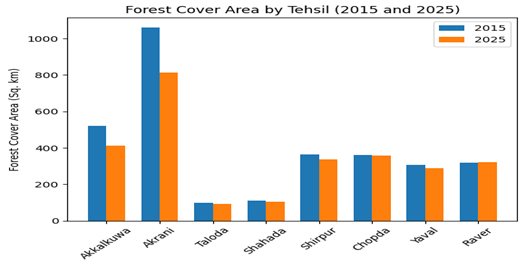
Figure 1 Tehsil-wise forest cover area in the Satpuda fringe of North Maharashtra for the years 2015 and 2025

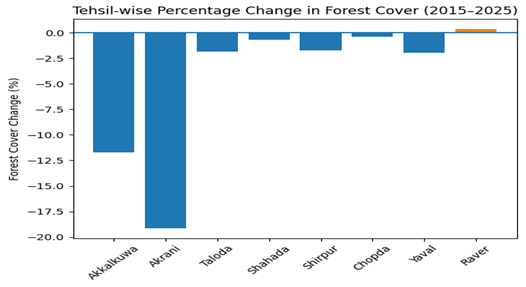
Figure 2 Tehsil-wise percentage change in forest cover in the Satpuda fringe of North Maharashtra during 2015–2025.

Results

The dynamic analysis of the forest cover in the Satpuda fringe of North Maharashtra in the year 2015 and 2025 shows a clear and spatially uneven trend of forest loss at the level of the tehsil (Table 1). In general, the absolute forest area (sq. km) and proportional forest cover (%) decreased in most tehsils, which indicates continuous pressure on forest resources in the decade.

The greatest absolute and relative loss is seen in the tribal and forested tehsils of Akrani and Akkalkuwa which comprise the largest share of Forest loss. Akrani documented a decline of 247.90 sq. km, which is equivalent to 19.14% decline in forest cover, and Akkalkuwa lost 109.25 sq. km (11.74%). Such losses suggest that there has been massive deterioration in regions that were once able to sustain thick forest cover. Conversely, tehsils like Taloda, Shahada, Shirpur, Chopda and Yaval have had a relatively moderate loss of between 0.38 percent to 1.95 percent, but the trend is always negative.

Spatially, loss of forests is higher in the north and northeast of the study area that borders the core Satpuda ranges (Akrani and Akkalkuwa), which implies increased anthropogenic pressure in ecologically sensitive areas. The tehsils of central and southern parts like Chopda and Shahada experience relatively low forest loss, indicating the lack of forest or comparatively high control of land-use change. The overall downward trend is broken by a slight increase of 3.42 sq. km (0.36%) in Raver, which has been due to afforestation efforts and plantation growth in the satellite-based data.

The high rate of forest loss in Akrani and Akkalkuwa is aligned to areas where there is increase in population, development of infrastructure and transformation of forest land into agricultural lands (Defries et al., 2010). The increase of subsistence and commercial agriculture, along with the increase of settlements, seems to be a major cause of forest depletion (Richards, 2015). Intensive agricultural development and irrigation in the Tehsils, including Yaval and Shirpur, also depict the observable forest decline, which further confirms the connection between the land-use change and the development processes (Ayele et al., 2019).

The witnessed reduction in forest cover is a major threat to sustainable development within the Satpuda fringe. Deforestation poses a threat to biodiversity, ecosystem services, and livelihood security of tribal communities that rely on forest resources. Although there are only positive changes in Raver, which indicate that it is possible to achieve positive results with the help of specific interventions, the overall trend shows that more integrated land-use planning, more robust forest protection, and more balanced economic growth and ecology should be developed. Overall, the findings indicate that forest loss within the Satpuda fringe between 2015-2025 is spatially clustered, development pressures are closely associated, and the outcomes have important long-term sustainable development implications in North Maharashtra.

Discussion

This research paper indicates that there has been a consistent decrease in the forest cover in the Satpuda fringe of North Maharashtra between 2015 and 2025, which is indicative of larger trends of land-use change in ecologically sensitive areas in India. The scale and geographical diversity of the forest loss experienced at the tehsil level highlight the interplay between the environmental resources and development pressures.

The intense deforestation of the Akrani and Akkalkuwa tehsils is especially important since these regions traditionally form the very heart of the forested and tribal-controlled terrain of the Satpuda ranges. These tehsils were susceptible to absolute losses as development pressures increased in 2015 due to a high initial forest cover. Agricultural expansion, fuelwood harvesting and infrastructure development particularly road connectivity and settlement expansion seem to be the major causes of deforestation in these areas (Lele & Joshi, 2008). Conversely, tehsils with relatively lower forest cover to start with like Chopda and Shahada had minimal change, which indicates that the availability of forests itself limits the extent of further loss (Bone et al., 2016).

The witnessed reduction in forest cover is directly linked with population increase and agricultural development especially in tehsils where subsistence farming and irrigated agriculture has encroached into marginal forest areas (Mulatu et al., 2025). Forest clearance in tribal tehsils to cultivate, build houses and other related activities is a manifestation of livelihood-driven land-use change and not industrial-scale deforestation. But this slow and diffused conversion has cumulative effects which are also of the first importance. The decline in forest cover in tehsils like Shirpur and Yaval also lends credence to the point that agricultural intensification and better irrigation infrastructure are some of the factors that lead to forest-to-agriculture conversion (Ali & Benjaminsen, 2004).

Sustainable development wise, the further depletion of forest cover is a cause of concern in terms of stability in the ecosystem, biodiversity protection and climate stability. The degradation of forests in the Satpuda fringe poses a threat to the important ecosystem services that include soil conservation, groundwater recharge, and the local climate regulation (Móstiga et al., 2024). To tribal communities, the reduced forest resources have a direct impact on food security, availability of non-timber forest products and the traditional livelihood systems. The fact that the percentage change in forest cover in Raver tehsil was positive indicates that afforestation efforts or plantation work or better forest management can produce positive results, but the magnitude of this improvement is very small.

The results highlight the importance of combined and region-specific land-use planning that balances the development goals with the conservation of the ecological environment (Rahma Febriyanti et al., 2022). Enhancing community-based forest management, agroforestry, and controlling agricultural activities on slopes covered with forests may reduce the loss further (Jeon et al., 2013). Also, remote sensing-based monitoring, as the one used in this study, is an efficient instrument of tracking forest dynamics and evidence-based policy-making.

Although the study is effective in capturing decadal cover changes in forests through the satellite data, it fails to capture all qualitative factors of the forests including forest degradation, fragmentation or species composition. Future studies are encouraged to combine socio-economic data, field data and longer time series data to capture the causes and effects of forest loss. The association of forest change with specific development indicators would also enhance the sustainability assessment of the Satpuda fringe. On the whole, the discussion highlights the fact that the loss of forests in the Satpuda fringe of North Maharashtra is not only an environmental problem but also a development problem that requires balanced, inclusive and sustainable planning strategies.

Conclusion

The current research gives a clear evaluation of the change in forest cover in the Satpuda fringe of North Maharashtra between 2015 and 2025 through a remote sensing method. The findings show that there is a general decrease in the forest cover in most of the tehsils, and especially in the areas of Akrani and Akkalkuwa, where there are severe losses, which point to these areas as the zones of the critical ecological exposure. The spatial analysis proves that the loss of forests is not evenly distributed and is closely associated with the local development processes.

The results show that forest depletion is strongly correlated with the indicators of development like population growth, agricultural expansion, and infrastructure development. Although these processes have led to socio-economic enhancement, they have also increased the strain on the forest ecosystems, particularly in tribal dominated and forest endowed tehsils (Chettri et al., 2007). The fact that the marginal increase in forest cover in Raver tehsil was observed indicates that specific conservation initiatives, afforestation efforts, and proper land management can have positive results, yet these efforts are not widespread in the area (Clark et al., 2021).

In terms of sustainable development, further loss of forests is a major threat to the conservation of biodiversity, ecosystems, and livelihood security of communities that rely on forests. The research highlights the importance of considering the environment in the planning of regional development. The community-based forest management, agro forestry practices and controlled land use change policies are necessary to balance the development requirements with the ecological sustainability.

To sum up, remote sensing is a useful and trustworthy means of monitoring forest dynamics and helping to make informed decisions. The development strategies in the Satpuda fringe of North Maharashtra should not be focused on short-term economic benefits, but should be integrated to ensure that forest resources are protected and at the same time, the socio-economic needs are met to ensure long-term sustainability.

References

  1. Ali, J., & Benjaminsen, T. A. (2004). Fuelwood, Timber and Deforestation in the Himalayas. Mountain Research and Development, 24(4), 312–318. https://doi.org/10.1659/0276-4741(2004)024[0312:ftadit]2.0.co;2
  2. Ayele, G., Hayicho, H., & Alemu, M. (2019). Land Use Land Cover Change Detection and Deforestation Modeling: In Delomena District of Bale Zone, Ethiopia. Journal of Environmental Protection, 10(04), 532–561. https://doi.org/10.4236/jep.2019.104031
  3. Bas, T. G., Sáez, M. L., & Sáez, N. (2024). Sustainable Development versus Extractivist Deforestation in Tropical, Subtropical, and Boreal Forest Ecosystems: Repercussions and Controversies about the Mother Tree and the Mycorrhizal Network Hypothesis. Plants, 13(9), 1231. https://doi.org/10.3390/plants13091231
  4. Behera, R. N., Nayak, D. K., Andersen, P., &Måren, I. E. (2015). From jhum to broom: Agricultural land-use change and food security implications on the Meghalaya Plateau, India. Ambio, 45(1), 63–77. https://doi.org/10.1007/s13280-015-0691-3
  5. Bone, R. A., Parks, K. E., Hudson, M. D., Tsirinzeni, M., & Willcock, S. (2016). Deforestation since independence: a quantitative assessment of four decades of land-cover change in Malawi. Southern Forests: A Journal of Forest Science, 79(4), 269–275. https://doi.org/10.2989/20702620.2016.1233777
  6. Chettri, N., Sharma, E., Shakya, B., & Bajracharya, B. (2007). Developing Forested Conservation Corridors in the Kangchenjunga Landscape, Eastern Himalaya. Mountain Research and Development, 27(3), 211–214. https://doi.org/10.1659/mrd.0923
  7. Clark, B., Defries, R., & Krishnaswamy, J. (2021). India’s Commitments to Increase Tree and Forest Cover: Consequences for Water Supply and Agriculture Production within the Central Indian Highlands. Water, 13(7), 959. https://doi.org/10.3390/w13070959
  8. Defries, R. S., Rudel, T., Uriarte, M., & Hansen, M. (2010). Deforestation driven by urban population growth and agricultural trade in the twenty-first century. Nature Geoscience, 3(3), 178–181. https://doi.org/10.1038/ngeo756
  9. Gautam, A. P., Webb, E. L., &Eiumnoh, A. (2002). GIS Assessment of Land Use/Land Cover Changes Associated with Community Forestry Implementation in the Middle Hills of Nepal. Mountain Research and Development, 22(1), 63–69. https://doi.org/10.1659/0276-4741(2002)022%5B0063: gaolul]2.0.co;2
  10. Giriraj, A., Irfan-Ullah, M., Murthy, M. S. R., &Beierkuhnlein, C. (2008). Modelling Spatial and Temporal Forest Cover Change Patterns (1973-2020): A Case Study from South Western Ghats (India). Sensors (Basel, Switzerland), 8(10), 6132–6153. https://doi.org/10.3390/s8106132
  11. Islomov, S., Aslanov, I., Shamuratova, G., Jumanov, A., Allanazarov, K., Daljanov, Q., Tursinov, M., &Karimbaev, Q. (2023). Monitoring of Land and Forest Cover Change Dynamics Using Remote Sensing and GIS in Mountains and Foothill of Zaamin, Uzbekistan (pp. 1908–1914). Springer. https://doi.org/10.1007/978-3-031-21219-2_212
  12. Lele, N., & Joshi, P. K. (2008). Analyzing deforestation rates, spatial forest cover changes and identifying critical areas of forest cover changes in North-East India during 1972–1999. Environmental Monitoring and Assessment, 156(1–4), 159–170. https://doi.org/10.1007/s10661-008-0472-6
  13. Mani, J. K., & Varghese, A. O. (2018). Remote Sensing and GIS in Agriculture and Forest Resource Monitoring (pp. 377–400). Springer. https://doi.org/10.1007/978-3-319-78711-4_19
  14. Móstiga, M., Armenteras, D., Vayreda, J., & Retana, J. (2024). Two decades of accelerated deforestation in Peruvian forests: a national and regional analysis (2000–2020). Regional Environmental Change, 24(2). https://doi.org/10.1007/s10113-024-02189-5
  15. Mulatu, K., Hundera, K., &Senbeta, F. (2025). Analysis of Forest Cover Change in the Southwest Ethiopia: Key Drivers, Impacts, and Conservation Implications. International Journal of Forestry Research, 2025(1). https://doi.org/10.1155/ijfr/5523008
  16. Rahma Febriyanti, A., Tri Ratnasari, R., &Wardhana, A. K. (2022). The Effect of Economic Growth, Agricultural Land, and Trade Openness Moderated by Population Density on Deforestation in OIC Countries. Quantitative Economics and Management Studies, 3(2), 221–234. https://doi.org/10.35877/454ri.qems828
  17. Richards, P. (2015). What Drives Indirect Land Use Change? How Brazil’s Agriculture Sector Influences Frontier Deforestation. Annals of the Association of American Geographers, 105(5), 1026–1040. https://doi.org/10.1080/00045608.2015.1060924
  18. Stamatopoulos, I., Le, T. C., & Daver, F. (2024). UAV-assisted seeding and monitoring of reforestation sites: a review. Australian Forestry, 87(2), 90–98. https://doi.org/10.1080/00049158.2024.2343516
  19. Syamsih, D. (2024). Impacts of Deforestation on Soil Quality and Water Resources in Tropical Forest Areas of Sumatra. Journal of Horizon, 1(1), 16–22. https://doi.org/10.62872/kvmcwq82
  20. Zurqani, H. A., Post, C. J., Mikhailova, E. A., & Allen, J. S. (2019). Mapping Urbanization Trends in a Forested Landscape Using Google Earth Engine. Remote Sensing in Earth Systems Sciences, 2(4), 173–182. https://doi.org/10.1007/s41976-019-00020-y

A Comparison Between Personality & Sport Competitive Anxiety Among Basketball Players at Different Levels Achievement

Daily writing prompt
Write about your approach to budgeting.

A Comparison Between Personality & Sport Competitive Anxiety Among Basketball Players at Different Levels Achievement

Dr..Priyanka P.Sulakhe

J.K.Shah Adarsh Mahavidyalay

Nijmpur- Jaitane, Tal- Sakri, Dist- Dhule

Email-sulakhepriyanka@gmail.com

Introduction

                  Sport psychology is an interdisciplinary science that drawn on knowledge from  many  related fields including biomechanics, Physiology, Kinesiology, and Psychology. It involve that the study of how psychological factors affect performance and how participation in sport and exercise affect psychological and physical factors. In addition to instruction and training of psychology skills for performance improve, applied sport psychology may include work with athletes, coaches and parent regarding injury, rehabilitation, communication, team building and career transitions. Sport Psychology is a proficiency that uses psychological knowledge and skills to address optimal performance and well being of athletes, development and social aspects of sports participation, and systemic issue associated with sports setting and organizations.

Objectives

The objective of the study was to compare the personality and sport competitive Anxiety between the National and State Basketball players.

Methodology

For this study male Basketball players were selected. The subject ranging 18-25 years only. For this study National and State Basketball players were selected. For the collection of Data researcher employing a standardized questionnaire. Personality were measure by employing Eysenck personality Inventory and sport competitive Anxiety were measure by employing Martin’s sports competitive Anxiety test.

Result

Extrovert Personality trait

VariablesMeanS.D.Mean DifferencesS.Error‘T’ value
National Players12.21.190.930.462.022
State Players13.132.22

Neuroticism Personality trait

VariablesMeanS.D.Mean DifferencesS.Error‘T’ value
National Players141.941.000.492.04
State Players131.87

Sport Competitive Anxiety

VariablesMeanS.D.Mean DifferencesS.Error‘T’ value
National Players18.132.160.970.442.20
State Players17.161.17

Conclusion

 While comparing the Personality and Sport competitive Anxiety it was observed that the National Basketball players had shown significantly better in Personality and Sport Competitive Anxiety as compare to State Basketball Players.

References

Betty Toman,”Dance-Physical Educationist Art form.” Cited by Chartes A,Bucher, Dimensions of Physical education 2nd ed., (Saint Louis : The C.V. Mosby Co.,1974)p.p. 30

Horold M.Barrow, Man and Movement(Philadelphia: Lea and Febiger,1977) p.p.44

Comparison of Growth and Characteristic Properties of Barium Oxalate and Cobalt Oxalate Single Crystals

Daily writing prompt
Write about your approach to budgeting.

Citation

Pawar, H. S., & Nandre, S. J. (2026). Comparison of Growth and Characteristic Properties of Barium Oxalate and Cobalt Oxalate Single Crystals. International Journal of Research, 13(13), 101–107. https://doi.org/10.26643/ijr/2026/s13/10

Comparison of Growth and Characteristic Properties of Barium Oxalate and Cobalt Oxalate Single Crystals

H. S. Pawar1, S. J. Nandre2

1V.J.N.T. Late Dalpatbhau Rathod Arts and Science College, Mordadtanda (Dhule) M.S

Email ID: pawar.hs1188@gmail.com

2Department of Physics, Uttamrao Patil Arts and Science College, Dahiwel (Dhule) M.S

Abstract:

The barium oxalate and cobalt oxalate single crystals were grown in agar-agar using gel method. Then compared the growth parameters. The XRD, FTIR, TGA/DTA  analysis of the grown crystals confirmed the crystals crystalline. Morphology of the crystals studied from the photography while the structures of the crystals were studied from XRD. Thermal analysis reveals the decomposing temperature of the crystals.

Keywords: Barium oxalate, Crystal growth and Cobalt oxalate.

Introduction

Crystal growth is the basis of numerous technology improvements. The gel growth method is the most efficient and simple process of crystal growth. It is considered more useful at ambient temperature and has an inexpensive process. The contribution of gel method in crystallization has been significant. This method has been successfully developed as one promising way of growing single crystals and gives many interesting results, from simple metals salts to complex compounds. Single crystals are the backbone of the modern technology of logical revolution [1-3]. The impact of single crystal, is clearly visible in industries like semiconductors, optics etc. Growth and characterization of oxalate single crystals have attracted many researchers single crystals of oxalate single crystal have been grown and reported. Now a day great attention has been devoted on the growth and characterization of oxalate crystal with the aim of identifying new materials for practical purposes. It is well established that there are extensive study on oxalate based crystal grown by gel technique; however, we have found that there are few reports on the barium and cobalt oxalate based crystal because of their chemical properties. Therefore, in the present study, we have investigated the growth mechanism of barium oxalate and cobalt oxalate crystals. All both types of crystals were grown by gel method by using single diffusion techniques [4].

Experimental

In the present work, barium oxalate and cobalt oxalate single crystals were grown by single diffusion technique. The growth of barium oxalate crystals was carried out in agar-agar gel by adopting the similar technique as reported (Dalal and Saraf 2009) [6]. Barium chloride (BaCl2, 99.9%), Cobalt chloride (CoCl2, 99.9%) Oxalic acid (H2C2O4, 99%), Agar-Agar powder (C14 H24 O9) were used as the starting materials. All chemicals were AR grade. The borosilicate glass tube was used as crystallization apparatus. The glass tubes used for single diffusion were of 25cm length and 2.5cm outer diameter. The solution of different (0.5, 1.0, 1.2, 1.5, 2M) were prepared and store in clean glassware. Agar-Agar gel was prepared by mixing (0.5 to 2.0gm) of agar powder in 100ml double distilled water at boiling temperature. Barium chloride and Cobalt chloride of concentration 0.5 to 2 M and oxalic acid of concentration 0.5 to 2M were used as reactants [5]. The prepared solution of oxalic acid were then transfer into the test tube, after that appropriate volume of agar gel poured in this test tube and the mouth of test tube closed by the cotton plug and then kept undisturbed for aging period of few days. Usually with 24 to 36 hours the gel was found to set which depends on the environmental temperature. Room temperature and atmospheric effect also plays an important role on gelation, aging that is evaporation of water molecules from on surface of gel. It was observed that the mixture in glass tube was initially transparent and slowly turn milky white. After insuring firm gel setting it was kept for aging for 2 to 3 days. Aging makes the gel harder and reduces the diameter of capillaries present in the gel. After setting and aging over the set gel solution of second reactant (supernatants) of desire volume and molarity was poured gently along the wall and allowed to diffuse into the gel medium. The open end of test tube was closed with cotton plug to prevent evaporation and contamination of the exposed surface by dust particles and impurities of atmosphere and was kept undisturbed [6].The following chemical reactions were employed for the growth

                                    BaCl2 + H2C2O4                    BaC2O4 + 2HCl……(Barium Oxalate)

CoCl2 + H2C2O4                    CoC2O4 + 2HCl….(Cobalt Oxalate)

Results and Discussions

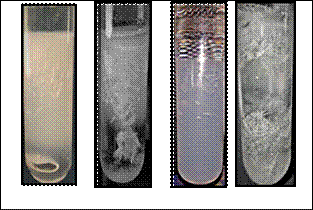
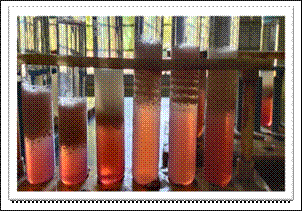
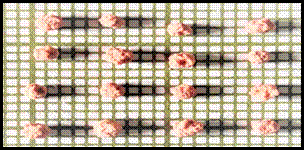
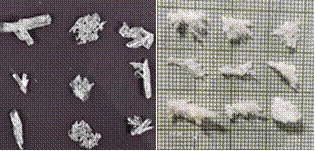
Fig.1 a) shows Lieseggang rings and the grown crystals, b) shows working reaction during crystal growth in test tube. c) shows Harvested crystals of cobalt oxalate and d) barium oxalate single crystals

Figure 1 a)                                                                              Figure 1 b)

Figure 1 c)                                                                              Figure 1 d)

   The characterization of the pure and doped crystals were carried using XRD, FTIR, thermal analysis, UV absorption spectrum and scanning electron micrographs and their characteristics are compared.

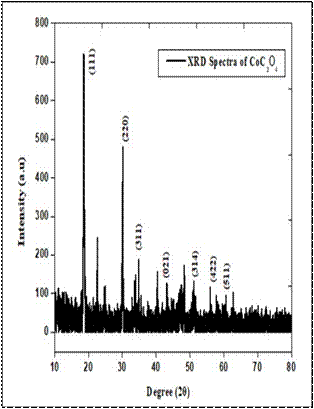
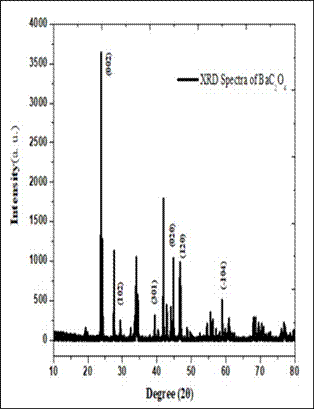
 X-Ray diffraction: The X-ray diffraction pattern of barium oxalate and cobalt oxalate crystals are shown in Fig. 2. The patterns of these two samples were taken at room temperature in order to study the structure of the materials. Both materials were found to be single crystalline. From the XRD pattern it is noticed that the peaks obtained at 23.83, 29.44, 39.37, 44.79, 46.71, and 59.020 are corresponds to the (002), (102), (301), (020), (120) and (-104) lattice planes of the barium oxalate crystals and for the cobalt oxalate the peaks are observed at 18.75, 30.23, 34.96, 43.28,51.19, 56.09 and 60.730 are corresponding to the (111), (220), (311), (021), (314), (422) and (511) lattice planes [3].The lattice parameters of barium oxalate a= 8.2425Å, b = 4.0457Å and c = 6.4707 Å, volume of unit cell, V = 215.61 Å3 and of cobalt oxalate a = 5.39820 Å, b = 5.03100 Å, c = 5.73590Å, volume of unit cell, V=155.77 Å3. From the calculated (hkl) and ‘d’ values, it is found that the both oxalate crystals crystalize in the monoclinic system. Table 1. Comparison of Lattice parameters.

FTIR: Thermo- Nicolet, Avatar 370 spectrophotometer is used for the study of FTIR spectrum of both samples. KBr is used as the beam splitter and also as detector. The peaks are identified in comparison with earlier reports. The broad peak at 3600-3400 cm-1 due to anti symmetric O-H

stretching suggest the presence of water of crystallization in both crystals. All the functional groups are observed in both types of crystals and obtained data is summarized in Table 2 [7].

Table 1. Comparison of Lattice parameters

MaterialChemical formulaSystemLattice parameters a, b, c, α, β, γVolume (Å)3
  Barium Oxalate  BaC2O4  Monoclinica = 8.2425Å b = 4.0457Å c = 6.4707 Å  215.61 Å3
  Cobalt Oxalate  CoC2O4  Monoclinica = 5.39820 Å b = 5.03100 Å c = 5.73590Å  155.77 Å3  

Table 2 Summary of vibrational infrared frequencies of different bonds found in the grown crystals

Fundamental frequenciesBarium oxalateCobalt oxalate
O-H  Stretching and water of crystallization35663366
Metal oxygen bonding590487
C = O stretching516521621
   

   Fig. 2 X-ray diffraction pattern of a) Cobalt oxalate b) barium Oxalate

Fig. 4.13 TGA of Barium oxalate crystal grown by agar-agar gel  

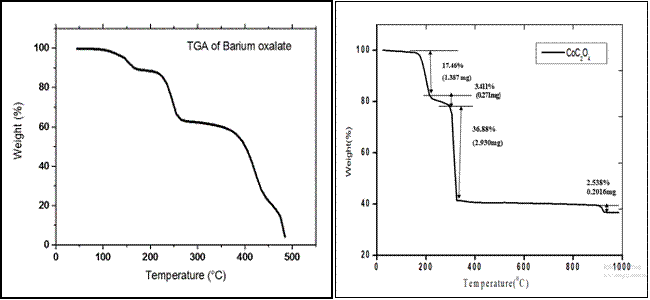
Fig. 3   TGA of Barium oxalate and cobalt oxalate crystal grown by agar-agar gel

Fig. 5.13 TGA of Cobalt oxalate crystal grown by agar-agar gel  

From the TG diagram, barium oxalate crystal showed four stages of weight loss. Thus the curve shows a gradual mass loss. From this graph, the weight loss starts at around 500C and steps at 172oC in which weight loss of 5.17%. It is observed that the material is stable up to 50oC. The second stage of decomposition is from 1720C to 277oC in which weight loss of 25.68%. In the third stage of decomposition is from 2770C to 4350C in which weight loss of 36.68%. In last stage of decomposition is from 4350C to 4780C in which weight loss 13.45%. The residue at the end is at 4780C. The TG thermo gram cobalt oxalate reveals that decomposition starts at 300C and steps at 1770C in which weight loss 17.46%. In the second stage of decomposition in the temperature range 2000C to 2470C, the total weight loss 3.411%. In the third stage of decomposition total weight loss 36.88% was observed in the temperature range 2470C to 2600C and last stage in the temperature range 8920C to 9300C total weight loss of 2.538% was obtained. The residue at the end is at 9300C. [8-11]

Acknowledgment

The author are grateful to research guide Dr. S. J. Nandre, Uttamro Patil Arts and Science college, Dahiwel (Dhule) M.S. also thankful to Prof. Mukesh Padvi, Department of Physics, Shivaji University, Kolhapur and Mr. Rushikesh P. Dhavale, Department of material Science and Engineering,Yensei University, Seoul Republic of Korea for providing characterization facilities.

References

  1. P. V. Dalal and K. B. Saraf, “Bulletin of Material Science”, vol-29, pp. 421-425, (2006).
  2. P. V. Dalal, “Indian Streams Research Journal”, vol-5, pp1-4, (2015).
  3. P. V. Dalal, K. B. Saraf and S. shah, “Crystal Research and Crystals Technology”, vol-44, pp36-42, (2009).
  4. M. R. Shedam, M. S. Rakesh and N. M. Shridhar, “Journal of Nano-Electron Phys.”, vol-8, pp-04075, (2016)
  5. P. V. Dalal, “Indian Streams Research Journal”, vol-5, pp1-4, (2015).
  6. P. V. Dalal, K. B. Saraf and S. shah, “Crystal Research and Crystals Technology”, vol-44, pp36-42, (2009).
  7. Dewei Wang et. al., “Inorganic chemistry”, vol-50, pp6482-6492, (2011).
  8. Anilkumar Kodge et. al., “International Jour. of Eng. Sci. and Tech.”, vol-3, pp6381-6390, (2011).
  9. E. Romero et. al., “Chines Science bulletin”, vol-48, pp1844-1852, (2003).
  10. S.J.Nandre, S.J.Shitole, S.S.Sonawane and R.R.Ahire, “International Journal of Basic and Applied Research”, vol-4,  pp125-128, (2012).
  11. G. A. Kumar, “J. Phys. Chem. Solids”, vol-62,pp-1327, (2001).

University of Southampton Delhi NCR campus will offer high quality education driven by research, innovation and real-world applications to both Indian and international students

Daily writing prompt
Write about your approach to budgeting.

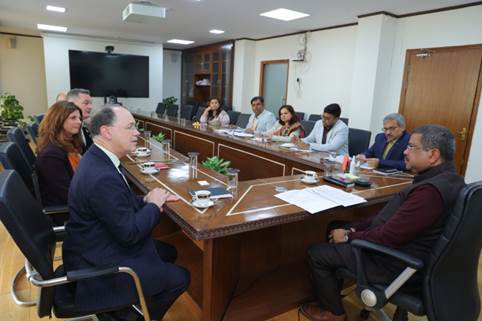
Union Minister for Education, Shri Dharmendra Pradhan, met with a delegation from the University of Southampton and the British Council in India today in New Delhi. Also present at the meeting were Secretary of the Department of Higher Education, Shri Vineet Joshi; President and Vice-Chancellor of the University of Southampton, Prof. Mark E. Smith; Country Director of the British Council in India, Ms. Alison Barrett MBE; along with other officials from the Ministry.

Image
Image

Shri Dharmendra Pradhan highlighted that as a globally top-100 university and the first foreign institution to establish a campus in India, the University of Southampton Delhi NCR campus will provide high-quality education rooted in research, innovation, and real-world applications for both Indian and international students. He emphasized that this initiative marks a crucial step in India’s journey toward the internationalization of education, supporting the Study in India program and advancing global education standards domestically, as envisioned in NEP 2020.

During the discussion, Prof. Smith briefed the Minister on the progress of the University of Southampton’s Delhi NCR campus.

*****