

Greenhouse gases and air pollutants are often seen as separate issues, but they interact in ways that amplify their impacts on the planet and public health. Understanding these connections is key to developing effective environmental policies. This blog explores how they intersect and their role in tackling climate change and air quality challenges.
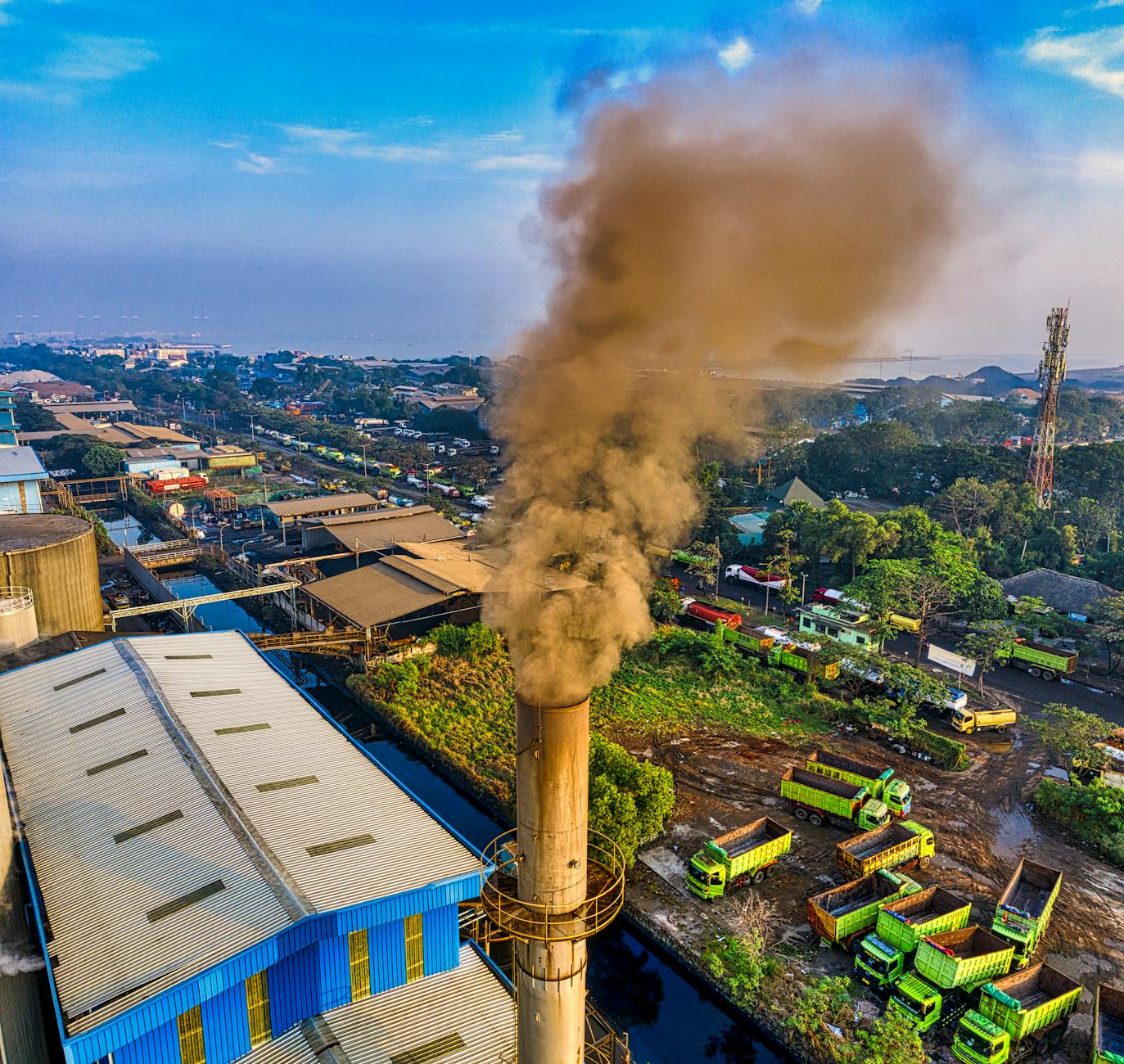
What Are Greenhouse Gases and Air Pollutants?
Greenhouse Gases (GHGs):
Greenhouse gases, such as carbon dioxide (CO₂), methane (CH₄), and nitrous oxide (N₂O), trap heat in the Earth’s atmosphere, leading to the greenhouse effect and global warming. While some of these gases occur naturally, activities like burning fossil fuels, agriculture, and deforestation have rapidly increased their concentration in recent decades.
Air Pollutants:
Air pollutants, like particulate matter (PM2.5 and PM10), nitrogen oxides (NOₓ), sulfur dioxide (SO₂), carbon monoxide (CO), and volatile organic compounds (VOCs), directly affect air quality and human health. These pollutants originate from the burning of fossil fuels, industrial processes, and natural events like forest fires.
Although greenhouse gases and air pollutants often stem from the same sources, their effects, and the way they interact, vary significantly.
How Do Greenhouse Gases and Air Pollutants Interact?
1. Air Pollutants as Climate Forcers
Many air pollutants not only degrade air quality but also contribute to climate change. For instance, black carbon (a component of particulate matter) absorbs sunlight and heat, contributing to atmospheric warming. Similarly, tropospheric ozone (O₃), a secondary pollutant formed from VOCs and NOₓ in sunlight, acts as a potent greenhouse gas despite its role as an air pollutant.
However, some pollutants, such as sulfate aerosols, have a cooling effect by reflecting sunlight back into space. While this might seem beneficial in offsetting global warming, the health and environmental risks of these aerosols far outweigh any temporary cooling benefits.
2. Chemistry in the Atmosphere
Greenhouse gases and air pollutants can chemically react with one another in the atmosphere. For instance, methane, a potent greenhouse gas, is a precursor to ozone formation in the lower atmosphere. Elevated methane levels can lead to increased ozone concentrations, worsening air quality and warming effects simultaneously.
Nitrous oxides, similarly, play a dual role. They contribute to smog formation but also interact with greenhouse gases, complicating efforts to reduce either’s impacts without a holistic approach.
3. Feedback Loops Between GHGs and Air Pollutants
Some interactions between GHGs and air pollutants create feedback loops that exacerbate both issues. For example, as global temperatures rise due to increased greenhouse gas concentrations, wildfires become more frequent and severe. These fires release massive amounts of particulate matter and carbon dioxide, creating a cycle that perpetuates both warming and air quality degradation.
Similarly, warmer temperatures can accelerate chemical reactions in the atmosphere, increasing the production of secondary pollutants like ozone. This worsened air quality leads to greater public health risks, including respiratory illnesses and cardiovascular disease.
4. Common Sources Complicate the Issue
Greenhouse gases and air pollutants often originate from the same human activities. Consider coal-fired power plants or diesel engines, which emit CO₂ alongside pollutants like NOₓ and particulate matter. Tackling one problem while ignoring the other can lead to unintended consequences, as actions aimed at reducing air pollution might inadvertently increase greenhouse gas emissions, or vice versa.
Why Does This Interaction Matter?
Public Health Impacts
Air pollutants are directly linked to health issues, including asthma, lung cancer, and premature death. Their interactions with greenhouse gases can compound these effects by worsening air quality and increasing the frequency of extreme weather events, such as heatwaves, which exacerbate respiratory and cardiovascular illnesses.
Environmental Impacts
These interactions amplify stresses on ecosystems. For example, ground-level ozone not only affects human health but also damages crops and forests, reducing agricultural yields and biodiversity. This further compounds the challenges posed by climate change.
Policy and Mitigation Challenges
Addressing these issues in silos is ineffective. Policies targeting only greenhouse gas reductions might not significantly improve air quality, while air pollution control measures might overlook long-term climate impacts. To combat both problems, integrated strategies are needed to simultaneously address emissions of both greenhouse gases and air pollutants.
What Can Be Done?
1. Shift to Cleaner Energy Sources
Replacing fossil fuels with renewable energy sources like wind, solar, and hydropower can dramatically reduce emissions of both greenhouse gases and air pollutants. This dual benefit makes renewable energy adoption an essential strategy in the fight against climate change and air pollution.
2. Implement Climate-Smart Transportation
Encouraging a shift to electric vehicles (EVs), expanding mass transit options, and improving fuel standards can significantly reduce emissions from one of the largest contributors to both greenhouse gases and air pollutants.
3. Strengthen Regulations and Monitoring
Regulating emissions from industrial processes, power generation, and transportation is crucial. Additionally, investing in air quality monitoring and greenhouse gas tracking can help policymakers target their efforts more effectively.
4. Adopt Nature-Based Solutions
Restoring forests and wetlands not only sequesters carbon dioxide but also improves air quality. These ecosystems act as natural air filters, absorbing pollutants and enhancing environmental resilience.
5. Foster International Collaboration
Air pollution and greenhouse gases do not respect borders. Comprehensive international agreements, such as the Paris Agreement and efforts coordinated by the World Health Organization (WHO), can promote global cooperation to reduce emissions of both GHGs and air pollutants. Air quality consultants play a key role in these efforts by providing expert guidance on monitoring and managing emissions effectively.
Conclusion
Understanding the interaction between greenhouse gases and air pollutants is critical for addressing climate change and air quality issues holistically. By tackling the sources and mechanisms behind both, we can protect public health, mitigate climate impacts, and create a more sustainable future.



 Eduindex
You must be logged in to post a comment.