The Psychology of Smiling and Why Dental Health Matters More Than You Think

Daily writing prompt
What are you good at?

A smile can spark confidence, joy, and change how we connect with others. But the story behind each smile goes deeper. Dental health doesn’t just protect your teeth and gums—it affects your mood, self-worth, and social life. This post explores the powerful connection between dental health and well-being, showing why caring for your smile is about more than looks.

Photo by RDNE Stock project on Pexels.com

Smiling and Mood Enhancement

A genuine smile is more than a fleeting facial expression. When you smile, your brain releases a cocktail of feel-good neurotransmitters, including dopamine, endorphins, and serotonin. These natural mood-lifters can decrease stress, promote relaxation, and foster a brighter outlook.

How Smiling Rewires the Brain

Scientific research suggests that the act of smiling—even if you’re not genuinely happy in the moment—activates neural pathways associated with happiness. The muscles used to smile send feedback signals to your brain, amplifying positive emotions. Over time, this simple action can train your brain to look for the positives in daily life.

  • Neuroscience Insight

Smiling can activate the brain’s reward system in the same way pleasurable activities do. This reward feedback loop encourages us to smile more often, compounding the emotional benefits.

  • Social Contagion

Smiles are contagious. When you smile at someone, they’re likely to mirror your expression, further spreading positive energy through your social circles.

Dental Health and Self-Esteem

Now, consider the impact of dental health on how you feel about yourself. It’s easy to underestimate how much our self-image is tied to our teeth, but research consistently links oral health with self-esteem and confidence.

How Your Smile Shapes Self-Perception

People who are proud of their smiles tend to feel better about their appearance. A healthy, well-aligned set of teeth can enhance your sense of attractiveness and personal value. Conversely, dental issues like discoloration, crowding, or missing teeth can chip away at self-esteem, making individuals more self-conscious and less likely to express themselves freely.

The Downward Spiral of Neglect

When dental problems are persistent or left unchecked, they can become a source of stress or embarrassment. Some people may avoid smiling altogether or cover their mouths when speaking, limiting their ability to communicate confidently.

Dental Issues and Social Interactions

Human interaction thrives on non-verbal cues, and few are more inviting than a genuine smile. Yet, if dental issues are holding you back, you may find yourself withdrawing from social opportunities.

Barriers to Connection

Poor dental health can manifest in many ways that influence social life:

  • Reluctance to Smile

Issues like tooth decay, missing teeth, or persistent bad breath can make people self-conscious about showing their teeth.

  • Social Avoidance

People grappling with dental problems may decline invitations, avoid group photos, or even dodge important life events due to embarrassment.

The Ripple Effect

When you avoid expressing joy, you miss out on the chance to connect, network, or build deeper relationships. Social withdrawal tied to dental concerns can lead to increased loneliness and diminished emotional well-being.

Preventive Dental Care and Mental Well-Being

While the downsides of dental neglect are clear, the good news is that preventive dental care plays a vital role in supporting both your physical and mental health.

Building a Positive Routine

Consistent brushing, flossing, and dental checkups do more than ward off cavities. They provide a sense of control and accomplishment, contributing to a healthier self-image. Preventive care can also help you avoid the anxiety and expense that often come with emergency dental procedures.

  • Quick Tips for Better Oral Health
    • Brush and floss daily to remove plaque and prevent decay.
    • Visit your dentist twice a year for routine cleanings and checks.
    • Don’t ignore minor dental problems; prompt treatment prevents escalation.
    • Maintain a balanced diet low in sugary snacks to protect your enamel.

The Role of Mental Health

Taking care of your teeth can support more than your smile. Good dental habits foster a mindset of self-respect and self-care, reinforcing the message that your health is worth prioritizing.

The Psychological Benefits of Cosmetic Dentistry

Sometimes, preventive care alone isn’t enough to address deeper insecurities. Cosmetic dental options can make a profound difference in how people feel about themselves.

Renewing Confidence Through Modern Treatments

Procedures like whitening, veneers, or orthodontics allow many people to reclaim the natural beauty of their smiles. For those with significant tooth loss or damage, all-on-4 dental implants, like those offered in Tucson, provide not only a restored appearance but also improved function and peace of mind.

With a smile you’re proud of, many find it easier to engage socially, speak publicly, or simply feel their best in everyday life.

Conclusion

Your smile does more than light up a room—it can boost your mood, self-confidence, and interactions. Dental health is closely linked to mental well-being, so caring for your smile means caring for yourself. If you want more confidence or better mental health, start with good dental habits. Regular care, addressing issues early, and exploring cosmetic or restorative options can make a big difference. Invest in your smile for a happier, healthier you.

Into the Wild: Top Activities Every Nature Lover Should Try

Daily writing prompt
What are you good at?

Nature is more than just a backdrop—it’s a healing space, a playground, and a classroom all in one. For nature lovers, immersing themselves in the great outdoors is more than a hobby; it’s a way of life. Whether you’re seeking adventure, serenity, or connection with the natural world, there are countless ways to experience the wonders Earth has to offer. Here are some of the top activities every nature enthusiast should try at least once.

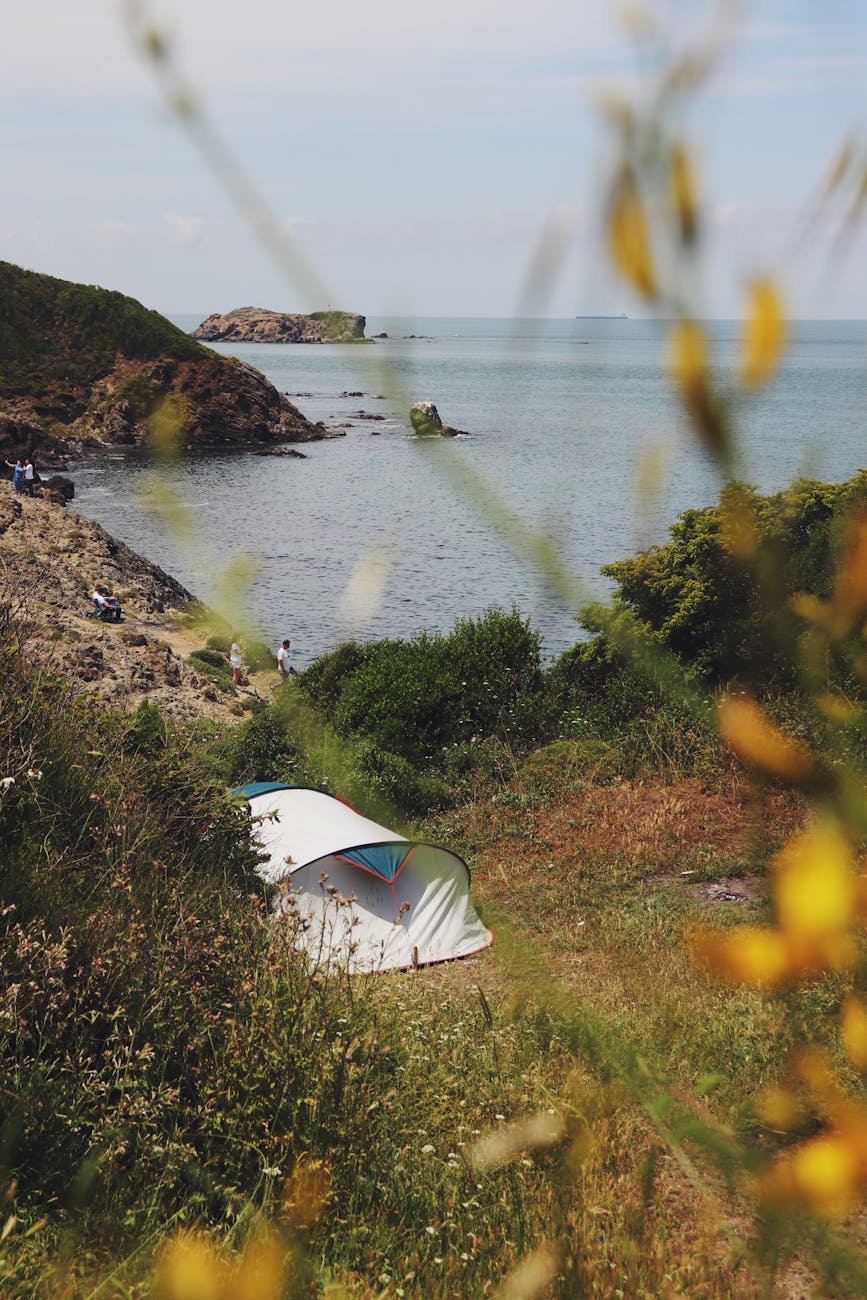
Photo by Sultan u00c7iftu00e7i on Pexels.com

1. Hiking Through Scenic Trails

Hiking is one of the most accessible and rewarding outdoor activities. From gentle forest paths to rugged mountain treks, hiking allows you to experience nature at your own pace. It’s perfect for spotting wildlife, soaking in panoramic views, and even getting a good workout. National parks, state forests, and local reserves all offer trails for every skill level. Just pack your water bottle, wear sturdy shoes, and hit the trail!

2. Camping Under the Stars

Few things compare to falling asleep under a canopy of stars, with only the sounds of nature as your lullaby. Camping is a fantastic way to unplug from the digital world and reconnect with the rhythms of the Earth. Whether you’re pitching a tent in a forest, beside a lake, or in the desert, camping gives you the time to slow down, enjoy simple pleasures like cooking over a fire, and wake up surrounded by natural beauty.

3. Kayaking or Canoeing

For those who love the water, kayaking or canoeing offers a peaceful yet thrilling way to explore nature. Glide across tranquil lakes, navigate winding rivers, or paddle along coastal inlets—all while enjoying intimate encounters with aquatic wildlife and breathtaking views. These water activities are not only fun but also great for building core strength and coordination.

4. Birdwatching and Wildlife Spotting

You don’t have to go far to enjoy the fascinating world of animals. Birdwatching and wildlife spotting are perfect for those who love observing nature’s inhabitants in their natural habitat. Bring a pair of binoculars and a field guide, and spend a morning in the forest, wetland, or meadow quietly watching and learning. These peaceful pursuits deepen your appreciation for biodiversity and encourage patience and mindfulness.

5. Forest Bathing (Shinrin-Yoku)

Originating in Japan, forest bathing is the practice of immersing oneself in a forest atmosphere for relaxation and rejuvenation. Unlike hiking, this is not about reaching a destination—it’s about being present, breathing deeply, and experiencing the forest with all your senses. Research shows that forest bathing can reduce stress, lower blood pressure, and boost the immune system. It’s an ideal activity for those looking to unwind and feel grounded.

6. Nature Photography

Capturing the beauty of nature through a lens adds a new layer of appreciation. Whether you’re photographing majestic landscapes, delicate flowers, or elusive wildlife, nature photography teaches you to see the world with fresh eyes. You don’t need expensive equipment—a smartphone camera can often do the trick. What matters most is your perspective and your connection to the moment.

7. Stargazing in Remote Areas

In today’s world, the brilliance of the night sky is often hidden behind the glare of city lights. For a truly awe-inspiring experience, venture to a remote destination—national parks and certified dark sky areas are perfect for this. Cabins near Zion National Park, for example, offer a cozy and convenient base for stargazing adventures. 

Whether you bring a telescope or simply lay back on a blanket, the view of glittering stars, swirling constellations, and occasional meteor showers is nothing short of breathtaking. Stargazing in such a serene setting is both humbling and magical, offering a rare chance to feel connected to the vast universe above.

8. Volunteering for Conservation Projects

If you’re passionate about protecting the environment, consider volunteering for local or international conservation efforts. Activities might include trail maintenance, beach clean-ups, habitat restoration, or wildlife monitoring. It’s a meaningful way to give back to the natural world while meeting like-minded individuals who share your love of nature.

9. Rock Climbing or Bouldering

For the more adventurous nature lovers, rock climbing offers both a physical and mental challenge with unmatched views and adrenaline. Whether scaling cliffs in the mountains or trying your hand at bouldering in a local park, this activity brings you up close with the raw power and beauty of the natural landscape.

10. Foraging for Wild Foods

Learning to identify and harvest wild edibles—like berries, mushrooms, and herbs—is a fascinating and ancient way to connect with nature. Foraging requires careful knowledge and respect for the environment, but when done responsibly, it’s a deeply satisfying way to experience nature’s bounty firsthand.

Final Thoughts

Whether you’re seeking solitude or adventure, there’s a nature activity to match every mood and personality. Spending time in the wild isn’t just enjoyable—it’s essential for our mental, physical, and emotional well-being. So grab your gear, step outside, and let the wild work its magic. The Earth is waiting.