



The aviation world is changing fast. Engineers and visionaries are redefining flight by transforming every part of the aircraft—from sleek designs to energy-efficient, quiet engines. This blog explores the technologies pushing aircraft beyond old limits, making flight safer, greener, and more exciting than ever.
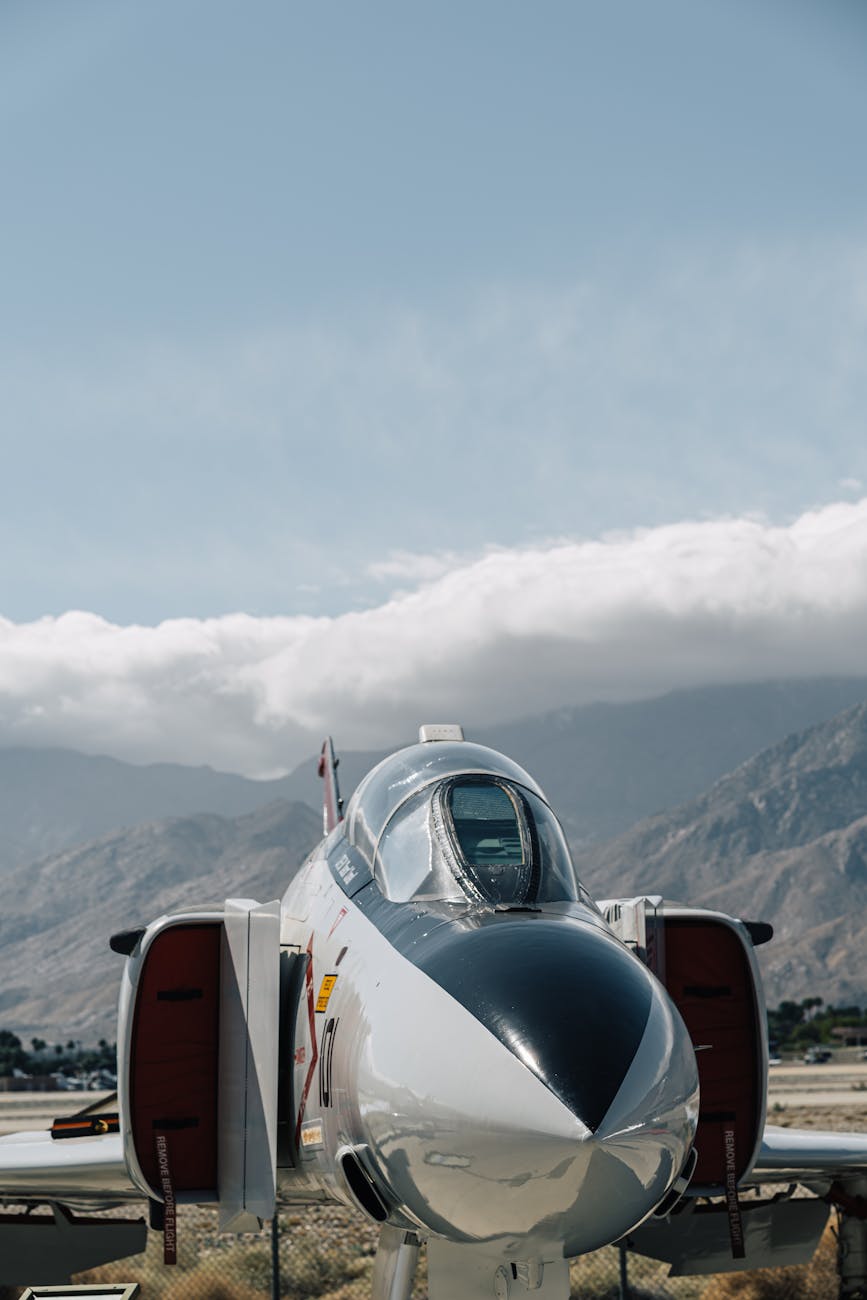
The Next Generation of Aerodynamics and Design
Modern aircraft no longer look, fly, or perform like their predecessors. Over recent years, design and material science breakthroughs have transformed both how airplanes look and what they can do.
Shaping the Future with Advanced Wing Designs
A wing’s shape isn’t just for aesthetics; it controls how efficiently the aircraft cuts through air. Today’s engineers use sophisticated computer simulations and wind tunnel testing to perfect wing profiles for less drag and greater lift.
Key innovations include:
- Blended winglets and raked wingtips that reduce vortex drag and fuel consumption.
- Morphing wings that can change shape mid-flight, adjusting to different speeds and conditions for optimum performance.
- Laminar flow technology, which keeps airflow smooth over wing surfaces, minimizing resistance.
New Frontiers in Aircraft Materials
Aircraft structure is evolving with a move away from heavy aluminum toward lightweight composite materials. Carbon fiber-reinforced polymers, titanium alloys, and even 3D-printed components are not only lighter but also stronger and more durable.
Streamlining the Entire Aircraft
Modern design philosophy emphasizes the integration of systems into a seamless whole. Nose cones, engine nacelles, and fuselage shape all undergo careful refinement for aerodynamic advantage.
- Sharkskin-inspired surfaces mimic nature to repel dirt and reduce friction further.
- Super-sleek, minimal seams across the aircraft reduce potential sources of drag.
Propulsion Systems Pushing the Boundaries
If there’s one area driving radical change in aviation, it’s engines. The thirst for efficiency, sustainability, and performance is motivating innovators to rewrite what powers flight.
Ultra-Efficient Jet Engines
Jet engines have grown smarter and cleaner. The latest designs prioritize:
- High-bypass fans and ultra-high bypass ratios, which move more air with less noise and lower emissions.
- Geared turbofans achieve higher efficiency at a variety of speeds, reducing both noise and fuel use.
- 3D-printed engine parts that withstand higher temperatures, leading to improved power-to-weight ratios.
Electric and Hybrid Propulsion
The dream of emission-free flight is finally within reach, thanks to breakthroughs in electric and hybrid propulsion:
- Small aircraft and urban air mobility vehicles are already flying with battery-electric motors.
- Hybrid systems, which combine traditional gas turbines with electric power, are being tested for regional jets.
Sustainable Fuels and Alternative Energy
Innovators are racing to develop:
- Sustainable Aviation Fuels (SAF), derived from non-fossil sources like algae or waste biomass.
- Hydrogen-powered concepts, promising longer ranges with zero carbon emissions.
Digital Transformation in Navigation and Avionics
Navigation and control systems are arguably the “brain” of the modern aircraft, and here, digital leaps are making flight more precise, reliable, and connected.
Intelligent Flight Control Systems
Fly-by-wire technology has replaced the old, heavy cables and pulleys with electronic signals, translating a pilot’s inputs into instant, micro-adjusted control.
Modern systems feature:
- Redundant digital computers ensure safety under any circumstance.
- Autonomous flight features like adaptive cruise and auto-landing, taking pilot assistance to new heights.
Advanced GPS and Real-Time Data
Satellite-based GPS navigation, combined with real-time weather and traffic data, has all but eliminated old-school guesswork. More recently, mobile satellite communication, or MSAT, has made it possible for aircraft anywhere in the world to stay connected to flight centers and passengers alike.
- Integrated avionics suites streamline cockpit displays, reducing pilot workload.
- Enhanced weather radar and terrain mapping tools support safer, more efficient routing.
Robust Aircraft Communication
Secure and high-speed data links mean air traffic control, ground crews, and airlines are more connected than ever before. Passengers also reap the benefits, with real-time internet access and live flight updates.
Reducing Environmental Impact with Smarter Technologies
With public pressure and regulatory mandates pushing for greener skies, innovation has never been more urgent.
Curbing Carbon with Efficiency
Every advancement, from winglets to composite frames, is about using less energy and burning less fuel. Next-gen engines emit fewer particulates and nitrogen oxides.
Pioneering Alternative Fuels
Sustainable aviation fuels already power select flights, with more airlines pledging to switch over to reduce their carbon footprint. These biofuels can replace traditional jet fuel in many existing engines with minimal modification.
Better Noise Management
Quieter jets are not just easier on passengers; they also benefit communities near airports. Aerodynamic enhancements, innovative engine nacelle lining, and landing procedure changes all work together to keep aviation quieter.
Smarter Flight Planning
AI-driven flight management systems use big data to optimize routes for both minimal emissions and maximum speed, cutting resource use further still.
Conclusion
From invisible aerodynamic tweaks to game-changing propulsion and data-rich cockpits, innovations in aircraft technology are multiplying the possibilities of flight. For airlines, these breakthroughs mean dramatic efficiency gains, lower operating costs, and the ability to meet tougher environmental goals. For travelers, they promise quieter, smoother, and more connected journeys.
 Eduindex
You must be logged in to post a comment.