

CPR and First Aid Certification Courses for All Levels

Are you ready to make a difference? CPR and first aid certification courses teach vital skills. You can feel proud knowing you are prepared for emergencies.

Everyone can learn how to help others in need. Whether you want to volunteer, work, or help at home, these courses are for you.

Continue reading this article to learn more about CPR and first aid certification courses for all levels.

CPR and First Aid Certification for Beginners

Beginner CPR and first aid courses teach simple steps to help in emergencies. Students learn how to check for danger, call for help, and give care. The training is easy to follow and is made for those with no experience.

These courses show how to help someone who is hurt or not breathing. With practice and support, anyone can learn to respond with confidence. Learning these skills early can save lives.

Advanced Life Support Training for Healthcare Providers

Healthcare providers have special responsibilities. Advanced life support training prepares them for high-stakes situations. They learn complex skills to support patients during critical health events.

With these courses, healthcare professionals enhance their abilities. They ensure they are ready to respond swiftly. This training can make all the difference in saving lives.

Workplace CPR and First Aid Courses for Employees

Employers value safety. CPR and first aid courses for employees promote a healthy work environment. Staff learn practical skills to respond to emergencies at work.

These courses reduce risks and ensure preparedness. Employees gain confidence and knowledge. A well-trained team can handle emergencies efficiently and effectively.

Pediatric CPR and First Aid Certification for Childcare Providers

Childcare providers face unique challenges. Pediatric CPR and first aid certification prepares them for emergencies involving children. They learn special techniques tailored for younger patients.

Every caregiver should feel capable and confident. This training helps them respond when children need help. Safeguarding our children is a priority, and training is the best first step.

CPR and First Aid Refresher Courses for Recertification

Skills can fade over time, so refresher courses offer updates. Recertification keeps responders informed about the latest techniques. It’s essential to stay current with first aid practices.

These courses are quick and effective. They ensure that knowledge remains sharp and ready. Keeping skills fresh helps responders act with assurance when needed most.

Online and In-Person CPR Certification Options for All Skill Levels

Many training options are available today. Both online and in-person CPR certification options cater to various learning styles. Participants can choose what works best for them.

Online courses are convenient and flexible. For those who prefer hands-on training, in-person classes are available. Explore options like CPR/first aid & BBP online certification to find the right fit.

Why CPR and First Aid Certification Courses Matter

CPR and first aid certification courses give you the power to act fast and help others. These skills can make the difference between life and death. The training is clear, useful, and made for people at any level.

Now is the time to get prepared and stay ready. You can learn these skills at your own pace. Start your training today and be ready to respond when it counts.

Did you find this article helpful? Visit more of our blogs!
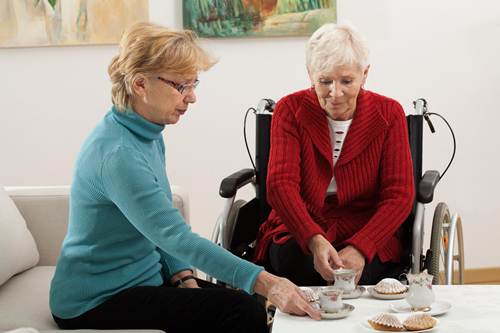
The Intersection of Senior Living and Educational Engagement

Many people think learning ends after school or retirement. But the truth is, education can be a lifelong journey.

Today, more seniors are choosing to stay active by joining educational programs. From history lectures to computer classes, senior living communities are offering new ways for residents to stay curious and sharp.

This blend of senior living and education is helping older adults enjoy fuller, more meaningful lives.

What Is Educational Engagement for Seniors?

Educational engagement means taking part in learning activities. These can include classes, lectures, book clubs, and even hands-on workshops. Seniors may learn a new language, study history, or explore digital technology.

These opportunities are often offered in senior living communities, libraries, colleges, or local community centers. With the right support, seniors can enjoy learning in a relaxed and friendly environment.

Why Learning Matters at Any Age

Learning helps keep the brain sharp. Research shows that staying mentally active can slow memory loss and lower the risk of dementia. It also helps reduce stress, improve mood, and increase confidence.

For seniors, learning can also be a way to meet people and form friendships. Many older adults report feeling more connected and less lonely when they join classes or discussion groups.

How Senior Living Communities Support Learning

Many senior living communities now offer regular learning programs. Some even partner with nearby schools or colleges. They may bring in guest speakers or provide access to online courses.

Some programs are formal, with schedules and course materials. Others are casual, like discussion groups or movie nights followed by talks. The key is to give seniors a chance to grow and explore new ideas.

In places like independent living in Houston, residents enjoy access to a variety of educational and social activities. These programs make learning fun and accessible, without stress or pressure.

Benefits Beyond the Classroom

Educational engagement brings more than just knowledge. It helps seniors feel more confident and in control of their lives. It also boosts communication skills and keeps them up-to-date with the world.

For example, a class on using smartphones can help seniors stay in touch with family and friends. A writing workshop may help them record their life stories for younger generations. These moments of connection are powerful.

Technology as a Tool for Learning

Technology has made learning easier for seniors. Online classes, video lectures, and educational apps are now common. Seniors can join virtual book clubs, attend webinars, or watch documentaries from home.

Senior living centers often help residents use tablets and computers. Staff or volunteers may assist with logging in or using devices. With a little support, many seniors feel comfortable exploring online learning options.

Community Involvement and Intergenerational Learning

Some programs bring young and older people together. Seniors may mentor students, help with reading programs, or share their life stories. In return, young people may teach seniors how to use the internet or apps.

This kind of learning benefits both sides. It builds respect between generations and helps everyone learn something new. It also makes the community stronger and more connected.

Learning for a Fulfilling Life

Education doesn’t have an age limit. For seniors, learning brings purpose, joy, and better health. The connection between senior living and educational engagement is growing stronger every year.

Whether it’s through a class, a book club, or a new hobby, seniors can keep growing and thriving. Choosing a community that supports learning can make a big difference in your or your loved one’s life.

Curious about what’s next? Explore our site for more!