
Love Contracts on the Blockchain

In the digital era, human relationships are being increasingly shaped by technology. From online dating platforms to AI-powered matchmaking, love has taken a virtual form in many aspects. But beyond dating apps and social media interactions lies a newer frontier: blockchain-based love contracts. These smart contracts enable couples to record their romantic commitments on an immutable ledger, ushering in a future where relationships might be encoded with as much permanence as legal and financial transactions. You can get a better understanding of market basics when you Visit immediate-mspark.com and take your time.
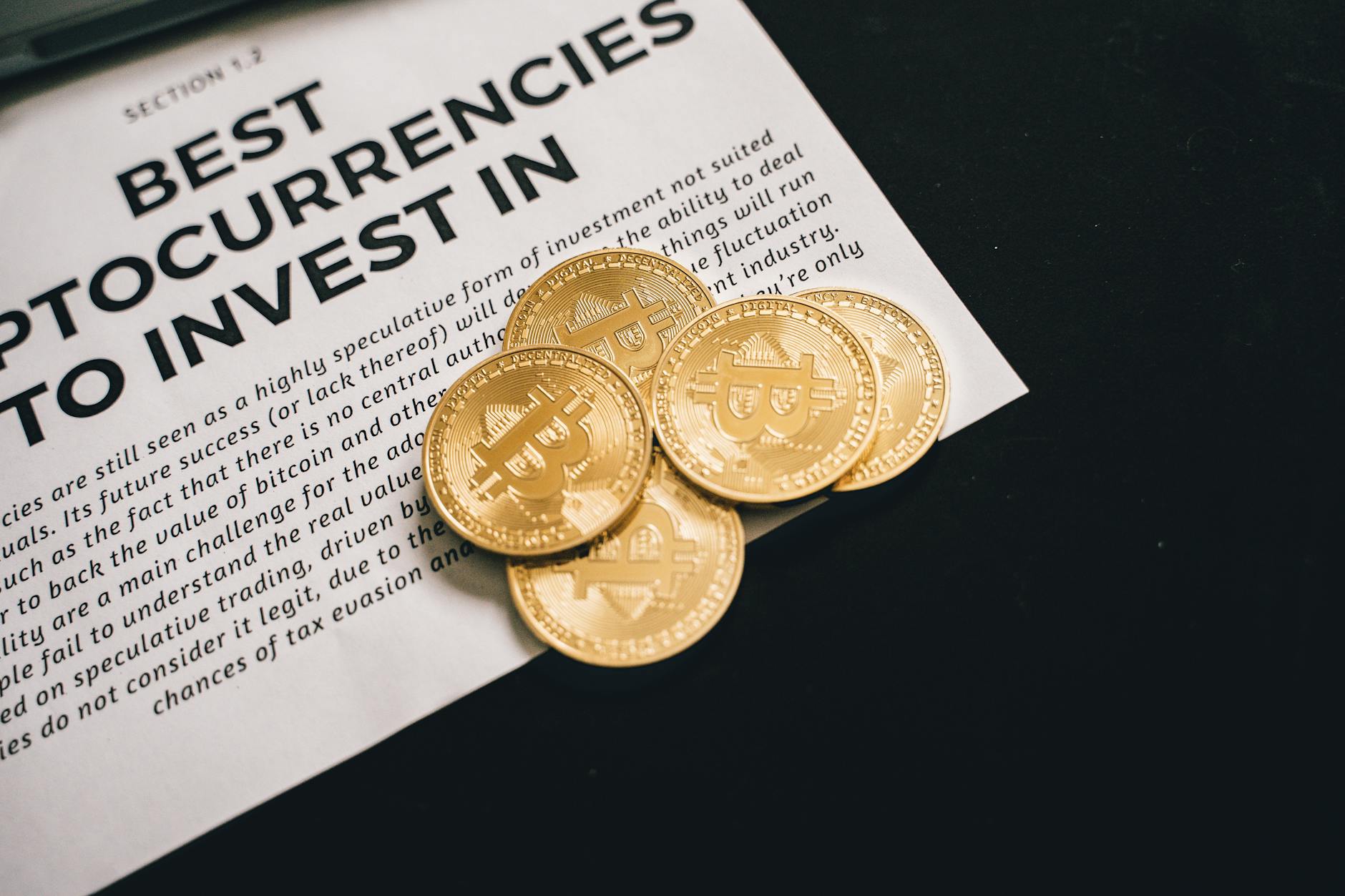
Photo by Alesia Kozik on Pexels.com

Encoding Commitments in a Decentralized World

At its core, a love contract on the blockchain is a smart contract that symbolizes or formalizes a romantic agreement between two individuals. While traditional love contracts have been private agreements or playful affirmations, blockchain allows these contracts to become publicly verifiable digital records.

These smart contracts can include conditions such as time-based milestones, shared digital assets, or symbolic gestures like jointly minted NFTs. Some couples use them to store anniversaries or tokens of shared experiences, while others tie them to joint goals or mutual promises. The decentralized nature of the blockchain ensures these records are tamper-proof, creating a new type of romantic permanence.

Symbolism vs. Functionality

There’s a distinction between symbolic love contracts and functional ones. Symbolic contracts might be nothing more than public declarations of affection encoded on-chain, akin to digital tattoos. Functional contracts, on the other hand, might have enforceable conditions. For example, a couple could set up a contract where shared crypto assets become accessible only after a certain period or upon meeting specific criteria, mimicking a digital prenuptial agreement.

This fusion of emotion and technology opens debates about how far we want to entangle love with code. Are we reducing the human element, or merely finding new ways to honor it in an age of digitization?

The Role of NFTs in Digital Love

Non-fungible tokens (NFTs) have played a significant role in love contracts. Couples have begun minting NFTs that represent their union, complete with unique metadata such as shared memories, location of the first date, or digital artwork representing their bond. These NFTs serve both as symbolic markers and as digital heirlooms.

Beyond aesthetics, NFTs can also hold smart contract logic. A relationship NFT might change appearance over time, reflect anniversaries, or contain unlockable content for the couple. Some platforms offer customizable NFT experiences specifically designed for romantic partnerships, and this market is steadily expanding.

Privacy and Consent Concerns

With love contracts on a public blockchain, privacy becomes a critical issue. Recording intimate moments or personal agreements on an immutable, transparent ledger may seem romantic but can have unintended consequences. Not all blockchains are privacy-focused, meaning personal information could be exposed to anyone who knows how to search for it.

Consent must be explicit and mutual. As with any digital transaction, both parties should understand what they’re agreeing to, including the permanence of blockchain records. Privacy-preserving blockchains or zero-knowledge technologies may offer solutions, allowing couples to share their bond without full public disclosure.

Relationship Gamification and Milestone Tracking

Some blockchain-based platforms gamify relationships. Partners can earn rewards for reaching shared goals, from saving a certain amount of money together to completing joint fitness challenges. These smart contracts can track progress, assign virtual badges, and even unlock joint benefits.

While this might add fun and structure to relationships, it also raises concerns about turning intimacy into a transactional experience. Relationships naturally evolve, and codifying love through blockchain milestones may unintentionally add pressure or rigidity.

Legal Implications and Ethical Questions

Though love contracts may appear informal, they enter a gray legal area if they include binding financial elements or joint ownership of digital assets. In some jurisdictions, such agreements could be considered enforceable, potentially leading to complex legal entanglements if the relationship dissolves.

Moreover, critics question the ethics of intertwining emotional intimacy with automated enforcement. What happens if one party wishes to revoke or amend a contract? While code can automate processes, it often lacks the nuance needed to handle human relationships. The idea of encoding love and its terms in code brings forth philosophical considerations about autonomy, trust, and the imperfection of human bonds.

Blockchain as a Record of Shared History

Beyond formal contracts, some couples use blockchain to record meaningful events—wedding vows, travel logs, or messages of affection—on-chain. These digital mementos serve as a timestamped history of their relationship. The permanence of blockchain ensures these memories are preserved without fear of deletion or data loss.

This use-case shifts blockchain from a tool of finance to a medium for storytelling. Just as people once carved initials into trees or wore lockets, today’s couples may use the blockchain as a new kind of emotional archive.

Conclusion

Love contracts on the blockchain represent a noel intersection of emotion and code. They offer new ways for couples to express, document, and sometimes even structure their relationships through decentralized technologies. While full of creative and symbolic possibilities, they also introduce serious questions around privacy, ethics, and the appropriateness of turning relationships into digital agreements. As the technology matures, society will continue to explore where the line should be drawn between romantic expression and programmable logic.
The Cultural Value Embedded in NFT Collections

Non-fungible tokens (NFTs) have rapidly evolved beyond mere digital assets into powerful vessels of cultural expression. These unique tokens, representing ownership of digital or physical items on a blockchain, encapsulate more than just art or collectibles—they reflect identities, histories, communities, and social movements. The cultural value embedded in NFT collections reshapes how culture is created, preserved, and shared in the digital age. Examining this phenomenon reveals the transformative role NFTs play in connecting creators and audiences, fostering new forms of cultural heritage, and challenging traditional notions of value. Many people start at graminator.io to learn about timing and basic market behavior.

Photo by Markus Winkler on Pexels.com

NFTs as Modern Cultural Artifacts

NFTs function as modern artifacts that document and preserve moments, ideas, and creative works in an immutable digital form. Unlike traditional art or collectibles, NFTs carry metadata and provenance on-chain, guaranteeing authenticity and ownership in perpetuity.

This permanence allows digital culture—memes, digital art, music, virtual fashion—to be archived with verifiable history, elevating ephemeral content into lasting cultural artifacts.

Creators embed narratives, symbolism, and identity into their tokens, reflecting broader cultural contexts. As a result, NFT collections become repositories of cultural memory, capturing zeitgeists and social commentary.

Community and Identity in NFT Spaces

Many NFT collections foster vibrant communities that coalesce around shared values, aesthetics, or purposes. Ownership of certain NFTs often confers membership in exclusive groups, creating social bonds and collective identities.

These communities organize events, collaborations, and charitable initiatives, extending cultural impact beyond the digital realm.

NFTs enable individuals to express affiliation with cultural movements, subcultures, or social causes, democratizing cultural participation.

This social dimension adds depth to NFT value, rooted in belonging and shared narratives.

Representation and Diversity Through NFTs

NFT platforms have opened avenues for underrepresented artists and communities to showcase their culture on global stages. By bypassing traditional gatekeepers, marginalized voices gain visibility and economic opportunity.

Collections highlighting indigenous art, LGBTQ+ themes, or activism illustrate NFTs’ role in amplifying diverse cultural expressions.

This inclusivity enriches the cultural landscape, promoting cross-cultural dialogue and understanding.

The cultural value of NFTs is thus intertwined with social empowerment and equity.

Economic Implications of Cultural NFTs

The monetization of cultural expressions through NFTs transforms creative economies. Artists can directly monetize digital creations, retaining royalties via smart contracts, ensuring ongoing income.

Collectors invest in culturally significant NFTs, sometimes valuing them for historical importance or community status rather than pure speculation.

NFT marketplaces facilitate exchange and discovery, fostering vibrant economic ecosystems around culture.

This shift challenges traditional models of art commerce and intellectual property management.

Challenges in Assessing Cultural Value

Determining the cultural value of NFTs is complex, involving subjective judgments and evolving criteria. Unlike physical artifacts, digital tokens lack tactile presence, complicating appraisal.

Market hype and speculative bubbles can obscure genuine cultural significance.

Moreover, rapid creation and turnover of NFTs risk diluting meaningful cultural contributions.

Critical discourse and scholarly engagement are necessary to contextualize and evaluate NFTs within broader cultural frameworks.

Preservation and Legacy Considerations

While blockchains provide permanence, the sustainability of cultural NFTs depends on platform longevity, technological standards, and user engagement.

Efforts to archive associated digital content and ensure accessibility are vital for enduring cultural impact.

Collaborations between technologists, cultural institutions, and creators can establish best practices for preservation.

Legacy planning for NFTs may redefine how cultural heritage is managed in the digital era.

Intersection with Traditional Culture and Institutions

NFT collections increasingly intersect with museums, galleries, and cultural festivals, bridging digital and physical worlds.

Exhibitions of NFT art challenge curatorial norms and invite new audiences.

Partnerships with established institutions legitimize NFTs as cultural artifacts and open dialogues on authenticity, value, and ownership.

These interactions foster hybrid cultural ecosystems blending tradition and innovation.

Future Directions for Cultural NFTs

The cultural value of NFTs is poised to deepen with advances in immersive technologies, such as virtual and augmented reality, enabling richer experiences.

Cross-chain interoperability will expand cultural exchange across platforms.

Emerging narratives around digital identity, provenance, and social impact will shape future collections.

As NFTs mature, their role in cultural production, preservation, and consumption will become increasingly central.

Conclusion

NFT collections encapsulate multifaceted cultural value that transcends digital ownership. They serve as contemporary artifacts, community catalysts, platforms for representation, and engines of creative economies.

Navigating challenges around valuation, preservation, and integration with traditional culture is essential to harness their full potential.

By embedding culture into blockchain tokens, NFTs redefine how society creates, shares, and sustains cultural heritage in the digital age, marking a transformative chapter in human expression.

What Makes a Metaverse Token Valuable?

The rise of the metaverse, a collective virtual shared space created by the convergence of virtually enhanced physical and digital realities, is reshaping how people interact, work, and entertain themselves online. Central to this emerging digital ecosystem are metaverse tokens, cryptocurrencies that facilitate transactions, governance, and access within virtual worlds. Understanding what makes a metaverse token valuable is essential for investors, developers, and users seeking to navigate and capitalize on this evolving landscape. When you’re learning about entries and exits, Shift Flarex Fin gives a clear view.

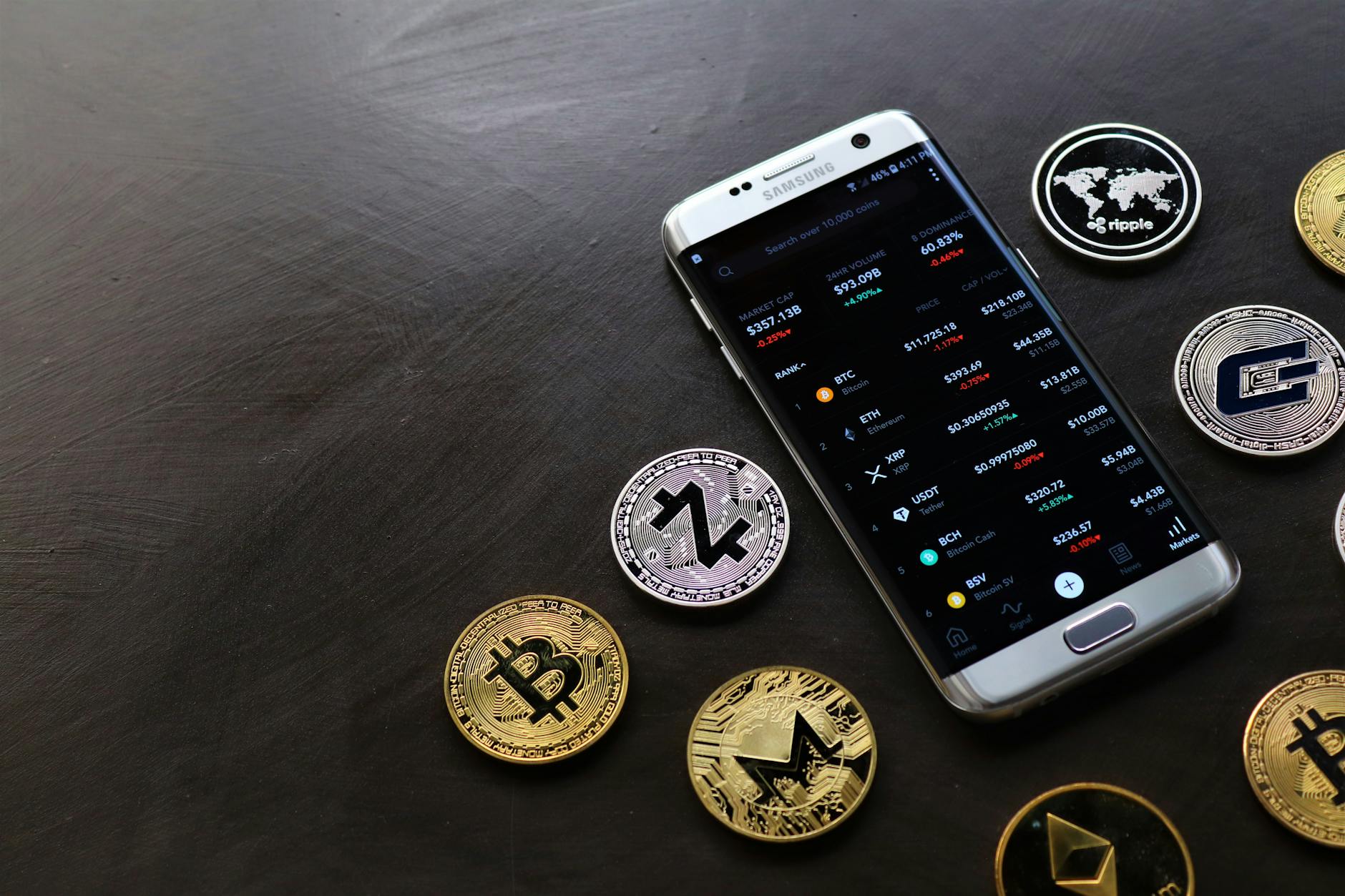
Photo by Roger Brown on Pexels.com

The Role of Metaverse Tokens

Metaverse tokens serve as the native currency within virtual environments, enabling users to buy, sell, trade, and own digital assets such as land, avatars, collectibles, and services. These tokens often underpin the economic systems of metaverse projects, providing liquidity and incentivizing participation.

Beyond currency, metaverse tokens frequently grant holders governance rights, allowing them to influence platform development, policy decisions, and community initiatives through decentralized autonomous organizations (DAOs). This dual function as both currency and governance tool strengthens the tokens’ utility and, by extension, their value.


Factors Influencing Metaverse Token Value

Several key factors determine the value of metaverse tokens, each contributing to their market dynamics and long-term viability.

Utility and Functionality

A metaverse token’s value largely depends on its utility within the virtual ecosystem. Tokens that facilitate essential functions such as purchasing virtual land, accessing exclusive experiences, or participating in events tend to have higher demand. The broader and more integrated the token’s use cases, the greater its potential value.

For instance, tokens used to pay for virtual goods, services, or fees within the metaverse foster consistent transactional activity, supporting price stability and growth.

Scarcity and Supply Mechanisms

Like traditional cryptocurrencies, the scarcity of metaverse tokens plays a crucial role. Limited total supply or controlled inflation through tokenomics can create scarcity, driving demand among users and investors. Some projects implement burning mechanisms, reducing supply by destroying tokens in exchange for services or transactions.

Careful design of token supply prevents oversaturation, which could dilute value, while ensuring enough liquidity to facilitate smooth transactions.

User Base and Community Engagement

The size and activity level of a metaverse’s user base significantly influence token value. A growing, engaged community translates to higher transaction volumes and broader adoption, boosting demand for the native token.

Community participation in governance, content creation, and marketing further strengthens the ecosystem, making the token more attractive to both users and investors.

Technological Infrastructure and Interoperability

Robust technological infrastructure underpins a successful metaverse and its token. Fast transaction speeds, low fees, and secure protocols encourage usage and trust.

Interoperability—the ability for tokens and assets to move seamlessly between different metaverse platforms or blockchain networks—enhances token utility and attractiveness. Tokens that are compatible with multiple environments or standards tend to gain wider acceptance.

Partnerships and Ecosystem Development

Strategic partnerships with other blockchain projects, gaming companies, or content creators can drive adoption and increase token value. Collaborations that expand the metaverse’s features, content offerings, or user base contribute to a vibrant, sustainable ecosystem.

A strong developer community also accelerates innovation, enabling new applications and integrations that enhance token functionality.

Speculation and Market Sentiment

Like other cryptocurrencies, metaverse tokens are subject to market speculation and sentiment. Hype around upcoming platform developments, celebrity endorsements, or trending virtual events can cause rapid price fluctuations.

While speculation can attract investment and liquidity, it also introduces volatility and risks. Sustainable value typically relies on genuine utility and long-term ecosystem growth rather than short-term market excitement.


Challenges Affecting Token Value

Despite their potential, metaverse tokens face challenges that can impact their value negatively.

Technical limitations, such as network congestion or security vulnerabilities, can reduce user confidence and hinder adoption. Regulatory uncertainty around virtual assets and digital economies poses risks that may affect investor perception.

Additionally, the fragmentation of metaverse projects and competition among platforms could dilute user attention and token demand if ecosystems fail to interconnect or provide compelling experiences.


Future Outlook

The value of metaverse tokens is expected to evolve as virtual worlds expand and mature. Increasing integration of augmented reality (AR), virtual reality (VR), and artificial intelligence (AI) will create richer, more immersive experiences that drive token demand.

Innovations in decentralized finance (DeFi) within metaverses may introduce novel financial products and services, further enhancing token utility.

As interoperability improves and ecosystems grow more interconnected, tokens that facilitate cross-platform interactions will gain strategic importance.


Conclusion

The value of a metaverse token hinges on a combination of utility, scarcity, community engagement, technological strength, partnerships, and market dynamics. Tokens that offer meaningful use cases, foster active user participation, and operate within robust, interoperable ecosystems stand the best chance of sustaining and growing their value.

Understanding these factors is crucial for stakeholders looking to participate in or invest in the metaverse economy. As virtual worlds continue to evolve, metaverse tokens will play an increasingly central role in shaping the future of digital interaction and commerce.