



The Himalayan mountain range, one of the most awe-inspiring natural wonders of the world, spans five countries: India, Nepal, Bhutan, China, and Pakistan. The region is a magnet for travelers seeking adventure, spirituality, and unparalleled natural beauty. Below are some of the top travel destinations in the Himalayan ranges:
1. Leh-Ladakh, India
- Overview: Leh-Ladakh is often referred to as the “Land of High Passes” and is renowned for its stark landscapes, Buddhist monasteries, and unique culture. The region’s high-altitude deserts, rugged terrain, and crystal-clear lakes offer an otherworldly experience.
- Key Attractions:
- Pangong Lake: A high-altitude lake known for its changing colors.
- Nubra Valley: Famous for its sand dunes, Bactrian camels, and monasteries.
- Monasteries: Thiksey, Hemis, and Diskit monasteries showcase the rich Buddhist heritage of the region.
- Activities: Trekking, motorbiking, visiting monasteries, camping, and exploring local culture.
2. Kathmandu Valley, Nepal
- Overview: Kathmandu Valley is a cultural and historical hub, surrounded by the majestic peaks of the Himalayas. The valley is home to seven UNESCO World Heritage Sites, offering a blend of Hindu and Buddhist traditions.
- Key Attractions:
- Swayambhunath (Monkey Temple): A sacred Buddhist site with panoramic views of the city.
- Pashupatinath Temple: A significant Hindu temple on the banks of the Bagmati River.
- Bhaktapur and Patan Durbar Squares: Ancient cities with stunning architecture and vibrant history.
- Activities: Cultural tours, temple visits, shopping for handicrafts, and short hikes to surrounding hills.
3. Manali, India
- Overview: Nestled in the Kullu Valley of Himachal Pradesh, Manali is a popular hill station known for its scenic beauty, adventure activities, and vibrant local culture. The region is surrounded by snow-capped peaks and dense forests.
- Key Attractions:
- Solang Valley: A hub for adventure sports like paragliding, skiing, and zorbing.
- Rohtang Pass: A high mountain pass that offers breathtaking views of the Himalayas.
- Old Manali: A quaint village with traditional Himachali architecture and vibrant cafes.
- Activities: Trekking, skiing, paragliding, river rafting, and visiting temples.
4. Bhutan
- Overview: Bhutan, known as the “Land of the Thunder Dragon,” is a small Himalayan kingdom with a strong emphasis on preserving its culture and environment. The country is famous for its monasteries, fortresses (dzongs), and dramatic landscapes.
- Key Attractions:
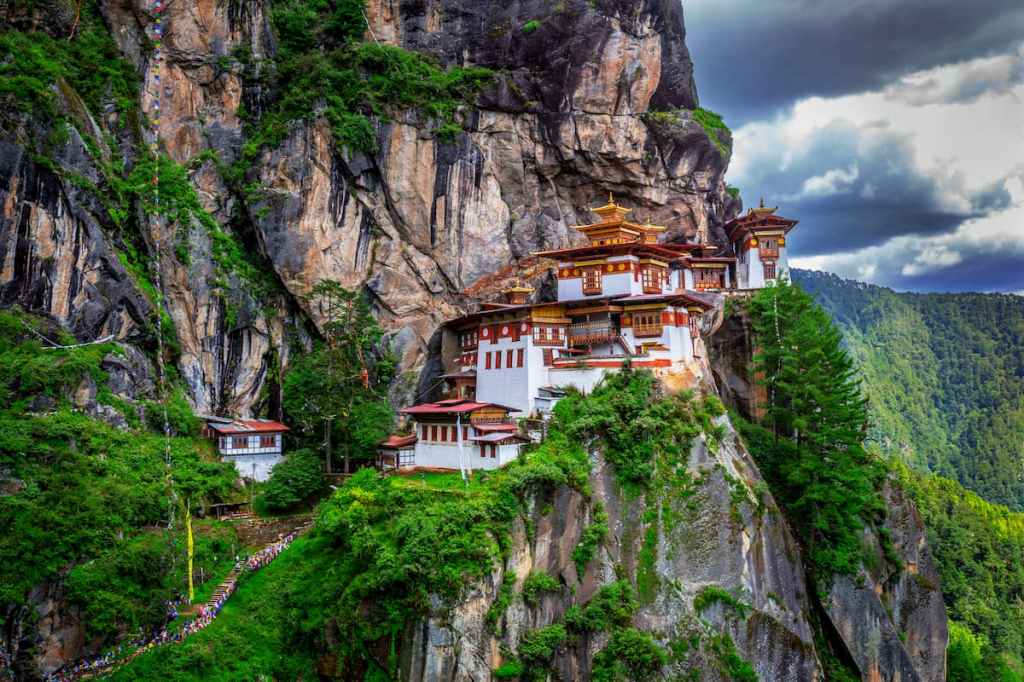
- Tiger’s Nest Monastery (Paro Taktsang): A sacred Buddhist site perched on a cliffside.
- Thimphu: The capital city, known for its traditional architecture and cultural landmarks.
- Punakha Dzong: A stunning fortress at the confluence of two rivers.
- Activities: Cultural tours, monastery visits, trekking (especially the Jomolhari Trek), and exploring local festivals.
5. Everest Base Camp, Nepal
- Overview: Everest Base Camp is one of the most iconic trekking destinations in the world. Located at the base of Mount Everest, the trek offers trekkers a chance to experience the breathtaking beauty of the Khumbu region.
- Key Attractions:
- Lukla: The starting point of the trek, known for its thrilling airport.
- Namche Bazaar: A bustling town that serves as a gateway to the high Himalayas.
- Everest Base Camp: The ultimate destination, offering views of Everest and the Khumbu Icefall.
- Activities: Trekking, photography, and experiencing Sherpa culture.
6. Darjeeling, India
- Overview: Darjeeling, known as the “Queen of the Hills,” is a popular hill station in West Bengal, India. It is famous for its tea plantations, colonial architecture, and stunning views of the Kanchenjunga mountain range.
- Key Attractions:
- Tiger Hill: Offers panoramic views of the sunrise over Kanchenjunga.
- Darjeeling Himalayan Railway (Toy Train): A UNESCO World Heritage Site, offering a scenic ride through the mountains.
- Tea Gardens: Explore the famous tea estates and taste some of the world’s finest teas.
- Activities: Tea garden tours, trekking, visiting monasteries, and riding the toy train.
7. Shimla, India
- Overview: Once the summer capital of British India, Shimla is a charming hill station in Himachal Pradesh. The town is known for its colonial architecture, pine forests, and pleasant weather.
- Key Attractions:
- The Ridge: A large open space in the heart of Shimla, offering stunning views of the mountains.
- Jakhoo Temple: A temple dedicated to Lord Hanuman, located on Jakhoo Hill.
- Mall Road: The main street, lined with shops, cafes, and colonial-era buildings.
- Activities: Walking tours, visiting temples, exploring colonial architecture, and shopping.
8. Nainital, India
- Overview: Nainital is a picturesque hill station in the Kumaon region of Uttarakhand, centered around the beautiful Naini Lake. The town is surrounded by hills and offers a serene environment.
- Key Attractions:
- Naini Lake: A beautiful lake where visitors can enjoy boating.
- Naina Devi Temple: A sacred temple overlooking the lake.
- Snow View Point: Offers panoramic views of the Himalayan peaks.
- Activities: Boating, trekking, visiting temples, and exploring nearby lakes and viewpoints.
9. Sikkim, India
- Overview: Sikkim, a small state in northeastern India, is known for its rich biodiversity, pristine landscapes, and Tibetan Buddhist culture. The state is home to Kanchenjunga, the third-highest mountain in the world.
- Key Attractions:
- Gangtok: The capital city, offering stunning views of Kanchenjunga and vibrant monasteries.
- Tsomgo Lake: A glacial lake situated at an altitude of 12,310 feet.
- Yuksom: A historic town, known as the starting point for the Dzongri-Goechala trek.
- Activities: Trekking, monastery visits, exploring nature parks, and experiencing local festivals.
10. Spiti Valley, India
- Overview: Spiti Valley
in Himachal Pradesh is often described as a cold desert and is one of the most remote and unexplored regions in the Indian Himalayas. The valley is characterized by rugged terrain, stark landscapes, ancient monasteries, and a rich Tibetan culture.
- Key Attractions:
- Key Monastery: The largest and one of the oldest monasteries in Spiti, perched on a hilltop offering panoramic views.
- Chandratal Lake: Also known as the “Moon Lake,” this high-altitude lake is famous for its crystal-clear waters and stunning scenery.
- Tabo Monastery: A UNESCO World Heritage Site, this 1000-year-old monastery is known for its ancient murals and statues.
- Activities: Trekking, exploring monasteries, camping by lakes, and experiencing local festivals.
11. Rishikesh and Haridwar, India
- Overview: Situated in the foothills of the Himalayas, Rishikesh and Haridwar are spiritual centers along the banks of the Ganges River. While Rishikesh is known as the “Yoga Capital of the World,” Haridwar is famous for its religious significance and the Ganga Aarti.
- Key Attractions:
- Triveni Ghat: A sacred bathing ghat in Rishikesh where the Ganges, Yamuna, and Saraswati rivers meet.
- Lakshman Jhula and Ram Jhula: Iconic suspension bridges in Rishikesh offering scenic views of the Ganges.
- Har Ki Pauri: A famous ghat in Haridwar known for its evening Ganga Aarti.
- Activities: Yoga, meditation, white-water rafting, attending the Ganga Aarti, and spiritual retreats.
12. Paro Valley, Bhutan
- Overview: Paro Valley is one of the most beautiful regions in Bhutan, known for its scenic landscapes, traditional Bhutanese architecture, and historical significance. The valley is also home to the Paro Airport, the gateway to Bhutan.
- Key Attractions:
- Paro Taktsang (Tiger’s Nest Monastery): A sacred monastery perched on a cliff, one of Bhutan’s most iconic landmarks.
- Rinpung Dzong: A fortress-monastery that offers stunning views and houses important relics.
- National Museum of Bhutan: Located in the Ta Dzong, it showcases Bhutan’s cultural heritage.
- Activities: Hiking to Tiger’s Nest, exploring dzongs, cultural tours, and photography.
13. Mount Kailash, Tibet
- Overview: Mount Kailash is a sacred peak in Tibet, revered in Hinduism, Buddhism, Jainism, and Bon. The mountain is considered the earthly representation of Mount Meru and is a site of pilgrimage for devotees.
- Key Attractions:
- Kailash Kora: A 52-kilometer pilgrimage route around Mount Kailash, believed to bring spiritual merit.
- Lake Manasarovar: A sacred lake situated near Mount Kailash, considered one of the holiest lakes in Hinduism and Buddhism.
- Rakshas Tal: Another significant lake located near Lake Manasarovar, with mythological importance.
- Activities: Pilgrimage, trekking the Kailash Kora, spiritual retreats, and meditation.
14. Lhasa, Tibet
- Overview: Lhasa, the capital of Tibet, is a spiritual and cultural center known for its ancient monasteries and palaces. The city is surrounded by the towering peaks of the Himalayas and is rich in Tibetan Buddhist traditions.
- Key Attractions:
- Potala Palace: A UNESCO World Heritage Site, this palace is the former residence of the Dalai Lama and an architectural marvel.
- Jokhang Temple: The most sacred temple in Tibet, revered by Tibetan Buddhists from all over the world.
- Norbulingka: The summer palace of the Dalai Lama, known for its beautiful gardens and architecture.
- Activities: Exploring monasteries, visiting historical sites, experiencing Tibetan culture, and shopping for local crafts.
Conclusion
The Himalayan region offers a diverse range of travel experiences, from spiritual pilgrimages to adrenaline-pumping adventures. Each destination has its unique charm, cultural significance, and natural beauty, making the Himalayas a must-visit for travelers seeking a blend of adventure, spirituality, and serenity. Whether you are looking to trek through some of the highest mountain passes, meditate in a remote monastery, or simply soak in the breathtaking vistas, the Himalayan ranges have something to offer for every type of traveler.
 Eduindex
You must be logged in to post a comment.