

Creating a home that feels cohesive, comfortable, and visually engaging is less about following strict design rules and more about developing a sense of harmony through thoughtful coordination. Every detail—from flooring and wall color to furniture, textiles, and artwork—plays a role in shaping how a room feels. Whether you’re moving into a new space or refreshing your current one, success lies in the ability to balance color, texture, and proportion so that every piece contributes to a unified visual story.
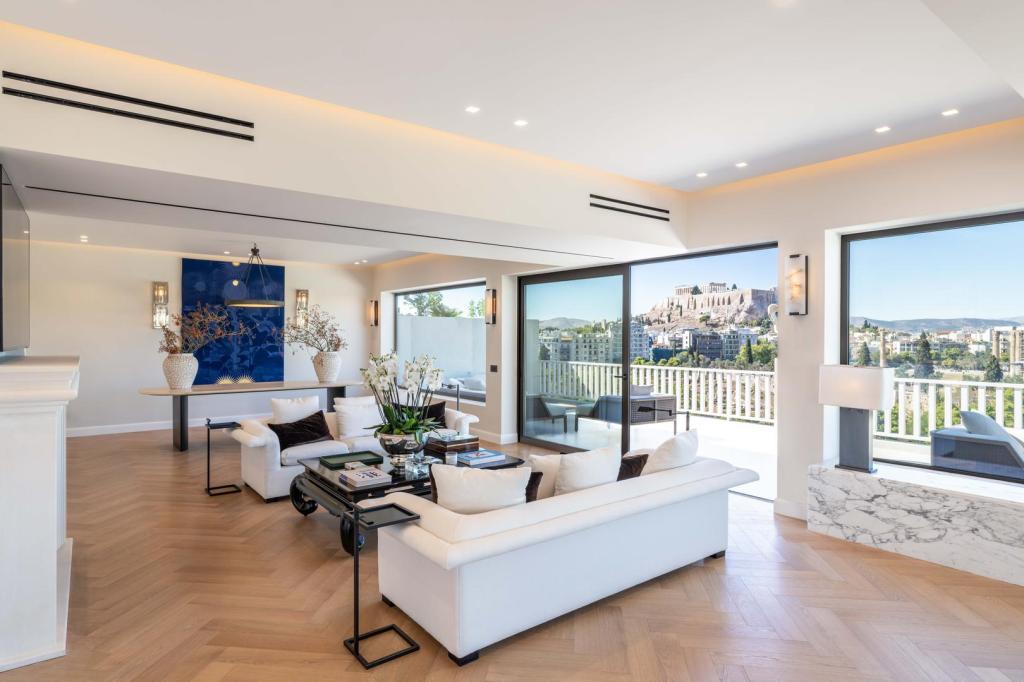
If you’re fortunate enough to be searching for your next dream residence, consider the design potential that comes with modern European apartments. Many contemporary apartments for sale in Athens offer open layouts, natural light, and architectural finishes that serve as perfect canvases for creating interiors that feel both stylish and deeply personal.
Step 1: Start with the Foundation — Palette and Materials
Every great design begins with a clear and intentional foundation. Before you invest in decor items, decide on your core palette—the combination of colors and materials that will define the space. Well-balanced interiors often rely on two grounding neutrals to form a steady backdrop. Shades like soft white, beige, or grey provide calm continuity across walls, flooring, and furniture. Once this base is established, introduce a single accent hue—perhaps a muted olive, terracotta, or ocean blue—to bring depth and rhythm to the composition.
Textures are just as crucial as colors in creating dimension. Pairing sleek surfaces with tactile ones—such as woven rugs, linen cushions, boucle upholstery, and brushed brass finishes—builds visual interest without chaos. Natural materials like wood and stone bring warmth and authenticity, while metallic or glass elements add a contemporary touch. A well-thought-out blend of these textures allows your home to feel curated rather than cluttered.
Lighting also plays a silent yet powerful role in your palette. Use layered lighting—overhead fixtures, wall sconces, and floor lamps—to highlight specific textures and shapes. Warm lighting tones complement earthy materials, while cooler tones emphasize modern finishes like marble or steel.
Step 2: Define the Art Strategy — Format, Scale, and Placement
Once your palette is set, it’s time to bring the walls to life. Artwork has the power to anchor a space, create movement, and reflect your personality. Think of your art strategy as the visual rhythm that connects each area of your home.
Start by choosing the right format. Canvas art offers a soft, low-glare presence, making it ideal for cozy corners or living rooms. Fine-art prints bring precision and polish to modern settings, while posters or photography prints lend casual charm to hallways and bedrooms. When planning placement, use the two-thirds rule—artwork should typically measure around two-thirds the width of the furniture below it.
Hanging height matters too. Aim for 145 cm from the floor to the center of the artwork—a comfortable eye level for most spaces. If you’re building a gallery wall, maintain 5–8 cm gaps between frames for breathing space. Mixing vertical and horizontal pieces can help balance symmetry with organic flow.
Mirrors can also double as wall art, reflecting light and expanding visual space. Pair them with artwork to create layered focal points that make rooms appear larger and more dynamic.
Step 3: Curate Your Style — Express Personality Through Art and Accents
With your layout and materials established, the final step is about expression. This is where your personality truly takes form through art, decor, and accessories. Choose wall art that complements your established palette and architectural style—be it minimalist, bohemian, industrial, or classic.
Modern wall art works beautifully in contemporary homes, offering visual balance through abstract forms, monochromatic prints, or geometric compositions. Black-and-white photography adds timeless sophistication, while color-driven pieces energize and personalize the space. To ensure cohesion, maintain consistency in frame styles and finishes—oak, black, or white frames tend to blend seamlessly with most interior tones.
Don’t overlook the smaller details: vases, sculptures, and greenery add life and motion. Group decor in odd numbers (three or five items) to achieve a natural, effortless aesthetic.
Step 4: Design for Lifestyle and Flow
Beyond beauty, a truly cohesive home also serves your daily life. Arrange furniture to encourage flow and functionality. Open walkways, accessible lighting switches, and uncluttered surfaces contribute to both comfort and clarity. Every design decision should enhance how you use the space—not just how it looks.
If your inspiration includes Mediterranean or contemporary urban living, apartments for sale in Athens demonstrate how architectural simplicity, natural materials, and artistic interiors come together to create homes that feel timeless yet modern. These spaces often blend indoor and outdoor living, using light and texture as design tools—principles that can easily translate to any home around the world.
The Takeaway
Designing a cohesive, inviting home is both an art and a mindful process. Begin with color and texture foundations, integrate artwork thoughtfully, and finish with a touch of personal style. The goal is to create spaces that feel effortless and authentic—where every corner reflects harmony, comfort, and intention.
Your home should not only look beautiful but also tell your story. Whether you’re redesigning a small studio or styling a new luxury apartment, thoughtful design decisions will make it feel distinctly yours—balanced, meaningful, and enduringly elegant.
 Eduindex
You must be logged in to post a comment.