

Varicose veins can be more than just a cosmetic concern—they can affect both our health and quality of life. At Metro Vein Centers in Austin, we understand that noticing bulging, twisted veins in your legs can be concerning. Millions of people experience this condition, making it essential to understand its causes, diagnosis, and treatment options. In this text, we’ll explore the underlying factors of varicose veins, effective management strategies, and the latest treatment solutions, empowering you to take control of your vein health with confidence.
Understanding Varicose Veins
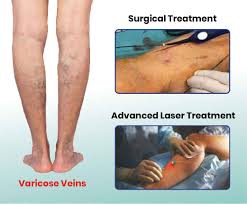
Varicose veins occur when the valves in our veins fail, causing blood to pool and the veins to become enlarged and twisted. This condition is common in the legs due to the increased pressure from standing and walking throughout our lives.
Symptoms and Causes of Varicose Veins
Common symptoms of varicose veins include aching, heaviness in the legs, swelling, and in some cases, skin changes and ulcers. The exact cause of varicose veins is multifactorial.
Causes
- Weak or Damaged Valves: When valves that control blood flow fail, blood can flow backward, leading to swelling.
- Hormonal Changes: Fluctuations in hormones can weaken vein walls. Women, especially during pregnancy or menopause, are often affected.
- Genetics: A family history of varicose veins may increase our risk.
Risk Factors for Developing Varicose Veins
Several factors can increase our likelihood of developing varicose veins, including:
- Age: As we age, our veins can lose elasticity.
- Gender: Women are more likely to develop varicose veins than men.
- Lifestyle: Prolonged sitting or standing can exacerbate the condition.
- Obesity: Carrying excess weight places additional pressure on our veins.
Diagnosis of Varicose Veins
Diagnosing varicose veins typically begins with a visual examination and discussion of our symptoms and medical history. Our healthcare provider may use the following methods to assess the condition:
- Ultrasound: This non-invasive test allows for visualization of blood flow in the veins and helps identify malfunctioning valves.
- Physical Examination: Our doctor will examine the legs while we stand to observe any visible signs, such as swelling or discoloration.
- Doppler Studies: In some cases, additional tests may be performed to assess blood flow and measure the pressure in the veins.
Overview of Treatment Options
Once diagnosed, several treatment options are available to manage varicose veins effectively. We can choose from conservative approaches to more invasive procedures depending on the severity of our condition.
Conservative Treatments for Varicose Veins
These options serve as the first line of defense:
- Compression Stockings: Wearing these throughout the day can help reduce swelling and improve blood flow.
- Lifestyle Changes: Maintaining a healthy weight and staying active are crucial. Simple activities like walking or elevating our legs can also alleviate symptoms.
Minimally Invasive Procedures
For those who need more than conservative care, minimally invasive options include:
- Sclerotherapy: This involves injecting a solution into the vein, causing it to collapse and fade away.
- Endovenous Laser Treatment (EVLT): Laser energy is directed at the vein, sealing it shut.
Surgical Treatments for Severe Cases
In more severe cases, surgical intervention might be necessary. Options include
- Vein Avulsion: This involves removing the vein through small incisions.
Post-Treatment Care and Management
After undergoing any treatment for varicose veins, proper care is essential to ensure optimal recovery and effectiveness. We should consider the following guidelines:
- Follow-Up Appointments: Regular check-ups will help monitor our recovery and ensure that our treatment is working effectively.
- Managing Discomfort: Utilizing prescribed pain relief methods or over-the-counter medications can help manage any post-treatment discomfort.
- Compression Garments: Continuing to wear compression stockings as advised by our healthcare provider can aid in recovery.
Lifestyle Changes to Prevent Recurrence
Plus to treatment, making lasting lifestyle changes can significantly reduce the risk of recurrence:
- Regular Exercise: Incorporating lower-body exercises into our routine helps improve circulation.
- Healthy Diet: A diet rich in fiber and low in salt can protect against venous issues.
- Weight Management: Maintaining a healthy weight alleviates pressure on our veins.
- Avoid Prolonged Sitting or Standing: Taking breaks to move around can help improve venous circulation.
Conclusion
Navigating the world of varicose vein treatments can seem daunting. But, understanding our options empowers us to take control of our vein health. From conservative treatments to advanced procedures, we have various routes to consider, each with its benefits. By prioritizing our health and embracing lifestyle changes, we can prevent recurrence and enhance our quality of life.
 Eduindex
You must be logged in to post a comment.