



The Bachelor of Architecture (B.Arch) is a professional undergraduate degree designed for individuals passionate about planning, designing, and constructing buildings and other physical structures. With the rapid pace of urbanization, technological advancements, and a growing focus on sustainable development, the demand for skilled architects has grown exponentially. This article explores the scope, opportunities, and career prospects for students pursuing a B.Arch course.
1. Overview of the B.Arch Course
The B.Arch program is a five-year degree course blending theoretical knowledge with practical skills in architecture. It covers diverse topics, including:
- Architectural Design and Principles
- Building Materials and Construction Techniques
- Urban Planning and Landscape Architecture
- Sustainable and Green Architecture
- Computer-Aided Design (CAD) and Building Information Modeling (BIM)
This holistic approach equips students with the skills to design aesthetically pleasing, functional, and sustainable structures.
2. Career Opportunities After B.Arch
A degree in architecture opens up diverse career opportunities in various domains. Here are some of the prominent career paths:
a. Professional Practice
Graduates can become licensed architects by registering with professional bodies like the Council of Architecture (COA) in India. This allows them to design residential, commercial, or public buildings and work as independent consultants or join architectural firms.
b. Urban Planner
Urban planning involves designing and developing efficient, sustainable cities. Architects with a focus on urban design can work with government bodies, private organizations, or international agencies to address challenges in urbanization and infrastructure.
c. Landscape Architect
Specializing in landscape architecture enables graduates to design outdoor spaces such as parks, gardens, and recreational areas that harmonize with the natural environment.
d. Sustainable Design Specialist
With the growing emphasis on green buildings and energy-efficient designs, architects specializing in sustainability are in high demand to create eco-friendly structures.
e. Academics and Research
Those with a passion for teaching can pursue advanced studies (M.Arch or Ph.D.) and contribute to architectural education and research.
f. Interior Designer
Architects with a flair for interiors can transition into designing functional and aesthetic interior spaces for homes, offices, and public spaces.
g. Real Estate Development
Graduates can work as project managers or consultants in real estate firms, overseeing the design and execution of large-scale residential and commercial projects.
3. Emerging Trends in Architecture
a. Smart Cities and Infrastructure Development
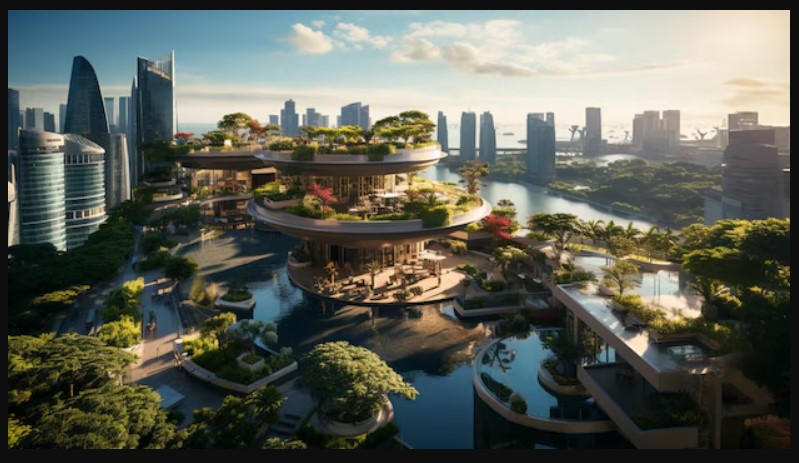
The global push towards smart cities has created significant opportunities for architects to design intelligent, technology-driven urban spaces.
b. Sustainable Architecture
The need for energy-efficient and environmentally friendly designs has led to a surge in demand for architects skilled in sustainable practices and materials.
c. Digital Architecture
Architects are leveraging advanced tools like virtual reality (VR), augmented reality (AR), and AI-driven design software to revolutionize how buildings are conceptualized and built.
d. Heritage Conservation
Preserving cultural and historical sites is a growing field that requires architects to balance restoration with modern requirements.
4. Skills Required for Success
To excel in the field of architecture, students should develop the following skills:
- Creative Thinking: Essential for innovative and aesthetic designs.
- Technical Proficiency: Knowledge of CAD, BIM, and structural analysis tools.
- Problem-Solving Abilities: Addressing client needs and environmental challenges.
- Project Management: Overseeing budgets, timelines, and resources.
- Communication Skills: Collaborating with clients, engineers, and contractors.
5. Job Market and Salary Prospects
The architecture field offers lucrative salary packages, which vary depending on experience, location, and specialization:
- Entry-Level: ₹3–6 lakhs per annum in India or $40,000–$60,000 globally.
- Mid-Level: ₹6–12 lakhs per annum or $60,000–$90,000 globally.
- Senior-Level: ₹12–25 lakhs per annum or $90,000–$150,000 globally. Experienced architects and those working in niche fields like sustainable design or urban planning often command higher salaries.
6. Future Prospects
The B.Arch course offers a promising future due to:
- Increasing urbanization and the demand for infrastructure development.
- Growing awareness of climate change, driving the need for sustainable architecture.
- Expanding real estate and construction industries worldwide.
- Government initiatives like the Smart Cities Mission in India and global green building movements.
7. Higher Education and Specialization
After completing a B.Arch degree, graduates can pursue advanced studies to specialize in areas such as:
- Master of Architecture (M.Arch) in Urban Design, Landscape Architecture, or Interior Design.
- Certifications in sustainable design or advanced software like BIM.
- Ph.D. programs for academic and research careers.
8. Challenges in the Field
While the scope of architecture is vast, it comes with challenges:
- Meeting client expectations while adhering to budget constraints.
- Keeping up with evolving technologies and building regulations.
- Balancing aesthetics with functionality and sustainability.
- Handling competition in a saturated market.
9. Conclusion
The B.Arch course is a gateway to a fulfilling career for those with a passion for creativity, design, and problem-solving. With growing urbanization and the focus on sustainable development, architects are increasingly playing a pivotal role in shaping the future of our built environment. The wide-ranging opportunities in professional practice, research, and academia make B.Arch a highly rewarding career choice.

 Eduindex
You must be logged in to post a comment.