Children’s Day

Children’s Day: Celebrating the Spirit of Childhood

Children’s Day is a special occasion dedicated to honoring and celebrating the innocence, joy, and potential of children around the world. This day is marked by various events and activities aimed at promoting the well-being and rights of children, encouraging their growth, and fostering an environment that supports their dreams and aspirations. Celebrated in numerous countries on different dates, Children’s Day is an opportunity to recognize the importance of children in shaping the future of our societies.
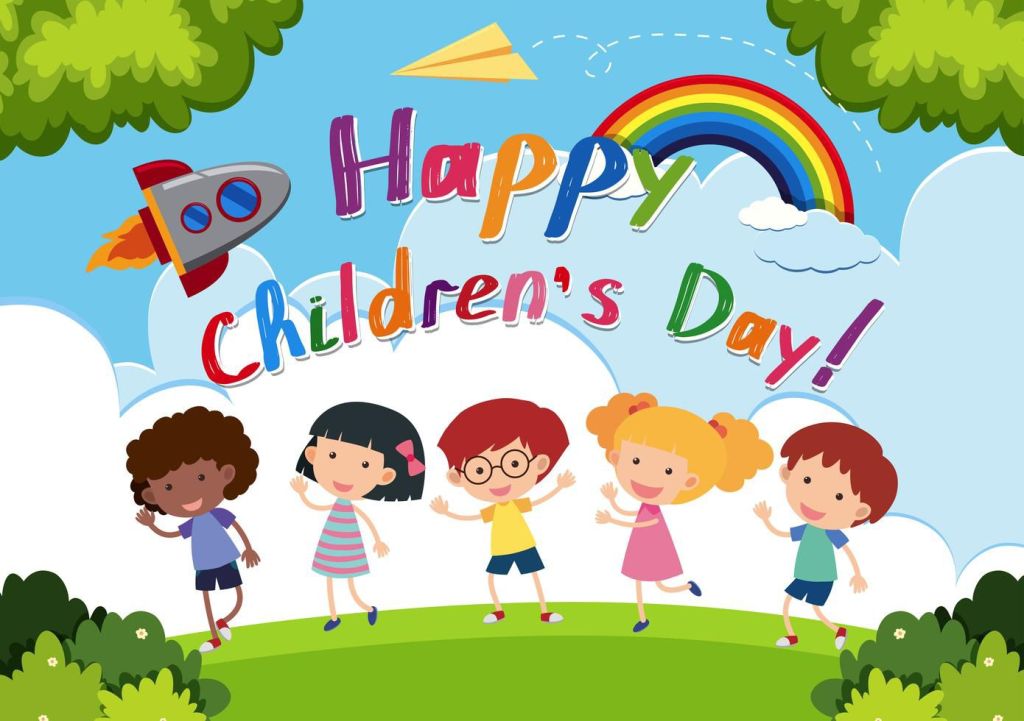
In India, Children’s Day holds a special significance as it is celebrated on November 14th every year. This date was chosen to commemorate the birth anniversary of Pandit Jawaharlal Nehru, the first Prime Minister of independent India, who was known for his deep affection for children. His love and dedication to their education, welfare, and overall development earned him the affectionate nickname “Chacha Nehru” (Uncle Nehru). In this article, we will explore the history, significance, and ways in which Children’s Day is celebrated, especially in India.

History and Origin of Children’s Day

The concept of dedicating a day to celebrate children can be traced back to the early 20th century. The idea was first proposed by Reverend Dr. Charles Leonard, a pastor in Chelsea, Massachusetts, in 1857. He held a special service dedicated to and for children, which he called “Children’s Day.” This initiative was followed by similar celebrations in other countries, eventually leading to the establishment of official Children’s Days around the world.

However, the celebration of Children’s Day as we know it today began in 1954, when the United Nations recommended that all countries institute a Universal Children’s Day to promote international togetherness, awareness among children worldwide, and improving children’s welfare. The United Nations selected November 20th as Universal Children’s Day, as it coincides with the anniversary of the adoption of the Declaration of the Rights of the Child (1959) and the Convention on the Rights of the Child (1989).

Children’s Day in India: Why November 14th?

In India, the celebration of Children’s Day on November 14th is tied to Pandit Jawaharlal Nehru’s enduring legacy. He was a strong advocate for children’s rights and education. His vision was to provide children with an environment that encourages creativity, learning, and growth. Pandit Nehru believed that children were the future of the nation, and he emphasized the need for education and equal opportunities for every child. His fondness for children was well-known, and he often emphasized that they should be nurtured with love and care to become responsible citizens.

After his death in 1964, it was decided to commemorate his birth anniversary as Children’s Day in India, shifting the focus from the international celebration on November 20th to November 14th, making it a day to remember his contributions and love for children.

The Significance of Children’s Day

1. Promoting Awareness of Children’s Rights

Children’s Day is a platform to raise awareness about the rights of children. It is a day to reflect on the importance of creating a safe, nurturing, and inclusive environment where children can thrive. It draws attention to critical issues such as child labor, child abuse, lack of education, and exploitation, urging society to take action to protect children’s rights.

2. Fostering Love, Care, and Affection

The day emphasizes the value of love, care, and understanding in a child’s upbringing. It reminds parents, teachers, and caregivers of their responsibility to provide children with the support they need to grow into healthy and happy individuals.

3. Encouraging Education and Development

Children’s Day is a reminder of the importance of education in shaping a child’s future. It highlights the need for quality education, which is essential for a child’s intellectual and emotional development. Schools and educational institutions often organize special events, competitions, and programs to encourage students to express their talents and creativity.

4. Inspiring Hope and Joy

This day is filled with joy and celebration as children are given the opportunity to enjoy themselves through various fun-filled activities. It serves as a break from the usual routine, allowing children to engage in games, performances, and recreational activities.

How Children’s Day is Celebrated in India

Children’s Day in India is a vibrant and joyous occasion marked by numerous events, programs, and activities across the country. Here’s how the celebration typically unfolds:

1. School Events and Programs

Schools play a significant role in celebrating Children’s Day. Teachers and staff organize various events such as cultural performances, storytelling sessions, drawing and painting competitions, sports activities, and talent shows. It is a day where teachers often perform skits, dances, or songs to entertain the children, making the day special and memorable for them.

2. Gifts and Sweets Distribution

Children are often treated with sweets, chocolates, and small gifts on this day. Many schools distribute special treats to students, and parents may also give their children small presents to mark the occasion.

3. Special Initiatives and Campaigns

Children’s Day is also a time when organizations, NGOs, and government bodies launch special initiatives to promote the welfare of children. This may include awareness campaigns on child rights, health check-ups, educational workshops, and activities aimed at supporting underprivileged children.

4. Cultural and Recreational Activities

Many community centers, parks, and public spaces host cultural events, fairs, and exhibitions. These events are designed to engage children in various fun and educational activities, fostering a sense of community and togetherness.

5. Social Media and Digital Celebrations

In the digital age, Children’s Day is also celebrated online. Social media platforms are flooded with heartfelt messages, photos, and videos dedicated to children. Many educational and entertainment channels curate special content for kids, such as animated stories, educational games, and fun quizzes.

Famous Quotes About Children

To honor the spirit of Children’s Day, here are some timeless quotes that celebrate the essence of childhood:

“The best way to make children good is to make them happy.” — Oscar Wilde

“Children are like wet cement; whatever falls on them makes an impression.” — Haim Ginott

“Let us sacrifice our today so that our children can have a better tomorrow.” — A.P.J. Abdul Kalam

“Every child is an artist. The problem is how to remain an artist once we grow up.” — Pablo Picasso

“Children are the world’s most valuable resource and its best hope for the future.” — John F. Kennedy

Conclusion

Children’s Day is a reminder of the pivotal role children play in our lives and the importance of nurturing their potential. It is a celebration of childhood, a time to honor their innocence, dreams, and limitless possibilities. As we celebrate Children’s Day, let us renew our commitment to creating a world where every child is valued, loved, and given the opportunity to grow and flourish.

By investing in the education, health, and well-being of our children, we are investing in the future of our societies. Let us ensure that every child, regardless of their background, has the chance to live a life filled with love, happiness, and endless opportunities.

Happy Children’s Day!

Top Festivals in the Month of September

September is a vibrant month filled with diverse festivals and celebrations across the globe. Here are some of the top festivals in September:

1. *Labor Day (First Monday in September)*: A federal holiday in the United States and Canada, honoring the labor movement and workers’ contributions.
2. *Onam (Variable dates, typically in August-September)*: A harvest festival celebrated in Kerala, India, marking the return of King Mahabali.
3. *Ganesh Chaturthi (Variable dates, typically in August-September)*: A Hindu festival honoring Lord Ganesha’s birth, celebrated with grand processions and idol immersion.
4. *Rosh Hashanah (Variable dates, typically in September-October)*: A Jewish New Year celebration, marking the beginning of the High Holy Days.
5. *Mid-Autumn Festival (Variable dates, typically in September-October)*: A traditional Chinese harvest festival, celebrated with mooncakes, lanterns, and family gatherings.
6. *Navratri (Variable dates, typically in September-October)*: A nine-day Hindu festival honoring the divine feminine, celebrated with Garba and Dandiya Raas dances.
7. *Higan (September 20-21)*: A Japanese Buddhist holiday honoring the autumnal equinox and ancestors.
8. *International Day of Peace (September 21)*: A United Nations-recognized day promoting global peace and nonviolence.
9. *Fall Equinox (September 22-23)*: A astronomical event marking the beginning of autumn in the Northern Hemisphere and spring in the Southern Hemisphere.
10. *Dussehra (Variable dates, typically in September-October)*: A Hindu festival celebrating Lord Rama’s victory over Ravana, marking the triumph of good over evil.
These festivals showcase the diversity and richness of global cultures, traditions, and celebrations in September.

Important Days of August Month

*Important Days in August:*

1. *August 1:* World Breastfeeding Day
2. *August 5:* Friendship Day (First Sunday of August)
3. *August 7:* National Handloom Day
4. *August 9:* Nagasaki Day (Atomic Bomb Day)
5. *August 12:* International Youth Day
6. *August 15:* Independence Day (India)
7. *August 18:* National Science Day (Thailand)
8. *August 19:* World Humanitarian Day
9. *August 20:* Sadbhavana Diwas (Birth Anniversary of Rajiv Gandhi)
10. *August 29:* National Sports Day (India)
11. *August 30:* Small Industry Day
12. *August 31:* National Solidarity Day
*Other Observances:*
– *August 1-7:* World Breastfeeding Week
– *August 8-14:* International Assistance Dog Week
– *August 12-18:* National Health Center Week
– *August 16-22:* National Minority Donor Awareness Week
Note: Dates may vary depending on the country and year. These are some of the widely recognized important days in August.

Celebrating the Power of Friendship: The Significance of Friendship Day

Introduction
Friendship Day, celebrated on the first Sunday of August every year, is a special day dedicated to honoring the beautiful bond of friendship. This day is a reminder of the importance of nurturing and cherishing our friendships, which play a vital role in making our lives richer and more meaningful.
History of Friendship Day
The concept of Friendship Day was first introduced in 1935 by the US Congress, but it gained popularity in the 1990s. The day is now celebrated worldwide, with people showing appreciation for their friends through various gestures and activities.
Significance of Friendship
Friendship is a unique and precious relationship that brings joy, support, and companionship to our lives. Friends are our confidants, partners in crime, and pillars of strength during difficult times. They help us grow, learn, and evolve as individuals.
Ways to Celebrate Friendship Day
1. Spend quality time with friends: Plan a fun outing, movie night, or game session.
2. Express gratitude: Write heartfelt letters or make personalized gifts.
3. Make new connections: Attend social events or join clubs to meet like-minded people.
4. Show appreciation: Small gestures like surprise gifts or thoughtful messages go a long way.
Conclusion
Friendship Day is a celebration of the love, trust, and camaraderie that defines true friendship. Let us cherish and nurture our friendships, recognizing their significance in making our lives more fulfilling and happy. So, go ahead and shower your friends with love and appreciation – they deserve it!

Anniversaries (as of 2019)

150th birth anniversary

•Mahatma Gandhi, the father of our nation is an inspiring person, who shaped world history. Gandhiji stands out among the great men of the world as a symbol of non violent resistance to political and social repression. Mohandas Karamchand Gandhi was born on October 2nd, 1869 in Gujarat. He became the leader of a movement that attracted millions in the struggle for freedom. He was strong advocate of non-violence. India got freedom on August 15th, 1947. Gandhiji was assassinated on January 30th, 1948.

100th birth anniversary

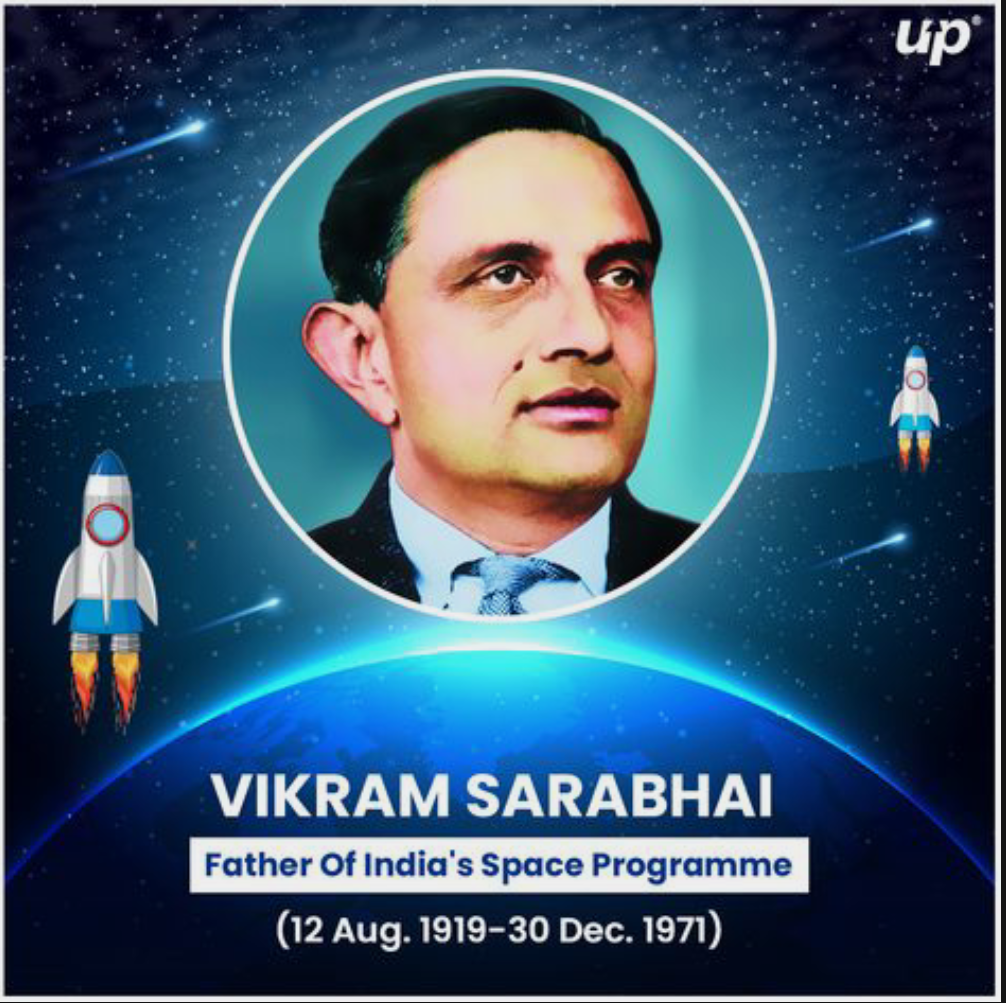
• The year 2019 marks the 100th birth anniversary of Dr. Vikram Sarabhai, the father of the Indian space programme. He was born on 12th August, 1919. Dr. Sarabhai has put India on the international map in the field of space research. In 1962, he became chairman of the Indian National committee for space research. The establishment of the Indian space research organisation, also known as ISRO, was one of his greatest achievements. Dr. Sarabhai died on 30th December 1971.

500th death anniversary

• Leonardo da Vinci was perhaps the most widely talented person ever to have lived. He was a consummate painter and sculptor, a great inventor, military engineer, scientist, botanist and mathematician! He lived during the Renaissance in Italy and while working in Milan as an artist, he began writing texts for his students and apprentices. His notebooks covered more than 1000 pages of observations and illustrations. They remained unpublished for more than a century and were printed only after his death. He was born on April 15th 1452 and died on May 2nd 1519.

150th anniversary

• The period table gives us information about element symbols and atomic weights. It brings order to information about the chemical elements and helps chemists to understand why elements react as they do. The milestone in the development of the periodic table was set by the Russian chemist Dmitri Mendeleev in 1869, who is acknowledged as the ‘father’ of periodic table though the title is also claimed by the German scientist Lothar Meyer. Today, the periodic table organizes the elements by order of increasing atomic number.

150th year of publication

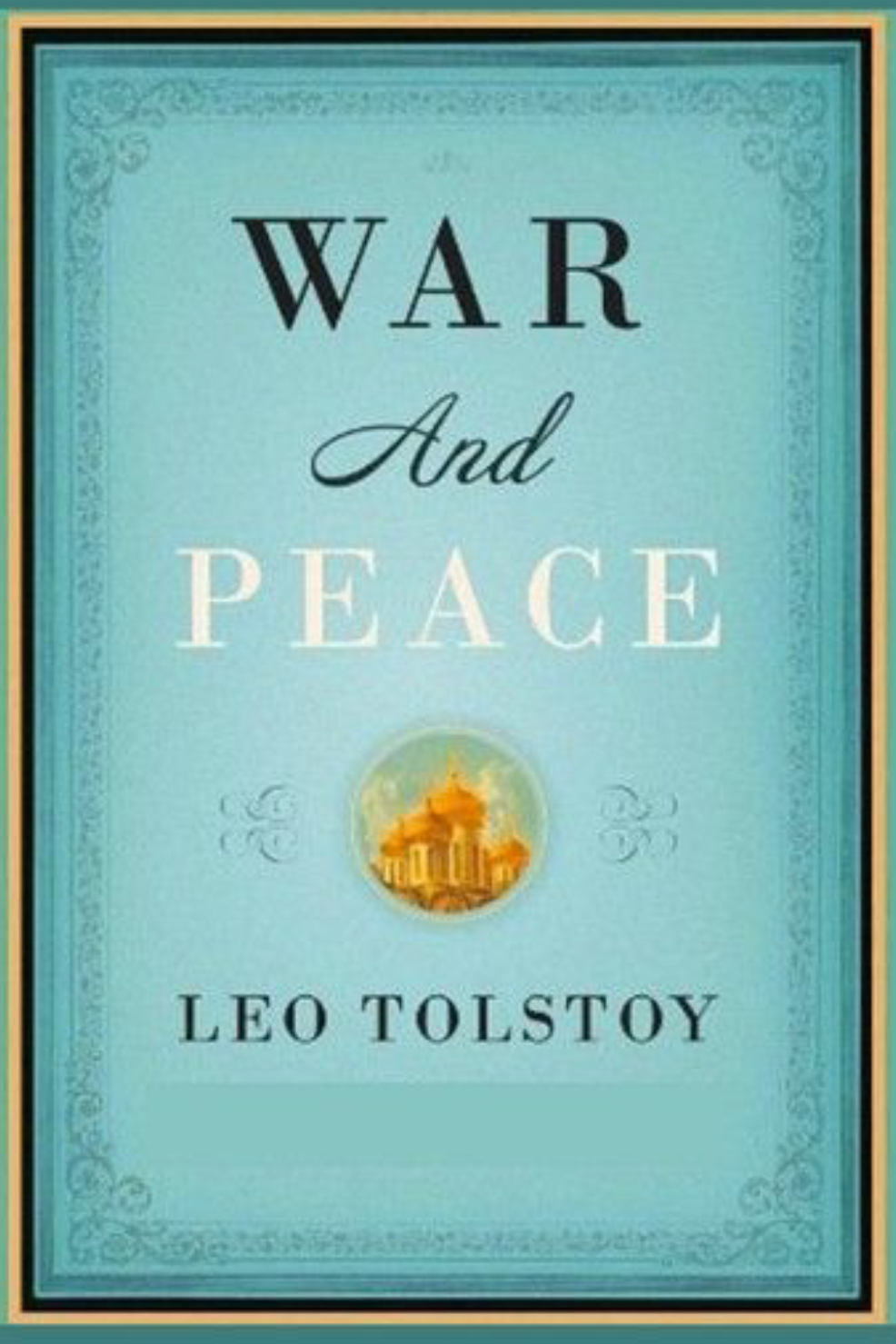
• 2019 marks the 150th year of one of the greatest novels ever written – Leo Tolstoy’s ‘War and Peace’. This classic work from Russia was first published in the book form in 1869. Tolstoy took almost 7 years to finish this epic work and a Russian magazine named ‘Messenger’ serialised some portions of it during 1865-67. But the full novel came out as a book only in 1869. The story woven around Napoleon’s invasion of Russia covers a period of over 15 years. The unique literary style and the historical context make ‘War and Peace’ a monumental work.

125th year of publication

• Is there anyone who isn’t familiar with the famous character ‘Mowgli’? Hopefully none. The main character of the evergreen ‘Jungle Book’, a collection of stories written by Rudyard Kipling is a huge part of our childhood. ‘The Jungle Book’ was first published in 1894.

100th anniversary

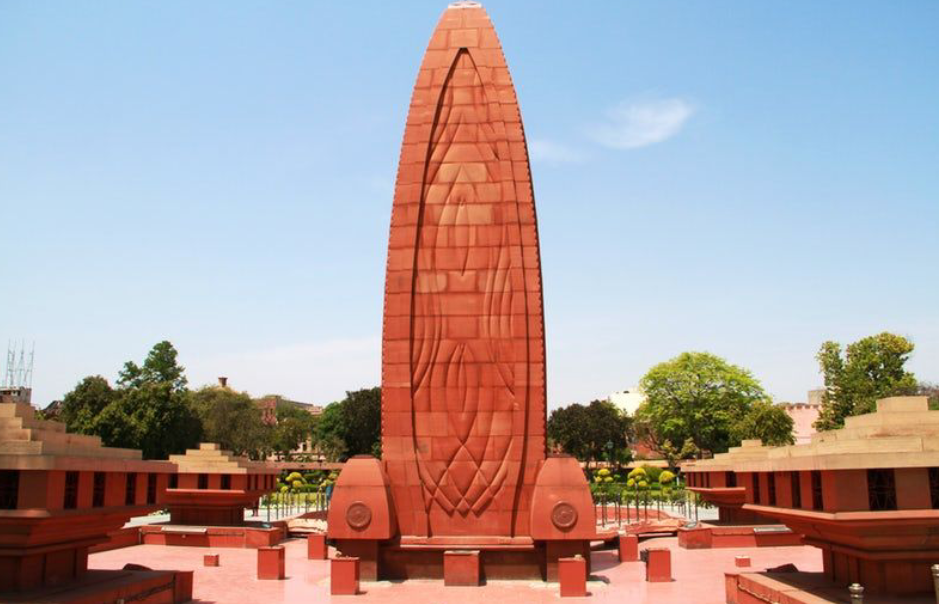
• The Jallianwala Bagh massacre was a turning point in our freedom movement. The British troops under the command of Colonel Reginald Dyer, opened fire on unarmed Indians on 13th April 1919. This event took place in the heart of Amritsar. Hundreds were killed and thousands injured. This was followed by widespread protests across a grieving country. Many Indians became convienced that the British had to be paid back in their own coin that violence has to be met with violence. The 100th anniversary of that cruel incident fell last year.

300th year of publication

• Daniel Defoe’s ‘Robinson Crusoe’ has fascinated readers around the world for the last 300 years. Daniel Defoe was an English writer, famous for his novel Robinson Crusoe that was published in 1791. One reason for it’s popularity is that it us packed with excitement and adventure, with sailing ships, stormy seas and guns. Without doubt, Defoe’s ‘Robinson Crusoe’ established a realistic style of fiction and set the tone for modern novels.

Thank you for reading. Have a nice day!🌼

How to stay positive always?

Positivity is crucial in our day to day life. To feel positive, we need to work on our perspectives, our outlooks towards life. With a positive attitude, one can become more confident, and confidence is the key to success, as we all know. But, positivity takes a setback whenever we face hard, rough days. Now, that is precisely the moment when you need to look through the difficult times and hold on to the ray of hope, otherwise known as positivity. Here is a list of ways, following which you can move past the negativity and welcome your life’s positive values.

List of Ways to become more Positive

  • Always look at the brighter side

Most important point to become more positive, is to always look for the happy moments, cheerful memories, whenever you face a difficult situation. You need to become optimistic, and think of the brighter side; only then, you will be able to come out of negativity.

  • Choose to stay with positive-minded people.

You cannot choose your family members, but you can definitely choose your friends. Hence, you need to make a suitable choice when it comes to your peer group. Don’t go for an unstable environment, and know when to leave. To stay positive, you need friends who make you happy and values you. Don’t mix with the wrong crowd. It would inevitably affect your mental health.

  • Think before you act

This is extremely important. We tend to act first, which ends in disastrous consequences, leading to negative thoughts. Always think about the results, take slow steps, and you will reach success in no time. Don’t hurry or choose crooked methods. They would only lead to the feeling of guilt, and you would fall in the trap of negativity.

  • Don’t overexaggerate situations

We, as human beings, tend to overexaggerate certain situations, and overthink about the consequences more, rather than working on the present. This tends to self-doubt and low confidence levels. Many times, we face anxiety or nervous breakdown due to overthinking. This should be severely neglected, and not all encouraged. Try not to panic and put your mind only on the present situation rather than anticipate the future.

  • Get rid of your Fears

Fear is the only feeling that holds us back. To gain a positive outlook, you need to face your fears. Facing your fears would lead to increasing of more confidence and positivity in life. You need to do the impossible, achieve the extraordinary, and only then realize how easy it is to live without fear. Positivity leads to self-independence, which is extremely important for everyone.

Positivity is exceptionally essential, and it should be preached everywhere. People miss out on the decisive moments in life, out of fear, out of staying with negativity. You need to search for the light and come out of the dark. We all should work on ourselves and get rid of our negative approach towards life. It is only through positivity, we can achieve heights and stand tall, happy, and cheerful always. So, let’s work on our outlook, and towards a better, positive future.