

How to W.R.A.P decisions in Life

Every living being in this universe is subjected to make decisions for their survival – be it an ant and or a humpback whale. Fortunately, humans are the only beings gifted with the power of discrimination of understanding what is right or wrong for us and making a decision accordingly. Decisions can either be positive or otherwise but the quality of your decisions will determine how deeply they would impact your life.
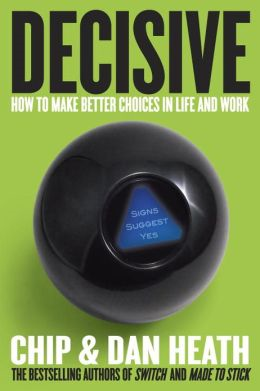
It's A WRAP - Better Decision Making

Chip and Dan Heath, in their book ‘ Decisive: How to Make Better Choices in Life and Work’, talk about a Framework called W.R.A.P for making better decisions
WRAP consists of four elements:
W- Widen your options
R- Reality test your assumptions
A- Attain distance before deciding
P- Prepare to be wrong

Widen your options
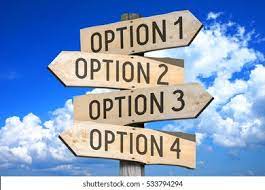
There is a misconception that having a lot of options can lead to confusion and is as same as seeing only the big picture. So, people narrow their frames of you and often lose possible options that could have worked better for them.
You can start finding more options by creating a mindset where none of the options you are considering is available. What else can you do? Think about it and be surprised about how many new options crop up!

Reality test your assumptions
While encountering a decision-making situation, we all tend to select the options that support our preconceived beliefs and actions. But that might not work all the time.
We can overcome this by seeking out relevant data that might redeem or discard the options at hand. Also, for example, if you have a piece of work or a product to be published you can sample your work ok for a response from a small group first instead of jumping right into the market. Reason out to yourself why you would want to make a particular choice.

Attain distance before deciding
We often let our short-term emotions cloud our rationality and take hasty decisions. It is imperative to have a well-settled mind before making an important life decision.
Try broadening your point of view. Ask yourself what a reliable third person would do in such circumstances- step into your friend’s shoes or think like someone who you look up to. This can give you a fresh perspective of the situation at hand and make you take a better decision.

Prepared to be wrong

Voice Blog: In Order To Be Original, Prepare to Be WRONG - Ben Francia

We predict a lot in our life. What if a decision that you made is based on such predictions and things actually don’t turn up the way you wanted? What then? You should be ready to acknowledge the decision’s flaw.
Think about working back from a possible future. For example, suppose your work has been published and was poorly received. Think about how the work could have been made better so that you really don’t have to face that situation. Come up with backup ideas that can act like your ‘insurance’ and protect you in case things go the other way.

The next time when you faced a situation, remember that the process is as important as the decision itself. You are the master of your life- so make sure that the decision you made don’t make your life different from what you wanted.
Trust the process!
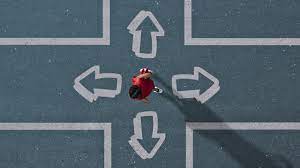
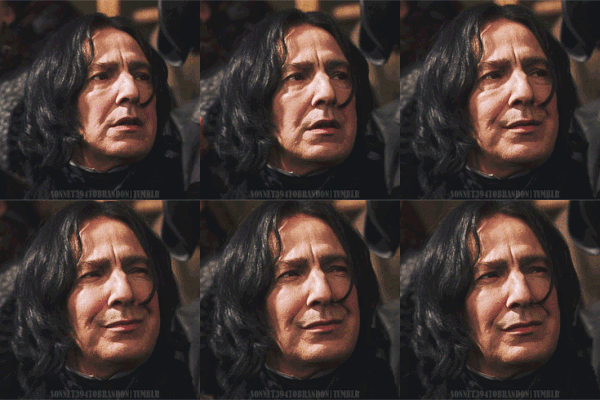
The Choice Factor

That brisk strut with billowing robes behind. That almost sneering smirk under his hooked nose. That voice lashes out at people in the most subtle way possible. That is Severus Tobias Snape, Potion Master at Hogwarts School of Witchcraft and Wizarding, the dour ’bat’ of the dungeons. But my hero-worship for this misunderstood man has made me reflect on one of the important lessons for life-The Choice Factor.

Although Snape’s passion for the Dark Arts and the Dark Mark on his arm, along with his air of intimidation and sharp tongue attributes to his ‘villain’ aura, the choices that he made speak differently about his true character. The choices that he made say it all. It is not so surprising how similarly Snape and Voldemort are portrayed throughout the series. Both men had strikingly similar parentage; with muggle fathers and pureblood mothers and a miserable childhood. They also shared a common passion for the Dark Arts and even went on to pursue the same goals as adults, with Snape joining Voldemort’s Death Eaters in their ironic quest to establish a pureblood society.

Snape’s core differs immensely from his exterior. Real character is ultimately determined by one’s core traits, not by surface actions or attitudes. When Snape realized that the woman he loved was in danger, his alliance shifted for good and he became a spy for the Light. This was where he strayed from the path that Voldemort had taken and he had been tentatively travelling on; He chose Love over Power, Light over Dark, and Good over Evil. He thereon became one of the most critical parts of Dumbledore’s master plan to bring down Voldemort. His love for Lily Evans enabled him to see clearly through the dangerous path he was treading on, which gave the entire anti-Voldemort movement an edge over their enemies, even at the cost of his own life.

Thus we can say that Snape’s choices throughout his life redeem his character at the end of the series. The converse can also be true, as it takes a strong character and spirit to take such important decisions in life.

Choices define who we are as a person; it shows our character to the world. To enhance the probability of making better choices and surviving bad ones, personal character and inner spirit play important roles. Essentially, there is a thin line dividing any two paths or choices in life. We need to turn the thin line into a sturdy barrier. We need our consciousness and discriminating sense create these barriers to keep us centered on making better choices. Now, no one is perfect; we all make mistakes or bad choices. But how we handle the adversity, again lies in one’s willpower and character.

Choices define who we are as a person; it shows our character to the world.

Next time when you make a choice try asking these questions to yourselves:

1. What type of person do I want to be?

2. How can I be a better person by making a particular choice?

Below is a quote from a poem that has influenced me a lot. I leave you to ponder upon its meaning, at your own choice, Of course!

“Two roads diverged in a wood and I- I took the one less travelled by, and that has made all the difference.”

The Road Not Taken By Robert Frost