“Yuga Yugeen Bharat Museum will stand as a testament to India’s rich heritage and it’s legacy as the mother of Democracy”

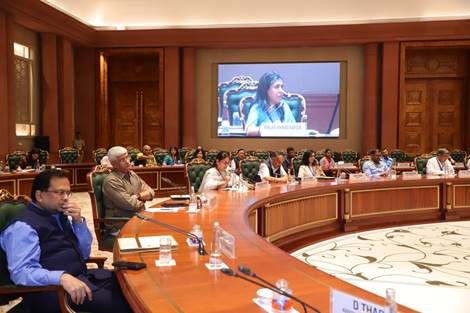
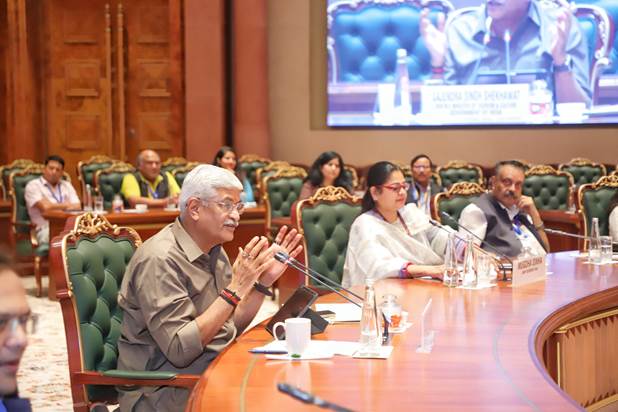
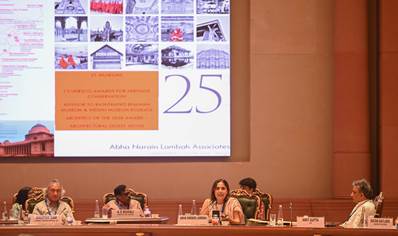
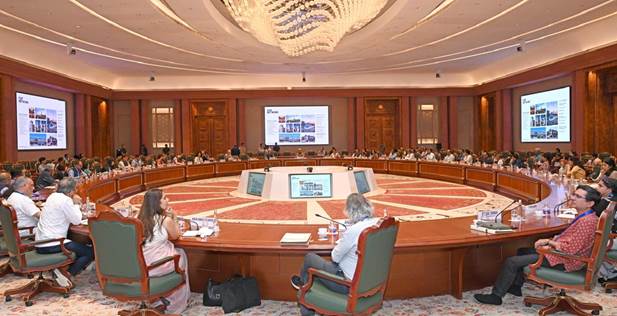
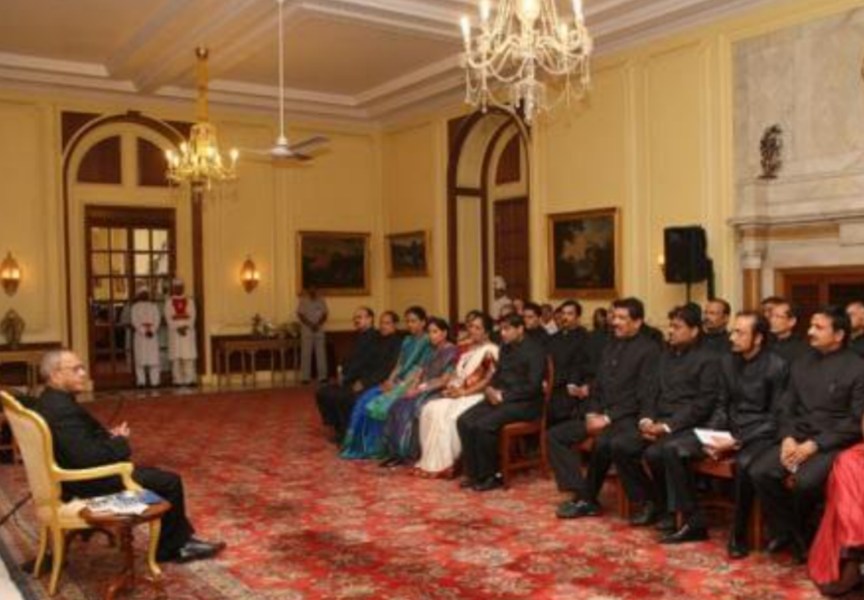
 Ministry of Culture organised a four-day inter-ministerial stakeholder consultation and capacity building workshop for upcoming Yuga Yugeen Bharat Museum, slated to be built in the North and South Block as part of the Central Vista Redevelopment Project. The workshop was held from 26th to 29th June 2024 at Bharat Mandapam in New Delhi. The final day of the deliberation was attended by the Union Minister for Culture and Tourism, Shri Gajendra Singh Shekhawat and senior Ministry officials such as the Secretary, Shri Govind Mohan as well as Dr. Thierry Mathou, French Ambassador to India.

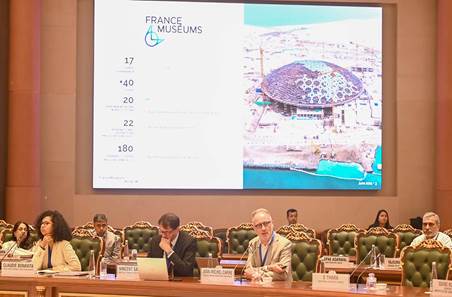
The consultation engaged individuals from the museum ecosystem, both private and government to discuss the upcoming Yuga Yugeen Bharat (The timeless and eternal India) Museum. The Capacity Building was spearheaded by a team of experts from France Muséums, an international museum consultancy.

Image

IMG_5899.jpeg


Union Minister for Culture and Tourism, Shri Gajendra Singh Shekhawat, on the concluding day of the four-day Capacity Building Workshop said This museum will stand as a testament to India’s rich heritage and its unwavering spirit of progress, as it draws inspiration from its past as a blueprint. The Yuga Yugeen Bharat Museum will transcend the traditional museum experience, embodying the spirit of inclusivity. It will be a museum of the people, centring community narratives – a testament to India’s legacy as the mother of Democracy.

Image


The new National Museum of India is set to come up at North and South Block as part of the Central Vista Redevelopment project that seeks to revamp India’s central administrative area located near Raisina Hill, New Delhi. The museum will be spread over 1,54,000 sqm, making it the largest museum in the world. The video walk through for the museum was first unveiled by the Prime Minister Shri Narendra Modi at the inauguration of the first International Museum Expo organized by the GLAM (Galleries, Libraries, Archives and Museums) Division of the Ministry of Culture on 18.05.2023 and was reiterated during the inauguration of the Bharat Mandapam in July 2023.

IMG_5901.jpeg

The Museum will be developed through Adaptive Reuse, in collaboration with France owing to their expertise in similar projects such as the Louvre, which too housed the French Ministry of Finance. The French are partners for this project owing to the long-standing friendship between the two countries, which had contributed to a Letter of Intent being signed between both governments in 2020 that emphasised Museum & Heritage Co-operation.

Pursuant to this, the GLAM Division spearheaded a series of capacity building workshops that aimed to foster critical objectives: alignment amongst stakeholders and generation of synergy for a unified vision. The first of these was a brainstorming session held on the 14th of June, bringing together other ministries and departments of the Government of India. This not only fosters interdepartmental coordination but also ensures the project resonates with various facets of Indian society.

Following this, an intensive four-day brainstorming session was held at Bharat Mandapam from 26th to 29th June, amongst stakeholders of the museum ecosystem such as high-level management from government museums, private experts such as conservation architects, scenographers, exhibition designers, publishers, conservationists, educators and many others.

The intensive brainstorming session and workshops held over the past few days have provided invaluable insights into the core operational elements of a world-class museum. These sessions focused on critical areas such as collection management, curatorial practices, administrative best practices, and the strategic integration of technology. The knowledge gleaned will be instrumental in shaping the development of the Yuga Yugeen Bharat Museum.


Importance of Elections in India

Elections are a cornerstone of democracy, playing a vital role in ensuring the very fabric of a democratic society. The importance of elections in democracy can be seen in the following aspects:
1. *Accountability*: Elections hold elected representatives accountable to the people, ensuring they are answerable for their actions and policies.
2. *Representation*: Elections provide citizens with a voice, allowing them to choose representatives who reflect their values, beliefs, and interests.
3. *Power Transfer*: Elections facilitate the peaceful transfer of power, preventing violent coups and ensuring stability in government.
4. *Citizen Participation*: Elections encourage citizen engagement, fostering a sense of ownership and responsibility in the democratic process.

5. *Protection of Rights*: Elections help safeguard individual rights and freedoms, as elected officials are tasked with upholding the constitution and protecting citizens’ liberties.
6. *Promoting Political Pluralism*: Elections allow for the coexistence of diverse political parties and ideologies, promoting healthy competition and debate.
7. *Encouraging Political Engagement*: Elections inspire citizens to stay informed, engage in political discussions, and participate in the democratic process.
8. *Preventing Authoritarianism*: Elections prevent the concentration of power, ensuring that no single individual or group dominates the political landscape.
9. *Fostering Transparency*: Elections promote transparency in government, as elected officials are required to be open and accountable in their decision-making processes.
10. *Strengthening Democracy*: Elections reinforce democratic values, reinforcing the principles of equality, justice, and freedom that underpin democratic societies.
In summary, elections are the lifeblood of democracy, ensuring that power remains with the people and that government remains accountable, representative, and responsive to their needs.

New India has democratized opportunities

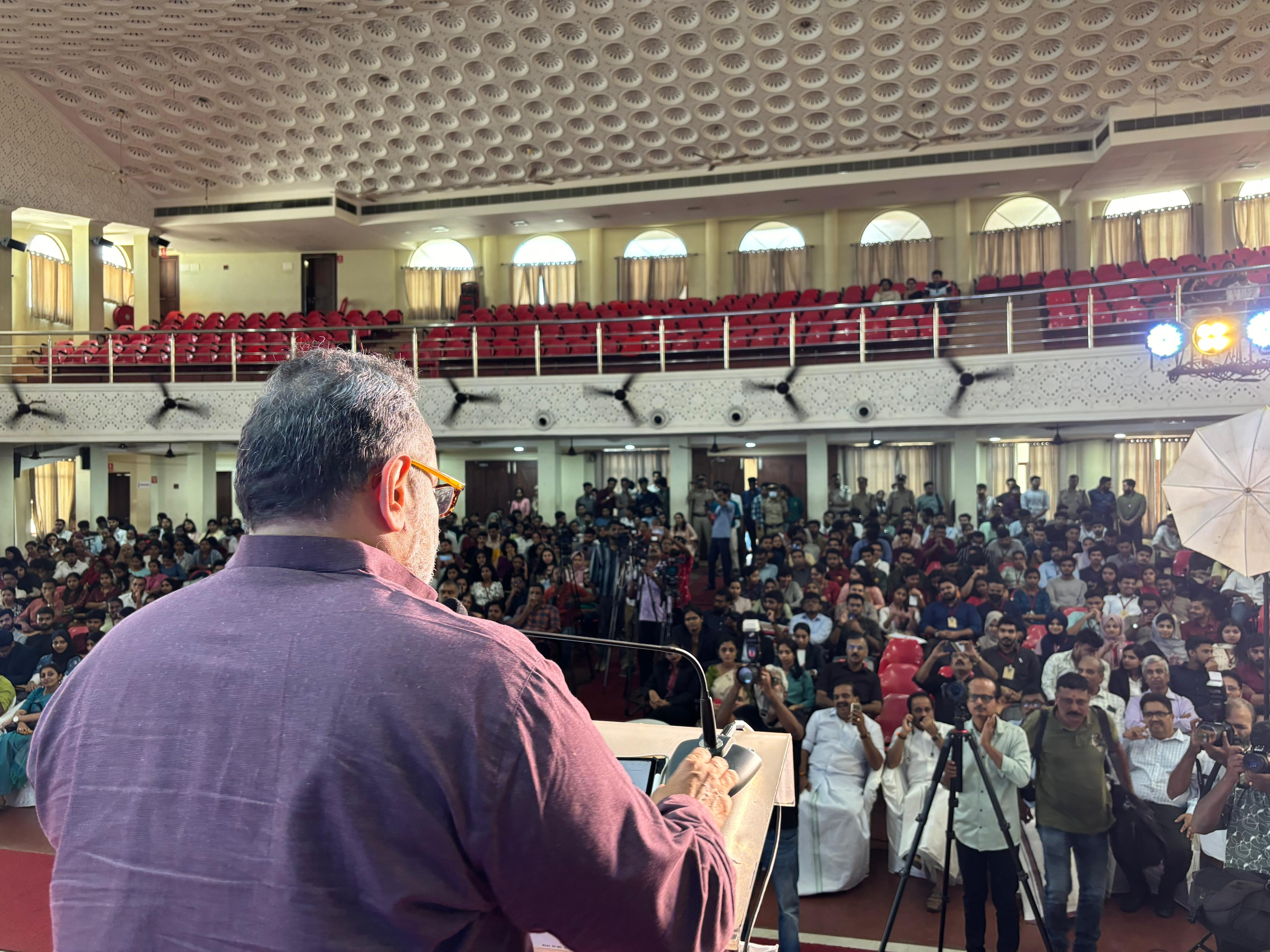
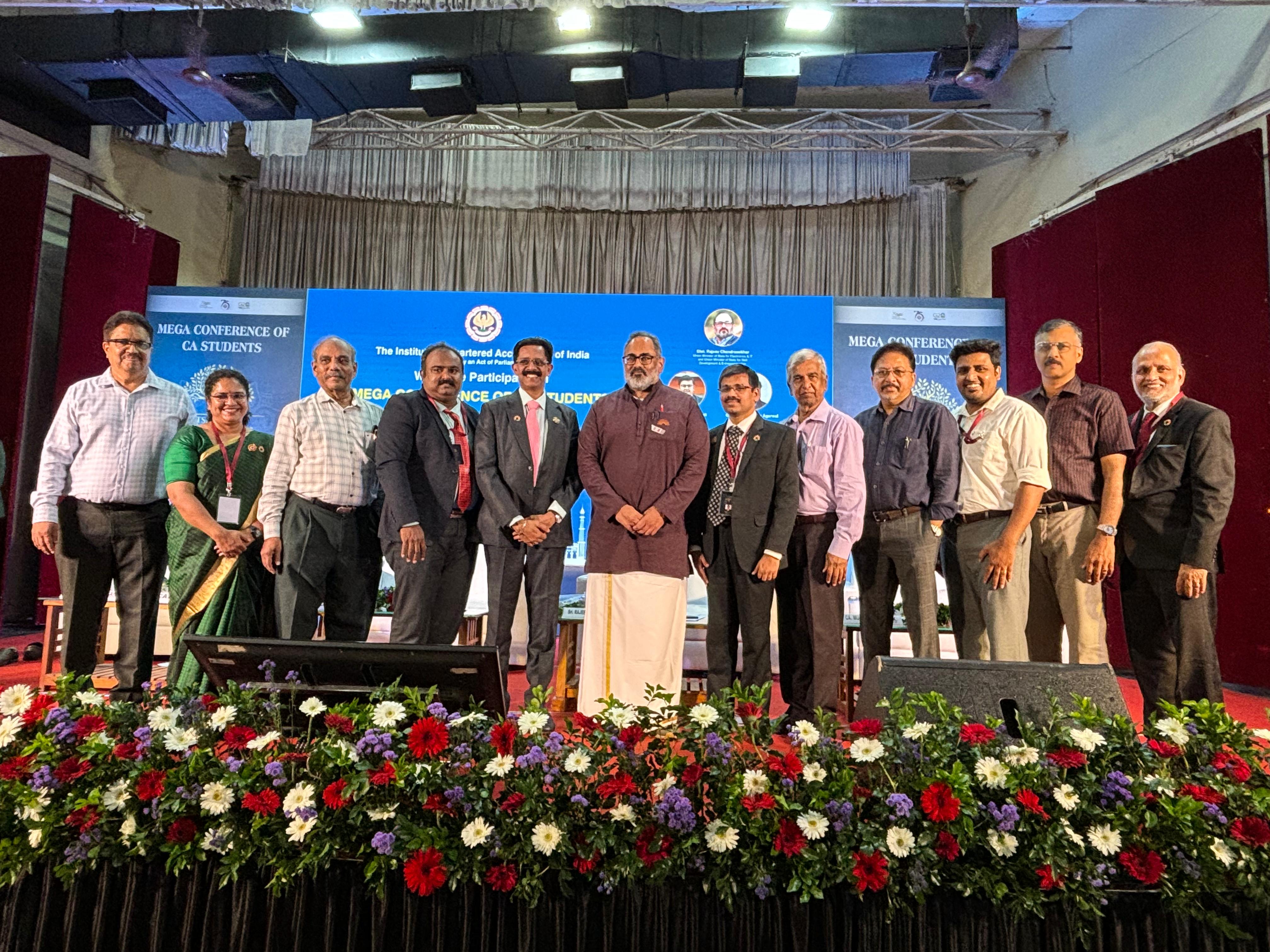
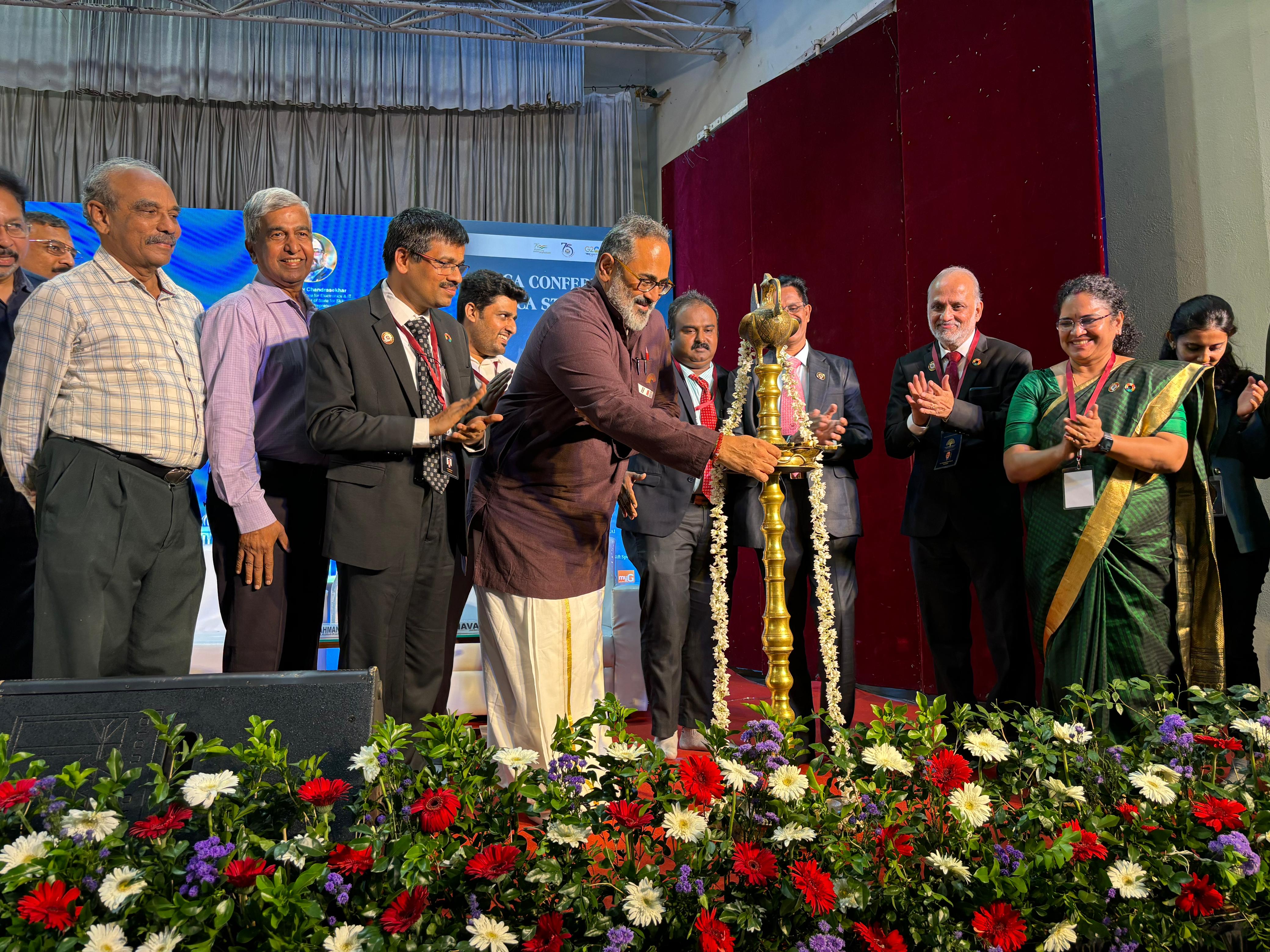
 Union Minister of State for Skill Development & Entrepreneurship and Electronics & IT, Shri Rajeev Chandrasekhar, continued his engagements in Kerala on Day 2 of his visit with an address at the Satsang 2023 Mega-Conference for CA students at Nalanda Auditorium, Kozhikode. The event, organized by the Institute of Chartered Accountants of India, focused on the theme “Insight – Discover the Unseen!”

In his address, Minister Shri Rajeev Chandrasekhar emphasized how New India is leveraging technology to create opportunities for young Indians and startups. He said, “As a Minister, I’ve had the opportunity to travel across the country, engaging with students, and discussing their concerns. One undeniable truth I’ve discovered is that young Indians in this generation are the luckiest in the history of Independent India. They possess unprecedented opportunities for growth and success, unlike any previous generation in the history of independent India. The older generation didn’t have these options; upon graduation, they were limited to just two or three choices.”

Highlighting the democratization of opportunities over the last decade, the Minister expressed, “Today, young Indians from cities like Calicut, Vizag, Bengaluru, Kohima, Surat, or Kashmir have tremendous opportunities. Over the last five years alone, we’ve witnessed the emergence of 1.2 lakh startups and 108 unicorns. The need for a godfather or a famous last name to succeed is obsolete. New India has democratized opportunities, building an enabling environment for success. Whether in semiconductors, Web3, electronics, HPC, or any tech-related field, Indians are excelling in all things tech, and young Indians are at the forefront of these opportunities.”

Encouraging CA students to embrace digital skills, Shri Rajeev Chandrasekhar stated, “Our Prime Minister emphasized the importance of skills alongside degrees and knowledge, especially in the post-Covid world of rapid digitization, digital technologies, and unprecedented electronification. I urge aspiring CAs today to acquire digital skills. Combining these skills with the existing accountancy knowledge will make you unstoppable. India is an unstoppable country. Every CA today has the potential to become catalysts for not just their own success, but the success of their profession, and the overall Indian economy.”

At an event organized by Kozhikode CSC VLE Welfare society, Minister Rajeev Chandrasekhar spoke about the goal of launching Common Service Centre (CSC) 2.0 to further the objectives set by PM Vishwakarma Yojana.

The Minister said, “PM Vishwakarma Yojana is a groundbreaking scheme for artisans who have been ignored for decades. This will certify unskilled artisans, and CSCs hold immense importance in connecting these artisans to schemes. Although CSCs have been successful nationwide, they have faced some hurdles in Kerala, which we are keen on resolving. We will further expand, modernize, and broaden the scope of this initiative.”

Minister Shri Rajeev Chandrasekhar also engaged with prominent citizens of the state in subsequent meetings, where he highlighted PM’s vision of “Vikasit Bharat”.

*****

Bharat: The Mother of Democracy'

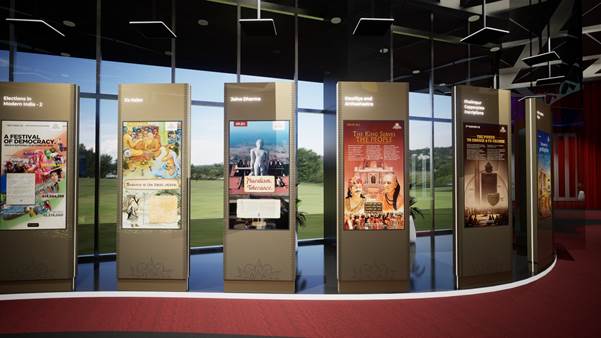
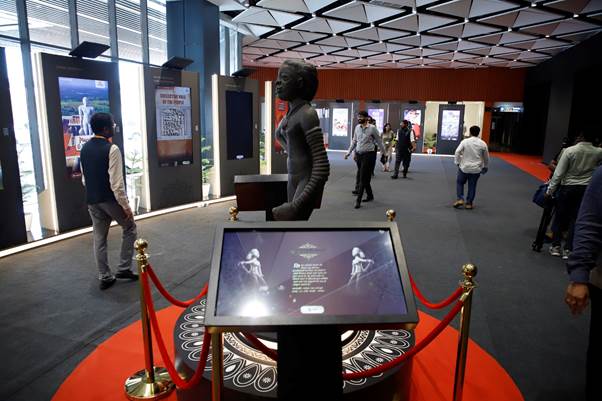
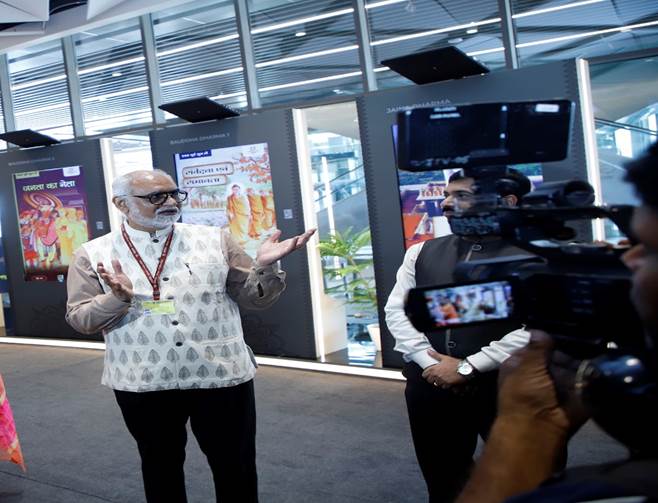
 Ministry of Culture, Government of India curated an exhibition on ‘Bharat: The Mother of Democracy’ at Hall No. 14 (foyer area), ITPO for G20 Summit during 8-10 September 2023. This curated experience displayed the democratic traditions of our country.

(The history of India’s democratic character was displayed in different languages through 26 interactive panels.)


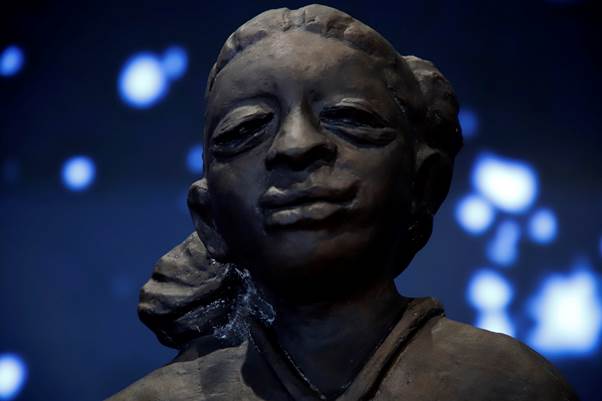
(The sculpture of the girl from the Sindhu-Saraswati Civilization in the centre)


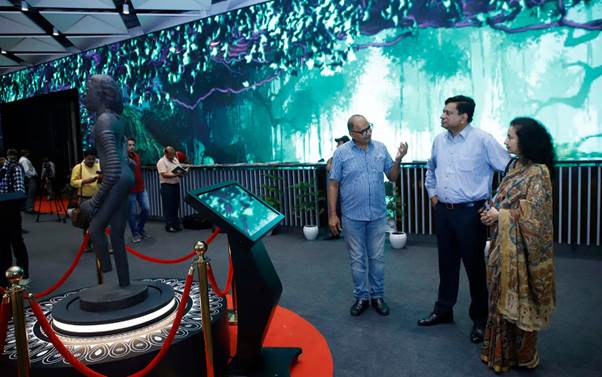
(A huge video screen at the back of the reception showcasing the visuals of India’s rich cultural traditions)


(Shri Sachchidanand Joshi, Member Secretary, IGNCA briefing the media about the ‘Bharat: The Mother of Democracy’ Exhibition)


She stands confident, self-assured and looking at the world eye-to-eye. Independent. Liberated. On her body, she wears jewellery much like the adornments that are worn every day by women in western India.The actual height of the object is 10.5 cm but the replica was created 5 ft. height and 120 kg weight in bronze.

 The history of democracy in India can be revisited through the 26 interactive panels on one side of the pathways where visitors can read content and listen to audio in 16 different languages. The panels include Local Self Governance, Elections in modern India, Krishna Deva Raya, Jain Dharma among others. The exhibition can be accessed digitally on the G20 application.

Democracy is an age-old concept in India. As per the Indian ethos, democracy comprises the values of freedom, acceptability, equality, and inclusivity in a society and allow its common citizens to lead a quality and dignified life. The Rigveda and the Atharvaveda, the earliest available sacred texts refer to participatory institutions like the Sabha, Samiti, and Sansad, the last term being still in currency denoting our parliament. The Ramayana and the Mahabharata, the great epics of this land, also talk about involving people in decision-making. There are also found in Indian textual instances that the authority to govern is earned through merit or common consensus and is not hereditary. There has been constant discourse on the legitimacy of the voter in various democratic institutions such as the Parishad and Samiti. The Indian democracy is truly a festive proclamation of veracity, cooperation, collaboration, peace, sympathy and collective strength of the people.


**

Preamble of Indian Constitution

 The Preamble of the Indian Constitution is an introductory statement that outlines the fundamental principles and objectives of the Constitution. It is a concise and powerful statement that reflects the aspirations and values of the Indian people. The Preamble is an integral part of the Constitution and serves as a guide to interpreting its provisions. It was adopted by the Constituent Assembly on 26th November 1949, and came into effect on 26th January 1950, when the Constitution was enacted.


Source – Timesofindia

The Preamble begins with the words “We, the people of India,” which reflects the democratic nature of the Indian Constitution. The use of the phrase “We, the people” signifies that the Constitution derives its authority from the people of India, who are the ultimate source of power in the country. The Preamble contains several important keywords, which are discussed below.

  1. Sovereign: The term sovereign means that India is a self-governing nation, and its government is not subject to external control or influence. It implies that the Indian Constitution is the supreme law of the land, and all citizens and institutions must respect its provisions.

  2. Socialist: The term socialist reflects the commitment of the Indian Constitution to the principles of social justice and equality. It emphasizes the need to eliminate poverty, inequality, and exploitation, and to promote the welfare of all citizens.

  3. Secular: The term secular means that the Indian Constitution guarantees freedom of religion to all citizens, and the State does not endorse or promote any particular religion. It implies that the State is neutral in matters of religion and treats all religions equally.

  4. Democratic: The term democratic signifies that the Indian Constitution is based on the principles of democracy, which includes free and fair elections, the rule of law, and the protection of individual rights and freedoms. It implies that the government is accountable to the people, and the people have the right to participate in the decision-making process.

  5. Republic: The term republic means that India is a sovereign state, and its head of state is elected by the people. It implies that the Indian Constitution provides for a representative government that is accountable to the people.

  6. Justice: The term justice reflects the commitment of the Indian Constitution to the principles of social, economic, and political justice. It implies that the State must ensure that all citizens have access to justice, and that there is no discrimination based on caste, gender, religion, or any other grounds.

  7. Liberty: The term liberty signifies that the Indian Constitution guarantees freedom of speech, expression, assembly, and association to all citizens. It implies that the State must respect and protect the rights of individuals to live their lives as they see fit, as long as they do not infringe on the rights of others.

  8. Equality: The term equality reflects the commitment of the Indian Constitution to the principle of equal treatment under the law. It implies that all citizens are equal before the law, and there is no discrimination based on caste, gender, religion, or any other grounds.

  9. Fraternity: The term fraternity means a sense of brotherhood. The constitution of India promotes the feeling of fraternity by the system of single citizenship.

Media as the Fourth Pillar of Democracy

 Media as the Fourth Pillar of Democracy

As the largest democracy, India is considered a role model for a large number of developing countries. We have state and central governments elected by the people. We have a government run by our own elected representatives, known as Members of Legislative Assembly (MLAs) in the state and Members of Parliament (MPs) at the center. The democratic government has three pillars:

a) A Legislature: State Assemblies and Parliament, responsible for framing laws and deciding the way we run our affairs.

b) An Executive: The Governor, the Chief Minister, and the Ministers who run the state and the President, Prime Minister, and the Council of Ministers who run the country.

c) A Judiciary: The Supreme Court, High Courts, and other courts decide whether laws and constitutional provisions are followed by the elected governments.

The fourth pillar of Democracy:

Media work to provide information about what is happening in our surroundings. Media keep an eye on everything happening in the nation and it is the fastest way to know about current happening and other relevant information. Media is considered the fourth pillar of democracy. It plays an important role as play by the legislature, executive, and judiciary in the functioning of a democratic country. As these three pillars run the government of the country for the welfare and development of all the people, the media also work for the same.

 In a democracy, the people should know what the three institutions, namely the Legislature, the Executive, and the Judiciary are doing for the welfare of the people. These institutions in turn need to know how the people are reacting to what they are doing. This can be only possible through the media because media is the easiest way to disseminate information quickly and easily across the country.

The government can’t spread the information about the decision they made or new policies they made, to individual people of the country. And it is also not possible for the citizens of the country to keep an eye on every decision-making of government. So, the media is the only way to connect both. The main role of the media is to act as a bridge between the people and the government.

Media can spread the information about government through TV news, newspaper, website, or social media platform, which help people to get in touch with what is happening in the administration. In the same way, the government can know about the needs, demands, thoughts, and problems of people. This helps them to work for the betterment of the nation. Media also work to expose corruption and raise social issues. Thus, the media play a great role in the functioning of the country.

Role of civil services in a democracy .

In the process of governance, which involves several sets of activities to deliver effective services to people, civil services play a pivotal role in providing shape to policies that reflect people’s needs and put their suggestive, analytical and informative roles to implement the
policies. It is recognized that civil services play a crucial role in all societies. In the modern administrative state, public administration has become so significant that our development, upliftment and progress depend mainly upon the efficient functioning of civil services that are
the bedrock of public administration. Civil services have assumed more important role in democracy to ensure good governance, both in developing and developed countries. Civil Services form a part of bureaucracy, wherein the roles of civil servants are determined by
written rules. It’s an impersonal system operating on the basis of calculable rules and staffed by full time appointed officials. Usually, the civil servants are selected on basis of their technical
qualifications, receive fixed salaries, have a defined sphere of competence and work under a clearly defined hierarchy of offices.

The role of Civil Servants across the domains of policy making and policy implementation is critical to the development process. They assist in identifying major policy areas such as preparing major policy proposals, analyzing various alternatives and solutions to societal problems requiring urgent attention, dividing the major policies into sub-policies, determining
program of action and suggesting modification in the existing policy on the basis of its experience on the implementation front.Civil services carry on the governance when governments change due to elections etc. Ramsay
Muir has remarked that while governments may come and go, ministers may rise and fall, the administration of a country goes on forever. It is needless to say that civil services form the backbone of administration. E.g. In India, when the President’s Rule is imposed in a state, the
Governor runs the state through the Chief Secretary and other civil servants.The civil servants are responsible to the ministers of the departments in which they serve. The ministers are accountable to the people through the Parliament or State Legislatures, and the civil servants are accountable to the ministers. They should ideally serve the elected government of the day, as government policies are the functions of the civil services. However, an impartial civil servant is also accountable to the Constitution of India on which he has taken an oath of allegiance.

In India, bureaucracy or civil services is permanent and does not change with the government. The recruitment is based on merit and through competitive exams. This is in contrast to the system followed in the US, where civil servants, especially in the higher echelons, change with the government. This is called the spoils system where people who are close to the government of the day get posts.


With bad laws and good civil servants it’s still possible to govern. But with bad civil servants even the best laws can’t help.

-Otto von Bismarck

ROLE OF CIVIL SERVICES IN A DEMOCRACY

In a democracy, the civil services play an significant role in the administration, policy formulation and implementation, and in taking the country forward towards progress and development. Democracy is an egalitarian principle in which the people elect the people who govern over them. There are three pillars of modern democracy: Legislature Executive Judiciary.

The civil services form a part of the executive. While the ministers, who are part of the executive, are temporary and are reelected or replaced by the people by their will (through elections), the civil servants are the permanent part of the executive. The civil servants are accountable to the political executive, the ministers. The civil service is therefore a part of the government. Civil service officers are permanent employees of various government services. Basically, they are professional administrators. They are sometimes called bureaucracy or public service.

IMPORTANCE OF CIVIL SERVICES

The Importance of Civil Services

The Civil Service is present all over India and is therefore highly binding. It plays an important role in developing effective policies and regulations. It offers non- partisan advice to the country’s political leaders, even amid political turmoil. This service ensures effective coordination between different governing bodies, as well as between different departments, agencies, etc. It provides service delivery and leadership at different levels of governance.

FUNCTIONS

On the basis of government: There can be no government without an administrative apparatus. Law and policy enforcement: Public services are responsible for implementing laws and implementing policies set forth by the government. Policy formulation: The civil service is also primarily responsible for policy formulation. Civil service officers advise ministers on the matter and also provide them with facts and ideas.

In the context of political instability, public service brings stability and long-term. Although governments and ministers may come and go, civil service is a permanent fixture that gives the administrative organization a sense of stability and continuity. Tools for social change and economic development: Successful policy implementation will lead to positive changes in the lives of ordinary people. Only when the promised goods and services reach the intended recipients can the government call any program a success. The task of updating programs and policies rests with public service agents. Welfare services: Services that provide various social assistance regimes such as social security, benefits for the disadvantaged and vulnerable sections of society, pensions for the elderly, and hunger eradication. poverty reduction, etc. Development function: The service performs various development functions such as promoting modern technology in agriculture, promoting industry, commerce, banking function, bridging the digital divide, etc. Administrative Arbitration: Public services also provide quasi-judicial services by resolving disputes between the state and citizens, in the form of courts, etc.

CONSTITUTIONAL PROVISIONS RELATING TO CIVIL SERVICES

According to Articles 53 and 154, executive power of the Union and the Cantons rests with the President or the Governor directly or through his subordinate officers. These officers constitute the permanent civilian body and are governed by Part XIV of the Constitution (Services of the Union and the States (Articles 308-323)). Government of India Rules: The manner in which officers are required to assist the President or Governor in the performance of their executive functions is governed by the Rules. this. Article 311 – Dismissal, dismissal or dismissal of persons performing civil functions subordinate to the Union or a State. Section 312 – All India Services.

CONCLUSION

The civil servants are accountable to the Ministers of the agencies they serve. Ministers are accountable to the people through Parliament or state legislatures, and public servants are accountable to ministers. Ideally, they should serve the elected government of the day, as government policies are a function of public services. However, an impartial official is also responsible for the Constitution of India to which he has taken an oath allegiance.

EMPATHY, TOLERANCE AND COMPASSION TOWARDS WEAKER SECTION

Compassion is understanding or empathy for the suffering of others. Tolerance is respect, acceptance, and appreciation for those whose opinions, practices, race religion, nationality, etc. are different from one’s own. These qualities are very important for an individual living in a society.

India is a multicultural society with high numbers of vulnerable, Disadvantaged, and weaker sections. So efficient delivery of services and addressing their concerns are very important. India with its diverse cultures which traditionally evolved with the modern 21st century makes it unique in its existence. Tolerance and compassion have always played a major role throughout the transition of time for the unity of the nation in diversity. 

Weaker sections like SCs/STs and rural/urban poor are unaware of public policies, subsidies, and public utilities. Weaker sections are marginalized, deprived of justice, and illiterate. They have very low bargaining power and ability to assert their demands so helping them, being compassionate towards them, and supporting them can help them a lot.

The quality of being a compassionate persons is:

  • To understand the needs and the expectations of people.
  • Understanding the needs of marginalized and vulnerable sections of people living in a society.
  • To Undertake a faster approach and measures to address the issues of society.
  • To have an Unbiased approach to the distribution of government facilities.
  • To Make oneself accessible to all citizens and seeking for their feedback to improve better.
  • Respecting affirmative action toward the disadvantaged and implementing them with a positive attitude.

The quality of being a tolerant person is:

  • Freedom from Bigotry, respecting each other choices.
  • It helps in developing qualities like respect towards others, knowledge, openness, and communication between diverse sections of society.
  • Upholding natural rights which are Human rights, Democracy, Multiculturalism, Pluralism etc.
  • Protecting the constitutional principles of Fundamental Rights which forms the basic structure of the constitution.
  • Preventing tendency of intimidation, coercion, oppression, etc.

Poor and marginalized sections of the society that have faced negligence and left empty-handed for such a long duration of time have become afflicted that there is no one to listen to them and solve their issues. They have been dealt with harshness many times, and this behavior has inculcated in them a sense of inferiority and less importance they have stated attributing to themselves.

In a nation empowered and educated section perform better job and pay taxes to run a nation’s economy. This revenue are spent to alleviate poverty by enabling weaker section to become part of mainstream economy. This needs compassion to spend revenue on them and tolerance to provide them all chances for becoming self-sustaining. Hence, we must have tolerance and compassion toward them, as they are not exposed to newer technology, awareness of their own rights, nation’s outlook, programmes for themselves and nation’s expectation from them.

In egalitarian society, tolerance and compassion are two important qualities to be practiced by
every individual and Hence tolerance and compassion towards the weaker sections are
one of the basic qualities any individual should poses.

Equitable distribution of resources and welfare-oriented development should be among the primary goals of democratic government. To develop a country, not just the government but every individual in a society should have qualities like compassion, tolerance, and empathy towards the weaker section of the society.

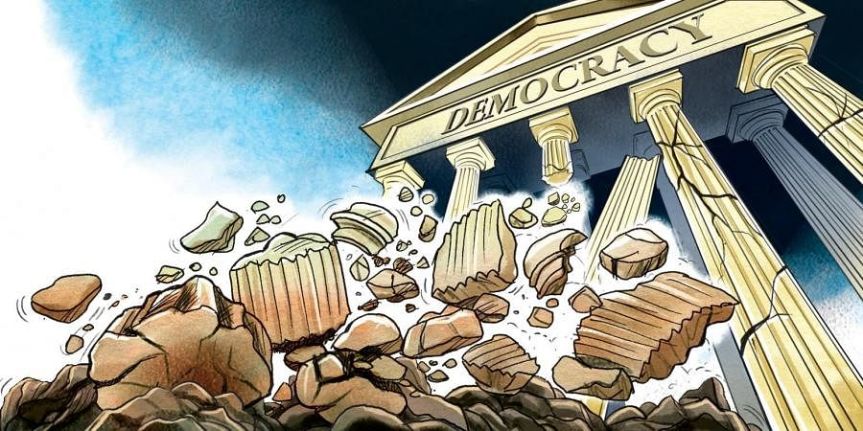
Has Democracy Expired?

Democracy, or rule by the people, has always been a complex concept. There have been freedom struggles, revolutions, and even wars to protect it. But nothing is permanent. Humankind has often taken democracy for granted and overestimated its permanence. As J.S Mill put it, “The fatal tendency of mankind to leave off thinking about a thing when it is no longer doubtful, is the cause of half their errors”. It wouldn’t be the first time an ostensibly powerful institution ended after years of dominance. When thinking about the end of a monarchy, guillotines and cake are few images that come to mind. 

Critiques of democracy note that voter ignorance and slow decision making often cause problems in a democracy. Furthermore, A democratically elected government earns its legitimacy because a majority of people, not all people, vote for it. Thus, it reflects the will of the majority and not everybody. This creates the possibility of the “tyranny of the majority”. Plato went so far as to assert that democracy is the science of manipulating people and it leads to the rule of tyrants. 

India’s “democratic experiment”, which began after we gained independence, has been anything but a smooth journey. Nevertheless, despite attacks on our democracy, such as the National Emergency of 1975, democracy has always protected our people. But now, democracy itself is in danger. 

We often make the mistake of ennobling free and fair elections as the only necessary criteria for a successful democracy. This is far from the truth. This article is not an attempt to undermine the fact that the current government was democratically elected, instead, it intends to showcase the harm a government elected by 38% of the population and a rising resentment of democracy amongst the people can cause. As we shall see, India’s democratic nature has been conspicuously declining for a while. 

Freedom House, an American Think Tank, gave India a score of 67/100 in its 2021 report and characterized India as a “partly free” country. A score of 34/40 in the political rights section confirms the purity 0f our elections. However, a score of 33/60 in the civil liberties section emblazons the potency of this government’s attack on democracy. According to the report, events such as the violence during the CAA protests, the misuse of sedition laws, the significant hardships that migrant workers had to endure during the lockdown, the baseless scapegoating of Muslims as super-spreaders of Covid-19, and the Babri Masjid Verdict contributed to this score. India was considered a “free” country as recently as 2020, with a score of 71/100. The 2021 score is also lower than those of 2019 (75/100) and 2018 (77/100), showing that the strength of our democracy is depleting. The last time the Freedom House considered India as partly free was in 1997, possibly because of the instability in Parliament at that time. 

Another report by the V-Dem Institute in Sweden described India as an “electoral autocracy”. According to the report, India belonged to the “EA+” category, signifying that it could also belong to the “closed autocracy” category. The reasons for this score include the curtailment of freedom of media, academia, and civil society; an increase in censorship; the misuse of sedition, defamation, and counter-terrorism laws, especially the Unlawful Activities Prevention Act (UAPA) to harass, intimidate, and imprison critics and opponents; the Citizenship Amendment Act (CAA); and the use the Foreign Contributions Regulation Act (FCRA) to restrict the entry, exit and functioning of Civil Society Organisations (CSO) and constrain the use of foreign contributions to NGOs within India. The V-Dem Institute reports have described India as an “electoral democracy” in the 2020, 2019, and 2018 reports. 

Sadly, the government’s response to these reports has been vituperative. They decided to deny the validity of these reports instead of countering their assertions. This approach to criticism and dissidence is not limited to foreign entities. Indian dissenters, whether they are farmers, students, members of opposition parties, or even ordinary citizens, are punitively called “anti-nationals” and even terrorists for criticizing the government. In an increasingly globalized world, it is accepted that opinions may be formed on issues beyond one’s national borders. The government’s disrespect and disregard for reputable news agencies, such as The New York Times and The Australian, is appalling. The government prefers listening to fraudulent news agencies, such as The Daily Guardian and The Australia Today, that were made by staunch sycophants. The government must remember that “You measure a democracy by the freedom it gives its dissidents, not the freedom it gives its assimilated conformists.” (Abbie Hoffman)

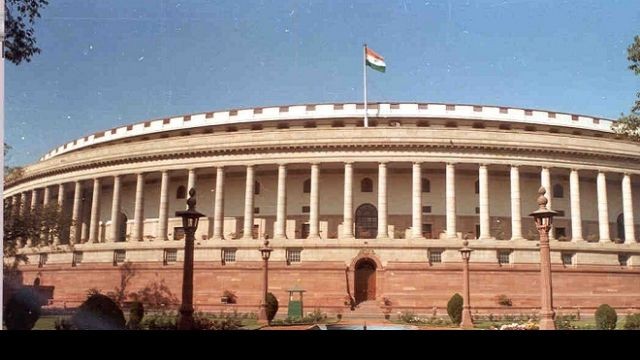
The symbol of our democracy, the parliament, has also witnessed numerous attempts to undermine our democracy. The Question Hour, which is a tool used to hold the ruling party accountable, was removed for the Monsoon session of Parliament. Considering that this was the first session of parliament since the pandemic began, the removal of this accountability mechanism is untenable. The ruling party used this session to push through the contentious farm bills. If these bills were truly what the entire nation needed, the government should have adhered to the democratic process and allowed a division vote when members of the opposition repeatedly requested for one. A voice vote may be quicker, but it undermines the voice of the opposition, which is a pillar of democracy. 

These farm bills join a larger list of controversial bills, including the bill that abrogated Jammu and Kashmir’s special status, the Citizenship Amendment Bill, and amendments to the Unlawful Activities (Prevention) Act, that did not pass motions to be sent to select committees for further parliamentary scrutiny. These committees provide a forum for feedback from various stakeholders and act as a consensus-building platform across political parties. In the 16th Lok Sabha (2014-19), 25% of the Bills were referred to these committees, which was much lower than the 71% and 60% during the UPA II and UPA I regimes respectively. Since 2020 began, out of the 44 bills introduced in parliament, no bill has been referred to the select committee. Unlike the GST Council, these standing committees weren’t allowed to meet virtually during the pandemic, despite numerous requests from opposition parties. 

From the exploitation of anti-defection laws; the misuse of ordinances; the creation of the opaque PM-CARES Fund; the oligarchical capture of democratic institutions such as the Central Information Commission, Reserve Bank of India, and even the Election Commission and finally to the recent Information Technology (Intermediary Guidelines and Digital Media Ethics Code) Rules, 2021 that could undermine free expression and privacy for internet users in India, the recent attacks to our democracy have been terrifying. Criticism, accountability, and independent institutions have all been seriously diminished. The Covid-19 pandemic appears to have derailed all democratic processes, except elections. 

At this time we must ask ourselves, do we still value our democracy? And most importantly, are we willing to fight for it together? I fear that the answer to both these questions is no and it has been for a long time. 

In 2017, two well-reputed political science scholars, Roberto Foa and Yascha Mounk published a paper titled “The Signs of Deconsolidation” that showed that over 70% of Indian respondents wished for a “strong leader who does not have to bother with elections”. This is a higher percentage than that of the USA (30%), Nigeria (45%), Turkey (58%), and even Pakistan (62%). This indicates that Indians are more willing to express support for authoritarian alternatives to democracy. 

This preference for the undemocratisation of India is further highlighted by recent studies conducted by the Pew Research Centre. Their 2017 report on democracy showed that 55% of Indian respondents felt that “a system in which a strong leader can make decisions without interference from parliament or the courts” would be a “totally good” way of governing this country. Conversely, only 17% of respondents felt that this would be “very bad” and 28% of them felt that this would be “totally bad”. Moreover, their 2020 report showed that 70% of Indian respondents were satisfied with the way that democracy worked in India. This is a significant rise compared to the 54% of respondents that were satisfied with it as per the 2019 report. The 2020 report also showed that 26% were dissatisfied with it, which is lower than the 33% in 2019. 

Undoubtedly, concluding that democracy has no place in our future would be incongruously prescient, but a growing intolerance for democracy is indubitable. People prefer quick decision making over the slow democratic process that requires consensus and deliberation. People would rather see tangible changes made by decree than wait for the democratic process. While the subversion of the democratic process may seem harmless to the current ruling party and those who espouse their ideology, permanent harm to our democracy ought to be denounced. The ubiquity of democracy should not depend on any political party’s ideology. The end of democracy would bring about the epoch of a procrustean India and end the plurality, secularism, and diversity that we have considered primordial for decades. At the rate our democracy is eroding, impassivity could mean that we’re the last generation of Indians to live in a true liberal democracy. 

The next opportunity for voters to actively resist this attack on our democracy may seem too far away. However, the 2024 general elections are preceded by elections in 16 states. My hope is that the control, division, and hatred promulgated by our current leaders, will ultimately consume them. Any reduction in their mandate will benefit our democracy. And if there is one thing that authoritarians cannot handle, it is the feeling of losing control. 

Democracy is not a plant that grows everywhere but hopefully, it can re-grow in our great nation. 

An Electoral System That Neglects The Youth?

Since the inception of democracy in 507 B.C, the axiom that the people of a nation play a pivotal role in upholding it has stood firm through the test of time. While the question of which members of society would play this role has historically been a contentious issue in many countries, it was never a major problem in India. The Constituent Assembly ensured that universal adult franchise was provided for in the Constitution from the very beginning. While there was some opposition to universal adult franchise, based on concerns that the right to vote was being given too early, the possibility of inadequate education, knowledge, patriotism towards the country amongst the voters, a majority of members supported it. This meant that, once a citizen of India reached a certain age, they would be entitled to vote irrespective of their gender, religion, caste, education, income, or any other factor.

The provision of adult franchise has become more inclusive over time. When it was first written, article 326 of the Constitution allowed citizens who were 21 years of age or above, to vote in their local, state Legislative Assembly and national Lok Sabha elections. The age limit was reduced to 18 years of age or above after the Sixty-first Amendment Act, 1988. However, this seemingly innocuous provision contains a major problem. Article 326 gives the appropriate legislature the ability to set a date before which a citizen must turn 18 years of age, in order to be eligible to vote. 

According to the Election Commission of India (ECI), attaining the age of 18 years on or before the qualifying date of the year of revision of the electoral roll is a requirement to register in the electoral roll. According to Article 14 (b) of the Representation of the People Act, 1950, the qualifying date is “The 1st day of January”. This is a significant impediment to the participation of youth in the electoral process as it means that a citizen turning 18 years of age on or after the 2nd of January in the year of an election, is ineligible to vote in that election, even if they turn 18 years of age before any of the elections are actually held. This means that there are a very large number of 18 year olds who will get to vote in a major election only after 5 years, which is a very long time after they have technically reached the correct age to vote. 

In May 2016, D. V. Sadananda Gowda, the Minister of Law and Justice at the time stated that the government had plans to add more than one qualifying date in a year before which a citizen may be eligible to vote. Furthermore, the ECI has suggested the elimination of the qualifying date and allowing citizens to be eligible to vote as soon as they turn 18. While having only one qualifying date made sense in the past as electoral rolls were updated manually, it makes absolutely no sense now as online voter registration is an established process. Despite this, no action has been taken to remove this blatant hindrance to the participation of youth voters in a critical democratic process. 

Let’s take a look at the participation of “young voters” in recent elections. An Indian citizen aged 18-19 years and voting for the first time is considered a young voter. According to data from the ECI, approximately 15 million young voters participated in the 2019 national elections. However, this ostensibly large number is sadly only about 30% of the estimated population of young voters (48.5 million). It is also a lower number than the 23 million young voters that participated in the 2014 national elections, which contradicts the fact that the total electorate increased from about 815 million in 2014 to about 900 million in 2019. The percentage of young voters that actually voted is abysmal, especially when India has the largest youth population in the world, according to the UN (356 million). 

There could be a variety of reasons for this ignominious participation of youth in the electoral process. Without a doubt, the youth do consider voting in general as well as their vote to be important. However, many do not apply for a voter ID, either because they don’t know how to, or because they don’t prioritize it over other things important to them, such as college applications and driver licences. This problem is being addressed by the various grassroot level and large scale campaigns to increase awareness on the importance of participating in the electoral process organised by various NGOs as well as the ECI. Nowadays, political parties use special tactics to enlarge their youth voter base. Although a quixotic change in the near future, the introduction of online voting systems would significantly increase the participation of youth in the electoral process.

Another impediment to youth participation in the electoral process is the obnoxious amount of influence that money and corruption have in an election. The youth are more interested in policies that would improve their quality of life, their education and their job opportunities rather than flashy and expensive election campaigns carried out by an inaccessible pantheon. Besides this, the lack of candidates that reflect the aspirations of the youth makes them avoid the electoral process. While article 84 (b) of the Constitution states that a citizen above the age of 25 can contest in the Lok Sabha election, the youngest MP is 27 years old and there are only 4 MPs between the ages of 27 and 30. This is equivalent to about 0.75% of the 536 sitting members of the Lok Sabha, which is incongruously unrepresentative of the age demographics of India. In response to a Public Interest Litigation that called for the reduction of the age limit for contesting an election to 21 years of age, the Supreme Court of India chose to stress on experience rather than representation, by stating that citizens must have a certain amount of experience before they can contest an election. Furthermore, in 2018 the Supreme Court responded to a PIL that called for the reduction of the age limit for contesting an election to 18 years of age by stating that parliament must deliberate and make a decision. 

There seems to be some light at the end of the tunnel. For instance, in the recent Tamil Nadu legislative assembly elections, 21.86% of the total electorate were between the ages of 18 and 29, accentuating the growing importance of youth in politics. While making their voices heard by casting their vote is not the only step, it is nevertheless a crucial one in moving towards a country in which the youth are adequately represented in state and national leadership. With citizens aged below 25 comprising more than half of our total population, it is time that the youth is at the helm of decision making that has an impact on their future. It is also time for ancient laws, such as the qualifying date, to be modified, so that we can begin to change this behemoth of an electoral system that neglects the youth. 

TAMIL COMMUNITY AND CASTE

CASTE

Why caste? Who formed caste system? What for it is? For whom does it benefit? Who were all affected?

There arises an uncountable number of questions when we start a conversation on caste. As there is no origin or an individual discoverer of caste, making it even more complex. It just evolved and attained various forms in the society, in general, it is  time variant in nature. Each defines himself as a top caste and compares it only with a caste/ community lower than his/hers. It doesn’t mean like only privileged communities, boost themselves rather, people used it as a upgrading tool wherever required. Like, if they are benefitted by showing up their caste, they would outbreak it via asking their native land.

Natives of the State 

 As in Tamil Nadu, to say in real each district has its own dominated community. Coimbatore- Gounder, Vanniyar; Thirunelveli – Nadar; Ramanathapuram – Mukkulathor; Madurai- Thevar and so on. These information almost are known to every tamilian who has an idea and impact of community in their life, in fact they can’t even sustain in society without knowing these.

Politics

This might sound pretty unethical to outsiders who are unaware of the candidates of each dominant party selecting their elective members for a particular ward/ district. Keenly observing, each party will hold a diversity in its selection of leading members. But actually people are fine with it, Tamil Nadu is the only state in India, which has been ruled by state-level parties either single-handedly or in alliance with the national parties. Majority parties are only DMK and AIADMK, other parties could neither match the outstanding competition between them nor sustain in the battle.

Unity in Diversity

Behind all the scenes, when it comes to tamil culture and language, they are all one in a hand. The ideology of language and heritage seems to be same for all tamilians. Being the longest surving language in the world, it outstandes in its poetry and literature which is most experienced when written in its true style “Pure Tamil”.Tamilians value heritage and tradition and stand united when issues arise especially on jalli kattu protest, NEET exam and many others.

Can we imagine living without community?

It is quiet difficult and unimaginable when it comes to a state comprising 100+ communities in it. Many reformers had tried to throw off community and articulated to live unison as Tamilians. The surnames of keeping their community names behind the names are widely wiped off from the state. This is still an identity in most other states in India like Kerala, Andhra and other northern states. This surname idea is held out of the state only by the refinement in ideologies of people by Periyar, Anna and Babasaheb.


One nation, One election

                                                                       (Photo: Think India)

“One nation, one election”, might sound good as well as appealing, but it will have a number of anti-democratic consequences. It’s true saying that simultaneous elections for Lok Sabha and State Assembly could save time, energy and money of our country, but on the other side it can prove to be harmful for our country as well as democracy.

Apart from logical considerations, which cannot be a serious reason for a major change to the basic structure of the Indian polity, the most seductive argument in favor of simultaneous elections is the allure of Modi’s phrase, “One nation, one election.” This matches the “one nation, one tax” rationale for the goods and services tax (GST), which, of course, came into force via its own constitutional amendment on 1 July, 2017.

While one can debate the economic costs and benefits of GST, the analogy with elections is logically flawed. Indeed, the concept of simultaneous elections fundamentally runs against the grin of our Westminster-style federal political union. “One nation, one election” would make sense if India were a unitary state. But we are a union of states, which is philosophically and politically an essentially different conception of the Indian nation-state. With this, let us discuss the disadvantages of holding simultaneous elections in India:

  • Rule by the majority is the cardinal principle of Indian democracy. The concept of simultaneous elections goes against this principle since if elections are held simultaneously then the Lok Sabha and the state legislative assemblies cannot be dissolved before completing their full period of 5 years even if the ruling party is reduced to a minority hence it will go against the federal principles.
  •  It will disown today’s reality of fragmented quality at the state level where coalitions are the order of the day. So, simultaneous elections try to bring in the presidential type of governance where the state assembly is no longer can decide their own path and have to be in existence for 5 years with a minority party in power.
  • Even if elections were to take place simultaneously, parties contesting in only one state would anyway be similarly burdened. So, it probably takes care of only national parties. And the logistic requirement of movement of the requisite security forces. This constant would remain even if simultaneous elections were held.

So, it can be said that holding simultaneous elections is certainly desirable but not feasible. The question which arises is, “Why should the states suffer from the electoral decisions taken at the centre?” It has been said that simultaneous elections would curtail government expenditure but the election commission has updated that for this it would require the procurement of 24 lakh EVMs and an equal number of VVPAT units which is double the number required to hold only parliamentary polls. So, the first objective is not met.

Therefore, notwithstanding the benefits of simultaneous elections highlighted above, the cost to the Indian democracy in terms of playing havoc with the cardinal principle of rule by the majority will be far more than any savings to be realized to the public exchequer. Rather other alternatives should be explored to reduce election-related expenses like state funding of elections, decriminalization of politics, bringing in transparency in political funding by linking Aadhaar card to the election Identity card which has still not been done, etc.


LOCAL SELF-GOVERNMENT

                                                               (Photo: ClearIAS)

According to D. Lockard, local government may be loosely defined as a public organization, authorized to decide and administer a limited range of public policies within relatively small territory which is a subdivision of a regional or national government.

A nation develops from its roots and for a nation to develop we need a strong base and in a country like India, the base is the local self-government like municipalities and panchayats, etc. These are the grassroots of a democracy in our country. It gives a good amount of exposure to the people who participate in the governance and running of these institutions, in both political and social aspects, making our democracy more participative as well as substantive. In rural areas, the self-governing bodies are the Panchayats and in urban it is the municipal corporations, etc. Local self-government consists of rural local self-government and urban area local self-government.

In India, villages are always considered as strength of this country. It is said that the soul of India lives in villages and a majority of 60% of the total population currently lives in rural areas. The exponents of the local self-government institutions hold the view that such local self-governments are the basis of democracy and the best way to develop political consciousness among the people. Through the local self-government, the regional and local interests convert into national interest. The Rural Local self-governments are the result of most landmark year 1992, when the 73rd amendment was incorporated in the constitution. Necessary related provisions were added in 1992 by the way of the 74th amendment act, 1992. It bifurcated the urban local self-government system.

Gandhi Ji also emphasized local self-government. To him, development meant a fuller participation of people in the achievement of essential goals. Village is the primary unit of government and from the village upwards, units of government with residuary powers, are to be established. And at each level, complete democracy and freedom are to be guaranteed.

Thus, the local self-government holds a vital role when it comes to the strengthening of democracy. It encourages local, political, and social leadership, thus making people more participative. It makes democracy substantive with its very own existence. These have to shoulder manifold and complex responsibilities. Hence, they are the grassroots of our democracy.

Media and Democracy

 A democratic system is successful only when there is extensive participation by the masses, which is not possible without people getting informed about various issues. Therefore, the media plays a vital role in a healthy democracy.


Press Freedom 

Mahatma Gandhi had said “Freedom of press is a precious privilege that no country can forgo.” In India, freedom of press is implied from the freedom of speech and expression guaranteed under Article 19(1)(a) of the Constitution of India. Article 19(1)(a) says that all citizens shall have the right to freedom of speech and expression. But this right is subject to reasonable restrictions under Article 19(2).

Role of media in a Democracy

Ideally, the media is the voice of the citizens, it is said to be “voice of the voiceless”. A democracy cannot function properly without free press. It acts as a bridge between the government and the citizens. It is the fourth pillar of democracy. It exposes corruption, scandals, maladministration, policy failures and promotes government transparency, accountability, & public scrutiny. 

The Right to Information Act (2005) is vital for the press in India to promote transparency. Press uses RTI as a tool to strengthen democracy and to update the citizens about implementation of the government schemes/policies and expose its loopholes. 

A healthy functioning democracy is established when the voters make informed choices and this is based on the quality of information that they receive. The Press is the main source of news and information. Information disseminated by the Press impacts and shapes the public opinion.

Democracy cannot function without public participation. People have the freedom to express their ideas, opinions, suggestions, and criticism using various media platforms. Public feedback of any policy or law reaches the government through the media. Press acts as a catalyst for democracy and development, making public participation meaningful. Press also provides a platform for public debate.

Citizens can participate in a democracy only when they are fully aware of their rights and duties. Press plays a major role in spreading awareness among the masses about fundamental rights of the citizens ,government schemes, and campaigns . The press has played a significant role in educating the rural masses through newspapers in regional languages , radio, television etc.

Challenges faced by Media in a Democracy

Press Censorship is a major challenge to freedom of press. Press censorship by political authority is an attack on free speech. For example, During the Emergency(1975) Indian media was heavily censored and it was known as the “dark period of democracy.” The Indian Express and The Statesman protested against the censorship by leaving their editorial pages blank.

Paid news hinders unbiased reporting and leads to favouritism. It diverts the coverage of real issues and suppresses information. This produces uninformed or misinformed citizens in a democracy. Corporate and political influence can also stop a particular media organization from functioning freely.  

“A free press is one of the pillars of democracy” said Nelson Mandela. A free and independent press is integral to the process of democratisation and good governance.  Ideally, the purpose of the press in a democracy is to keep in the public spotlight every decision that the government makes.  Press plays its role by reporting/informing, spreading awareness, ensuring accountability of the government, and providing a platform for public debate.