

Kamakhya Temple is a Hindu temple dedicated to the goddess Kamakhya, located in the city of Guwahati in the northeastern state of Assam, India. It is a significant Hindu pilgrimage site and a cultural icon of Assam. It is not only a place of worship but also a symbol of the rich cultural heritage of the region.
According to Hindu mythology, the temple is the site where the goddess Sati’s womb and genitals fell after her body was dismembered by the god Shiva. The temple is thus considered to be one of the Shakti Peethas or holy sites where the body parts of the goddess Sati fell to earth.
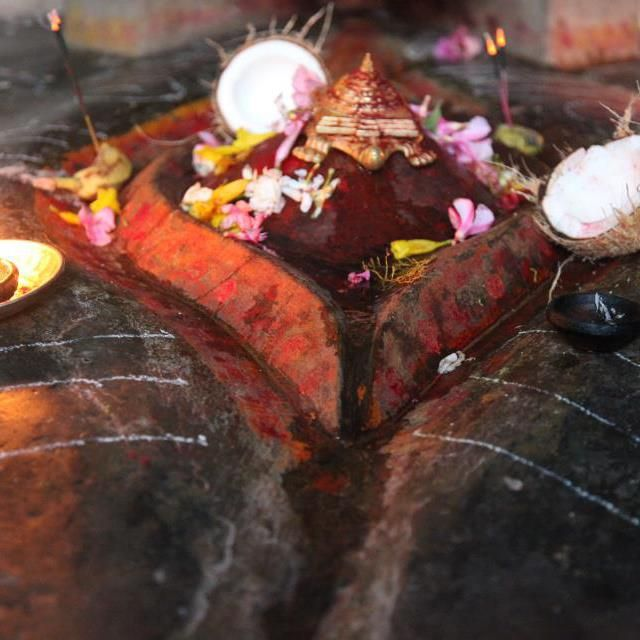
The temple is one of the most important pilgrimage sites for Hindus, especially those who worship the divine feminine. The temple complex consists of several smaller shrines and buildings, but the main temple is a large structure made of stone and brick. The temple has a unique design, with a dome-shaped roof and walls made of red sandstone. The main shrine inside the temple houses a rock formation that is said to represent the goddess Kamakhya. The rock is covered with a red cloth and is surrounded by images of other Hindu deities. The temple also has several smaller shrines dedicated to other deities.
The temple is famous for its annual Ambubachi Mela, a festival held in the month of June or July to celebrate the goddess Kamakhya’s menstruation. During the festival, the temple is closed for three days as it is believed that the goddess is menstruating during this time. Devotees from all over the country come to the temple to offer their prayers and seek the blessings of the goddess.
Apart from its religious significance, Kamakhya Temple is also known for its stunning architecture and beautiful surroundings. The temple is located on a hill and offers a panoramic view of the city of Guwahati and the Brahmaputra River. The temple complex is surrounded by lush green forests and is home to several species of birds and animals.
In recent years, the temple has also become a popular tourist destination, attracting visitors from all over the world. The Assam government has taken several measures to improve the infrastructure around the temple, including building new roads, parking areas, and hotels.

 Eduindex