
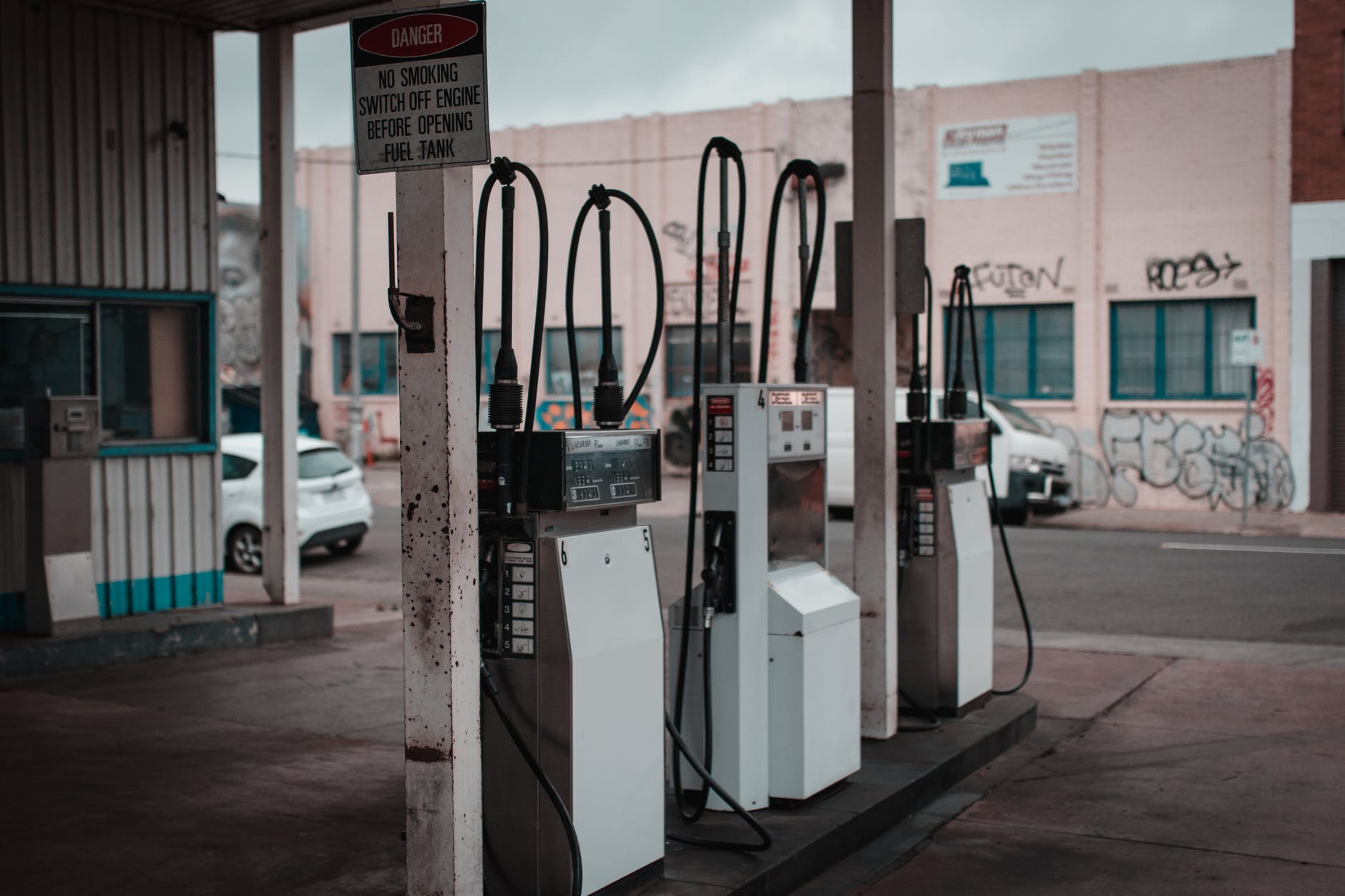
How GST on Petrol, Diesel will bring down prices

The soaring prices of petrol and diesel has time and again highlighted the question of whether bringing it under the goods and services tax (GST) regime will prove beneficial for the consumers.
The much debated and speculated issue might finally come to a conclusion on Friday when the 45th GST Council meets in Lucknow.
For the first time in 20 months, the GST council will be conducting a physical meeting. After December 18, 2019, all the GST Council meetings were done in virtual mode.

“We are not saying that we should bring petrol and diesel under GST immediately, we are basically asking states to suggest a timeline,” a government source told TOI ahead of the crucial meeting of the GST Council on Friday.
When GST was introduced in July 2017, five commodities — crude oil, natural gas, petrol, diesel and aviation turbine fuel (ATF) — were kept out of the GST purview, considering the revenue dependence of the central and state governments on them.
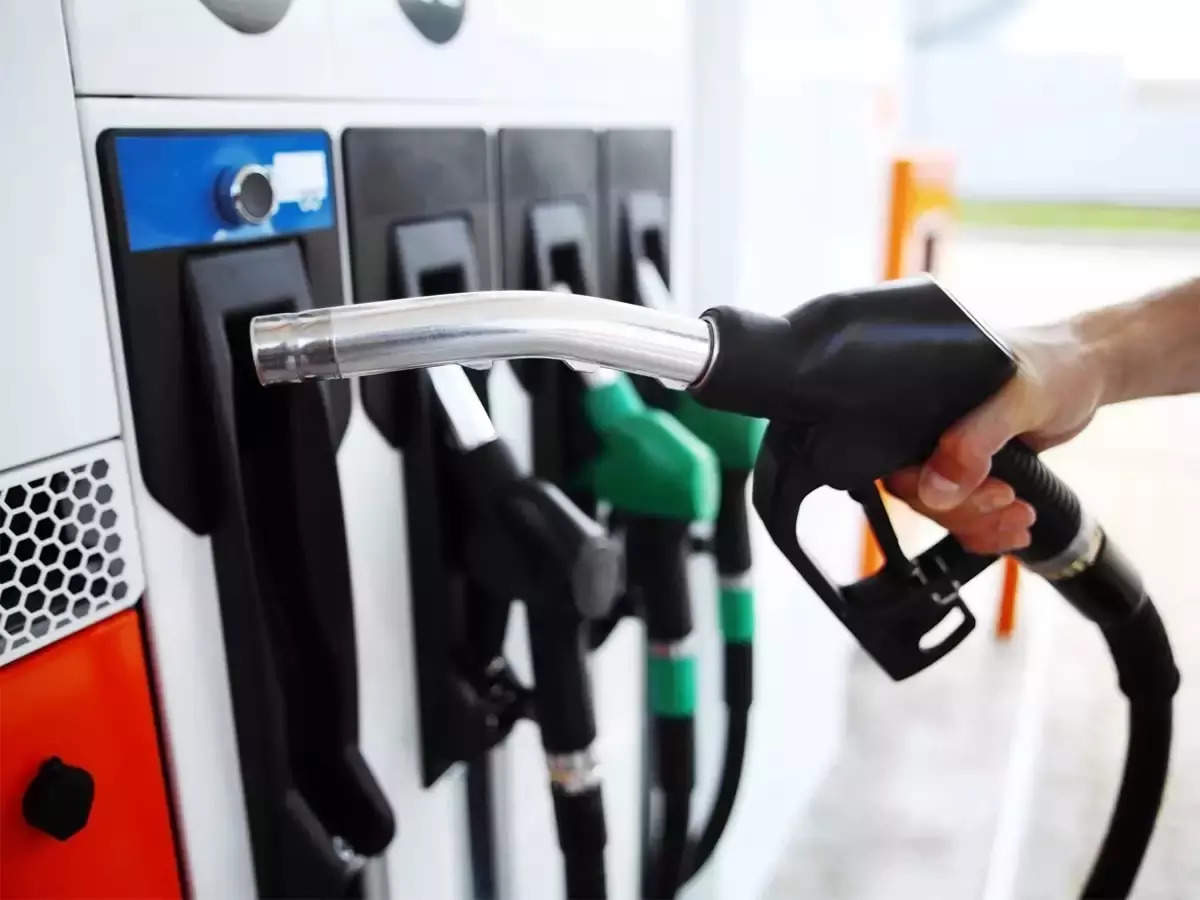

As demand recovered, the spike in global oil prices pushed petrol and diesel prices to an all-time high, leading to demand for bringing it under GST.
Fuel prices have been hovering at record levels on account of 41 increases in its retail rates since April this year.
However, since the past 11 days there has been no revision in prices of petrol and diesel as oil marketing companies (OMCs) kept a tab on global oil prices.
Accordingly, in Delhi a litre of petrol costs Rs 101.19 and diesel costs Rs 88.62.
Similarly, price of petrol in Mumbai, Chennai and Kolkata stood unchanged at Rs 107.26, Rs 98.96, Rs 101.62 per litre, respectively.

Diesel price also remained unchanged. In Delhi, Mumbai, Chennai and Kolkata, the fuel was sold for Rs 88.62, Rs 96.19, Rs 93.26 and Rs 91.71 per litre respectively.

Prices are largely going to remain unchanged or get some relief by way of a cut in days ahead as global oil is expected to soften again.
Oil cartel Opec and its allies have agreed to gradually raise production levels that should prevent upward price movement.

Written by : Ananya Kaushal
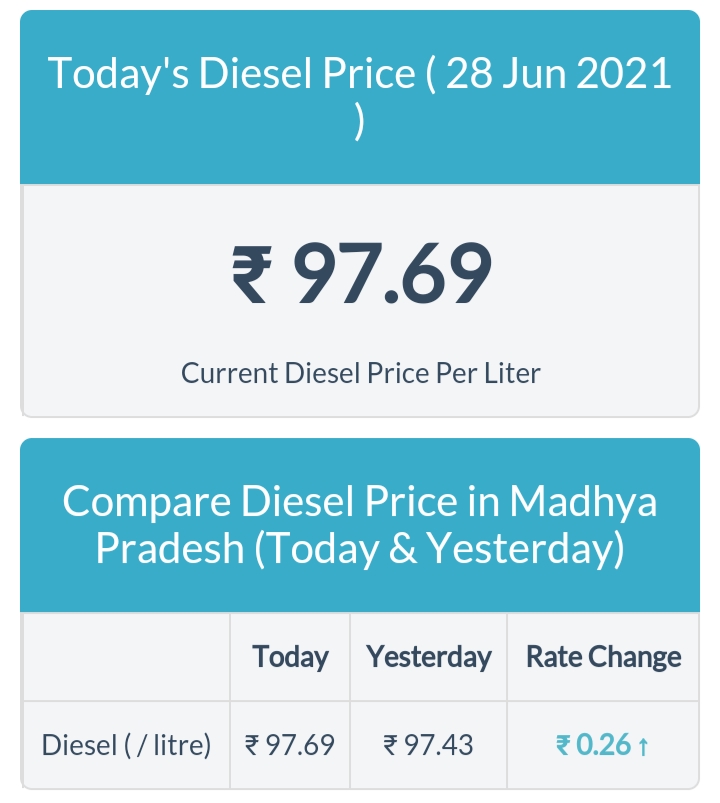
Going to hit a century : Diesel price!

Diesel fuel, in general is any liquid fuel specifically designed for use in diesel engines, whose fuel ignition takes place, without any spark, as a result of compression of the inlet air mixture and then injection of fuel. Therefore, diesel fuel needs good compression ignition characteristics.

The most common type of diesel fuel is a specific fractional distillate of petroleum fuel oil, but alternatives that are not derived from petroleum, such as biodiesel, biomass to liquid (BTL) or gas to liquid (GTL) diesel are increasingly being developed and adopted. To distinguish these types, petroleum-derived diesel is increasingly called petrodiesel in some academic circles.

In many countries, diesel fuel is standardised. For example, in the European Union, the standard for diesel fuel is EN 590. Diesel fuel has many colloquial names, most commonly, it is simply referred to as Diesel. In the UK, diesel fuel for on-road use is commonly abbreviated DERV, standing for diesel-engined road vehicle, which carries a tax premium over equivalent fuel for non-road use. In Australia, diesel fuel is also known as distillate, and in Indonesia, it is known as Solar, a trademarked name by the local oil company Pertamina.

Diesel price in Madhya Pradesh today is fixed by state-run oil marketing companies based the daily ‘Dynamic Fuel Pricing’ mechanism. Here, you can check the current diesel price in Madhya Pradesh, find todays diesel price as well as the quarterly price trend in Madhya Pradesh. New diesel prices in Madhya Pradesh are updated by oil firms daily at 6:00 am IST.

You can also find out how diesel prices in Madhya Pradesh are calculated and how prices are compared to other states. Additionally, find the current Madhya Pradesh diesel price and primary factors impacting diesel prices in India as well as the highest and lowest price recorded during a month.

FUEL PRICE SURGE ADDS TO THE WOES OF PANDEMIC HIT INDIA

The oil marketing companies have continuously been surging the price of fossil fuels for the past few weeks which resulted in the prices reaching an all-time high. During a time when the country is struggling to recover from the covid crisis, the fuel price hike is sure to have a tremendous impact on its citizens and economy. The rise in the price of commodities and public transportation are expected along with a significant dip in the automobile industry. Today, the price of LPG cylinders have been increased by 25 rupees, resulting in a cumulative hike of about 200 rupees within the past three months.

India, being the third-largest importer of oil in the world has always ended up on the suffering end whenever the crude oil price has seen a surge in the international market. The recent firming of international crude oil rates in addition to the high taxes levied on fuel by central and state governments is the major reason for the extremely high fuel price in the country. Since India follows a dynamic system for altering fuel rates, oil marketing companies are mostly responsible for the recent hikes and the government has no control over it. However, the government does impose a tax on the base price of fuel. At the moment, Indians pay one of the highest taxes on fuel in the world.

By late January, the price of extra premium petrol has touched the magic digit of 100 at Rajasthan, with Madhya Pradesh and many other states following the trend in early February. The price of diesel has also set the record of reaching an all-time high in the past days. A remarkable fact is that the Indian citizens are paying about 200% of the actual fuel price as taxes, by far the highest anywhere in the world. Sources close to the oil companies have reported that the fuel prices might see a further hike as the companies will be forced to meet the global developments to avoid making losses on the sale of the fuels. The price of LPG is also on the rise with the surge being constantly climbing higher for the third in this month itself. Within the last 10 days, the price of LPG was increased by more than 50 rupees.

The government is looking forward to getting the situation under control as the surge in the price of auto fuels can directly reflect in its economy and might even result in inflation. Though short term remedies like cutting down taxes and other related costs are in line, the major emphasis is on turning towards sustainable and renewable energy resources and reducing the dependency on fossil fuels in the long run. Plans have already been laid on increasing the natural gas share in the energy basket and to cut short the reliance on fossil fuels to about 60% of the total energy share by 2030.