MPA-004 Disaster Preparedness

MPA-004 Disaster Preparedness

  1. What is the focus of the course on Disaster Management: Prevention, Preparedness, and Mitigation?
  2. What topics are covered in the section on Disaster Preparedness for People with Special Needs/Vulnerable Groups?
  3. How does the course address the role and responsibilities of international agencies, non-governmental organizations, community-based organizations, community, and media in disaster preparedness?
  4. Why is the role of information, education, communication, and training important in disaster preparedness?
  5. What are the responsibilities of central, state, district, and local administration in disaster preparedness?
  6. Which groups are considered vulnerable and require special attention in terms of disaster preparedness?
  7. How does the course explore the role of information technology in disaster preparedness, particularly with regard to geographical information systems?
  8. What emerging technologies are discussed in relation to disaster preparedness in the course?
  9. What is the difference between disaster mitigation and disaster preparedness?
  10. What strategies are discussed in the course for disaster mitigation?
  11. What emerging trends are highlighted in the course regarding disaster mitigation?
  12. What is the focus of the section on mitigation management in the course?
  13. How does the course relate disaster preparedness to housing, infrastructure, and livestock?
  14. What are the responsibilities of armed forces, police, para-military forces, national service scheme, and scouts in disaster preparedness?
  15. What is the significance of understanding the concept and nature of disaster preparedness?
  16. How are emerging technologies applied in disaster preparedness, as discussed in the course?
  17. How do community-based disaster preparedness plans contribute to overall preparedness efforts?
  18. How do international agencies contribute to disaster preparedness?
  19. What is the purpose of a disaster preparedness plan?
  20. What topics are covered in the section on emerging trends in disaster mitigation?

Before Flood – What precautions we should take

Before, During & After the Flood

Before

To prepare for a flood it is important to:

  • Remember, if you decide to build your home in a flood plain, you should elevate and reinforce the home.
  • Keep your furnace, water heater, and electrical panel elevated if you are in an area susceptible to flooding.
  • Construct barriers to keep flood waters from entering your home.

During

If a flood is likely in your area, you should:

  • Listen to the radio or television for information.
  • Be aware that flash flooding can occur. If there is any possibility of a flash flood, move immediately to higher ground. Do not wait for instructions to move.
  • Be aware of streams, drainage channels, and other areas known to flood suddenly. Flash floods can occur in these areas with or without such typical warnings as rain clouds or heavy rain.

If you must prepare to evacuate, you should do the following:

  • Secure your home. If you have time, bring in outdoor furniture. Move essential items to an upper floor.
  • Turn off utilities at the main switches or valves if instructed to do so.
  • Disconnect electrical appliances. Do not touch electrical equipment if you are wet or standing in water.

If you have to leave your home, remember these evacuation tips:

  • Do not walk through moving water. Six inches of moving water can make you fall. If you have to walk in water, walk where the water is not moving. Use a stick to check the firmness of the ground in front of you.
  • Do not drive into flooded areas. If flood waters rise around your car, abandon the car and move to higher ground if you can do so safely. You and the vehicle can be quickly swept away.

Driving in a Flood

The following are important points to remember when driving in flood conditions:

  • Six inches of water will reach the bottom of most passenger cars causing loss of control and possible stalling.
  • Twelve inches of water is enough to float many vehicles.
  • Two feet of rushing water can carry away most vehicles, including sport utility vehicles (SUV’s) and pick-ups.

After

Recovering from a flood requires extreme care. After a flood, be sure to:

  • Find out if the water supply is safe to drink before consuming water.
  • Avoid flood waters, as they may be contaminated. Also, avoid moving water.
  • Driving is especially hazardous after a flood. Do not drive through flood waters or in areas where the water may have receded. Areas where the water has receded can be fragile and susceptible to collapsing under the weight of your vehicle.
  • Only return home after authorities have instructed you to do so.
  • Do not enter a building surrounded by flood waters.
  • Be very careful when entering a building damaged by flood waters, as hidden damage is likely and can be extremely dangerous.
  • Be sure to repair damaged sewage systems, as these can cause serious health risks.
  • Clean and disinfect everything that got wet during the flood because flood waters may be contaminated.

What is Earthquake

 Earthquake

An earthquake is a phenomenon that occurs without warning and involves violent shaking of the ground and everything over it. It results from the release of accumulated stress of the moving lithospheric or crustal plates. The earth’s crust is divided into seven major plates, that are about 50 miles thick, which move slowly and continuously over the earth’s interior and several minor plates. Earthquakes are tectonic in origin; that is the moving plates are responsible for the occurrence of violent shakes. The occurrence of an earthquake in a populated area may cause numerous casualties and injuries as well as extensive damage to property.

The Earthquake Risk in India

India’s increasing population and extensive unscientific constructions mushrooming all over, including multistoried luxury apartments, huge factory buildings, gigantic malls, supermarkets as well as warehouses and masonry buildings keep – India at high risk. During the last 15 years, the country has experienced 10 major earthquakes that have resulted in over 20,000 deaths. As per the current seismic zone map of the country (IS 1893: 2002), over 59 per cent of India’s land area is under threat of moderate to severe seismic hazard-; that means it is prone to shaking of MSK Intensity VII and above (BMTPC, 2006). In fact, the entire Himalayan belt is considered prone to great earthquakes of magnitude exceeding 8.0-; and in a relatively short span of about 50 years, four such earthquakes have occurred: 1897 Shillong (M8.7); 1905 Kangra (M8.0); 1934 Bihar-Nepal (M8.3); and 1950 Assam-Tibet (M8.6). Scientific publications have warned of the likelihood of the occurrence of very severe earthquakes in the Himalayan region, which could adversely affect the lives of several million people in India.

At one time regions of the country away from the Himalayas and other inter-plate boundaries were considered to be relatively safe from damaging earthquakes. However, in the recent past, even these areas have experienced devastating earthquakes, albeit of lower magnitude than the Himalayan earthquakes. The Koyna earthquake in 1967 led to revision of the seismic zoning map, resulting in deletion of the non-seismic zone from the map. The areas surrounding Koyna were also re-designated to Seismic Zone IV, indicating high hazard. The occurrence of the Killari earthquake in 1993 resulted in further revision of the seismic zoning map in which the low hazard zone or Seismic Zone I was merged with Seismic Zone II, and some parts of Deccan and Peninsular India were brought under Seismic Zone III consisting of areas designated as moderate hazard zone areas. Recent research suggests that as understanding of the seismic hazard of these regions increases, more areas assigned as low hazard may be re-designated to higher level of seismic hazard, or vice-versa.

The North-Eastern part of the country continues to experience moderate to large earthquakes at frequent intervals including the two great earthquakes mentioned above. Since 1950, the region has experienced several moderate earthquakes. On an average, the region experiences an earthquake with a magnitude greater than 6.0 every year. The Andaman and Nicobar Islands are also situated on an inter-plate boundary and frequently experience damaging earthquakes.

The increase in earthquake risk is due to a spurt in developmental activities driven by urbanization, economic development and the globalization of India’s economy. The increase in use of high-technology equipment and tools in manufacturing and service industries has also made them susceptible to disruption due to relatively moderate ground shaking. As a result, loss of human life is not the only determinant of earthquake risk any more. Severe economic losses leading to the collapse of the local or regional economy after an earthquake may have long-term adverse consequences for the entire country. This effect would be further magnified if an earthquake affects a mega-city, such as Delhi or Mumbai.


Earthquake zone map
Earthquake Zone Map


What to Do After an Earthquake

  • Keep calm, switch on the radio/TV and obey any instructions you hear on it.
  • Keep away from beaches and low banks of rivers. Huge waves may sweep in.
  • Be prepared to expect aftershocks.
  • Turn off the water, gas and electricity.
  • Do not smoke and do not light matches or use a cigarette lighter. Do not turn on switches. There may be gas leaks or short-circuits. Use a torch.
  • If there is a fire, try to put it out. If you cannot, call the fire brigade.
  • If people are seriously injured, do not move them unless they are in danger.
  • Immediately clean up any inflammable products that may have spilled (alcohol, paint, etc).
  • If you know that people have been buried, tell the rescue teams. Do not rush and do not worsen the situation of injured persons or your own situation.
  • Avoid places where there are loose electric wires and do not touch any metal object in contact with them.
  • Do not drink water from open containers without having examined it and filtered it through a sieve, a filter or an ordinary clean cloth.
  • If your home is badly damaged, you will have to leave it. Collect water containers, food, and ordinary and special medicines (for persons with heart complaints, diabetes, etc.)
  • Do not re-enter badly damaged buildings and do not go near damaged structures.

Emergency Kit

  • Battery operated torch
  • Extra batteries
  • Battery operated radio
  • First aid kit and manual
  • Emergency food (dry items) and water (packed and sealed)
  • Candles and matches in a waterproof container
  • Knife
  • Chlorine tablets or powdered water purifiers
  • Can opener.
  • Essential medicines
  • Cash, Aadhar Card and Ration Card
  • Thick ropes and cords
  • Sturdy shoes

What is Tsunami

 The Earth’s lithosphere is broken up into a bunch of discrete pieces, called plates that move around the surface of the planet. There are seven or eight major plates (depending on how they are defined) and many minor plates.  This motion is driven by the flow of the mantle rock beneath the plates and by the forces plates exert at their boundaries where they touch each other.  Earthquakes happen when plates move with respect to each other because of the friction and stress at the edges of plates prevents them from slipping smoothly at their boundaries. When one plate is forced to dive beneath another plate, there is no way to do it except with some component of vertical motion creating tsunami (please see figure) . 

The tsunami that occurred during 2004 Sumatra-Andaman earthquake of Mw 9.3 was primarily caused by vertical displacement of the seafloor, in response to slip on the inter-plate thrust fault.  The earthquake and resulting tsunami in the Indian Ocean affected many countries in Southeast Asia and beyond, including Indonesia, Sri Lanka, India, Thailand, the Maldives, Somalia, Myanmar, Malaysia, Seychelles and others. Many other countries, especially Australia and those in Europe incurred casualties due to the tsunami, because they had large numbers of citizens traveling in the region on holiday. This tsunami-genic earthquake was one of the ten worst earthquakes in recorded history, as well as the single worst tsunami in history. Indonesia was the worst affected country. Beyond the heavy toll on human lives, the Indian Ocean earthquake has caused an enormous environmental impact that will affect the region for many years to come. The disaster also caused a substantial geo-physical impact in Indian Ocean. The disaster invited attention of affected countries for setting up effective tsunami early warning system and institutional mechanism for handling disasters.

The Government of India has put in place an Early Warning System for mitigation of such oceanogenic disasters under the control of Indian National Center for Ocean Information Services (INCOIS), Hyderabad. A state-of-the-art early warning centre was established with the necessary computational and communication infrastructure that enables reception of real-time data from  sensors, analysis of the data, generation and dissemination of tsunami advisories following a standard operating procedure. Seismic and sea-level data are continuously monitored in the Early Warning Centre using custom-built software application that generates alarms/alerts in the warning centre whenever a pre-set threshold is crossed. Tsunami warnings/watches are then generated based on pre-set decision support rules and disseminated to the concerned authorities for action, as per pre-decided standard operating procedure. The efficiency of this end-to-end system was proved during the large under-sea earthquake of 8.4 M that occurred on September 12, 2007 in the Indian Ocean.

The 2004 tsunami also prompted NDMA to formulate Tsunami Risk Management Guidelines to outline inter-agency roles and responsibilities, tsunami risk preparedness, mitigation and response.  

The Guidelines recommends practical and effective ways for awareness generation, capacity building, education, training and research & development for better tsunami risk management.  The Guidelines explore options for effective dissemination of tsunami alert and warning messages generated by INCOIS to the concerned agencies and coastal vulnerable communities exposed to tsunamis in a coordinated manner.

Structural Mitigation measures, as envisaged in the Guidelines, gives a brief guidance on design and construction of new structures as well as strategies for protecting lifeline and priority structures from Tsunamis along the seafront. The Guidelines urge BIS to roll out the pending construction standards entitled ‘Criteria for Tsunami-Resistant Design of Structures’. It further recommends a robust techno-legal regime through efficient land use practices, bioshields, shelter belt plantation and mangrove regeneration with community involvement. A strong mechanism has been recommended for effective emergency response by involving local police network, civil defence volunteers wherever available, home guards, State Disaster Response Forces and National Disaster Response Force. Further, the Guidelines explore the  provisions of Disaster Management Act 2005 to mainstream concern of Tsunami risk management in disaster management plans of various levels. 

zone map

Recover and build

  • You should continue using a Weather Radio or staying tuned to a Coast Guard emergency frequency station or a local radio or television station for updated emergency information.
  • Check yourself for injuries and get first aid if necessary before helping injured or trapped persons.
  • If someone needs to be rescued, call professionals with the right equipment to help Many people have been killed or injured trying to rescue others in flooded areas.
  • Help people who require special assistance—Infants, elderly people, those without transportation, large families who may need additional help in an emergency situation, people with disabilities, and the people who care for them.
  • Avoid disaster areas. Your presence might hamper rescue and other emergency operations and put you at further risk from the residual effects of floods, such as contaminated water, crumbled roads, landslides, mudflows, and other hazards.
  • Use the telephone only for emergency calls.Telephone lines are frequently overwhelmed in disaster situations. They need to be clear for emergency calls to get through.
  • Stay out of a building if water remains around it. Tsunami water, like floodwater, can undermine foundations, causing buildings to sink, floors to crack, or walls to collapse.
  • When re-entering buildings or homes, use extreme caution. Tsunami-driven floodwater may have damaged buildings where you least expect it. Carefully watch every step you take.
  • Wear long pants, a long-sleeved shirt, and sturdy shoes. The most common injury following a disaster is cut feet.
  • Use battery-powered lanterns or flashlights when examining buildings. Battery-powered lighting is the safest and easiest to use, and it does not present a fire hazard for the user, occupants, or building. DO NOT USE CANDLES.
  • Examine walls, floors, doors, staircases, and windows to make sure that the building is not in danger of collapsing.
  • Inspect foundations for cracks or other damage. Cracks and damage to a foundation can render a building uninhabitable.
  • Look for fire hazards. Under the earthquake action there may be broken or leaking gas lines, and under the tsunami flooded electrical circuits, or submerged furnaces or electrical appliances. Flammable or explosive materials may have come from upstream. Fire is the most frequent hazard following floods.
  • Check for gas leaks. If you smell gas or hear a blowing or hissing noise, open a window and get everyone outside quickly. Turn off the gas using the outside main valve if you can, and call the gas company from a neighbour’s home. If you turn off the gas for any reason, it must be turned back on by a professional.
  • Look for electrical system damage. If you see sparks or broken or frayed wires, or if you smell burning insulation, turn off the electricity at the main fuse box or circuit breaker. If you have to step in water to get to the fuse box or circuit breaker, call an electrician first for advice. Electrical equipment should be checked and dried before being returned to service
  • Check for damage to sewage and water lines.If you suspect sewage lines are damaged under the quake, avoid using the toilets and call a plumber. If water pipes are damaged, contact the water company and avoid using water from the tap. You can obtain safe water from undamaged water heaters or by melting ice cubes that were made before the tsunami hit. Turn off the main water valve before draining water from these sources. Use tap water only if local health officials advise it is safe.
  • Watch out for wild animals, especially poisonous snakes that may have come into buildings with the water. Use a stick to poke through debris. Tsunami floodwater flushes snakes and animals out of their homes.
  • Watch for loose plaster, drywall, and ceilings that could fall.
  • Take pictures of the damage, both of the building and its contents, for insurance claims. Open the windows and doors to help dry the building.
  • Shovel mud before it solidifies.
  • Check food supplies.Any food that has come in contact with floodwater may be contaminated and should be thrown out.
  • Expect aftershocks. If the earthquake is of large magnitude (magnitude 8 to 9+ on the Richter scale) and located nearby, some aftershocks could be as large as magnitude 7+ and capable of generating another tsunami. The number of aftershocks will decrease over the course of several days, weeks, or months depending on how large the main shock was.
  • Watch your animals closely.
  • Keep all your animals under your direct control.

What is Cyclone

Cyclones are caused by atmospheric disturbances around a low-pressure area distinguished by swift and often destructive air circulation. Cyclones are usually accompanied by violent storms and bad weather. The air circulates inward in an anticlockwise direction in the Northern hemisphere and clockwise in the Southern hemisphere. Cyclones are classified as: (i) extra tropical cyclones (also called temperate cyclones); and (ii) tropical cyclones. The word Cyclone is derived from the Greek word Cyclos meaning the coils of a snake. It was coined by Henry Peddington because the tropical storms in the Bay of Bengal and the Arabian Sea appear like coiled serpents of the sea.

Classifications

Cyclones are classified as extra tropical cyclones (also called temperate cyclones); and tropical cyclones.

The World Meteorological Organisation (WMO, 1976) uses the term ‘Tropical Cyclone’ to cover weather systems in which winds exceed ‘Gale Force’ (minimum of 34 knots or 63 kph). Tropical cyclones are the progeny of ocean and atmosphere, powered by the heat from the sea; and driven by easterly trades and temperate westerlies, high planetary winds and their own fierce energy.

In India, cyclones are classified by:

  • Strength of associated winds,
  • Storm surges
  • Exceptional rainfall occurrences.

Extra tropical cyclones occur in temperate zones and high latitude regions, though they are known to originate in the Polar Regions.

Cyclones that developin the regions between the Tropics of Capricorn and Cancer are called tropical cyclones. Tropical cyclones are large-scale weather systems developing over tropical or subtropical waters, where they get organized into surface wind circulation.

Worldwide terminology

Cyclones are given many names in different regions of the world – They are known as typhoons in the China Sea and Pacific Ocean; hurricanes in the West Indian islands in the Caribbean Sea and Atlantic Ocean; tornados in the Guinea lands of West Africa and southern USA.; willy-willies in north-western Australia and tropical cyclones in the Indian Ocean. 

Indian Meteorological Department

The criteria below has been formulated by the Indian Meteorological Department (IMD), which classifies the low pressure systems in the Bay of Bengal and the Arabian Sea on the basis of capacity to damage, which is adopted by the WMO.

Type of Disturbances Wind Speed in Km/h Wind Speed in Knots
Low Pressure Less than 31 Less than 17
Depression 31-49 17-27
Deep Depression 49-61 27-33
Cyclonic Storm 61-88 33-47
Severe Cyclonic Storm 88-117 47-63
Super Cyclone More than 221 More than 120

1 knot – 1.85 km per hour
Cyclones are classified into five different levels on the basis of wind speed. They are further divided into the following categories according to their capacity to cause damage:-

Cyclone Category Wind Speed in Km/h Damage Capacity
01 120-150 Minimal
02 150-180 Moderate
03 180-210 Extensive
04 210-250 Extreme
05 250 and above Catastrophic

Storm surges (tidal waves) are defined as the rise in sea level above the normally predicted astronomical tide. Major factors include:

  • A fall in the atmospheric pressure over the sea surface
  • Effect of the wind
  • Influence of the sea bed
  • A funnelling effect
  • The angle and speed at which the storm approaches the coast
  • The tides

The very high specific humidity condenses into exceptionally large raindrops and giant cumulus clouds, resulting in high precipitation rates. When a cyclone makes landfall, rain rapidly saturates the catchment areas and the rapid runoff may extensively flood the usual water sources or create new ones.


How Cyclones are formed

The development cycle of tropical cyclones may be divided into three stages:

Formation and Initial Development Stage
The formation and initial development of a cyclonic storm depends upon various conditions. These are:

  • A warm sea (a temperature in excess of 26 degrees Celsius to a depth of 60 m) with abundant and turbulent transfer of water vapour to the overlying atmosphere by evaporation.
  • Atmospheric instability encouraging formation of massive vertical cumulus clouds due to convection with condensation of rising air above ocean surface.

Mature Tropical Cyclones
When a tropical storm intensifies, the air rises in vigorous thunderstorms and tends to spread out horizontally at the tropopause level. Once air spreads out, a positive perturbation pressure at high levels is produced, which accelerates the downward motion of air due to convection. With the inducement of subsidence, air warms up by compression and a warm ‘Eye’ is generated. Generally, the ‘Eye’ of the storms has three basic shapes: (i) circular; (ii) concentric; and (iii) elliptical. The main physical feature of a mature tropical cyclone in the Indian Ocean is a concentric pattern of highly turbulent giant cumulus thundercloud bands.

Modification and Decay
A tropical cyclone begins to weaken in terms of its central low pressure, internal warmth and extremely high speeds, as soon as its source of warm moist air begins to ebb, or is abruptly cut off. This happens after its landfall or when it passes over cold waters. The weakening of a cyclone does not mean that the danger to life and property is over.

Indian Context

The Indian subcontinent is one of the worst affected regions in the world. The subcontinent with a long coastline of 8041 kilometres is exposed to nearly 10 per cent of the world’s tropical cyclones. Of these, the majority of them have their initial genesis over the Bay of Bengal and strike the East coast of India. On an average, five to six tropical cyclones form every year, of which two or three could be severe. More cyclones occur in the Bay of Bengal than the Arabian Sea and the ratio is approximately 4:1. Cyclones occur frequently on both the coasts (the West coast – Arabian Sea; and the East coast – Bay of Bengal). An analysis of the frequency of cyclones on the East and West coasts of India between 1891 and 1990 shows that nearly 262 cyclones occurred (92 of these severe) in a 50 km wide strip above the East coast. Less severe cyclonic activity has been noticed on the West coast, where 33 cyclones occurred the same period, out of which 19 of were severe.

Tropical cyclones occur in the months of May-June and October-November. Cyclones of severe intensity and frequency in the North Indian Ocean are bi-modal in character, with their primary peak in November and secondary peak in May. The disaster potential is particularly high during landfall in the North Indian Ocean (Bay of Bengal and the Arabian Sea) due to the accompanying destructive wind, storm surges and torrential rainfall. Of these, storm surges cause the most damage as sea water inundates low lying areas of coastal regions and causes heavy floods, erodes beaches and embankments, destroys vegetation and reduces soil fertility.

Cyclones vary in diameter from 50 to 320 km but their effects dominate thousands of square kilometers of ocean surface and the lower atmosphere. The perimeter may measure 1,000 km but the powerhouse is located within the 100-km radius. Nearer the Eye, winds may hit at a speed of 320 km. Thus, tropical cyclones, characterized by destructive winds, torrential rainfall and storm surges disrupt normal life with the  accompanying phenomena of floods due to the exceptional level of rainfall and storm surge inundation into inland areas. Cyclones are characterized by their devastating potential to damage structures, viz. houses; lifeline infrastructure-power and communication towers; hospitals; food storage facilities; roads, bridges and culverts; cropss etc. The most fatalities come from storm surges and the torrential rain flooding the lowland areas of coastal territories.

zone


Recover and build

After ‘All Clear’ is issued for back movement by ‘State’ give attention to the following:

  • Whether ‘roads’ for reaching home is recommended by authorities
  • Whether power lines are safe
  • Whether transport arrangement is approved by authorities
  • Pure drinking water is available
  • Sewage lines are working
  • Any epidemic spread in the area
  • Safety of neighbor(s) assured

Emergency Kit

  • Battery operated torch
  • Extra batteries
  • Battery operated radio
  • First aid kit and essential medicines
  • Important papers (Ration card, Voter ID card, Aadhar card etc)
  • Emergency food (dry items) and water (packed and sealed)
  • Candles and matches in a waterproof container
  • Knife
  • Chlorine tablets or powdered water purifiers
  • Cash, Aadhar Card and Ration Card
  • Thick ropes and cords
  • Shoes

Functions of National Disaster Management Authority NDMA

Evolution of NDMA

Emergence of an organization is always through an evolutionary process. NDMA has also gone through the same stages. The Government of India (GOI), in recognition of the importance of Disaster Management as a national priority, set up a High-Powered Committee (HPC) in August 1999 and a National Committee after the Gujarat earthquake, for making recommendations on the preparation of Disaster Management plans and suggesting effective mitigation mechanisms. The Tenth Five-Year Plan document also had, for the first time, a detailed chapter on Disaster Management. The Twelfth Finance Commission was also mandated to review the financial arrangements for Disaster Management.

On 23 December 2005, the Government of India enacted the Disaster Management Act, which envisaged the creation of National Disaster Management Authority (NDMA), headed by the Prime Minister, and State Disaster Management Authorities (SDMAs) headed by respective Chief Ministers, to spearhead and implement a holistic and integrated approach to Disaster Management in India.

The National Disaster Management Authority (NDMA), headed by the Prime Minister of India, is the apex body for Disaster Management in India. Setting up of NDMA and the creation of an enabling environment for institutional mechanisms at the State and District levels is mandated by the Disaster Management Act, 2005.

India envisions the development of an ethos of Prevention, Mitigation and Preparedness. The Indian government strives to promote a national resolve to mitigate the damage and destruction caused by natural and man-made disasters, through sustained and collective efforts of all Government agencies, Non-Governmental Organizations and People’s participation. This is planned to be accomplished by adopting a Technology-Driven, Pro-Active, Multi-Hazard and Multi-Sectoral strategy for building a Safer, Disaster Resilient and Dynamic India.

NDMA Vision

“To build a safer and disaster resilient India by a holistic, pro-active, technology driven and sustainable development strategy that involves all stakeholders and fosters a culture of prevention, preparedness and mitigation.”

Functions and Responsibilities

NDMA, as the apex body, is mandated to lay down the policies, plans and guidelines for Disaster Management to ensure timely and effective response to disasters. Towards this, it has the following responsibilities:-

  • Lay down policies on disaster management.
  • Approve the National Plan.
  • Approve plans prepared by the Ministries or Departments of the Government of India in accordance with the National Plan.
  • Lay down guidelines to be followed by the State Authorities in drawing up the State Plan.
  • Lay down guidelines to be followed by the different Ministries or Departments of the Government of India for the Purpose of integrating the measures for prevention of disaster or the mitigation of its effects in their development plans and projects.
  • Coordinate the enforcement and implementation of the policy and plans for disaster management.
  • Recommend provision of funds for the purpose of mitigation.
  • Provide such support to other countries affected by major disasters as may be determined by the Central Government.
  • Take such other measures for the prevention of disaster, or the mitigation, or preparedness and capacity building for dealing with threatening disaster situations or disasters as it may consider necessary.
  • Lay down broad policies and guidelines for the functioning of the National Institute of Disaster Management.

Policy

The National Policy framework has been prepared after due deliberation and keeping in view the National Vision to build a safe and disaster-resilient India by developing a holistic, proactive, multi-disaster and technology-driven strategy for DM. This will be achieved through a culture of prevention, mitigation and preparedness to generate a prompt and efficient response during disasters. The entire process will centre-stage the community and will be provided momentum and sustenance through the collective efforts of all government agencies and Non-Governmental Organizations.

In order to translate this vision into policy and plans, the NDMA has adopted a mission-mode approach involving a number of initiatives with the help of various institutions operating at the national, state and local levels. Central ministries, States and other stakeholders have been involved in the participatory and consultative process of evolving policies and guidelines.

This Policy framework is also in conformity with the International Strategy for Disaster Reduction, the Rio Declaration, the Millennium Development Goals and the Hyogo Framework 2005-2015. The themes that underpin this policy are:-

  • Community-based disaster management, including last mile integration of the policy, plans and execution.
  • Capacity development in all related areas.
  • Consolidation of past initiatives and best practices.
  • Cooperation with agencies at the national, regional and international levels.
  • Compliance and coordination to generate a multi-sectoral synergy.

NDMA Logo

NDMA logoThe NDMA Logo reflects the aspirations of this National Vision, of empowering all stakeholders to improve the effectiveness of Disaster Management in India. The Map of India, embossed in gold, in the middle of the logo, circumscribed by the National Tricolor of Saffron, White and Green represents the aspiration to contain the potential threat of natural and man-made disasters through Capacity Development of all stakeholders. The outer circle is a Golden Ring of Partnership of all Stakeholders, whose hand holding is an expression of their solidarity to supplement the efforts of the Government. NDMA in the inner circle in tranquil Blue integrates the entire process by empowering all stakeholders at the local, district, state and national levels. NDMA will catalyze this Community Empowerment through institutional capacity development, strengthened public awareness and community resilience by mainstreaming disaster management in India.

What is Disaster Management?

We have always seen disasters taking many shapes. Human-made disaster results from human mistakes and incorporates modern blasts or design disappointments. Catastrophic events result from actual peculiarities and include quakes and dry seasons. Calamities delegated complexes can contain pestilence or outfitted clashes.

In any structure, disaster disrupts communities and can negatively affect individuals, property, economies, and the climate. They frequently stretch a local area’s ability to adapt. Debacle the executives in the course of successfully for and answering to disaster. It includes decisively arranging assets to decrease the mischief that calamities cause. It likewise consists of an orderly way to deal with the obligations of the calamity: counteraction, readiness, reaction, and recovery.

Figuring Out Risks in Disaster Management

Frequently, issues, for example, an effectively kept up with levee framework or other carelessness, can demolish the result of a calamity. State-run administration and associations can endure disaster by tending to conceded framework upkeep and other casual elements. A few communities are more powerless than others. For instance, more unfortunate networks have fewer assets to set themselves up for a cyclone or return quickly from flood harm. Disaster management likewise includes breaking down openness to misfortune. For instance, homes worked underneath the ocean level might confront more apparent vulnerability to flooding if a storm hits them.

The Scope of Disaster Management

Disaster management has a vast degree. To comprehend disaster management, it is helpful to concentrate on counteraction, readiness, reaction, and recuperation.

Counteraction

Moderation and avoidance endeavours expect to lessen the possible harm and experiencing that calamity can cause. While calamity the executives can’t forrestal disaster, it can keep them from becoming compounded because of dismissing casual elements and sensible dangers. Moderation explicitly alludes to activities that can reduce the seriousness of a debacle’s effect. Putting resources into measures that breakpoint dangers can significantly lessen the weight of calamities.

Systems that Disaster management the executives’ experts carry out to safeguard weak networks and restrict risks incorporate the accompanying:

  1. Bringing issues to light about expected dangers and how to address them
  2. Teaching people in general about how to get ready for various kinds of calamity appropriately
  3. Introducing and fortifying forecast and cautioning frameworks

Overseeing perils and dangers implies wanting to limit a local area’s weakness to fiascos. This can include:

  1. Empowering people group individuals to purchase suitable protection to safeguard their properties and effects
  2. Teaching families and organisations the best way to make viable fiasco plans
  3. Advancing the utilisation of fire-retardant materials in the development
  4. Supporting capital works drives, like the development and upkeep of levees
  5. Building organisations among areas and offices at the government, state, and nearby levels to team up on relief projects

Disaster management executives’ experts working on relief endeavours likewise centre around the accompanying:

Land Use and Building Codes

Building schools, medical clinics, and neighbourhoods in flood-inclined regions expand their openness to fiascos. Disaster management highlights these dangers and presents thoughts to involve land in more secure ways.

For instance, instead of building homes in floodplains, local area organisers can assign those regions as spots for outside diversion, natural life attractions, or climbing trails. They can likewise encourage individuals to stay away from these areas during flood season. These actions make inhabitants and their homes less defenceless against hurt.

Moreover, alleviation endeavours can do the accompanying:

Address ways of designing scaffolds to support tremors
Authorise building regulations that protect structures during tropical storms

Basic Infrastructure

Safeguarding a basic foundation during a debacle can mean distinguishing between life and demise. Basic foundation, which contains the frameworks and resources indispensable to a local area’s economy, security, and general wellbeing, merits special consideration for catastrophe the board relief.

Drawing up defensive estimates that line harm to water and wastewater frameworks or atomic plants, for instance, can forestall serious repercussions.
For instance, Japan experienced wrecking physical and mental results after a 2011 seismic tremor set off a tidal wave. The immersion of water sliced off the power supply to the cooling framework for Fukushima Daiichi reactors, prompting an enormous atomic mishap.
Readiness
Very much organised reactions to fiascos expect earlier preparation. This guarantees quick, mighty reaction endeavours and cut-off points copied endeavours.

Disaster readiness plans:

  1. Distinguish hierarchical assets
  2. Assign jobs and obligations
  3. Make strategies and approaches
  4. Arrange exercises that further develop calamity preparation

Expecting the necessities of networks that catastrophes influence works on the nature of the reaction endeavours. Building the limits of workers, faculty, and calamity supervisory groups to answer fiascos also makes the reaction attempts more successful.

Plans might incorporate the accompanying:

  1. Crisis cover locales
  2. Departure courses
  3. Crisis energy and water sources

They may likewise address:

  1. Levels of leadership
  2. Preparing programs
  3. Correspondence strategies
  4. Crisis supply conveyance
  5. Reserve needs

Reconstructing
revamping their lives after injury. This includes longer-term endeavours to re-establish:

  1. Lodging
  2. Economies
  3. Foundation frameworks
  4. Individual and local area wellbeing

Government offices and supporting associations assist networks with critical thinking and finding assets as they redevelop and rejuvenate.

Recuperation help might incorporate the accompanying:

  1. Joblessness help
  2. Lodging help
  3. Legitimate administrations
  4. Emotional wellbeing directing
  5. Calamity case, the executives
    Assam witnesses an annual flood, and the 2022 flood has affected lakhs of people while 1.08 lakh hectares of crops have been destroyed. Though we cannot entirely avoid disasters, we can prepare for and address them.

Avoidance endeavours and facilitated responses to disasters save lives and decrease their effect on communities. Experts in disaster management play a critical part in forestalling enduring, safeguarding individuals’ jobs, and assisting networks with recuperating. Now the question arises about what is disaster management? To address the inquiry, you ought to inspect how these experts manage disaster previously, during, and after it strikes.

Safeguard Communities by Launching a Career in Disaster Management

What is Disaster Management? It is a far-reaching way to deal with forestalling, planning, answering, and supporting crisis recuperation endeavours. Whether leading crises or the executives for human-made or cataclysmic events, experts in the field assume priceless parts in saving lives and lessening languishing.

Chemical Disaster

 Chemical Disaster

Chemical, being at the core of modern industrial systems, has attained a very serious concern for disaster management within government, private sector and community at large. Chemical disasters may be traumatic in their impacts on human beings and have resulted in the casualties and also damages nature and property. The elements which are at highest risks due to chemical disaster primarily include the industrial plant, its employees & workers, hazardous chemicals vehicles, the residents of nearby settlements, adjacent buildings, occupants and surrounding community. Chemical disasters may arise in number of ways, such as:-

  • Process and safety systems failures
    • Human errors
    • Technical errors
    • Management errors
  • Induced effect of natural calamities
  • Accidents during the transportation
  • Hazardous waste processing/ disposal
  • Terrorist attack/ unrest leading to sabotage

Status of Chemical Disaster Risk in India

India has witnessed the world’s worst chemical (industrial) disaster “Bhopal Gas Tragedy” in the year 1984. The Bhopal Gas tragedy was most devastating chemical accident in history, where over thousands of people died due to accidental release of toxic gas Methyl Iso Cyanate (MIC).

Such accidents are significant in terms of injuries, pain, suffering, loss of lives, damage to property and environment. India continued to witness a series of chemical accidents even after Bhopal had demonstrated the vulnerability of the country. Only in last decade, 130 significant chemical accidents reported in India, which resulted into 259 deaths and 563 number of major injured.

There are about 1861 Major Accident Hazard (MAH) units, spread across 301 districts and 25 states & 3 Union Territories, in all zones of country. Besides, there are thousands of registered and hazardous factories (below MAH criteria) and un-organized sectors dealing with numerous range of hazardous material posing serious and complex levels of disaster risks.

Safety initiatives taken in India to address chemical risk

The comprehensive legal/ institutional framework exists in our country. A number of regulations covering the safety in transportation, liability, insurance and compensations have been enacted.

Following are the relevant provisions on chemical disaster management, prevailing in country:-

  • Explosives Act 1884                                      – Petroleum Act 1934
  • Factories Act 1948                                        – Insecticides Act 1968
  • Environment Protection Act 1986              – Motor Vehicles Act 1988
  • Public Liability Insurance Act 1991            – Disaster Management Act 2005

Government of India has further reinforced the legal framework on chemical safety and management of chemical accidents by enacting new rules such as MSIHC Rules, EPPR Rules, SMPV Rules, CMV Rules, Gas Cylinder Rules, Hazardous Waste Rules, Dock Workers Rules and by way of amendments to them.

The National Disaster Management Authority (NDMA) of India had come out with very specific guidelines on Chemical Disaster Management. The guidelines have been prepared to provide the directions to ministries, departments and state authorities for the preparation of their detailed disaster management plans. These guidelines call for a proactive, participatory, multi-disciplinary and multi-sectoral approach at various levels for chemical disaster preparedness and response. Further, NDMA has provided specific inputs to the GOM for avoidance of future chemical disasters in the country, along with suggested amendments on the existing framework. NDMA is also working on revamping of CIFs ( Chief Inspectorate of Factories) to strengthen chemical safety in India. In addition, the National Action Plan on Chemical Industrial Disaster Management (NAP-CIDM), has been finalized which will act as the roadmap for chemical disaster management in India.

NDMA Guidelines


S No. Title Release Date Download
1 National Guidelines For Preparation of Action plan – Prevention and Management of Cold Wave and Frost 2021 Oct 2021 Download(7 MB)
2 Simplified Guideline for Earthquake Safety of Building from National Building Code of India 2016 May 2021 Download(10 MB)
3 Cool Roof : House Owners’ Guide to alternate roof cooling solutions May 2021 Download(8.30 MB)
4 Guidelines on Management of Glacial Lake Outburst Floods (GLOFs) Oct 2020 Download(11.21 MB)
4.a Compendium of Task Force Report on NDMA Guidelines on Management of Glacial Lake Outburst Floods (GLOFs) Oct 2020 Download(12.70 MB)
4.b Summary for Policy Makers on NDMA Guidelines on Management of GLOFs Oct 2020 Download(04.01 MB)
5 Guidelines for Preparation of Action Plan – Prevention and Management of Heat Wave Oct 2019 Download(45.74 MB) 
6 Landslide Risk Management Strategy Sept 2019 Download(12.48 MB) 
7 Guidelines on Disability Inclusive Disaster Risk Reduction Sept 2019 Download(64.63 MB) 
8 Guidelines on Temporary Shelters for Disaster-Affected Families Sept 2019 Download(09.86 MB)
9 Guidelines on Prevention & Management of Thunderstorm & Lightning/Squall/Dust/Hailstorm & Strong Winds March 2019 Download(09.55 MB)
10 Guidelines on Boat Safety Sept 2017 Download(04.40 MB)
11 Guidelines on Cultural Heritage Sites and Precincts Sept 2017 Download(21.45 MB)
12 Guidelines on Museums May 2017 Download(02.12 MB)
13 Guidelines on Minimum Standards of Relief Feb 2016 Download(03.00 MB)
14 Guidelines on Hospital Safety Feb 2016 Download(03.22 MB)
15 Guidelines on School Safety Policy Feb 2016 Download(02.50 MB)
16 Guidelines on Seismic Retrofitting of Deficient Buildings and Structures. June 2014 Download(01.25 MB)
17 Guidelines on Scaling, Type of Equipment and Training of Fire Services April 2012 Download(02.61 MB)
18 Guidelines on National Disaster Management Information and Communication System Feb 2012 Download(06.00 MB)
19 Guidelines on Management of Drought Sept 2010 Download(01.40 MB)
20 Guidelines on Management of Urban Flooding Sept 2010 Download(14.35 MB)
21 Guidelines on Management of Dead in the Aftermath of Disaster Aug 2010 Download(01.40 MB)
22 Guidelines on Management of Tsunamis Aug 2010 Download(01.40 MB)
23 Guidelines on Incident Response System  July 2010 Download(08.97 MB)
24 Guidelines on Psycho-Social Support and Mental Health Services in Disasters Dec 2009 Download(0748 KB)
25 Guidelines on Management of Landslides and Snow Avalanches June 2009 Download(03.39 MB)
26 Guidelines on Management of Nuclear and Radiological Emergencies Feb 2009 Download(01.65 MB)
27 Guidelines on Management of Biological Disasters July 2008 Download(03.23 MB)
28 Guidelines on Management of Cyclones April 2008  Download(04.52 MB)
29 Guidelines on Management of Floods Jan 2008 Download(05.84 MB)
30 Guidelines on Medical Preparedness and Mass Casualty Management Oct 2007 Download(60.24 MB)
31 Guidelines on Preparation of State Disaster Management Plans July 2007 Download(05.84 MB)
32 Guidelines on Chemical Disasters April 2007 Download(01.67 MB)
33 Guidelines on Management of Earthquakes April 2007 Download(03.16 MB)

Prime Minister’s Ten Point Agenda on Disaster Risk Reduction

 PM 10 point


Sl No. Agenda Point
1 All development sectors must imbibe the principles of disaster risk management

Explanation
Development and Disasters are two sides of a coin. While a planned development can reduce the risks of disasters, the absence of proper planning can aggravate them. It is, therefore, essential to imbibe disaster risk reduction approach in all development schemes. Development should focus on reducing disaster risks and not create them.▲
2 Risk coverage must include all, starting from poor households to SMEs to multi-national corporations to nation states

Explanation

Disasters result in loss of lives and damages to properties and assets. Those who survive face the challenges of their rehabilitation. This applies to all from poor households to SMEs to multi-nationals.
It is necessary to think big and innovatively to widen the risk insurance cover. Some bold steps have been taken to ensure financial inclusion and risk insurance for the poorest.
Government has some schemes having risk coverage in consideration which include Jan Dhan Yojana, Suraksha Bima Yojana, Fasal Bima Yojana (crop insurance) etc. 
There is a need for:

  • Development of disaster insurance mechanisms for home-owners in disaster prone area
  • Development of parametric insurance for weather and climate related disasters
  • Develop insurance products to cover major infrastructure projects▲
Women’s leadership and greater involvement should be central to disaster risk management

Explanation
It is necessary to encourage greater involvement and leadership of women in disaster risk management to support special needs of women affected by disasters. Women are generally seen as vulnerable to disasters. But women can play an important role in disaster risk reduction at the household, society, community and beyond. We need large number of women volunteers, engineers, masons and building artisans to participate in post-disaster reconstruction and promote women self-help groups which can assist in livelihood recovery. There is a need to include women in NDRF and SDRF, and to train elected women representatives at the local level under development.▲
4 Invest in risk mapping globally to improve global understanding of Nature and disaster risks

Explanation
Disasters know no boundary. Many natural hazards impact across countries, so there is a need for better understanding of such risks at global level. With a shared understanding of the nature and severity of disaster risks globally, their impacts can be mitigated with better planning and preparedness. This requires undertaking multi-hazard risk assessments and developing maps for all major hazards in a standardized format to facilitate disaster risk reduction.▲
5 Leverage technology to enhance the efficiency of disaster risk management efforts

Explanation
Efforts must be made to leverage technology to enhance the efficiency of our disaster risk management efforts. This requires use of technology in resource planning, e.g., India Disaster Resources Network (IDRN), creation of e-platform to map expertise and resources on highly specialized aspects of disaster response and to increase the efficacy of early warning systems for all major hazards through the application of technology.▲
6 Develop a network of universities to work on disaster-related issues

Explanation
It will be helpful to develop a network of universities and academic institutions to work on disaster-related aspects. As part of this network, different universities could specialize in multi-disciplinary research on disaster issues most relevant to them.▲
7 Utilise the opportunities provided by social media and mobile technologies for disaster risk reduction

Explanation
Utilize the opportunities provided by social media and mobile technologies to develop a social media strategy for Disaster Risk Management in the country. Social media is transforming disaster response. It is helping response agencies in quickly organizing themselves and enabling citizens to connect more easily with authorities.▲
8 Build on local capacity and initiative to enhance disaster risk reduction

Explanation
Disaster management must build on local capabilities and initiatives. The task of disaster risk management, particularly in rapidly growing economies, is so huge that formal institutions of the state can at best be instrumental in creating the enabling conditions. Specific actions have to be designed and implemented locally. Such efforts reduce risk and create opportunities for local development and sustainable livelihoods. Localization of disaster risk reduction will also ensure that good use is made of the traditional best practices and indigenous knowledge.▲
9 Make use of every opportunity to learn from disasters and, to achieve that, there must be studies on the lessons after every disaster

Explanation
Ensure that the opportunity to learn from a disaster is not wasted. After every disaster there is a need to undertake research studies to understand the best practices and learn lessons to improve the policy and disaster governance.▲
10 Bring about greater cohesion in international response to disasters

Explanation
Disasters’ impacts are huge and so are the needs to be prepared for and respond strategically. Across the globe, countries face disasters similar in nature and sometimes across the countries. It requires coordinated and unified response by affected countries. Pre-disaster planning and preparedness can result in effective and timely response, hence it is important to bring about greater cohesion in international response to disasters. International forums and protocols should be used in addressing disaster risks for effective and coordinated response.▲

Disaster and disaster management

Catastrophe (Disasters) are classified into three types: naturals, man‐made, and hybrid disasters. A natural disaster is a major adverse event resulting from natural processes of the Earth; examples include firestorms, dust storms, floods, hurricanes, tornadoes, volcanic eruptions, earthquakes, tsunamis, storms, and other geologic processes. A normal calamity can cause misfortune of life or harm property, and ordinarily clears out a few financial harm in its wake, the seriousness of which depends on the influenced population’s versatility and on the framework accessible.

A landslide is depicted as an outward and descending slant development of an wealth of slope-forming materials counting shake, soil, manufactured materials, or a combination of these. An seismic tremor is the result of a sudden discharge of vitality within the Earth’s hull that makes seismic waves. At the Earth’s surface, seismic tremors show themselves by vibration, shaking, and in some cases relocation of the ground. Volcanoes can cause far reaching pulverization and resulting catastrophe in a few ways. One danger is the volcanic emission itself, with the constrain of the blast and falling rocks able to cause hurt. Dust storm may be a spread of tidy in dry regions. A manmade disaster is more cascading than a natural disaster an example of natural disaster is Bhopal Gas Tragedy.

Bhopal Gas Tragedy, India : Imagine waking up in the middle of the night in agonizing pain with your eyes and lungs burning. You wonder if you’re going to make it. Many don’t. That was the experience countless residents of Bhopal, India had on December 2, 1984 when the Union Carbide India Limited pesticide plant sprang a gas leak. Over 500,000 people were exposed to methyl isocyanine gas and other chemicals. Thousands of people died within the first hours of the leak, but estimates between 5,000 to upwards of 16,000 deaths resulted from the leak overall.

Deepwater Skyline Oil Spill, Inlet of Mexico It’s difficult to disregard the most noticeably awful and biggest oil spill in human history since it as it were happened less than three a long time prior. It begun on April 20, 2010 when an blast on BP’s Deepwater Skyline oilrig murdered 11 specialists, harmed 17 others, and cleared out the well spouting oil. Initially, BP claimed the spill was fair 1,000 barrels per day, concealing the reality that the well was spilling anyplace from 40,000 to 162,000 barrels a day.

Worldwide Warming, Third Planet from the Sun: Global warming is one of the foremost neglected and continuous man-made fiascos — one that will have the most noteworthy long-term affect on humankind. Over the top sums of nursery gasses, especially CO2, presented into the air have expanded normal worldwide temperatures determining a number of desperate results. Impacts from rising ocean levels, desertification, and harm from strongly super storms like Typhoon Katrina have already created a few of the primary bunches of climate-change outcasts and a few appraise that number to rise to 150 million by 2050.

Hybrid disaster is the third type of disaster. A crossover catastrophe may be a artificial one, when powers of nature are unleashed as a result of specialized disappointment or disrupt. There are disasters that result from both human mistake and normal strengths. These are crossover catastrophes. An case of a crossover disaster is the broad clearing of wildernesses causing soil disintegration, and hence overwhelming rain causing avalanches.

Disaster management is how we deal with the human, material, economic or environmental impacts of said disaster, it is the process of how we “prepare for, respond to and learn from the effects of major failures”

Disaster management has three stages which include disaster prevention, disaster preparedness, and disaster response/relief UNISDR sees Calamity Anticipation as the concept of locks in in exercises which proposed to anticipate or dodge potential unfavorable impacts through activity taken in development, exercises planned to supply security from the event of catastrophes. WCPT so also highlight that whereas not all catastrophes can be avoided, great hazard administration, clearing plans, natural arranging and plan benchmarks can decrease chance of misfortune of life and harm relief. The HYOGO System was one such Worldwide Arrange for common Calamity Hazard Decrease, which was received in 2005 as a 10 year Worldwide Arrange, marked by understanding with 168 Governments which advertised directing standards, needs for activity and viable implies for accomplishing fiasco versatility for defenseless communities.

“The information and capacities created by governments, proficient reaction and recuperation organizations, communities and people to successfully expect, react to, and recoup from, the impacts of likely, inescapable or current danger occasions or conditions” “The provision of emergency services and public assistance during or immediately after a disaster in order to save lives, reduce health impacts, ensure public safety and meet the basic subsistence needs of the people affected”

The lingering effects of unexpected emergencies and disasters are different for everyone. Knowing what to do after an emergency can help reduce stress and aid in a quicker recovery. Recovery is a process the process to repair and restore your life after an emergency or disaster is not easy and takes time, flexibility and patience. Examples of recovery include: removing waste and debris, contacting your insurance company, replacing lost or destroyed documentation, finding a new home, getting mental health support etc.

Disaster & Disaster Management

A disaster is a sudden, calamitous event that seriously disrupts the functioning of a community or society and causes human, material, and economic or environmental losses that exceed the community’s or society’s ability to cope using its own resources. Though often caused by nature, disasters can have human origins.

The word disaster implies a sudden overwhelming and unforeseen event. At the household level, a disaster could result in a major illness, death, a substantial economic or social misfortune. At the community level, it could be a flood, a fire, a collapse of buildings in an earthquake, the destruction of livelihoods, an epidemic or displacement through conflict. When occurring at district or provincial level, a large number of people can be affected. Most disasters result in the inability of those affected to cope with outside assistance. At the household level, this could mean dealing with the help from neighbours. At the national level, it could mean assistance from organizations, various non-governmental organizations (NGOs) and government agencies themselves. As the limiting factor in disaster response is often the coping capacity of those affected, improving their resilience when responding to disasters is a key approach to lessening the consequence of a disaster.

There is no single measure of a disaster that can capture the full scope of a disaster. A common measure is the number of people killed or affected. The individual will consider the impact on his or her family and livelihood. Disaster managers will assess the speed and success of the disaster response. Economists will measure physical loss to houses and buildings and loss of production. Politicians will assess political damage from a poor response by state agencies. Health workers will consider the resources required to contain an outbreak of Ebola or Coronavirus. Others may focus on the nature of the hazard, the social consequences and the impact to specific elements of the infrastructure. To think seriously about a disaster means we must consider all affected and their losses both in the immediate and the longer term.

A disaster may occur with or without a warning phase. A response is made following a disaster. The response may be helped substantially by any preparedness actions which were made before the disaster occurred. Relief activities occur during the emergency phase, which follows the impact of the disaster.

General Effects of Disasters

 The typical effects of disasters may be one or more of the following :

  • Loss of life
  • Injury
  • Destruction of property, plantations and crops
  • Disruption of production, lifestyle & transport
  • Loss of livelihood and occupation to people
  • Disruption to essential services like electricity, water supply and gas supply
  • Damage to national infrastructure
  • Disruption of communication and other networks
  • Disruption to government systems and schemes
  • Shortage of food resources
  • Spreading of diseases
  • National economic loss
  • Sociological effects
  • Psychological after effects.

Types of Disasters

There are 2 major types of disasters :

1. Natural Disasters

A natural disaster can be defined as a major event brought about by the natural processes of the Earth that causes widespread destruction to the environment and loss of life. The list of natural disasters include weather phenomena such as tropical storms, extreme heat or extreme cold, winds, floods, earthquakes, landslides and volcanic eruptions.

Management of Natural Disasters

  • Early warning systems can alert costal populations of approaching tsunamis and they can give populations time to be evacuated from danger areas.
  • Responsible land use can reduce the risk of landslips caused by unchecked felling of trees. For other events classified as natural disasters, risks can be dramatically reduced through careful planning.
  • Construction codes when enforced can reduce loss from earthquakes. Governments can institute measures to assist in extreme cold and extreme heat.
  • Food security programmes can protect a population against food crisis arising from pests and failed crops.
  • Surveillance systems and high coverage by routine immunization programmes can help prevent outbreaks of disease.
  • Social programmes can reduce vulnerability to disasters which otherwise could not be controlled.

Types of natural disaster

Natural disasters may be broadly grouped into major and minor types depending upon their potential to cause damage to human life and property. The disasters like earthquakes, volcanic eruptions, droughts, floods and cyclones could be regarded as major types. The disasters like hailstorms, avalanches, landslides, fire accidents, etc. whose impact is localised and the intensity of the damage is much less than the others may be categorized as minor disasters.

Natural disasters can be categorised into 4 parts :

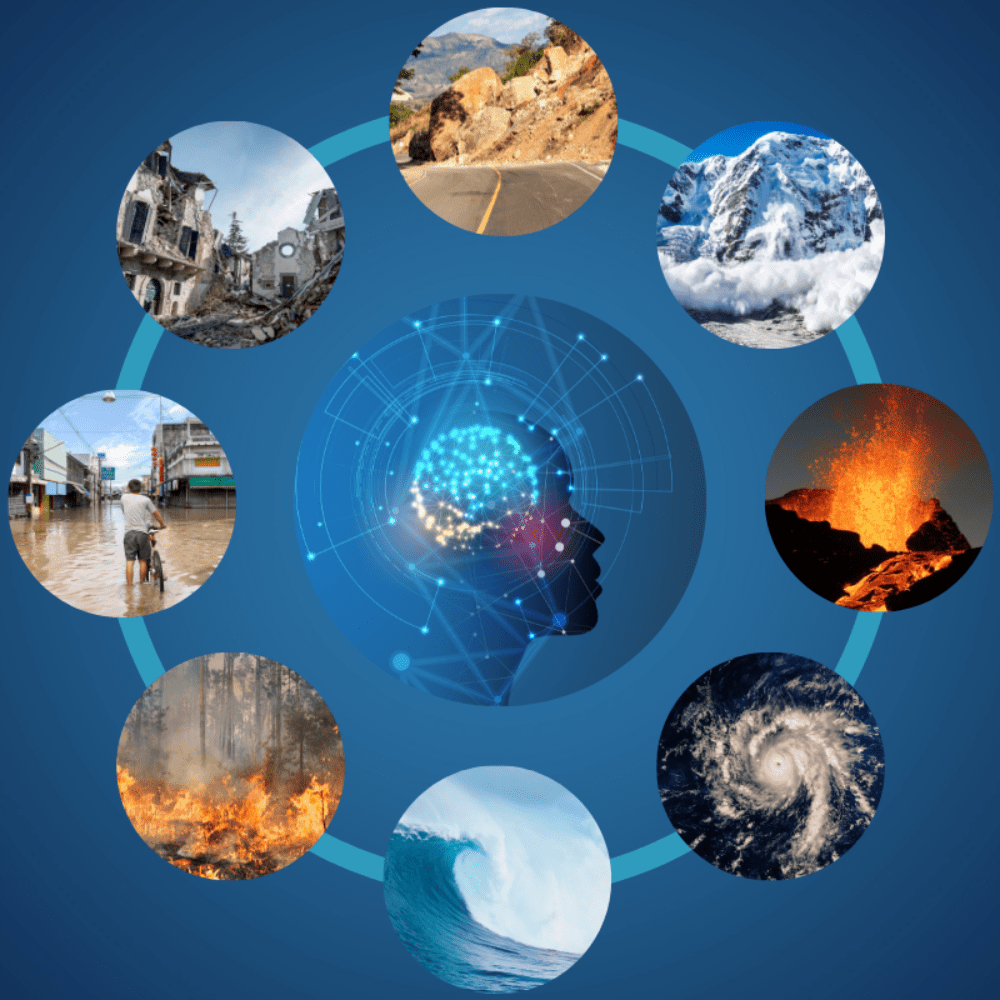
  • Geophysical (e.g., Earthquakes, Landslides, Tsunamis and Volcanic Activity)
  • Hydrological (e.g., Avalanches and Floods)
  • Climatological (e.g., Extreme Temperatures, Drought and Wildfires)
  • Meteorological (e.g., Cyclones and Storms/Wave Surges)

2. Man-Made Disasters

Man-made disasters are extreme hazardous events that are caused by human beings. Some examples of man-made disaster emergencies include chemical spills, hazardous material spills, explosions, chemical or biological attacks, nuclear blast, train accidents, plane crashes, or groundwater contamination.

Man-made disasters have an element of human intent, negligence, or error involving a failure of a man-made system, as opposed to natural disasters resulting from natural hazards. Such man-made disasters are crime, arson, civil disorder, terrorism, war, biological/chemical threat, cyber-attacks, etc.

Man-made disasters can be caused by :

  • Environmental Degradation
  • Pollution
  • Accidents (e.g., Industrial, Technological and Transport usually involving the production, use or transport of hazardous materials)

Though weather and geologically related disasters are considered to have generated the greatest number of deaths and economic loss, disasters generated by humans are increasing in importance. As society has become more complex, it is evident that people are increasingly responsible, directly or indirectly, for the consequences of events previously ascribed to forces beyond their control. Globalization is now carrying industrial production to previously agrarian societies. The risk from the unintended release of hazardous materials is becoming ever more widespread. Potentially hazardous products are now available in communities and populations which do not have adequate regulations governing their use and, in fact, may not even be aware of their presence or health risks. Rapidly increasing transport of people and commodities across continents means that transportation disasters pose increasing threats to millions.

Disaster Management

Disaster Management can be defined as the organization and management of resources and responsibilities for dealing with all humanitarian aspects of emergencies, in particular preparedness, response and recovery in order to lessen the impact of disasters.

Disaster management conveys the important idea that protecting populations and property also involves the estimation of risks, preparation, activities which will mitigate the consequences of predictable hazards and post-disaster reconstruction in a way that will decrease vulnerabilities. An important goal is building a culture of awareness that preparation is not only possible, but also will greatly reduce the consequences from disasters in terms of human and economic loss.

An effective response to disaster begins with effective planning, but must include many other steps. Each of these steps depends on the strength of other links in the disaster management chain. While no one organization or group ‘owns’ a disaster, the ultimate responsibility rests with governments to protect its people against disaster. No government can carry out these responsibilities without cooperating with many other groups in a country. Disaster management planning is often seen as a separate activity from the main functions of governments and organizations.

Conclusion :

Disaster management is the only way to mitigate the effects of all these hazards. Advance planning is always needed to keep the items of emergency for any disaster. Guidelines are also to be prepared in the form of booklets and circulated to the educated individuals. Awareness camps are to be organised for public. Training is yet another initiative. Training involves the duties and responsibilities, efforts to sustain, role of employees/NGOs, risks, errors, behavioural patterns, recovery techniques, communication channels, safety rules, priorities and security measures. Knowledge of water quality, sanitation, first aid, emergency medicines, electricity controls and gas usage are needed. Evacuation, reporting and alert procedures, are the other major initiatives. Proper insurance policies, alterations to existing buildings, changes in business locations and other resources are to be planned, for future disaster mitigation.


Disaster Management

A disaster is a sudden, calamitous event that seriously disrupts the functioning of a community or society and causes human, material, and economic or environmental losses that exceed the community’s or society’s ability to cope using its own resources. Though often caused by nature, disasters can have human origins. Disaster Management can be defined as the organization and management of resources and responsibilities for dealing with all humanitarian aspects of emergencies, in particular preparedness, response and recovery in order to lessen the impact of disasters. Disaster management Is a systematic process of planning, organizing, and leading in order to effectively manage the after-effects of a disaster. It aims to reduce the negative impact or consequences of adverse events.

Types of disasters

Disasters can be classified as natural, man-made and human-induced.

Ex. of natural disasters :
Earthquakes
Volcanoes
Floods
Cyclones

Ex. of man-made disasters :
Nuclear leaks
Chemical leaks / spills
Terrorist activities
Structural collapse

Ex. of human-induced disasters :
Global warming
Large scale deforestation
Large scale biological warfare

Disaster Management Cycle

Disaster management is an enormous task. Disasters are not confined to any particular location, neither do they disappear as quickly as they appear. Therefore, it is essential that there is proper management to optimize efficiency of planning and response. Due to limited resources, collaborative efforts at the governmental, private and community levels are necessary.

Disaster Management, and Methodology

Disaster management is a cyclical process; the end of one phase is the beginning of another Timely decision making during each phase results in greater preparedness, better warnings, reduced vulnerability and/or the prevention of future disasters.
Mitigation: Measures put in place to minimize the results from a disaster.
Examples: building codes and zoning; vulnerability analyses; public education.
Preparedness: Planning how to respond.
Example: preparedness plans, emergency exercises/training; warning systems.
Response: Initial actions taken as the event takes place. It involves efforts to minimize the hazards created by a disaster.
Examples: evacuation, search and rescue; emergency relief.
Recovery: Returning the community to normal. Ideally, the affected area should be put in a condition equal to or better than it was before the disaster took place.
Examples: temporary housing; grants; medical care.

VARIOUS PHASES OF DISASTER MITIGATION

Disaster prevention
These are activities designed to provide permanent protection from disasters. Not all disasters, particularly natural disasters, can be prevented, but the risk of loss of life and injury can be mitigated with good evacuation plans, environmental planning and design standards. In January 2005, 168 Governments adopted a 10-year global plan for natural disaster risk reduction called the Hyogo Framework. It offers guiding principles, priorities for action, and practical means for achieving disaster resilience for vulnerable communities.

Disaster preparedness
These activities are designed to minimise loss of life and damage – for example by removing people and property from a threatened location and by facilitating timely and effective rescue, relief and rehabilitation. Preparedness is the main way of reducing the impact of disasters. Community-based preparedness and management should be a high priority in physical therapy practice management.

Disaster relief
This is a coordinated multi-agency response to reduce the impact of a disaster and its long-term results. Relief activities include rescue, relocation, providing food and water, preventing disease.

Disaster management in India

In order to manage the various kinds of disasters occurring sporadically in various parts of India, The Disaster Management Act, 2005 provides for the constitution of the following institutions at national, state and district levels.
National Disaster Management Authority
State Disaster Management Authorities
District Disaster Management Authorities
National Institute of Disaster Management and
National Disaster Response Force