
Durga Puja 2024

Durga Puja: A Vibrant Celebration of Goddess Durga
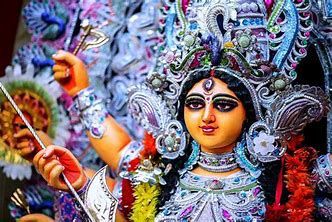
Durga Puja, also known as Durgotsav, is a significant Hindu festival celebrated across India, particularly in West Bengal, Assam, and other eastern states. It honors Goddess Durga, the embodiment of feminine power and strength, and her triumph over evil.

Mythological Significance

The festival is rooted in Hindu mythology, specifically the legend of Goddess Durga’s battle against the buffalo-demon Mahishasura. According to the myth, Mahishasura, a powerful demon, threatened the gods and the universe. Goddess Durga, born from the collective energy of the gods, defeated Mahishasura and his army, restoring balance and peace.

Celebrations and Rituals

Durga Puja is a five-day festival, typically celebrated in September or October, corresponding to the Bengali calendar’s Ashvin month.

Day 1: Mahalaya

  • Marks the beginning of Durga Puja
  • Radio broadcasts of Mahalaya recitations, narrating Goddess Durga’s story
  • Devotees visit temples and offer prayers

Day 2-3: Shashthi and Saptami

  • Idol installation and unveiling
  • Rituals, prayers, and offerings to Goddess Durga
  • Cultural programs, music, and dance performances

Day 4: Ashtami

  • Main puja day, with elaborate rituals and offerings
  • Devotees visit pandals (temporary shrines) and offer pushpanjali (flower offerings)

Day 5: Navami and Vijaya Dashami

  • Final rituals and farewell ceremonies
  • Idol immersion in water bodies, symbolizing Goddess Durga’s return to heaven

Pandals and Idol Making

  • Temporary shrines (pandals) are erected, showcasing elaborate decorations and themes
  • Skilled artisans create intricate clay idols of Goddess Durga and her companions

Cultural Significance

Durga Puja is a celebration of:

  1. Feminine power and strength
  2. Victory of good over evil
  3. Community bonding and socializing
  4. Cultural heritage and traditions
  5. Artistic expression and creativity

Traditional Delicacies

  • Bhog: Offerings to Goddess Durga, including sweets, fruits, and savory dishes
  • Bengali cuisine: Special dishes like khichuri, labra, and mishti doi

Regional Variations

Durga Puja is celebrated differently across regions:

  1. West Bengal: Known for its grand pandals and cultural events
  2. Assam: Focuses on traditional rituals and folk performances
  3. Odisha: Emphasizes temple worship and traditional dances
  4. Delhi: Celebrated with processions and cultural events

Conclusion

Durga Puja is a vibrant and meaningful festival that celebrates the triumph of good over evil, feminine power, and community bonding. Its rich cultural heritage, traditional rituals, and artistic expressions make it a unique and unforgettable experience.

Important Dates

  • Mahalaya: Typically in September or October
  • Durga Puja: Five-day celebration, usually in September or October
  • Vijaya Dashami: Tenth day, marking the end of Durga Puja

Key Locations

  • West Bengal (Kolkata, Howrah, etc.)
  • Assam (Guwahati, etc.)
  • Odisha (Bhubaneswar, etc.)
  • Delhi
  • Other eastern Indian states and cities

Durga Puja: Through The Eyes of A Bengali

Durga Puja is a festival of Hindu origin, which is celebrated predominantly in West Bengal, Tripura, Orissa and Assam, within India. Bangladesh also has their fair share of Pujas. It is annual in occurrence and is an integral part of Shaktism tradition, a branch of Hinduism. It is conducted in accordance to the Indian calendar, in the month of Ashwin (begins at sixth day of Ashwin shukla paksha tithi and ends on the tenth of the same) . Ashwin usually corresponds to September or October in the Gregorian calendar. This is a ten day long festival, and the last five days are of greater significance. Durga Puja also coincides with festivals like Navratri and Dussehra, which are of other traditional significance. 

Nostalgia

Mahalaya marks the start of the journey of homecoming or ‘Agomoni’ of Durga Maa to her natal home. On the day of Mahalaya, Bengalis wake up early in the morning and go to see skits or watch Mahalaya special programs on TV or listen to radios. These mediums, on Mahalaya, present acts or songs, which capture the essence of Puja. Infact, some songs can only be equated to the nostalgia of Durga Puja and nothing else. Or, they narrate the story that is associated with the origin of this tradition. This story can be traced back to the Devi Mahatmya, a text which is recited during the Durga Pujas. It is believed that this text was written back in 400-600 CE and was written in Sanskrit. The popular story that goes down from generation to generation says that, ‘There was a demon Mahishasur, whom the Gods or Devatas were unable to defeat. Finally, they sought the advice of the Trinity, Brahma, Vishnu and Shiva. They created and manifested a superpower, whose soul rose from the holy waters of Ganga, and who was crafted by all the Devas together. That manifestation was Devi Durga. She had ten arms, each hand holding a weapon, given to her by different Gods. Armed with all these weapons, she waged a fierce war against Mahishasur and finally killed him on Maha Dashami.’

Get, Set, Puja

The main Puja starts from Maha Shashti. The idols are placed in the selected place and elaborate rituals are done to religiously establish the idols and this marks the beginning of Durga Puja. Pujas can be arranged by a single family or by a community. The community Pujas are done in PAndals, constructed specifically for the Puja. Along with Devi Durga, Laxmi, Saraswati, Ganesh and Kartikeya are also worshipped, as according to Bengali culture, they are Devi Durga’s children. Hence she brings them with her, when she visits her paternal home. Maha Dashami marks the end of her visit and the start of the journey back to Kailash,her husband Lord Shiva’s abode. The idols,which are made of biodegradable substances, are submerged in the water bodies.

For Bengalis, Durga Puja is a very big deal. The preparation and shopping starts from months prior to  the actual festival. Pandals start springing up almost a month before the Puja. Nowadays, pandals and Pratimas (the idols) competitions are a rage. So, all the communities strive to make their ones more innovative and crowd attracting. During Puja, anyone might feel like the whole city has descended on the streets. In the big cities and metropolis, you would be lucky if you get to walk on your own feet. The crowd, usually, does a good job pushing you forward. Various pandals are used to address various social issues. Pendal hoping is a favourite activity of the bengalis during the puja and it can only be seconded by the joy of eating street side food. This is actually a notable difference from the rest of India which celebrates different festivals at the same time, as for most of the food consumed during Durga Puja is non-veg. Many people, infact, eat out on all the Puja days.

Also, youngsters really like to tally how many Pujas they have finished visiting with their friends 

Puja gives everyone just the right environment to flaunt their favourite looks and outfits. No one is too over the top during this festival. Infact, try going out in old clothes, you will surely meet a family resistance. People get materials for their social media posts for a long time with all the pictures taken during puja. Also, going out with friends is met with no resistance during Puja. Another aspect of pandal hopping is that many young ones aspire to find their one true love in these Puja crowds. And if you already have someone, then Puja literally gives a free pass to go out with them, without the usual dose of hide and seek from people. 

That is true for the night life. But during the day, Pandals are filled with people, mostly from the neighbouring areas, who come to take Pushpanjali (offering flowers to Gods). The chants and hymns read during the Pushpanjali gives the true experience of the puja. Saptami, Ashtami and Navami are spent more or less in the same fashion. Bengalis basically don’t sleep on the Navami night.

Dashami Day starts with people, especially students offering prayers and possession to be blessed by all the deities. After that, married women partake in ‘Shidurkhela’, an important ritual of Dashami. Arati and Dhunuchi dance accompanied by Dhak is performed before finally moving the idolout for bishorjon (submerging in water). The processions accompanying the idols to Bishorjon are a sight in itself. Bengalis enjoy these final moments and cherish them forever. And see Durga Maa off, with misty eyes and a promise, 

“Asche bochor abar hobe”

Translation: Next year, this will happen again.