
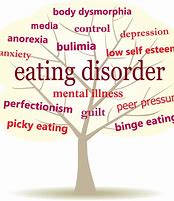
MEANING AND TYPES OF EATING DISORDERS

The Diagnostic and Statistical Manual of Mental Disorders (DSM) recognizes Eating Disorders as a serious mental health condition characterized by unhealthy dietary habits and an obsession with body image, weight and food. This can affect any gender but women have a higher risk of getting affected.

SYMPTOMS

  • Avoiding meals
  • Often checking oneself in the mirror
  • Self isolation. Not interacting with people where food is involved
  • Keeping a check on calories, carbs and content of food eaten
  • Often feeling tiresome
  • Episodes of fainting or feeling dizzy
  • Sudden increase or decrease in body weight
  • Low immunity

Causes

  • Low self esteem
  • Facing other mental disorders such as Depression, Anxiety, O.C.D, etc
  • Impulsivity
  • Strongly following a particular thinking
  • Experience of traumatic events such as bullying or peer pressure in the past
  • Body image dissatisfaction

TYPES OF EATING DISORDERS

PICA

It is a disorder characterized by craving and consumption of non-food materials. It is mostly found to affect children and pregnant women. Common cravings include chalk, clay, ice chips, glue, soap, etc. People suffering from PICA are found to have nutritional deficiency, stomach pain and damaged teeth. The most common causes may include autism, malnourishment, schizophrenia or pregnancy. Advice of a trained medical practitioner is essential to treat this disorder. A doctor may advice the patient to consume Vitamin supplements if the disorder is caused due to Vitamin deficiency. For a person suffering from other mental health disorders including Pica, the doctor may evaluate him/her accordingly and prescribe psychological therapy. For people having intellectual problems, Pica may last throughout their term of life, while for pregnant women and children, it may fade over a couple of months with accurate treatment.

ANOREXIA NERVOSA

This disorder leads people to obsessively think about their body weight and often see themselves as bulky. Patients follow self starvation and keep a high control over what they consume in order to lose as much weight as possible. They often end up having a life threatening low BMI (body mass index). They follow an intake of medicines and induce puking in order to minimise the calories. It is a complex emotionally stressful condition showing behaviors such as following an extreme exercise routine, constantly weighing themselves, paranoid thinking about weight gain, limiting the consumption of meals, feeling anxious or depressed and social isolation. Low confidence, experience of tragic events, societal pressure, etc may contribute in occurrence of Anorexia Nervosa. Medication, counselling with the family and peer, mineral supplements, dietary advice, cognitive behavioral therapy can help resolve the causative factors of Anorexia Nervosa.

NIGHT EATING SYNDROME

According to this syndrome, patients awaken during the nocturnal period and consume food for a period of more than twice a week. It can affect people from all genders. Night eating episodes or excess consumption of food after having an evening meal is associated with NES. It is quite similar to binge eating, wherein a person is unable to control the urge to eat a large amount of food in a short time span. Symptoms include consumption of more calories in the evening, lack of appetite in the morning, skipping breakfast for more than four mornings a week, misinterpretation that eating in such a manner will induce a better sleep, dull mood, etc. Treatment comprises of physiological methods such as maintenance of a healthy sleep habit, consumption of a healthy diet, gaining emotional support, regularly exercising . Application of other strategies like preventing a response to cravings, self monitoring and increasing consumption of food in the daytime is proven helpful.

ORTHOREXIA NERVOSA

People suffering from this disorder have a mania to ingest only healthy and pure food. This disorder makes the desire to eat the right kind of food so intense that, if one consumes unhealthy or imperfect kind of food, they end up fasting or punishing themselves for it. People suffering from it, will often find themselves surfing through food research sites, convincing themselves that the food they have eaten up was pure, being wary of sickness, fearing to eat food served at unknown places or by unknown people over the thoughts that it might not be according to their set standards, etc. This disorder may be a product of consumption of intoxicants, traumatic childhood dietary illness, fear of a developing a disease, etc.

Along with the above mentioned eating disorders, there are numerous other related disorders. According to statistical research, about 70 million people across the globe are diagnosed with an eating disorder once in their lifetime. Among these approximately 10,200 people die annually, due to an eating disorder. It erodes personal relationships, causes psychological stress and major physical complications. Hence, we can conclude that suffering from any eating disorder disrupts day to day living and thus needs a timely diagnosis, medical intervention and treatment.


What Is Stress-Eating or Emotional-Eating? How To Avoid It?

Stress-Eating or Emotional eating is a type of eating that involves people using food to cope with stressful events. Emotional eating affects many people at some point in their lives. It could manifest as boredom eating a bag of chips or a chocolate bar after a stressful day at work. When emotional eating occurs regularly or becomes the primary means of coping with emotions, a person’s life, health, happiness, and weight can all be significantly impacted.

Photo by cottonbro on Pexels.com

Stress and Emotional Eating Triggers

Emotional eating is triggered by a variety of factors, including stress. Other common causes mentioned by people are:

1. Boredom: A typical emotional eating trigger is boredom or a lack of things to do. Many people have very active and stimulating lives, and when they are bored, they turn to eating to fill the void.

2. Habits: These are frequently fueled by nostalgia or events from a person’s youth. Having ice cream after a good report card or baking cookies with a grandma are two examples.

3. Fatigue: When you’re weary, it’s simpler to overeat or eat mindlessly, especially if you’re tired of doing something unpleasant. Food may appear to be the solution to a desire to no longer engage in a particular activity.

4. Social influences: Everyone has that one friend that encourages them to order pizza after a night out, go out for dinner or drinks after a stressful day, or treat themselves for a successful day. When dining with friends or family, it’s easy to overeat.

How to avoid the triggers

1. Recognise the triggers:  The first step in overcoming emotional eating is to recognise the triggers and scenarios that occur in one’s life.

2. Journal or Food Diary: Keeping a food diary or notebook might help you spot circumstances where you’re more inclined to eat for emotional reasons rather than real hunger.

3. Track Your Eating Behaviour: Another technique to obtain insight into one’s eating habits is to track their behaviour. The following are examples of the kind of conduct they may observe:

– Patterns of hunger, perhaps on a scale of 1–10.

– what they’re doing, and whether or not it’s boring and unpleasant.

– what they’re thinking, whether they’re bored or upset.

4. Trying other activities to avoid triggers: – Someone who eats while bored might wish to start reading a new book that seems interesting or take up a new hobby that will provide a challenge.

– To cope with their emotions, someone who eats due to stress could try yoga, meditation, or going for a walk.

– To cope with their negative sentiments, someone who eats while unhappy can call a friend, go for a run with the dog, or arrange an outing.

5. Professional Help: – Talking to a therapist or psychologist about different strategies to disrupt the pattern of emotional eating can also be beneficial.

– A nutritionist or doctor may also be able to refer you to an expert or give you with extra information on how to develop healthy eating habits and improve your relationship with food.

Emotional eating isn’t just about a person’s lack of self-control or a desire to eat less. People who eat to cope with stress, on the other hand, don’t only lack self-control.

HOW TO KNOW WHETHER YOU HAVE AN EATING DISORDER?

BY: VAIBHAVI MENON

“Eat good, feel good.” Food is an essential part of our survival and it can bring us both pleasure and harm. From the womb to the tomb, food is what gives us the nutrients and satisfaction we deserve. Yet food can have some fatal effects which varies from person to person. An eating disorder is a serious mental illness, characterized by eating, exercise and body weight or shape becoming an unhealthy preoccupation of someone’s life. Often people don’t even realize they could be suffering from a eating disorder and this where it becomes a issue.

Symptoms of an eating disorder vary from person to person because they could be suffering from different disorders. Some examples of eating disorders are anorexia nervosa and bulimia nervosa. we can identify symptoms based on In general, behaviors and attitudes that indicate that weight loss, dieting, and control of food are becoming primary concerns Preoccupation with weight, food, calories, carbohydrates, fat grams, and dieting, Refusal to eat certain foods, progressing to restrictions against whole categories of food (e.g., no carbohydrates, etc.), Appears uncomfortable eating around others, Food rituals (e.g. eats only a particular food or food group [e.g. condiments], excessive chewing, doesn’t allow foods to touch), Skipping meals or taking small portions of food at regular meals, Any new practices with food or fad diets, including cutting out entire food groups (no sugar, no carbs, no dairy, vegetarianism/veganism), Withdrawal from usual friends and activities, Frequent dieting, Extreme concern with body size and shape,  Frequent checking in the mirror for perceived flaws in appearance and Extreme mood swings.Some physical symptoms could be Noticeable fluctuations in weight, both up and down, Stomach cramps, other non-specific gastrointestinal complaints (constipation, acid reflux, etc.), Menstrual irregularities — missing periods or only having a period while on hormonal contraceptives (this is not considered a “true” period), Difficulties concentrating, Abnormal laboratory findings (anemia, low thyroid and hormone levels, low potassium, low white and red blood cell counts), Dizziness, especially upon standing, Fainting/syncope, Feeling cold all the time, Sleep problems, Cuts and calluses across the top of finger joints (a result of inducing vomiting), Dental problems, such as enamel erosion, cavities, and tooth sensitivity, Dry skin and hair, and brittle nails, Swelling around area of salivary glands, Fine hair on body (lanugo), Cavities, or discoloration of teeth, from vomiting, Muscle weakness, Yellow skin (in context of eating large amounts of carrots), Cold, mottled hands and feet or swelling of feet, Poor wound healing, Impaired immune functioning Inspite of these signs most tend to ignore it as they are so obsessed with changing themselves that they dont notice the damage they are doing to their body. Therefore these insecurities can have really fatal effects on us without our knowledge. Usually the need to change their body comes through different sources such as family media and other institutions.

It’s important to know that you should know when you have reached your limit and not overwork yourself. if you see signs of an eating disorder its important to visit a doctor or talk to your loved ones for them to help you because in the end of all this your happiness is the priority.