TOP FIVE INFORMATION TECHNOLOGY IN INDIA

Information technology is the use of computer to create, process, store, and exchange all kinds of electronic data and information. IT is typically used within the context of business operation as opposed to personal or entertainment technologies. Here I came with top five most-valuable information technology in India
1) TATA CONSULTANCY SERVICES

Tata Consultancy Services is a global leader in IT services, consulting & business solutions with a large network of innovation & delivery centers. https://www.tcs.com/home TCS is the largest IT services company in the world by market capitalisation ($200 billion). It was founded in 1968 by TATA Sons. It has headquarters in Mumbai, Maharashtra, India. The main service of the company is consultancy, services, outsourcing. TCS is the second largest Indian company by market capitalisation and is among the most valuable IT services brands worldwide.Tata Consultancy Services has around 380,000 offices across 46 countries and 147 delivery centres in 21 countries. There are 378,210 offices in India alone. The revenue of TCS is Rs1.62 trillion in 2020.https://en.wikipedia.org/wiki/Tata_Consultancy_Services

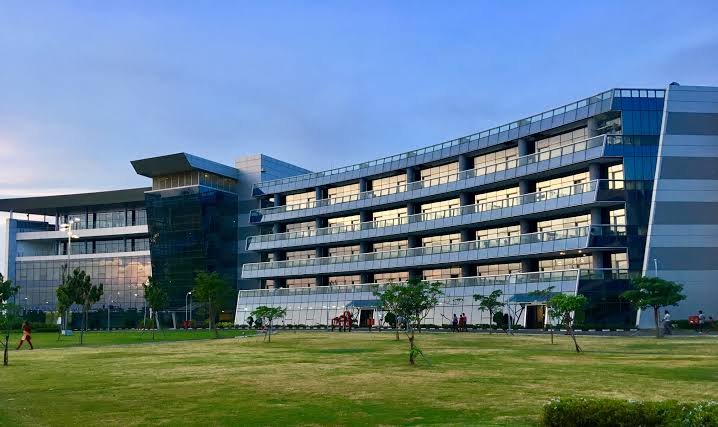
2) WIPRO

Global company delivering innovation-led strategy, technology, and business consulting services. https://www.wipro.com/ Mohamed Premji was founded WIPRO in 1945. It was founded to trade refined oil and manufacturing vegetables. After the death of Mohammad Premji https://en.wikipedia.org/wiki/Azim_Premjihis son Azim Premji took over wipro as chairman in age of 21. During the 1970s and 1980s, the company shifted its focus to new opportunities in the IT and computing industry, which was at a nascent stage in India at the time.In February 2002, Wipro became the first software technology and services company in India to be certified. The revenue of wipro is ₹61,943 crore in 2021. https://en.wikipedia.org/wiki/Wipro

3) INFOSYS

Infosys is a global leader in next-generation digital services and consulting.https://www.infosys.com/ Infosys was founded by seven engineers in Pune, Maharashtra, India with an initial capital of $250 in 1981. Infosys provides software development, maintenance and independent validation services to companies in finance, insurance, manufacturing and other domains.Infosys had a total of 259,619 employees as of 2021, out of which 38.6% were women. Out of its total workforce, 229,658 are software professionals and remaining 13,796 work for support and sales.https://en.wikipedia.org/wiki/Infosys In 2016, 89% of its employees were based in India. The revenue of this company is ₹102,673 crore in 2021. Website is https://www.infosys.com/
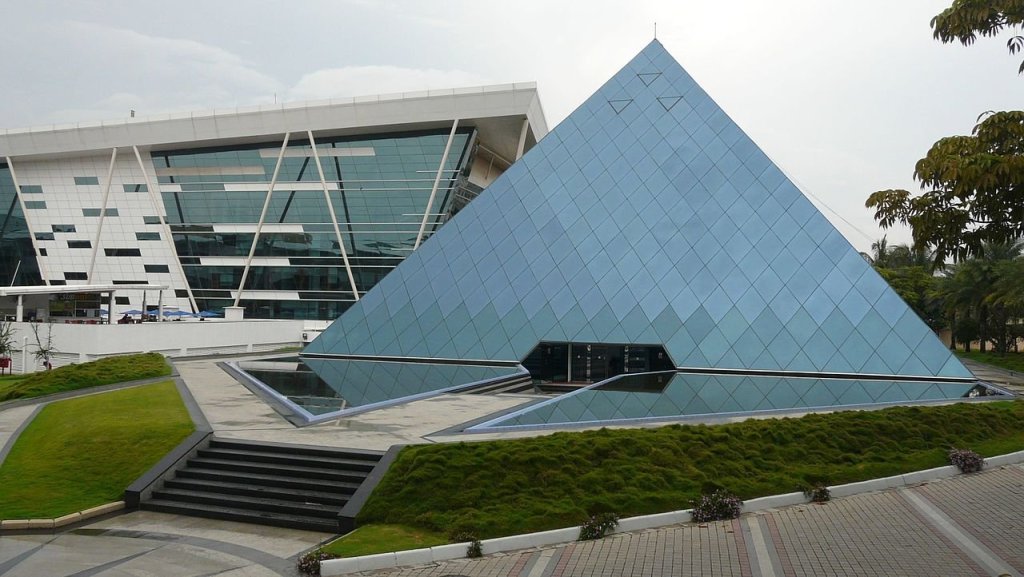
Infosys Pyramid in Bengaluru

4) TECH MAHINDRA

Tech Mahindra is an Indian multinational company that provides information technology and business process outsourcing services. A subsidiary of the Mahindra Group, the company is headquartered in Pune and has its registered office in Mumbai. It was founded by Anand Mahindra. https://en.m.wikipedia.org/wiki/Anand_Mahindra in 1986. This company has services in worldwide.
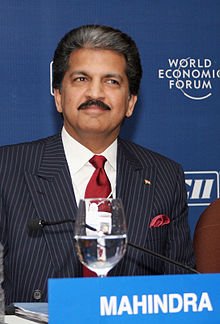
ANAND MAHINDRA

Tech Mahindra have 125,236 (2020) . The revenue of this company is ₹38,642 crore in 2021. Website is http://www.techmahindra.com/

5) HCL

HCL was founded in 1976, HCL is one of India’s original IT garage startups. HCL stands for Hindustan Computers Limited. The company has offices in 50 countries. It was founded by Shiv Nadar https://en.wikipedia.org/wiki/Shiv_Nadar in 11 August 1976. It operates across sectors including aerospace and defense, automotive, banking, capital markets, chemical and process industries, energy and utilities, healthcare, hi-tech, industrial manufacturing, consumer goods, insurance, life sciences, manufacturing, media and entertainment, mining and natural resources, oil and gas, retail, telecom, and travel, transportation, logistics & hospitality. It aslo have services in consulting, outsourcing and software development. The revenue of this company is ₹76,306 crore in 2021. The website for this company is https://www.hcltech.com/.


Founder of HCL

Gig Economy

What Is the Gig Economy?

In a gig economy, temporary, flexible jobs are commonplace and companies tend to hire independent contractors and freelancers  instead of full-time employees. A gig economy undermines the traditional economy of full-time workers who often focus on their career development.

Understanding the Gig Economy

In a gig economy, large numbers of people work in part-time or temporary positions or as independent contractors. The result of a gig economy is cheaper, more efficient services, such as Uber or Airbnb, for those willing to use them. People who don’t use technological services such as the Internet may be left behind by the benefits of the gig economy. Cities tend to have the most highly developed services and are the most entrenched in the gig economy. A wide variety of positions fall into the category of a gig. The work can range from driving for Lyft or delivering food to writing code or freelance articles. Adjunct and part-time professors, for example, are contracted employees as opposed to tenure-track or tenured professors. Colleges and universities can cut costs and match professors to their academic needs by hiring more adjunct and part-time professors.

The Factors Behind a Gig Economy

America is well on its way to establishing a gig economy, and estimates show as much as a third of the working population is already in some gig capacity. Experts expect this working number to rise, as these types of positions facilitate independent contracting work, with many of them not requiring a freelancer to come into an office. Gig workers are much more likely to be part-time workers and to work from home. Employers also have a wider range of applicants to choose from because they don’t have to hire someone based on their proximity. Additionally, computers have developed to the point that they can either take the place of the jobs people previously had or allow people to work just as efficiently from home as they could in person.

Economic reasons also factor into the development of a gig economy. Employers who cannot afford to hire full-time employees to do all the work that needs to be done will often hire part-time or temporary employees to take care of busier times or specific projects. On the employee’s side of the equation, people often find they need to move or take multiple positions to afford the lifestyle they want. It’s also common to change careers many times throughout a lifetime, so the gig economy can be viewed as a reflection of this occurring on a large scale.

During the coronavirus pandemic of 2020, the gig economy has experienced significant increases as gig workers have delivered necessities to home-bound consumers, and those whose jobs have been eliminated have turned to part-time and contract work for income. Employers will need to plan for changes to the world of work, including the gig economy, when the pandemic has ended.

Criticisms of the Gig Economy

Despite its benefits, there are some downsides to the gig economy. While not all employers are inclined to hire contracted employees, the gig economy trend can make it harder for full-time employees to develop in their careers since temporary employees are often cheaper to hire and more flexible in their availability. Workers who prefer a traditional career path and the stability and security that come with it are being crowded out in some industries.

For some workers, the flexibility of working gigs can actually disrupt the work-life balance, sleep patterns, and activities of daily life. Flexibility in a gig economy often means that workers have to make themselves available any time gigs come up, regardless of their other needs, and must always be on the hunt for the next gig. Competition for gigs has increased during the pandemic, too. And unemployment insurance usually doesn’t cover gig workers who can’t find employment.

In effect, workers in a gig economy are more like entrepreneurs than traditional workers. While this may mean greater freedom of choice for the individual worker, it also means that the security of a steady job with regular pay, benefits—including a retirement account—and a daily routine that has characterized work for generations are rapidly becoming a thing of the past.

Lastly, because of the fluid nature of gig economy transactions and relationships, long-term relationships between workers, employers, clients, and vendors can erode. This can eliminate the benefits that flow from building long-term trust, customary practice, and familiarity with clients and employers. It could also discourage investment in relationship-specific assets that would otherwise be profitable to pursue since no party has an incentive to invest significantly in a relationship that only lasts until the next gig comes along.

Unemployment

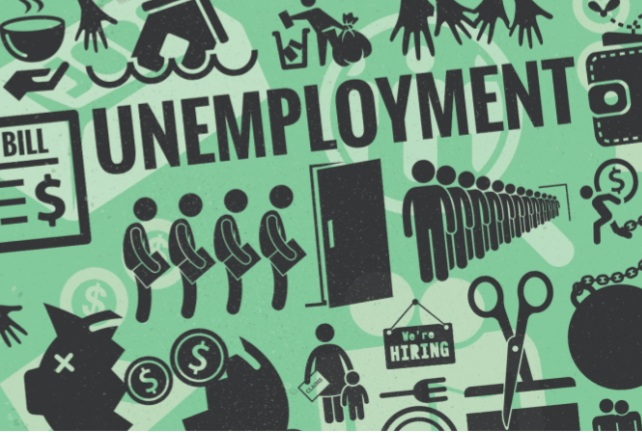
Unemployment has become one of the biggest problems around the world. When an individual is an implied, he or she will know very less about the mankind. It is so difficult to face situation and handle situations when the individual is unemployed. Unemployment leads to many silly mistakes. And an unemployed person cannot take over the family and lead the family as well. There is a huge competition in highly populated countries like India. In order to be employed, the only method is to study hard and improve the skills and score better. Basically, the students are not showing good amount of interest towards the studies. Let us now see how to motivate them.

Covid crisis has made many people unemployed. It has taken away the basic need of living. Many people are left with the unfilled stomachs. Some people are dead about by not finding a way to live.

Types of unemployment :

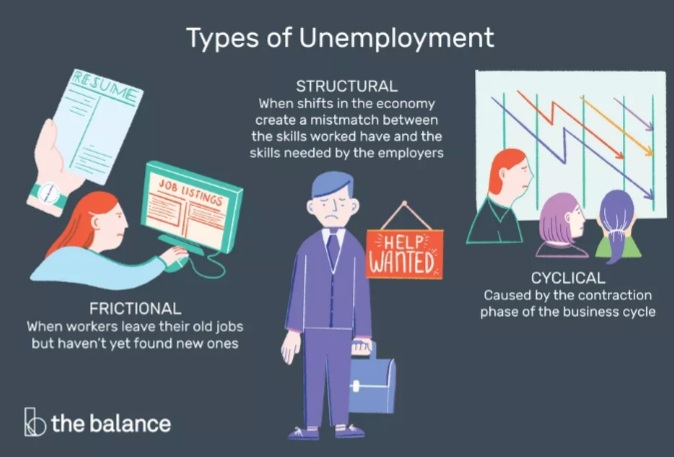
There are four main types of unemployment in an economy frictional, structural, cyclical, and seasonal and each has a different cause.

1. Frictional unemployment :

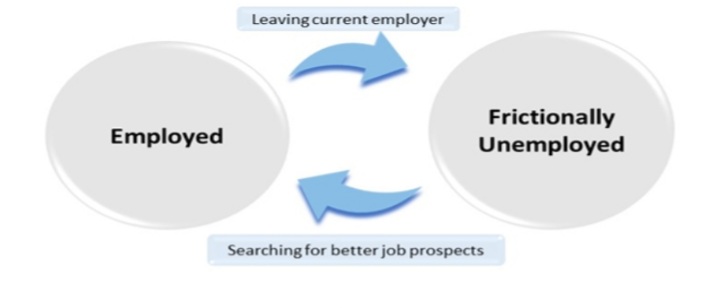
Frictional unemployment is caused by temporary transitions in workers lives, such as when a worker moves to a new city and has to find a new job. Frictional unemployment also includes people just entering the labor force, such as freshly graduated college students. It is the most common cause of unemployment, and it is always in effect in an economy.

2. Structural unemployment :

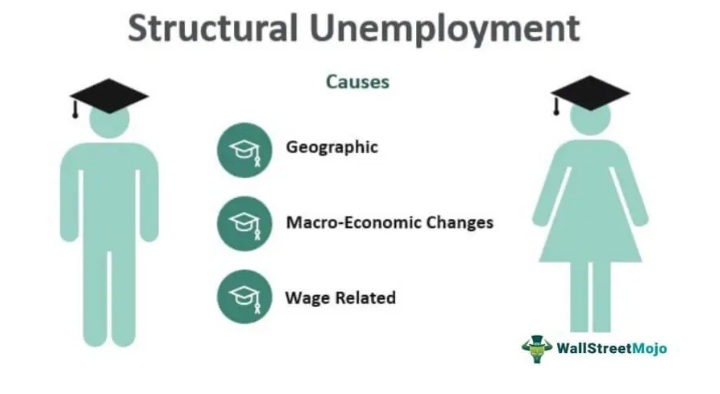
Structural unemployment is caused by a mismatch in the demographics of workers and the types of jobs available, either when there are jobs available that workers don’t have the skills for, or when there are workers availabes but no jobs to fill. Structural unemployment is most obvious in industries undergoing technological advancements.

3. Cyclical unemployment :

Cyclical unemployment is caused by declining demand. When there is not enough demand in an economy for goods and services, businesses cannot offer jobs . According to keynesian economics , cyclical unemployment is a natural result of the business cycle in times of recession: if all consumers become fearful at once, consumers will attempt to increase their saving at the same time, which means there will be a decrease in spending, and businesses will not be able to employ all employable workers.

4. Seasonal unemployment :

Seasonal unemployment is caused by different industries or parts of the labor market being available during different seasons. Fot instance, unemployment goes up in the winter months, because many agricultural jobs end oncr crops are have harvested in the fall, and those wotkers are left to find new jobs.

Consequences of unemployment in an Economy :

Low unemployment is key to economic stability High and long- term unemployment can cause significant stress on a nation in three key areas.

* Individuals :

Unemployed people have no ability to fulfill their financial obligations and can become mentally stressed, ill, and even homeless.

* Economic efficiency :

During times of high unemployment many job seekers will accept new jobs below their skill level, a situation called “underemployment ” which translates to a loss of human capital for an economys labor market. Unemployed workers will also significantly decreases their consumer spending, which is one of the driving forces of economic growth. Without consumer spending, the economy will slow dramatically.

* socio- political stability :

If unemployment remains high, citizen dissatisfaction can rise to the point of widespread civil unrest.

Possible solutions for Unemployment :

Solving unemployment is a hotly debated topic, and no economists agree on one simple way to do it. However, in the U.S ,if unemployment rises noticeably, the government usually steps in with specific policies designed to lower the total number of unemployed people.

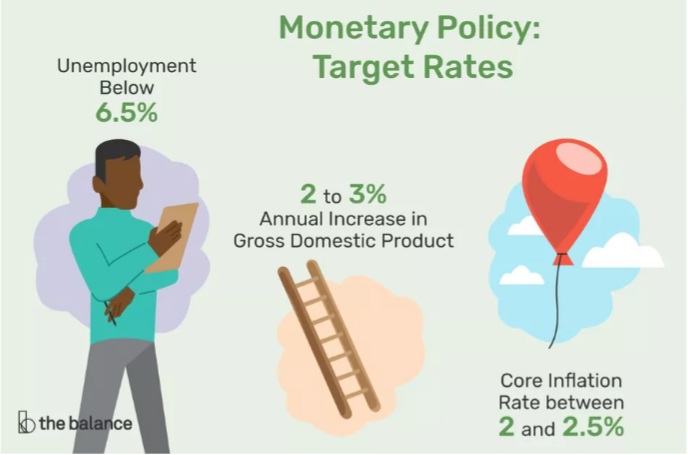
1. Monetary policy :

Monetary policy is financial influence implemented by a central bank . Monetary policies usually come in the form of lower interest rates, which increase the total money supply within an economy by allowing banks and businesses more access to loans and therefore, more accessible spending power.

2. Fiscal policy :

If expansionary monetary policy doesn’t adequately lower the unemployment rate government agencies will turn to fiscal policy. Fiscal policy is fiscal stimulus implemented by the national government and fiscal policies include spending on infrastructure, proposingtax cuts , increasing the minimum wage, or implementing unemployment benefits. These methods are designed to inject more demand into private economy and strengthen economic activity.

Let us now see some of the ways to motivate the students to study and get employeed.

Make things easier :

Showing the things easier and explaining them with clarity helps the students to show better interest on the subject and makes them to pay more attention on what the teacher is trying to convey. When the topics are shown easier for the students, they start learning them and they feel achieved and they pay more attention to study. When a student learns a particular topic or a question, he/she feels comfortable and happy for getting it. Once if they start reading, they develop the interest in them and they continue to read more and more.

Tell the importance :

The students must be motivated with good number of words to understand the need of studying and what happens if they don’t study. A student is like a bird without the wings when they don’t study. So, it is very important to motivate students to study and to make them understand the need of the situation. Motivation brings the right change in the students who are not interested in learning. It develops the interest in them to study.

It seems good if the government provides good number of jobs.

E-COMMERCE

In India, the marketing environment is shifting. From the last ten years to the present, the consumer marketing trend has shifted dramatically. In India, the local environment has altered in terms of infrastructural, social, and economic factors. The popularity of online marketing is growing across a wide range of people of various ages. E-commerce is growing as a new market that has the potential to contribute to economic progress. 

INTRODUCTION:

E-commerce is a platform for businesses and consumers to buy and sell goods and services through the internet. The term “electronic commerce” refers to the use of telecommunication networks to expand a company’s market and retain client relationships. “Businesses and their customers use e-commerce software to conduct transactions. Customers can order things, verify orders and track shipment, review prior transactions, reorder products, and manage their accounts with them 24 hours a day, seven days a week.” (From 2009 to 2012, Auburn See Wolf llc) 

India’s economic industry is on the rise and experiencing a growth spurt. The Online Travel Industry is one of India’s most important segments of ecommerce, and it is flourishing because to the country’s Internet-savvy urban populace. Private companies such as Make my trip, Clear trip, and Yatra were part of the online travel sector. The government has also launched IRCTC, an Indian Railways project that has proven to be successful. The online classifieds market is expanding as well. It is organized into three categories: employment, matrimonial, and real estate. Due to the fast development in the number of mobile users in India in recent years, mobile commerce is proving to be a robust and secure supplement to ecommerce. 

According to a research by the Internet and Mobile Association of India, India’s e-commerce business is growing at a 70 percent yearly rate and has increased by more than 500 percent since 2007. E-commerce and digital downloads are predicted to develop quicker, while online travel will continue to dominate the sector. The following are the primary sectors in the e-commerce industry: 

Travel- 51% 

E-Retailing-40% 

Cothiers-09% 

Unique Features of E-commerce Technology:

1. E-Commerce: is Technology-Enabled: While traditional commerce has existed since the dawn of time, E-commerce is the result of the integration of digital technology into business processes and commercial transactions. Internet, WWW, and different protocols are the technological basis of E-commerce.

2. Virtual Communities: are online communities formed through the use of tools such as chat rooms and specially designed websites where people with common interests may connect with one another over the internet. 

3. Customization: The world is moving away from mass-production and toward mass-customization, thanks to the use of E-commerce technology. Product customization guarantees that goods are created to clients’ specifications and preferences. 

4. Intercommunication: E-commerce technology allows buyers and sellers to communicate in both directions. Firms can communicate with customers via E-commerce enabled websites on the one hand. Customers, on the other hand, can fill out order forms, provide comments, and contact with the companies who run the business. 

5. Universality: E-Commerce allows people to buy and sell things all over the world using websites. The websites are universal in that they may be accessed from anywhere in the world at any time.