Health Education

A sound mind lives in a sound body’.

Introduction

Health education is a profession of educating people about health. Areas within this profession encompass environmental health, physical health, social health, emotional health, intellectual health, and spiritual health, as well as sexual and reproductive health education.

Health education teaches about physical, mental, emotional and social health. It motivates students to improve and maintain their health, prevent disease, and reduce risky behaviours. It also focuses on emotional, mental and social health too. Educating students on the importance of health builds their motivation.

Health education is one strategy for implementing health promotion and disease prevention programs. Health education provides learning experiences on health topics. Health education strategies are tailored for their target population. Health education presents information to target populations on particular health topics, including the health benefits/threats they face, and provides tools to build capacity and support behavior change in an appropriate setting.

History

From the late nineteenth to the mid-twentieth century, the aim of public health was controlling the harm from infectious diseases, which were largely under control by the 1950s. By the mid 1970s it was clear that reducing illness, death, and rising health care costs could best be achieved through a focus on health promotion and disease prevention. At the heart of the new approach was the role of a health educator.

Code of ethics

The Health Education Code of Ethics has been a work in progress since approximately 1976, begun by the Society for Public Health Education (SOPHE).

“The Code of Ethics that has evolved from this long and arduous process is not seen as a completed project. Rather, it is envisioned as a living document that will continue to evolve as the practice of Health Education changes to meet the challenges of the new millennium.”

Importance of Health Education .
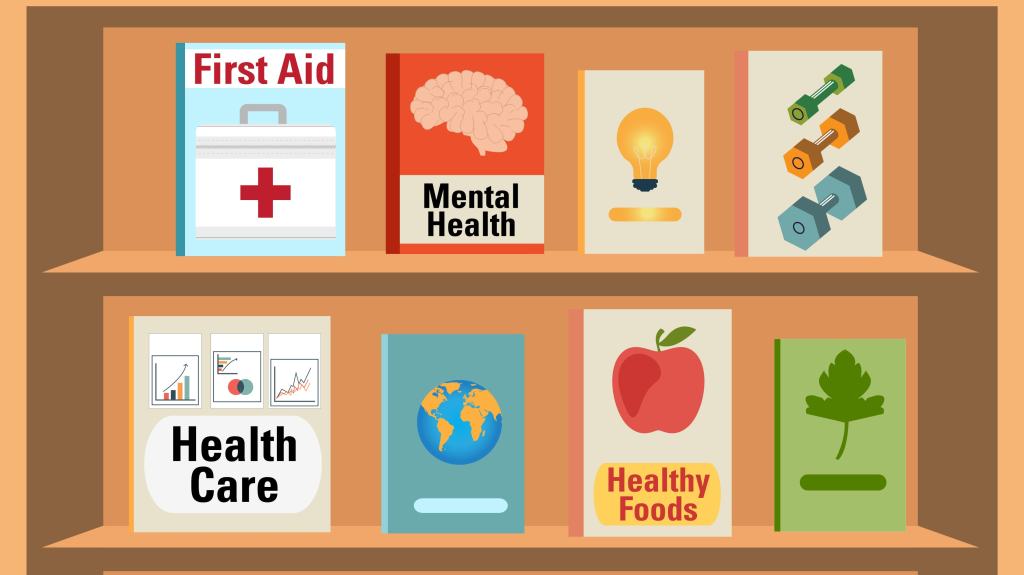
Health education builds student’s knowledge, skills, and positive attitudes about health. Health education teaches about physical, mental, emotional and social health. It motivates students to improve and maintain their health, prevent disease, and reduce risky behaviours.

Health education curricula and instruction help students to learn skills so that they will use to make healthy choices throughout their lifetime.

Health education teaches people of all ages about how diet and exercise contribute to a healthy lifestyle. It also encourages positive changes in behaviour and lowers the risk of addiction to drugs, alcohol and unsafe sexual practices. The majority of schools around the country have courses aimed at teaching health education to students. These courses often revolve around the body, healthy eating, sex and exercising. Some students are taught basic health and physical fitness early on. More in-depth courses are designed for middle and high school students.

Health education encourages a person to make healthy choices. They are instructed to avoid unhealthy habits. ‘A sound mind lives in a sound body’. Rabindranath Tagore and C.V. Raman, if they were confined to sick bed, could not have won the Nobel Prize. In fact, a sickly student with all his talents and abilities lags behind in the race of life.

Health education also teaches about the emotional and mental health of the student. A healthy person is the happiest person in the world.

Link
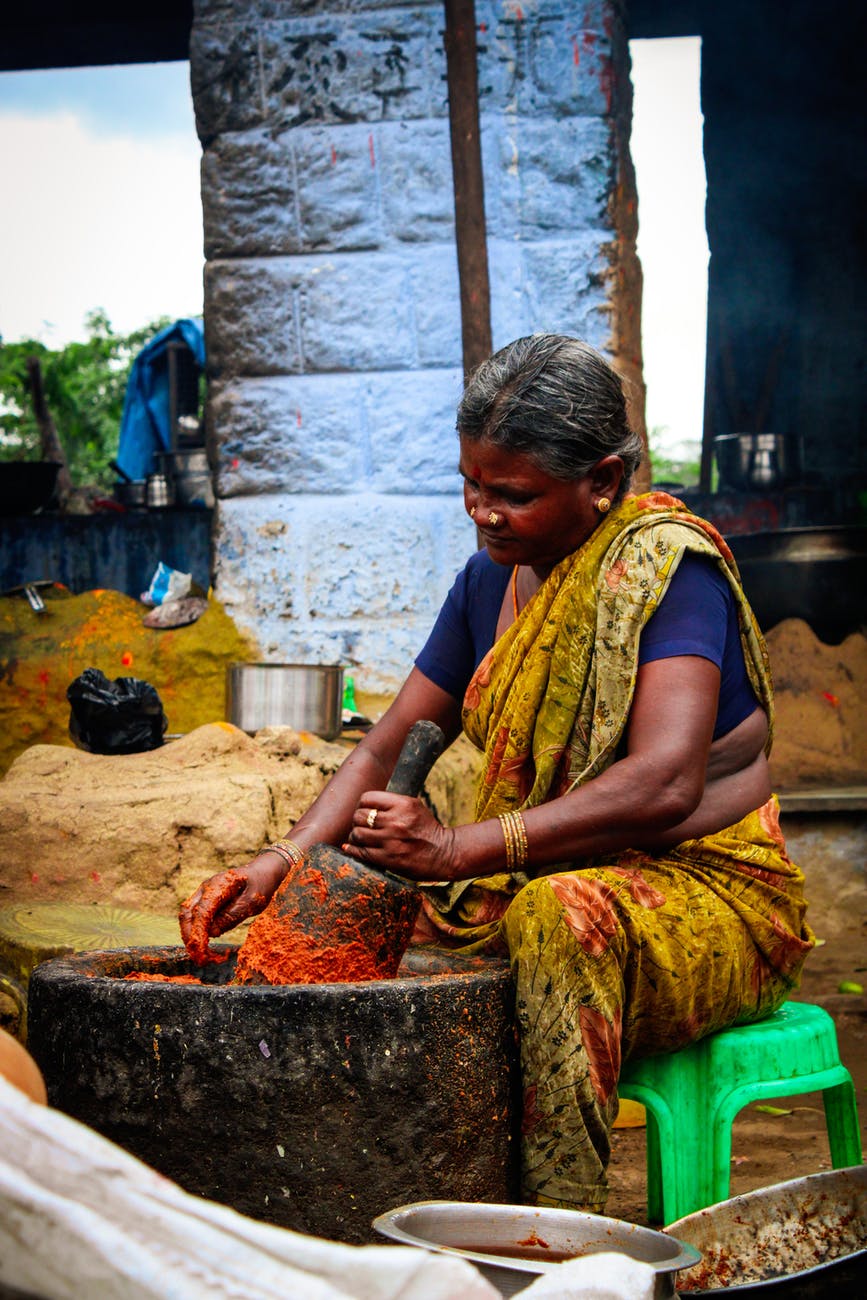

Women in the pandemic

Women , the primary caregivers of almost every family of our country, tend to be the most discriminated against in almost every sphere- whether social, economic, political and especially health. And now as we are stuck in the pandemic, we are bound to bounce back decades on our progress made on poverty, education and healthcare. (Source:  https://unstats.un.org/sdgs) , and the women will , once again, be on the frontline.

Photo by vivek on Pexels.com

LOSS OF LIVELIHOOD-

With the female LFPR of 20.8% in 2019(fallen from 30.27% in 1990) that was not even half the global average of 47% and the women’s share in new formal payrolls below 20% in August 2020, India was no country for working women even before the pandemic. And now, due to the pandemic, women who earlier accounted for only 24% of the total workforce, now share 28% of the total number of jobs lost.

Reasons:

  1. According to Mckinsey study, women did 75% of the world’s total unpaid work. With people being stuck in homes due to the pandemic, the household workload on women increased indefinitely, which is why many of them left their jobs.
  2. Either due to pregnancy and related reasons or due to vaccine hesitancy, fewer women were taking vaccine jabs.
  3. Women are more likely to engage in unorganized sector, hence, being more prone to loosing jobs in such times of crisis. (eg.- tailoring and stitching, house-help)

Post pandemic, women are 11 times more unlikely to return to work and women comprise 48.04% percentage of the population. For a country that wishes for a speedy economic recovery as well as future growth, a 79.8% (and increasing) working population being a liability on the economy doesn’t align well with its economic ambitions.

Degrading social status-

With increased news publishing related to domestic violence, child marriages, sexual abuse and women trafficking during the pandemic, it’s hardly an assumption that the conditions of women will deteriorate further in days to come.

Reasons:

  1. With decreasing family incomes, women school dropout rate has increased and will continue to do so in the near future.
  2. With everything going online, children with no digital equipment accessibility lag behind. The households that are able to afford internet connectivity and mobiles give preference to their male child.
  3. Due to being stuck in the house, the female members spend a larger amount of time doing house-hold work. So, they find less time to devote to studies that now require more effort. Also, it tends to align them more towards house-hold work as well as present them primarily as caregivers amongst the younger generations.
  4. Women increasingly suffer from online harassment. In such cases, it takes a larger amount of time to track down the perpetrator as the person’s identity is unknown.
  5. With the administration occupied with covid-19 management, the cases of child marriage, trafficking and domestic violence are on rise. Women, being stuck in the same house as their molester and many-a-times being financially dependent on them due to job-loss during pandemic, find it difficult to file a complaint.

Health Concerns-

In India, women already suffer from malnutrition, morbidity and various maternal as-well-as reproductive health issues. In addition to this, women are more prone to mental health issues as well. As of July 2005, women represented approximately 40 percent of HIV/AIDS cases in India. These situations of pandemic are bound to worsen the already poor conditions of female health.

Reasons:

  1. The reduction in supply of food due to reducing incomes affect the food security of women the most when compared to any other member of the family.
  2. Women can, now, no longer afford menstrual sanitation products and contraceptives
  3. Being a victim of domestic violence or even stress, a woman’s mental as well as physical well-being will be neglected.
  4. Women with underlying health conditions have, due to declining economic resources, experienced worsening health conditions as a result of skipping medical care.

What can be done??

  1. The PDS system should be expanded to provide dry ration for a longer duration as well as larger amount. It should also include sanitary napkins .
  2. Through ASHA workers, the government should spread awareness related to reproductive health, hygiene and mental health as well.
  3. The government can grant free internet as well as set up mobile towers in areas of low connectivity. Also, internet cafes following proper covid-19 norms should be set up to provide digital equipment to those who cannot afford them.
  4. MGNREGA scheme should be expanded to incorporate the increased number of unemployed with special provision for women, including larger number of working days for all and social schemes should be set up for informal sector workers.
  5. Social awareness about letting girls continue their studies, as well as, motivating women to join workforce when situation stabilize is an important step.
  6. A national helpline number bringing together all NGOs who have come forward to help should be set up. It will make identifying those in need easier, with a uniform toll-free number as well as added government expertise.

Conclusion:

Women can be the backbone of economic development in times of crisis. Making right developments towards women’s issues now could prove to be beneficial to the country’s economy as well as society in the long run.

Brief History of Hindi Cinema.

In the course of its long history, the Hindi Cinema has gone through constant evolutions and is still witnessing massive socio-cultural changes, however, from substantive and insular point of view; the Hindi Film Industry still retains its own unique and peculiar characteristics. Since the beginning, the Hindi Cinema has drawn its inspiration from the styles and aesthetics of the mega diverse Indian culture.

In general great emphasis has been put on classical Indian traditions over the years including Indian storytelling, epics, and poems and like. Although movies came to India in July 1896 as famous French Lumiere Brothers screened their short films in Watson Hotel, Mumbai, the first ever Indian film was ‘Raja Harishchandra’, a mythological film released in 1913 directed by Dada Saheb Phalke, who is often called as the father of Indian Cinema.

Film Poster of Raja Harishchandra, 1913.

Raja Harishchandra being a silent film had Hindi, Marathi and English interfiles. In 1905, filmmaker Hiralal Sen documented “Swadeshi Movement of India” and screened it at Town Hall, Calcutta on 22nd of September which is considered as India’s first political film. H.S. Bhatavdekar’s first movie and the first film by an Indian Filmmaker was shot in 1899 in which he shot a Wrestling Match in Mumbai’s Hanging Gardens. By the 1930s, the industry was producing 200 films per year and it was in 1931, the industry had its first sound film named ‘Alam Ara’ by director Ardeshir Irani which had a mixture of both Hindi and Urdu.

Alam Ara, India’s first Sound Film. (1931)

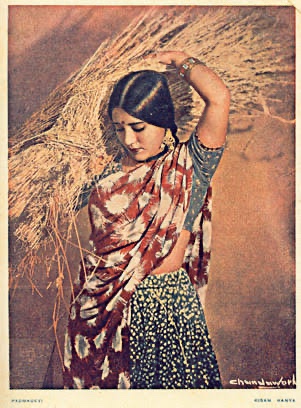
Since then the talkie films quickly were in high demand by the audience mostly in big cities and hence the industry permanently switched to sound films. The first ever Hindi color film was released in 1937 by Ardeshar Irani named “Kisan Kanya ”, however the colour films became popular among the audience only in late 1950s and early 1960s. The industry has also witnessed the breakdown of the studio system and complete on location shooting over the years. At present, Hindi Cinema produces over 1000 movies per year.

A still from Kisan Kanya (1937).

The Song and Dance Sequences

As mentioned earlier, the Hindi movies have always been a reflection of Indian culture and so hasn’t been any Hindi movie without a song till date. Two of the major characteristics of Hindi Cinema are songs and dance sequences. In fact, these two unique features are considered as the ‘peculiarities’ of Hindi Cinema which separates it from Hollywood or any other foreign film industry. In earlier times whenever there was a requirement of steamy scenes in movies, the protagonists, that is the hero and the heroine used to indulge into a song and dance sequel. The song and dance sequences pop up here and there according to necessary requirements and situations. The 1932 movie Indra Sabha was one of the first Indian movies with over 70 songs.

Film Poster of Indra Sabha (1932).

Truly, Hindi Cinema has entertained audiences worldwide for more than a century now. Informally and popularly known as Bollywood, Hindi Films will always have a special place in hearts of millions of Bollywood fans!

Paris Agreement and Climate Change

Introduction

The Paris Agreement is an international treaty on climate change which is legally binding. It was adopted on 12th December 2015 by 196 parties at the Conference of the Parties (COP) 21 and it came into force on 4th November 2016. The goal of this agreement is to limit global warming to almost 2 degrees Celsius but ideally 1.5 degrees Celsius, as compared to the pre-industrial levels. Every country creates an NDC (Nationally Determined Contributions) wherein the countries mention the actions they will take to reduce their Greenhouse Gas emissions. The Paris Agreement also recognizes the financial differences of the countries and says that the developed countries should take the lead when it comes to providing financial assistance and help the vulnerable countries. The progress of the agreement is being tracked by the creation of the Enhanced Transparency Framework (ETF), under which, starting from 2024, the countries will report on the actions taken and the progress, transparently.

COP 26

The 26th Conference of the Parties was originally scheduled from 9th to 19th November 2020 but due to COVID-19, it was postponed to 1st to 12th November 2021, in Glasgow, UK. Several unresolved issues from the Paris Agreement are to be resolved during this Conference, such as governing of carbon markets and the accountancy of climate finance. The developing nations pointed fingers at the rich nations to fulfil their promise of finance. They also highlighted the lack of urgency from the recent G7 and G20 summits.

COP 26 has to finalize the rulebook that implements the 2015 Agreement. The nations have to give the climate-vulnerable nations the $100 billion annually as promised in 2009. They have called for almost 50% of funding to be allocated towards future climate adaptation, plus a separate allocation for the loss and damage that has already been inflicted on the poor nations.   

Other Climate Change Agreements

Montreal Protocol, 1987 – This agreement is not aimed towards dealing with climate change however it is an important environmental agreement. This agreement required the countries which have ratified it, to stop producing products that damage the ozone layer, such as, chlorofluorocarbons (CFCs).

UN Framework Convention on Climate Change (UNFCCC), 1992 – This is the first-ever global treaty that directly addresses climate change. This treaty established the annual forum named the Conference of the Parties (COP). Agreements such as the Kyoto Protocol and the Paris Agreement came into existence through these forums.

Kyoto Protocol, 2005 – It was adopted in 1997 and came into force in 2005, it is known as the first legally binding climate treaty. The goal of this treaty is to reduce emissions by an average of 5% below the 1990 levels although the treaty did not force developing countries.

Effects of Global Warming

  • Shrinking of Glaciers
  • Ice on rivers and lakes break earlier than usual
  • Plants and animal ranges have shifted
  • Trees flower sooner
  • Loss of sea ice
  • Accelerated rise of sea level
  • Intense heatwaves
  • More droughts
  • Changes in precipitation patterns
  • The frequency of cyclones will increase and will be more intense
  • The Arctic is likely to become Ice-Free

Conclusion

Heat Waves have been recorded in the United States of America and Canada this 2021. This is only just more proof of Global Warming and its effects. This will keep increasing if the countries don’t take the agreements like the Paris agreement seriously. More importantly, the rich countries need to finally start acting responsibly and fulfil their promises to save the planet.  

References

Deserts

In the world we find varied geographical regions which includes mountains, plains, deserts, plateaus all with their own physical features. Desert is basically a piece of barren land which is filled with sand and lacks water bodies and have dry weather all along. In day time deserts are extremely heated up and at night it becomes chilling cold at the same place. In the Indian subcontinent we find desert in the western part of the subcontinent in the state of Rajasthan.

The animals and plants in the deserts have their own adaptations, among plants we find a variety of cactus, cactus plants have special adaptations to survive in the desert, they have fleshy stem which holds water in them which turns out to be useful when there is scarcity of water also they have very long roots which can penetrate deep inside the soil in search of water also they don’t have leaves and have thorns in place of them in cactus the food is prepared in the step as it contains chlorophyll and is green in color. Also, we find camel in desert their feet have adaptation to walk on the sand also they can survive with less water and they have long eyelashes to protect their eyes from dust storms.

Types of Deserts :

1. Coastal Deserts :

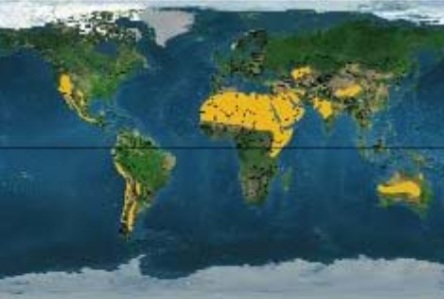
Coastal deserts occur in cool to warm areas along the coast. They have cool winters and long, warm summers. Coastal deserts are located on the west coasts of continents between 20° to 30° lattitude. Winds off the coast blows in an easterly pattern and prevents the moisture from moving onto the land. The Namib desert in Africa and the Atacama desert in chile are coastal deserts.

2. Subtropical Deserts :

Subtropical deserts the hottest deserts. They are found in Asia, Australia, Africa and North and south America. In the united states, the chilhuahuan, sonoran and Mojave are all subtropical deserts. Subtropical deserts are very hot and dry in the summner and cooler but still dry in the winter. Rainfall happens in short bursts. The air is so hot and dry in these deserts that sometimes rain evaportaes before it even has a chance to hit the ground. The soil in subtropical deserts is usually either sandy or coarse and rocky.

Plants and animals in subtropical deserts must be able to withstand the hot temperatures and lack of moisture. Shrubs and small trees in the subtropical desert usually have leaves adapted to retain moisture. Animals in sbtropical deserts are usually active at night, when it is cooler.

3. Cold wintet Deserts :

Cold winter deserts are also known as semiarid deserts . They have long, dry summers and cold winters with low rain or snowfall. In the united states the Great basin, the colorado plateau and the Red Desert are all cold winter deserts. Other cold winter deserts include the Gobi desert in china and Mongolia and the patagonian desert in Argentina. The lack of rainfall in cloud winter deserts is often caused by the rainshadow effect. The rainshadow effect happens when a high mountain range stops moisture from reaching an area. The Himalayan Mountain prevent rainfall from reaching the Gobi desert.

4. Ploar Deserts :

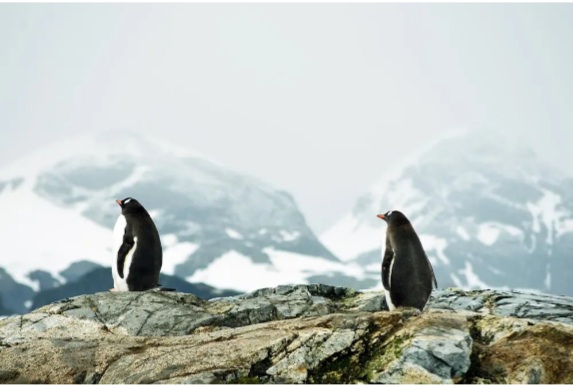
Polar deserts are found in the Arctic and Antarctic regions. Like warmer deserts, they also get very little precipitation.polar deserts are cold year- round.

Largest Desert in the world :

The antarctic polar Desert, which makes up the vast majority of Antarctica, is the largest desert in the world. In fact this single desert is larger than the combined size of the Gobi Desert, the Arabian Desert, and the sahara Desert.

* The driest desert of the world Atacama is surely the most dangerous desert of all.

The strongest animal in the Desert :

Based on strength to weight ratio, the dung beetle of the scarab is the strongest creature on earth. They can lift 1141 times their own body weight. It helps them a lot in finding the mate and food. The dung beetles also constitute a large percentage of scarab family.

The 7 hardest Animals to Hunt :

* Leopards

* Mountain Goats.

* Elk

* Eland.

* cape Buffalo

* Roan and sable

* Bears.

what can kill you in the Desert?

Aside from the oppressive heat and lack of water, the desert is also full of critters that can bite and sting. Some of these guys can even kill you if you aren’t able to find medical help. Spiders, scorpions, centipedes, and snakes are all found in dark places , abandoned builidings and under rocks.

Most Famous Deserts :

* Namib Desert – Africa

* Atacama Desert – South Americs.

* sahara Desert – Africa

* Gobi Desert – china

* Mojave Desert – Nevada

* Antarctic Desert – Antarctica

* Sonoran Desert – USA

* Thar Desert – India

* Rub’al khali – saudi Arabia

* Tabernas Desert – spain

* Taklamakan Desert – central Asia

* pinnacles Desert – Australia

* Salar de uyuni Desert – Bolivia

* Dasht- e kavir – Iran

* Chihuahuan Desert –New Mexico

* White Desert, Farafra – Egypt

Saving Biodiversity

We have lost 7% of intact forests since 2000 globally. Climate change along with pandemic exerts an additional stress on ecosystem. Focusing on maintaining a healthy ecosystem concept of “ONE HEALTH” for all organisms should needed to be in cooperated everywhere. In 2018 India, PM’s science and tech and innovation advisory council in consultation with MO environment, forest, climate change, approved a National mission on biodiversity and human well being. Banglore based biodiversity working in prepare road maps on same. This will strengthen science of restoring, conserving, and sustainably utilizing India’s natural heritage and target. India will emerge as a leader linking conservation of natural assets and socialist well-being.

Important framework: Mission offers a holistic framework, integrated approaches, and widespread societal participation and empower India to restore, our natural assets by millions of crores of rupees, mitigation programs, biodiversity-based agriculture while also creating millions of green jobs in restoration of degraded lands (1/3 of total land) and nature tourism, helps to meet convention on biological diversity, generate a strong national community committed to sustaining biodiversity, Scientific inputs, especially related to geospatial informatics and policy, can guide the development of strategies for conservation and ecosystem management.

Need for a cadre:

  • We need a strong and extensive cadre of human resources required to meet the enormous and complex environmental challenges of the 21st century.
  •  It needs training professionals of the in sustainability and biodiversity science, along with an investment in civil society outreach.
  • Public engagement, whether it is in the policymaking arena, or in exploration, restoration and conservation of biodiversity, is a critical component of the planned Mission.

Music – Unarticulated yet a Beautiful Language

Photo by cottonbro on Pexels.com

Every living creature living in this universe is divided into different fragments of communities and societies. These societies are present in different countries and parts where we are all unique by the language and culture which we follow which represents our originality.

One thing which we all are united with each other is “Music”. It is one simple form of Art that makes all of us as one human being Community. The beautiful thing about Music is that it doesn’t need any language to be understood neither one tries to understand, rather music is a language of the heart. It is a feeling that everyone connects when they hear music.

Music in Diversity

A language, country, and Culture have always made a bridge among people and created consequences and war between them, but the only thing which unities all humans and breaks these boundaries are the presence of Music.

 In Today’s era, we are all Living in Multicultural communities where we have different types of music tastes and our preferences are unique just like us,  We have people around us who listen to different types of music which don’t match with ours, yet we are all united by music.

Music always creates a sense of belongingness among each other, even though we are unaware of each other’s religion, language and country but through music, it keeps us closer to each other.

We all have some kind of music that connects to our hearts and feelings, we get more connected because the magic a musician uses connects with our own life.

Music is a medium through which our soul remains blissful and we feel stressed from our bustling lives.

For decades, Music is one of those art forms which have revolutionized in many versions but have always gained popularity due to the sense of connectedness between the audiences and the Musicians.

Dated back then, when people used to watch operas which were one of the common elite forms of entertainments, which not only portrayed music but traveled through many stories through the tune of every string played through the music Instruments.

Music took a major role in plays and dramas, which is still Engraved in our magnificent history. It has also contributed a massive hand in legends of  Literature. There were many prominent writers like Jane Austen and Pablo Neruda who claimed music as one of the key factors of human harmony.

Music always renovates as the decades passed by, presently music comes under the Category of Pop Music or Pop culture where many bands are popularizing music by making people aware of how music is important and how it plays a vital role to connect and how even in today’s generation music is helping society to know about the moral attitudes which we all need as human beings.

There are several forms of Music, taking one of the examples is K Pop Music which is gaining worldwide recognition with a high amount of social awareness. We can never forget some great bands like “The Beatles”, who are still considered one of the best Classical bands to date.

BTS“, one of the famously known Boy Bands who are on the top-notch with the extraordinary songs and contribution they are providing to the music industry. There is a fandom for BTS all over the world that shows us that people don’t need any language to get connect rather it’s a heart-to-heart language to understand and feel the music.

Music was never meant to be always vocal, sometimes just a tune is all you need to connect, as rightly some artists like Mozart, Chopin’s explained us through their beautiful music.

Music Is a language that not only connects with a mind and body but also with a soul. No matter whatever the occasion is we humans were bound with music and music has different versions for different situations. The world of Music accepts a very living being that has a soul to connect with.

“We all just need a music to connect, rest the music will ultimately unite us with its alluring tune which strings with our heart forever”.

Music – Unarticulated yet a Beautiful Language

Photo by cottonbro on Pexels.com

Every living creature living in this universe is divided into different fragments of communities and societies. These societies are present in different countries and parts where we are all unique by the language and culture which we follow which represents our originality.

One thing which we all are united with each other is “Music”. It is one simple form of Art that makes all of us as one human being Community. The beautiful thing about Music is that it doesn’t need any language to be understood neither one tries to understand, rather music is a language of the heart. It is a feeling that everyone connects when they hear music.

Music in Diversity

A language, country, and Culture have always made a bridge among people and created consequences and war between them, but the only thing which unities all humans and breaks these boundaries are the presence of Music.

 In Today’s era, we are all Living in Multicultural communities where we have different types of music tastes and our preferences are unique just like us,  We have people around us who listen to different types of music which don’t match with ours, yet we are all united by music.

Music always creates a sense of belongingness among each other, even though we are unaware of each other’s religion, language and country but through music, it keeps us closer to each other.

We all have some kind of music that connects to our hearts and feelings, we get more connected because the magic a musician uses connects with our own life.

Music is a medium through which our soul remains blissful and we feel stressed from our bustling lives.

For decades, Music is one of those art forms which have revolutionized in many versions but have always gained popularity due to the sense of connectedness between the audiences and the Musicians.

Dated back then, when people used to watch operas which were one of the common elite forms of entertainments, which not only portrayed music but traveled through many stories through the tune of every string played through the music Instruments.

Music took a major role in plays and dramas, which is still Engraved in our magnificent history. It has also contributed a massive hand in legends of  Literature. There were many prominent writers like Jane Austen and Pablo Neruda who claimed music as one of the key factors of human harmony.

Music always renovates as the decades passed by, presently music comes under the Category of Pop Music or Pop culture where many bands are popularizing music by making people aware of how music is important and how it plays a vital role to connect and how even in today’s generation music is helping society to know about the moral attitudes which we all need as human beings.

There are several forms of Music, taking one of the examples is K Pop Music which is gaining worldwide recognition with a high amount of social awareness. We can never forget some great bands like “The Beatles”, who are still considered one of the best Classical bands to date.

BTS“, one of the famously known Boy Bands who are on the top-notch with the extraordinary songs and contribution they are providing to the music industry. There is a fandom for BTS all over the world that shows us that people don’t need any language to get connect rather it’s a heart-to-heart language to understand and feel the music.

Music was never meant to be always vocal, sometimes just a tune is all you need to connect, as rightly some artists like Mozart, Chopin’s explained us through their beautiful music.

Music Is a language that not only connects with a mind and body but also with a soul. No matter whatever the occasion is we humans were bound with music and music has different versions for different situations. The world of Music accepts a very living being that has a soul to connect with.

“We all just need a music to connect, rest the music will ultimately unite us with its alluring tune which strings with our heart forever”.

THE REAL SLUMDOG MILLIONAIRE- KALPANA SAROJ

Most of us are well known about Indian famous women personalities like Kalpana Chawla, Kiran Bedi, Indira Gandhi, Saina nehwal and etc.. because we always do listen their successful stories in many meeting as an inspiration. Today I’m going to post about the life story of Kalpana Saroj who is the most struggled women personality and who became as an industrialist with out having any degree and competed equally with the top most business personalities.

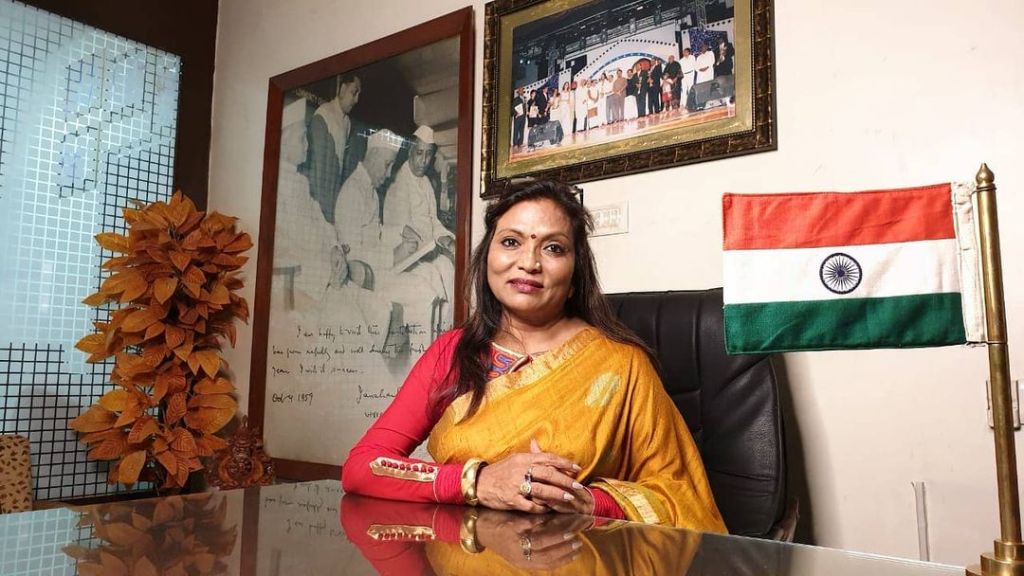
Kalpana Saroj is a female entrepreneur and Tedx speaker. She was born in 1961 in Roperkheda village, Maharashtra, India. She is the chair person of “ kamini Tubes” and bagged the honourable “Padma shri “ award in 2013 in the field of Trades and Industries. She is described as the real “ SLUMDOG MILLIONAIRE ” and also sometimes considered  as India’s first women entrepreneur.

EARLY ROOTS OF HER LIFE:

Kalpana was born in a Dalit family and her father was a constable. As she was from Dalit community, she is refused by everyone in her school. At that time’s, there was a custom to marry of the girls at an early age. Similarly, Kalpana parents were also fixed her alliance at the age of twelve years. After her marriage she move to the slum area of Mumbai along with her husband’s family. At a very tender age she faced torture in both physically and mentally at her mother-in-law house. She became as a sex toy to her husband and as a maid to her mother-in-law.

When her father visited her after the six months of marriage, he was shocked to see her daughter in horrible situations at her home and he immediately took her back to home. After moving back to her native place she was taunted by every person in her village and later after same days, she mentally got weaken and attempted suicide. After her suicide attempt, she became strong and empowered with regained energy and again moved to Mumbai in the search of her new life.

BUILDING A NEW PATH IN HER LIFE:

As and when she moved to Mumbai she started working as a tailor in a garment factory, with in a few months she mastered at the art of sewing and managed to get get a decent hike but when the things in her life was improving suddenly her life took an U-turn with death of her younger sister who was died because of insufficient amount of money for the treatment, Then she got realized about the importance of money in once life.

After few months of her sister’s death, she decided to begin a new life in the form of business. One day she heard about the Government loan scheme for Dalits in radio and she applied for that scheme. After the Government loan got sanctioned, she turned that amount into a few sewing machines and started working sixteen hours per day on them. As it is a profitable venture she got profits in her first business and she started investing the profits on the furniture business along with the tailoring business.

ENTERING INTO THE REAL TIME BOOM MARKET:

One day, a man approached Kalpana with a proposal of buying land, at a price of 2.5 lakhs which was caught in legal troubles because of having the need of money urgently, he supposed to sell his land to kalpana. Kalpana grabbed that opportunity and gave him a lakh in advance and paid the remaining amount within a few months. For two years, she fought the legal battle and cleared the litigation issue of the land.

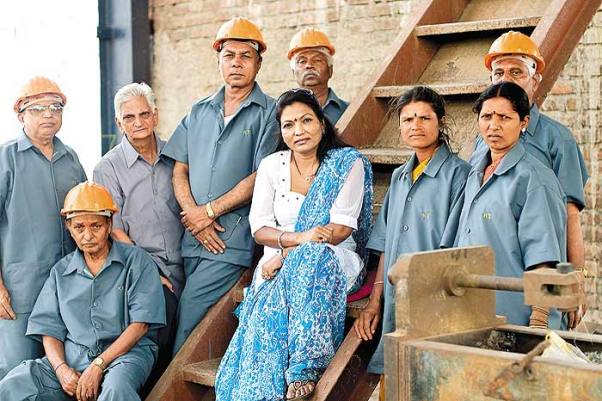
The workers of Kamani Tubes( A metal engineering company) got impressed with her logical and entrepreneurial skills in dealing with the land litigation issue they approached her to take charge over the company and settle the debts. With her perseverance and patience she cleared all the debts of company in the short span of time and restructured that company to bring back to profit’s path with her entrepreneurial and managing skills.

Today, She is the chairperson of an Industrial setup and owns net worth of 112 million dollars(Rs. 2000 crore). She also started a film production house which is named as KS FILM PRODUCTION. This is the successful story of Kalpana Saroj who crossed many barriers to reach this position. Her life shows us the reality of facing hardships with out giving up. Soon, Kalpana Saroj biopic is going to be filmed out in future where we can see her struggles clearly in that film.

CONCLUSION:

Guys finally do remember that, “Life is full of events and situations which act as a sources of infinite wisdom. We have to find ways out of the multitude of adversities which will teach us valuable lessons on the importance of will power and hard work”

Steam Deck: Nintendo Switch's newest competitor

Steam is a digital marketplace and is owned by Valve Corporation. Valve Corporation has published numerous games but in recent years they have been trying to enter the space of hardware. On November 10, 2015 Valve launched its first game controller for connecting to PCs and their own Steam machines (A prebuilt PC developed by Valve which was designed to operate Valve’s Linux-based SteamOS via the Steam client). The Steam controller was discontinued in 2019 and with modest sales.

Steam deck is Valve’s foray into the handheld console space. The Handheld space is currently dominated by Nintendo Switch. With 84.59 million of units sold since its launch in 2017, Switch has been one of the most successful consoles in the current gaming generation.  The most unique thing about Switch is that it can be switched from a handheld design to a home console with the help of a dock accessory.

Steam deck is essentially a PC on the go with very impressive hardware specifications. The handheld is equipped with a 7-inch diagonal display with 1200x800 pixels and 60 Hz refresh rate. It has an AMD APU (Processor) with Zen 2 architectures and 4 cores/8 threads. With 16GB LPDDR5 RAM and storage options ranging from 64GB eMMC($399) , 256GB SSD($ 529) and 512GB SSD($ 649).

Since the late 80s, Nintendo has been the reigning king in the portable gaming space. After the success of Switch, Nintendo revealed the new switch pro which has an OLED display upgrade. This will surely enhance the experience in the console but many were disappointed with no hardware upgrade. Nintendo Switch is still running an Nvidia Tegra custom chip which is severely underpowered and the console struggles to even play Nintendo’s core games with 30 FPS. This means that compromises have to be made to make a game run of the system. Another aspect is that the failure of Sony’s PS Vita (Sony’s portable handheld) failed against the Nintendo 3DS of the previous generation. Sony did not attempt to compete against Nintendo. This meant that there were no major competitors against Nintendo and the company has become somewhat complacent. The launch of Steam Deck also means that there is another competitor against the Switch and this will lead to healthy competition and ultimately it’s a win for the consumers. With 1.6 TFLOPS of GPU power its significantly more powerful than the Switch. Another point to be noted is the versatility that the Steam ex provides. The Deck essentially is a PC and this means that it runs on Valve’s version of Linux OS and by connecting it to a dock via a USB C and it also has full Bluetooth 5.0. This means that you can use it to hook the device up to a full-sized monitor and work on any productivity applications as well. Due to its open nature, even Windows can be installed on the deck. This means that it will be much more flexible than any of its competitors. There have been many recent smaller projects that have attempted a similar portable gaming PC, but Valve (Steam’s parent company) has a much deeper pocket and experience in its hands. The console will be shipped by the end of December 2021. There is no guarantee that this system will be a success but it surely will make the handheld space more exciting.    

Pilpantri: a model of environmentalism and feminism

Pilpantri, a village with a population of 8000 , located in Rajasmand district of Rajasthan has been a matter of pride for the entire nation. It is the perfect example of how the cycle of change starts from one person itself. This small village has been attracting attention from all over the world due to its efforts of saving the environment and promoting the girl child birth and education. Now, feminism and Rajasthan in one sentence may be shocking to some as Rajasthan has a tanned image for female infanticide, child marriage and is considered to be one of the least progressive state for females. However, times are changing. Pilpantri, itself being an example of this change which has made it a role model of eco feminism.

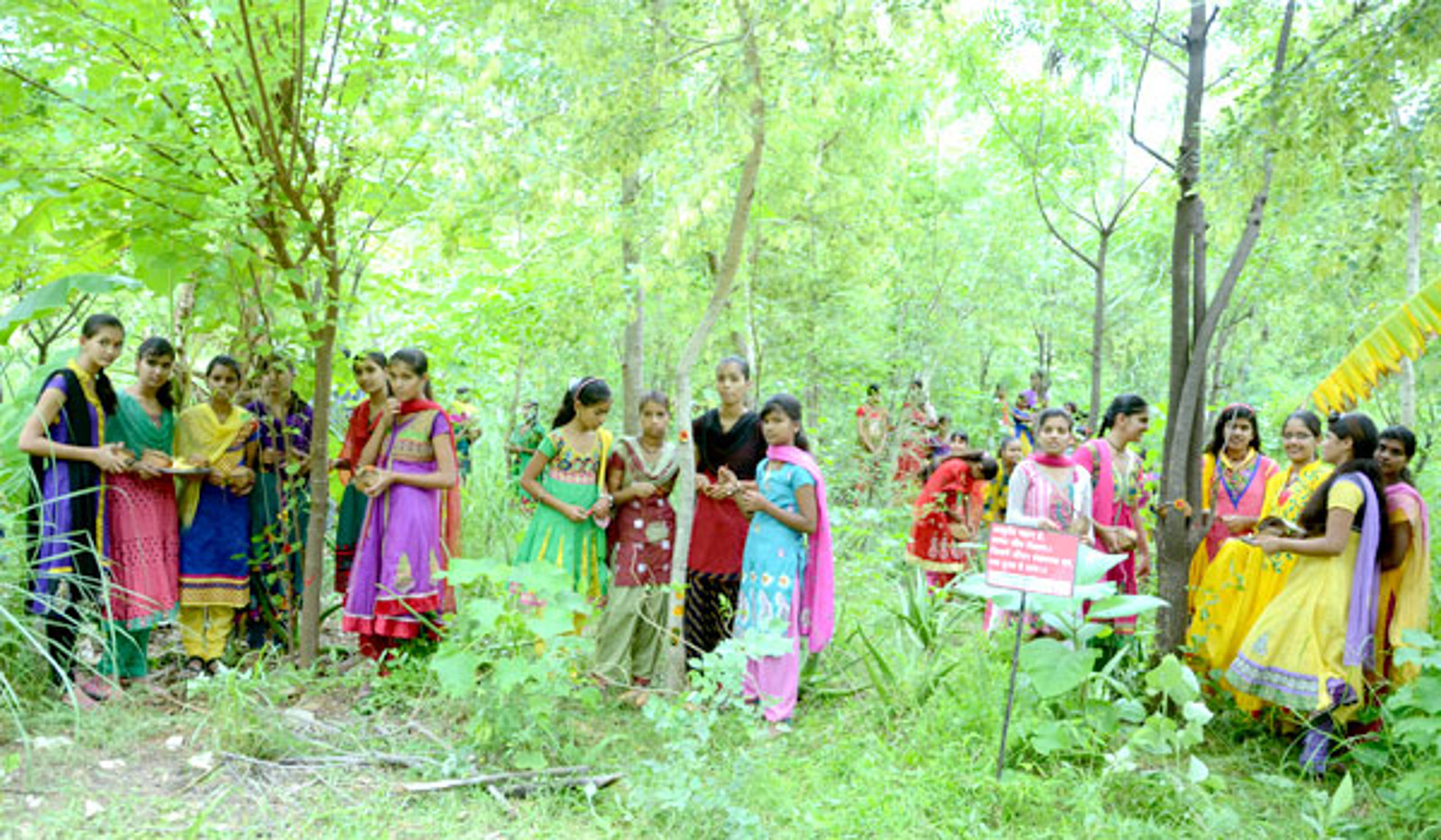
This village plants 111 trees for every single girl child being born there. The number of trees being “111” for every girl child has a different story behind it. India is a land of traditions which is what makes us unique. It is a tradition in India that on every auspicious occasion a donation of 101, 111, 1100 or the similar numbers being made ,which is termed as “shagun” in Indian terms. The traditions when used in an innovative way may prove extremely beneficial for the present times. The plantation of such a huge number for every girl child born increases the green cover around the village protecting the people there from the pollution and its aftermath, which is one of the biggest problems in India. The saying “Nature has solution to every problem provided you regard it well” holds true.

History of the plantation drive

In 2005, when Shyam Sunder Paliwal had taken over as the village sarpanch, the entire area surrounded by hills was denuded for mining. The district of Rajasmand is known for marble block mining and is the largest producer of marble in the entire country. Mining leads to the loss of vegetation and invites several problems in the mined areas such as floods, water logging, soil erosion as the natural protectors of environment i.e. the trees are sacrificed in mining and no or least attempt is made to restore them.

Two years later, when Kiran , Paliwal’s 17 year old darling daughter died due to dehydration, he decided to honor her by planting a tree in her name on the village entrance. He then thought of implying this scheme for the birth of every daughter in the village . Not only to celebrate the birth of a girl (which is a very rare practice in India) are trees planted but also to commemorate the lives of those who died. The village plants 11 trees in the memory of every person that dies here.

Pilpantri as a model of feminism

In India, where patriarchy has a strong hold, females are neglected since birth and are seen only as an institution to carry on the generations forward. The birth of the female becomes a matter of shame for the family while some starts to worry about the dowry of a new born girl. To put a stop to all these problems, the people came with a very “horrifying” solution which is to kill the girl before she is born. A report suggests that in Rajasthan, the child sex ratio is 888 girls per 1000 boys. The census also revealed that of total deaths in Rajasthan, over 20% of them were infant deaths. Overall, the female child population (age 0-6) between 2001 and 2011 dropped by 3 million. One journalist referred to this as “the silent genocide.” Female infants are sometimes tragically killed by opium poisoning, starvation, or even being crushed with stones or drowned in water.

Pilpantri , a small hamlet not only cares for the environment with every girl born but also secures her future through the various schemes implemented by the village. As reported by The Hindu, Rs. 21,000 is collected from the village residents at the birth of a girl child and Rs.10,000 from the girl’s father and this sum of Rs. 31,000 is made into a fixed deposit for the girl, with a maturity period of 20 years. Also, the village authorities make these parents sign an affidavit promising that they would not marry her off before the legal age, send her to school regularly and take care of the trees planted in her name.

When the girls grow up, they tie Rakhi( a holy sibling bond signifying the protection of each other) to the trees.

Pilpantri as a model for environmentalism

According to a report by BBC, the region now has more than 350,000 trees, from mango and gooseberry to sandalwood, neem, peepal and bamboo, growing across the once-barren lands and covering an estimated 1,000 hectares. To plant the trees what is required is soil and water along with the saplings. The more the greenery, it will attract higher numbers of birds , bring more rain and prosperity to the region.

The village has also developed a water harvesting system , where the run off rain water is collected through ditches, bunds and dams. Now, clear pools of water shone and adorn the village attracting animals like geese and rabbits.

Also, to protect the large number of trees from termites villagers plants aloe vera in large amounts near the trees which in turn is utilized by the women of the village to make aloe juice ,gels and cosmetics for sale in the market, increasing the village economy and their independency.

In 2018 the state government instituted a training center there to educate people on the “Piplantri Model”. The building hosts engineers, officials and residents from other districts who hope to replicate Piplantri’s model of water harvesting and tree planting elsewhere in Rajasthan and the country. As many as 50 to 60 visitors come to Piplantri some days – most of whom come to attend workshops in the training center – and the village even has a set of cottages to house them. 

Now, the birth of a daughter is no more considered to be a burden but a matter of pride and celebration. It is the efforts of Shyam Sunder Paliwal which have adorned the earlier dried village considering females as a burden , into a developed hamlet which is an inspiration for the entire country in more than one ways. The woman has been associated with “fertile lands” in literary terms by many poets since ancient times . It is not only because of her ability to reproduce which gives her this association but also her ability to nurture and regrow an arid land of which Pilpantri is the best example.

A LETTER TO THE MOTHERLAND

Hello motherland, I hope you are fine, I can only hope this because your children living here are not completely loyal to you.

Since long time you have been through many things and faced a lots of challenges. You have seen people changing, their changing lifestyles and even their behaviour towards you. During ancient times people used to discover things from you, they only used natural things like branches of trees to cook food, stones to setup fire and made tools from them. People at that time were totally dependent on you for everything from eating to wearing to shelter. As the time passes, in the medieval time people were more developed and found ways to rule over you. Different communities were made and people got divided according to their power and started making policies and planning to rule over a large piece of land this way you got divided into several religion and genders. Coming to the Modern Times now no one is afraid of you, everyone is seeking their benefit and doing whatever they wish to do without taking any precautions. Use of plastic bags, burning of crackers on festivals, wastage of water, deforestation etc all are leading to the serious conditions of the health of the motherland. Today’s society is always busy on technology and this too is creating a lot of junk on land and in people’s mind. They are harming the land as well as their health conditions. Due to huge amount of pollution, Ozone Layer has got a black hole in it and still people are not aware that it can cause serious skin problem like skin cancer.

As human beings have troubled you so much, the day will come when you will trouble us and I think the day has arrived, that is why in many parts of the world people are facing floods and even drought, heavy rainfall and even areas with graphic heat. You have suffered a lot and now that one day is very close when everybody will suffer and realise that what you have gone through.
Nowadays oxygen is free of cost and is God gifted but that day is very near when people will have pay for it. Everyone on the streets would walk by carrying oxygen cylinders on their back and masks on their face due to pollution and harmful waves. The harmful rays or pollution are not only affecting the life of people but also affecting the biodiversity. India, which is famous for its Bengal tiger is now found very rarely, butterflies which were in large quantities are now decreasing rapidly. Many of the birds and animals have been extinct because of unnecessary hunting in past and present by various kings and famous personalities in order to outshine others. Due to the overuse of the resources the time will come when the rivers will dry up and nothing will be left for the future, due to the present scenario it seems that the only thing we can leave for future generations are the photographs and paintings of the wildlife resources.

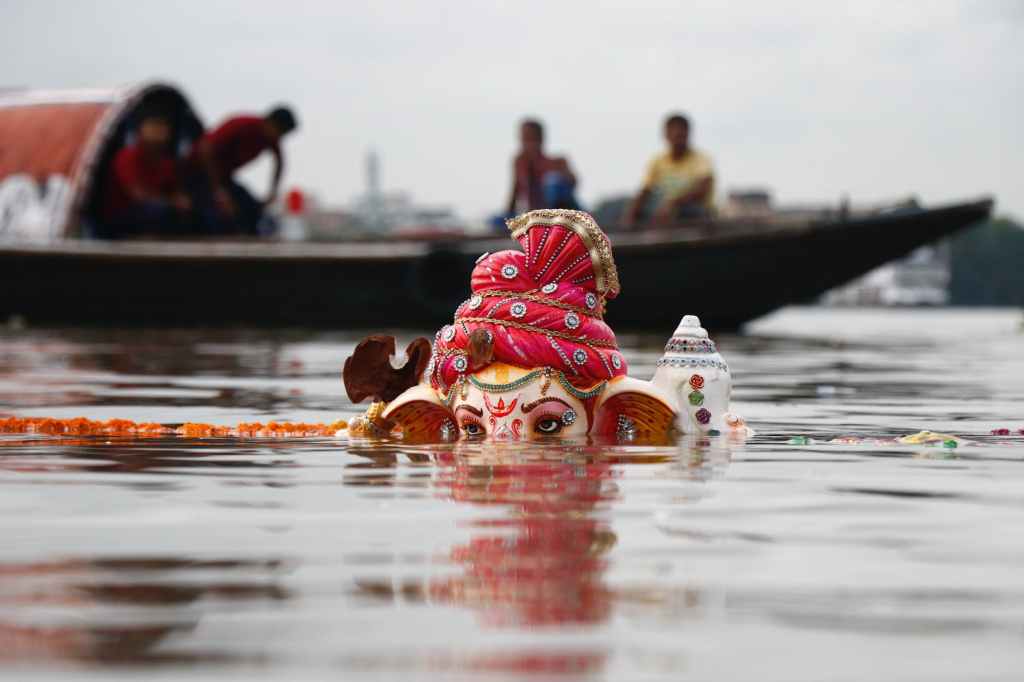
Human beings are not respecting their God then how can you expect that they will give you that respect which you deserve. It can be concluded by example of Ganesh Visarjan when tons of Ganesh idols are been sank in the rivers and later these were all collected by cleaners to take them to the safer place. The idols seems half dissolved in water and some even didn’t desolved because they are usually made of Plaster of Paris (POP). Government had insisted the public to buy idols made of mud instead of POP but for the beauty of the home they are destroying the beauty of nature.

There are very few helping hands which are not enough to protect you or conserve you. But we need more human efforts to protect you from big natural calamities.

To prevent the motherland from being old and unhealthy everyone should stop using plastic and start using alternative methods like paper bags, cloth bags, bamboo bottles, etc. Use of less pollutants should be encouraged and bicycle should be used for smaller distances to prevent the atmosphere from harmful chemicals. Candles and earthen lamps should be lighten up on festivals instead of firing crackers. These little steps by everyone can bring greater changes and will improve your health. If we talk about last year then due to covid-19 when the whole world was locked and everyone stayed at their homes, the ozone layer healed itself and pollution started to decrease.
I hope that my letter to motherland will somehow influence and aware people and hope that they will gain some more respect towards our motherland and I thank you to all those citizens who are engaged directly or indirectly in conserving it and contributing their bit for the world.

This is Ifrah Javed signing off.

It's okay, if you feel the same.

Best things happens in life unexpectedly, it often catches you off guard and takes you by suprise, and sometimes you are not ready for that, sometimes you are not assure or you can’t trust anyone, as you have bad past, so it takes time to believe.
And then, when you feel the right person came, you get stuck and starts feeling bad for being low and not believing in them.
But it’s absolutely fine, it’s okay to be like that, time will heal everything. It’s then if your partner stand by you through the process, it’s lets you see how much he/she love and honor you.

It’s true “waiting is hard, for the right person,the outcome can be worth it.”

JEE mains 4 attempt postponed

In order provide the gap between JEE mains 3 and JEE mains 4 , NTA has announced to postponed the JEE mains 4 ( may session) .Now Jee mains 4 will be conducted on August 26,27 ,31 , September 1 and 2 ,2021.

The Hon’ble education minister Pradhan says “In view of the persistent demand from the student community and to enable the candidates to maximize their performance, the NTA has been advised to provide a gap of four weeks between session 3 and session 4 of the JEE(Main) 2021 Exam.”

Now the application will be accepted till 20th july 2021.Students whose who have not applied at can do so before 20th july 2021.

The NTA releases official notice stating “With a view to remove hardships caused to candidates and to ensure larger participation of candidates, it has been decided to extend the last date further for: submission of online application form by new candidates and withdrawal/ correction by the existing/ interested candidates for the exam,”

Impulsive Buying

Every person has to shop things from time to time. Shopping is a part of our day to day life because it is requisite to supply our families with the basic necessities. Some do shopping to escape the stress built within them and they enjoy by doing so. They find it as a way of relaxing from the monotonous life. While some consumers plan the things that they need to buy before hand by preparing the list of items for every week/month, they surf through the price tags to afford the good quality products at the lowest price, there are others who indulge in impulsive buying. It is the tendency of a customer to buy goods and services without planning anything in advance. When a customer makes impetuous decisions to buy products off the cuff, it is usually provoked by emotions and feelings. Impulsive buying is not just restricted to few products it can be observed on a wide range of goods like clothing, electronic devices, jewellery, sports pieces, pastries and so on, by the consumers when they get fascinated with a sudden impulse.

TYPES OF IMPULSE PURCHASES:

  • PURE IMPULSE BUYING – The consumers crack their normal pattern of consumption
  • REMINDER IMPULSE BUYING – When the consumers sees items in the shop that they forgot to add to the shopping list before, they purchase them when he/she is reminded by seeing those things displayed in the stores.
  • SUGGESTION IMPULSE BUYING – When the customers notice things that they never used or seen before they plan to buy them at the moment by a conviction that it would be very obliging.

Dealers try to exploit this behavior of the customers to promote their sales/services. The hyper markets tries to captivate people from the entrance of their space. They provide a great window display which increases the curiosity of potential customers, introduce combo packs using the demand of the primary products for the sale of secondary products, work with brands, offer suggestions with new products and influence the mind of customers and such plentiful tricks. Marketing companies are more likely to get benefitted because of this trait because customers end up purchasing products even without any actual intent of doing so.

Some of the customers even realize this when half of the wallet is swiped off as they return back to home ending up with random products which may not be of a great use to them. A study published in the June 2008 issue of the Journal Of Consumer Research suggests that consumers are more susceptible to impulsive buying from one brand over another when distracted while shopping. Consumers are also likely to make an impulse purchase, when a consumer perceives that the environment is over stimulating. Emotional appeal contributes largely to impulsive buying. Scientists state that this happens because some items help us feel better and temporarily dampen our unhappiness. Some customers want to stock up things even when there is not an immediate need for them. Many get attracted on the spotting of discounts on products and at times our brain get fooled by the idea that we are getting a good deal and get defeated.

How to get rid of impulsive buying ?

  • Design a budget and cling to it. A budget doesn’t all of a sudden save all your money we should sincerely stick to them. If not planned for a budget don’t go in for spending money.
  • Try not to shop when you are emotional. It takes an major part in triggering a person to go for an impulsive buying. We just buy things in the thrill of the moment and later realize the unnecessary investments made. Retail therapy just makes you feel goo at the spur of the moment.
  • Have a clear monitor on the budget and savings and review it every month. By this we can avoid the dispensable products.
  • When shopping on a larger basis find support and accountability which can go a long way in refraining us from impulsive buying.
  • When tempted to buy a new product go through its reviews and we can realize the worth of buying such products.