In today’s world, regardless of the field we’re currently working in, everyone should learn these 5 skills listed below or atleast have a basic understanding of each of them. And one of the best ways to leverage your spare time is by trying on new things. At the current rate downfall of economy, unemployment is also increasing rapidly. As learning skills are undoubtedly helpful to all of us, and we should always keep on learning new skills.
What can be a better way to celebrate World youth skills day other than learning new skills?
So, here’s a list of 5 new skills to learn this 2021
Basic Writing
This includes all kind of writing like : Creative writing, email writing, Research papers, or be it Personal Bio No doubt, one of the most significant skill among all. Take one step at a time. Start with journaling and maybe then push your creative standards to higher levels. This skill improves not only communication but also thinking skills. Also, the creativity helps in academic and professional life. The resources that’ll help you in your this journey are :
Grammarly
Read
Thesaurus
Data Management & Analytics
This skill helps you analyse, interpret and communicate data with confidence and can be done by visualization, business analysis, reading trends or sorting & management. Anyway recognizing patterns, collecting, sorting, & data visualization skills always come in handy. The resources where you’ll find more about it :
Google Analytics
Google Trends
Excel
Youtube
Tech Fundamentals
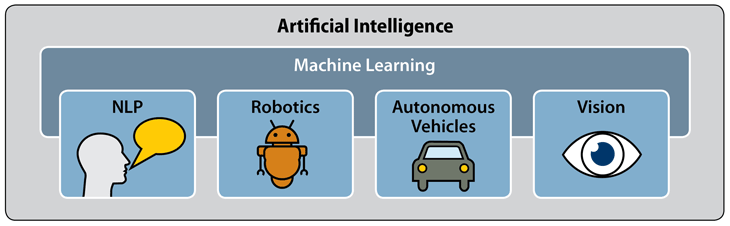
This includes basic knowledge of Cloud computing, AI, Machine learning, Block chain, Virtual and Augmented reality, Big data, etc. Even if you’re not in the IT field, it is good to know the basics of these fundamentals. The resources are as follows:
Coursera
MOOC.org
Udacity
edX
YouTube
Editing
This includes basic video editing, Video and audio production and basic presentation skills. Creative exercises like editing help build our problem-solving skills and finding a new method of completing an old task is generating something new. The resources are as follows:
iMovie
Openshot
Canva
GarbageBand
YouTube
Foreign Language
Practise the 4 core skills – Reading, Writing, Speaking and Listening This helps us to get a better concept formation, mental flexibility, multitasking, listening skills, problem-solving skills, and also improves our social interaction. The resources to learn from are as follows:
YouTube/ Podcast
Alliance François
Coursera
Max Muller
By this, I don’t mean you have to expertise any of them, just have a basic understanding.
Job roles and responsibilities are ever- changing and becoming interdependent. Knowing these skills will make your future employer know that you can help with other tasks rather then the ones mentioned in your profile.
Learning and living go hand in hand. So the more you learn, the better you live
PSP (Personal Software Process) provide a standard personal process structure for software developers. PSP consists of a set of methods, tables, scripts etc. that serve as a guideline for software developers to plan, measure and manage their work, including how to define their processes and measure quality and productivity. PSP provides software engineers disciplined methods for improving personal software development process.
PSP helps software engineers to –
Improve their estimating and planning skill. Make commitment they can keep. Manage the quality of their product. Reduce the number of defects in their work. PSP represents metrics based approach to software engineering. PSP deals with software engineers to identify the errors early and to understand the types of errors.
PSP Activities
Planning: This activity isolates requirements and specifications to be decided prior to the development and estimates the size and the cost of the project. Defect estimation is also made. Development tasks are identified and scheduled is created.
High-Level Design: External specifications and requirements for each component to be constructed and developed. Component design is also created. Prototypes are developed if requirements are complex.
High Level Design Review: Formal verification methods are applied to uncover errors in the design.
Development: The component level design is reviewed and refined. The code is generated, reviewed, compiled and tested.
Postmortem: Using Metrics and measures the effectiveness of the process is determined. It provides guidance for modification of process and its improvement.
2. Goal of PSP
The goal of PSP is to provide software engineers with disciplined methods for improving personal software development.
3. Advantages of PSP
PSP represents a disciplined, metrics-based approach to software engineering.
PSP resulting improvement in software engineering productivity and software quality are significant.
It helps the software engineers in developing high quality software products.
It guides the engineer for personal improvement.
It gives the confidence to do the job the way you know you should.
The PSP gives the command over your work.
4. Disadvantages of PSP
PSP is intellectually challenging and demands a level of commitment which is always not possible to obtain.
Training for PSP is lengthy and costs for the training are high.
Required level of measurement is culturally difficult.
Sugar has a very bad reputation when it comes to creating a nutritious & balanced diet . Too much sugar can cause a range of serious health problems, including diabetes, dementia, and obesity. BUT DO YOU KNOW?
Sugar is the form of carbohydrate. The body breaks down this carbohydrates into sugar. The body breaks down carbohydrates into glucose, which enters the bloodstream and acts as a source of energy . Some sugars, such as glucose, fructose, and lactose, occur naturally in foods and drinks. Added sugars refer to any sugars in foods that are not naturally occurring, such as sugar in baked goods. Foods or drinks may also contain highly processed sugars, such as high fructose corn syrup.
Naturally occurring sugars come with a variety of Naturally occurring sugars come with a variety of nutrients that the body needs to stay healthy. For example, alongside fructose, fruit contains fiber and various vitamins and minerals. Most foods and drinks that contain added sugars, such as chocolate and soda, lack these nutrients. Nutrients that the body needs to stay healthy. For example, alongside fructose, fruit contains fiber and various vitamins and minerals. Most foods and drinks that contain added sugars, such as chocolate and soda, lack these nutrients.
HEALTHIER SUGAR
You think sugar is not healthy ? It is ! Fruits contain natural sugar , which is a healthy source of sugar for our body . Eating a serving of fruit, such as a banana, apple, peach, plum or handful of grapes, is a nutritious and low-calorie snack that can boost the sugars in your body before exercise or help replenish them after exercise. Fructose is a simple sugar, so it can give you a quick burst of energy. Sugars in dairy foods, such as milk and yogurt, are healthy choices, too, because the foods provide other nutrients, such as protein and calcium, in your diet. Complex carbs contain beneficial sugars, as well, so include whole grains and starchy vegetables in your diet.
UNHEALTHIER SUGAR
Added sugar is the sugar which is unhealthy & it leads to storage of fats in you body which leads to health problems. Added sugar is generally present in cold drinks , soda , backed food , etc. This type of sugar may give you quick energy but doesn’t provide you with healthy nutrients , which leads to storage of it in our body .
All in all we can say that it depends on us , which is our preference , added sugar or natural sugar , & our preference will decide our health .
Software categories are groups of software. They allow software to be understood in terms of those categories, instead of the particularities of each package. Different classification schemes consider differentaspects of software.
System Software
System software is a collection of programs written to service other programs. Ex. Compilers, Editor, operating system, drivers etc
2. Real – Time Software
Software that monitors or analyzes or controls real-world events as they occur is called real time. Elements of real-time software include a data gathering component that collects and formats information from an external environment, an analysis component that transforms information as required by the application. A control/output component that responds to the external environment and a monitoring component that coordinates all other components so that real-time response can be maintained. Ex. Weather Forecasting
3. Application Software
Application software consists of standalone programs that solve a specific business need. Application software is used to control the business function in real-time. Application software processes business or technical data.
Ex. Transaction Processing, Sales Processing, Manufacturing Software etc.
4. Engineering/Scientific Software
Characterized by “number crunching” algorithms. Application software is set of programs designed for engineering and scientific purposes. Applications range from astronomy to volcano logy, from automotive stress analysis to space shuttle orbital dynamics, and from molecular biology to automated manufacturing. Ex. Computer Aided Design (CAD), system stimulation etc.
5. Embedded Software
Intelligent products have become common place in nearly every consumer and industrial market. Embedded Software resides within product and is used to control products and systems for the consumer. Embedded software can perform limited and esoteric functions. Ex. Keypad control for a microwave oven, digital functions in an automobile such as fuel control, dashboard displays, and braking systems.
6. Product line Software
Designed to provide a specific capability for use by many different customers. Product line software can focus on a limited and esoteric marketplace. Ex. Word processing, spreadsheet, CG, multimedia, etc.
7. Web Based Software
The Web pages retrieved by a browser are software that incorporates executable instructions and data. Web apps can be little more than a set of linked hypertext files. It evolves into sophisticated computing environments that not only provide standalone features, functions but also integrated with corporate database and business applications.
8. Artificial Intelligence Software
AI software makes use of non-numerical algorithms to solve complex problems that are not amenable to computation or straightforward analysis Ex. Robotics, expert system, game playing, pattern recognition, theorem providing etc.
The society maintains its order by means of the Normative system . Normativity is the phenomenon in human societies of designating some actions or outcomes as good or desirable or permissible and others as bad or undesirable or impermissible. A norm in this normative sense means a standard for evaluating or making judgments about behavior or outcomes.
Normative system refers to the system of rules which the people are expected to accept , obey and appreciate .
When the people act in consonance with the norms they become “Conformists “.
People often choose to conform to society rather than to pursue personal desires – because it is often easier to follow the path others have made already, rather than forging a new one.
Norms which are implicit, specific rules, shared by a group of individuals . Conformity is action that is oriented to social norms and falls within the range of behaviour permitted by the norms .
Hence , conformity is the act of matching attitudes, beliefs, and behaviors to group norms. Unwillingness to conform carries the risk of social rejection. Conformity strongly affects humans of all ages.
Conformity implies behaving in accordance with the norms . It implies that the individual consciously approves of a particular behaviour and is presented to follow the same .
___________________________________________
Types of Conformity :-
Kelman stated three different types of conformity:
• Compliance (or group acceptance)
According to Kelman, , this occurs “when an individual accepts influence because he hopes to achieve a favorable reaction from another person or group. He adopts the induced behavior because….he expects to gain specific rewards or approval and avoid specific punishment or disapproval by conformity “
Compliance stops when there are no group pressures to conform, and is therefore a temporary behavior change.
• Internalization (genuine acceptance of group norms) According to Kelman , this occurs ‘
“when an individual accepts influence because the content of the induced behavior – the ideas and actions of which it is composed – is intrinsically rewarding. He adopts the induced behavior because it is congruent [consistent] with his value system”
This is the deepest level of conformity where the beliefs of the group become part of the individual’s own belief system. This means the change in behavior is permanent. Internalization always involves public and private conformity. A person publicly changes their behavior to fit in with the group, while also agreeing with them privately.
• Identification (or group membership)
According to Kelman , this occurs
” when an individual accepts influence because he wants to establish or maintain a satisfying self-defining relationship with another person or group.”
Individuals conform to the expectations of a social role, e.g.doctorsv, lawyers , nurses, police officers. It is similar to compliance as there does not have to be a change in private opinion. ___________________________________________
Causes of Conformity:-
Harry Johnson established a few causes of Conformity to the social norms . Some of them are :-
• Socialisation :- it is through the process of socialisation that social norms are internalised by the individuals. Hence , norms become an inseparable part of their personality . Proper social training always supports conformity.
• Hierarchy of Norms :- Norms are ranked in order of precedence . The hierarchy of norms as well their time and place aspect is part of culture . For instance , a soldier may be put to such a conflicting situation in which either he will have to attend to the needs of the ailing mother who is on the deathbed or rush to the battle ground to attend to the urgent call of the army . The hierarchy values and norms of his society help the soldier to make the appropriate decision.
It is through the socialisation hierarchy aspects of the norms are learnt . If the different aspects of the culture system are properly integrated an individual will have no difficulty in following the expected forms of behaviour .
• Social Control :- Various formal as well as Informal means of social control help the socialised actor to imagine and anticipate what would happen to him if he violated the norms . Thus sanctions lead to conformity even though they are not actually applied .
• Ideology :- People’s conformity to group norms depends to some extent upon the ideas and ideology that they hold . The norms partly express broader values that are more purely and precisely emphasized in ideology . Ideology strengthens faith in the existing system. Ideology adds to the norms themselves a kind of an “Intellectual ” support . Hence helps to motivate people to conform to its norms.
• Vested Interest :- Conformity to social norms does not always depend upon idealistic motives alone . Sometimes , due to vested interest or self – interest also people conform to them . Norms define rights as well as obligations . They protect our rights also . Some of the rights protect the exclusion of other members . Those who enjoy such advantages are likely to be satisfied with the norms that protect them . Hence , they support these norms with a greater sense of conviction than the disadvantaged persons . Property rights are a good example in this regard.
Other causes
Robert Bierstedt gives four causes for the question – ” why we conform to the norms “ Some causes are :-
• Indoctrination :- We conform to the norms simply because we have been indoctrinated to do so . Indoctrinated refers to the process of injecting into the personality of the child the group norms . The norms that are indoctrinated become a part and parcel of the personality of the individual. Conformity to the norms becomes very natural because of indoctrination.
• Habituation :- What is customary is likely to become habitual in many cases . Some norms are indoctrinated in the beginning , but they become habitual practices afterwards. We are taught to wash our hands and mouth before and after meals but after a while it becomes a matter of habit . Repetition makes a practice a habit and most of the folkways come to be rooted in the individual in this way . Habituation reinforces the norms and guarantees the regularity of conformity.
• Utility :- Norms help us interact with others with much comfort and ease . We appreciate the unity of norms and hence we conform to them . In many social situations we realised the utility of the norms to which we conform.
• Group Identification :– We conform to the norms of our own social groups rather than to those of groups to which we do not belong . We thus conform to the norms because conformity is a means of group identification . By conformity to the norms we express our identification with the groups . Sometimes , some groups even conform to some irritating folkways because they are their own and they identify them with their society and their own social groups.
___________________________________________
Social Control and Conformity
“ Social control ” refers to various ways and means by which a group or society attempts to achieve social order . Social Order could be achieved by making the people accept and follow the group norms . Behaving in accordance with norms or rules can be referred to as Conformity.
Thus , one of the main purposes of social control is conformity . Social control also involves the processes and means whereby deviations from social norms are limited by the group.
Conformity to institutionalised norms is ,of course , ‘normal ‘. The individual having internalised the norms , feels something like to need to conform.
Both internalised need and sanctions are effective in bringing about conformity . Conformity is achieved by two different ways – : Immediate conformity which is the result of social pressure or control : Long term result of conformity which is the product of socialisation .
Social factors constrain the individual to follow the group pattern . The reason an individual greatly values group life is because the group provides us many advantages and satisfaction.
The social control towards conformity is always in terms of the prevailing norms . Many individuals who don’t agree with certain norms accept and conform to them outwardly . Those who are not convinced of them lack the power to resist them .
Thus in conformity we find two factors which may or may not be consistent :compliance and conviction .
“Conformity without conviction occurs when the individual cannot withdraw from the group or values much his membership in the group and does not wish to offend or is afraid of the consequences of non Conformity. “
Group norms are actually group standards which the members are encouraged to imitate or follow . But some deviation is bound to be there in every group.
“ As the deviation from the norm becomes greater the more serious the offence becomes in the eyes of the group and the more serves becomes the penalty .”
Conformity influences the formation and maintenance of social norms, and helps societies function smoothly and predictably by the self-elimination of behaviors seen as contrary to unwritten rules.
Hence, for social control it’s important to have social conformity where deviations from social norms are limited by the group .
Mental health is very interesting and underrated topic. People always care and think about their physical illness and usually cares about physical health. but mental health is as important as any other health issue. because without a good mental health, no one can be happy in their life.
According to WHO,” Mental health is state of well being in which the indivisual realizes his/her abilities”.it includes our emotional and social well being . it affects our thinking and how we react to a particular situation. but if these health issues are not taken seriously they can led to many serious diseases, such as depression. Any other person cannot predict or realize about your mental health because he cannot know what is going on in our mind, and the best way to overcome this problem is to share that problems with others. We can share it with our parents, brother ,sister or even friends ,if we are not comfortable with family members .
Factors that cause mental health problems
There can be many factors that are responsible for our mental health problem such as:-
1.Loneliness -it can be a factor of mental illness. neglecting a particular person , feeling him lonely everywhere can be a cause of mental illness.
2.Trauma or any bad experience of childhood: if a person has suffered a huge loss or have experienced any abuse or something else, it is very difficult for him to forgot it and move on. some move on with it but some are not able to forget it which led to mental illness.
3.genetics: mental illness can also be passed through genes. If a family member like father , grandfather or any other member has already experienced mental health problem, it can be passed into others.
4. Due to poverty or employment: mental problems can be also due to poverty in ones’ house or unemployment like if a young man has responsibility to feed his family members but he is not able to find a descent job, it can led to mental illness of that man.
5. a person having a long term physical health problem since many years can be affected by mental illness.
There are many other reasons of people having mental illness , one more reason nowadays is experienced by students due to studies and exam pressure. they are not able to cop up with that stress.
Different ways to overcome mental health issue:-
there are several ways to fight against mental illness some of the mare:-
1. Meditation : it is considered as a very powerful weapon against mental illness.
2.We should learn how to response to particular situation:- we should make our mind ready for any situation without panicking much. it will make our mind strong.
3. We should act wisely wherever our patience is tested and we should always avoid self criticism because it will have a adverse effect in our process to overcome mental health issue.
4. We should always surround ourselves with good people who understands us to whom we ca share our life problems and other things.
5. But if we are not able to cop up with it, we should immediately talk to family members and consult a doctor.
Nepal’s president, Bidya Devi Bhandari, dissolved the country’s parliament on 22nd July 2021 and called for fresh elections in November. Bhandari’s office said that the decision was made on the recommendation of the cabinet headed by caretaker Prime Minister K.P Sharma Oli. Bhandari rejected bids for the prime ministerial post from Oli and opposition leader, Sher Bahadur Deuba from the Nepali Congress party, after both leaders failed to muster support to form a new government by the deadline. This is the second time in six months that the country’s parliament has been dissolved. The parliament was last dissolved in December 2020 by Oli following a feud with the ruling Nepal Communist party. The parliament was reinstated in February after the Supreme Court said that it was a breach of the constitution. The latest dissolution is expected to be challenged in court like the previous one. Oli became prime minister in 2017 with support from the Nepal Communist party. However, Oli lost support after a split in the party. He came to power this month as the head of a minority government, but needed the support of half of the parliament to continue. He had already lost a vote of confidence in early May after a faction of the Nepal Communist party refused to support him.
Critics say that Oli has been preoccupied with planning rallies and political meetings to muster support. Since the dissolution of the parliament in December, hundreds of political rallies have been organized by both the ruling and opposition parties. 14 petitions were submitted by opposition parties to court clamming that this is unconstitutional and unethical action by current PM, Oli.
Nepal’s Supreme Court on Monday reinstated its parliament, which was dissolved by caretaker Prime Minister K.P. Sharma Oli in May, and ordered that his rival Sher Bahadur Deuba be appointed as prime minister. It also ordered that Sher Bahadur Deuba, who has previously served four terms as prime minister, be re-appointed as prime minister by 5 p.m. local time on Tuesday.
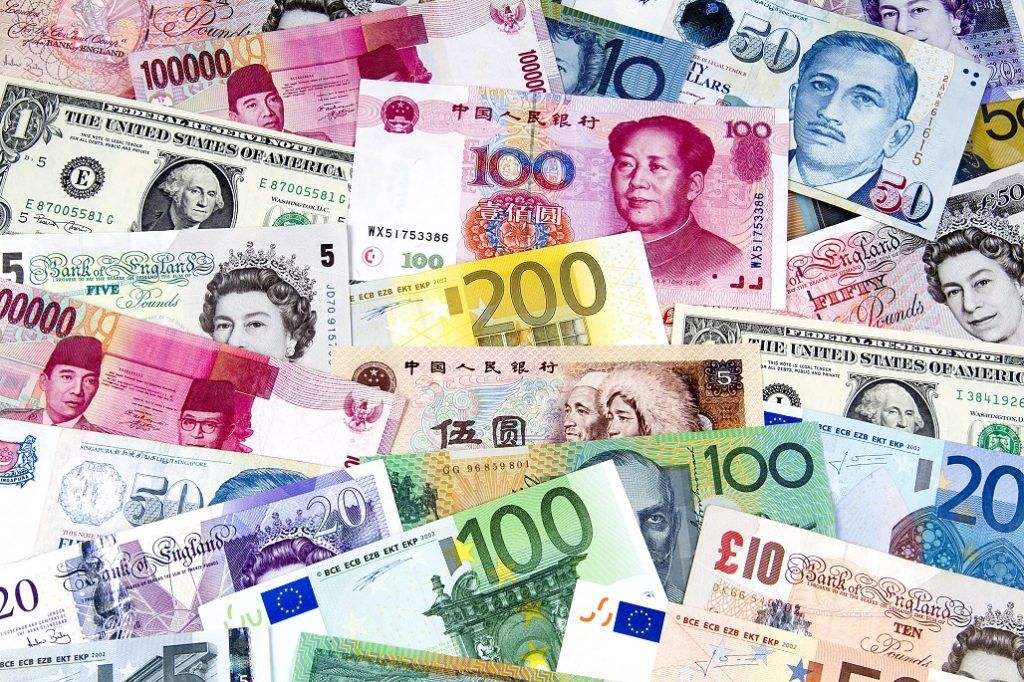
Before we get to that point we need to know the contrast between the two currencies. Dollar is considered as the strongest currency in the World. Each country in this World needs to have their cash as solid as Dollar since it is accepted that Stronger money = Stronger Economy. Be that as it may, is it in every case valid ? Since Countries like Japan and China have lower cash yet they are checked under nations with Strongest Economy.
So how is that conceivable that notwithstanding having the more fragile cash they have solid economy ? Fundamentally it relies upon , regardless of whether a nation is trade(export) orientated or import orientated ? The nations which purchases items or work from different nations are called import situated nations and these nations like to keep their money esteem higher so they can purchase merchandise from different nations at modest expense. Then again , nations which offer merchandise to different nations are called send out(export) orientated nations and these nations like to keep their cash esteem low so different nations purchase more and their creation builds which befits the economy. Nations like USA are import orientated while nations like China are trade orientated.
So what kind of nation is India is it import orientated or trade orientated ? India purchases products from different nations so it is significantly import orientated, yet larger part of India’s economy comes from exportation. India gives best specialists to I.T Sectors . At the point when organizations of different nations visit India they employ our people to work for them which consequently offers advantage to our economy. Numerous financial analyst accept that our economy ought to be more lower , while some accept that it ought to be higher.
PROS OF THE SITUATION:
*With more grounded rupee imports would be less expensive; you could now get the most recent iPhone for only 1000 INR. So everybody would claim an iPhone if 1 USD rises to 1 INR.
*Purchasing products from different nations in a global market will be less expensive which is advantageous for a non-industrial nation.
*Unrefined petroleum costs would go down significantly which we import the most, in this way the cost of petroleum and diesel will fall making the transportation cost modest if 1 USD approaches 1 INR.
*As the transportation cost would diminish the items that are made in India would be less expensive and effectively accessible to purchase.
*One would not travel abroad for a task. For instance, in the event that they get 3000$ abroad that will simply be equivalent to 3000 INR. So why bother voyaging? Yet, there is another side to it as well.
CONS OF THE SITUATION:
*Full stop on sends out we can trade merchandise due to the money contrast. The fares will become costly and on the off chance that we contrast Indian items if and other cutthroat nations, we will turn out to be far more costly and this will hamper our fares which isn’t useful for our economy.
*No unfamiliar venture: unfamiliar organizations put resources into India because of modest work now if an organization used to pay the laborer Rs20000 that is 300$ now they need to pay them 20000$ so they would begin putting resources into different nations as opposed to in our own if 1 USD approaches 1 INR.
*We will confront financial closure and expansion in joblessness for instance if my organization beneficiaries a designer from India for Rs75000 that is around 1000$ and if 1INR = 1 $ for what reason will I pay quite a lot more to the Indian specialist when I have choices. In this way, the Indian laborers need to deal with less expense or leave the work. The equivalent would occur with different callings too.
*In case they are chipping away at such a lot of lower compensation how might they pay their EMI? They proved unable. Joblessness will influence the banks as advances would be left neglected.
*We will confront financial log jam as cash would not be exchanged at a similar speed if 1 USD approaches 1 INR.
Before we get to that point we need to know the contrast between the two currencies. Dollar is considered as the strongest currency in the World. Each country in this World needs to have their cash as solid as Dollar since it is accepted that Stronger money = Stronger Economy. Be that as it may, is it in every case valid ? Since Countries like Japan and China have lower cash yet they are checked under nations with Strongest Economy.
So how is that conceivable that notwithstanding having the more fragile cash they have solid economy ? Fundamentally it relies upon , regardless of whether a nation is trade(export) orientated or import orientated ? The nations which purchases items or work from different nations are called import situated nations and these nations like to keep their money esteem higher so they can purchase merchandise from different nations at modest expense. Then again , nations which offer merchandise to different nations are called send out(export) orientated nations and these nations like to keep their cash esteem low so different nations purchase more and their creation builds which befits the economy. Nations like USA are import orientated while nations like China are trade orientated.
So what kind of nation is India is it import orientated or trade orientated ? India purchases products from different nations so it is significantly import orientated, yet larger part of India’s economy comes from exportation. India gives best specialists to I.T Sectors . At the point when organizations of different nations visit India they employ our people to work for them which consequently offers advantage to our economy. Numerous financial analyst accept that our economy ought to be more lower , while some accept that it ought to be higher.
PROS OF THE SITUATION:
*With more grounded rupee imports would be less expensive; you could now get the most recent iPhone for only 1000 INR. So everybody would claim an iPhone if 1 USD rises to 1 INR.
*Purchasing products from different nations in a global market will be less expensive which is advantageous for a non-industrial nation.
*Unrefined petroleum costs would go down significantly which we import the most, in this way the cost of petroleum and diesel will fall making the transportation cost modest if 1 USD approaches 1 INR.
*As the transportation cost would diminish the items that are made in India would be less expensive and effectively accessible to purchase.
*One would not travel abroad for a task. For instance, in the event that they get 3000$ abroad that will simply be equivalent to 3000 INR. So why bother voyaging? Yet, there is another side to it as well.
CONS OF THE SITUATION:
*Full stop on sends out we can trade merchandise due to the money contrast. The fares will become costly and on the off chance that we contrast Indian items if and other cutthroat nations, we will turn out to be far more costly and this will hamper our fares which isn’t useful for our economy.
*No unfamiliar venture: unfamiliar organizations put resources into India because of modest work now if an organization used to pay the laborer Rs20000 that is 300$ now they need to pay them 20000$ so they would begin putting resources into different nations as opposed to in our own if 1 USD approaches 1 INR.
*We will confront financial closure and expansion in joblessness for instance if my organization beneficiaries a designer from India for Rs75000 that is around 1000$ and if 1INR = 1 $ for what reason will I pay quite a lot more to the Indian specialist when I have choices. In this way, the Indian laborers need to deal with less expense or leave the work. The equivalent would occur with different callings too.
*In case they are chipping away at such a lot of lower compensation how might they pay their EMI? They proved unable. Joblessness will influence the banks as advances would be left neglected.
*We will confront financial log jam as cash would not be exchanged at a similar speed if 1 USD approaches 1 INR.
An Indian mount climber and a sportswoman ARUNIMA SINHA is the first female amputee to climb Mount Everest. She is also former seven times Volleyball national player.
As usual she was travelling in local, soon after this some robbers came to her and asked her to give her gold chain, but she refused and after she refused the robbers got vigorous and pushed her from that running rain in the year. This incident resulted in the damaged, in her both legs, she got her left leg amputated below the knee, and got rods in her right leg and her spinal cord got multiple factures.
Climbing each of the continents highest peaks and hoisting the tricolour flag of India was her aim. She has already done climbing seven peaks till 2014. In January 2019 she completed her final summit of Mount Vinson in Antarctica.
She was also honoured with Padma Shri by the government of Indian in 2015, the fourth highest civilian award of India.
EARLY AND CAREER LIFE
Arunima was born on 20 July 1989 in Ambedkar Nagar near Lucknow in U.P. Her father was in the Indian Army and her mother was a supervisor in the health department. She also had an elder sister and a younger brother. After the death of her father, her mother burgeons to look after her family.
Arunima liked to play football and she was a national volleyball player. She always wanted to join paramilitary forces. She also got a call letter from Central Industrial Security Forces (CIFS) but her life did injustice to her and she faced her life-changing accident while she was traveling to Delhi in its response.
THE TARIN ACCIDENT
The former national volleyball and football player Arunima was travelling from Lucknow to Delhi on 12 April 2011 in Padmavati Express, to attend the examination to join the CIFS. She was pushed by the robbers who wanted to snatch her gold chain and bag out of a general coach of the train. Portraying the incident, she said:
“I resisted and they pushed me out of the train. I could not move. I remember seeing a train coming towards me. I tried getting up. By then, the train had run over my leg. I don’t remember anything after that”.
Instantly, she fell on the railway track, a train from the same track crushed her leg below the knee. Due to late at night there were no one to help her at that current situation. Next morning, she was taken to the hospital, with serious leg and genital injuries and with this she lost her leg after doctors amputated her legs it to save her life.
She was brought to the All-Indian Institute of Medical Science (AIIMS) for further treatment. She was provided a prosthetic leg after spending four months at the Institute free of cost by a private Delhi-based Indian company.
An inquiry by the police highlighted the version of the accident turned this in doubt. According to the police, they said was either attempting suicide or met with an accident while crossing the railway tracks. Arunima claimed that the police were lying. With this the Indian Railways paid Arunima a compensation of ₹500,000.
THE MOUNT EVEREST SCALING
At the time of her treatment in the All-India Institute of Medical Sciences, she determined to climb the highest mountain above the sea the Mount Everest. Yuvraj Singh battle with cancer has inspired her in climbing the Everest. She completed her in basic mountaineering course from the Nehru Institute of Mountaineering, Uttarkashi, and her mother supported her to climb the Everest. She did her climbing to Mount Everest with a prosthetic leg.
After all her efforts and struggles hard of 17 hours, she reached the summit of Mt. Everest on 21 May 2013 on 10:55 am, With this, Arunima became the first amputee female to climb Everest. It took 52 days to reach the summit. She also wrote a small thank you note to Almighty on a wrapped cloth and pressed it in the snow. Recalling the incident, she said:
“It was my tribute to Shankara Bhagawan, and Swami Vivekananda who has been an inspiration throughout my life”.
In this beautiful day , I’m here to say about what is real Happiness in life.
1)The real success/happiness according to me is being yourself in public freely.
2)Being happy with your own skin.
3)Spreading happiness to the people you love.
4)Seeing their happiness with your own eyes.
5)Real Success lies in how you being happy with yourself and doesn’t change yourself for others .
6) You are unique.Nobody in this world is as exactly like you. No matter what everyone thinks you be yourself and do what matters to you.They will just think only they are not going to help you or live your life only you are going to live your life.Don’t expect appreciation from others instead appreciate yourself and grade yourself higher.
7)Always cherish who you are . Even you itself didn’t appreciate yourself then who will ?? . You can live only once so adore the things which matters to you . Avoid the negatives . Accept the positivity in life and move on…
All farmers do farming, but nowadays Pearl farming trend is rising rapidly. Fewer labor and greater benefits are proving to be a bargain. Earlier, training for Pearl farming was given at Central Institute of Fresh Water Aquaculture, Bhubaneswar (Odisha), but now many other organizations are providing the training in the state.
The most advantageous season for pearl cultivation is the time of autumn i.e. October to December. Beads can be cultivated in a pond of at least 10 x 10 feet or larger. For pearl cultivation, pearls can be generated from a maximum of 25000 oysters in a tiny pond like 0.4 ha. To start farming, the farmer has to gather oysters from pond, river etc. or they can also be purchased.
After this, after every minor operation in each oyster, simple or designed beads with diameter of four to six mm like Ganesha, Buddha, floral shape etc. are put inside it. The oyster is then closed. These oysters are kept in nylon bags for 10 days on anti-biotic and natural feed. These are scrutinized daily and dead oysters are eliminated
Profits of pearl farming
A single oyster costs around 20 to 30 rupees at a lesser cost. The price of one mm to 20 mm oyster pearl in the market is around Rs 300 to Rs 1500. Nowadays designer beads are being liked very much, which get good price in the market place. Much better income can be earned by trading pearls in overseas market than Indian market. After eliminating the pearl from the oyster, the oyster can also be marketed. Many decorative items are made by oyster. The work of obtaining fragrance oil from oysters in Kannauj is also done on a huge scale. Due to which oyster can also be sold in the local market instantly. The water of streams and ponds is also filtered by oysters, so that the problem of water contamination can be dealt with to a great extent as oysters are voracious filter feeders, they keep the water clear of pelagic algae & floating detritus
It is a Source of income for pearl farmers
While pearl oysters are edible, they are rarely consumed. This means they can be bred in murky, possibly polluted water to achieve points 1 & 2
If they are to be eaten as well as to produce pearls, then they need to be bred in unpolluted water. However, selling them as food, if not for humans then at least as pet food, after harvesting the pearls provide the farmers with an additional source of income
It usually takes 20 to 24 months to give you results but if cultivated properly it usually gives you an income of 10-12 lakhs that is around a profit of 8 lakhs.
Pearl cultivation gives you a large amount of profit while only requiring your skill and will to give you such good results.
Other prospects of pearl farming
For handling a pearl farm effectively, one needs to check the farm consistently. By doing so, you will know if there are any broken or missing lines. Also, check for any absent shells from the site.
Next step is to regularly clean the site since of the amount of useless organisms that breed on the lines, shells and other hanging materials. While cleansing, you have to take special care as pearl oysters tend to get stressed out after cleaning is done. Frequent cleaning can be prevented and should be done once in a month.
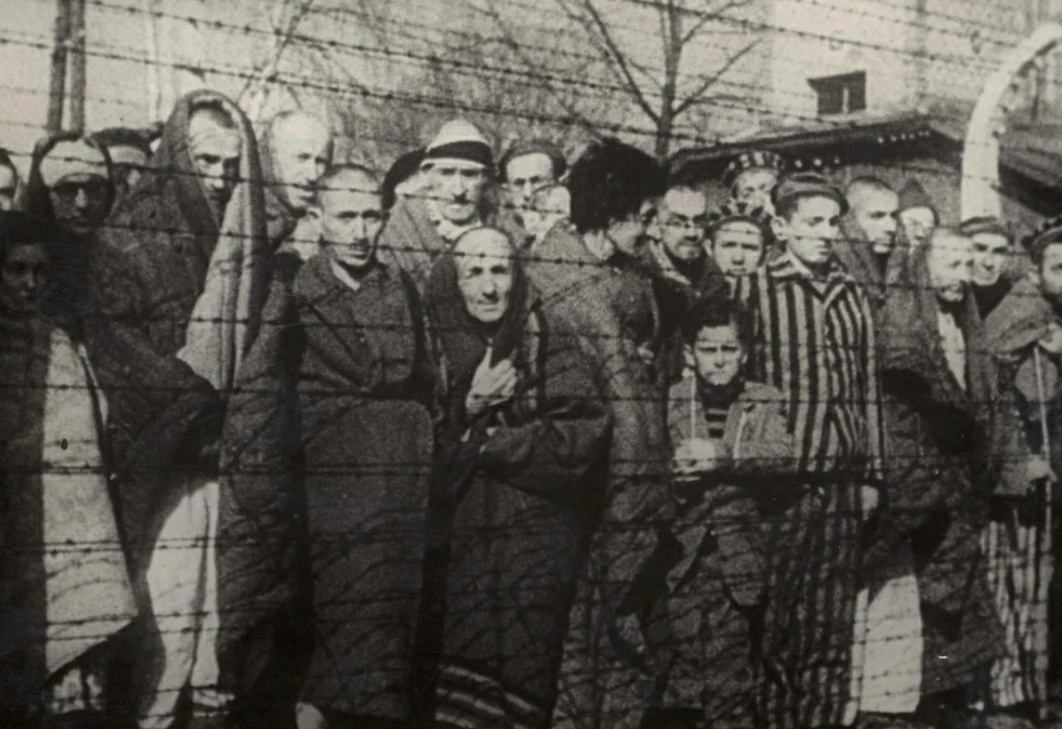
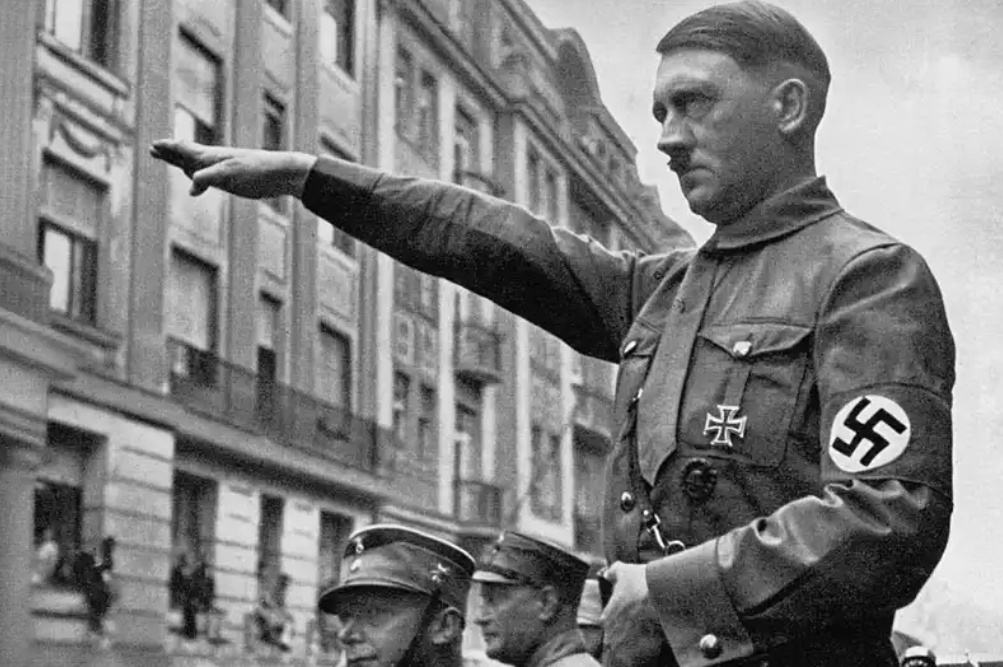
The Nazis came into power in Germany in 1933. They believed that the Germans were superior and the Jews were Inferior. During this era, the population of Jews was around nine million. During World War II, the Nazis came up with “The Final Solution”. “The Final Solution” was a plan in which they brutally killed over six million European Jews i.e. three out of two jews. They killed Jew men, women, and even children. This mass murder conducted by the Nazis is known as The Holocaust or Shoah in Hebrew. The word holocaust comes from ancient Greek which means ” whole burnt”.
The main cause of the holocaust is believed to be the ideology of the Nazis. They wanted to terminate the Jews and they were able to do so. The Nazis blamed Jews for Germany’s defeat in World War I too. Before World War II, the Nazis tried various ways to remove the Jews from Germany by allowing them to emigrate. The Jews were robbed, beaten, and even killed at times. They were banned at public parks and pubs. They were not allowed to work in certain professions. In 1935, Nuremberg Racial Laws came into force in which the Jews were forbidden to marry non-Jews. The Nazis burnt their houses, food, etc, and made their survival difficult. Later, they decided to move the Jews to the islands of Madagascar but the war made it impossible. Therefore, they came up with a mass murder plan. They not only killed the Jews but also others like the political opponents, Roma, Sinti, handicapped, homosexuals, etc. They established killing spots and executed millions of Jews. In the end, it all went down as Adolf Hitler wanted. Everything worked according to him, he decided to murder, just because he thought the lives of Jews were unimportant.
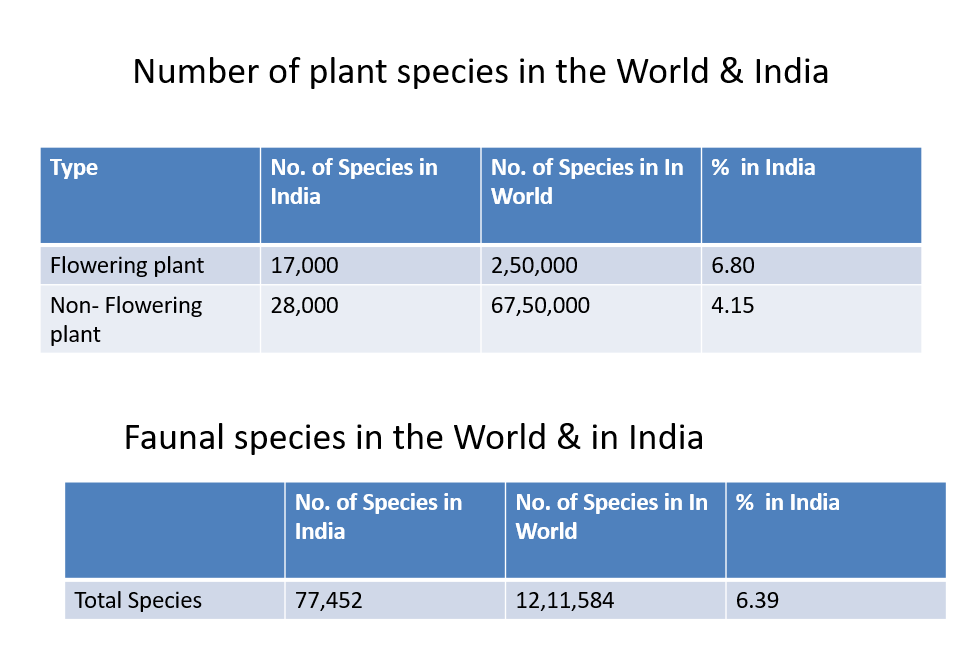
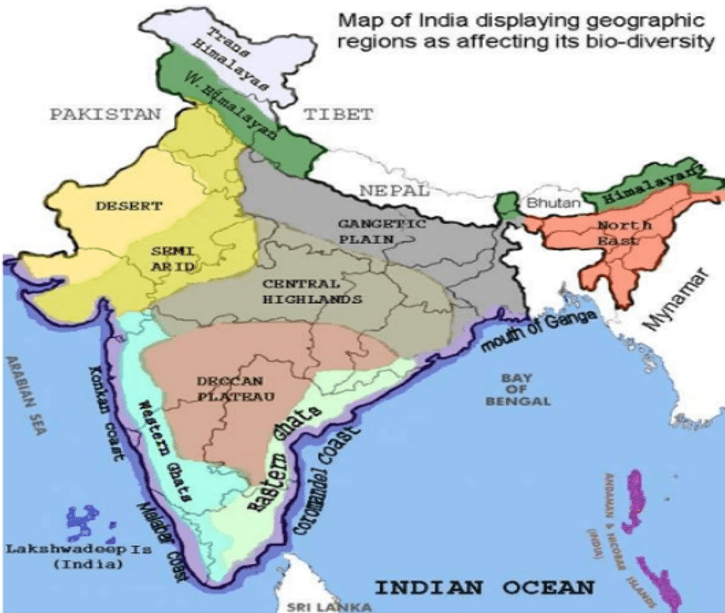
Biological diversity’ means the variability among living organisms from all sources including, inter alia, terrestrial, marine and other aquatic ecosystems and the ecological complexes of which they are a part; this includes diversity within species, between species and of ecosystems. The word Biodiversity means Gk. Bios- Life, diversity- forms. The occurrence of difference species of organisms with the whole range of their variants (Biotypes) & genes adapted to different climates, environments along with their interactions & processes. This term was coined by Walter G. Rosen- 1985. Biodiversity refers to the numbers, variety and variability of living organisms and ecosystem. It includes all terrestrial, marine and other aquatic organisms. Also covers diversity within species, between species as well as variations among ecosystems.
Biodiversity has contributed in many ways to the development of human culture, and, in turn, human communities have played a major role in shaping the diversity of nature at the genetic, species, and ecological levels.
Types of Biodiversity
Genetic diversity – Diversity of genes within a species. i.e. genetic variability among the populations and the individuals of the same species. Genetic diversity is the total number of genetic characteristics in the genetic makeup of a species. Ex. Domestic Dogs. Humans have created distinct breeds of dogs within the species by selectively breeding individuals.
Species diversity – Diversity among species in an ecosystem. “Biodiversity hotspots” are excellent examples of species diversity. Species diversity is defined as the number of species and abundance of each species that live in a particular location. Each species is distinct from other species in form & character such as cow & goat. Species diversity is the most common level to describe biodiversity of any area.
Ecosystem diversity – Diversity at a higher level of organization, the ecosystem. To do with the variety of ecosystems on Earth. Ecosystem diversity deals with the variations in ecosystems within a geographical location and its overall impact on human existence and the environment. EX. deserts, forests, grasslands, wetlands and oceans. Ecological diversity is the largest scale of biodiversity, and within each ecosystem, there is a great deal of both species and genetic diversity.
VALUES OF BIODIVERSITY
1. Consumptive value : The most important point of consumptive use is that some rural communities closets to the forests or other natural areas can prosper through the sustainable harvesting of wildlife species. Hunting, Direct consumption-herbs, plants, mushrooms are all consumptive uses.
2. Productive Value : Products that are commercially harvested for exchange in formal markets. Each species is valuable to human. The global collection of genes, species, habitat & ecosystems is a resource that provides for human needs. It is also essential for human survival in the future. This is often then only value of biological resources that is reflected in the income accounts.
3. Social Value : Social value of biodiversity refers to religious and cultural importance. Trees are worshiped as God. ex. Banyan tree, Peepal Tree. Flowers, Tulsi leaves are offered during pooja.
4. Ethical Value : ‘All life must be preserved’ based on ‘Live & let live’. This means we don’t use the species directly or indirectly, but we feel sorry about the loss of species. They have a existence value.
5. Aesthetic Value : It is related to the beauty of biodiversity. The pleasure, excitement & visual peace of any area. Concept of Eco- tourism & willingness to pay are gaining grounds, leading to monetary estimate for aesthetic value of biodiversity.
6. Option Value : The option values of biodiversity suggests that any species may be proved to be a valuable after someday. At present the potentials/ uses/ values are unknown. Ex. Growing technology field is searching new species for causing the diseases of cancer & AIDS.
HOT SPOTS OF BIODIVERSITY
A biodiversity hotspot is a bio-geographic region that is both a significant reservoir of biodiversity and is threatened with destruction. The term biodiversity hotspot specifically refers to 25 biologically rich areas around the world that have lost at least 70 percent of their original habitat. The original 25 hotspots covered 11.8% of the land surface area of the Earth.
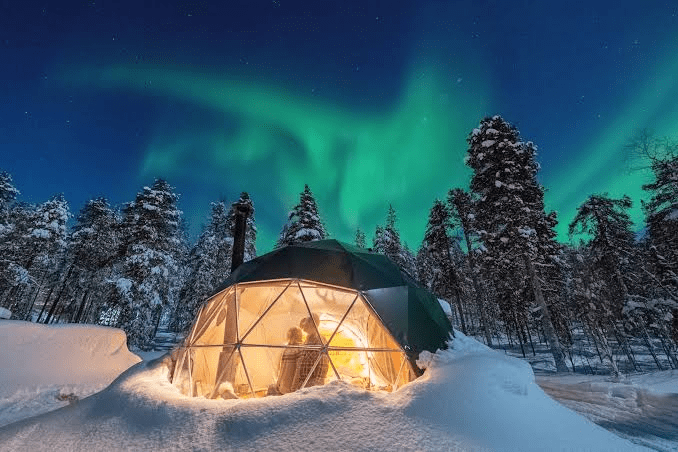
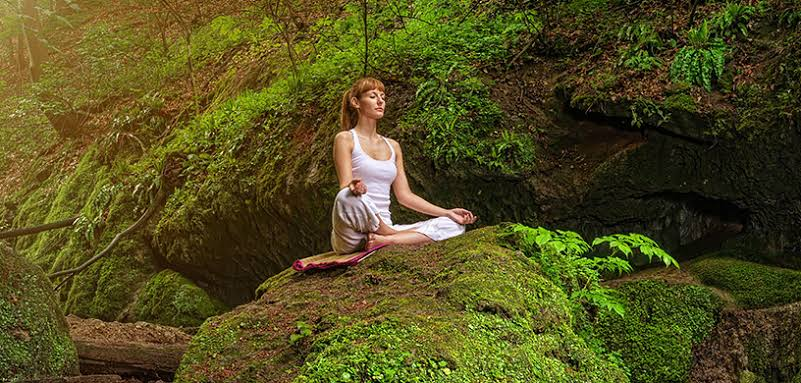
Irrespective of experiencing 200 days of winter with complete absence of sun, Finland has maintained it’s position to be the Happiest Country in the World for the last four years. It has been named the most stable, freest and the safestcountry by various international bodies because of the socio-economic and welfare policies of the nation. Finland is a natural beauty with forests, crystal clear lakes and wildlife. It has low pollution levels which makes the air clean and encourages more citizens to be amidst the nature. Hence, a large number of outdoor activities like kayaking, canoe, horse back riding and others can be experienced. Nature in itself is known to have immense healing power that can cheer people and lift their spirits.
Finland offers free Forest Therapy to it’s citizens where the general public is allowed to roam freely in natural areas like forests, lakes, and rivers without any permission from the landowners (if the areas fall under a private land). This traditional legal concept is called ‘’Everyman’s Right ‘’. However, the only condition applied is that no damage or disturbance should be faced by the landowner.
Finns have a warm culture and enjoy a relaxed way of living. Unlike other Western countries they believe in cooperation over competition. The follow minimalistic approach to life and prefer well-made, sustainable, functional items that will stand the test of time. Finns are not considered to be happy bubbly people with cheerful smiley faces. In fact, they are the least expressive people who take life as it comes.
Coming to the most important topic, what makes them the happiest country in the world? Well, there cannot be a single factor to happiness. However, the main cause of it is self-satisfaction and inner peace, which in term is an outcome of various factors.
Finns follow a relaxed way of living and are at peace with themselves. Finland may not be the most powerful or wealthy economy but what makes them happy is the fact that they are at peace with their present situation. They are nottoo ambitious about what life should offer them and this helps them to feel satisfied with what they currently have.
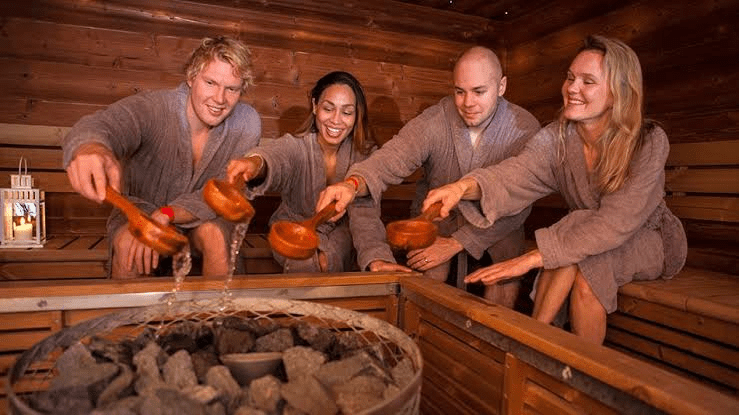
The national pass time for Finns is enjoying sauna baths. The fact that they have over 2 million saunas explains their love for the tradition. Saunas are places that purifies one’s body and soul. Sauna creates a sense of community and equality for the citizens as people from all backgrounds come together to enjoy the experience. Finns are used to being naked in the sauna with their family and friends, which can help create a comfort with and acceptance of their bodies, too.
Fins follow the philosophy of ‘Sisu’ that is focused on persevering when the odds are against us and viewing challenges as an opportunity. “Instead of waiting for a warm sunny day, many Finns practice daily sisu by heading out in any kind of weather for a brisk walk or cycle, or to spend time in nature.” They believe that happiness does not come from searching for it, but by living.
Finns value time over money. They choose a healthy work – life balance over wealth. A good personal life gives them the chance to pursue their personal interests and feed their creativity. This further contributes to the low inequality levels in Finland. The society majorly consists of middle-class households with very less poverty and more social security. They have few rich families but since the people are satisfied with themselves, they don’t believe in excessive show off of their wealth. This promotes the feeling of content and satisfaction amongst the low-income groups as well.
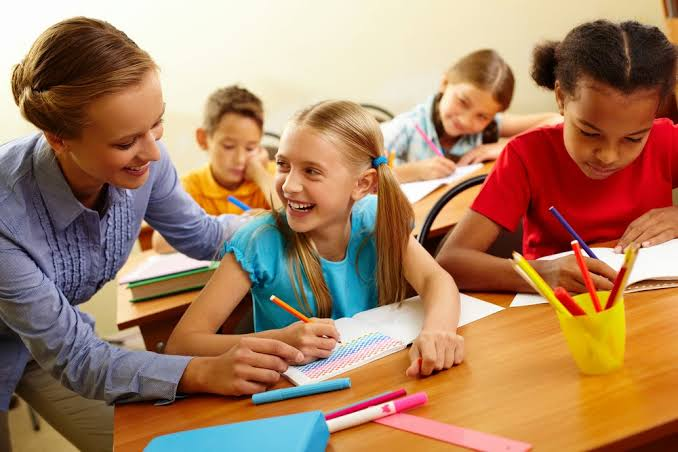
One of the main reasons why Finns are satisfied and happy with their lives is social equality. The government provides each new born a equal and healthy start to life. They distribute packages of clothing and other useful items to all new mothers. This was initially started to reduce the declining birth rate and high infant mortality but on a broader picture it reduces the difference and provides an equal start to all the new citizens. Equal opportunities are given to every citizen in terms of besteducation in schools and universities without any cost. This helps each child shape their own future without any form of economic hindrances. (A happy childhood breeds happy adults) The presence of best of healthcare opportunities to all the citizens at no cost reduces further disparity and makes them more secure and stress-free.
Under the ‘Housing first’ principle, it is ensured that even the rough sleepers are given the right support and a roof above them. The presence of equal opportunities for all makes people more satisfied with their lives, hence there is no need for people to adapt criminal offences. Low crime rates, in turn makes people more safe, secure and happy.
Finland strongly emphasises on closing gender equality as a means to promote the feeling of satisfaction and oneness amongst all citizens. Some of the measures includes providing new fathers with nine weeks of paternity leave at 70 percent of their salary and closing the gender pay gap. (Hence proving that a rising tide lifts all boats). Finland is one amongst the few Nordic countries where fathers spend more time with school-aged children compared to their mothers.
The extent of equality and freedom amongst the nation is such that they follow Flat Working Model in commercial world. For those who don’t know, a flat working model is one where there are few or nohierarchal levels between management and staff. This leads to less supervision and increased involvement with organizational decision-making, enabling open communication between all departments. Hence, increasing workplace productivity and team-cohesion. This worker-centric approach to business has served Finland well for more than a decade. Moreover, Finland is the only country that provides 25 paid workdays off in addition to the paid national holidays.
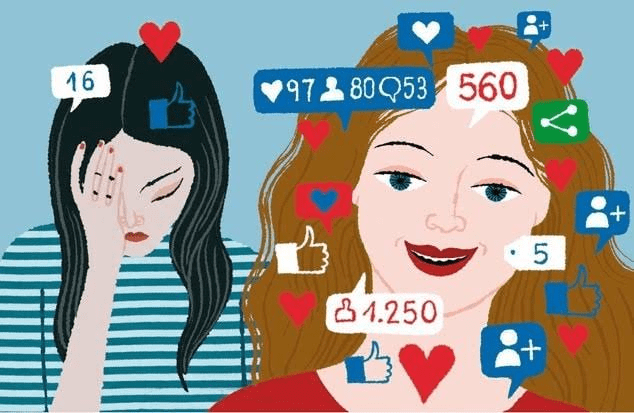
Finns are least active on social-media platforms that indulge in putting forward a polished view of their lives. They don’t brag about their success and wealth or show an outwardly exuberant zest for life. Rather, they believe in being reserved and accepting both the good and the bad as it comes. They believe that if they are truly happy, they don’t need to shove it in anyone’s faces.
Even after being the happiest country in the world, Finns have an emotionless exterior and prefer melancholic songs to express themselves. This is because they accept negative emotions as part of life. Trying to suppress one’s negative emotions is considered bad for one’s well-being. They are taught to embrace such emotions and learn to accept one’s life for what it is. This in turn has a positive impact on their life and help them feel more satisfied. They believe in expressing their negative emotions to such an extent that they celebrate a national event called “The International Day of Failure” (celebrated annually on 13 October), that carries an important message that without the possibility of failure there is no success, and occasional failure is therefore acceptable.
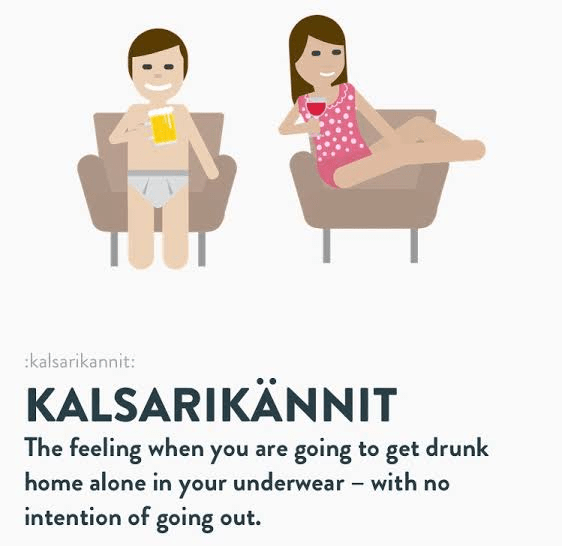
They follow the culture of Kalsarikännit or Pantsdrunk which is the practice of binge drinking alone in your home in your underpants. To a large extent, it is still considered a way of life in Finland, probably because of the stereotyped lack of social contacts among Finns.
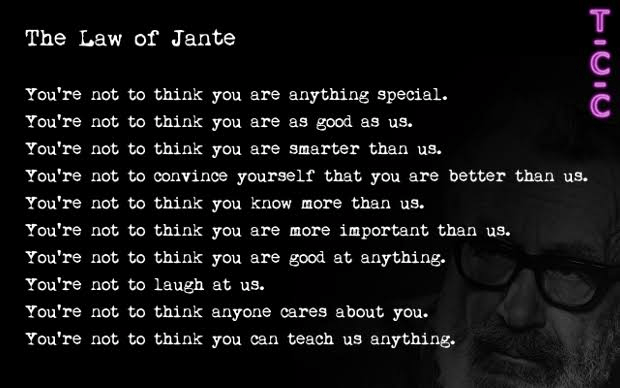
Another reason why nordic countries are most at peace with themselves may be the not mentioned, but always present, “Law of Jante” that is silently enforced by everybody in unison. Law of Jante explain the egalitarian nature of Nordic countries where they support a harmonious and happy society.
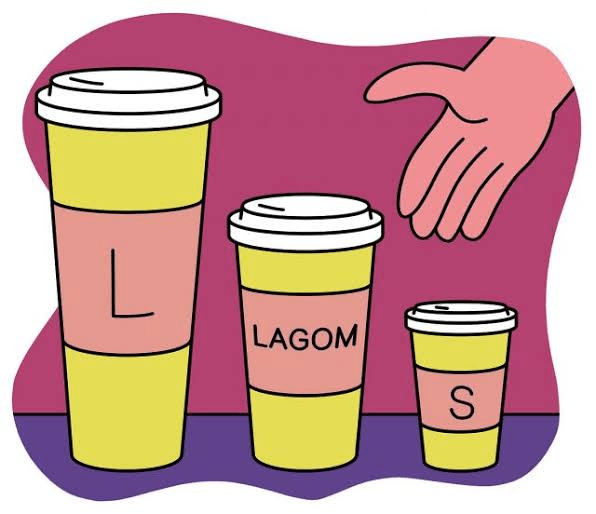
Finns are socialized to believe that what they have is as good as it gets—or close enough. Finns believe in the Norwegian term Lagom, which can be translated as “just the right amount,” i.e., neither too much nor too little. They believe that what they have is as good as it gets—or close enough. This mindset makes them the happiest people in the world despite living in small apartments, earning modest incomes, with even more limited purchasing power because of the high prices and taxation.
Hence, one thing that the world could learn from them is their willingness to embrace the less-sunny aspects of living i.e., to accept negative feelings as a normal part of life.























 Eduindex
You must be logged in to post a comment.