

Introduction
The studies of History never ceases to amaze us with its unfolding secrets, bizarre facts and notable events that took place throughout ages. History has made many rulers popular, many famous and many infamous through their deeds during their ruling periods. But, Cleopatra VII of Egypt, still remains a fantasy for the connoisseurs of History for her incredible brain and beauty. In Today’s editorial, we’re going to discuss about Cleopatra, the empress of Egypt who enticed the world with her inevitable ruling skills and irresistible charm.
Cleopatra: Who She Was
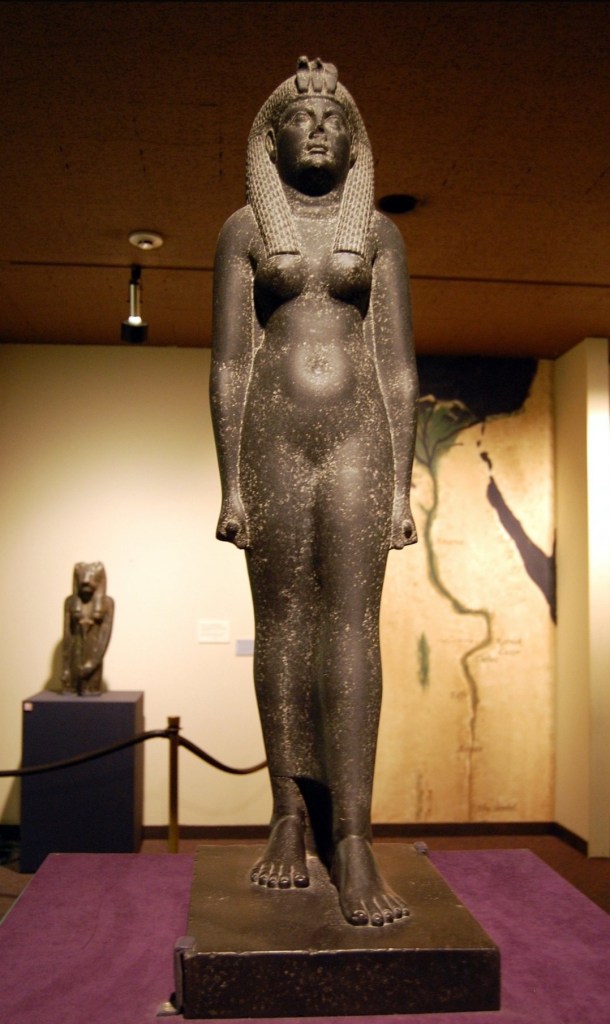
Cleopatra VII ruled ancient Egypt as co-regent (first with her father, then with her two younger brothers and finally with her son) for almost three decades. She was part of a dynasty of Macedonian rulers founded by Ptolemy, who served as general under Alexander the Great during his conquest of Egypt in 332 B.C. Well-educated and clever, Cleopatra could speak various languages and served as the dominant ruler in all three of her co-regencies. Her romantic liaisons and military alliances with the Roman leaders Julius Caesar and Mark Antony, as well as her supposed exotic beauty and powers of seduction, earned her an enduring place in history and popular myth.
Early Life and Ascension to The Throne
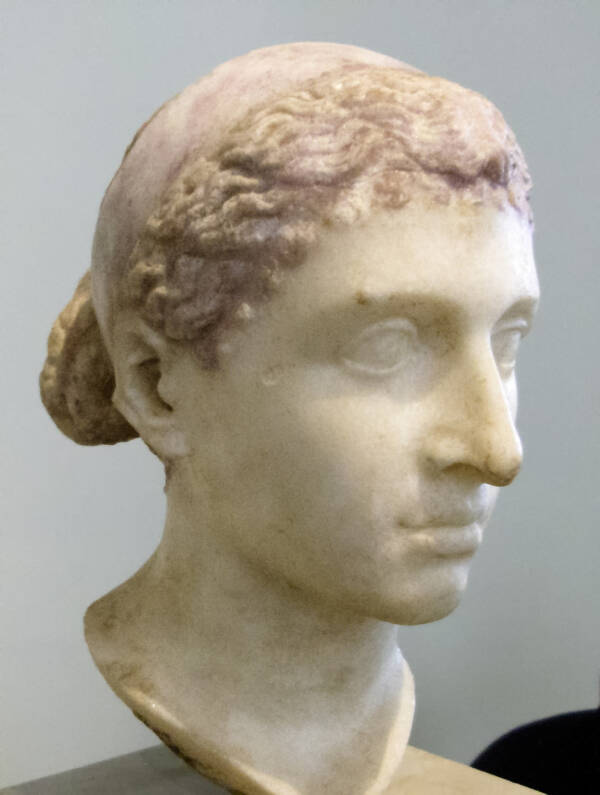
Cleopatra, in full Cleopatra VII Thea Philopator (born 70/69 BCE—died August 30 BCE, Alexandria) was the daughter of King Ptolemy XII Auletes. Cleopatra was destined to become the last queen of the Macedonian dynasty that ruled Egypt between the death of Alexander the Great in 323 BCE and its annexation by Rome in 30 BCE. The line had been founded by Alexander’s general Ptolemy, who became King Ptolemy I Soter of Egypt. Cleopatra was of Macedonian descent and had little, if any, Egyptian blood. Coin portraits of Cleopatra show a countenance alive rather than beautiful, with a sensitive mouth, firm chin, liquid eyes, broad forehead, and prominent nose. When Ptolemy XII died in 51 BCE, the throne passed to his young son, Ptolemy XIII, and daughter, Cleopatra VII. It is likely, but not proven, that the two married soon after their father’s death. The 18-year-old Cleopatra, older than her brother by about eight years, became the dominant ruler. Evidence shows that the first decree in which Ptolemy’s name precedes Cleopatra’s was in October of 50 BCE. Soon after, Cleopatra was forced to flee Egypt for Syria, where she raised an army and in 48 BCE returned to face her brother at Pelusium, on Egypt’s eastern border. The murder of the Roman general Pompey, who had sought refuge from Ptolemy XIII at Pelusium, and the arrival of Julius Caesar brought temporary peace.
Cleopatra’s Romantic Roman Connection
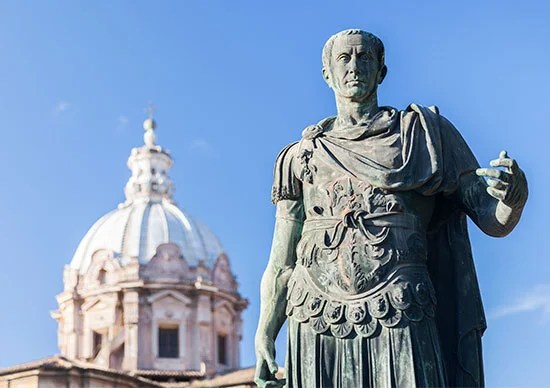
Cleopatra realized that she needed Roman support, or, more specifically, Caesar’s support, if she was to regain her throne. Each was determined to use the other. Caesar sought money for repayment of the debts incurred by Cleopatra’s father, Auletes, as he struggled to retain his throne. Cleopatra was determined to keep her throne and, if possible, to restore the glories of the first Ptolemies and recover as much as possible of their dominions, which had included southern Syria and Palestine. Caesar and Cleopatra became lovers and spent the winter besieged in Alexandria. Roman reinforcements arrived the following spring, and Ptolemy XIII fled and drowned in the Nile. Cleopatra, now married to her brother Ptolemy XIV, was restored to her throne. In June 47 BCE she gave birth to Ptolem Caesar . The Child was believed to be Caesar’s child, and was known by the Egyptian people as Caesarion, or Little Caesar.
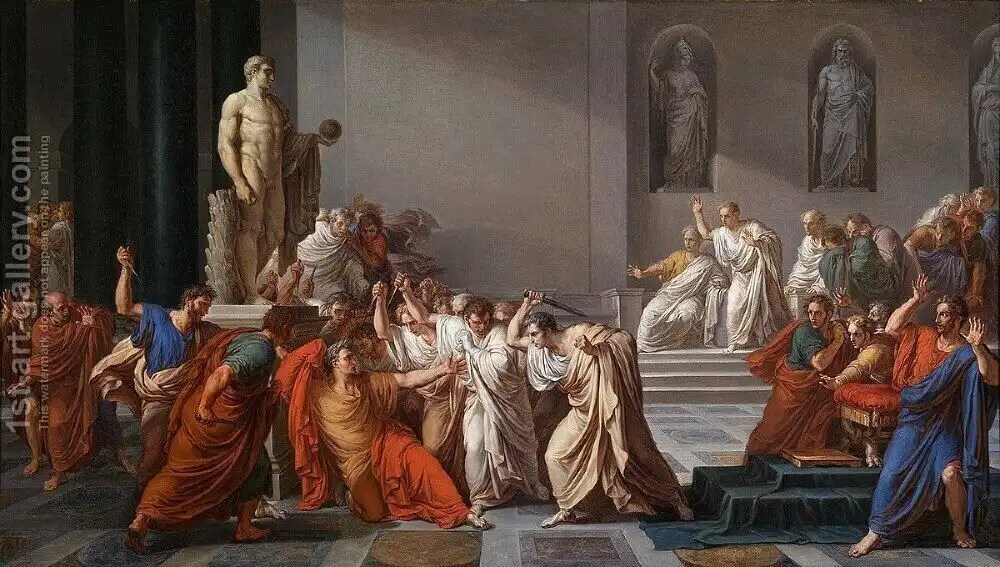
Sometime in 46-45 B.C., Cleopatra traveled with Ptolemy XIV and Caesarion to Rome to visit Caesar, who had returned earlier. After Caesar was assasinated in March 44 B.C., Cleopatra went back to Egypt; Ptolemy XIV was killed soon after (possibly by Cleopatra’s agents) and the three-year-old Caesarion was named co-regent with his mother, as Ptolemy XV.
Mark Antony: The Love of Cleopatra
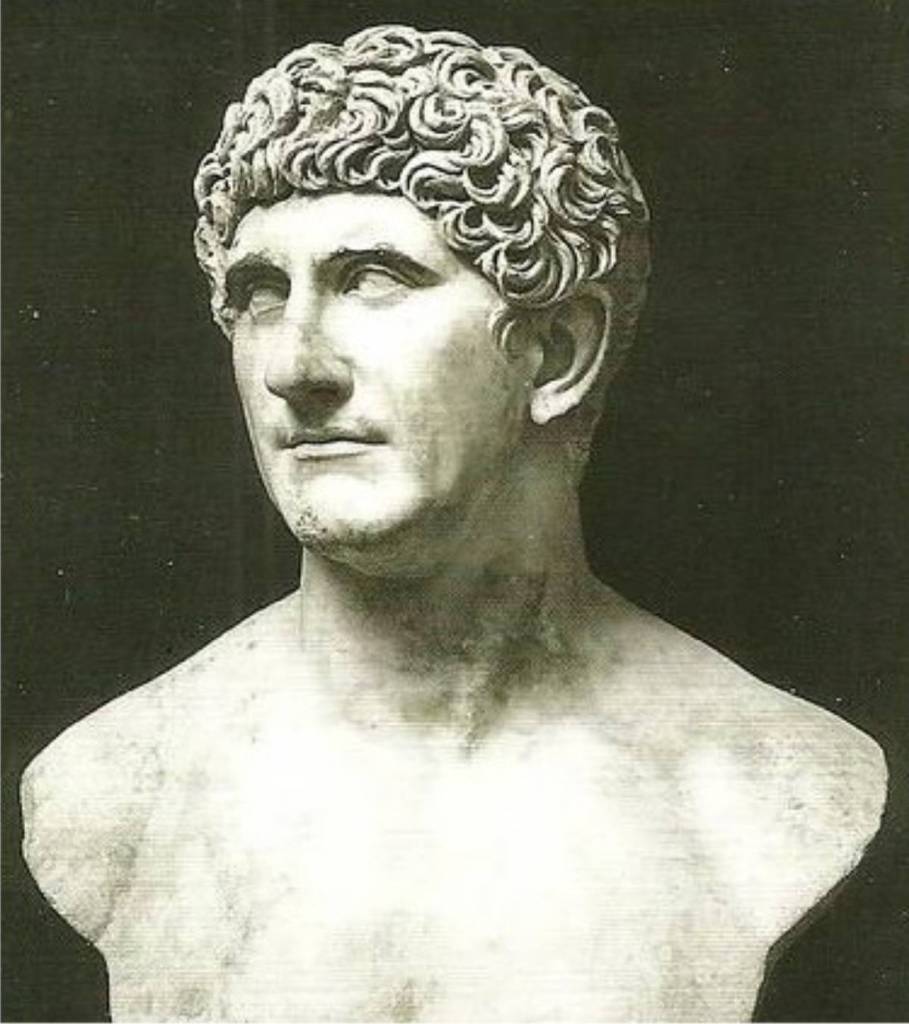
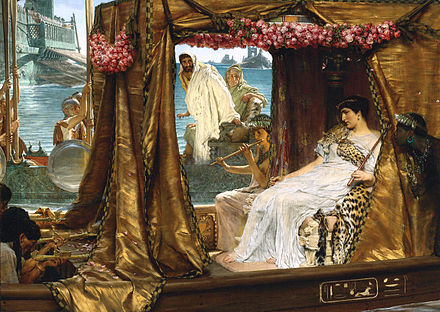
When, at the Battle of Phillpi in 42 BCE, Caesar’s assassins were routed, Mark Antony became the heir apparent of Caesar’s authority—or so it seemed, for Caesar’s great-nephew and personal heir, Octavian, was but a sickly boy. Antony, now controller of Rome’s eastern territories, sent for Cleopatra so that she might explain her role in the aftermath of Caesar’s assassination. She set out for Tarsus in Asia Minor loaded with gifts, having delayed her departure to heighten Antony’s expectation. She entered the city by sailing up the Cydnus River in a barge while dressed in the robes of the new Isis. Antony, who equated himself with the God Dionysus, was captivated.
In 40 BCE Cleopatra gave birth to twins, whom she named Alexander Helios and Cleopatra Selene.
Cleopatra’s Death: The End
On September 2, 31 B.C., Octavian’s forces soundly defeated those of Antony and Cleopatra in the Battle of Actium . Cleopatra’s ships deserted the battle and fled to Egypt, and Antony soon managed to break away and follow her with a few ships. With Alexandria under attack from Octavian’s forces, Antony heard a rumour that Cleopatra had committed suicide. He fell on his sword, and died just as news arrived that the rumour had been false.
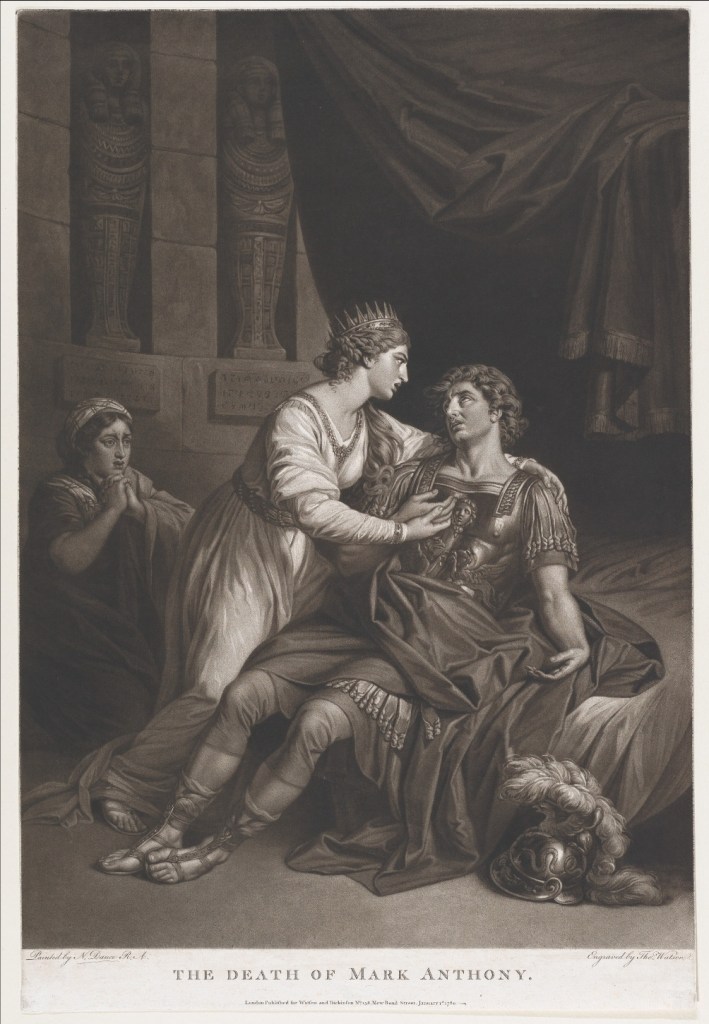
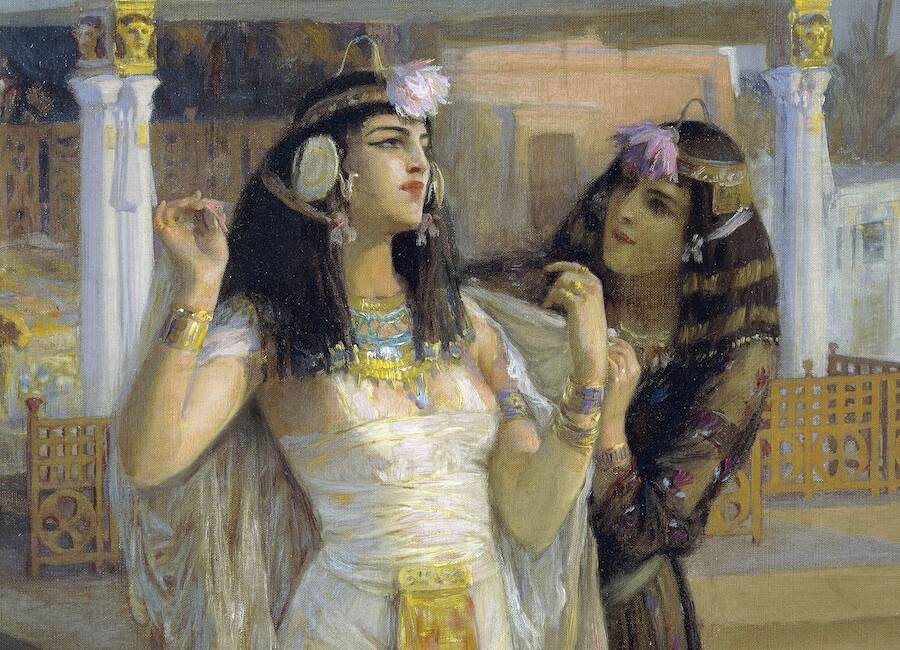
On August 12, 30 B.C., after burying Antony and meeting with the victorious Octavian, Cleopatra closed herself in her chamber with two of her female servants. The means of her death is uncertain, but Plutarch and other writers advanced the theory that she used a poisonous snake known as the asp, a symbol of divine royalty, to commit suicide at age 39. According to her wishes, Cleopatra’s body was buried with Antony’s, leaving Octavian (later Emperor Augustus I) to celebrate his conquest of Egypt and his consolidation of power in Rome.
Cleopatra: The Enchantress Throughout Ages
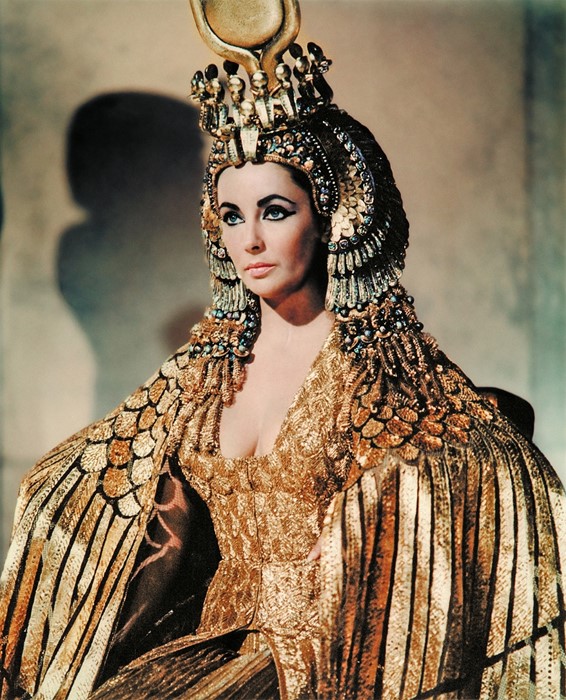
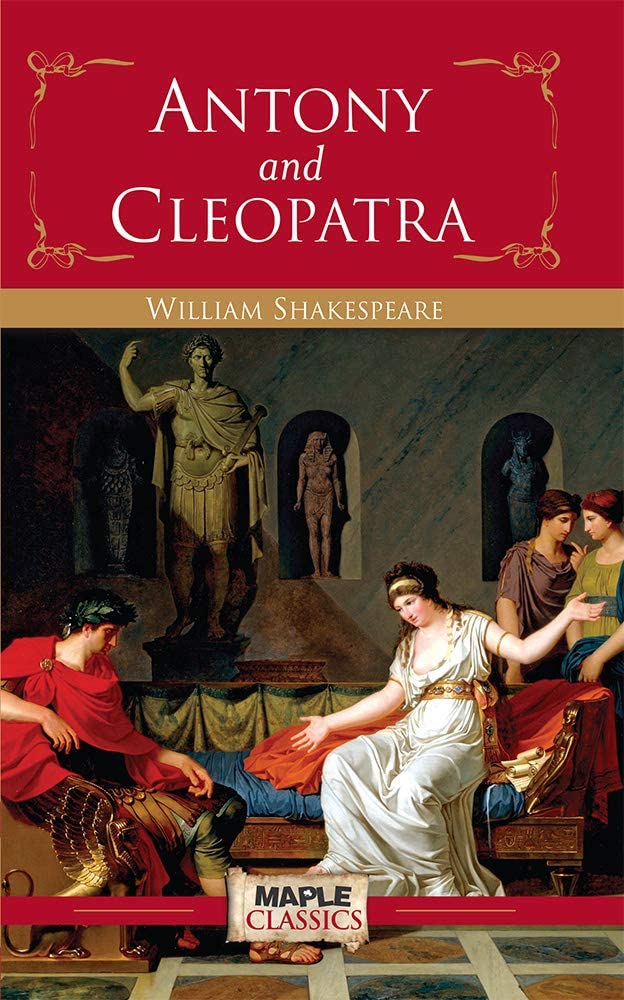
Cleopatra remains a charm to cultures having relevance even today. Her bizarre beauty hacks including pomegranate lip-tint and a bath regime curated out of jennet(female donkey) milk arestill a talk among Beauty enthusiasts. Her famous pearl in vinegar concoction drink stirs curiosity among people. Her life was made into various plays and movies. From Shakespeare stems a wealth of Cleopatra-themed art—plays, poetry, paintings, and operas. In the 20th century Cleopatra’s story was preserved and further developed through film.
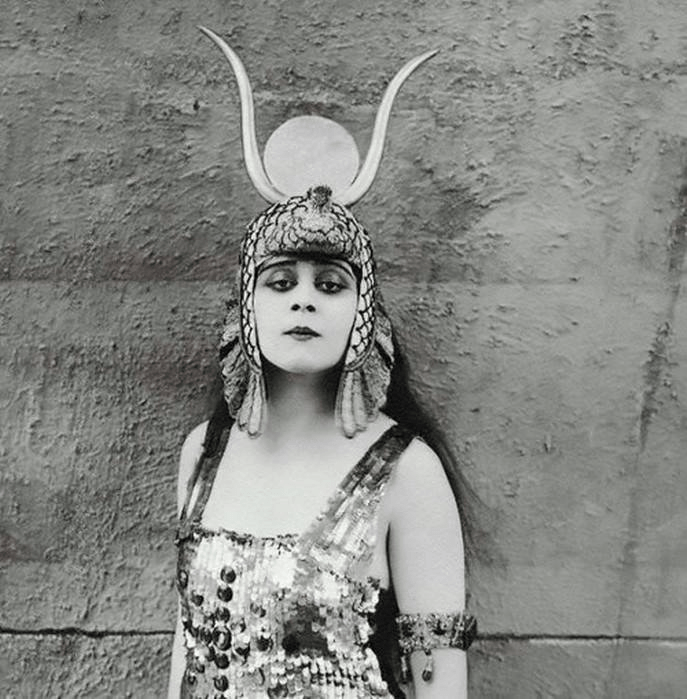
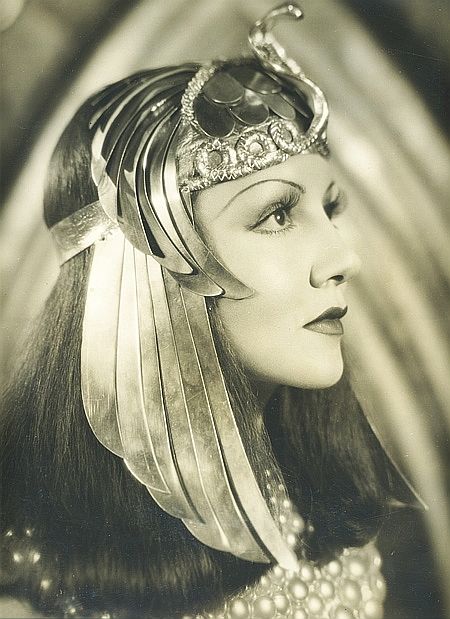
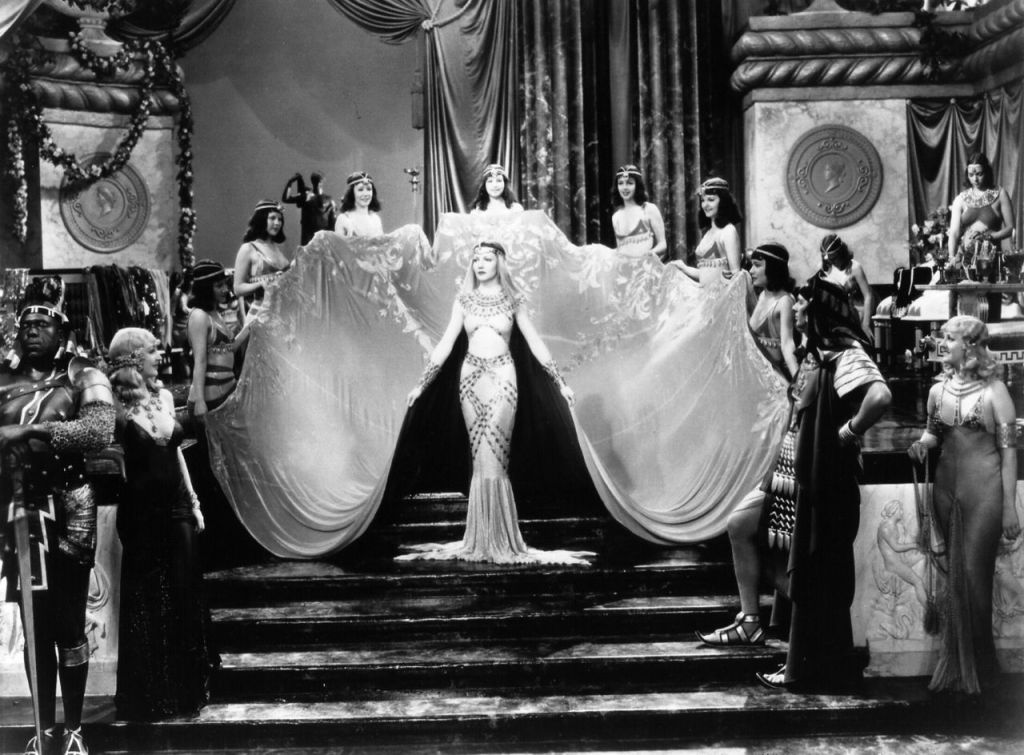
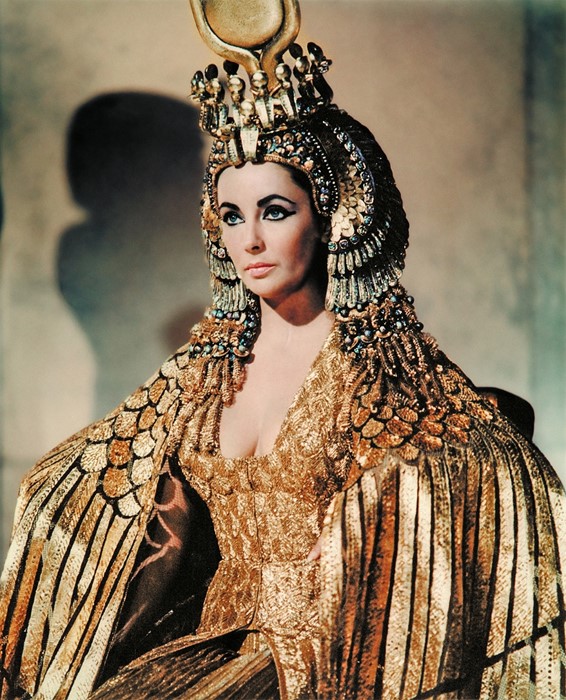
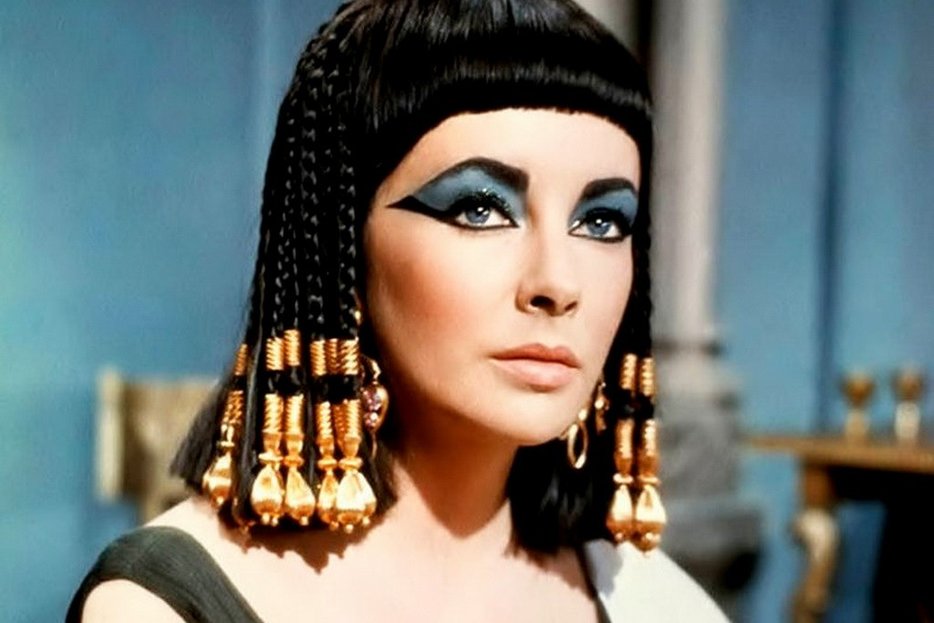
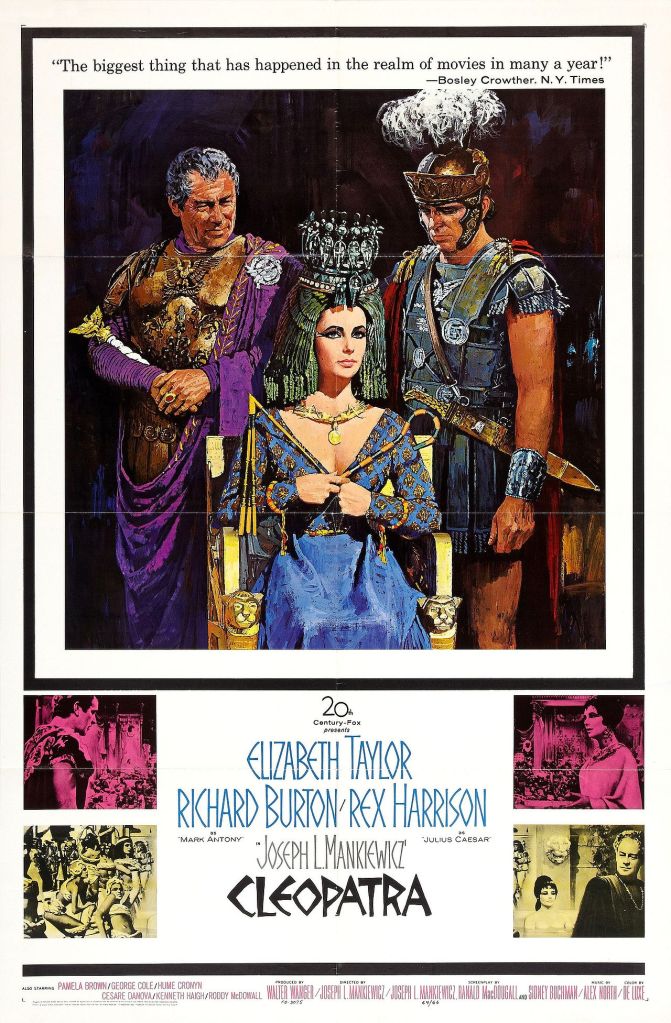
Many actresses, including Theda Bara (1917), Claudette Colbert (1934), and Elizabeth Taylor (1963), have played the queen, typically in expensive, exotic films that concentrate on the queen’s love life rather than her politics. Caesar and Cleopatra, four-act play by George Barnard Shaw , written in 1898, published in 1901, and first produced in 1906. It is considered Shaw’s first great play. Cleopatra, American epic movie, released in 1963, that was perhaps best known for its off-screen drama, notably production overruns that nearly bankrupted Twentieth Century-Fox and the affair between stars Elizabeth Taylor and Richard Burton.
Conclusion
A queen, an empress, a ruler, a passionate lover, a beauty with brain – Cleopatra was literally all in one. She’s definitely considered as one of the most celebrated queen recorded in World history. Tales of her rule and of her beauty still make her unforgettable to the modern Era of History learners. She was a legend, who is encrypted in History forever, with the never ending myths surrounding her life.



 Eduindex
You must be logged in to post a comment.