
SAVE ENVIRONMENT

The natural environment and conditions in which humans live are referred to as the environment. Regrettably, this environment is under great danger. Human actions are mostly to blame for this issue. These human actions have undoubtedly wreaked havoc on the natural world. Most importantly, the survival of all living creatures on Earth is jeopardized by this destruction. As a result, environmental protection is critical.

The environment is made up of the air we breathe, the soil we live on, the trees that provide us with oxygen, and other flora and animals on the planet. Without such a hospitable atmosphere, survival on the planet would have been impossible. However, we have observed a continuous degradation in the quality of the environment around us as a result of the recent boom in urbanization.

“Save the environment” should be a top priority for everyone today. The term “environment” refers to the complete environment, which includes water, air, sunlight, plants, animals, and other elements that provide favourable conditions for development and growth.

Ways of Saving Environment:

First and foremost, tremendous emphasis should be paid to tree planting. A tree is, above all, a source of oxygen. Unfortunately, numerous trees have been felled as a result of building. This will undoubtedly reduce the amount of oxygen in the atmosphere. The more trees that are planted, the more oxygen is produced. As a result, planting more trees will improve the quality of life.

People must also pay attention to forest conservation. Forests are extremely important to the environment. Deforestation, on the other hand, diminishes the size of forests all over the world. Forest conservation efforts must be launched by the government. Forest destruction must be made a criminal act by the government.

Another key aspect of environmental protection is soil conservation. Landslides, floods, and soil erosion must all be controlled to accomplish this. Afforestation and tree planting should also be included in the soil conservation plan. Other options include terrace farming and the use of natural fertilizers.

Environmental protection through Waste Management is a significant tool. Waste disposal must be done properly. Above all, this would aid in maintaining the health of the environment. The government must ensure that the streets and other polluting land areas are cleaned regularly. In addition, every home should have a toilet. The government must also supply sufficient public restrooms.

The greatest threat to the environment is most likely pollution. Air pollution is caused by smoke, dust, and hazardous substances. Industry and cars are the primary sources of air pollution. Chemicals and pesticides also pollute the environment and the water supply.

The Advantages of Environmental Conservation:

To begin with, the global climate will stay normal. Global warming has been caused by environmental damage and pollution. Many people and animals have died as a result of this. As a result, preserving the environment will help to prevent global warming. People’s health would improve. Many people’s health is deteriorating as a result of pollution and deforestation. People’s health would undoubtedly benefit from environmental conservation. Most importantly, preserving the environment will minimize the prevalence of numerous diseases.

Animals would undoubtedly be protected if the environment was preserved. Many species will not go extinct as a result of environmental preservation. Many endangered species would likewise see a rise in their numbers. The level of the water would rise. Groundwater levels have been substantially lowered as a result of environmental damage. Furthermore, pure drinking water is in short supply throughout the world. Many people became ill and died as a result of this. Saving the environment would undoubtedly prevent such issues.
Should plastic be banned?

Plastics are a man-made disaster that will continue to plague us for thousands of years. Furthermore, we have never lived a life free of plastic. Plastics are present in every part of our life, including entertainment, medical care, travel, employment, and even our homes. But it wouldn’t be fair if we didn’t recognize that plastic has also been a benefit to global economic prosperity. For many industries, it has shown to be a wonder material. Plastic derived from fossil fuels such as oil and petroleum is widely utilized in the production of a wide range of products, including plastic bags, kitchenware, furniture, doors, sheets, packaging materials, counter tops, and other items.

Plastics are omnipresent, and they have improved our lives, so banning them isn’t an option. However, prohibiting certain plastic sectors, such as the plastic bag industry, appears to be a sensible idea because plastic bags can be replaced. Jute, gunny, and paper bags are all viable alternatives to plastic bags. When it comes to plastic bags, the reuse and recycle approach can be applied. People should be made aware of the negative consequences of using plastics through proper awareness and instructional programs. Plastic bags are frequently utilized and are freely available on the market. Plastic bags are commonly found in supermarkets and are used to transport commodities such as rice, fruits, vegetables, wheat flour, and other foods. Plastic bags come in a variety of sizes and are far more cost-effective and convenient to use than paper bags.

PROBLEMS CAUSED BY PLASTIC BAGS INCLUDE:

Environmental Degradation: Because of their negative consequences, plastic bags have become a major source of land pollution today. Plastic bags are placed in landfills and take 500 years to decompose. Although these bags are light in weight and easily delivered by air, the waste they create on land and in landfills pollutes the environment. Plastic bags that enter water bodies are a major source of water pollution, and as a result, they harm our ecosystem in every manner.

Human Impact: On land, one of the most common sorts of litter is plastic shopping bags. Large amounts of plastic bags have been known to clog local drainage systems, particularly in underdeveloped countries. Floods in Bangladesh 20 years ago, for example, were blamed in part on bottlenecks in drainage systems caused by plastic shopping bags. Over time, plastic shopping bags leach pollutants into water systems, posing a health danger to human populations. Plastic bags are extremely difficult to recycle. While the three arrows in a circle recyclable emblem appears on many plastic shopping bags in the United States, it is frequently a marketing ploy.

Animal Impact: The world’s largest albatross colony is found on Midway Atoll in the North Pacific Ocean. These birds fly to these remote islands and forage at sea, often hundreds of miles away, for food for their young. Thousands of these beautiful birds have died at Midway Airport after ingesting significant amounts of plastic bag shards and bits. Adult birds bring all of the plastic detected in these birds to the island, where it is fed to the young birds. On a daily basis, four tons of plastic are predicted to accumulate here. Our oceans and seas are home to the bulk of the world’s species. Hundreds of different animals and birds are at risk of being injured or killed as a result of swallowing or being entangled in plastic bag flotsam. Marine creatures that eat floating plastic shopping bags may mistake them for jellyfish. Sea turtles are one of the animals that are threatened by the bags. They’re on the verge of extinction, because to their habit of consuming massive amounts of plastic. Plastic shards fester in the stomach since it can’t be digested properly.

The importance of water.

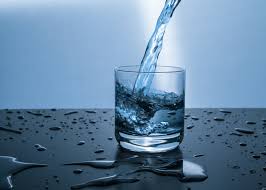
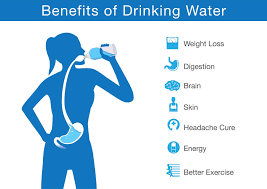
All plants and animals need water to survive. There can be no life on earth without water. Why is water so important? Because 60 percent of our body weight is made up of water. Our bodies use water in all the cells, organs, and tissues, to help regulate body temperature and maintain other bodily functions. Because our bodies lose water through breathing, sweating, and digestion, it’s crucial to rehydrate and replace water by drinking fluids and eating foods that contain water.

Water helps by creating saliva

Water is the main component of saliva. It’s critical for breaking down solid food and keeping your mouth healthy. If you find your mouth is drier than usual, increase your water intake. If that doesn’t work, see your doctor

  • It regulates body temperature

Staying hydrated is critical to maintaining a normal body temperature. Our bodies lose water when we sweat, and in hot environments. Sweat keeps our bodies cool, but our body temperatures will go up if we don’t replenish the water we lose. That lack of water causes dehydration, which in turn causes levels of electrolytes and plasma to drop

  • Water aids cognitive functions

Proper hydration is crucial to staying in good cognitive shape. Research has shown that inadequate water intake can negatively impact our focus, alertness, and short-term memory

  • Water protects the tissues, spinal cord, and joints

Water  helps lubricate and cushion our joints, spinal cord, and tissues. This helps us to be more physically active, and reduces the discomfort caused by conditions such as arthritis

  • It helps excrete the waste in our bodies through perspiration, urination, and defecation

Our bodies use water to sweat, urinate, and pass healthy bowel movements. We all need water to replenish fluids lost from sweating. We also need water in our systems to have healthy stools and avoid constipation. Drinking enough water helps our kidneys to work more efficiently  thus preventing kidney stones

  • Water maximizes our physical performance

Drinking plenty of water while working out, taking part in sports or just being on the move, is essential.  Keeping ourselves hydrated also affects our strength, power, and endurance

  • It helps to boost our energy levels

Drinking water helps to boost our metabolic rate. This boost has a positive impact on our energy levels. Drinking 500 milliliters of water can boost the metabolic rate by 30 percent in both men and women, one study has found. Negative effects of exercising in the heat, without staying hydrated, can result in serious medical incidents. In fact, extreme dehydration can cause seizures, and sometimes, even death.

  • Water prevents overall dehydration

Dehydration is the result of the body being deprived of adequate water. And,  since water is critical for the successful functioning of many bodily functions, dehydration can be very dangerous. Even leading to fatal consequences. Severe dehydration can lead to serious outcomes, including:

  • swelling in the brain
  • kidney failure
  • seizures

Make sure to drink enough water to replace what’s lost through sweating, urination, and bowel movements, to avoid dehydration.

The importance of water.

It’s pretty obvious that having adequate water in your body  is critical to nearly every part of it. Not only will maintaining your recommended daily intake help you to maintain your current state of good health, it could also improve it in the long run. The amount of water you need will depend on the environment and climate you live in, how physically active you are, and whether you are suffering from an illness, ailment or  any other health problems.

Here are some ways to make sure that  you drink enough water:

  • Carry a water bottle with you wherever you go. Keep taking sips from it as and when you feel the need
  • Track your water intake. Make sure you consume the optimum amount every day, which is a minimum of half your body weight, in ounces/milligrams

GLOBAL WARMING

“Global warming is a term that refers to a steady rise in the average temperature of the Earth’s atmosphere and oceans, a phenomenon that is thought to be irreversibly altering the Earth’s climate.”
The increase in the average global temperature of the Earth is used to measure global warming. Some sections of the Earth may become colder as our average global temperature rises, while others may become warmer—hence the concept of average global temperature. Atmospheric heating and agitation induced by greenhouse gases increase the unpredictability of weather and climate, as well as the severity, scale, and frequency of storms, droughts, wildfires, and severe temperatures. The gases in the atmosphere that absorb and release heat radiation include water vapour, carbon dioxide, methane, nitrous oxide, and ozone. Increasing or lowering the amount of greenhouse gases in the atmosphere causes the sun’s heat to be trapped or released more.

Causes of global warming:

Fossil fuel combustion: CO2 pollution is released into the atmosphere when fossil fuels such as coal and gas are burned to generate energy or power our cars. Burning coal, oil, and gas produces carbon dioxide, the most major greenhouse gas in the atmosphere, as well as nitrous oxide, which is certainly the initial source of global warming.

Deforestation: Forest exploitation is a significant contributor to global warming. By absorbing CO2 from the atmosphere, trees aid in climate regulation. When trees are cut down, the carbon contained in them is released into the atmosphere, negating the positive effect. Forests and wilderness serve as carbon sinks, helping to keep global warming below 1.5 degrees Celsius. Humans, on the other hand, clear enormous swaths of land for farming, urban and infrastructural development, and the sale of tree products like lumber and palm oil all over the world. When vegetation is cut down or burned, the stored carbon is released as CO2, contributing to global warming.

Farming & Agriculture: Methane is a greenhouse gas produced by livestock, such as sheep and cattle. The amount of methane created by livestock grazing on a vast scale, such as in Australia, contributes significantly to global warming. Intensive farming, which includes not just ever-increasing livestock but also plant protection products and fertilizers, is another contributor to global warming. When cattle and sheep digest their food, they produce enormous volumes of methane, whereas fertilizers emit nitrous oxide.

Mining: The mining and metallurgical industries are vital to modern living. Metals and minerals are the raw materials that are used to create, transport, and manufacture items. This market accounts for 5% of all greenhouse gas emissions from extraction to distribution. Decarbonization initiatives across industries may result in significant shifts in commodity demand for the mining industry. Governments, investors, and society will put pressure on the mining sector, which is responsible for 4 to 7% of global greenhouse gas (GHG) emissions, to reduce emissions.

Eruption of a Volcano: When volcanoes erupt, they release large amounts of carbon dioxide. Volcanoes have a minor impact on global warming, and eruptions result in short-term global cooling because ash in the air reflects more solar energy. Volcanic eruptions release gases and dust particles into the atmosphere, which have an impact on the climate. The majority of the particles ejected by volcanoes cool the earth by shielding it from the sun’s rays. Depending on the features of the eruption, the cooling impact can continue anywhere from months to years.