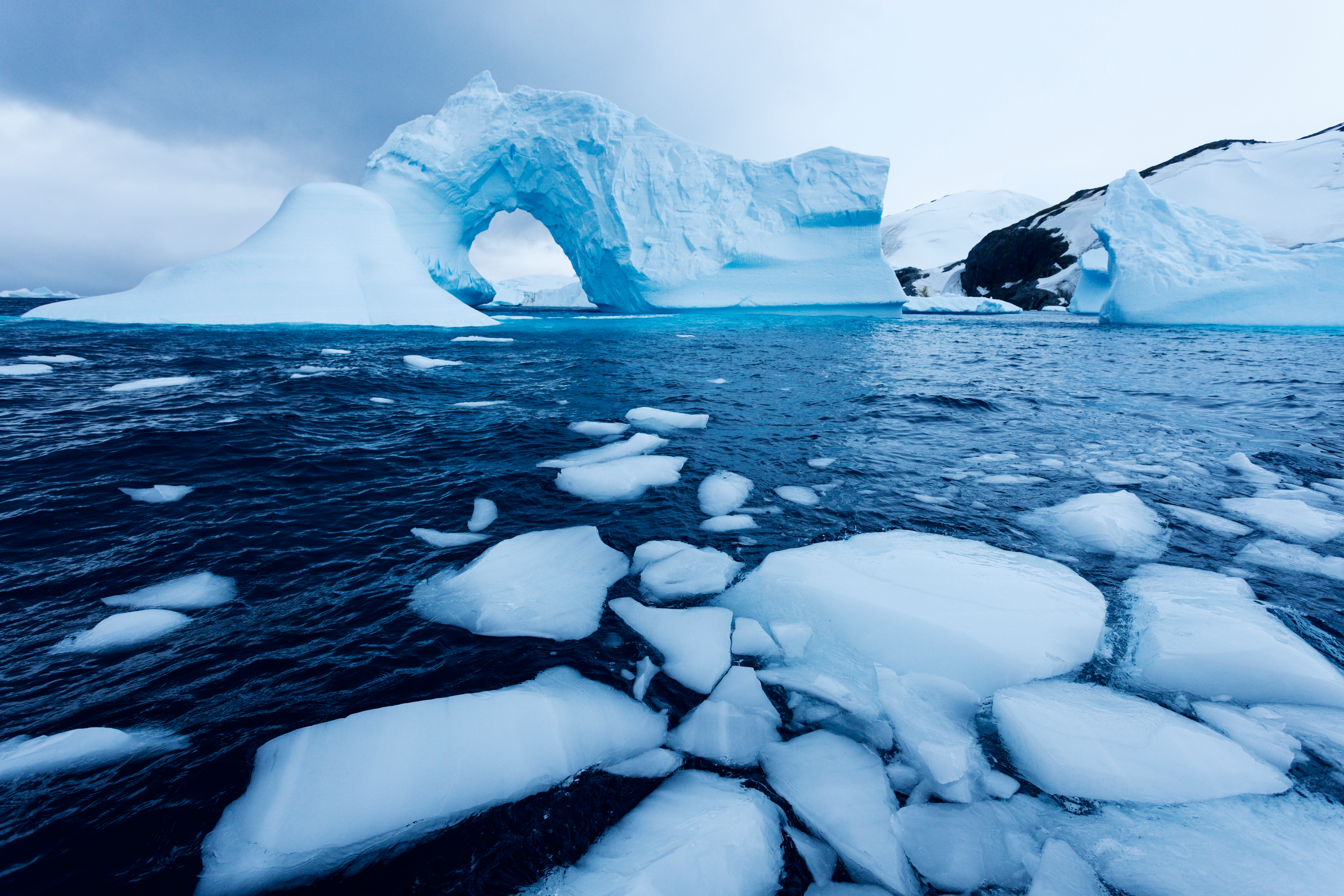
Melting of Glaciers – A topic which should not be avoided.

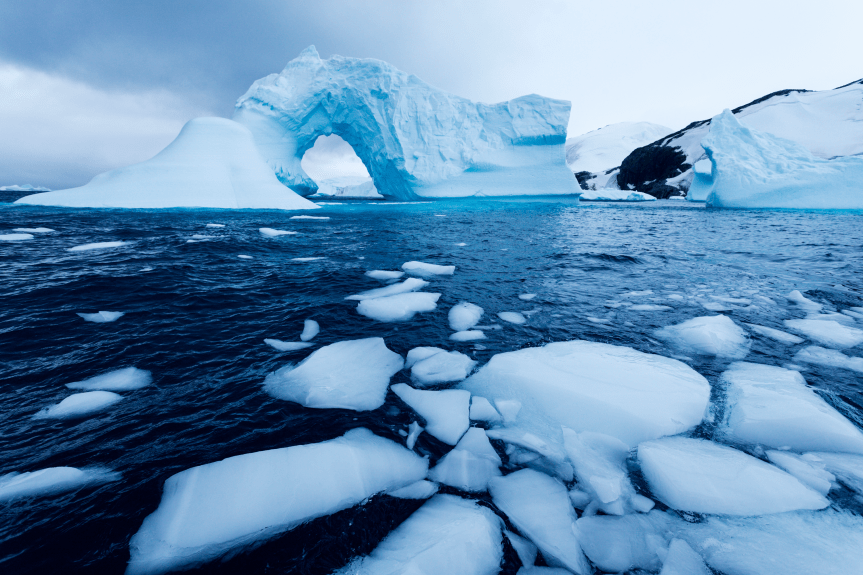
Glaciers are persistent chunks of dense ice that are constantly moving under their own weight. Glaciers are formed where snow accumulation exceeds its erosion over the years, and often centuries.

Rising global temperatures have undoubtedly been the cause of glacier melting throughout history. Due to the rate at which climate change is occurring today, it can become extinct at record rates.

Some of the other reasons:
Carbon dioxide gases Emissions: Atmospheric concentrations of carbon dioxide and other greenhouse gases (GHGs) produced by human activities such as industry, transportation, deforestation, and burning fossil fuels warm the earth and melt glaciers. Glacier savings can be achieved if CO2 emissions can be reduced by 45% over the next decade before reaching zero by 2050.
Ocean warming: The ocean absorbs 90% of the earth’s heat. This fact mainly affects the melting of sea glaciers near the poles and on the coast of Alaska (USA) and other heavy snow covered areas.

The main consequences of melting glaciers are:
Sea Level Rising- Sea level is rising and covers most of the continental region. This means that which means within years most of the areas can be a complete flooded regions.
Less freshwater – No glaciers also mean less water for population consumption, less hydropower capacity, and less water available for irrigation.
Climate change-The balance between cyclone and anticyclone structure and meteorological patterns is deteriorating.
Food Chain Imbalances-The habitats of some marine and terrestrial species are changing and they may harms to them in maintaining their natural circulation and habitat.

Temperature imbalances, extensive processes of deforestation, and rainfall can be other reasons for global warming that lead to glacier melting.
Glaciologists believe that despite the massive ice loss, there is still time to save the glacier from the predicted disappearance. It can done through to curb climate change and save glaciers from getting extinct. Scientists believe that controlling climate change can prevent glaciers from melting and disappearing.

“The earth has a skin and that skin has diseases; one of its diseases is called man.”

– Friedrich Nietzsche
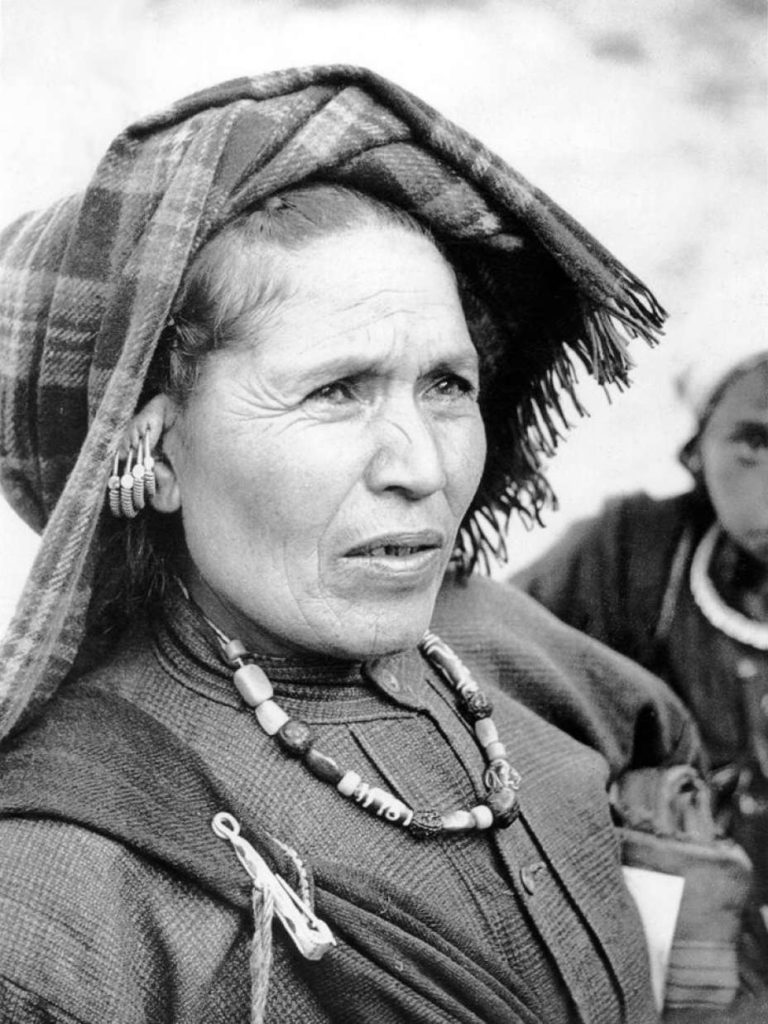
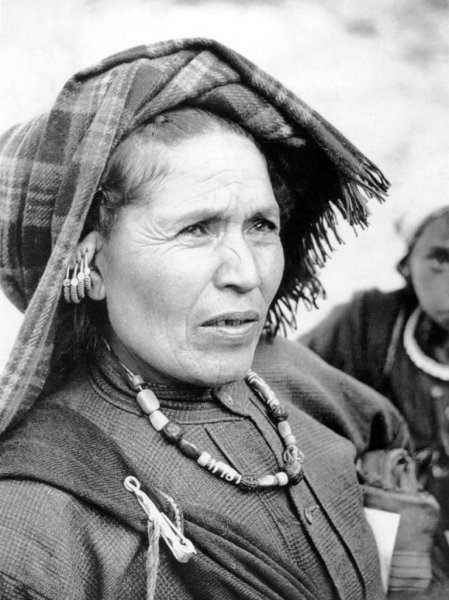
Gaura Devi who played an important role in Chipko Movement.

Gaura Devi (1925 – 1991) was a social activist and a rural women community leader from Uttarakhand, India who played an important role in the Chipko movement in 1970’s .
Gaura Devi was born in 1925 in a village named Lata of Chamoli district in the state of Uttarakhand. She got married at very young age, afer her marraige she moved to a nearby village named Reni by the Alaknanda River. At the age of 22 she was a widow with a child. After her husband death she moved to a new village which was near to the border of Indo-Tibet.

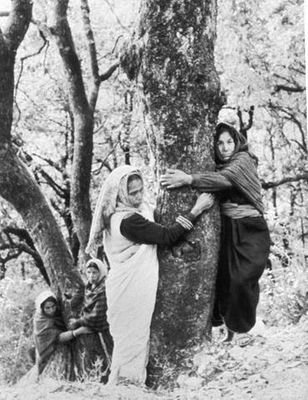
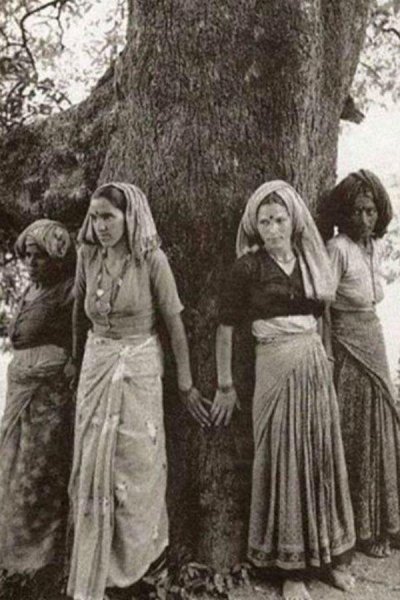
An environmentalist Sunderlal Bahuguna initially started the Chipko Movement . Gaura Devi became the leader of the Chipko movement in 1974. Gaura Devi was elected to lead the Mahila Mangal Dal (Women’s Welfare Association) in the wake of the Chipko movement. The organization worked towards protecting the forests of the community. On March 25, 1974, she learned from a young girl of the village that a local loggers of the village were logging a tree near the village. People in the village of Reni were told the news that according to government new policy, the government would pay compensation to the people for the land used by the army . Gaura Devi and 27 other women decide to take action against the loggers. She confronted the loggers and demanded that the men shoot her instead of cutting down trees, and she described the forest as “vandevta” (the jungle god) and her maika (mother’s house). Eventually, for the next three or four days Gaura Devi along with other village women’s protect the trees by hugging the trees , despite the insults and intimidation of the armed loggers,she was able to stop the logger’s work . After seeing the bravery of Gaura Devi and other village women’s how they protect the trees who are the important part of thier life other villagers from different villages joined the action with her . After this incident, the Uttar Pradesh government set up a specialized committee to investigate logging issues, and the logging company withdrew its subordinates from Reni. The Commission stated that the Reni Forest is an ecologically sensitive area where trees should not be logged. The Uttar Pradesh government who was in power of that area at that has since banned all logging in areas over 1150 km² for 10 years.

Some other important activist who played an important role in Chipko Andolan or Chipko movement along side Gaura Devi were :
Suraksha Devi, Sudesha Devi, Bachni Devi and Chandi Bhatt, Virushka Devi and others.

Gaura Devi passed away in July 1991, at the age of 66 in Reni village Chamoli.

“Ecology is permanent economy “

-Sunderlal Bahuguna