Famous is the person who has done something extraordinary in her life which made her earn the title famous. These days it’s totally unpredictable to determine the famous the reason behind this is wide reach of internet, which has provided everyone a platform in the form of social media to show their creativity, sarcasm or talent in various form. Almost everyone is using a cell phone and so is the internet this has given an opportunity to every person and now its no more limited to a particular section of people. It can be anyone the prime minister of a country, an educator, a street artist, a homemaker or anyone. This introduces us to the fresh and unheard talent from around the world. Here is a list of many such people specifically from India-
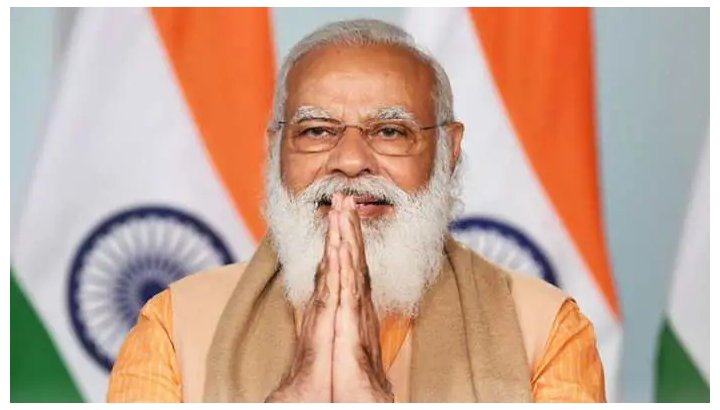
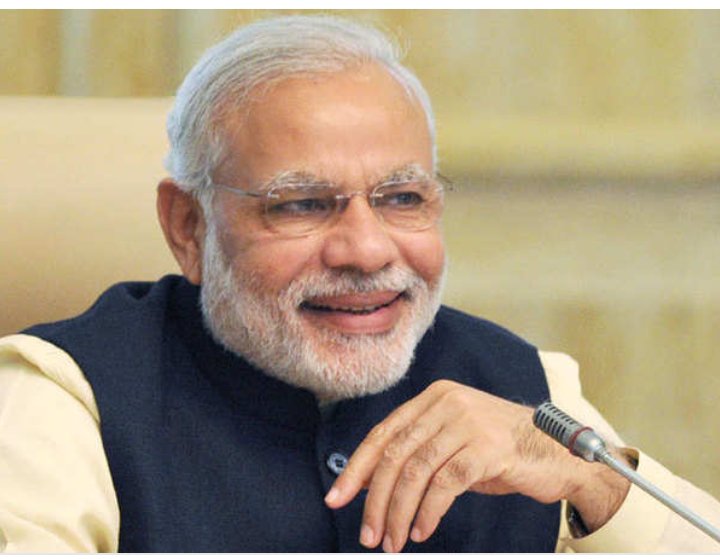
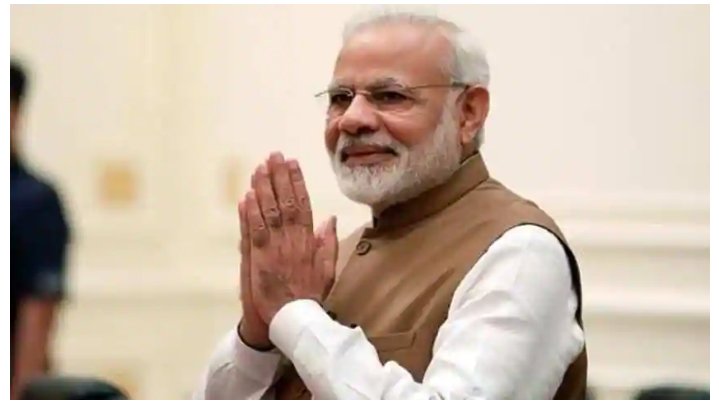
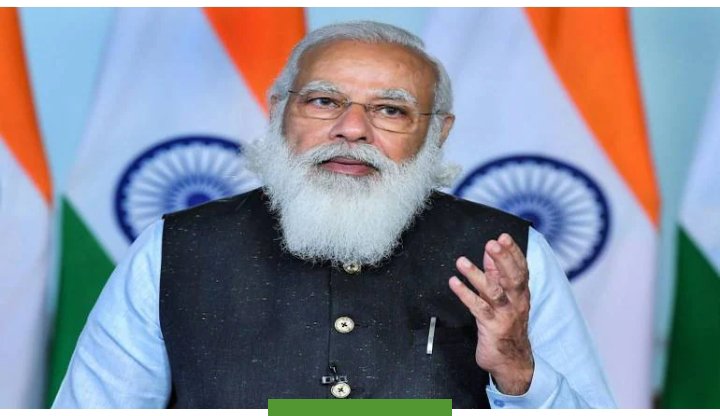
Narendra Modi Narendra Damodardas Modi, the Prime Minister of India who has sworn as the primeminister for the second year. He was born in vadnagar, Gujrat. Earlier he was the chief minister in Gujrat, he was elected as the party head and became the popular choice of people first in Gujrat then in whole country, which paved his way to the prime minister’s seat. In a survey conducted in 2007 he was name as the best chief minister. Moreover, Forbes has ranked him as 15th most powerful person. Additionally, he has created strong inter nation bond with countries like- Russia, US, Saudi Arabia etc.
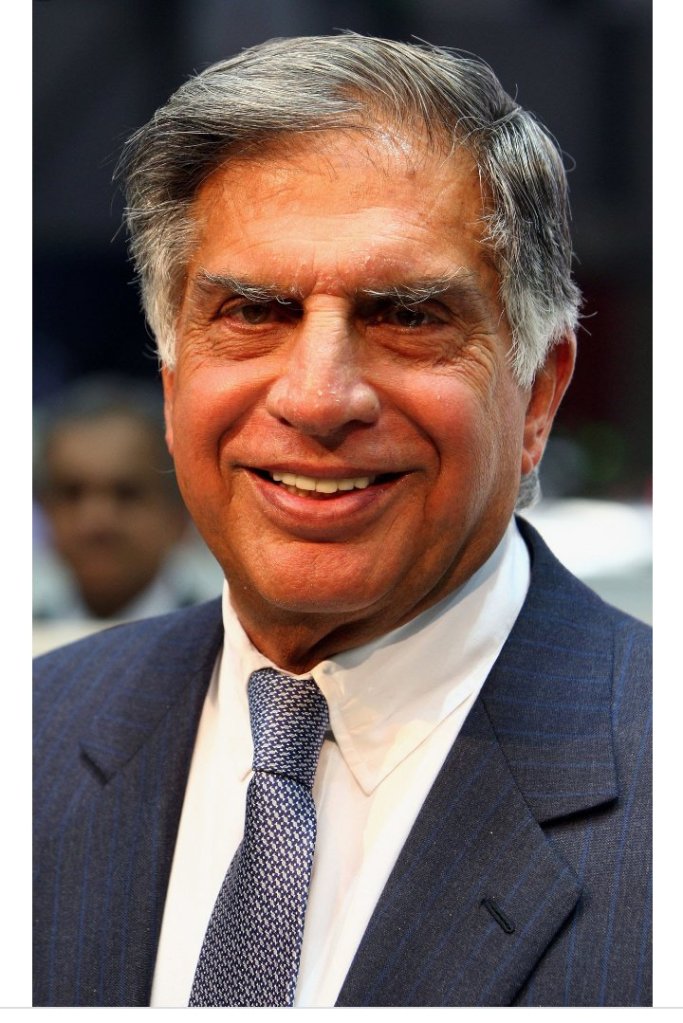
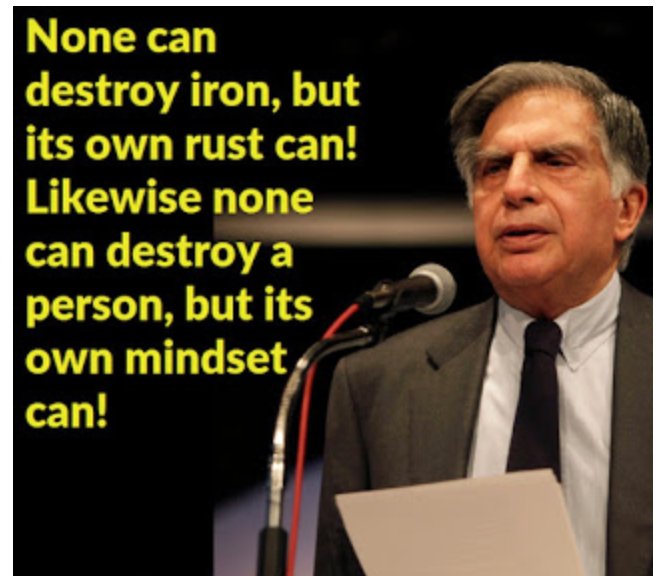
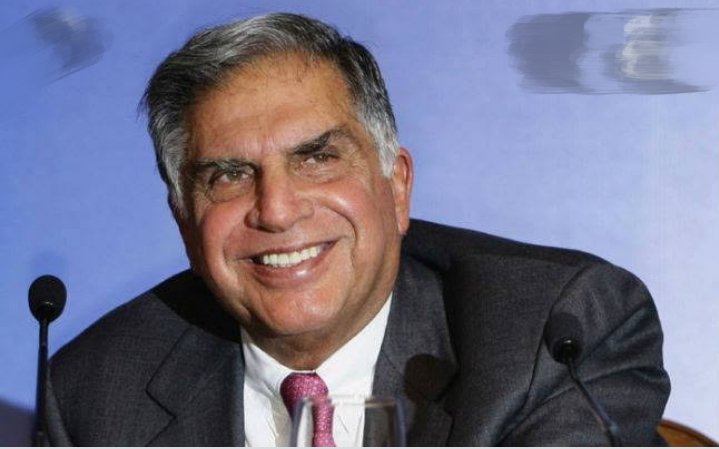
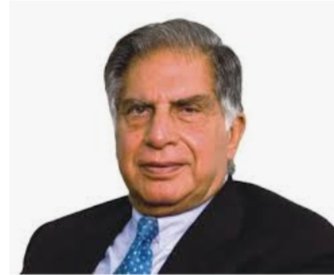
Ratan Tata Ratan Tata is the top industrialist of Indian, he has been the chairman of tata group from 1990 to 2012. After his Father Jamshedji Tata, he is heading the group and under his leadership Tata Group has grown massively and is highly successful. He was awarded with Padma Bhushan in the year 2000 and Padma Vibhushan in 2008. A philanthropist, great leader and nation builder Ratan Tata is a truly inspiring person.
Kapil Dev Kapil Dev is the legend of Indian Cricket. Former Indian cricketer born on 6 January 1959 when he was only 19 years old. He made his debut in Indian cricket in the year 1972 and captained the Indian cricket team in world cup of 1983. He was awarded with Arjuna award which is the highest honor in sports field ,for his great achievement he made throughout his career.
Kiran Bedi Kiran Bedi was born in Amritsar, Punjab in 1949. She was the first woman IPS (Indian Police Services). It was an extraordinary achievement at that time further Kiran Bedi gain recognition in the Police Department for her strong decisions and working, she is also the first Indian women who was appointed as Civilian Police Adviser at United Nations. she is one of the most respected lady police officer who is also working for society welfare through her NGO.
AR Rahman AR Rahman is big name of Indian music industry, who started a new phase of contemporary music. A singer, song writer and film producer, two times Oscar winner and Grammy award winner. He is The gem of music industry.
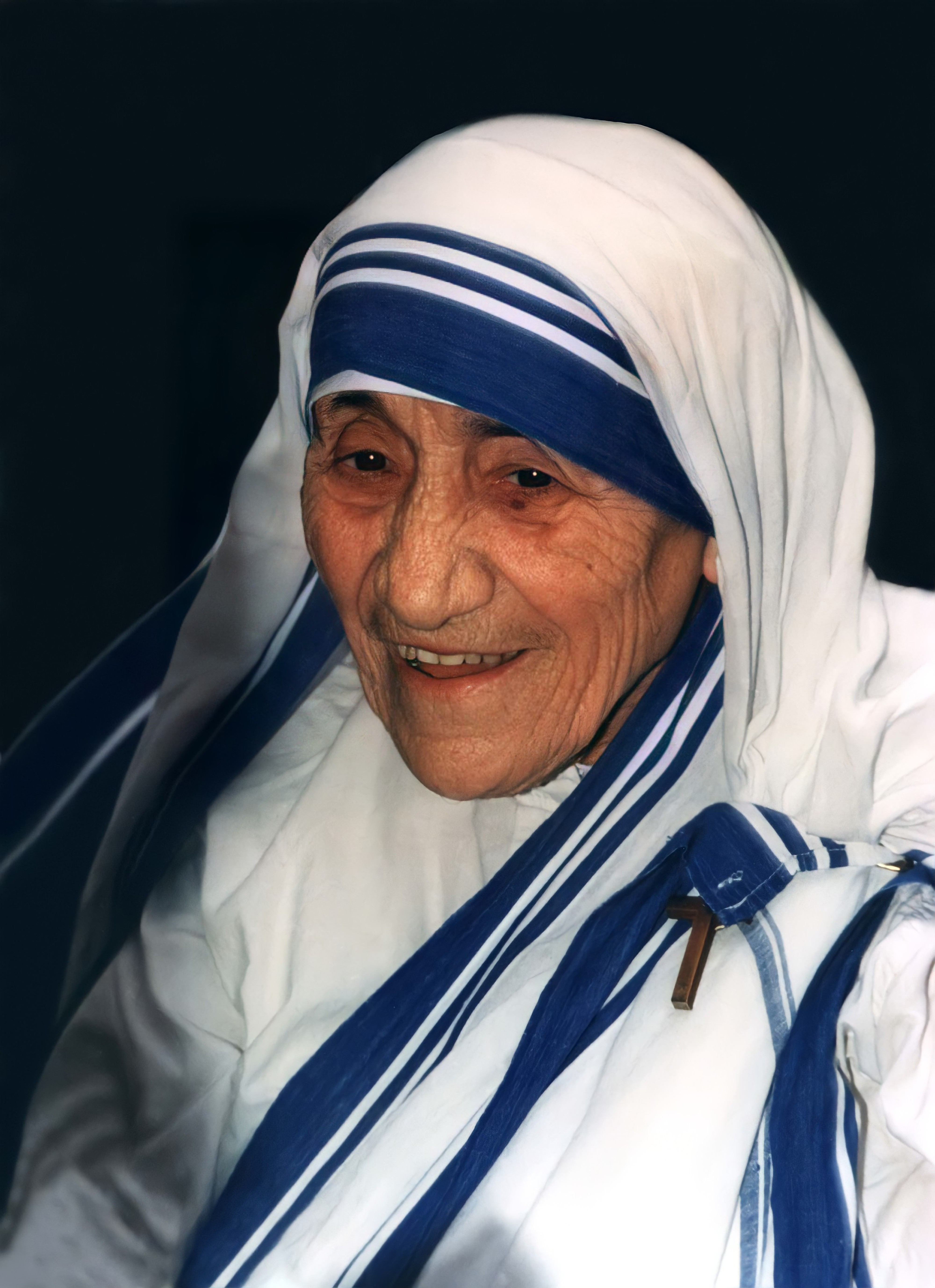
A lady of great caliber who spends her whole life serving the poor and needy people. Although she was not an Indian still she came to India to help its people.
Mother Teresa was not his actual name but after becoming a nun she received this name from the church after the name of St. Teresa. By birth, she was a Christian and a great believer of God.
Early life Her real name was Agnes Gonxha Bojaxhiu on August 26th, 1910, at Skopje. Her father, Kole, was a widely traveled businessman. Her mother, Drana, was a housewife.
How Mother Teresa helped the society? Mother Teresa created many homes for the dying and the unwanted from Calcutta to New York to Albania. She was one of the first to establish homes for AIDS victims.
Mother Teresa joined a Roman Catholic religious order that sent her on a mission from her homeland in what is now Macedonia to far-off India. She went on to found the organization Missionaries of Charities.1962 Padma Shri Award for distinguished service.
Awards
1962 Padma Shri Award for distinguished service. 1971 Pope John XXIII Peace Prize 1971 Prize of the Good Samaritan, Boston 1971 Kennedy Prize 1972 Jawaharlal Nehru Award for International Understanding 1972 Koruna Dut, angel of charity from the President of India. 1973 Templeton Prize 1975 Albert Schweitzer International Prize 1977 Honorary PhD in Theology, University of Cambridge, England 1979 Nobel Peace Prize 1982 Honorary PhD from the Catholic University Brussels, Belgium 1985 Presidential Medal of Freedom 1996 Honorary U.S. citizenship (only the 4th person to receive this honor) 1997 Congressional Gold Medal
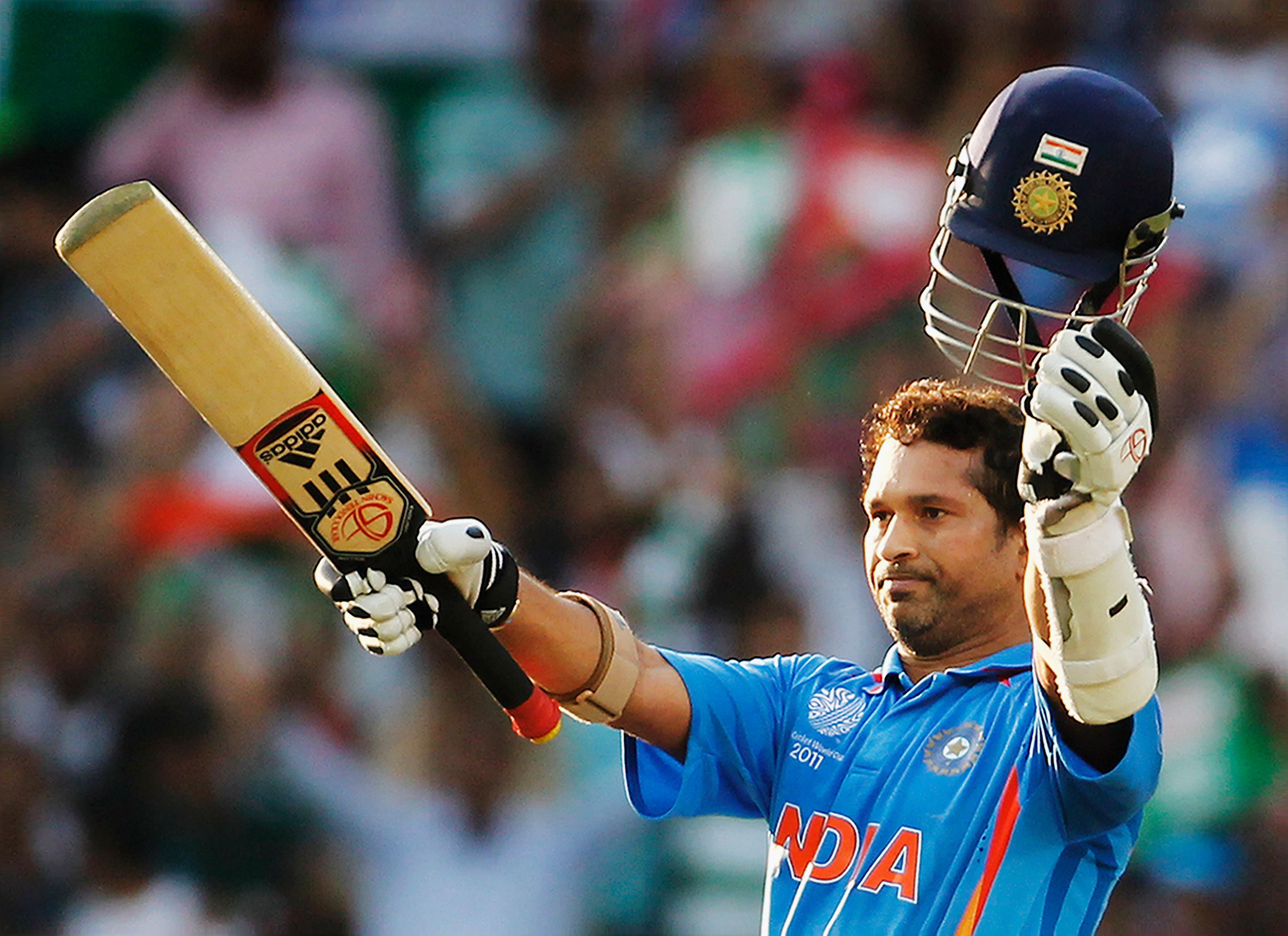
Sachin Ramesh Tendulkar is an Indian former international cricketer who served as captain of the Indian national team.He is widely regarded as one of the greatest batsmen in the history of cricket.He is the only batsman in world cricket to hit 100 centuries.
BIO Born : 24 April 1973 Age (as 2021) : 48 Years Height : 1.65 m (5 ft 5in) Father’s Name : Ramesh Tendulkar Mother’s Name : Rajni Tendulkar Spouse Name : Anjali Tendulkar Children : Sara And Arjun Hometown : mumbai Zodiac sign : Taurus Nationality : Indian Religion : Hinduism
Sachin Tendulkar was born to a brahmin family on 24 April, 1973 in Dadar, Mumbai. That is he belongs to renowned Saraswat Brahmin Family. His father, Ramesh Tendulkar, was a Marathi poet and novelist. His mother was Rajni who worked in the insurance industry. He has two brothers namely Nitin and Ajit and one sister Savita.
EDUCATION School : Indian education society’s new English school in mumbai. Shardashram vidyamandir school, mumbai College /University : not attended
CRICKET Batting : Right-handed Bowling : Right-arm medium, leg break, off break Role : Batsman JERSEY : #10(INDIA)
EARLY CAREER: Tendulkar took up cricket at the age of eleven, made his Test debut on 15 November 1989 against Pakistan in Karachi at the age of sixteen, and went on to represent Mumbai domestically and India internationally for close to twenty-four years. In 2005, he became the first cricketer to score 35 centuries (100 runs in a single inning) in Test play.
Later in his career, Tendulkar was a part of the Indian team that won the 2011 World Cup, his first win in six World Cup appearances for India.
Tendulkar became the first batsman in history to cross the 34,000 run aggregate in all formats of Cricket on 5 December, 2012. In an international cricket approx. he played a total of 657 matches. On 16th March, 2012,100th-century milestone was achieved against Bangladesh in the Asia Cup.
Top Test Cricket Records: ° He holds the record to be the fourth-youngest °Sachin Tendulkar was the first Indian to surpass the 11,000 run mark in Test World record of 8,705 runs in Tests away from home °World record of 29 centuries in Tests away from home °First player to reach 13,000, 14,000, 15,000 Test runs respectively °The only cricketer to score 100 centuries in international cricket (test and ODI) °He is the only cricketer to have scored 5 centuries before he turned 20.
AWARDS: > 1994 – Arjuna Award for exemplary achievements in cricket > 1997 – Amongst the five players selected as Wisden Cricketer of the Year > 1997-98 – Rajiv Gandhi Khel Ratna India’s highest sporting honour > 1999 – Sachin received Padma Shri Award > 2001 – Sachin received Maharastra Bhushan Award > 2003 – Named as Greatest Sportsman by Zee News > 2006 – Recognised as one of the Asian Heroes by Times Magazine and Awarded the Sportsperson of the Year >2008– Awarded the Padma Vibhushan which is India’s second highest civilian award > 2009 – Sachin’s Test Debut recognised as Top 10 Sporting Moments by Times Magazine > 2010 – LG People’s Choice Award, ICC Cricketer of the Year, and Sports Icon of the Year at NDTV Indian of the Year Awards > 2012 – Wisden India Outstanding Achievement award and Honorary Member of the Order of Australia, given by the Australian government > 2013 – Bharat Ratna > 2020 – Laureus World Sports Award for The Sporting Moment of the Year (2000-2020)
RETIREMENT : His 24 year-long marvellous cricket career came to an end on 16 November, 2013 when he announced his retirement.
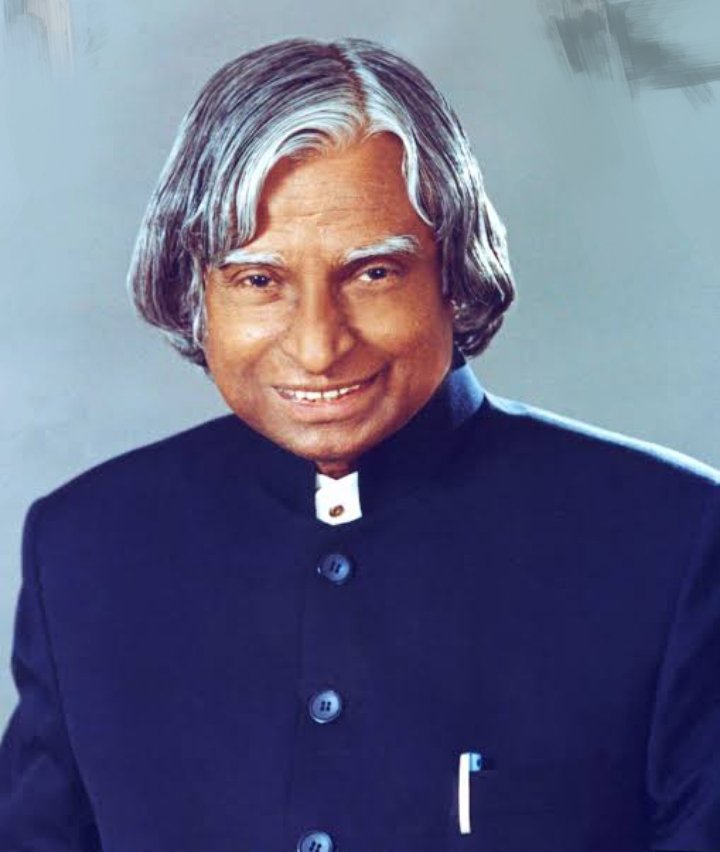
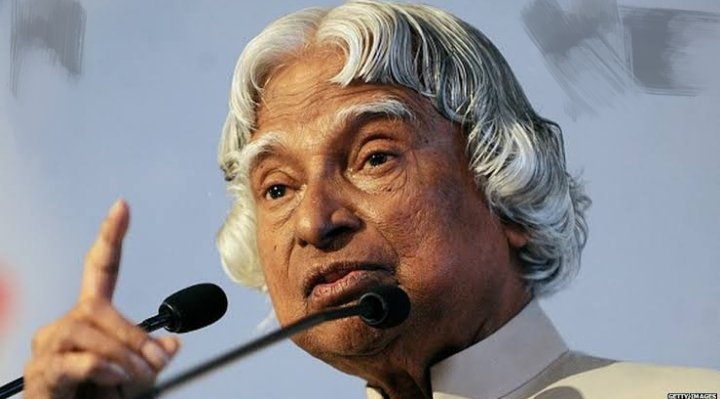
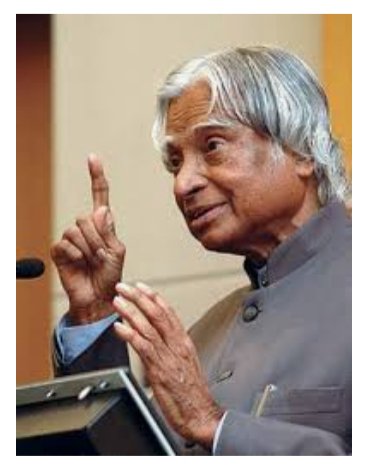
A.P.J. Abdul Kalam was an aerospace scientist who joined India’s defense department after graduating from the Madras Institute of Technology.
Avul Pakir Jainulabdeen Abdul Kalam was born into a Muslim family on October 15, 1931, on the island of Dhanushkodi off the southeastern coast of India. He developed an early fascination with flight by watching birds, which developed into an interest in aeronautics after he saw a newspaper article about a British fighter plane.
Despite his modest beginnings – his dad built and rented boats – Kalam was a bright student who showed promise in science and mathematics. He attended St. Joseph’s College and went on to earn a degree in aeronautical engineering from the Madras Institute of Technology.
His hopes of becoming a fighter pilot were dashed when he narrowly missed out on a spot with the Indian Air Force. Kalam instead joined the Defense Research and Development Organization (DRDO) as a senior scientific assistant in 1958. After moving to the newly formed Indian Space Research Organization (ISRO) in 1969, he was named project director of the SLV-III, the first satellite launch vehicle designed and produced on Indian soil.
From 1992 to 1997 Kalam was scientific adviser to the defense minister, and he later served as principal scientific adviser (1999–2001) to the government with the rank of cabinet minister. His prominent role in the country’s 1998 nuclear weapons tests solidified India as a nuclear power and established Kalam as a national hero, although the tests caused great concern in the international community.
In 2002, India’s ruling National Democratic Alliance helped Kalam win an election against Lakshmi Sahgal and become India’s 11th president, a largely ceremonial post. Known as the People’s President, Kalam set a goal of conducting 500,000 one-on-one meetings with young people over the course of his five-year term. His immense popularity led to him being nominated by MTV for a Youth Icon of the Year award in 2003 and 2006.
After leaving office in 2007, Kalam became a visiting professor at several universities. He formed the “What Can I Give Movement” in 2011 with the goal of creating a compassionate society, and in 2012, his efforts to improve healthcare led to the release of a tablet for medical personnel to use in remote areas.
Kalam wrote several books, including an autobiography, Wings of Fire (1999). Among his numerous awards were two of the country’s highest honours, the Padma Vibhushan (1990) and the Bharat Ratna (1997).
Upon returning to civilian life, Kalam remained committed to using science and technology to transform India into a developed country and served as a lecturer at several universities. On July 27, 2015, he collapsed while delivering a lecture at the Indian Institute of Management Shillong and was pronounced dead from cardiac arrest soon afterward.
Kalam was laid to rest on July 30 with full state honors in his native Tamil Nadu. In honor of the scientist and former president, the southeast Indian state government of Tamil Nadu created a “Dr. A.P.J. Abdul Kalam Award,” which recognizes exceptional individuals who promote the sciences, students and humanities. The government has also established Kalam’s birthday (October 15) as “Youth Renaissance Day.” Discussion about building a large-scale memorial at his burial site is underway.
One of the most well-known and respected industrialists in India, Ratan Naval Tata is the Chairman of Tata Sons and Tata Group. At the age of 73, Tata heads one of the country’s largest conglomerates which comprise nearly 100 firms with revenues totaling about USD 67 billion. He is also the chairman of major Tata companies such as Tata Steel, Tata Motors, Tata Teleservices. Power, Tata Consultancy Services, Tata Tea, Tata Chemicals, and The Indian Hotels Company.
Tata was born on December 28, 1937 in Mumbai, in one of the richest families. His great grandfather was Jamsedji Tata, founder of the Tata group. As a young boy, Tata had a disturbed childhood after his parents split. He was raised by his grandmother, Lady Navajbai in the lap of luxury at Tata Palace. America held a special fascination for the Tata scion and he went to Cornell University to study architecture and structural engineering. Later he pursued a management course from Harvard University.
A member of a prominent family of Indian industrialists and philanthropists, he was educated at Cornell University, Ithaca, New York, where he earned a B.S. (1962) in architecture before returning to work in India. He gained experience in a number of Tata Group businesses and was named director in charge (1971) of one of them, the National Radio and Electronics Co. He became chairman of Tata Industries a decade later and in 1991 succeeded his uncle, J.R.D. Tata, as chairman of the Tata Group.
Success is the best revenge, and Ratan Tata is the best example of this line. Once upon a time, Tata group launched his car Tata Indicom in 1998, it was the dream project of Ratan Tata, and he gave a lot of hard work to establish this car, but Indica car fails in the market, and due to this car, TATA motors is in low profit.
Ratan Tata partnership members give advice to Ratan Tata that he should sell his company to get lost money. Ratan Tata did not want to sell his company, but he has no other option left, so he goes to Ford company to sell his company. The headquarter of the Ford company is in America.
With Ford company Ratan Tata and his partners meeting 3 hours. Ford company chairman William Clay Ford Jr. show rude behavior with Ratan Tata. He said to Ratan Tata that if you don’t have any knowledge of this business so why you invest so much money in this indigo car? We just to do a fever to buy your company. These lines hurt Ratan Tata very much, and he takes flight and comes back without selling his company. Ratan Tata does not forget what William Clay Ford Jr. said to him. After that, Ratan Tata decided that he would not sell his company to anyone.
Revenge took by Ratan Tata: Ratan Tata gives all his energy and hard work to stand Tata motor, and his hard work is a success. Tata motor cars selling very fast in the market and earn too much profit. On the other side, the Ford company is going in loss. At the end of 2018, Ford company is in the stage of shutting down. At this time, Ratan Tata proposes Ford company that he will buy Ford luxury cars Jaguar and Range Rover and gave too much money for those cars. William clay ford is in huge loss due to these two cars Range Rover and Jaguar, and he will happily accept the proposed of Ratan Tata. William clay ford will go to the head office of Ratan Tata company with his partners. The past is repeating the same, but the person and place are changed.
In a meeting, the owner of companies decided that 9300 crore rupees Jaguar and Range Rover, are part of the Tata motor company. At this time, William clay ford repeats the line that he says in the past with the few changes he says to Ratan Tata, you can give me a favor to buy Range Rover and Jaguar Cars.
Today Jaguar and Range Rover are part of the Tata motors company and grow with colossal profit day by day. If Ratan Tata wants to shut the mouth of William clay ford in the meeting as remembering his past, he will do it, but he doesn’t do that because Ratan Tata was not in the intoxication of success.
In year 2000, he was honored with Padma Bhushan by the government of India. He was also conferred an honorary doctorate in business administration by Ohio State University, an honorary doctorate in technology by the Asian Institute of Technology, Bangkok, and an honorary doctorate in science by the University of Warwick. Tata has a personal fortune of GBP 300 million and owns less than 1% of the colossal group. Over two thirds of Tata Group is owned by charitable trusts that finance good causes.
Tata set a perfect example of generosity and leadership during the 26/11 attacks. Unarmed he stood all alone outside the Taj hotel and supervised the activities to help the victims. He showcased his humane gesture by personally visiting the families of all the 80 employees who were killed or injured. He left no stone unturned to provide relief to the victims and even asked the families and dependents as to what they wanted him to do.
His also steered plan to provide cheap and clean drinking water and helped a few Pune-based designers develop a sub-Rs 1,000 water purifier, Swach. Design Directions Private Limited took more than three years to make this 560-mm unit for purifying water.
A bachelor in real life, Tata loves privacy and shuns media spotlight. He has only CDs, books and dogs for company. The business baron drives himself to work in an unremarkable Tata sedan.
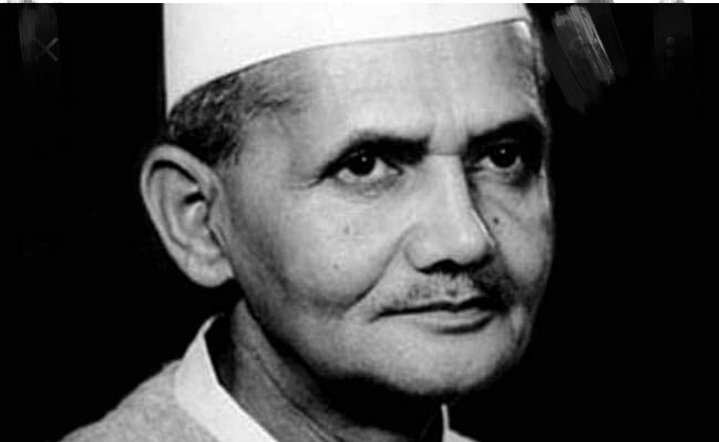
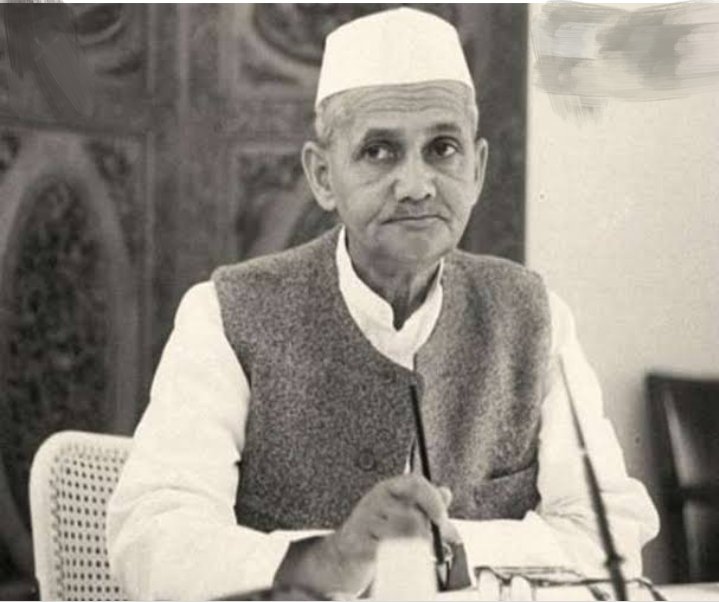
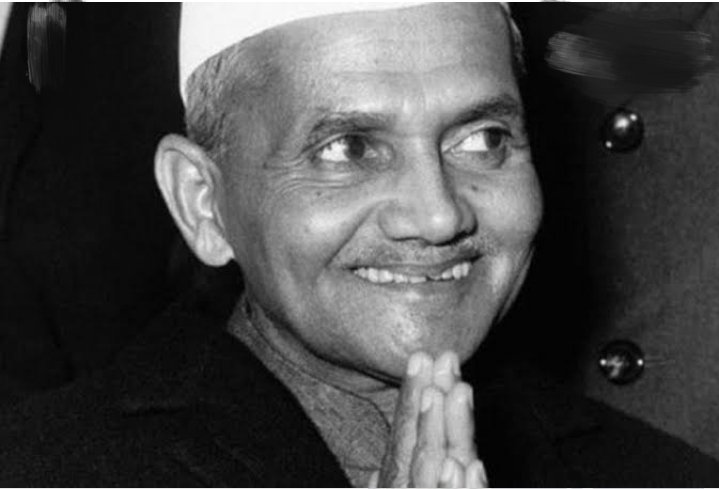
Shri Lal Bahadur Shastri was born on October 2, 1904 at Mughalsarai, a small railway town seven miles from Varanasi in Uttar Pradesh. His father was a school teacher who died when Lal Bahadur Shastri was only a year and half old. His mother, still in her twenties, took her three children to her father’s house and settled down there. Shastriji did his initial schooling from a small town. He had a happy enough childhood despite the poverty that dogged him.
He was sent to live with an uncle in Varanasi so that he could go to high school. Nanhe, as he was called at home, walked many miles to school without shoes, even when the streets burned in the summer’s heat.
As he grew up, Lal Bahadur Shastri became more and more interested in the country’s struggle for freedom from foreign yoke. He was greatly impressed by Mahatma Gandhi’s denunciation of Indian Princes for their support of British rule in India. Lal Bahadur Sashtri was only eleven at the time, but the process that was end day to catapult him to the national stage had already begun in his mind.
Lal Bahadur Shastri was sixteen when Gandhiji called upon his countrymen to join the Non-Cooperation Movement. He decided at once to give up his studies in response to the Mahatma’s call. The decision shattered his mother’s hopes. The family could not dissuade him from what they thought was a disastrous course of action. But Lal Bahadur had made up his mind. All those who were close to him knew that he would never change his mind once it was made up, for behind his soft exterior was the firmness of a rock.
He joined the Kashi VidyaPeeth in Varanasi, one of the many national institutions set up in defiance of the British rule. ‘Shastri’ was the bachelor’s degree awarded to him by the Vidya Peeth but has stuck in the minds of the people as part of his name.
In 1927, he got married. His wife, Lalita Devi, came from Mirzapur, near his home town. The wedding was traditional in all senses but one. A spinning wheel and a few yards of handspun cloth was all the dowry. The bridegroom would accept nothing more.
He was minister in the Union Cabinet from 1951 to 1956 when he resigned taking responsibility for the railway accident and later from 1957-1964.
He was India’s second Prime Minister (1964-66). During Shastri’s brief Prime Ministership, the country faced two major challenges.While India was still recovering from the economic implications of the war with China (1962), failed monsoons, droughtand serious food crisis presented a grave challenge. The country also faced a war with Pakistan in 1965.
Shastri’s famous slogan ‘Jai Jawan Jai Kisan’, symbolised the country’s resolve to face both these challenges
Shastri’s Prime Ministership came to an abrupt end on 10th January 1966, when he suddenly expired in Tashkent, then in USSR and currently the capital of Uzbekistan. He was there to discuss and sign an agreement (Tashkent Agreement) with Muhammad Ayub Khan, the then President of Pakistan, to end the war.
He signed an agreement with then Ceylon (now Sri Lanka) on persons of Indian origin there, in 1964 — an endorsement of the importance of neighbourhood.
He was the first person to be posthumously awarded the Bharat Ratna (1966).
Narendra Modi as a person has always been a great inspiration for the people of India.
Narendra Modi was born on 17th September 1950. The birthplace of Narendra Modi is Vadnagar, Mehsana district, Bombay State (present-day Gujarat). Narendra Modi’s full name is Narendra Damodardas Modi. His father’s name was Mool Chand Modi and his Mother is Hiraben. Narendra Modi always belonged to a middle-class family. He is a personality of motivation who rose from a poverty-stricken tea-selling boy to a development-oriented leader.
Modi joined RSS( Rashtriya Swayamsewak Sangh). He worked in it for several years. Also during his service, he played important roles in serving the people. Narendra Nodi started working really hard from an early age. Moreover, he has also represented as a true Hindu, because of which he is a role model for many Hindus. Narendra Modi joined B.J.P. ( Bharatiya Janta Party) in the year 1987. From this time his career in the political world started.
Indian politician and government official who rose to become a senior leader of the Bharatiya Janata Party (BJP). In 2014 he led his party to victory in elections to the Lok Sabha (lower chamber of the Indian parliament), after which he was sworn in as prime minister of India. Prior to that he had served (2001–14) as chief minister (head of government) of Gujarat state in western India.
Modi is a man of vision, and he is inspiring us in a great way. It’s all because of his hardwork and dedication, he is where he is today. He completely gave his life to the Nation. Modiji has only one motive that is India’s development. He had a dream of digital India. Furthermore, he wanted a corruption-free India and to imply this he took a major step. He ordered demonetization in the entire country. Under it the current currency became invalid. In order to get the new currency, people have to exchange it from the old ones. This was only possible by depositing all the money in the respective bank accounts. This was a major event in the history of India.
various campaigns for the safety of women also were initiated. Campaigns like Anti- Romeo Squad were in action to catch the eve-teasers on the roads.
Also, a major amendment was made in the country, the punishments for a pedophile rapist was been declared as hang till death. These were the steps that made him an outstanding prime minister. Because of which he was again elected as a prime minister in the 2019 general elections.
Narendra Modi’s optimistic nature and challenging capabilities have led to an impact on our nation. Moreover, his way of turning the crowd and expressing his thoughts is making him a remarkable politician. Narendra Modi has may fan in the country as well as in other nations. This is because he travels in different countries throughout the year. To discuss India’s financial and friendly relations with other countries.
Narendra Modi is a ‘People’s Leader’, dedicated to solving their problems and improving their well-being.
He is a ray of hope in the lives of billions of Indians and one of the most popular leaders who mostly focuses on development. Even the slogan of our PM Narendra Modi “Main Bhi Chowkidar” focuses on the dignity of labour and aims to take the support of working class. He said this slogan because he felt that he is also standing firm and doing his work as the nation’s ‘chowkidar’. Further he emphasised that every Indian who is fighting for corruption, dirt, social evils etc. for the progress of India is also a ‘Chowkidar. This way slogan ‘Main bhi chowkidar’ went viral.
Inspired by the motto of ‘Sabka Saath, Sabka Vikas, Sabka Vishwas’, Shri Modi has ushered in a paradigm shift in governance that has led to inclusive, development-oriented and corruption-free governance. The Prime Minister has worked with speed and scale to realise the aim of Antyodaya, or ensuring last-mile delivery of schemes and services.
Leading international agencies have noted that under the leadership of PM Narendra Modi, India has been eliminating poverty at record pace. This is attributed to a series of pro-poor decisions taken by the Central Government.
Today, India is home to the world’s largest healthcare programme, Ayushman Bharat. Covering over 50 crore Indians, Ayushman Bharat provides top quality and affordable healthcare to the poor and neo-middle class.
Going a step ahead of Jan Dhan, Shri Modi emphasised on Jan Suraksha, by giving insurance and pension cover to the most vulnerable sections of society. The JAM trinity (Jan Dhan- Aadhaar- Mobile) has led to elimination of middle men and ensured transparency and speed, powered by technology.
The Pradhan Mantri Ujjwala Yojana, launched in 2016 provides free cooking gas connections to the poor. It has proven to be a major game-changer in providing smoke-free kitchens to over 7 crore beneficiaries, most of whom are women. 18,000 villages that were without electricity even after 70 long years of Independence have been electrified.
Shri Modi believes that no Indian should be homeless and to realise this vision, over 1.25 crore houses were built between 2014 and 2019. The pace of house construction remains as quick to fulfil the PM’s vision of ‘Housing for All’ by 2022.
PM Modi launched the ‘Make in India’ initiative to turn India into an international manufacturing powerhouse. The World Health Organisation has appreciated the Swachh Bharat Mission and has opined that it would save three lakh lives.
Shri Modi believes that transportation is an important means towards transformation. That is why, the Government of India has been working to create next-generation infrastructure be it in terms of more highways, railways, i-ways and waterways. The UDAN (Ude Desh Ka Aam Nagrik) Scheme has made aviation sector more people-friendly and boosted connectivity.
During his tenure, special attention has been paid to India’s rich history and culture. India is home to the world’s largest statue, the State of Unity, a fitting tribute to Sardar Patel. This Statue was built through a special mass movement where tools of farmers and soil from all states and Union Territories of India were used, signifying the spirit of ‘Ek Bharat, Shreshtha Bharat.’
Agriculture is a sector that is very close to Shri Narendra Modi. During the interim budget of 2019, the Government announced a monetary incentive for farmers called the PM Kisan Samman Nidhi. In almost three weeks, on 24th February 2019, the scheme was launched and instalments have been paid regularly since then. During the first Cabinet Meeting of PM Modi’s second term, it was decided to extend the PM Kisan benefits to all farmers, removing the 5 acre limit that was present earlier. With this, the Government of India would be devoting almost Rs. 87,000 crore per year for farmer welfare.
PM Modi is deeply passionate about environmental causes. He has time and again called for closing of ranks to create a clean and green planet. As Chief Minister of Gujarat, Shri Modi created a separate Climate Change Department to create innovative solutions to climate change. This spirit was seen in the 2015 COP21 Summit in Paris where PM Modi played a key role in the high-level deliberations.
Narendra Modi’s clarion call for marking a day as ‘International Day of Yoga’ received an overwhelming response at the UN. In a first, a total of 177 Nations across the world came together and passed the resolution to declare 21st June as the ‘International Day of Yoga at the UN.’
Modiji’s powerful ‘personal connect’ with the people on ground is complemented by a strong online presence. He is known as India’s most techno-savvy leader, using the web to reach people and bring about change in their lives. He is very active on social media platforms including Facebook, Twitter, Instagram, Sound Cloud, Linkedin, Weibo and other forums. Beyond politics, Narendra Modi enjoys writing. He has authored several books, including poetry. He begins his day with Yoga, which strengthens his body and mind and instills the power of calmness in an otherwise fast-paced routine.



 Eduindex
You must be logged in to post a comment.