Festivals in the Month November

November is a vibrant month filled with various festivals and celebrations across different cultures and regions. Here are some significant festivals in November:
Hindu Festivals

  1. Diwali (Dates vary, typically in November): The festival of lights, symbolizing victory over darkness and evil.
  2. Govardhan Puja (1st November): Celebrating Krishna’s victory over Indra, the god of rain.
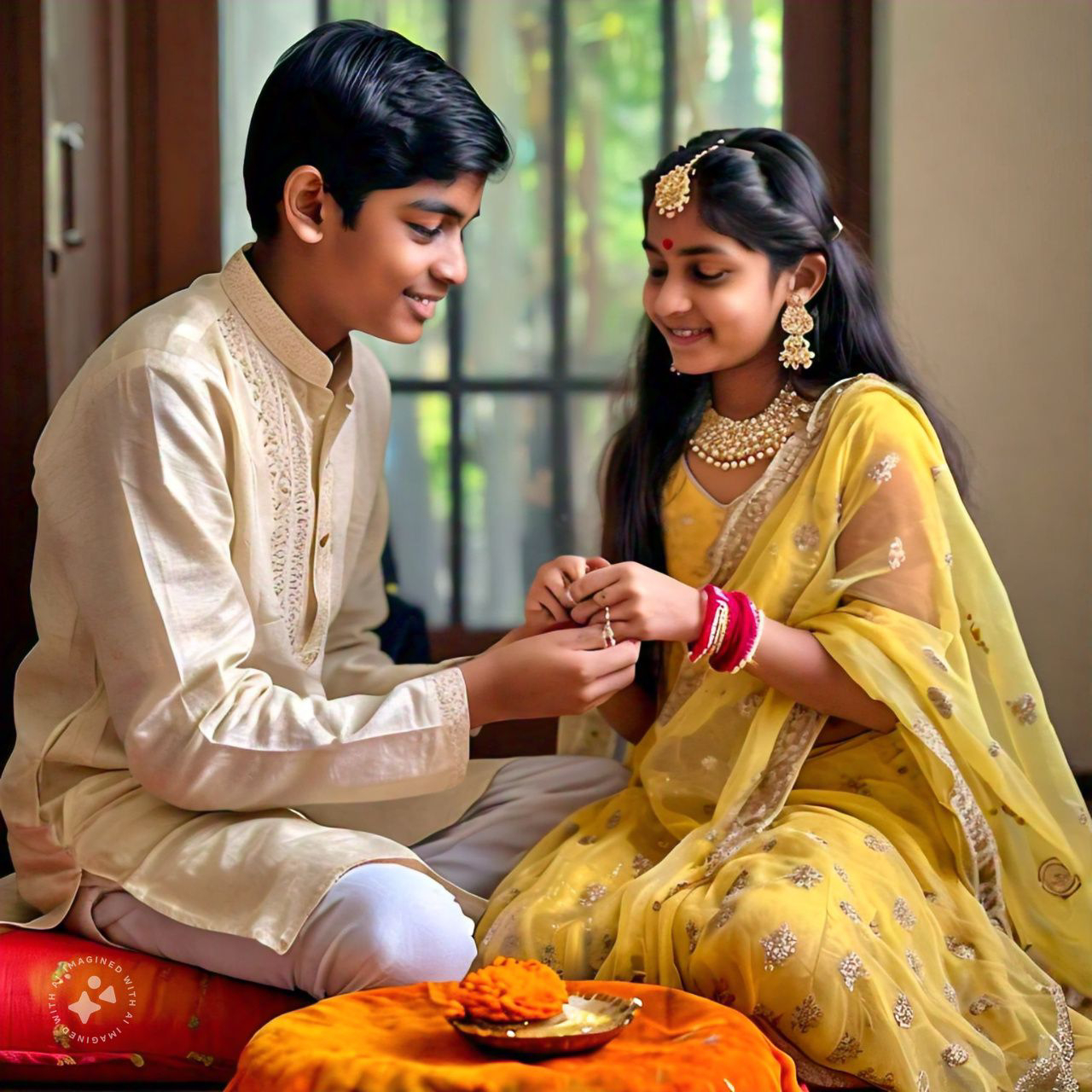
  3. Bhai Dooj (2nd November): Honoring the bond between brothers and sisters.
  4. Kartik Purnima (Full Moon Day, typically in November): A sacred day for spiritual growth and rituals.
  5. Tulsi Vivah (typically in November): Celebrating the marriage of Lord Vishnu and Tulsi.

Other Important Days

  1. All Saints’ Day (1st November): A Christian holiday honoring saints and martyrs.
  2. All Souls’ Day (2nd November): A Christian holiday commemorating the deceased.
  3. World Vegan Day (1st November): Promoting veganism and animal rights.
  4. National Author’s Day (1st November): Honoring authors and writers.
  5. International Day for Tolerance (16th November): Promoting tolerance and understanding.
  6. World Children’s Day (20th November): Advocating for children’s rights and welfare.
  7. Thanksgiving Day (4th Thursday of November, USA): Expressing gratitude and appreciation.

Islamic Festivals

  1. Mawlid al-Barzanji (Dates vary, typically in November): Celebrating the birth of Prophet Muhammad.

Sikh Festivals

  1. Guru Nanak Jayanti (full moon day, typically in November): Celebrating the birth of Guru Nanak, the founder of Sikhism.

Buddhist Festivals

  1. Loi Krathong (Dates vary, typically in November): A festival of lights, releasing lanterns onto rivers.

Jain Festivals

  1. Kartik Purnima (Full Moon Day, typically in November): A sacred day for spiritual growth and rituals.

Other Cultural Festivals

  1. Day of the Dead (Día de los Muertos) (1st-2nd November, Mexico): Honoring ancestors and loved ones.
  2. Bonfire Night (5th November, UK): Commemorating the Gunpowder Plot.

These festivals showcase the diversity and richness of cultures worldwide, promoting unity, gratitude, and celebration.
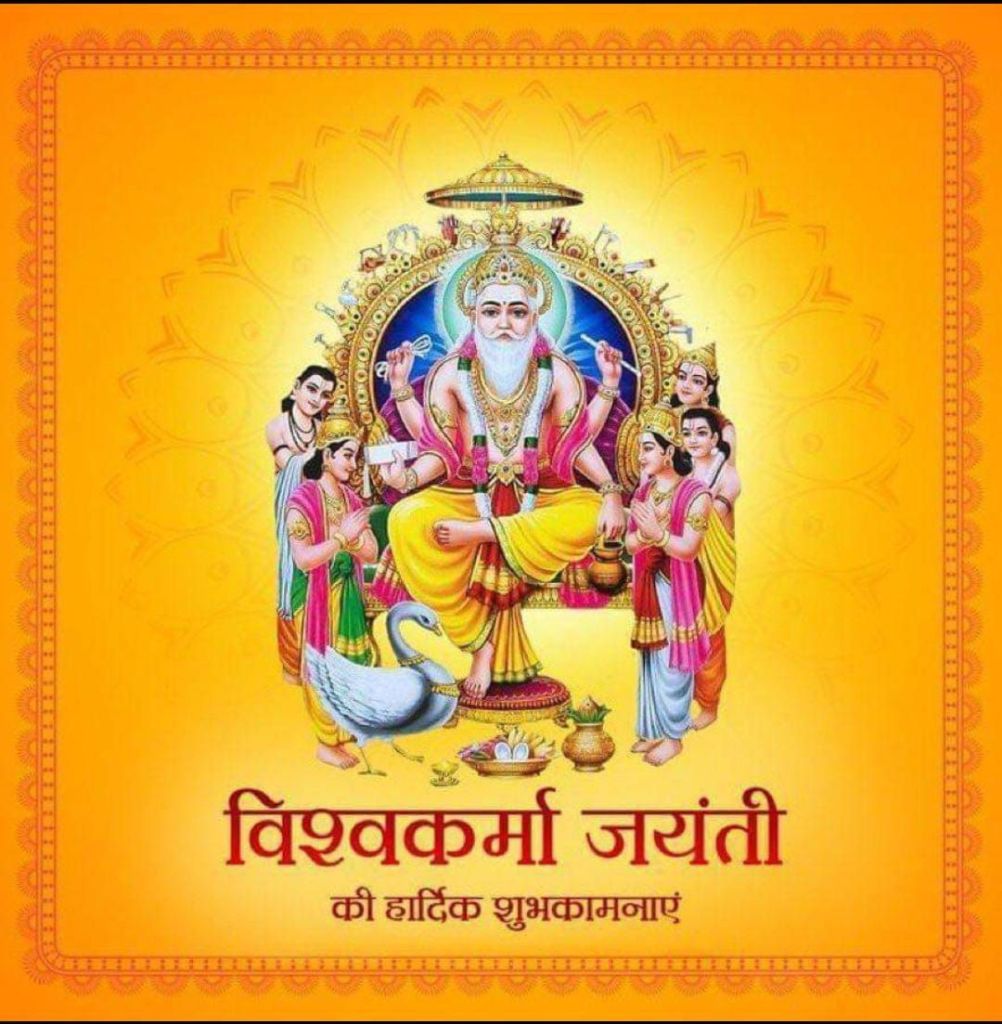
Vishwakarma Puja: A Tribute to the Divine Architect

Vishwakarma Puja is a significant Hindu festival celebrated annually to honor Lord Vishwakarma, the divine architect and creator of the universe. It is observed on Kanya Sankranti or the day after Ganesh Chaturthi, typically falling in September or October.

Significance:

Lord Vishwakarma is revered as the patron deity of craftsmen, artisans, and architects. He is believed to have created the universe and all living beings, and is often depicted as a powerful and skilled craftsman.

Mythological Background:

According to Hindu mythology, Lord Vishwakarma was born from the body of Lord Brahma, the creator of the universe. He was tasked with creating the heavenly abodes for the gods and goddesses, as well as the weapons and chariots used in battles.

Rituals and Celebrations:

  1. Puja Preparation: Devotees clean and decorate their homes, workshops, and tools with flowers, leaves, and rangoli designs.
  2. Idol Installation: An idol of Lord Vishwakarma is installed in homes, workshops, or community centers.
  3. Worship: Devotees offer prayers, flowers, fruits, and sweets to Lord Vishwakarma.
  4. Yajna: A sacred fire ceremony (yajna) is performed to invoke the blessings of Lord Vishwakarma.
  5. Tool Worship: Artisans and craftsmen worship their tools and equipment, seeking Lord Vishwakarma’s guidance and protection.

Regional Celebrations:

  1. West Bengal: Vishwakarma Puja is a major festival in West Bengal, with elaborate processions and festivities.
  2. Odisha: Devotees offer prayers to Lord Vishwakarma at the famous Konark Sun Temple.
  3. Kerala: Vishwakarma Puja is celebrated with traditional rituals and ceremonies.

Importance:

Vishwakarma Puja holds significance for:

  1. Artisans and Craftsmen: Seeking Lord Vishwakarma’s guidance and protection.
  2. Industrialists and Entrepreneurs: Seeking blessings for success and prosperity.
  3. Workers and Laborers: Seeking protection and safety at work.

Conclusion:

Vishwakarma Puja is a celebration of creativity, skill, and innovation. By honoring Lord Vishwakarma, devotees seek to cultivate these qualities and strive for excellence in their work and personal lives.

Top Festivals in the Month July

July is a month filled with diverse festivals and celebrations across the globe. Here are some of the top festivals in July:

1. _Independence Day (July 4)_: A US federal holiday commemorating the adoption of the Declaration of Independence, marked by parades, fireworks, and patriotic events.
2. _Bastille Day (July 14)_: A French national holiday celebrating the Storming of the Bastille, marked by military parades, fireworks, and cultural events.
3. _Wimbledon Tennis Championships (Late June to Early July)_: A prestigious tennis tournament in London, featuring top players and championship matches.
4. _Montreal Jazz Festival (Late June to Early July)_: A renowned jazz festival in Montreal, featuring top jazz musicians and ensembles.
5. _Gion Matsuri (July 1-31)_: A traditional Japanese festival in Kyoto, featuring parades, traditional music, and cultural events.
6. _San Fermin Festival (July 6-14)_: A famous Spanish festival in Pamplona, featuring bull running, parades, and cultural events.
7. _Neptune Festival (Early July)_: A beach festival in Virginia Beach, featuring live music, sand sculptures, and cultural events.
8. _Comic-Con International (Mid-July)_: A popular comic book and pop culture convention in San Diego, featuring panels, exhibits, and cosplay.
9. _Copenhagen Jazz Festival (Early July)_: A renowned jazz festival in Copenhagen, featuring top jazz musicians and ensembles.
10. _International Folklore Festival (Mid-July)_: A celebration of traditional folklore in various countries, featuring music, dance, and cultural events.
11. _Hajj (Variable dates, typically in July)_: A Muslim pilgrimage to Mecca, marked by religious rituals and ceremonies.
12. _Kamakura Festival (Early July)_: A traditional Japanese festival in Kamakura, featuring parades, traditional music, and cultural events.
These festivals showcase the diversity and richness of global cultures, traditions, and celebrations in July.

Top Festivals in the Month June

June is a month filled with diverse festivals and celebrations across the globe. Here are some of the top festivals in June:

1. _Pride Month (Throughout June)_: A global celebration of LGBTQ+ identity, marked by parades, rallies, and cultural events.
2. _Glastonbury Festival (Early June)_: A popular music festival in England, featuring top artists, bands, and performance art.
3. _Bonnaroo Music and Arts Festival (Early June)_: A music festival in Tennessee, featuring top artists, bands, and performance art.
4. _Eid al-Fitr (Variable dates, typically in June)_: A Muslim celebration marking the end of Ramadan, the Islamic holy month of fasting.
5. _Summer Solstice (June 20-21)_: A celebration of the longest day of the year, marked by ancient rituals, festivals, and cultural events.
6. _Father’s Day (Third Sunday in June)_: A global celebration of fathers and fatherhood, marked by gift-giving and family gatherings.
7. _Toronto International Pride Parade (Late June)_: A large Pride parade in Toronto, Canada, featuring floats, marching groups, and cultural events.
8. _Wimbledon Tennis Championships (Late June)_: A prestigious tennis tournament in London, featuring top players and championship matches.
9. _Montreal Jazz Festival (Late June)_: A renowned jazz festival in Montreal, featuring top jazz musicians and ensembles.
10. _Stonehenge Summer Solstice (June 20-21)_: A celebration of the summer solstice at Stonehenge, England, featuring ancient rituals and cultural events.
11. _San Francisco Pride Parade (Late June)_: A large Pride parade in San Francisco, featuring floats, marching groups, and cultural events.
12. _International Yoga Day (June 21)_: A global celebration of yoga, marked by yoga sessions, workshops, and cultural events.
These festivals showcase the diversity and richness of global cultures, traditions, and celebrations in June.

Top Festivals in the Month May

May is a month filled with diverse festivals and celebrations across the globe. Here are some of the top festivals in May:

1. _May Day (May 1)_: A traditional spring celebration, marked by dancing, feasting, and the crowning of a May Queen.
2. _Cinco de Mayo (May 5)_: A Mexican celebration of the Battle of Puebla, marked by parades, music, and traditional foods.
3. _Mother’s Day (Second Sunday in May)_: A global celebration of mothers and motherhood, marked by gift-giving and family gatherings.
4. _Buddha’s Birthday (Variable dates, typically in May)_: A Buddhist celebration of the birth of Gautama Buddha, marked by meditation, processions, and traditional foods.
5. _Ramadan (Variable dates, typically in April or May)_: A month-long Islamic fasting period, marked by prayer, charity, and community gatherings.
6. _Chelsea Flower Show (Late May)_: A prestigious gardening exhibition in London, featuring flower displays, show gardens, and horticultural exhibits.
7. _Cannes Film Festival (Mid-May)_: A renowned film festival in France, featuring premieres, screenings, and awards.
8. _Memorial Day (Last Monday in May)_: A US federal holiday honoring fallen soldiers, marked by parades, memorial services, and family gatherings.
9. _Vesak (Variable dates, typically in May)_: A Buddhist celebration of the Buddha’s enlightenment, marked by meditation, processions, and traditional foods.
10. _Glastonbury Festival (Late May)_: A popular music festival in England, featuring top artists, bands, and performance art.
11. _Taste of Chicago (Late May)_: A food festival in Chicago, featuring local cuisine, live music, and cultural events.
12. _Sydney Vivid Festival (Late May)_: A festival of light, music, and ideas in Sydney, featuring installations, performances, and talks.
These festivals showcase the diversity and richness of global cultures, traditions, and celebrations in May.

Top Festivals in the Month of April

April is a month filled with diverse festivals and celebrations across the globe. Here are some of the top festivals in April:

1. _April Fool’s Day (April 1)_: A lighthearted celebration of pranks and humor.
2. _Ramadan (Variable dates, typically in March or April)_: A month-long Islamic fasting period, marked by prayer, charity, and community gatherings.
3. _Baisakhi (Variable dates, typically in March or April)_: A Sikh festival marking the new year and the harvest season, celebrated with processions and traditional foods.
4. _Easter (Variable dates, typically in March or April)_: A Christian holiday commemorating the resurrection of Jesus Christ, celebrated with egg decorating, gift-giving, and family gatherings.
5. _Hindu New Year (Variable dates, typically in March or April)_: A celebration of the new year in the Hindu calendar, marked by traditional foods, decorations, and family gatherings.
6. _Songkran Water Festival (April 13-15)_: A Thai celebration of the traditional new year, marked by water fights and cleansing rituals.
7. _Cherry Blossom Festival (Late April)_: A celebration of the blooming cherry blossoms in Japan and the United States, featuring parades, food, and festivities.
8. _Coachella Valley Music and Arts Festival (Mid-April)_: A popular music festival in Indio, California, featuring top artists and bands.
9. _Tamil New Year (April 14)_: A celebration of the new year in the Tamil calendar, marked by traditional foods, decorations, and family gatherings.
10. _Earth Day (April 22)_: A global celebration of environmental protection and sustainability.
11. _World Book Day (April 23)_: A UNESCO-recognized celebration of literature and reading.
12. _Anzac Day (April 25)_: A national holiday in Australia and New Zealand, commemorating the sacrifices of soldiers in World War I.
These festivals showcase the diversity and richness of global cultures, traditions, and celebrations in April.

Top Festivals in the Month of March

March is a month filled with diverse festivals and celebrations across the globe. Here are some of the top festivals in March:

1. _Mardi Gras (Variable dates, typically in February or March)_: A Carnival celebration in New Orleans, Louisiana, known for parades, masks, and jazz music.
2. _St. Patrick’s Day (March 17)_: A celebration of Irish heritage, marked by parades, green attire, and festivities.
3. _Holi (Variable dates, typically in February or March)_: A Hindu festival of colors, celebrating the arrival of spring with colored powders and waters.
4. _International Women’s Day (March 8)_: A global celebration of women’s rights and empowerment.
5. _Purim (Variable dates, typically in February or March)_: A Jewish festival commemorating the saving of the Jewish people from persecution, celebrated with costumes and gift-giving.
6. _Maha Shivaratri (Variable dates, typically in February or March)_: A Hindu festival honoring Lord Shiva, celebrated with fasting, meditation, and temple visits.
7. _Rio Carnival (Variable dates, typically in February or March)_: A five-day Carnival celebration in Rio de Janeiro, Brazil, featuring parades, music, and dancing.
8. _Nowruz (March 20-21)_: A Persian New Year celebration, marking the beginning of spring with traditional foods, decorations, and family gatherings.
9. _Cherry Blossom Festival (Late March)_: A celebration of the blooming cherry blossoms in Japan and the United States, featuring parades, food, and festivities.
10. _Baisakhi (Variable dates, typically in March or April)_: A Sikh festival marking the new year and the harvest season, celebrated with processions and traditional foods.
11. _Ramadan (Variable dates, typically in March or April)_: A month-long Islamic fasting period, marked by prayer, charity, and community gatherings.
12. _St. Joseph’s Day (March 19)_: A Catholic celebration honoring Saint Joseph, marked by feasts and traditional foods.
These festivals showcase the diversity and richness of global cultures, traditions, and celebrations in March.

Top Festivals in the Month of February

February is a month filled with diverse festivals and celebrations across the globe. Here are some of the top festivals in February:

1. _Chinese New Year (Variable dates, typically in January or February)_: A 15-day celebration marking the beginning of the new year on the traditional Chinese calendar.
2. _Carnival (Variable dates, typically in January or February)_: A festive season before Lent, celebrated with parades, music, and dancing in many countries.
3. _Mardi Gras (Variable dates, typically in January or February)_: A Carnival celebration in New Orleans, Louisiana, known for parades, masks, and jazz music.
4. _Valentine’s Day (February 14)_: A celebration of love and romance, marked by gift-giving and expressions of affection.
5. _Groundhog Day (February 2)_: A North American tradition predicting weather patterns, based on a groundhog’s emergence from hibernation.
6. _Super Bowl Sunday (First Sunday in February)_: A major sporting event in the United States, featuring the National Football League’s championship game.
7. _Thaipusam (Variable dates, typically in January or February)_: A Hindu festival honoring Lord Murugan, celebrated with processions and bodily piercings.
8. _Maha Shivaratri (Variable dates, typically in February or March)_: A Hindu festival honoring Lord Shiva, celebrated with fasting, meditation, and temple visits.
9. _Purim (Variable dates, typically in February or March)_: A Jewish festival commemorating the saving of the Jewish people from persecution, celebrated with costumes and gift-giving.
10. _Rio Carnival (Variable dates, typically in February or March)_: A five-day Carnival celebration in Rio de Janeiro, Brazil, featuring parades, music, and dancing.
11. _Sled Dog Day (February 2)_: A celebration of sled dogs and their importance in Arctic cultures, marked by sled dog races and festivals.
12. _Tu B’Shevat (Variable dates, typically in January or February)_: A Jewish festival celebrating the new year for trees, marked by planting trees and eating fruits.
These festivals showcase the diversity and richness of global cultures, traditions, and celebrations in February.

Top Festivals in the Month January

January is a month filled with diverse festivals and celebrations across the globe. Here are some of the top festivals in January:

1. _New Year’s Day (January 1)_: A global celebration marking the start of a new year, often celebrated with fireworks, parties, and countdowns.
2. _Epiphany (January 6)_: A Christian holiday commemorating the visit of the Magi to the baby Jesus, celebrated with parades and gift-giving.
3. _Orthodox Christmas (January 7)_: A celebration of Christmas by Eastern Orthodox Churches, following the Julian calendar.
4. _Makar Sankranti (Variable dates, typically in January)_: A Hindu festival marking the sun’s journey into the northern hemisphere, celebrated with kite-flying and traditional foods.
5. _Chinese New Year (Variable dates, typically in January or February)_: A 15-day celebration marking the beginning of the new year on the traditional Chinese calendar.
6. _Martin Luther King Jr. Day (Third Monday in January)_: A federal holiday in the United States, honoring the civil rights leader’s birthday.
7. _Australia Day (January 26)_: A national public holiday in Australia, commemorating the arrival of the First Fleet in 1788.
8. _Republic Day (January 26)_: A national holiday in India, celebrating the adoption of the Constitution in 1950.
9. _Burns Night (January 25)_: A Scottish celebration honoring the life and works of poet Robert Burns, with traditional food, drink, and poetry readings.
10. _Carnival (Variable dates, typically in January or February)_: A festive season before Lent, celebrated with parades, music, and dancing in many countries.
11. _Thaipusam (Variable dates, typically in January or February)_: A Hindu festival honoring Lord Murugan, celebrated with processions and bodily piercings.
12. _Up Helly Aa (Last Tuesday in January)_: A Viking-themed festival in the Shetland Islands, Scotland, marking the end of Yule.
These festivals showcase the diversity and richness of global cultures, traditions, and celebrations in January.

Top Festivals in the Month of December

December is a month filled with diverse festivals and celebrations across the globe. Here are some of the top festivals in December:

1. _Christmas (December 25)_: A Christian holiday commemorating the birth of Jesus Christ, celebrated with gift-giving, decorations, and family gatherings.
2. _Hanukkah (Variable dates, typically in November-December)_: A Jewish festival of light, honoring the rededication of the Temple in Jerusalem.
3. _New Year’s Eve (December 31)_: A global celebration marking the start of a new year, often celebrated with fireworks, parties, and countdowns.
4. _Kwanzaa (December 26-January 1)_: A week-long African-American celebration honoring seven principles known as the Nguzo Saba.
5. _Omisoka (December 31)_: A Japanese New Year’s Eve celebration, honoring the end of the old year and the beginning of the new.
6. _Yule Lads (December 12-24)_: An Icelandic Christmas tradition, where 13 mischievous “Yule Lads” visit children over 13 nights.
7. _Las Posadas (December 16-24)_: A Mexican Christmas celebration, reenacting Mary and Joseph’s journey to Bethlehem.
8. _Bodhi Day (December 8)_: A Buddhist holiday commemorating Siddhartha Gautama’s enlightenment under the Bodhi tree.
9. _St. Lucia Day (December 13)_: A Scandinavian festival of light, honoring Saint Lucia and marking the beginning of the Christmas season.
10. _Yalda (December 21-22)_: An ancient Persian winter solstice celebration, marking the longest night of the year.
11. _Boxing Day (December 26)_: A British Commonwealth holiday, traditionally celebrated with gift-giving and sports events.
12. _Oaxaca’s Noche de Rabanos (December 23)_: A Mexican festival celebrating the radish, with elaborate radish sculptures and nativity scenes.
These festivals showcase the diversity and richness of global cultures, traditions, and celebrations in December.

Top Festivals in the Month of November

October is a vibrant month filled with diverse festivals and celebrations across the globe. Here are some of the top festivals in October:

1. _Navratri (Variable dates, typically in September-October)_: A nine-day Hindu festival honoring the divine feminine, celebrated with Garba and Dandiya Raas dances.
2. _Dussehra (Variable dates, typically in September-October)_: A Hindu festival celebrating Lord Rama’s victory over Ravana, marking the triumph of good over evil.
3. _Diwali (Variable dates, typically in October-November)_: A five-day Hindu festival of lights, honoring the triumph of light over darkness and good over evil.
4. _Columbus Day (Second Monday in October)_: A federal holiday in the United States, commemorating Christopher Columbus’ arrival in the Americas.
5. _Indigenous Peoples’ Day (Second Monday in October)_: A celebration honoring the histories and contributions of Native American communities.
6. _Halloween (October 31)_: A popular Western festival marking the spooky season, celebrated with costumes, trick-or-treating, and horror themes.
7. _Oktoberfest (Mid-September to Early October)_: A German beer festival, celebrated with traditional food, drinks, and music.
8. _Mid-Autumn Festival (Variable dates, typically in September-October)_: A traditional Chinese harvest festival, celebrated with mooncakes, lanterns, and family gatherings.
9. _Pitru Paksha (Variable dates, typically in September-October)_: A Hindu festival honoring ancestors, celebrated with offerings and rituals.
10. _United Nations Day (October 24)_: A global celebration marking the anniversary of the United Nations’ founding.
11. _International Day of Friendship (October 7)_: A United Nations-recognized day promoting friendship and social connections.
12. _World Food Day (October 16)_: A global awareness day addressing food security, sustainability, and nutrition.
These festivals showcase the diversity and richness of global cultures, traditions, and celebrations in October.

Top Festivals in the Month of October

October is a vibrant month filled with diverse festivals and celebrations across the globe. Here are some of the top festivals in October:

1. _Navratri (Variable dates, typically in September-October)_: A nine-day Hindu festival honoring the divine feminine, celebrated with Garba and Dandiya Raas dances.
2. _Dussehra (Variable dates, typically in September-October)_: A Hindu festival celebrating Lord Rama’s victory over Ravana, marking the triumph of good over evil.
3. _Diwali (Variable dates, typically in October-November)_: A five-day Hindu festival of lights, honoring the triumph of light over darkness and good over evil.
4. _Columbus Day (Second Monday in October)_: A federal holiday in the United States, commemorating Christopher Columbus’ arrival in the Americas.
5. _Indigenous Peoples’ Day (Second Monday in October)_: A celebration honoring the histories and contributions of Native American communities.
6. _Halloween (October 31)_: A popular Western festival marking the spooky season, celebrated with costumes, trick-or-treating, and horror themes.
7. _Oktoberfest (Mid-September to Early October)_: A German beer festival, celebrated with traditional food, drinks, and music.
8. _Mid-Autumn Festival (Variable dates, typically in September-October)_: A traditional Chinese harvest festival, celebrated with mooncakes, lanterns, and family gatherings.
9. _Pitru Paksha (Variable dates, typically in September-October)_: A Hindu festival honoring ancestors, celebrated with offerings and rituals.
10. _United Nations Day (October 24)_: A global celebration marking the anniversary of the United Nations’ founding.
11. _International Day of Friendship (October 7)_: A United Nations-recognized day promoting friendship and social connections.
12. _World Food Day (October 16)_: A global awareness day addressing food security, sustainability, and nutrition.
These festivals showcase the diversity and richness of global cultures, traditions, and celebrations in October.

Raksha Bandhan Festival

Telegram Messenger is a cloud-based instant messaging and voice over IP (VoIP) service founded by Pavel Durov and his brother Nikolai in 2013. It allows users to send messages, photos, videos, and files, as well as make voice and video calls.

Key Features:
1. *End-to-End Encryption*: Telegram offers secure communication through end-to-end encryption, ensuring only the sender and recipient can read the messages.
2. *Cloud-Based*: Telegram stores messages and files on its cloud servers, allowing access from multiple devices.
3. *Group Chats*: Users can create groups with up to 200,000 members, making it suitable for large communities.
4. *Channels*: Telegram Channels allow users to broadcast messages to an unlimited number of subscribers.
5. *File Sharing*: Users can share files of up to 2 GB in size.
6. *Secret Chats*: Telegram offers secret chats with self-destructing messages and screenshot notifications.
7. *Voice and Video Calls*: Telegram allows voice and video calls with end-to-end encryption.
8. *Open-Source*: Telegram’s core software is open-source, allowing developers to review and contribute to the code.
9. *Cross-Platform*: Telegram has apps for Android, iOS, Windows, macOS, and Linux.
10. *Customization*: Users can customize Telegram’s appearance with themes and chat backgrounds.
Advantages:
1. *Security*: Telegram’s focus on security and privacy sets it apart from other messaging apps.
2. *Flexibility*: Telegram’s cloud-based nature and cross-platform compatibility make it accessible from anywhere.
3. *Feature-Rich*: Telegram offers a wide range of features, making it suitable for both personal and professional use.
Disadvantages:
1. *User Base*: Telegram’s user base is smaller compared to WhatsApp and Facebook Messenger.
2. *Resource-Intensive*: Telegram’s features and encryption can consume device resources.
3. *Complexity*: Telegram’s extensive features can be overwhelming for new users.
In conclusion, Telegram Messenger offers a unique combination of security, flexibility, and features, making it a popular choice for those seeking a private and customizable messaging experience.

Rakhi threads importance remains intact, sisters are sending Rakhi by Post Offices in India as well as abroad

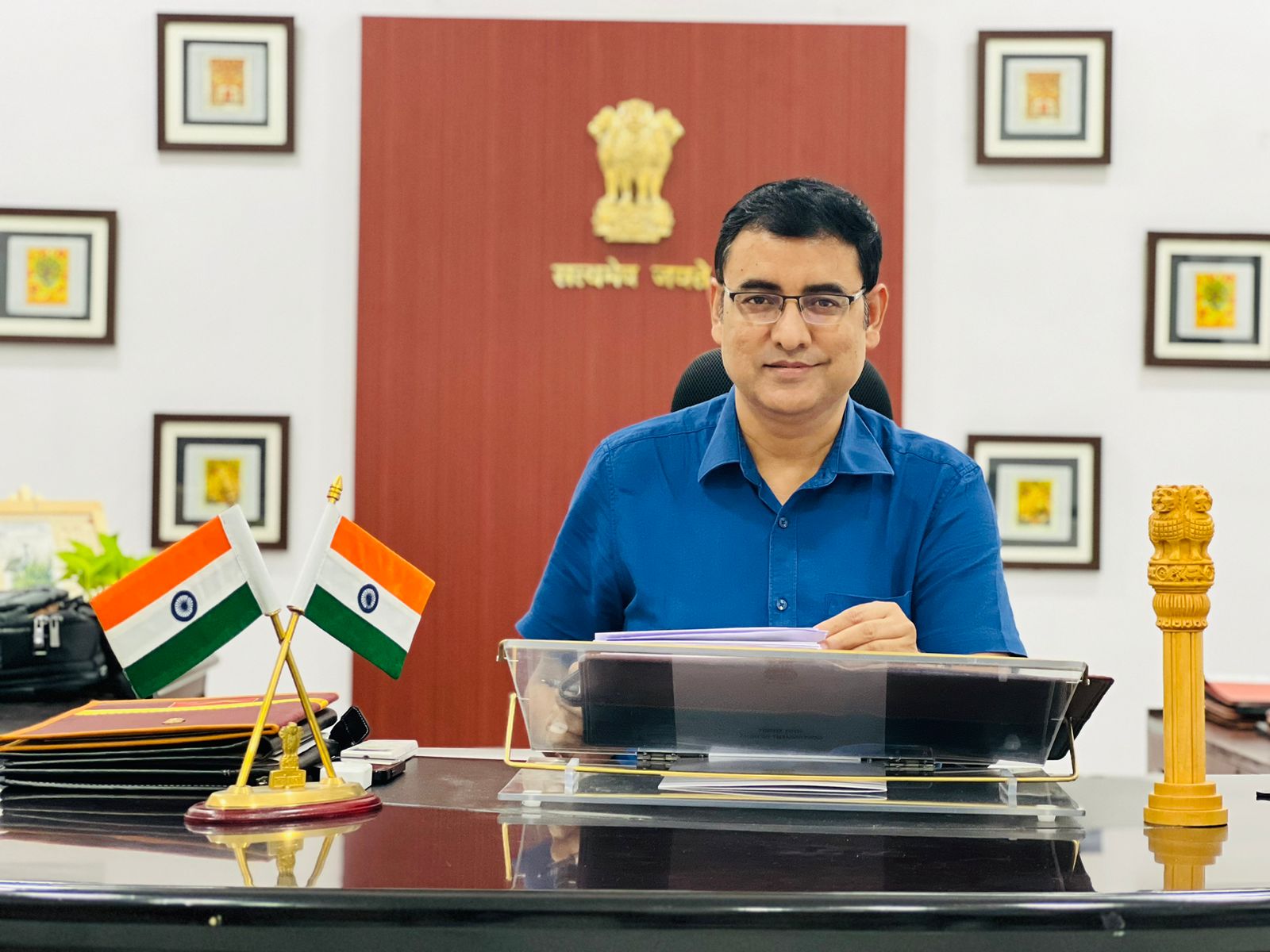
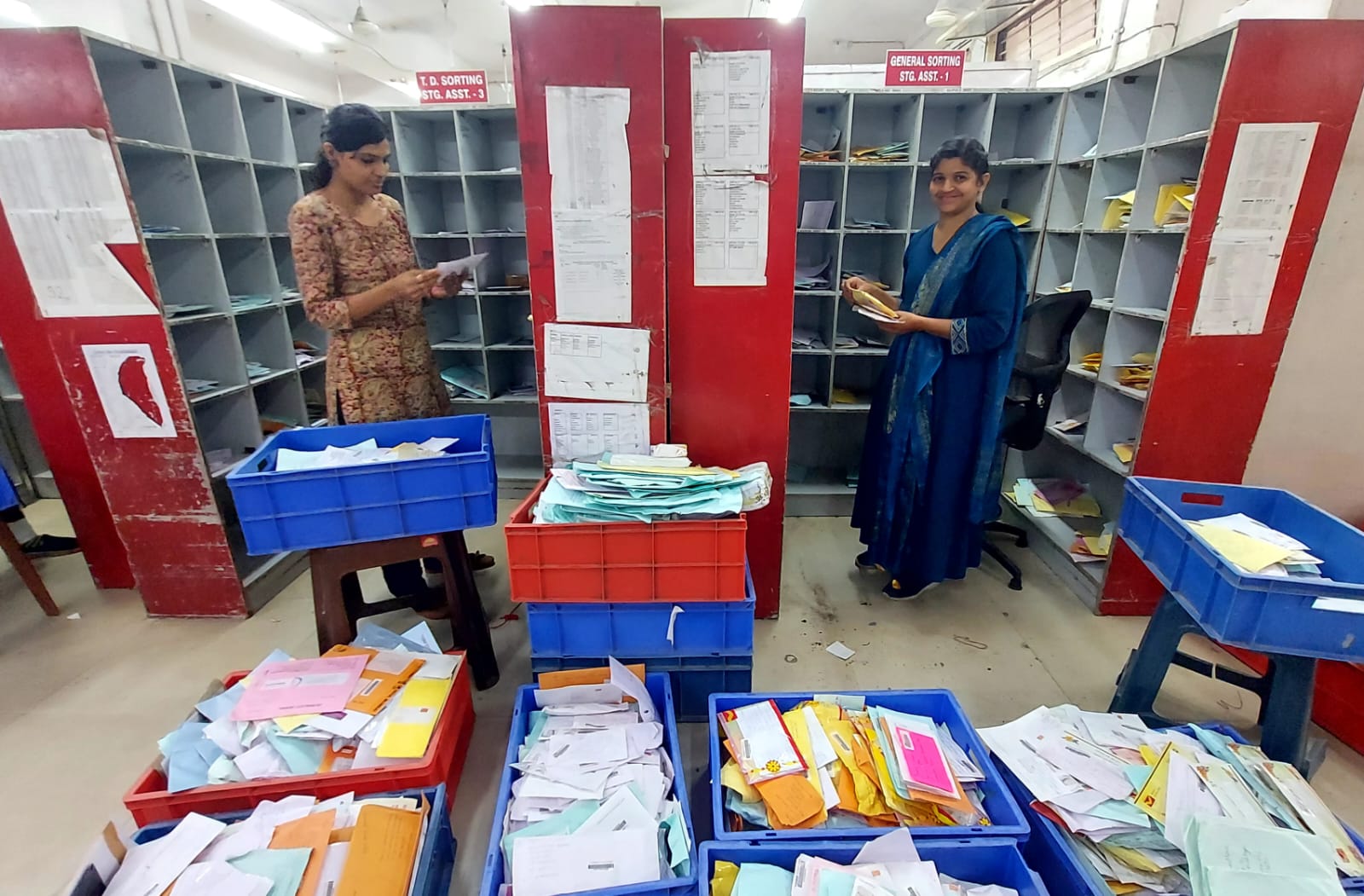
 Silk threads have dwarfed the virtual Rakhis running on social media. Sisters are preferring to send colorful Rakhis by post offices to their brothers. Department of Posts has also made all necessary arrangements for this. Postmaster General, North Gujarat Region, Ahmedabad Shri Krishna Kumar Yadav stated that so far, more than 3 Lakhs Rakhis have been booked from various post offices of Ahmedabad Region and sent to the country and abroad.Special arrangements have been made for delivery of rakhis on Sunday, a day before Raksha Bandhan, so that no brother’s wrists are left untouched.

        Rakhi’s craze is also very much outside the country. Postmaster General, Shri Krishna Kumar Yadav said that Rakhis are being sent from Post offices to foreign countries by speed post and registered post. Approximately 1.5 Lakh Rakhis were booked by various Post Offices in Ahmedabad Region for foreign countries. Most of these Rakhis have been sent to countries like USA, UK, Australia, New Zealand, Singapore, Canada, Russia, UAE, Germany, Japan, China etc. At the same time, sisters living abroad are also sending Rakhis to their beloved brothers which are being delivered immediately through the post offices. Sisters are sending the Rakhis well in advance for abroad, so that their Rakhis reach the brothers at the right time and their wrists do not remain deserted.

                Postmaster General, Shri Krishna Kumar Yadav told that special arrangements have been made for booking and sorting of Rakhi mails and their speedy delivery from post offices including Railway Mail Service and National Sorting Hub.Spreading happiness through letters, the Department of Posts has also taken this relationship to new heights.

Lok Samvardhan Parv

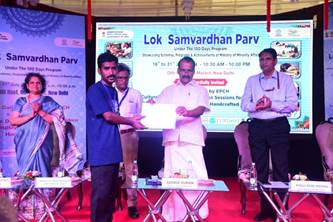
 The valedictory function of ‘Lok Samvardhan Parv’ was presided over by Shri George Kurian, Minister of State for Minority Affairs, Fisheries, Animal Husbandry and Dairying yesterday ( 28th July 2024) . As part of its 100 days’ programme, the Ministry of Minority Affairs is organising “Lok Samvardhan Parv” to showcase the schemes, programmes and achievements of the Ministry and also highlighting the activities undertaken in convergence with partner organisations and success stories under its various schemes. This Parv is being organized at Dilli Haat, New Delhi.


During his valedictory address, the Minister of State appreciated the ‘Lok Samvardhan Parv’ which has proved to be a platform to popularize the schemes and achievements of the Ministry. He observed that the ‘Lok Samvardhan Parv’ has showcased schemes and programmes and achievements of Ministry of Minority Affairs through poster exhibition. Besides unique schemes and success stories of State Channelizing partners of NMDFC were also exhibited in the ‘Lok Samvardhan Parv’.

Shri George Kurian expressed satisfaction that prominent knowledge partners of the Ministry of Minority Affairs viz. National Institute of Fashion Technology (NIFT), National Institute of Design (NID) participated and showcased the artisans supported by them under various schemes of Ministry of Minority Affairs. The United Nations Children’s Fund (UNICEF) YuWaah also highlighted the work of artisans through young people and their partner organizations. He appreciated the Government E Marketplace (GeM), which has assisted the artisans in providing assistance for online marketing. In addition the knowledge partners of NMDFC viz. Ambedkar University, Delhi have assisted in organizing this event. He also appreciated the Ministry for organizing workshops on various aspects of export marketing through Export Promotion Council of Handicraft (EPCH) everyday, which were attended by the Artisans as well as visitors in the Dilli Haat.


The Minister also appreciated the cultural evenings organized during the Lok Samvardhan Parv, which have depicted the rich cultural heritage of all minority communities such as Singhi Chamm (Lion Dance), Manipuri Dance, Bhangra, Langa & Manganiar, Mando, Siddhi Goma, Karagattam, Phaag Dance, and Folk Dance of Kerala.

It was observed that workshops organized in origami, Doll & toy Making and sketching/paintings saw participation  by children from various Delhi schools such as Anglo Arabic Sr. Secondary School, Ajmeri Gate, Guru Harkrishna Public School Tilak Nagar, Jamia Milia Islamia Sr. Sec. School, Hira Lal Jain Sr. Sec. School etc. This would help in inculcating interest in rich traditional heritage amongst the young generation. The added attraction amongst the young visitors has been quiz competition on general awareness wherein they were rewarded with food coupons for right answers.

Lok Samvardhan Parv is celebrating and showcasing over 70 exquisite handicraft and handloom products from various States made by 162 artisans belonging to various minority communities. These participants include artisans promoted under various schemes of Ministry through NIFT, NID and other Project Implementing Agencies (PIAs). Further the artisans have also been nominated by respective State Channelising Agencies of NMDFC. Till 27th July, 2024 the total sales achieved by the artisans was Rs.1.03 Cr.

He also observed that Lok Samvardhan Parv is testimony of the inclusive development programme of the Ministry which has benefitted a large number of persons from all the minority communities, through convergence with partner organization. The Ministry is striving to fulfil the mantra of “Sabka Saath Sabka Vikas Sabka Vishwash Sabka Prayas”.

***