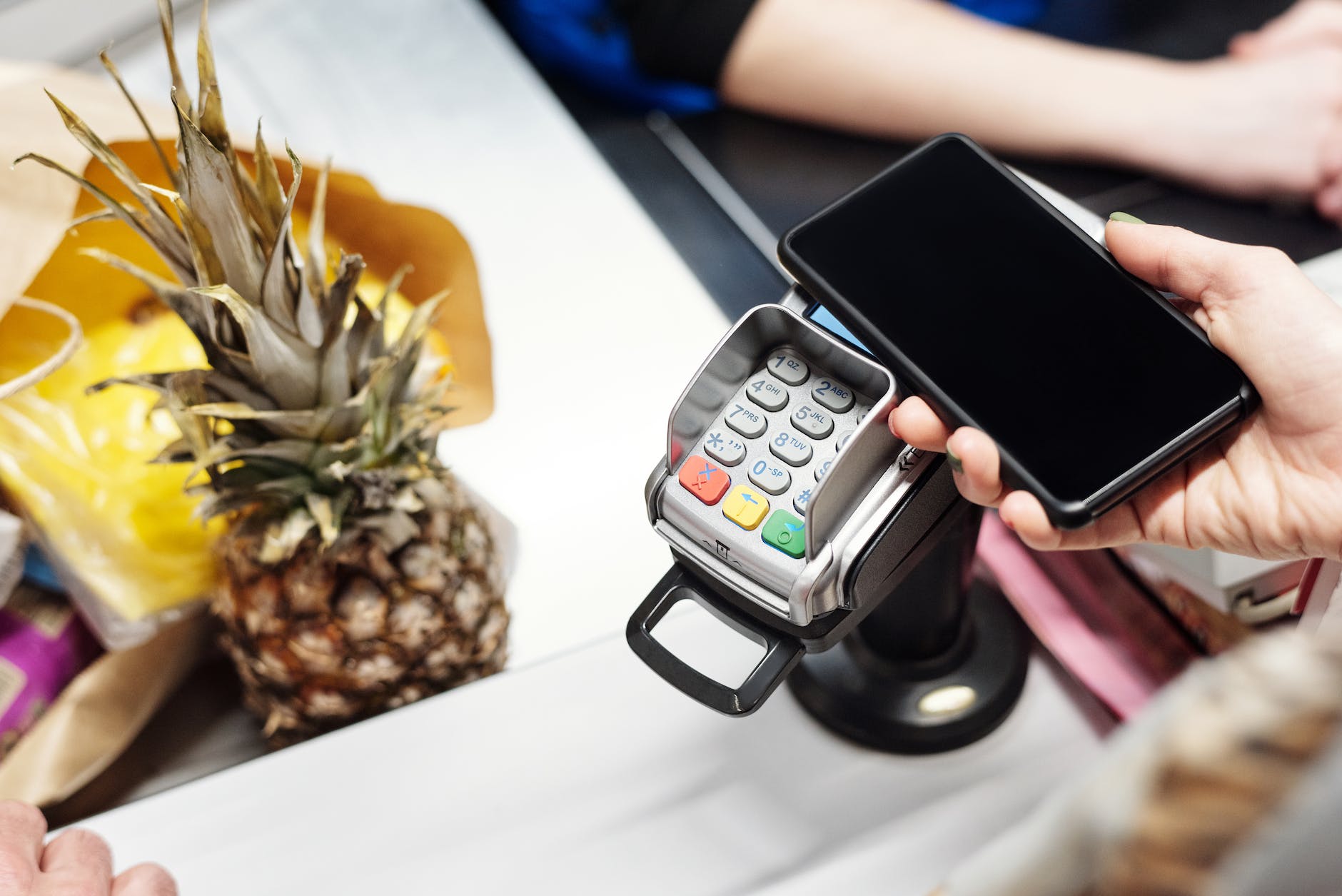
“Using UPI is not going to be chargeable” Clarified.

The RBI discussion paper issued earlier this month said, UPI as a fund transfer system is like IMPS and therefore, it could be argued that the charges in UPI need to be similar to charges in IMPS for fund transfer transactions.

To clarify, Ministry of Finance quoted  “UPI is a digital public good with immense convenience for the public and productivity gains for the economy. There is no consideration in government to levy any charges for UPI services,” the Ministry of Finance said in a statement.

The clarification came amid speculations that UPI transactions could be charged, as a discussion paper released by the Reserve Bank of India (RBI) on August 17 sought feedback related to the subject. “Charges for payment services should be reasonable and competitively determined for users while also providing optimal revenue stream for the intermediaries,” the central bank said in a release. The feedback received would be used to guide policies and intervention strategies.

In the context of UPI, the RBI, in the discussion paper, has questioned if UPI transactions are charged, they should be administered by the regulator, or whether they should be market determined. While clarifying it was not considering any service charge on UPI transactions, the finance ministry reiterated its support for the further adoption of the digital payments system.

Property Rights

What Are Property Rights?

Property rights define the theoretical and legal ownership of resources and how they can be used. These resources can be both tangible or intangible and can be owned by individuals, businesses, and governments. In many countries, including the United States, individuals generally exercise private property rights or the rights of private persons to accumulate, hold, delegate, rent, or sell their property. In economics property rights form the basis for all market exchange, and the allocation of property rights in a society affects the efficiency of resource use.

Understanding Property Rights

Property is secured by laws that are clearly defined and enforced by the state. These laws define ownership and any associated benefits that come with holding the property. The term property is very expansive, though the legal protection for certain kinds of property varies between jurisdictions.Property is generally owned by individuals or a small group of people. The rights of property ownership can be extended by using patents and copyrights to protect:

  • Scarce physical resources such as houses, cars, books, and cellphones
  • Non-human creatures like dogs, cats, horses or birds
  • Intellectual property such as inventions, ideas, or words

Other types of property, such as communal or government property, are legally owned by well-defined groups. These are typically deemed public property. Ownership is enforced by individuals in positions of political or cultural power. Property rights give the owner or right holder the ability to do with the property what they choose. That includes holding on to it, selling or renting it out for profit, or transferring it to another party.

Acquiring Rights to a Property

Individuals in a private property rights regime acquire and transfer in mutually agreed-upon transfers, or else through homesteading. Mutual transfers include rents, sales, voluntary sharing, inheritances, gambling, and charity. Homesteading is the unique case; an individual may acquire a previously unowned resource by mixing his labor with the resource over a period of time. Examples of homesteading acts include plowing a field, carving stone, and domesticating a wild animal. In areas where property rights don’t exist, the ownership and use of resources are allocated by force, normally by the government. That means these resources are allocated by political ends rather than economic ones. Such governments determine who may interact with, can be excluded from, or may benefit from the use of the property.

Private Property Rights

Private property rights are one of the pillars of capitalist economies, as well as many legal systems, and moral philosophies. Within a private property rights regime, individuals need the ability to exclude others from the uses and benefits of their property. All privately owned resources are rivalrous, meaning only a single user may possess the title and legal claim to the property. Private property owners also have the exclusive right to use and benefit from the services or products. Private property owners may exchange the resource on a voluntary basis.

Private Property Rights and Market Prices

Every market price in a voluntary, capitalist society originates through transfers of private property. Each transaction takes place between one property owner and someone interested in acquiring the property. The value at which the property exchanges depends on how valuable it is to each party. Suppose an investor purchases $1,000 in shares of stock in Apple. In this case, Apple values owning the $1,000 more than the stock. The investor has the opposite preference, and values ownership of Apple stock more than $1,000.

Financial Literacy

What Is Financial Literacy?

Financial literacy is the ability to understand and effectively use various financial skills, including personal financial management, budgeting, and investing. Financial literacy is the foundation of your relationship with money, and it is a lifelong journey of learning. The earlier you start, the better off you will be, because education is the key to success when it comes to money.

Read on to discover how you can become financially literate and able to navigate the challenging but critical waters of personal finance. And when you have educated yourself, try to pass your knowledge on to your family and friends. Many people find money matters intimidating, but they don’t have to be, so spread the news by example.

Understanding Financial Literacy

In recent decades financial products and services have become increasingly widespread throughout society. Whereas earlier generations of Americans may have purchased goods primarily in cash, today various credit products are popular, such as credit and debit cards and electronic transfers. Indeed, a 2019 survey from the Federal Reserve Bank of San Francisco showed that consumers preferred cash payments in only 22% of transactions, favoring debit cards for 42% and credit cards for 29%.

Other products, such as mortgages, student loans, health insurance, and self-directed accounts, have also grown in importance. This has made it even more imperative for individuals to understand how to use them responsibly. Although there are many skills that might fall under the umbrella of financial literacy, popular examples include household budgeting, learning how to manage and pay off debts, and evaluating the tradeoffs between different credit and investment products. These skills often require at least a working knowledge of key financial concepts, such as compound interest and the time value of money. Given the importance of finance in modern society, lacking financial literacy can be very damaging to an individual’s long-term financial success.

Being financially illiterate can lead to a number of pitfalls, such as being more likely to accumulate unsustainable debt burdens, either through poor spending decisions or a lack of long-term preparation. This in turn can lead to poor credit, bankruptcy, housing foreclosure, and other negative consequences. Thankfully, there are now more resources than ever for those wishing to educate themselves about the world of finance. One such example is the government-sponsored Financial Literacy and Education Commission, which offers a range of free learning resources.

Strategies to Improve Your Financial Literacy Skills

Developing financial literacy to improve your personal finances involves learning and practicing a variety of skills related to budgeting, managing and paying off debts, and understanding credit and investment products. Here are several practical strategies to consider.

Create a Budget—Track how much money you receive each month against how much you spend in an Excel sheet, on paper, or with a budgeting app. Your budget should include income (paychecks, investments, alimony), fixed expenses (rent/mortgage payments, utilities, loan payments), discretionary spending (nonessentials such as eating out, shopping, and travel), and savings.

Pay Yourself First—To build savings, this reverse budgeting strategy involves choosing a savings goal (say, a down payment for a home), deciding how much you want to contribute toward it each month, and setting that amount aside before you divvy up the rest of your expenses.

Pay Bills Promptly—Stay on top of monthly bills, making sure that payments consistently arrive on time. Consider taking advantage of automatic debits from a checking account or bill-pay apps and sign up for payment reminders (by email, phone, or text).


Money and it’s Functions

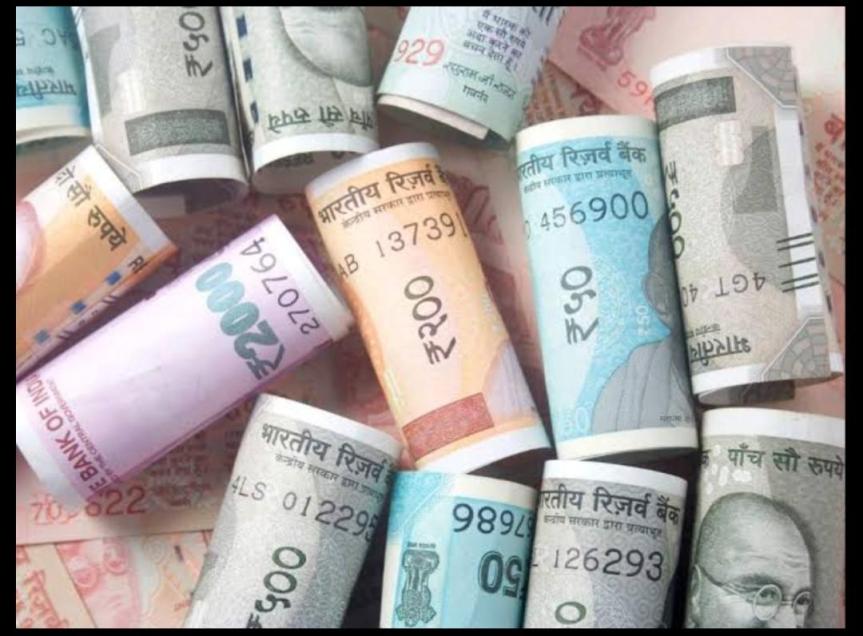
Money a commodity accepted by general consent as a medium of economic exchange. It is basically the legal tender of exchange. The paper currency which we use today has a long history behind it’s origin and evolution. Even today, money is continuously evolving, going from paper to plastic to digital. Over the years, money has changed it’s forms several times but what hasn’t changed is it’s functions. No matter what form it is used in, money almost always serves the same functions.
The functions of money are categorised as primary, secondary and contingent functions.

Primary Functions of Money:

Under this category, money performs it’s two main functions that are medium of exchange and unit of value. In the former case, money has removed the need of double coincidence of wants, something which was very much needed in the batter system which was used earlier. Being a medium of exchange means being generally acceptable. This gives the user freedom of choice and economic independence. It also acts as an intermediary and facilities exchange.
Money as unit of value means money is the standard for measuring values of all goods and services. This value is expressed in terms of price. Price is in terms of monetary unit and money acts as the determiner of rate of exchange. It also helps in calculating important economic parameters like costs, revenue, profits etc.

Secondary Functions of Money:

Under this, money performs three functions. It acts as a standard of deferred payments, it acts as a store of value and as a transfer of value. Money as a standard of deferred payments means that money acts as a standard for payments, which are to be made in future.
Money as a store of value means that money can be used to transfer purchasing power from present to future. Money is a way to store wealth. Although wealth can be stored in other forms also, but money is the most economical and convenient way. Money as a transfer value refers to the fact that money has velocity. It keeps transferring from person to other person.

https://www.yourarticlelibrary.com/economics/money/primary-and-secondary-functions-of-money/30307

Contingent Functions of Money:


Money performs certain contingent functions. These include: distribution of national income, maximization of satisfaction, basis of credit system, money as the most liquid asset. Money helps in distribution of the national product in the form of rent, wage, interest and profit, which are expressed in money terms. Money helps the consumers and producers in maximizing their satisfaction. A consumer derives maximum satisfaction when marginal utility is greater than marginal cost. Money helps in credit creation for banks. Money as a store of value has encouraged savings by people in the form of demand deposits in banks. These deposits are used for generating credit. Money is the most liquid asset of all assets in which wealth is healed. Individuals hold wealth in numerous forms ranging from currency, demand deposits, time deposits to bonds , savings, treasury bills etc. All these forms can be converted into money and vice versa.

https://www.yourarticlelibrary.com/economics/money/contingent-functions-of-money-in-economics/30310