Council raises GST on low-cost footwear, garments to 12%

In its first physical meeting in two years, the GST Council on Friday effected several long-pending tweaks in tax rates including an increase in the GST levied on footwear costing less than ₹1,000 as well as readymade garments and fabrics to 12% from 5%.

The new rates on these products, a decision on which had been deferred by the Council over the past year owing to the pandemic’s impact on households, will come into effect from January 1, Finance Minister Nirmala Sitharaman said.

The Council approved a special composition scheme for brick kilns with a turnover threshold of ₹20 lakh, from April 1, 2022. Bricks would attract GST at the rate of 6% without input tax credits under the scheme, or 12% with input credits.

While this will please States like Uttar Pradesh that had sought a special scheme for brick kilns, a decision on extending such a scheme for other evasion-prone sectors like pan masala, gutkha and sand mining was put off.


The Council also decided to extend the concessional tax rates granted for COVID-19 medicines like Amphotericin B and Remdesivir till December 31, but similar sops offered by the Council at its last meeting in June for equipment like oxygen concentrators will expire on September 30.

The GST rate on seven more drugs useful for COVID-19 patients has been slashed till December 31 to 5% from 12%, including Itolizumab, Posaconazole and Favipiravir. The GST rate on Keytruda medicine for treatment of cancer has been reduced from 12% to 5%.

Life-saving drugs Zolgensma and Viltepso used in the treatment of spinal muscular atrophy, particularly for children, has been exempted from GST when imported for personal use. These medicines cost about ₹16 crore, Ms. Sitharaman said.

Food delivery tax shift
The Council also decided to make food delivery apps like Swiggy and Zomato liable to collect and remit the taxes on food orders, as opposed to the current system where restaurants providing the food remit the tax.

Revenue Secretary Tarun Bajaj stressed this did not constitute a new or extra tax, just the tax that was payable by restaurants would now be paid by aggregators. Some restaurants were avoiding paying the GST even though it was billed to customers.

“The decision to make food aggregators pay tax on supplies made by restaurants from January 1, 2022, seems to have been done based on empirical data of under reporting by restaurants, despite having collected tax on supplies of food to customers,” said Mahesh Jaising, Partner, Deloitte India.

“The impact on the end consumer is expected to be neutral where the restaurant is a registered one. For those supplies from unregistered, there could be a 5% GST going forward,” he added.

Aircraft on lease
The GST Council has exempted Integrated GST levied on import of aircraft on lease basis. This will help the aviation industry avoid double taxation, the Finance Minister said, and will also be granted for aircraft lessors who are located in Special Economic Zones.

Goods supplied at Indo-Bangladesh border haats have also been exempted from GST.

Written by: Ananya Kaushal

Story of the two most expensive spices

Saffron

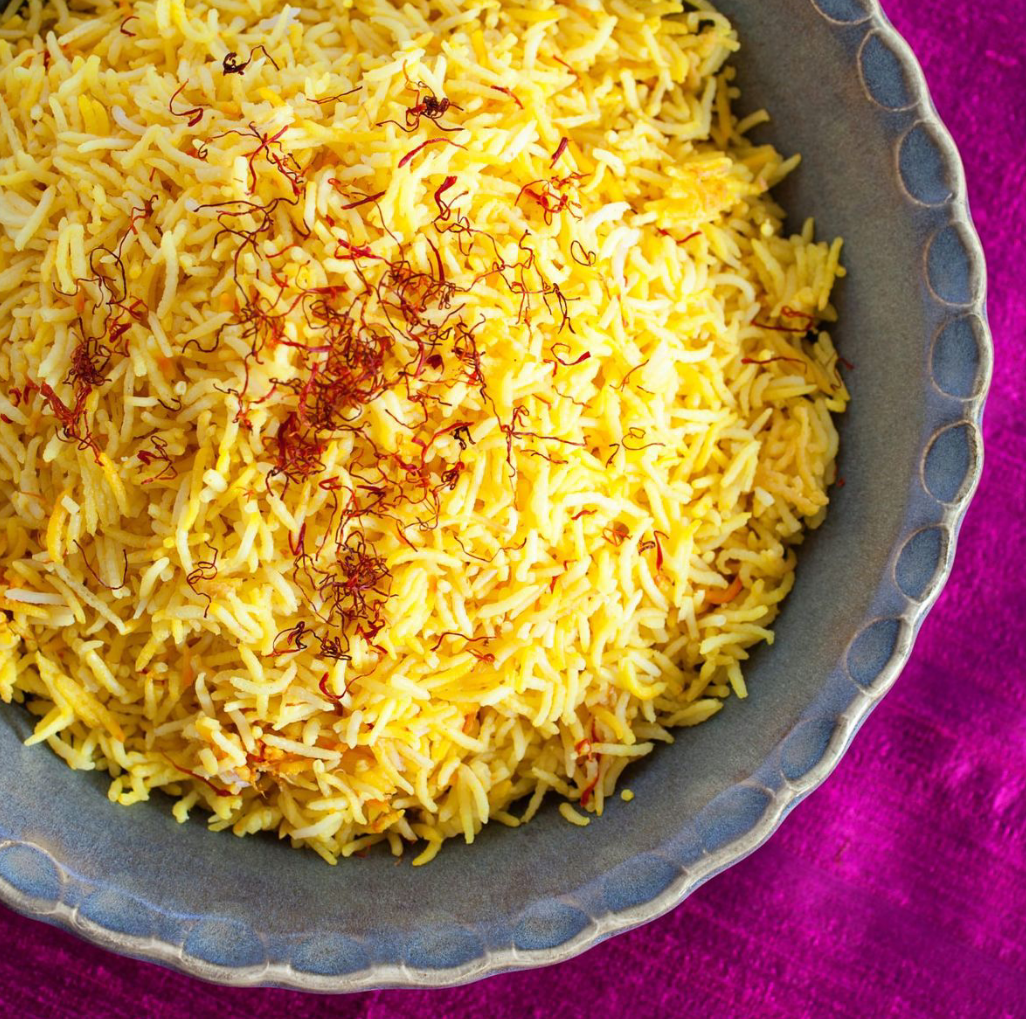
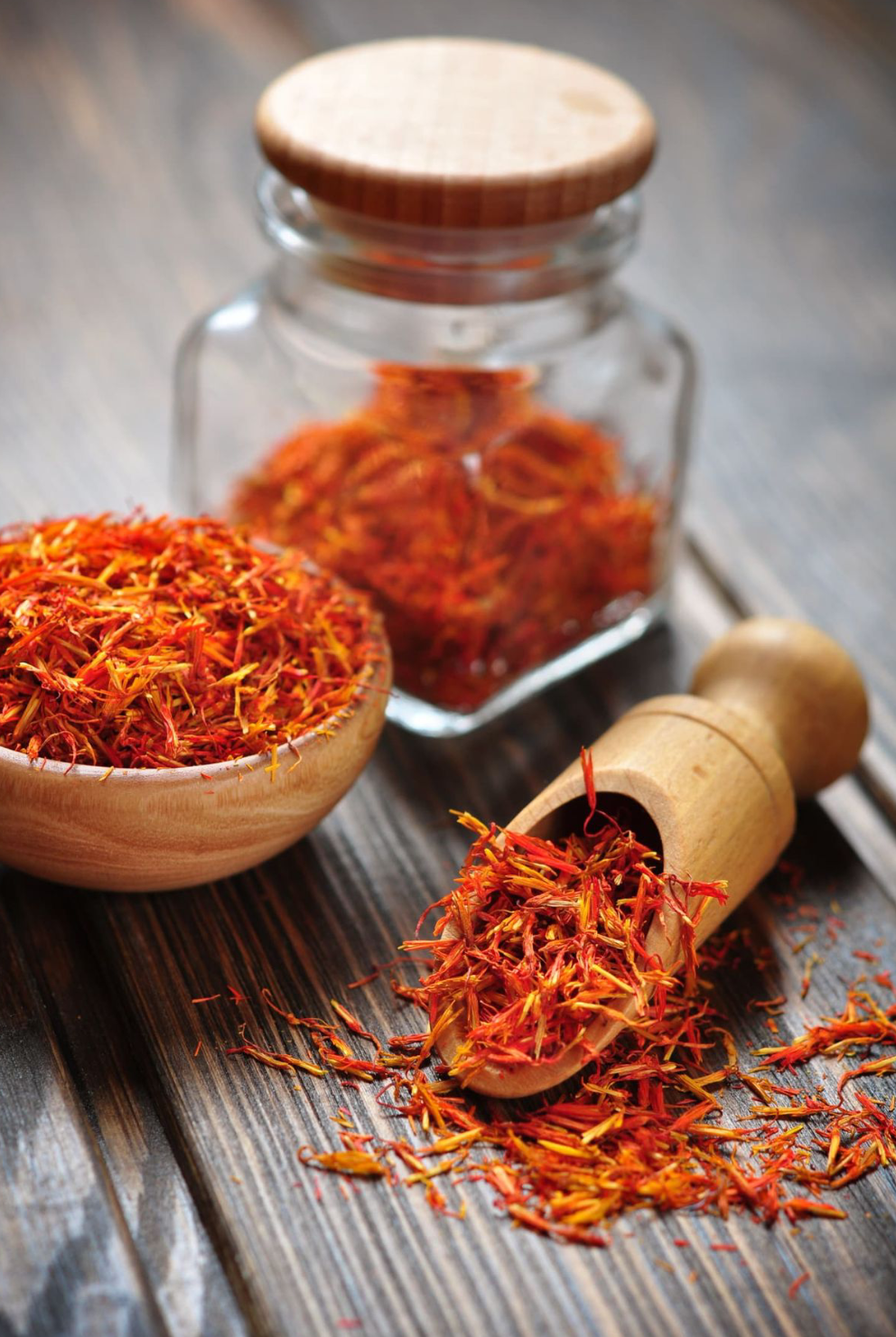
One pound of saffron costs you $5000. It is the most expensive spice next comes vanilla. Saffron is a complicated spice to harvest. Harvesting saffron needs a lot of hand work to pick up the flowers, separate the saffron that is the dried stigma or the female part of the flower. Saffron comes from the saffron crocus flower and each flower has 3 stigmas. The yield of saffron is very low. One pound of saffron requires 170000 flowers. These flowers bloom over a six week period from late September to early December. There is a specific time to day to harvest them. High relative humidity and sunlight can break the chemical structure in the saffron. Early morning is preferably the best time to harvest them.

90% of the world’s saffron is grown in arid fields in Iran. It is so because workers are available and for cheap. But it’s mostly like slavery. Most workers are women getting five dollars a day. Not only Iran, it’s grown in Morocco, Spain, Italy, the Netherlands, Afghanistan, India and even in United States. Though many Americans have never eaten saffron, the US imports large amount of saffron. Saffron has a resistance to cold weather.

Over centuries saffron has proven useful in many situations. Most commonly used in cooking. Middle east Asian countries have a lot of food containing saffron. When saffron is broken down it creates a golden dye. Which is how when used in cooking it gives a different kind of colour and taste and smell to it.

Saffron contains some chemical components which are really expensive like picrocrocin, crocin and safranal. These are the main components responsible for the taste, smell and colour.

People have tried passing turmeric, red marigold petals, and lily flower stigma as saffron. But the flavour and dye is totally different. In large quantities, saffron can be a potent happiness inducing narcotic. Research suggests it may help reduce the symptoms for Alzheimer’s, depression and PMS.

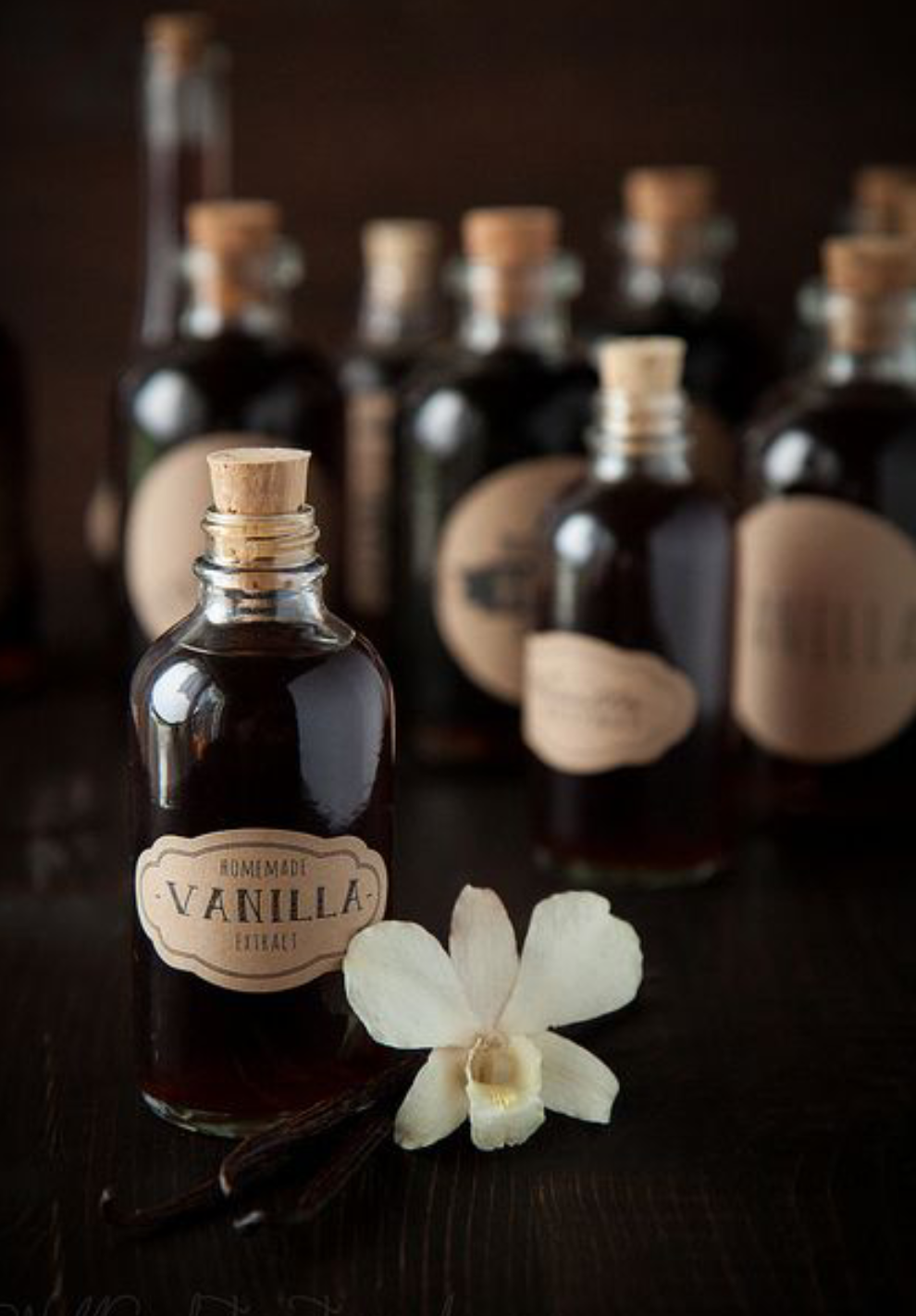
Vanilla

From ice cream to cakes and even perfume, vanilla is the go-to flavour of the world. In recent years, the price of natural vanilla has shot up. At one point it was more expensive than silver by weight. 80% of the world’s vanilla is grown in the perfectly suited climate of the north east region of Madagascar. It’s the country’s primary export crop. In 2014, vanilla was $80 a kilo. Three years later it was $600. Today its around $500. The price rise is due in part to global demand. The trend of eating naturally means that food companies have shunned synthetic flavouring in favour of the real deal.

Price fluctuations affect producers of agricultural commodities everywhere but vanilla is particularly volatile. In just a few weeks the price can jump or plummet by over 20%. Liberalisation is one reason for such movements. The Malagasy government once regulated the vanilla industry and it’s price. But now the price is negotiated at the point of sale which makes for a freer market but a more volatile one. It’s also a tiny industry. A single cyclone can knock up the entire crop within Madagascar. It’s also a difficult and delicate crop to grow.

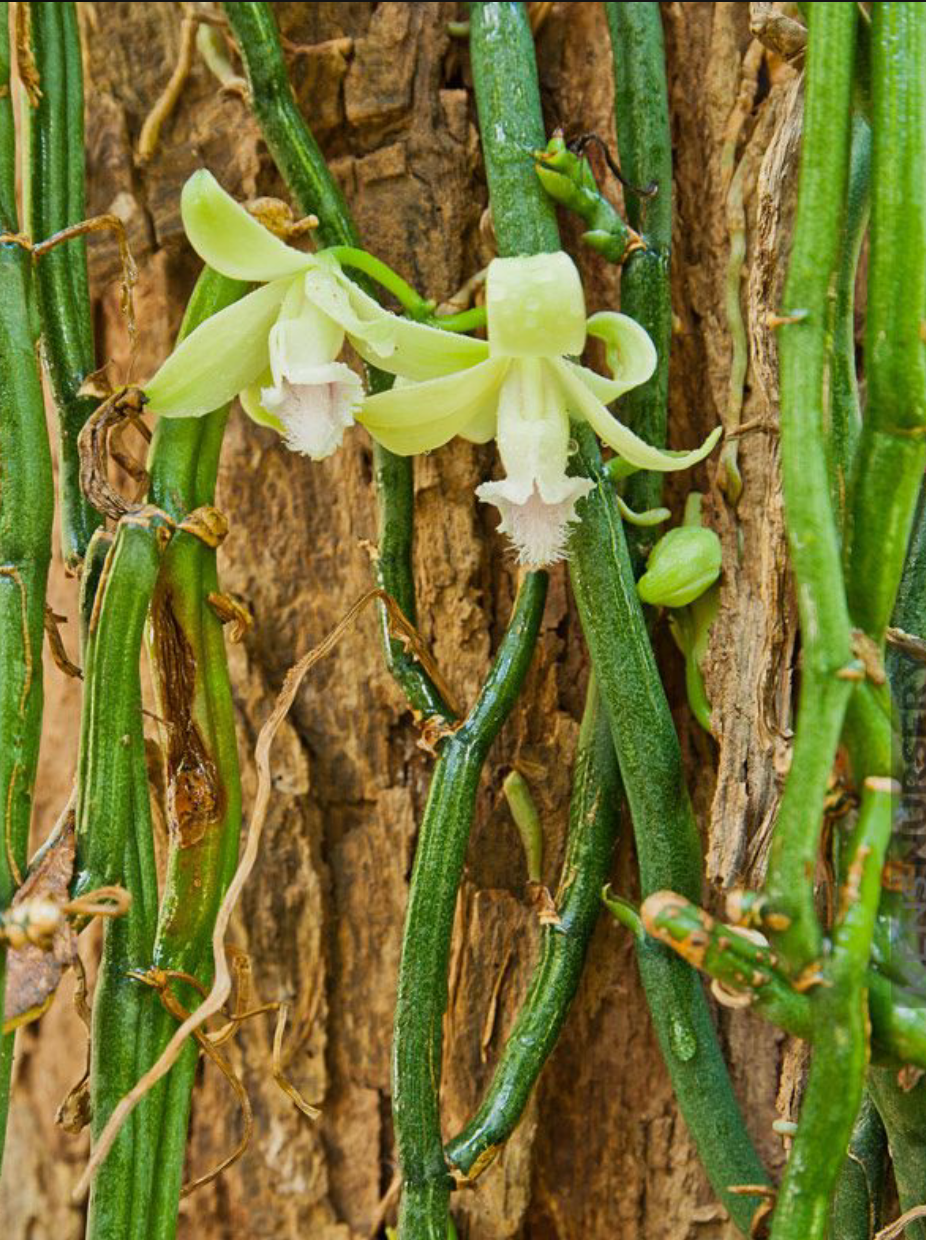
Vanilla is an orchid that needs to be hand pollinated. This is a really labour intensive practice. It takes roughly six months to grow it on the vine and then six months of manual post harvesting. The interesting thing about vanilla is that it needs to be taken off the vine when it is almost rotted!

The growers have to contend with another problem. Thieves are targeting vanilla crops. So Malagasy now have to sleep out in their vanilla fields. They can’t rely on those who are changed from the state to protect them or their crops. Some farmers have resorted to harvesting the beans before they’re ripe but this produces a poorer quality vanilla and ultimately pushes down the price. The combination of deteriorating quality and high prices is having an effect. The vanilla price bubble may burst. If the price continues to stay high there’s a number of scenarios that will play out. Continuation of current situation will cause an unstable market. Otherwise the corporate sectors step in, try to regulate the market in some way that may stabilise prices and also quality. Or the market may crash out.

Big buyers that provide vanilla are now working directly with farmers in a bid to gain greater control over quality. Other companies have started to look elsewhere for their natural vanilla. Indonesia, Uganda and even the Netherlands are growing the crop. For a century Madagascar has enjoyed a near monopoly on vanilla. But this industry maybe in line for radical overhaul.

Thank you for reading. Have a nice day!🌼