
Should writers and artists have an unrestricted right to expression?

Freedom of expression means the right to express one’s own conviction and opinions freely by word of mouth, by writing, through painting or any other mode. In modern times it is widely accepted that the right to freedom of expression is necessary in a democratic society and this right must be safeguarded at all times. Liberty to express opinions and ideas without hindrance and especially without fear of punishment plays a significant role in the development of society. It is one of the most important fundamental liberties guaranteed against state suppression or regulation. However, this freedom needs to be tempered so that it does not hurt the sentiments of others.

• ‘Freedom of expression’ originally guaranteed by the Indian constitution Prior to 1972, Article 19 (1) of the Indian constitution guaranteed this freedom of expression. However, after 1972, Indian politicians felt this should be restricted as they feared that they will be ridiculed or otherwise harmed politically if it remained unrestricted. So, they enacted laws to limit the freedom of expression on various grounds under the garb of law and order, national security and other noble objectives.
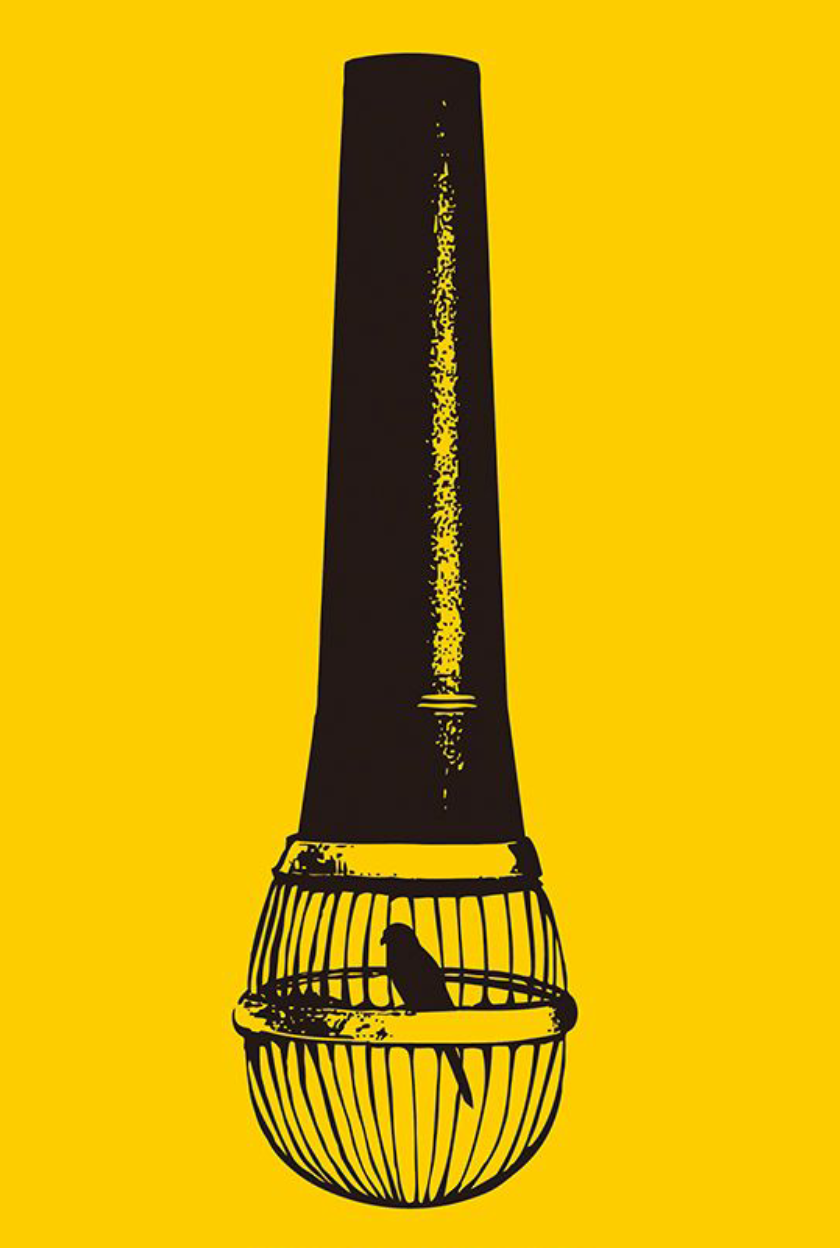
• Restriction to freedom of speech causes suffering Many writers, speakers, cartoonists etc. belonging to different castes, creeds and social positions have suffered and are suffering due to the restrictions imposed by law. On most occasions they have been charged and arrested, causing them mental anguish and physical/financial suffering.
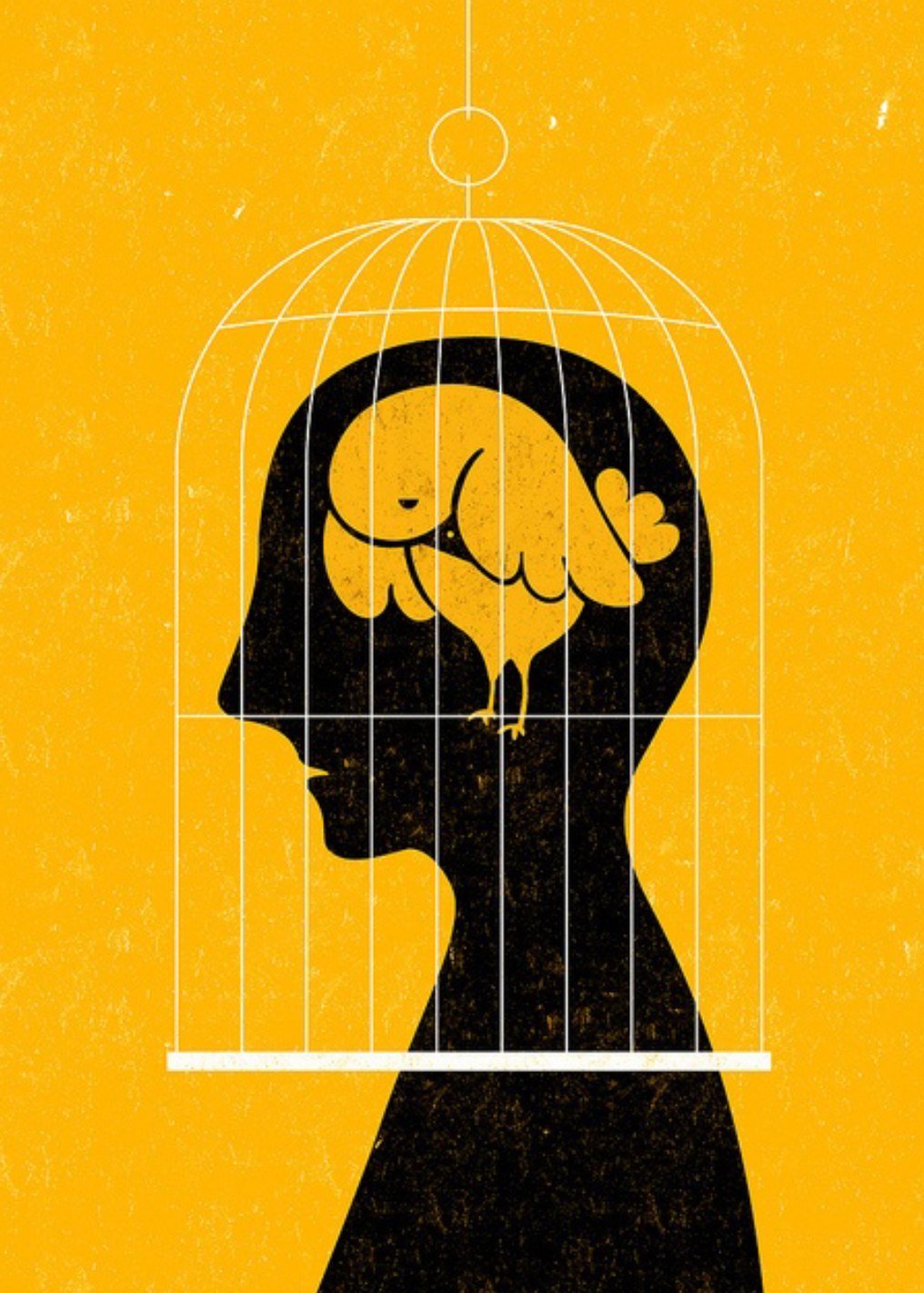
• Freedom of expression should be protected Important justifications for freedom of expression and speech are that they assist in the discovery of truth, help an individual to attain self fulfilment etc. ultimately results in the welfare of society and state and strengthen the capacity of an individual in participating in decision making in a democracy.
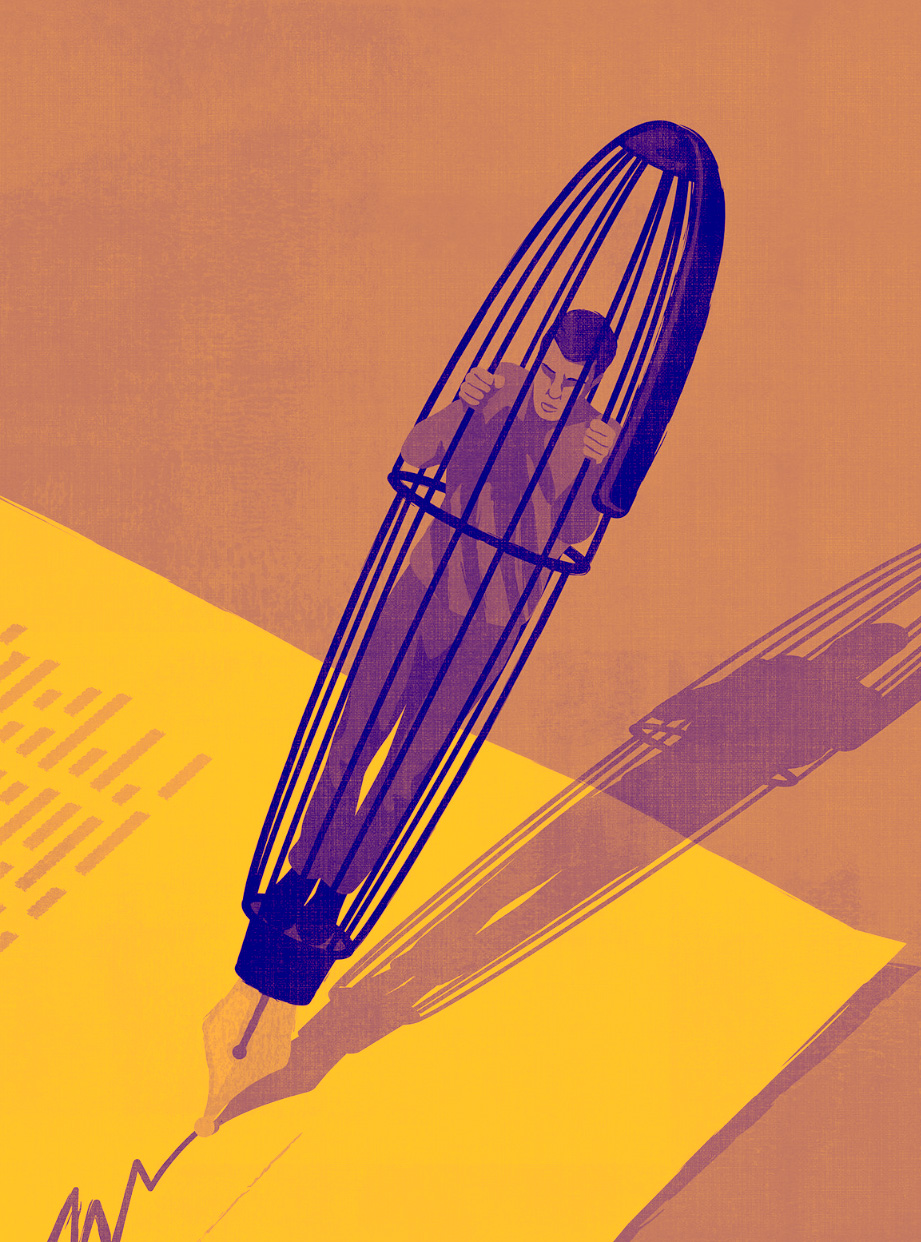
However, no freedom is absolute and unrestricted. It is necessary to exercise freedoms in order to have a democratic society, but their limitations are also needed for the maintenance of the democratic society. So, the freedom has to have suitable restrictions.

Thank you for reading. Have a nice day!
Republic day

India celebrates Republic Day on January 26 annually with a lot of pride and fervor. It is a day that is important to every Indian citizen. It marks the day when India became truly independent and embraced democracy. In other words, it celebrates the day on which our constitution came into effect. On 26 January 1950, almost 3 years post-independence, we became a sovereign, secular, socialist, democratic republic.

History of Republic Day

While we got independence from British rule on August 15, 1947, our country was still lacking a concrete constitution. Moreover, India also did not have any experts and political powers which would help in the functioning of the state affairs smoothly.  Up until then, the 1935 Government of India Act was basically modified in order to govern, however, that act was more bent towards the colonial rule. Therefore, there was a dire need to form an exclusive constitution that would reflect all that India stands for. Thus, Dr. B.R. Ambedkar led a constitutional drafting committee on August 28, 1947.  After drafting, it was presented to the Constituent Assembly by the same committee on November 4, 1947. This whole procedure was very elaborate and took up to 166 days to complete. Moreover, the committee organized sessions were kept open to the public. No matter the challenges and hardships, our constitutional committee left no stone unturned to include rights for all. It aimed to create the perfect balance so all citizens of the country could enjoy equal rights pertaining to their religions, culture, caste, sex, creed and more. At last, they presented the official Indian constitution to the country on January 26, 1950.

Moreover, the first session of the India Parliament was also conducted on this day. In addition to that, 26th January also witnessed the swearing-in of India’s first president, Dr. Rajendra Prasad. Thus, this day is very important as it marks the end of the British rule and birth of India as a Republic State.

Republic Day Celebrations

Indians celebrate January 26 each year with lots of enthusiasm and zeal. On this day, people forget their religion, caste, creed, sex, and more. It brings together the country as a whole. It truly shows the diversity of our country. The capital city of India, New Delhi, celebrates it with a Republic Day Parade that showcases the might of the Indian Military and the cultural diversity of our country.

These parades take place in other cities as well, where a lot of schools participate in. It is a delight to watch the children and professionals put in so much effort. The way they grace the parade makes one proud of their country.  We also do National Flag Hoisting on this day. In New Delhi, after the President of India hoists our National Flag, 21 guns salute follow it with the national anthem played by the military band.

Further, in schools, March Past takes place and it is mandatory for every student to attend the celebrations. In many schools, they distribute sweets on this day as well. While it is a very joyous day, we must not forget the struggle of freedom that our forefathers took part in. Moreover, it is a day to celebrate the spirit of freedom and make sure to help India reach greater heights in the future.

Indian Cinema: A Hostage to Controversies

Bollywood is a traditional Indian movie. Vector illustration with marquee lights

Bollywood never runs out of issues that capture the nation’s headlines. Anyone who is a Bollywood fan knows that controversies and cinemas go hand in hand. The issues can be related to anything to everything in a movie, be it, the cast of the film or their personal beliefs to their personal lives, everything revolves around it.

Every time there is a movie that will attract politicians, certain communal groups or even the Indian censor board and it is not easy for a film to go down the throat of the sensitive people.

Over 63 movies have faced controversies by different communities since 2008 according to an internet source. The reasons range from religious (PK gained criticism for the projection of Hindu God in a manner unacceptable to people), political (Ae Dil Hai Mushkil was in the fire for casting a Pakistani actor, Fawad Khan), historical (Bajirao Mastani was accused of distorting facts related to the ruler Peshwa Bajirao and his wives) and community (Ek Thi Daayan has a report filed against it for the projection of witches in a bad light).
Lately, filmmakers have been struggling to make movies, a smooth run but the protestors have it all. Be it blackmailing to burning down the school bus, nothing seems to be enough for the haters to calm down their ‘pride’ and ‘ego’.
Moreover, there was a threat to chop off Deepika Padukone’s nose referring to the epic Ramayana where chopping off nose was a punishment.
Madhur Bhandarkar, a filmmaker said “Let’s accept that making historical and political films is a problem in India,” who refers to an old experience with Indu Sarkar (July, 2017) as a nightmare.
Nonetheless, the truth remains that the real issues that need peoples’ concern are lacking behind and are considered shameful to talk about.
We show rejection, intolerance for a movie being released who casts a Pakistani actor. Why? Was this reaction to be made over the issues like dowry, poverty or even women protection?
The humor is getting lost and people are becoming a hard rock statue that reacts only when it opposes ‘their’ sentiments or beliefs.

The thought needs to change, let the 1.3 billion people decide whether the movie is worth it or not.
Chief Justice Dipak Misra says”Cinemas are an inseparable part of the right to free speech and expression, States cannot issue notifications prohibiting the screening of a film.”
A movie despite controversies and hatred of certain groups still remains purely INDIAN, purely BOLLYWOOD that has the hard work of lakhs of people who worked day and night to get good results not anger and anguish of people.
Let’s think whether the ”VIRODH PRADARSHAN” is fair enough on part of being an Indian and a responsible human being.