On 15th August 1947, India got its independence. India’s freedom movement was against the British. India got its independence through many struggles and scarifies. Freedom fighters have the main role in India’s independence. In this blog, we are going to see some of the freedom fighters of India.
Freedom fighters of India
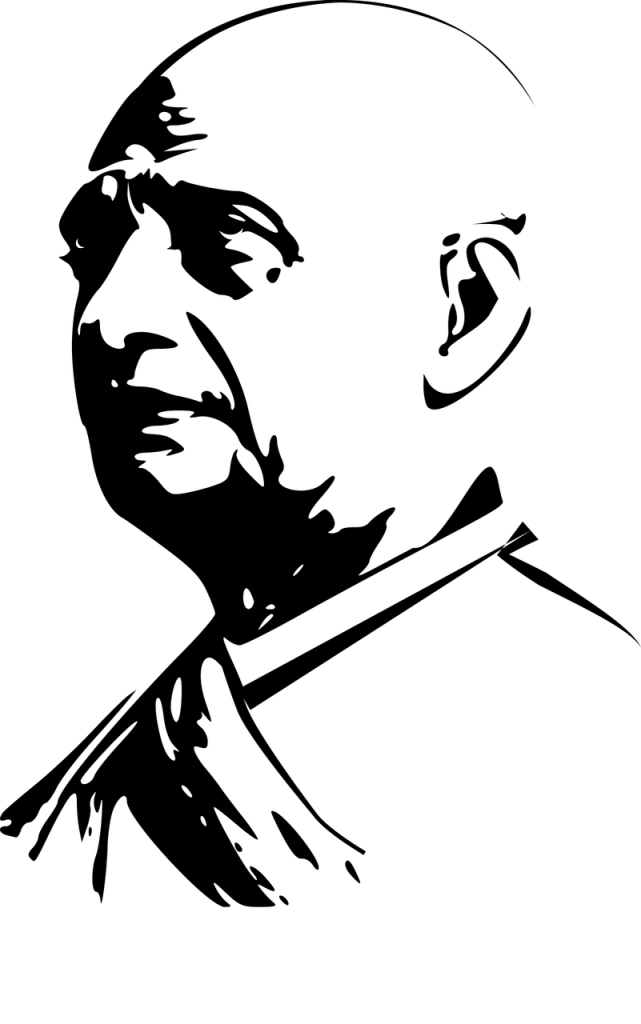
Sardar Vallabhbhai Patel
Vallabhbhai Jhaverbhai Patel was born in 1875, he is a very brave man from a very young age. He earned the tittle Sardar after his heroic contribution in BardoliSatyagrah. Originally his profession was lawyer, but he left his profession and joined freedom movement to represent against British. He is also called the ‘Iron man of India’. After the independence of India, he became deputy PM of India.
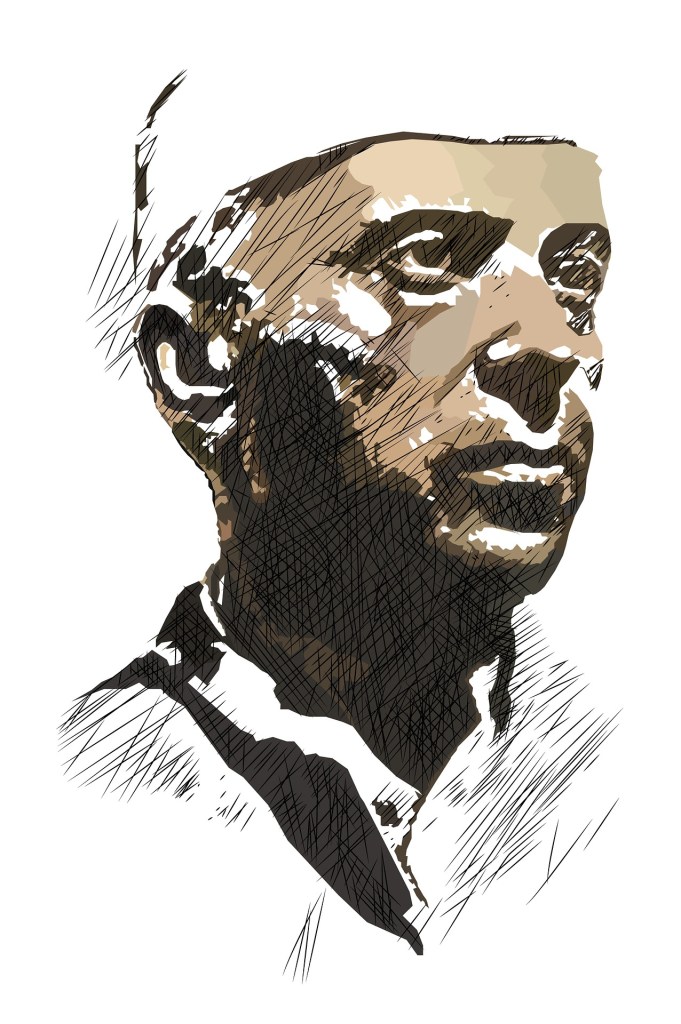
2. Jawaharlal Nehru
Jawaharlal Nehru was born on 14 November, 1889. He is the only son of his father and mother. He served as the first Prime Minister of India. His passion for India’s independence influenced many people. He is considered one of the greatest statesmen in India. He joined freedom struggle, he became popular as India’s freedom fighter. His birthday is celebrated as Children’s day in India.
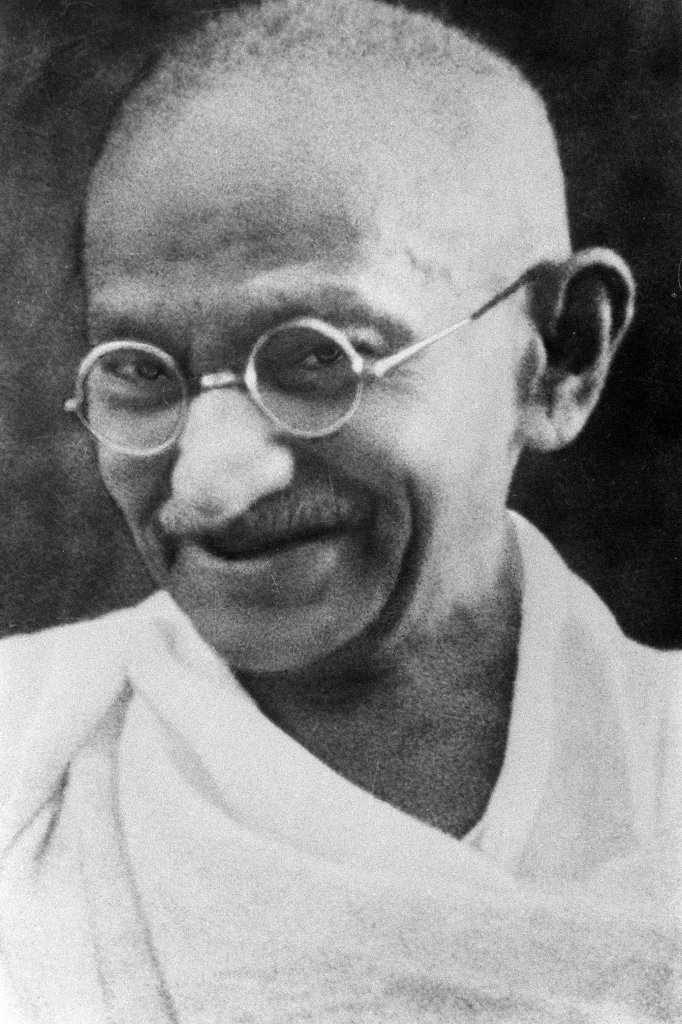
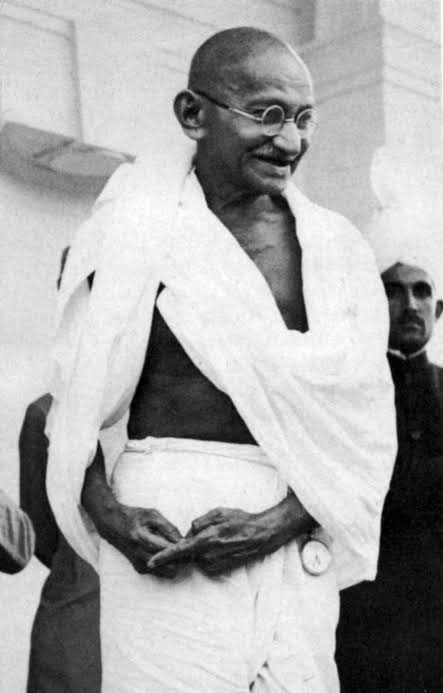
3. Mahatma Gandhi
Mohandas Karamchand Gandhi was born on 2nd October he was raised in a Hindu family in Gujarat, 1869. He studied Law in London and went to South Africa to practice. He was entitled the ‘Father of Nation’ of India. After 21 years living in South Africa, he returned to India in 1915, when he was 45 years old. Gandhi ji led many non violent national campaigns for easing poverty, ending untouchability, expanding women rights, and Swaraj. He started Dandi Salt March against the British for imposing salt tax. He started Quit India Movement for British to leave India and many more. He has done many hunger strikes to stop religious fights.
4. Lal Bahadur Sastry
Lal bahadur Sastry was born on 2nd October, 1902. He is a silent freedom fighter. He was participated in many freedom movements such as Quit India movement, Salt Satyagraha Movement, Civil Disobedience movement etc led by Mahatma Gandhi. He served as the Home Minister of India and later as a Prime Minister in 1964. He received the tittle ‘Shastri’ after he completed his education at Kashi Vidyapeeth.
5. Rani Lakshmi Bai
Rani Lakshmi bai was born on 19 November, 1828, Varanasi. She is the queen of Jhansi, She is an important member in 1857 revolution. She became the symbol of resistance to the British raj for Indians. She is the wife of Maharaja Gangadhar Rao. After the dealth of Maharaja Gangadhar Rao, she defended her kingdom jhansi from British force invading it.
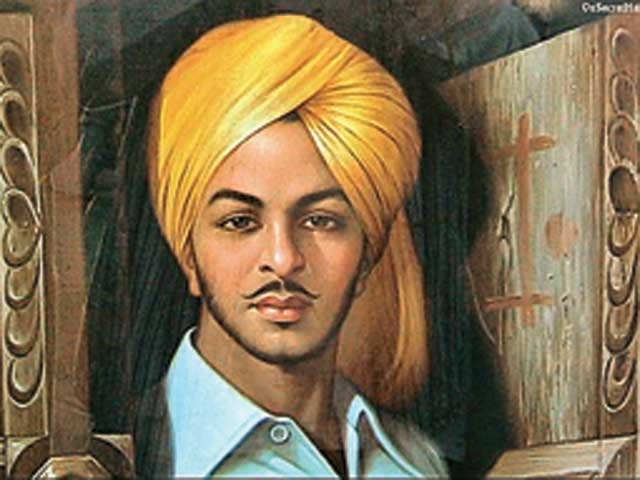
6. Bhagat Singh
Bhagat Singh was born on 28th September, 1907 in Banga(Present Pakistan).He was born and raised in a Sikh family of freedom fighters in Punjab. He is a famous revolutionary in India’s independence movement. He joined Non-cooperation movement in 1921 led by Gandhi ji. Chauri Chaura Incident changed him and makes him extreme in his fight against British.
7.Begum Hazrat Mahal
Begum Hazrat mahal was born on 1820, Faizabad. She worked with leaders like NanaSaheb and maulavi. She has participated in 1857 revolution. She single handed defended lucknow from leading troops. She also fought many wars for nepal.
We don’t need occasion to celebrate heroes and Bhagat Singh is one of the greatest hero India has ever seen. He was born in 1907 in the family of freedom fighters . His almost all the family members were active in politics. From his grandfather Arjun Singh to his uncles Ajit Singh and Swaran Singh, all had served the country once in their lifetime. Thus, the spirit of freedom was embedded in his heart from very childhood.
Bhagat Singh was not a great supporter of non violence , yet, he was also not a firm believer of violence. He took the path of violence out of helplessness and to protect his homeland. Just as the former Prime Minister Pandit Jawaharlal Nehru wrote about him ,”Bhagat Singh did not become popular because of his act of terrorism but because he seemed to vindicate for the moment, the honour of Lala Lajpat Rai, and through him of the nation , he became a symbol ; his act was forgotten , the symbol remained , and within a few months each town and village of the Punjab and to lesser extent in the rest of Northern India, resounded with his name .”
Bhagat Singh at the age of 12 went to Jallianwala Bagh hours after thousands of unarmed people gathered at the public meeting and had been killed. At the age of 14 he was amongst the villagers who welcomed protesters against the killing of a large number of unarmed people at Gurudwara Nankana Singh on 20 February 1921. He stated the act of bravery from the very young age but his real struggle of freedom began when he joined Young Revolutionary Movement.
He joined National College in Lahore in 1923. In 1926 he founded Indian Socialist Youth Organization ” Naujawan Bharat Sabha”. He also joined the Hindustan Republic Association in 1924.
He was so devoted to the freedom that he ran away from his home when his father arranged his marriage. He wrote in a letter — “My life has been dedicated to the noblest cause, that of the freedom of the country. Therefore , there is no rest or worldly desire that can lure me now”.
In December 1928 Bhagat Singh along with his companion Shivaram Rajguru, shot British officer, John Saunders . They had mistaken Saunders for James Scott, whom they had originally planned to assassinate. They were agitated due to the death of Lala Lajpat Rai and believed that James Scott was responsible for it. They fled away from the crime scene and were not caught for many months
In April 1929 Bhagat Singh and Batukeshwar Dutt was arrested for bombing Central Legislative Assembly in Delhi. It was during this trial that Saunders’ case reopened.The police found some evidence regarding Saunders and thus Bhagat Singh was convicted and hanged in March 1931, at the mere age of 23 ( Many that believes that Bhagat Singh was not given a fair trial, thus, it is suggested to read “The Trial of Bhagt Singh” by AG Noorani, as it gives the detailed account of the case)
The life of Bhagat Singh inspires many till now. He fought for what was right. He became famous not for his violent act but for his strong opinion regarding justice and freedom. He was brave and courageous man who prioritised freedom above anything else.
“As long as I have life, as long as blood flows through this arm of mine, I shall not leave the cause of freedom…I am only a woman, only a poet. But as a woman, I give to you the weapons of faith and courage and the shield of fortitude. And as a poet, I fling out the banner of song and sound, the bugle call to battle. How shall I kindle the flame which shall waken you men from slavery…”
Introduction
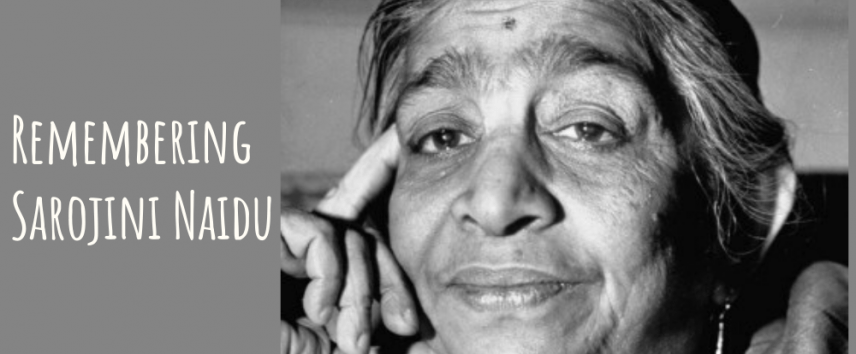
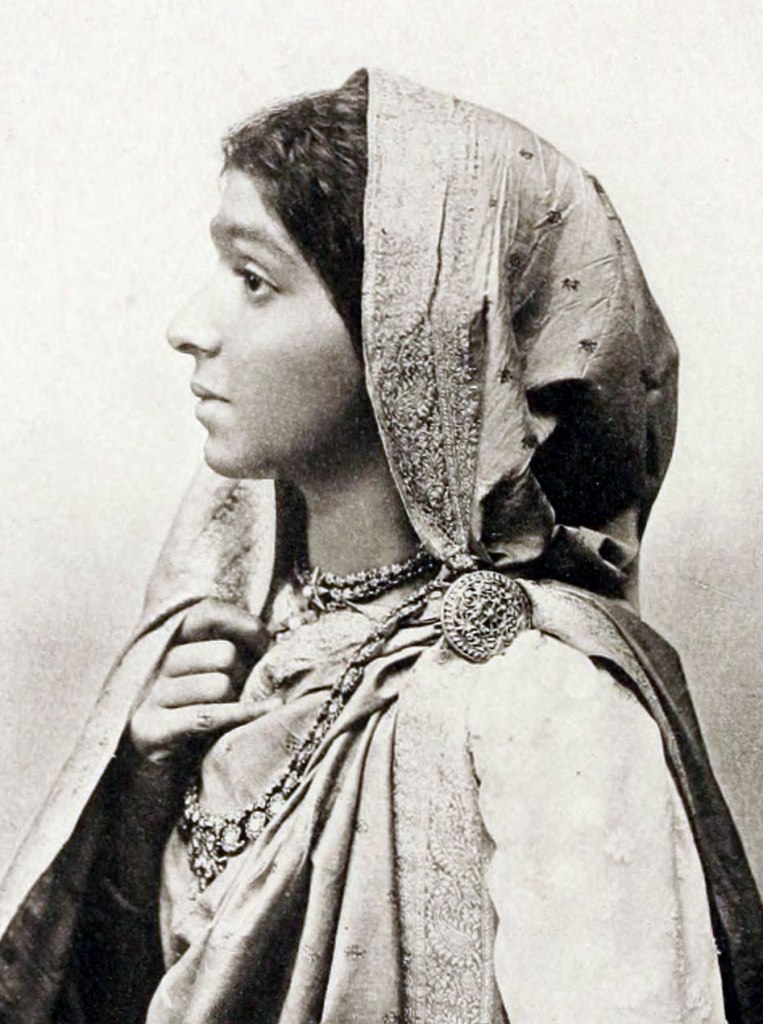
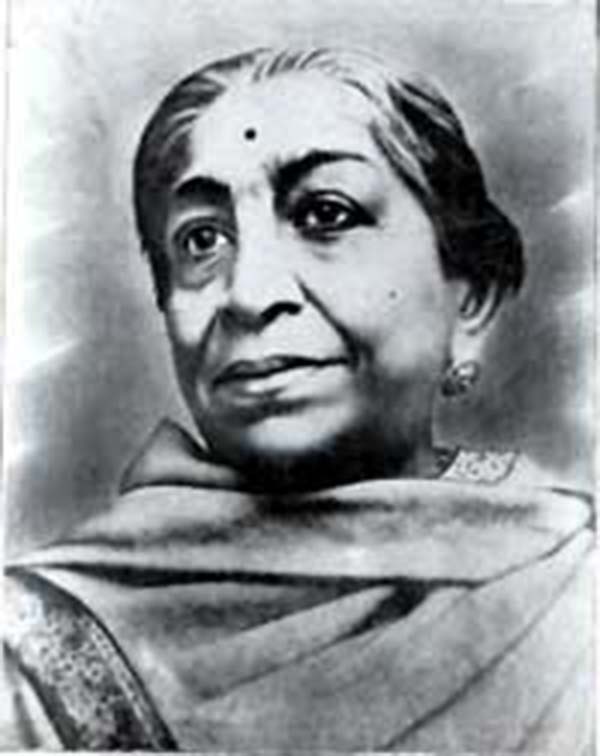
She was an Indian political activist and poet. A proponent of civil rights, women’s emancipation, and anti-imperialistic ideas, she was an important figure in India’s struggle for independence from colonial rule. Naidu’s work as a poetess earned her the sobriquet ‘the Nightingale of India’, or ‘Bharat Kokila’ by Mahatma Gandhi because of colour, imagery and lyrical quality of her poetry.
Birth and death
Born in a Bengali family in Hyderabad, Naidu was educated in Madras, London and Cambridge. Following her time in England, where she worked as a suffragist, she was drawn to Indian National Congress’ movement for India’s independence from British rule. She became a part of the Indian nationalist movement and became a follower of Mahatma Gandhi and his idea of swaraj. She was appointed as the President of the Indian National Congress in 1925 and later became the Governor of the United Provinces in 1947, becoming the first woman to hold the office of Governor in the Dominion of India.
Naidu’s poetry includes both children’s poems and others written on more serious themes including patriotism, romance, and tragedy. Published in 1912, “In the Bazaars of Hyderabad” remains one of her most popular poems. She married Govindarajulu Naidu, a general physician, and had five children with him. She died of a cardiac arrest on 2 March 1949.
Work
“Tell me no more of thy love, papeeha, Wouldst thou recall to my heart, papeeha, Dreams of delight that are gone, When swift to my side came the feet of my lover…”
– A Love Song From The North by Sarojini Naidu
1905: The Golden Threshold, published in the United Kingdom. 1912: The Bird of Time: Songs of Life, Death & the Spring, published in London. 1917: The Broken Wing: Songs of Love, Death and the Spring, including “The Gift of India” (first read in public in 1915) . 1919: Muhammad Jinnah: An Ambassador of Unity. 1943: The Sceptred Flute: Songs of India, Allahabad: Kitabistan, posthumously published. 1961: The Feather of the Dawn, posthumously published, edited by her daughter, Padmaja Naidu. 1971:The Indian Weavers.
After India attained independence, she became the first woman Governor of an Indian state, Uttar Pradesh. She served as governor till she passed away in March 1949, when she was working late in office.
As a Feminist
“Sarojini Naidu inspired the Indian Renaissance Movement and had a mission to improve the life of Indian woman.”
Bappaditya Bandopadhyay
Sarojini Naidu played an important role in women’s rights struggle in India. She helped in shaping Women’s Indian Association in 1917 with Annie Besant and others. The Association sought equal rights including the right to vote and represent. She presented the need to include more women in the Congress and in the freedom struggle. During 1918, British and Indian feminists including Naidu set up a magazine called “Stri Dharma” to present international news from a feminist perspective.
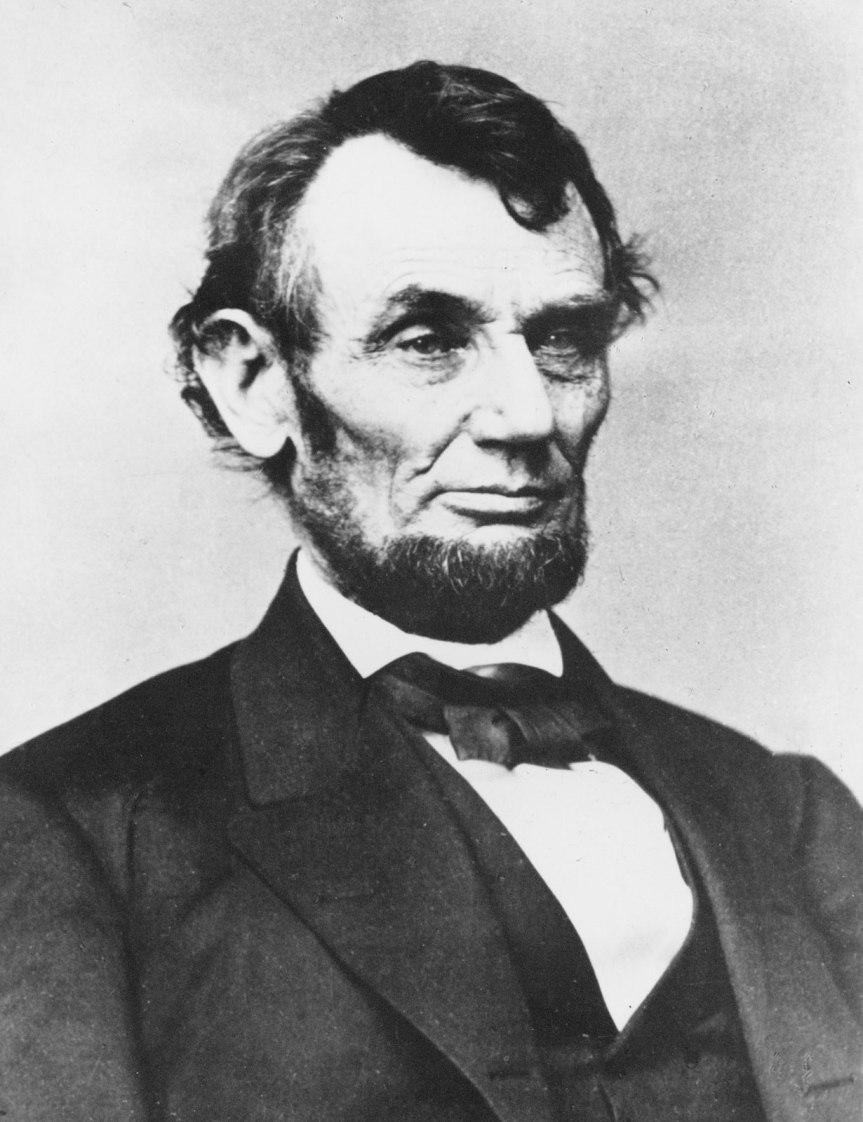
Abraham Lincoln became the United States’ 16th President in 1861, issuing the Emancipation Proclamation that declared forever free those slaves within the Confederacy in 1863.
Lincoln warned the South in his Inaugural Address: “In your hands, my dissatisfied fellow countrymen, and not in mine, is the momentous issue of civil war. The government will not assail you…. You have no oath registered in Heaven to destroy the government, while I shall have the most solemn one to preserve, protect and defend it.”
Lincoln thought secession illegal, and was willing to use force to defend Federal law and the Union. When Confederate batteries fired on Fort Sumter and forced its surrender, he called on the states for 75,000 volunteers. Four more slave states joined the Confederacy but four remained within the Union. The Civil War had begun.
The son of a Kentucky frontiersman, Lincoln had to struggle for a living and for learning. Five months before receiving his party’s nomination for President, he sketched his life:
“I was born Feb. 12, 1809, in Hardin County, Kentucky. My parents were both born in Virginia, of undistinguished families–second families, perhaps I should say. My mother, who died in my tenth year, was of a family of the name of Hanks…. My father … removed from Kentucky to … Indiana, in my eighth year…. It was a wild region, with many bears and other wild animals still in the woods. There I grew up…. Of course when I came of age I did not know much. Still somehow, I could read, write, and cipher … but that was all.”
Lincoln made extraordinary efforts to attain knowledge while working on a farm, splitting rails for fences, and keeping store at New Salem, Illinois. He was a captain in the Black Hawk War, spent eight years in the Illinois legislature, and rode the circuit of courts for many years. His law partner said of him, “His ambition was a little engine that knew no rest.”
He married Mary Todd, and they had four boys, only one of whom lived to maturity. In 1858 Lincoln ran against Stephen A. Douglas for Senator. He lost the election, but in debating with Douglas he gained a national reputation that won him the Republican nomination for President in 1860.
As President, he built the Republican Party into a strong national organization. Further, he rallied most of the northern Democrats to the Union cause. On January 1, 1863, he issued the Emancipation Proclamation that declared forever free those slaves within the Confederacy.
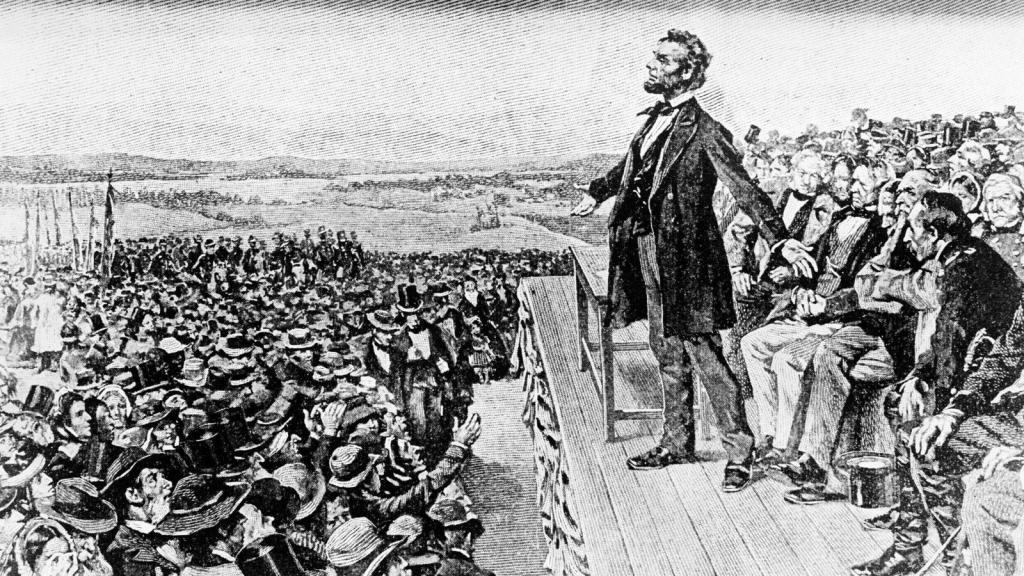
Lincoln never let the world forget that the Civil War involved an even larger issue. This he stated most movingly in dedicating the military cemetery at Gettysburg: “that we here highly resolve that these dead shall not have died in vain–that this nation, under God, shall have a new birth of freedom–and that government of the people, by the people, for the people, shall not perish from the earth.”
Lincoln won re-election in 1864, as Union military triumphs heralded an end to the war. In his planning for peace, the President was flexible and generous, encouraging Southerners to lay down their arms and join speedily in reunion.
The spirit that guided him was clearly that of his Second Inaugural Address, now inscribed on one wall of the Lincoln Memorial in Washington, D. C.: “With malice toward none; with charity for all; with firmness in the right, as God gives us to see the right, let us strive on to finish the work we are in; to bind up the nation’s wounds…. ”
On Good Friday, April 14, 1865, Lincoln was assassinated at Ford’s Theatre in Washington by John Wilkes Booth, an actor, who somehow thought he was helping the South. The opposite was the result, for with Lincoln’s death, the possibility of peace with magnanimity died.
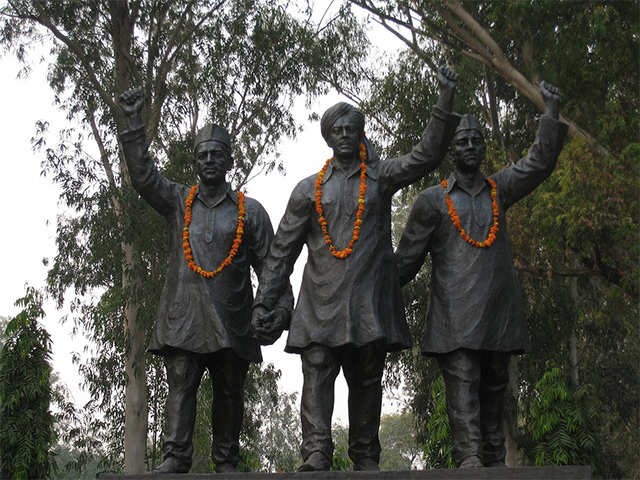
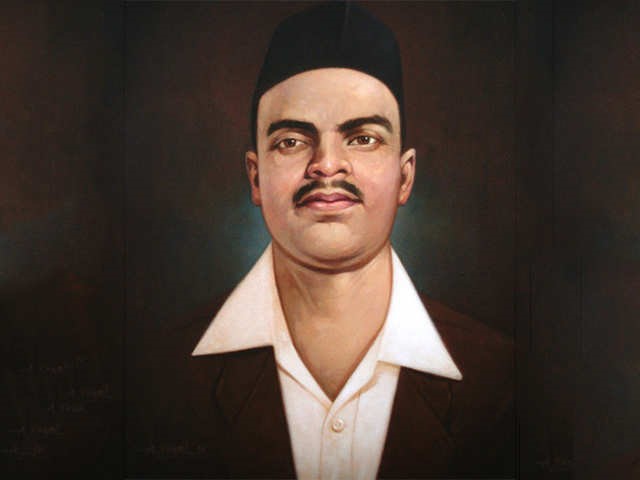
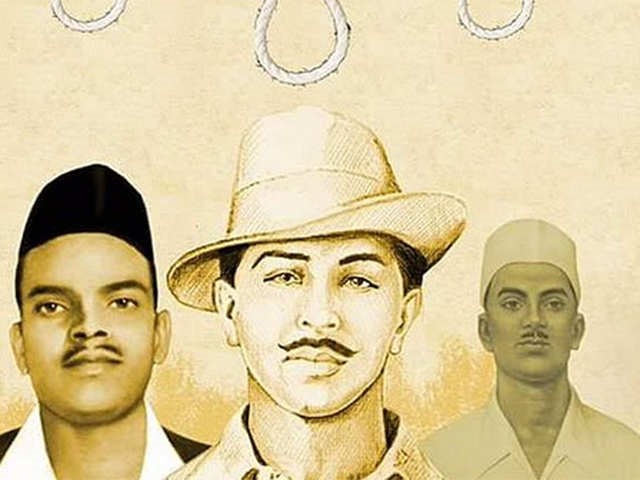
Bhagat Singh, Sukhdev Thapar, and Shivaram Rajguru – some of the most revered figures of the Indian freedom struggle – were hanged on March 23, 1931 in Punjab’s Hussainwala (now in Pakistan). Their execution spurred many youth to take up the revolutionary path, playing a vital role in energizing the fight against the British empire.
On Martyrs’ Day, also knowns as Shaheed Diwas or Sarvodaya Day, Indians pay homage to the martyrs who infused fresh blood in the fight for India’s independence.
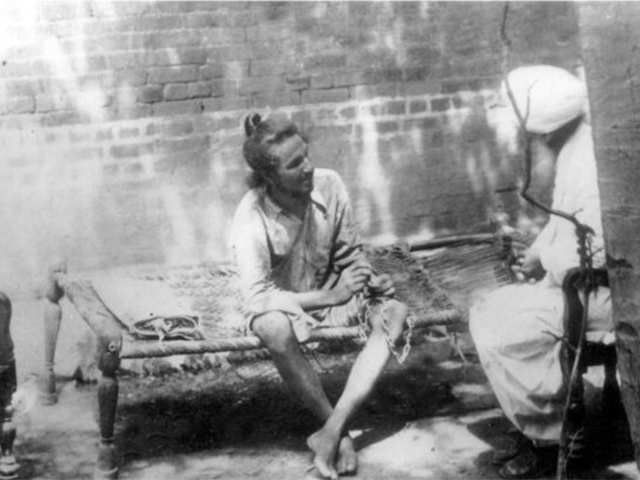
Childhood of Bhagat Singh
At the age of 23, if anyone was smiling just before he was being hanged, he was Bhagat Singh.
Born on September 27, 1907 in Punjab’s Banga village near Jaranwala (now in Pakistan), Bhagat Singh grew up in a freedom fighters family. His uncle, Sardar Ajit Singh, as well as his father- Kishan Singh, were great freedom fighters. At an early age, Bhagat Singh started dreaming of growing guns in the fields so that he could fight against the colonial rule.
The Ghadar Movement left a deep imprint on his mind. Kartar Sing Sarabha, hanged at the age of 19, became his hero. The massacre at Jallianwala Bagh on April 13, 1919 drove him to go to Amritsar. He was preparing fof his B.A. examination when his parents planned to have him married.
He vehemently rejected the suggestion and said that, if his marriage was to take place in Slave-India, my bride shall be only death.
Shivaram Rajguru
Shivaram Rajguru, born on August 24, 1908, had witnessed British’s atrocities on India and its people.
This instilled within him a strong urge to join hands with the revolutionaries in a bid for India’s freedom struggle. He joined HSRA with a motive to strike fear into the heart of the British empire.
Rajguru made British to take notice of the growing domestic uprising when they dealt crucial blows with attacks like in the Lahore Conspiracy Case and the bombing of the Central Assembly Hall in New Delhi.
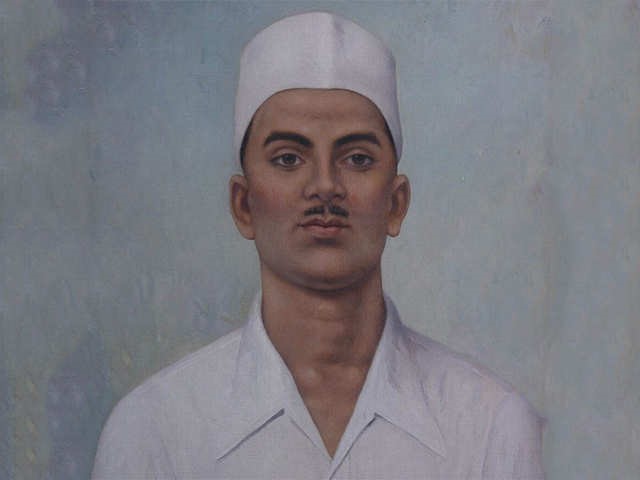
Sukhdev Thapar
Born on May 15, 1907, Sukhdev Thapar had witnessed the brutal atrocities that the Imperial British Raj had inflicted on India, which then led him to join the revolutionaries, vowing to set India free from the shackles of British dominion. As a member of the Hindustan Socialist Republican Association (HSRA), Sukhdev Thapar organised revolutionary cells in Punjab and other areas of North India.
He even went on to educate the youth at the National College in Lahore, greatly inspiring them about India’s glorious past. He along with other renowned revolutionaries started the ‘Naujawan Bharat Sabha’ at Lahore that was an organisation involved in various activities, mainly gearing the youth for the freedom struggle and putting an end to communalism.
He also took active part in several revolutionary activities like the ‘Prison hunger strike’ in 1929; however, he is best remembered for his courageous attack in the Lahore Conspiracy Case.
Assembly Incident Trial
The dramatic protest was met with widespread criticisms from the political arena.
Bhagat Singh responded – “Force when aggressively applied is ‘violence’ and is, therefore, morally unjustifiable, but when it is used in the furtherance of a legitimate cause, it has its moral justification.”
Trial proceedings commenced in May where Bhagat Singh sought to defend himself, while Batukeshwar Dutt was represented by Afsar Ali.
The court ruled in favour of a life sentence citing malicious and unlawful intent of the explosions.
Lahore Conspiracy Case
Soon after the sentencing, the police raided the Hindustan Socialist Republican Association (HSRA) bomb factories in Lahore and arrested several prominent revolutionaries.
Three individuals, Hans Raj Vohra, Jai Gopal and Phanindra Nath Ghosh turned approver for the Government which led to a total of 21 arrests including those of Sukhdev Thapar, Jatindra Nath Das and Shivaram Rajguru. Bhagat Singh was re-arrested for the Lahore Conspiracy case, murder of Assistant Superintendent Saunders and bomb manufacturing.
Trial started against 28 accused in a special session court presided over by Judge Rai Sahib Pandit Sri Kishen, on July 10, 1929.
Prison Hunger Strike
In jail, Bhagat Singh and his fellow inmates declared an indefinite hunger strike in protest of the prejudiced difference in treatment of the white versus native prisoners and demanded to be recognised as ‘political prisoners’.
The hunger strike received tremendous attention from the press and gathered major public support in favour of their demands. Death of Jatindra Nath Das, after 63 days long fast, led to the negative public opinions intensifying towards the authorities.
Bhagat Singh finally broke his 116-day fast, on request of his father and Congress leadership, on October 5, 1929.
Saunders’ murder
On December 17, 1927, Bhagat Singh and Shivaram Rajguru shot and killed assistant superintendent of police John Saunders.
They were supported in this act by their compatriots Sukhdev Thapar and Chandrashekhar Azad. However, their original target was not Saunders but superintendent of police James Scott who had ordered his men to lathi-charge protesters leading to the death of the nationalist leader Lala Lajpat Rai.
Owing to the slow pace of the legal proceedings, a special tribunal consisting of Justice J Coldstream, Justice Agha Hyder and Justice GC Hilton was set up on the directives of the Viceroy, Lord Irwin on May 1, 1930. The tribunal was empowered to proceed without the presence of the accused and was a one-sided trial that hardly adhered to the normal legal rights guidelines.
The tribunal delivered its 300-page judgement on October 7, 1930. It declared that irrefutable proof has been presented confirming the involvement of Bhagat Singh, Sukhdev Thapar and Shivaram Rajguru in the Saunders murder. Bhagat Singh admitted to the murder and made statements against the British rule during the trial. They were sentenced to be hanged till death.
Shaheed Diwas
On March 23, 1931, 7:30 am, Bhagat Singh along with his comrades Rajguru and Sukhdev were hanged in Lahore Jail.
It is said that the trio proceeded quite cheerfully towards the gallows while chanting their favourite slogans like “Inquilab Zindabad” and “Down with British Imperialism”.
India’s beloved sons were cremated at Hussainiwala on the banks of Sutlej River.
At the time of their execution, Bhagat Singh and Sukhdev Thapar were just 23 years old. And Shivaram Rajguru was only 22 when he was hanged on March 23.
Revered the world over for his nonviolent philosophy of passive resistance, Mohandas Karamchand Gandhi was known to his many followers as Mahatma, or “the great-souled one.” He began his activism as an Indian immigrant in South Africa in the early 1900s, and in the years following World War I became the leading figure in India’s struggle to gain independence from Great Britain. Known for his ascetic lifestyle–he often dressed only in a loincloth and shawl–and devout Hindu faith, Gandhi was imprisoned several times during his pursuit of non-cooperation, and undertook a number of hunger strikes to protest the oppression of India’s poorest classes, among other injustices. After Partition in 1947, he continued to work toward peace between Hindus and Muslims. Gandhi was shot to death in Delhi in January 1948 by a Hindu fundamentalist.
Early Life
Mohandas Karamchand Gandhi was born on October 2, 1869, at Porbandar, in the present-day Indian state of Gujarat. His father was the dewan (chief minister) of Porbandar; his deeply religious mother was a devoted practitioner of Vaishnavism (worship of the Hindu god Vishnu), influenced by Jainism, an ascetic religion governed by tenets of self-discipline and nonviolence. At the age of 19, Mohandas left home to study law in London at the Inner Temple, one of the city’s four law colleges. Upon returning to India in mid-1891, he set up a law practice in Bombay, but met with little success. He soon accepted a position with an Indian firm that sent him to its office in South Africa. Along with his wife, Kasturbai, and their children, Gandhi remained in South Africa for nearly 20 years.
Did you know? In the famous Salt March of April-May 1930, thousands of Indians followed Gandhi from Ahmadabad to the Arabian Sea. The march resulted in the arrest of nearly 60,000 people, including Gandhi himself
Gandhi was appalled by the discrimination he experienced as an Indian immigrant in South Africa. When a European magistrate in Durban asked him to take off his turban, he refused and left the courtroom. On a train voyage to Pretoria, he was thrown out of a first-class railway compartment and beaten up by a white stagecoach driver after refusing to give up his seat for a European passenger. That train journey served as a turning point for Gandhi, and he soon began developing and teaching the concept of satyagraha (“truth and firmness”), or passive resistance, as a way of non-cooperation with authorities.
The Birth of Passive Resistance
In 1906, after the Transvaal government passed an ordinance regarding the registration of its Indian population, Gandhi led a campaign of civil disobedience that would last for the next eight years. During its final phase in 1913, hundreds of Indians living in South Africa, including women, went to jail, and thousands of striking Indian miners were imprisoned, flogged and even shot. Finally, under pressure from the British and Indian governments, the government of South Africa accepted a compromise negotiated by Gandhi and General Jan Christian Smuts, which included important concessions such as the recognition of Indian marriages and the abolition of the existing poll tax for Indians.
In July 1914, Gandhi left South Africa to return to India. He supported the British war effort in World War I but remained critical of colonial authorities for measures he felt were unjust. In 1919, Gandhi launched an organized campaign of passive resistance in response to Parliament’s passage of the Rowlatt Acts, which gave colonial authorities emergency powers to suppress subversive activities. He backed off after violence broke out–including the massacre by British-led soldiers of some 400 Indians attending a meeting at Amritsar–but only temporarily, and by 1920 he was the most visible figure in the movement for Indian independence.
Leader of a Movement
As part of his nonviolent non-cooperation campaign for home rule, Gandhi stressed the importance of economic independence for India. He particularly advocated the manufacture of khaddar, or homespun cloth, in order to replace imported textiles from Britain. Gandhi’s eloquence and embrace of an ascetic lifestyle based on prayer, fasting and meditation earned him the reverence of his followers, who called him Mahatma (Sanskrit for “the great-souled one”). Invested with all the authority of the Indian National Congress (INC or Congress Party), Gandhi turned the independence movement into a massive organization, leading boycotts of British manufacturers and institutions representing British influence in India, including legislatures and schools.
After sporadic violence broke out, Gandhi announced the end of the resistance movement, to the dismay of his followers. British authorities arrested Gandhi in March 1922 and tried him for sedition; he was sentenced to six years in prison but was released in 1924 after undergoing an operation for appendicitis. He refrained from active participation in politics for the next several years, but in 1930 launched a new civil disobedience campaign against the colonial government’s tax on salt, which greatly affected Indian’s poorest citizens.
A Divided Movement
In 1931, after British authorities made some concessions, Gandhi again called off the resistance movement and agreed to represent the Congress Party at the Round Table Conference in London. Meanwhile, some of his party colleagues–particularly Mohammed Ali Jinnah, a leading voice for India’s Muslim minority–grew frustrated with Gandhi’s methods, and what they saw as a lack of concrete gains. Arrested upon his return by a newly aggressive colonial government, Gandhi began a series of hunger strikes in protest of the treatment of India’s so-called “untouchables” (the poorer classes), whom he renamed Harijans, or “children of God.” The fasting caused an uproar among his followers and resulted in swift reforms by the Hindu community and the government.
In 1934, Gandhi announced his retirement from politics in, as well as his resignation from the Congress Party, in order to concentrate his efforts on working within rural communities. Drawn back into the political fray by the outbreak of World War II, Gandhi again took control of the INC, demanding a British withdrawal from India in return for Indian cooperation with the war effort. Instead, British forces imprisoned the entire Congress leadership, bringing Anglo-Indian relations to a new low point.
Partition and Death of Gandhi
After the Labor Party took power in Britain in 1947, negotiations over Indian home rule began between the British, the Congress Party and the Muslim League (now led by Jinnah). Later that year, Britain granted India its independence but split the country into two dominions: India and Pakistan. Gandhi strongly opposed Partition, but he agreed to it in hopes that after independence Hindus and Muslims could achieve peace internally. Amid the massive riots that followed Partition, Gandhi urged Hindus and Muslims to live peacefully together, and undertook a hunger strike until riots in Calcutta ceased.
In January 1948, Gandhi carried out yet another fast, this time to bring about peace in the city of Delhi. On January 30, 12 days after that fast ended, Gandhi was on his way to an evening prayer meeting in Delhi when he was shot to death by Nathuram Godse, a Hindu fanatic enraged by Mahatma’s efforts to negotiate with Jinnah and other Muslims. The next day, roughly 1 million people followed the procession as Gandhi’s body was carried in state through the streets of the city and cremated on the banks of the holy Jumna River.


 Eduindex
You must be logged in to post a comment.