2nd Webinar on Public Policy and Good Governance in Collaboration with IIT Kanpur

Daily writing prompt
What are your favorite websites?

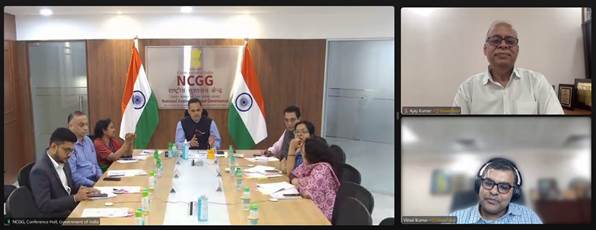
NCGG concluded its 2nd Webinar of webinar series on Public Policy and Good Governance in collaboration with IIT Kanpur on 24th October 2024. The webinar was chaired by Shri V. Srinivas, Secretary, Department of Administrative Reforms and Public Grievances (DARPG) & Director General, National Centre for Good Governance (NCGG).

There were two esteemed speakers for the webinars. The first speaker for  the  webinar  was Dr. Ajay Kumar, former Defence Secretary, Government of India & Distinguished Visiting Professor at IIT Kanpur and the second speaker for the webinar was Prof. Vimal Kumar, Head, Dept of Economic Sciences, IIT Kanpur.

Dr. Ajay Kumar delivered lecture on Challenges in Public Policy highlighting the role of Government of India in Policy making and how over the time it has changed its approach in policy making. His lecture further highlighted that changes in public policies should be calibrated in phases, the impact of digitization in mitigating the challenges faced while making new policies by highlighting the digitization of land records. He also highlighted on using data in decision making. He elaborated on the  different  approaches to policy making and  emphasized that the process of policy making should involve diverse stakeholders. While discussing the challenges in public policy he also suggested the solutions such as incentivizing the progressive policies.
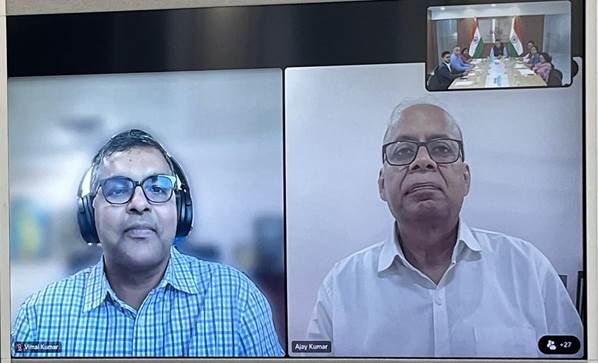
The second speaker for the webinar was Prof. Vimal Kumar, Head of Economic Sciences, IIT Kanpur who delivered his lecture on Platform Business Model & their regulation in Digital Economy. He started his lecture by discussing a quick history of Business in India from artisans producing single product to mass production.  His lecture also suggested the importance of network and platform creation for any successful business model. He emphasized on diverse usage of various business platforms including payment networks, social media, traditional media such as newspaper, e-commerce platforms like Amazon & Flipkart, Apple’s App store and others. He also highlighted network on a platform within the group and cross-group wherein he explained attraction loop and attraction spill over. He concluded his lecture with the importance of digital platform using the comparison between BMW and Uber as case studies.

The webinar was concluded by the vote of thanks given by Dr. Himanshi Rastogi, Associate Professor, NCGG. Dr. Rastogi, expressed her heartfelt thanks to all participants, from Institutes of National Importance and Central Universities. She also thanked Shri V. Srinivas, Secretary, DARPG & Director General, NCGG for chairing the webinar.
***


Swachhata, Good Governance and Jan Bhagidaari to Deliver Happiness to each one, everywhere

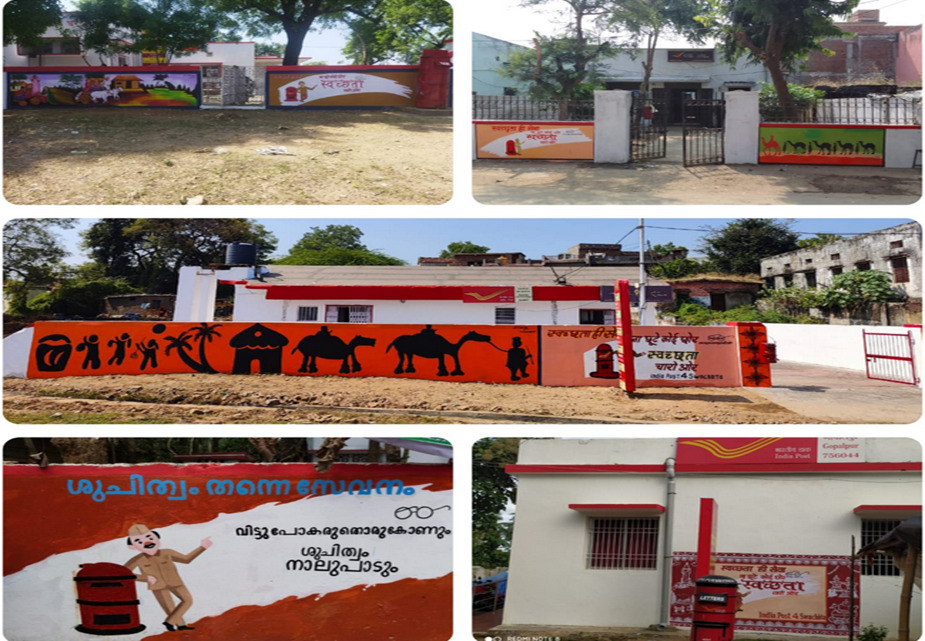
 Department of Posts conducted Special Campaign 2.0 for cleanliness and good governance that was conducted from October 2 to 31, 2022 and was continued for each of the months subsequently from November 2022 to August 2023

Currently the Department is working towards a crescendo of its efforts on Swachhata over the last 10 years during the Special Campaign 3.0 in October 2023. As part of the National Postal Week during the campaign, a number of “Jan Bhagidaari” initiatives are also planned.

The Department has an enduring commitment to improve the service environment for customers and working environment for its employees. It has adopted several green  practices and put its limited resources to innovative use in the quest to improve the service experience associated with India Post. With its strong and wide citizen interface, a “Jan Bhagidaari” approach is inherent in all its special programmes. 

Achievements of Special Campaign 2.0

The Special Campaign 2.0 was implemented both at the Postal Headquarters in DakBhawan and all 24,000 field sub post offices spread across the length and breadth of the country, covering the remotest corner from 2 to 31 October, 2022. Some of the achievements during the Special Campaign, continued during the subsequent period till August 2023 are as follows:

  • 840 e-files closed.
  • Around 6 lakh files have been weeded out.
  • 24000 sites cleaned in Oct 2022 and 6713 sites in follow up swachhta activities from November 2022-August 2023.
  • Around 2.9 cr of revenue earned through disposal of scrap.
  • More than 2,90,000 public grievances have been disposed off.
  • Approximately 1,13,289 sq. ft. of space has been freed up.


Best Practices implemented in this period:

  • Discontinuation of Sealing Wax –  Sealing wax, previously employed to secure mail bags, has been phased out and substituted with eco-friendly, recyclable seals. This transition has been successfully implemented in all mail offices, marking an environmentally-conscious initiative that has not only preserved our ecosystem but also safeguarded the well-being of our staff.
  • Dissemination of Swachhta Message through Wall Art – During this period, total of 888 walls have been painted to convey the Swachhta message in resonance with local culture.
  • Installation of Solar Power Plant in DakBhawan– The installation of solar panels on the rooftop of DakBhavan has resulted in a significant reduction of the electricity bill, with savings of around 4 lakhs each month.
  • Parcel Café in Kolkata -A fully operational café within the Kolkata GPO has been creatively furnished using discarded items, including old sorting tables. This unique café also incorporates a parcel packaging unit for customers. 


Next steps:

The Special Campaign 3.0, coinciding with ten years of implementation of Swachhata initiatives  in the Department, is expected  to be special as the Department will consolidate its past efforts and also draw a road map for the future by highlighting initiatives that could be implemented over the next few years with support from all stakeholders in the national postal network. Consultations with stakeholders and collaborative action specific to the contesxt of each socio-geographic community around the post offices will be organised as part of India Post’s focused  “Jan Chetana” and “Jan Bhagidaari” activities.

***

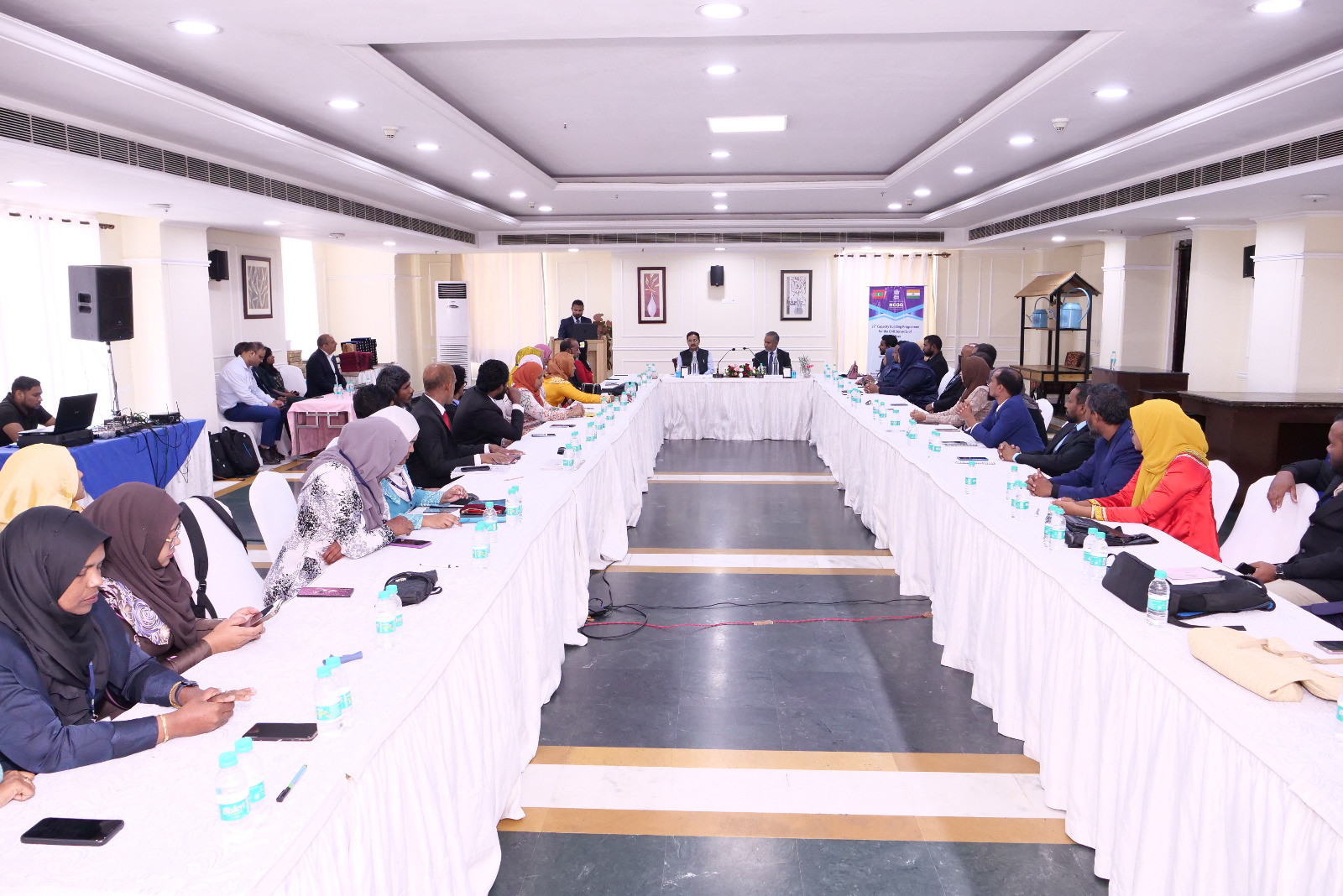
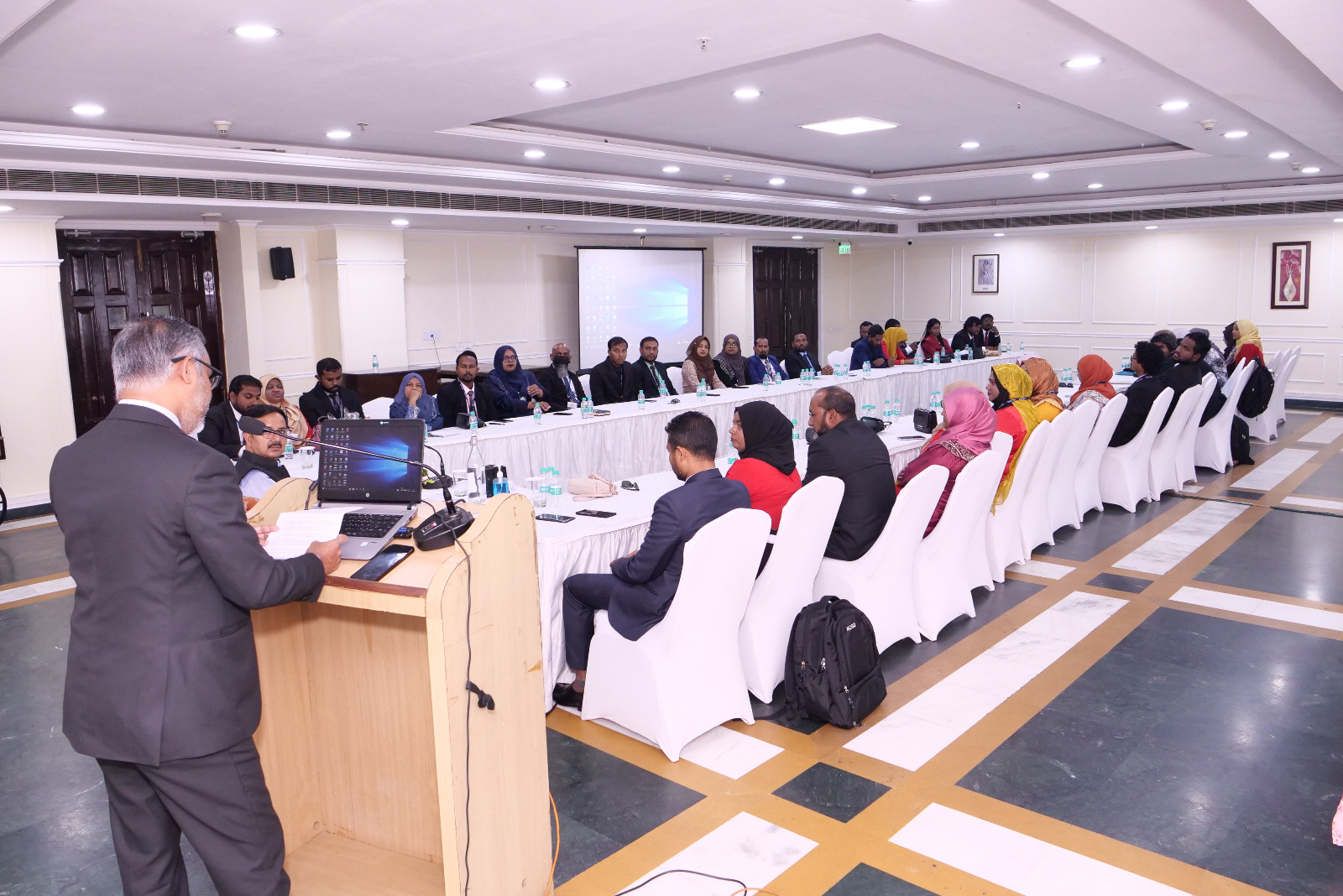
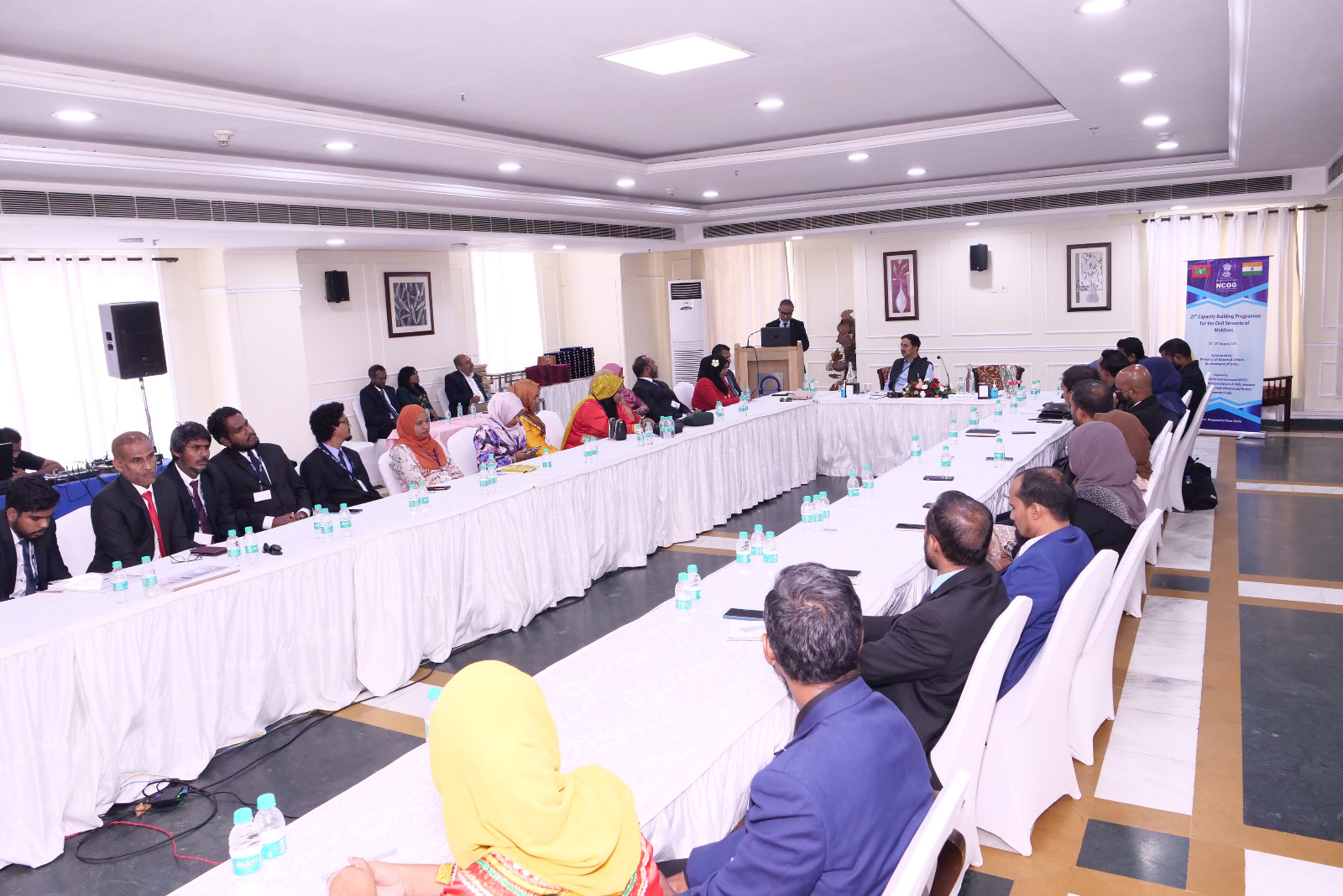
NCGG completes training of 27th batch of civil servants from Maldives

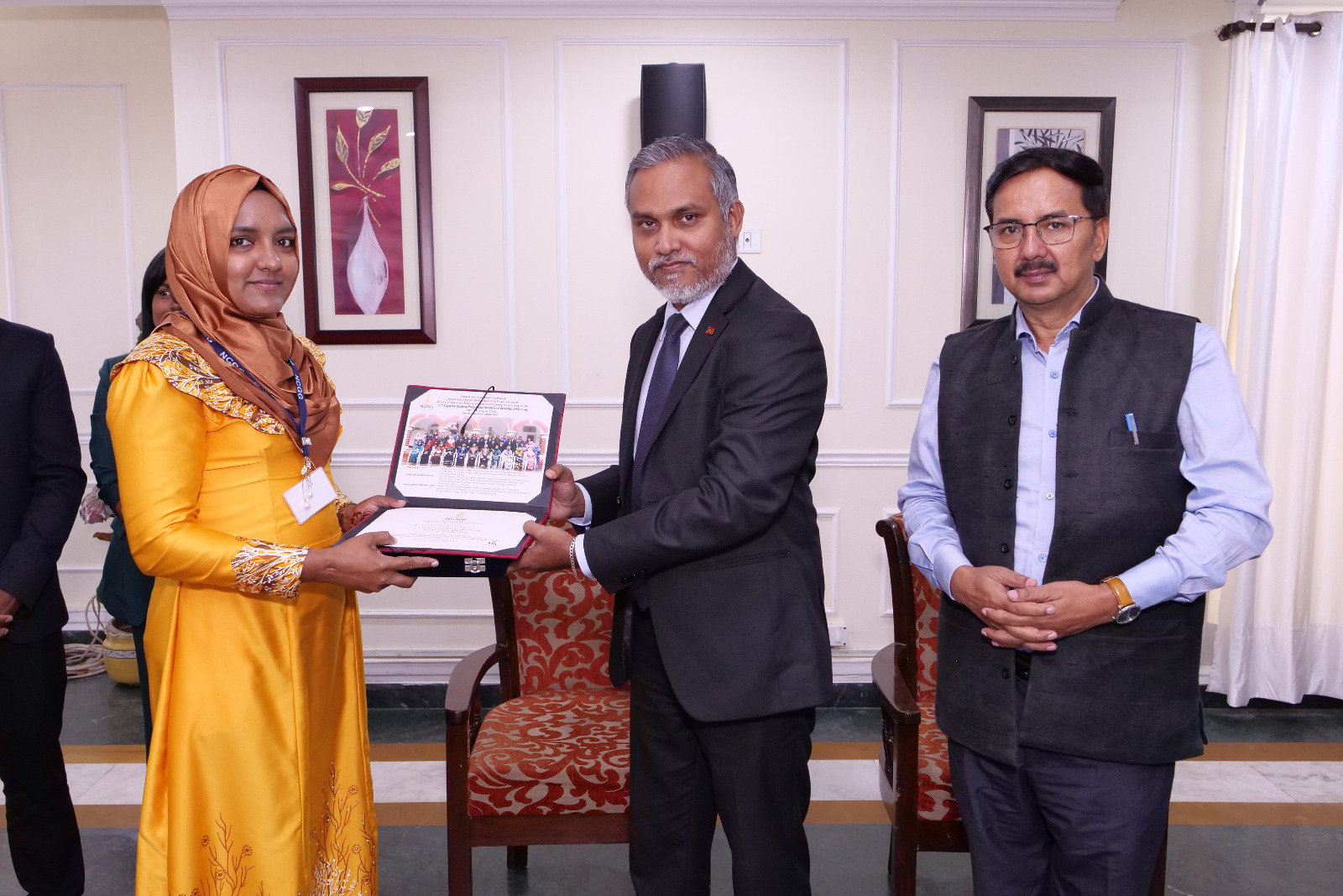
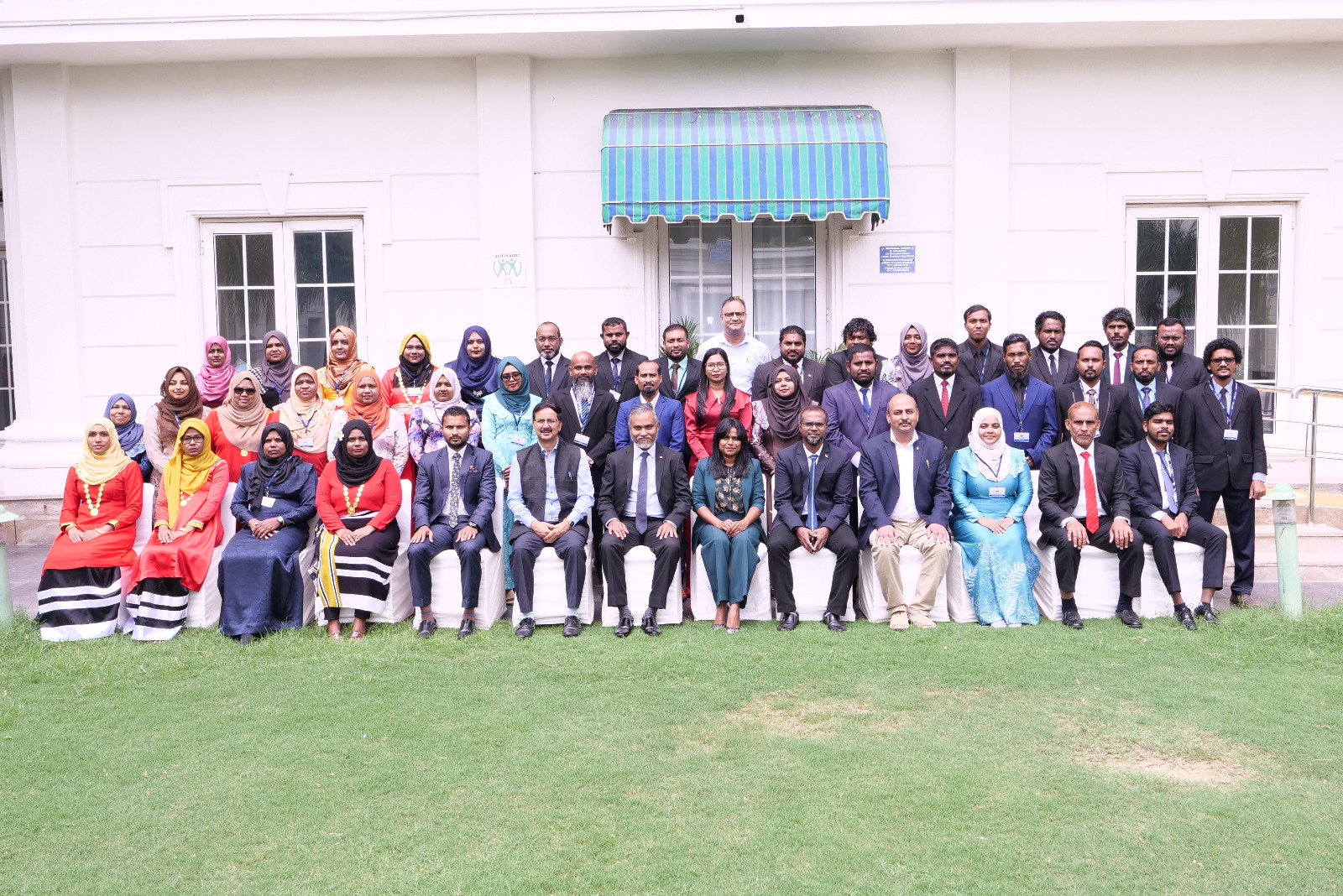
 The 2-week Capacity Building Programme (CBP) for civil servants of Maldives organised by the National Centre for Good Governance (NCGG) in partnership with the Ministry of External Affairs (MEA) concluded on 25th August, 2023 today at New Delhi. NCGG has signed MoU with the Government of Maldives to enhance the skills and capabilities of 1,000 civil servants in the field of public administration and governance by 2024. As part of the agreement, NCGG has already imparted training to 858 officers from Maldives which includes 29 officers of ACC, Maldives.

NCGG’s efforts are aligned with Prime Minister Narendra Modi’s philosophy of “Vasudhaiv Kutumbkam” and “Neighbourhood First” policy and keeping citizens at the forefront while designing developmental strategies and implementing public policies. It is in this context that these programmes reinforce the principles of citizen centric governance and promote the exchange of knowledge, information and innovations and promote the adoption of best practices and digital governance. It is also an effort in the direction of strengthening bilateral ties and fostering regional cooperation with neighbouring countries.

The valedictory session was presided over by H.E. Mohamed Najeel, Deputy High Commissioner, Republic of Maldives. He requested the participating officers to make full use of the exposure that they had during the programme and take advantage of the opportunity and urged to share knowledge and work in groups as effective team building is essential to foster good ideas which can be utilized to improve the quality of life of citizens. He stressed on the importance of harnessing the programme’s maximum potential and learning from best practices, which can be modified to suit their own contextual settings. He said that these programmes will further the historical and traditional relations between the two nations. He also stressed that these will also assist in realizing the global goals.

He thanked Government of India for the support provided for capacity building of its officers and appreciated the effective and pro active participation of officers from Maldives. He was extremely happy to see the elaborate and wonderful presentations of the participating officers on “digital education and health in Maldives and “Vision 2030 Maldives ” as part of learning outcomes of the programme.  He urged them to stay connected and work together for betterment of their country.

Giving the overview of the programme, Dr. B. S. Bisht, course coordinator said that in the 27th capacity building programme, NCGG shared various initiatives taken in the country.  such as changing paradigm of governance, India Maldives relations, overview of All India  Services, Public Policy and Implementation, Public Private Partnerships, Digital Governance and Public Service Delivery, Approach to achieve SDG, Leadership and Communication Skills, Performance Management, Total Quality Management, Disaster Management, Agro –based practices in Coastal Regions, e-Governance and Digital India, Gender and Development, Government e- Marketplace, Centralized Public Grievance Redressal and Monitoring System, Low Cost Desalination for safe Drinking water among others.

The participants were also exposed to visits aimed at observing a diverse range of developmental projects and institutions. These visits offer them invaluable insights and first-hand experiences of prominent initiatives and organizations, including but not limited to the Smart City, Dehradun, Pradhanmantri Sanghralaya, AIIMS among others.

The overall supervision and coordination of the 27th capacity building programme was carried out by Dr. B. S. Bisht, course coordinator for Maldives, along with Dr. Sanjeev Sharma, co-course coordinator, and the capacity building team of the NCGG.

***

DARPG collaboration with Government of Maharashtra on Administrative Reforms and Good Governance

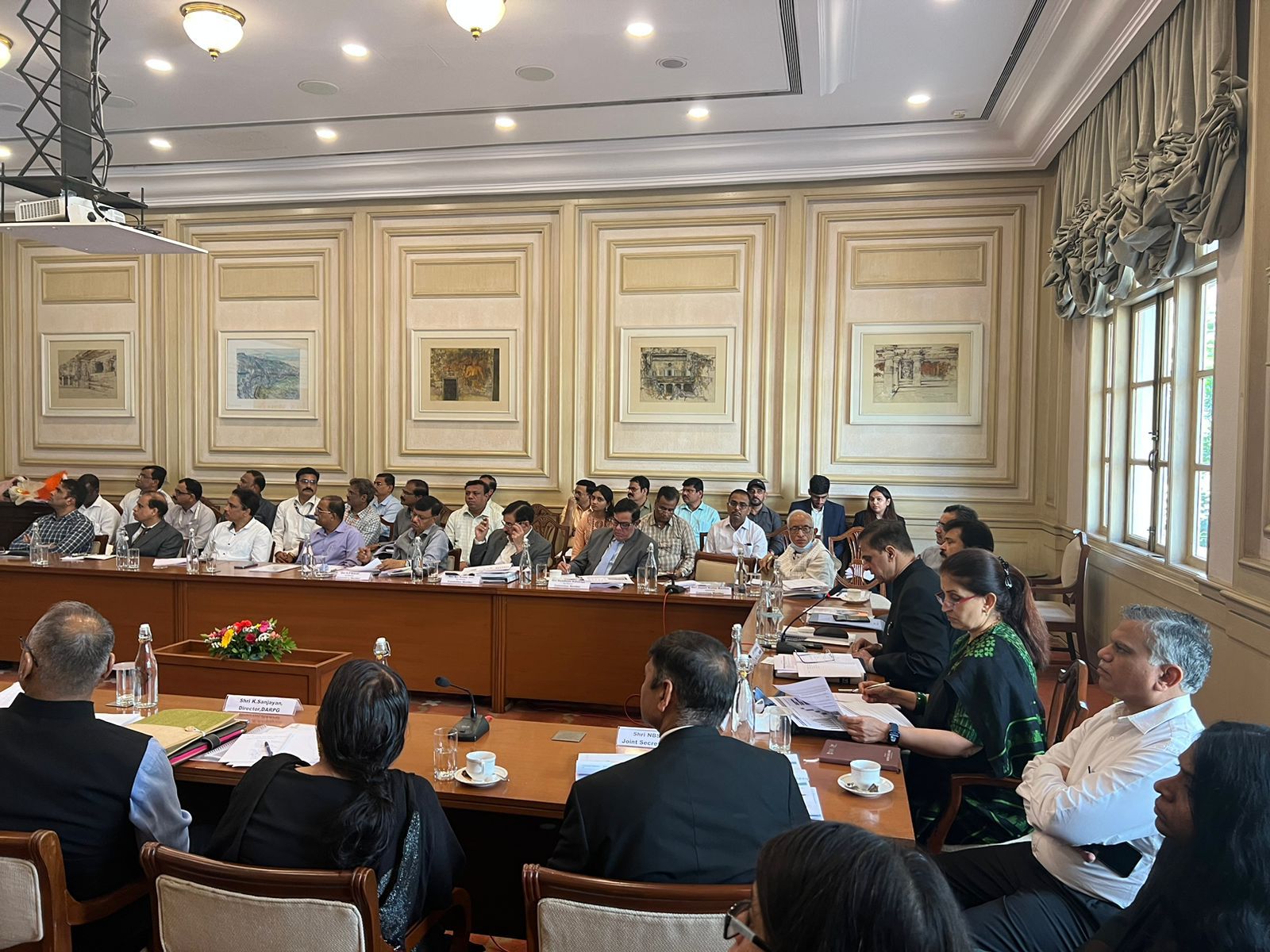
 On the invitation of Chairman Committee for Good Governance, Government of Maharashtra Shri Suresh Kumar IAS (retd), a 6 member DARPG delegation led by Secretary DARPG V.Srinivas visited Mumbai on December 1, 2022 to firm up the roadmap for collaboration between DARPG and Government of Maharashtra on Administrative Reforms and Good Governance. The DARPG delegation held meeting the 3 meetings (i) Meeting with the Chairman and Members of the Committee for Good Governance (ii) Meeting with the Chief Secretary Shri Manu Kumar Srivastava and Additional Chief Secretary GAD Smt. Sujata Saunak, and Senior Officials of Government of Maharashtra and (iii) Meeting with the Divisional Commissioners, District Collectors, CEO’s of Zilla Parishad and Municipal Commissioners of all Districts of Maharashtra.

The following roadmap for collaboration was drawn up:

  1. Draw up a roadmap for time bound saturation of e-Services, e-Office and for replication of the Government of India’s Initiative for Increasing Efficiency in Decision Making in State Secretariat comprising of Delayering, Delegation, adoption of Desk Officer System and Digitization of Central Registration Units.
  2. Regional Conference on e-Governance at Mumbai proposed for January 2023
  3. Documentation of best practices and administrative innovations of Maharashtra’s districts uploaded on the Good Governance Portal and the PM’s Awards
  4. Rewriting the Manual of Office Procedure 2023 for enabling the March to a Digital Maharashtra State Secretariat

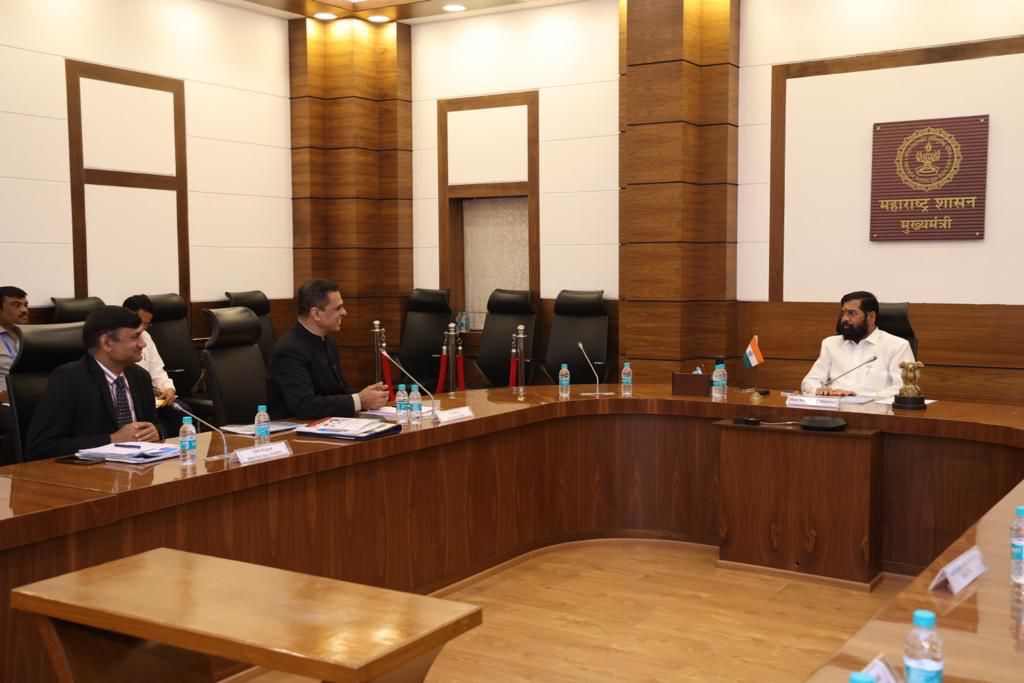
The DARPG delegation called on Hon’ble Chief Minister of Maharashtra and appraised him on the deliberations and proposed roadmap for collaboration.

https://static.pib.gov.in/WriteReadData/userfiles/image/WhatsAppImage2022-12-02at1.39.19PM4PYO.jpeg

https://static.pib.gov.in/WriteReadData/userfiles/image/WhatsAppImage2022-12-02at1.39.09PM7OQ3.jpeg

The DARPG delegation comprised of Secretary Shri V.Srinivas, Joint Secretary Shri N.B.S.Rajput, Director Shri K.Sanjayan, Deputy Secretaries Shri Parthasarathy Bhaskar, Smt Sarita Taneja and Under Secretary Shri Santosh Kumar.

**********

Ultimate aim of governance should be to empower the people

 The Vice President, Shri M. Venkaiah Naidu today emphasized that the ultimate aim of governance should be to empower the people and to move towards minimum government, which according to him, will happen only when the last mile has been traversed and the people at the bottom of the pyramid have been reached. He also said that the success of good governance lies in including and making the toiling masses equal stakeholders in the process of development.

Addressing the participants of 48th Advanced Professional Programme in Public Administration (APPPA) conducted by Indian Institute of Public Administration in New Delhi today, the Vice President said that the key to good governance lies in inclusivity, use of technology and maintaining high moral standards. “Technology fosters transparency and hence accountability, which is the basic feature of good governance, while moral standards impart legitimacy,” he added. He hoped that these two together will usher in a new political culture preparing the ground for bringing in transformational reforms.

Underlining that people’s participation is very important for inclusive and responsive governance, Shri Naidu said that reforms are only initiated by the Government but actually bear fruit only when people proactively work for the future of their country. Referring to the ongoing celebrations of Azadi ka Amrit Mahotsav, the Vice President urged every Indian to work with an aim of building a happy, healthy, prosperous and developed nation when we enter the 100th year of our Independence.

Observing that the focus today is shifting from government to governance, the Vice President said that India is on the move, shedding the baggage of its past and embarking on a journey towards hope and the fulfilment of its ultimate destiny which is to lead the world.

On this occasion, Shri Naidu also stressed the need to get out of the colonial mindset and asked the administrators to use people’s language while discharging their official duties. “You should interact with the people in their own language,” he told them. Referring to the adage — ‘service to man is service to God’, the Vice President wanted all officials to make ‘people’s service’ their main motto.

Lauding IIPA’s contribution to national development, Shri Naidu said that he is happy to see IIPA today is adapting itself to the needs of a dynamic and fast changing era, and to the rapidly changing socio-economic milieu. Calling for arresting the trend of falling standards in public life, he wanted the administrators and leaders to set examples in integrity and ethics.

Referring to the concept of Ram-Rajya, so often espoused by Mahatma Gandhi, he said that in Indian tradition, it is a metaphor to define how a well governed welfare state should look like and exhorted the administrators to follow these lofty ideals to build a society free from poverty, discrimination and inequality.

India’s First “District Good Governance Index”

 The Union Minister of Home and Cooperation Shri Amit Shah will virtually release India’s First “District Good Governance Index”, prepared by DARPG in collaboration with Government of Jammu & Kashmir in the august presence of Minister of State for PMO, Personnel, PG and Pensions Dr. Jitendra Singh and the Lieutenant Governor of Jammu & Kashmir Shri Manoj Sinha at Convention Centre Jammu today. 

The collaboration received from Chief Secretary Government of Jammu & Kashmir, Shri Arun Kumar Mehta, enabled the conceptualization and formulation of an index that measures the diversity of governance model in the Union Territory of Jammu and Kashmir. It provides a roadmap for similar benchmarking of Governance at District level for all States and Union Territories of India.

The Union Minister of Home and Cooperation Shri Amit Shah had released the National Good Governance Index on December 25, 2021. The Good Governance Index 2021 indicated that Jammu and Kashmir had registered an increase of 3.7 percent in Good Governance Indicators over the 2019 to 2021 period. Strong performances were witnessed in Commerce and Industry, Agriculture and Allied Sectors, Public Infrastructure & Utilities, Judiciary and Public Safety Sectors. Significant improvements were reported in Ease of Doing Business, Tax collection, Skill trainings imparted, Connectivity to rural habitations, Economic empowerment of women, Health insurance coverage and Housing for all. There were improvements in conviction rates, disposal of court cases and proportion of women police personnel. Citizen Centric Governance sector witnessed a strong performance.

 In this backdrop of strong governance performance at National level, the Government of Jammu & Kashmir’s initiative of benchmarking governance at District level assumes considerable significance. The District Good Governance Index has helped identify the impact of various governance interventions at district level and provide a futuristic roadmap for improving district level governance with targeted interventions. The stakeholder consultations necessitated 10 rounds of meetings at Government of India level including meetings with Chief Secretary J&K, District Collectors, Directorate of Economics and Statistics, consultations with Academia and Sector Specialists from other States all of which were coordinated by DG IMPARD.

Some of the key highlights of the results the DGGI has presented are

    1. In Agriculture and Allied Sector – Universal coverage has been achieved in Kisan Credit Card scheme, Soil Health Card Scheme and Animal Vaccination. Most Districts of Jammu & Kashmir witnessed growth of Food Grain Production, Horticulture produce, Milk and Meat production, poultry production, agriculture credit.
    2. Commerce and Industry Sector – improvement is seen in GST registration, MSME units registered online, Credit to Handicrafts and Credit for Self-Employment. There is a 109 percent increase in credit to handicrafts in 2019-2021 period.
    3. Human Resources Development Sector – The percentage of Schools with Drinking Water, Separate Toilets and Electricity Facilities have shown an increase as also the percentage of schools with access to computers and number of children served mid-day meals. In 10 districts 100 percent skill trainings have been imparted to registered students.
    4. Public Health Sector – Full Immunization represents a significant success story, percentage of PHC/ Sub-Centers converted to Health & Wellness Centers, proportion of Anganwadis with own buildings have shown improvements.
    5. Public Infrastructure and Utilities Sector – Housing for all scheme indicates more than 50 percent of sanctioned houses being grounded in 12 districts, Ganderbal and Srinagar achieving 100 percent access to safe drinking water, 18 districts achieving 100 percent access to sanitation facilities, improvements in households electrified and construction of all-weather roads.
    6. Social Welfare and Development Sector – 80 percent Aadhar seeding of ration cards represents a major milestone.
    7. Financial Inclusion Sector – Financial inclusion under Jan Dhan Yojana has achieved universal coverage, financial support under self-employment schemes has also registered double digit growth.
    8. Judicial and Public Safety Sector – disposal of court cases has gone up significantly.
    9. Citizen Centric Governance Sector – tremendous momentum in government offices converted to e-Office, almost 100 percent progress in grievance redressal and significant increases in government services provided online.

The Prime Minister has said “In the Amrit period of Independence, we are marching ahead rapidly to create a transparent system, efficient process and smooth governance to make development all-round and all-inclusive. The Government is committed to strengthening good governance that is pro-people and proactive governance. Guided by the ‘citizen-first’ approach, we remain untiring in our efforts to further deepen the outreach of our service delivery mechanisms and make them more effective.”

Over the past 2 years, the DARPG has under the leadership of Dr. Jitendra Singh successfully collaborated with Government of Jammu & Kashmir in adoption of e-Office, capacity building programs for J&KAS, JK-IGRAMS integration with District Portals, conduct 3 regional conferences on replication of good governance practices.  The District Good Governance Index of Jammu & Kashmir represents a significant milestone in realizing this vision of Prime Minister for Next Generation Administrative Reforms during the Amrit Kaal period. 

On this occasion, DARPG thanks each of the officials who have enabled scripting this document and taking the Nation’s Governance model of “Maximum Governance – Minimum Government” forward.

Roadmap to make Urban India ‘Garbage Free’

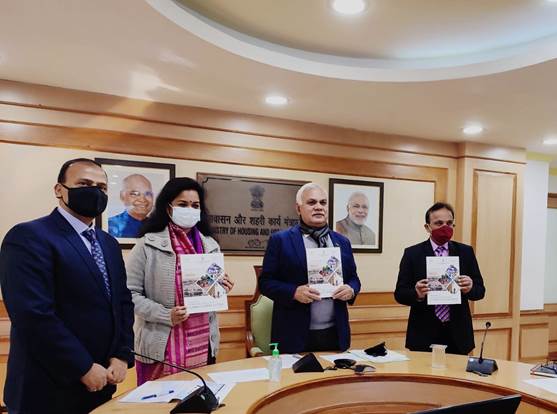
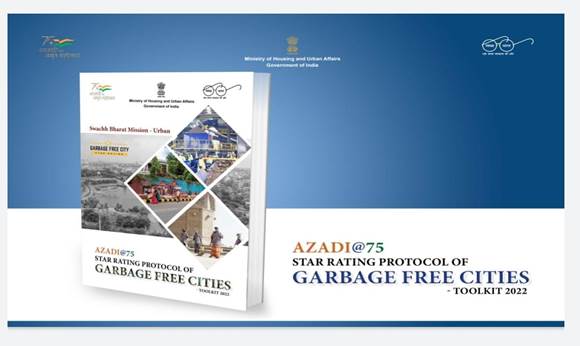
 On the eve of “Good Governance Day”, Ministry of Housing and Urban Affairs (MoHUA), Government of India today launched the ‘Azadi@75 Star Rating Protocol of Garbage Free Cities- Toolkit 2022′, the most important governance tool of waste management – the Star Rating Protocol for Garbage Free Cities.

On 1st October 2021, the Hon’ble Prime Minister launched Swachh Bharat Mission-Urban 2.0, with the overall vision of creating “Garbage Free Cities” (GFC), thereby placing India on a new trajectory of growth towards an ecosystem of holistic sanitation and waste management. For achieving this vision, a key objective under SBM-U 2.0 is to make every urban local body at least 3-star Garbage Free as per the Star Rating protocol.


In the recently concluded certification exercise for GFC, nearly 50% of ULBs (i.e., 2,238 cities) participated in the certification exercise, of which a total of 299 cities have been certified – 9 cities rated as 5-star, 143 cities rated as 3-star and 147 cities as 1-star.

Seeing the impact Star Rating certification has made to improve on-ground waste management scenario of the cities to become ‘Garbage Free Cities’, release of Government of India funds has been made conditional, subject to a ULB achieving at least 1-star certification. Hence, there is a need to ensure that every ULB participates in and get itself GFC certified, to avail Central funds and to achieve the intended objectives under SBM-U 2.0. To do this, it was felt necessary to revamp the existing GFC protocol and make the assessment process simpler, while retaining its robustness, so that every ULB is motivated to apply for the GFC certification.

Key revisions in the protocol are:

i.          the earlier 25 components/ indicators have now been reduced to 24, of which only 16 indicators are mandatory for 1-star and 3-star levels. The remaining 8 indicators are aspirational in nature, and will be relevant for 5-star and 7-star aspirants;

ii.         the multi-step calculation of the previous GFC protocol has now been changed to a  single step marking, which will help ULB to easily self-assess themselves  for applying;

iii.        the revised protocol is aligned with SBM-U 2.0 priorities, with higher weightages (50%) allotted to Door-to-Door Collection, Source Segregation, Waste processing & Dumpsite remediation;

iv.        the entire process of applying for certification and subsequent assessment have been simplified and made completely digital, paperless; for example, digital declarations, geo-tagged waste-processing facilities, end-to-end digital monitoring of progress;

v.         new components pertaining to IEC, capacity building, revenue from sale of waste by-products have been added to encourage cities to build an ecosystem to strengthen the waste management system.  

vi.        continuous assessment throughout the year to help cities plan assessment

Speaking at the event, Shri Durga Shanker Mishra said that the objective of coming out with the toolkit is to make things simple and easy to understand, while retaining the stringency of criteria. He called upon all the cities to participate in the rating process, with full preparations. Shri Mishra said that simplification of the toolkit will propel all the cities to attain at least 3-star rating, and many of them will try to get higher rating. He said that MoHUA will handhold the cities needing any guidance and training. The Secretary also called upon the City administrators and public representatives to involve people in large number in this mission, and intensify the IEC activities, particularly in the local languages and dialects. He said that achieving the Prime Minister’s vision of making the cities neat and clean will not only increase the land value and investments in the city, but will also make the people proud of their habitats. He said that the Indian cities with high ratings will be comparable to the best in the world.

Elaborating on the Star Rating Certification, the Mission Director Ms Roopa Mishra said that there has been upward and forward movement in the process but many ULBs have to do some catch-up, and this toolkit will facilitate the process.


With the vision of making cities ‘Garbage Free’, SBM-U 2.0 is focused on achieving 100% waste processing along with remediation of legacy dumpsites, construction and demolition waste and plastic waste management. The new protocol combined with the continuous assessment through-out the year will further encourage cities to participate and realise the vision of “Garbage Free Cities”


District Good Governance Index (DGGI) is modelled on the Good Governance Index 2021

 Jammu & Kashmir will soon become the first Union Territory in the country to have a district level Good Governance Index.

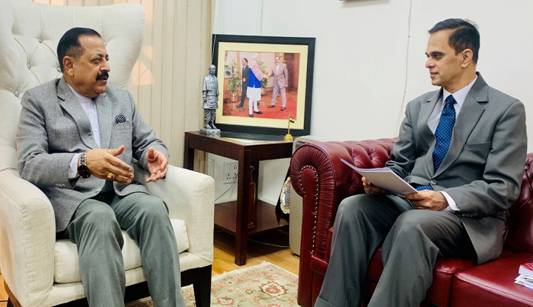
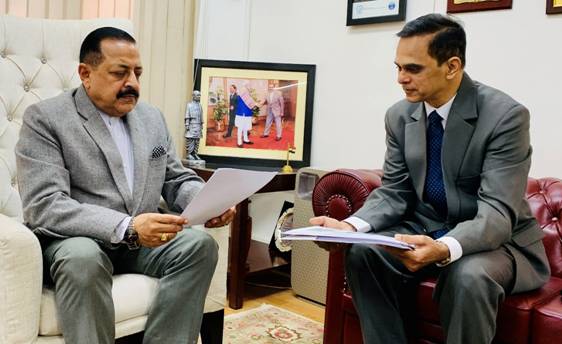
Disclosing this here today after receiving an update from the newly appointed Secretary of Department of Administrative Reforms and Public Grievances (DARPG),Union Ministry of Personnel, V Srinivas, Union Minister of State (Independent Charge) Science & Technology; Minister of State (Independent Charge) Earth Sciences; MoS PMO, Personnel, Public Grievances, Pensions, Atomic Energy and Space, Dr Jitendra Singh said, Centre will set up District Good Governance Index (DGGI) in J&K and the Department of Administrative Reforms and Public Grievances (DARPG) will carry out this task in collaboration with the Union Territory Government. The framework of the proposed Index has been finalised with the technical support from the Centre for Good Governance(CGG) Hyderabad. 

The Minister said that Prime Minister Narendra Modi is keen that we should replicate in Jammu & Kashmir, the same best practices of governance which are followed in other States and UTs of the country. He said, for a long time, as a result of certain constitutional and administrative constraints, many of the Central Rules of DoPT and ARPG were not applicable in Jammu & Kashmir, but in the last over two years, there has been a fast-track attempt to change the work culture and to follow the Mantra of “Maximum Governance, Minimum Government”, which has been the guiding principle at the Centre and States ever since the Modi government came in 2014.

Good Governance Index at the district level, said Dr Jitendra Singh, will enable each of the 20 districts of Jammu & Kashmir to rise to the level of some of the best administered districts of the country, with time bound disposal of office files and other matters, increased transparency, increased accountability and increased citizen participation. He said, the next step would be to carry forward these Good Governance practices down to Tehsil and Block level. 

The DGGI Framework has 58 Indicators drawn from different aspects of development and district administration distributed in all-encompassing 10 sectors such as Agriculture & allied sector, Commerce & Industry, Human Resource Development, Public Health, Public Infrastructure & Utilities, Economic Governance, Welfare & Development, Public Safety & Judiciary and Citizen Centric Governance.

These indicators were finalised after a series of consultations with the District officials of Government of Jammu & Kashmir, Academia, Subject Specialists, etc. Looking at the availability of authentic published data and other key principles, the set of indicators have been finalised from a larger list of 135 to 58.

To compute the index and rank, the Districts on their performance based on finalised 58 Indicators, an elaborate exercise of data collation followed by rigorous data sanitisation was undertaken. Final index computation process using standard and tested data normalisation and scoring methods is underway. This would result in coming out with Division-wise and District-wise ranks of the Districts. While there will be a comprehensive rank of Districts based on composite 10 Sectors, the DGGI will also offer a window on indicator-wise performance of the Districts.


UNDERSTANDING GOOD GOVERNANCE

GOOD GOVERNANCE SHOULD BE LIKE AIR. IT’S EXISTENCE NEED NOT BE DISCUSSED BUT IT’S ABSENCE WOULD MAKE A HUGE DIFFERENCE”

Nowadays the terms “Governance” and “Good Governance” are being used widely. Major reforms, actions, changes and even donations and institutional activities are basing all their rules and regulations which will help achieve “good governance”.

WHAT IS GOVERNANCE ?

Governance is the process or system by which entities are administered or directed and controlled. It is the process of decision making and the process of deciding the actors who will be involved in the decision making process and implementation of decisions.

The concept of “governance” has been used from past many years and can be used in several contexts such as international or national governance, corporate governance, local governance etc. One of the major actor of governance is “government” and other actors involved in the process of governance are NGOs, private bodies, landlords, research institutes, religious leaders, political parties, military etc.

GOOD GOVERNANCE

The term “Good Governance” originated from the report entitled ” Governance and Development” which was published by World Bank in year 1992. The World Bank defined Good Governance as “the manner in which power is exercised in the management of a country’s economic and social resources for development”.

Thus, good governance is an approach which aims in creating a system which finds justice and peace and ensures the protection of individual’s human rights and liberties. Good Governance is measured by 8 characteristics : Participation, Rule of Law, Transparency, Responsiveness, Consensus Oriented, Equity and Inclusiveness, Effectiveness and Efficiency, and Accountability.

Good Governance is a process of governance that considers the views of minorities and vulnerable groups of society and minimizes corruption while taking decisions thereby boosting the economy.

REFERENCES OF GOOD GOVERNANCE

  1. The importance of Governance is clearly highlighted and explained in Indian Constitution which is based on – Sovereign, Socialist, Secular and Democratic Republic for attaining democracy, rule of law and welfare of people.
  2. The Sustainable Development Goal q6 also describes the linkage between improvement of governance, inclusivity, participation, rights and security.
  3. The Bhagavad Gita also provides numerous indications of good governance, leadership, dutifulness and self realization.
  4. According to former United Nations Secretary-General Kofi Annan, “Good governance is ensuring respect for human rights and the rule of law; strengthening democracy; promoting transparency and capacity in public administration.” He also said that “Good Governance is perhaps the single most important factor in eradicating poverty and promoting development”.

PRINCIPLES OF GOOD GOVERNANCE

Principles of Good Governance
  1. Participation: Participation by each section of the society irrespective of their gender, social class, caste, income etc. The participation of the individuals can be through direct or indirect (through other institutions or representatives) mediums. Participation is an crucial part of governance because it brings forward the major concerns of the society, the issues as well as in identification of potentials of the area.
  2. Rule of Law: It ensures fair and legal frameworks and methods being used in the governance and enforces impartially. This requires full protection of human rights, especially of the weaker sections and vulnerable groups of the society. For this the law needs to be impartial, uncorrupted and judicial.
  3. Transparency : Transparency in a process or system or governance ensures that all the decisions, actions and enforcements are taken only after considering the governing rules or laws or regulations. It signifies the availability of information’s to all the stakeholders and the people who will be affected by the actions or enforcements.
  4. Responsiveness: Good Governance requires timely actions and processes and tries to serve all the stakeholders within a reasonable time frame or specified time frame.
  5. Consensus Oriented: Good Governance requires different interests to sum up into a broad consensus to show the best interest for the community and society. It is necessary for developing sustainable human development and the only way by which cultural, social and historical diversity can be preserved.
  6. Equity and Inclusiveness: Equity and Inclusivity ensures that all the members of the community or society are feeling free to put forward their concern and idea. Nobody should feel excluded. Equity and Inclusivity is highly important for minor or vulnerable groups because it is very important to give them the opportunities to express their issues and ideas for improving and maintaining their well being.
  7. Effectiveness and Efficiency: The results or outcomes of the processes should satisfy the needs of the society and should make the best use of available resources, without exploiting them. It is necessary to identify the potentials and weaknesses of the society or community or area before coming up or implementing any solution. All the outcomes and results should within desirable time frame and should be the best decisions for the welfare of the society.
  8. Accountability: It is one of the most vital requirements of good governance as it ensures that all the stakeholders (government bodies or private institutions or civil organizations or NGOs etc) are accountable to the public. Who is accountable to whom depends on the actions or decisions which are taken in the organization.
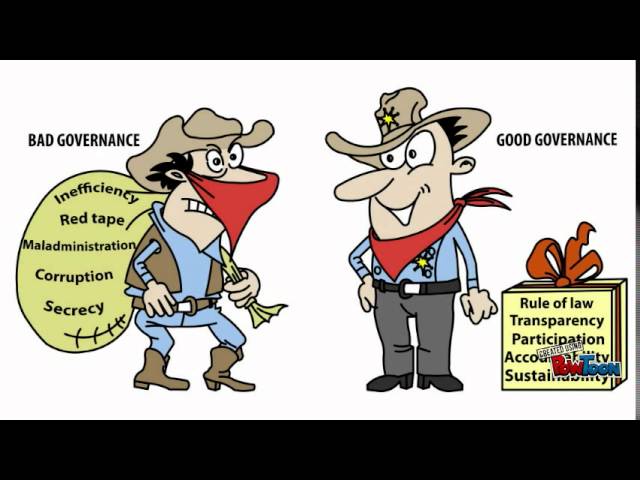
What makes Good Governance different from Bad Governance

CONCLUSION

From the above discussion it is clear that “Good Governance” is the most ideal form of governance but it requires transperancy, accountability and intelligent form of governance which makes it more difficult to achieve. For achieving good governance, a system much be uncorrupted, bias free and free from prejudices.

Thus, there is a need to reform and reformulate strategies for restoring good governance. The government should focus on the principle of : “Sabka Saath, Sabka Vikas and Sabka Vishwas” which will guide the way to achieve inclusive and sustainable development.