

If you ever one of those kids, that were totally obsessed with Greek mythology in middle school, and you still need a little bit more of it. Here are some of the Greek mythology retellings to read!
A Thousand Ships – Natalie Haynes.
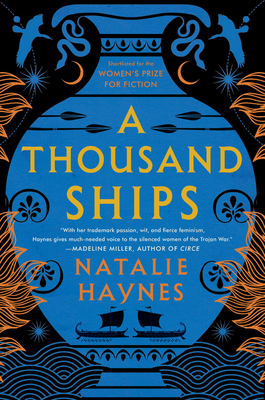
These are the stories of the women whose lives, loves, and rivalries were forever altered by this long and tragic war, from the Trojan women whose fates now lie in the hands of the Greeks, to the Amazon princess who fought Achilles on their behalf, to Penelope awaiting the return of Odysseus, to the three goddesses whose feud started it all.
A Thousand Ships is a deeply filled woman’s epic that places women, girls, and goddesses at the centre of the Western world’s greatest storey ever written.
Circe – Madeline Miller.
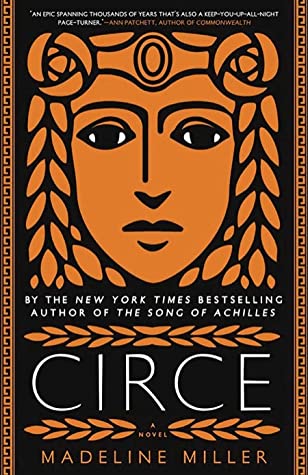
A daughter is born at the home of Helios, god of the sun and mightiest of the Titans. Circe, on the other hand, is an odd kid, neither strong like her father nor fiercely alluring like her mother. She seeks company among mortals and realises that she possesses power – witchcraft power, which may turn opponents into monsters and even the gods themselves.Zeus exiles her to a barren island, where she hones her occult skills, tames wild monsters, and crosses paths with a variety of people. However, a woman who stands alone faces peril, and Circe unknowingly attracts the fury of both men and gods. Circe must collect all of her might to safeguard what she cares about most.
The Silence of the Girls – Pat Barker.
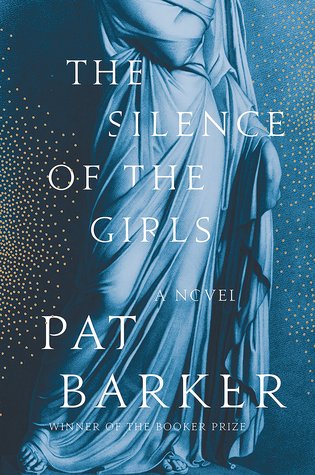
The ancient city of Troy has been under siege for a decade by the formidable Greek army, which is still fighting a terrible battle over a kidnapped lady named Helen. Another woman, Briseis, observes and waits for the war’s fate in the Greek camp. She was the queen of a neighbouring state until Achilles, Greece’s finest warrior, attacked her city and killed her husband and brothers. Briseis becomes Achilles’ concubine and a battle prize, and she must swiftly adjust to a completely new existence as one of the numerous captured women who serve the Greek army.When Agamemnon, the Greek armies’ harsh political commander, desires Briseis for himself, she finds herself stranded between the two most powerful Greeks. In protest, Achilles refuses to fight, and the Greeks begin to lose ground to their Trojan adversaries. Briseis finds herself in an unprecedented position, able to observe the two men leading the Greek army in what will become their final confrontation, deciding the fate not only of Briseis’ people but also of the ancient world at large. Keenly observant and coolly unflinching about the daily horrors of war, Briseis finds herself in an unprecedented position, able to observe the two men leading the Greek army in what will become their final confrontation, deciding the fate not only of Briseis’ people.
Pandora’s Jar – Natalie Haynes.
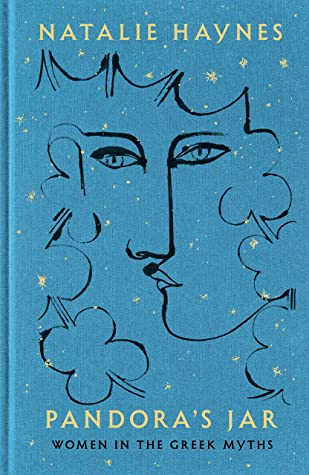
The Greek myths are one of the contemporary world’s most fundamental cultural foundations.
Epic poetry and Greek tragedy, from Homer to Virgil, from Aeschylus to Sophocles and Euripides, are replete with tales of gods and monsters. Even today, a plethora of novels, plays, and films are based on stories that were first recounted about three thousand years ago. Modern Greek mythtellers, on the other hand, have largely been men who have showed little interest in relaying women’s stories. Now, in Pandora’s Jar, Natalie Haynes retells Greek creation tales with female protagonists on an equal footing with their male counterparts. As a result, we have a vivid and compelling storey.
The Penelopiad – Margaret Atwood.
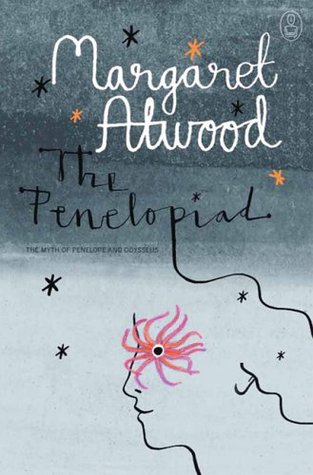
Penelope—wife of Odysseus and niece of the lovely Helen of Troy—is presented as the ultimate devoted wife in Homer’s Odyssey, her narrative serving as a timeless lesson. When Odysseus travels out to fight in the Trojan War following the kidnapping of Helen, Penelope manages to retain the kingdom of Ithaca, raise her wayward son, and keep over a hundred suitors at bay all at the same time, despite scandalous accusations. Odysseus kills her suitors and twelve of her maids when he returns home after surviving difficulties, battling monsters, and sleeping with deities.Margaret Atwood has given the old narrative a brilliant contemporary twist by recounting it to Penelope and her twelve hung maids, asking: “What led to the girls’ execution, and what was Penelope actually up to?” The narrative becomes as smart and sympathetic as it is terrifying, and as immensely fascinating as it is terrible in Atwood’s sparkling, lighthearted retelling. She gives Penelope fresh life and reality—and sets out to solve an old mystery—with humour and zest, drawing on the story-telling and lyrical talent for which she is known.
 Eduindex
You must be logged in to post a comment.