

The Northern Lights, also known as Aurora Borealis, is a natural phenomenon that occurs in the Arctic and Antarctic regions. It is a breathtaking sight to see, and many people travel great distances just to witness this stunning display of lights. Here are some of the best places to view the Northern Lights listed below.
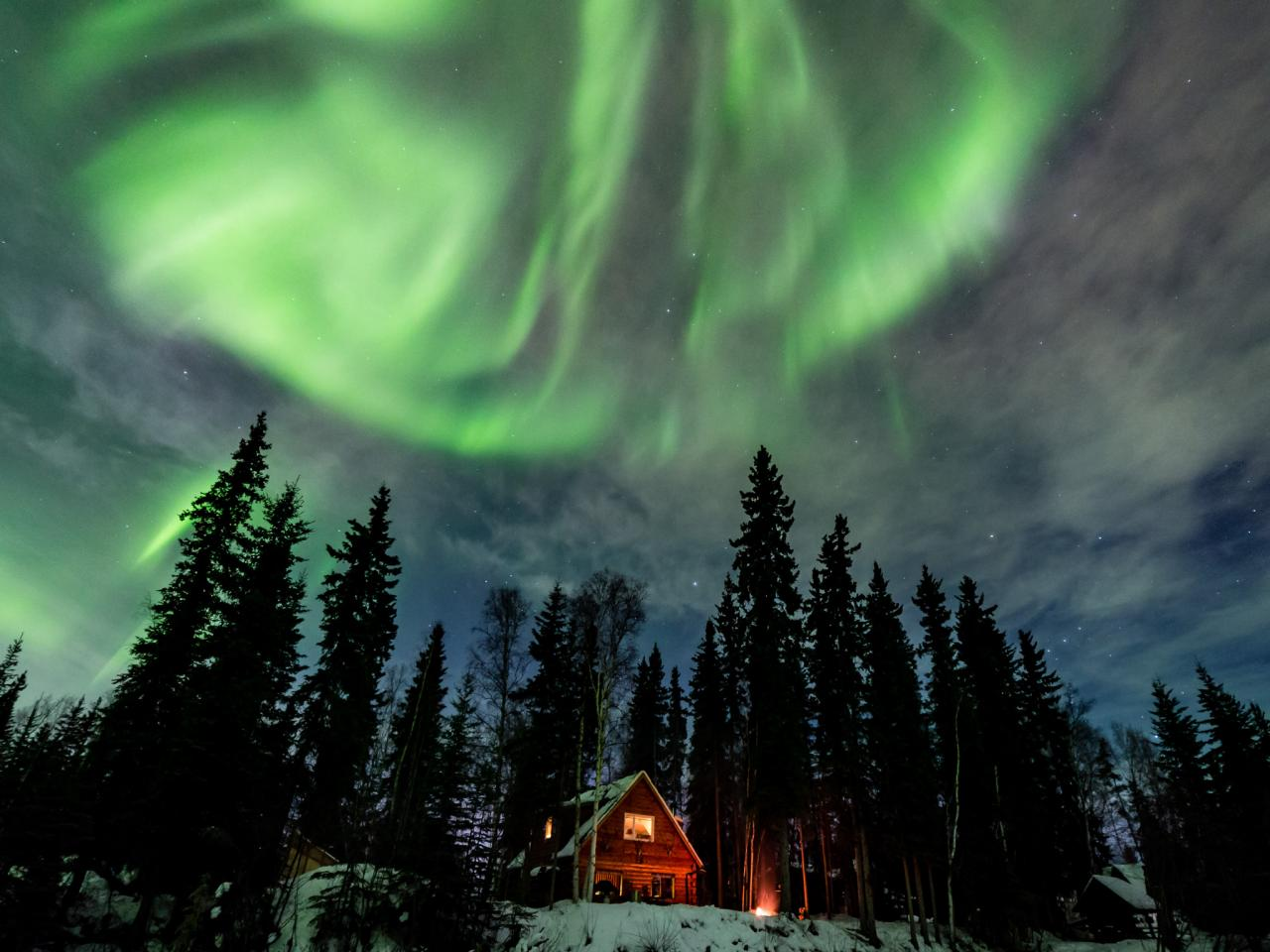
Source – https://www.travelchannel.com/
-
Tromsø, Norway:
Tromsø, located in Northern Norway, is considered one of the best places to see the Northern Lights. It has a mild climate and clear skies, making it an ideal destination for Aurora viewing. Tromsø also has a vibrant nightlife, making it an excellent location for those looking for both adventure and entertainment.
-
Reykjavik, Iceland:
Reykjavik is Iceland’s capital and is also an excellent location to witness the Northern Lights. Iceland’s geography is perfect for viewing the Aurora Borealis, and Reykjavik’s location in the country’s southwestern region makes it an ideal base for exploring the surrounding areas.
-
Abisko National Park, Sweden:
Abisko National Park is located in Northern Sweden and is one of the best places to see the Northern Lights. The area has a microclimate that helps keep the skies clear and the Aurora visible. There are also a variety of activities available, including dog sledding, snowmobiling, and ice fishing.
-
Fairbanks, Alaska:
Fairbanks, Alaska, is an excellent place to view the Northern Lights. The city is located under the Aurora Oval, which is a zone where the Northern Lights are visible more often than in other regions. Additionally, Fairbanks is home to the Geophysical Institute, which provides Aurora forecasts.
-
Kakslauttanen Arctic Resort, Finland:
Kakslauttanen Arctic Resort is located in Finnish Lapland and is one of the most unique places to see the Northern Lights. The resort has glass igloos that allow guests to view the Aurora from the comfort of their own bed. The resort also offers a variety of activities, including reindeer sleigh rides, snowmobiling, and ice fishing.
-
Yukon, Canada:
Yukon, located in Northwestern Canada, is another excellent location to see the Northern Lights. The area has a low light pollution, making it easier to see the Aurora. Additionally, there are a variety of activities available, including snowshoeing, dog sledding, and snowmobiling.
-
Kangerlussuaq, Greenland:
Kangerlussuaq is located in Western Greenland and is an excellent location for Aurora viewing. The area has little light pollution, and the Aurora can often be seen from the town. Additionally, Kangerlussuaq is home to the Northern Light Dog Sledding excursion, where visitors can see the Aurora while on a dog sled ride.
-
Svalbard, Norway:
Svalbard is located in the Arctic Ocean and is an excellent location for Aurora viewing. The area has a low light pollution, and the Aurora can often be seen from the town of Longyearbyen. Additionally, there are a variety of activities available, including dog sledding, snowmobiling, and ice caving.
In conclusion, there are numerous places to view the Northern Lights, each with its unique charm and attractions. Whether you’re looking for a luxurious resort or a rugged wilderness experience, there’s an Aurora destination for everyone. Remember to check Aurora forecasts and plan accordingly for the best chance of witnessing this natural wonder.
 Eduindex
You must be logged in to post a comment.