Indoor Pollution: The Silent Killer

Home sweet home. The place where we return everyday. Our safe haven. But is it as safe as we believe to be? Especially for our health. The present scientific and environmental scenario say otherwise.

Indoor pollution is the pollution caused by the presence of various particulate, chemical and biological pollutants, which can cause even serious harm to the human body. Infact, it has been ranked amongst the top five public health risk factors. There are some problems in the study of this type of pollution, due to the individuality and uniqueness of each residential ecosystem. The specific levels of various pollutants vary, based on various external and internal factors. Hence, it becomes difficult to explain the impact of indoor pollution in an uniform manner, for an individual pollutant component or even as a whole. 

The standard of measurement of this condition is indoor air quality (IAQ). In industrial countries, approximately, 1/3 rd of all the buildings tend to have IAQ problems at some point of time. Across the world, 30% of IAQ related complaints are against new or remodelled buildings. Health problems due to poor IAQ range from mild (cold and flu like symptoms) to severe (allergies, asthma, cancer, developmental disorders, or in some cases, death) symptoms.

Indoor pollutant sources includes humid spaces like in kitchen, showers etc., which are ideal thriving spot for various biological pollutants (eg. mold). Also, fuel consuming appliances, aerosol sprays (like deodorants, room freshners etc.), pesticides and so on are a n identified source of particulate as well as chemical pollutants within the residence

Some chemical pollutants have been identified and their harmful exposure levels have also been evaluated. Other pollutant types have been more difficult to evaluate about the acceptable exposure level. Some of the common pollutants are:-

  • Carbon Monoxide: Carbon monoxide (CO) is an odorless gas that is adverse for human health even at low levels. High concentrations of CO are potentially fatal and can even cause death. CO poisoning symptoms include headache, dizziness, nausea, chest pain and vomiting. It’s presence as an indoor pollutant is primarily due to fuel consumption and improper ventilation.
  • Nitrogen dioxide: Nitrogen dioxide (NO2) also happens to be a colourless, odorless gas with visible adverse effects on health even at lower levels. It primarily causes  irritation to the mucous membranes of the eyes, nose and throat. HIgh exposures lead to  respiratory irritation, shortness of breath and might also contribute to lung diseases like emphysema. It is also a product of fuel burning. Improper placing and/or maintenance of chimneys can lead to driving the pollutants back into the house. 
  • Lead: Lead (Pb) as pollutant is evaluated to be widely present in plumbing materials, gasoline and paints. LEad particulates can be both inhaled and ingested. Accumulation of lead in the body, more specifically into the soft tissue and bones can eventually affect the whole living system. Low level exposures,in children, may lead to impairment in physical and mental development, like lower IQ, shortened attention span etc. Additionally, they can also cause problems in the nervous system, kidney and blood cells. HIgh level exposure risks involve convulsions, coma or even, death.
  • Radon: Radon (Rn), a radioactive gas, is a common element present in the abiotic components of the system. They enter the house via cracks and  drains, get trapped in the living space and with time, keeps accumulating. Since it is odorless, it gets hard to detect. Exposure via inhalation leads to problems like lung cancer.
  • Formaldehyde: Formaldehyde (CH2O) is a well recognized carcinogen, but still finds us in daily household items, like fabrics, paints and furniture. The urea- formaldehyde resins are the most polluting type. Formaldehyde may be inhaled or even may get adsorbed by the skin. Even at extremely low levels, symptoms like allergies, asthma, throat and nose irritation, nausea and headache have been observed.

The most worrisome part is that these items are indispensable parts of daily life. Atleast, till other alternatives are discovered. This leaves us with a question, are all these amenities and necessities for a comfortable living worth all the adverse effects they come with? 
DON’T LET YOUR ANGER CONTROL YOU.

Anger is a common, normally healthy, human emotion. But if it goes out of control and becomes destructive, then it can lead to problems—dilemmas at work, in your relations, and the overall state of your life. 

Anger is “an irrational state that varies in intensity from mild irritation to intense fury and rage,” according to Charles Spielberger, Ph.D., a psychologist who specializes in the study of anger. Like other emotions, it is accompanied by physiological and biological changes; when you get angry, your heart rate and blood pressure go up, as do the levels of your energy hormones, adrenaline, and noradrenaline.

Anger can be induced by both external and internal events. You could be annoyed at a specific person or event, or your anger could be caused by agonizing or thinking about your difficulties. Thoughts of traumatic or infuriating situations can also trigger hostile reactions. Failing to control your temper can begin to a variety of difficulties like stating things you lament, shouting at your kids, abusing your co-workers, posting rash emails, growing health problems, or even resorting to material violence. But not all anger problems are that severe. Instead, your rage might mean losing time pondering about bothering matters, becoming frustrated in traffic.

Controlling your anger doesn’t signify getting annoyed. Instead, it means discovering how to identify, cope with, and display your rage in healthful and productive ways. Anger control is a skill that everyone can acquire. Even if you believe you hold your temper under check, there’s always scope for progression. Wrath is an emotion that can vary from mild exasperation to extreme fury. While numerous people classify violence as a completely “negative emotion,” it can be positive. Resentful reactions may push you to reach up for someone or they may lead you to build convivial change.

Although when left unchecked, hostile reactions can direct to destructive behavior, like shouting at someone or damaging goods. Bitter emotions also may make you retreat from society and transform your rage within, which can affect your energy and welfare. Anger can become unsettled if it’s felt frequently or too deeply or when it’s displayed in harmful forms, which can take a toll physically, psychologically, and ethically. For this purpose, anger control tactics can be useful and can aid you to explore fine means to display your emotions.

Concentrate on the bodily responses of rage: While it may appear unreasonable, harmonizing in the way your body responds while you’re annoyed usually reduces the fiery force of your rage.

Get running: A quick walk or run nearby the block is a fabulous opinion. Physical movement discharges repressed energy so you can approach the circumstances with a calmer front.

Apply your feelings: You can use vision, olfaction, sound, touching, and taste to instantly reduce tension and calm down. You can try hearing your favorite music, relishing a mug of beverage.

Stretch areas of tautness: Rotate your arms if you are tensing them, for instance, or lightly rub your nape and scalp.

Steadily count till ten: Concentrate on the counting to make your rational mind make up with your emotions. If you still feel out of control by the time you reach ten, start counting again.

Acquire adequate sleep: Deprivation of sleep can intensify cynical thoughts and leave you seeming disturbed and gruff. Try to take seven to nine hours of good quality slumber.

Workout frequently: It’s an efficient method to burn-off anxiety and relieves tension, and it can leave you sensing more comfortable and positive during the day. Try to spend at least 30 minutes every day. 

Be clever regarding booze and narcotics. Even consuming too much caffeine can make you more irritable and prone to anger.

Despite all your attempts, something will occur that will provoke your fury; and seldom it will be defensible anger. Life will be filled with disappointment, grief, failure, and the random activities of others. You can’t correct that, however, you can improve the approach you let such issues concern you. Managing your hostile acknowledgments can prevent them from causing you even more miserable.

Out of sight out of mind

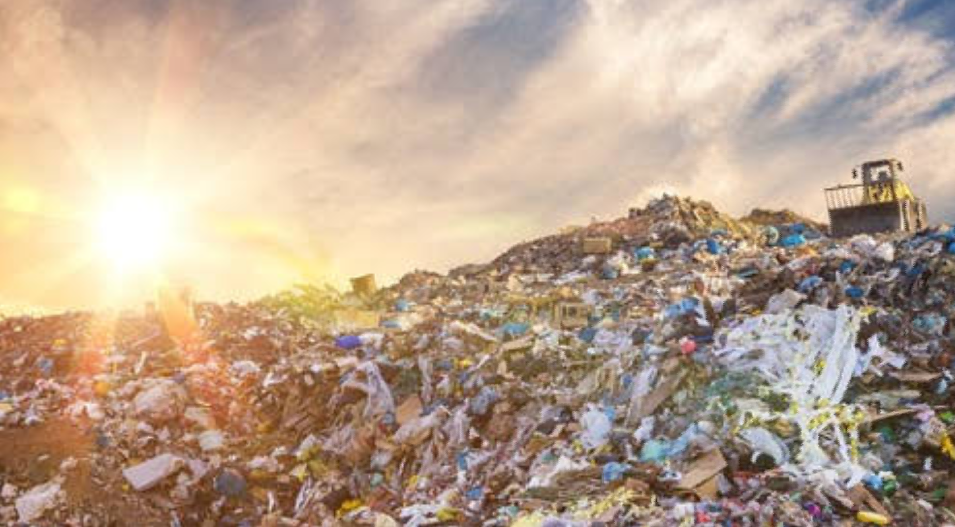
The world has so much problem with the waste production and dumping and landfills. We need more space. Why not send it to outer space? You know take some amount of trash at a time and send it to space and let it go. Sounds easy but turns out it isn’t that easy.

First of all it costs a LOT to send a spaceship into the space. We would need a large number of rocket launches to actually get rid of the insane amount of garbage the world produces(1.2 trillion kg). That way, the rise in air pollution… unimaginable. Also, complex infrastructure requirements! We need a lot more launch pads.

Suppose we do find a way to manage the costs and send a rocket filled with trash to be thrown out in the space. Imagine if some technical issue occurs and it blasts. It would rain burning plastic. Not good for the environment.

Even if we throw it out, the accumulation would make our atmosphere so dense that it would be a toxic world to live in. Also we couldn’t use satellites plus space travel would be tough. What if it comes floating back. Gross sight.

There’s another thing we could do. Burn the trash in the volcanoes. Trash incinerators have filters to filter out poisonous gases. In case of volcanoes filtering is not possible so again toxic world. Besides throwing something in the lava, disturbing the surface, would instantly trigger a chain reaction leading to an explosion. So not an option.

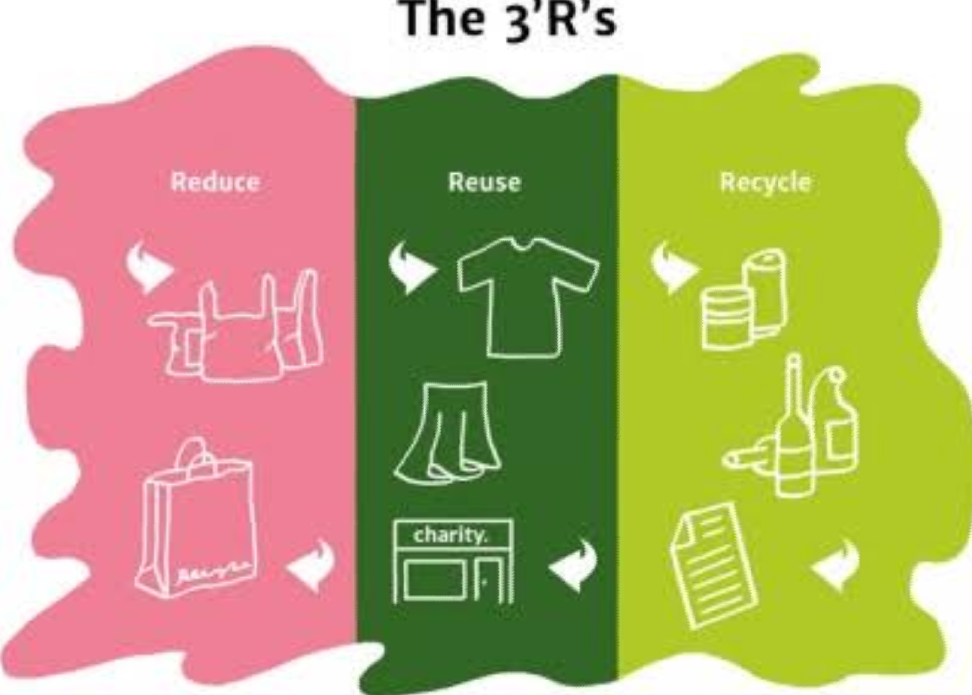
Guess we have to find other sources to convert the trash into some kind of energy. Maybe some day. Till then we need to manage our trash and follow the three R’s. (Reuse, Recycle, Reduce)

Thank you for reading. Have a nice day!