
Kamakhya Temple

Kamakhya Temple is a Hindu temple dedicated to the goddess Kamakhya, located in the city of Guwahati in the northeastern state of Assam, India. It is a significant Hindu pilgrimage site and a cultural icon of Assam. It is not only a place of worship but also a symbol of the rich cultural heritage of the region.

According to Hindu mythology, the temple is the site where the goddess Sati’s womb and genitals fell after her body was dismembered by the god Shiva. The temple is thus considered to be one of the Shakti Peethas or holy sites where the body parts of the goddess Sati fell to earth.
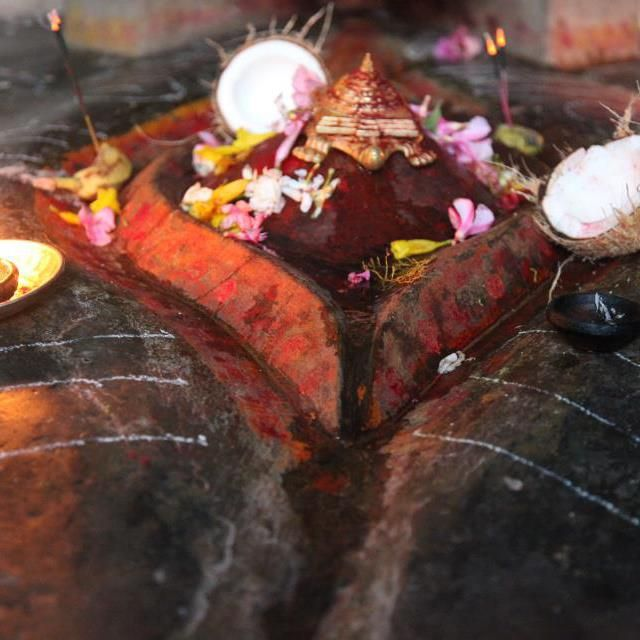
The temple is one of the most important pilgrimage sites for Hindus, especially those who worship the divine feminine. The temple complex consists of several smaller shrines and buildings, but the main temple is a large structure made of stone and brick. The temple has a unique design, with a dome-shaped roof and walls made of red sandstone. The main shrine inside the temple houses a rock formation that is said to represent the goddess Kamakhya. The rock is covered with a red cloth and is surrounded by images of other Hindu deities. The temple also has several smaller shrines dedicated to other deities.

The temple is famous for its annual Ambubachi Mela, a festival held in the month of June or July to celebrate the goddess Kamakhya’s menstruation. During the festival, the temple is closed for three days as it is believed that the goddess is menstruating during this time. Devotees from all over the country come to the temple to offer their prayers and seek the blessings of the goddess.

Apart from its religious significance, Kamakhya Temple is also known for its stunning architecture and beautiful surroundings. The temple is located on a hill and offers a panoramic view of the city of Guwahati and the Brahmaputra River. The temple complex is surrounded by lush green forests and is home to several species of birds and animals.

In recent years, the temple has also become a popular tourist destination, attracting visitors from all over the world. The Assam government has taken several measures to improve the infrastructure around the temple, including building new roads, parking areas, and hotels.
Ashadi Ekadashi; Its Significance & Celebrations

Ashadi Ekadashi is a significant Hindu festival celebrated every year on the eleventh day of the waxing phase (Shukla Paksha) of the Hindu month of Ashadha. It usually falls in the month of July or August in the Gregorian calendar. This festival is celebrated with great enthusiasm and devotion in Maharashtra, Karnataka, and some parts of Gujarat.

The word ‘Ekadashi’ is derived from the Sanskrit language, which means ‘eleven’. It is believed that Lord Vishnu goes into a deep slumber or ‘Yoga Nidra’ on this day, and wakes up after four months on the day of Prabodhini Ekadashi, which falls in the month of Kartik. Hence, Ashadi Ekadashi is also known as ‘Devashayani Ekadashi’ or ‘Hari Shayani Ekadashi’, which means the day on which Lord Vishnu goes to sleep.


Significance of Ashadi Ekadashi:

Ashadi Ekadashi holds great significance in Hindu mythology. It is believed that by observing a fast and performing puja on this day, one can seek the blessings of Lord Vishnu and be free from all sins and negative energy. It is also believed that by observing this fast, one can attain Moksha or liberation from the cycle of birth and death.

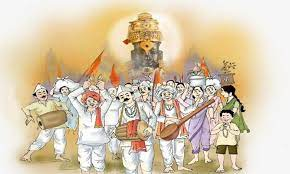
In Maharashtra, Ashadi Ekadashi marks the beginning of the ‘Wari Yatra’, a pilgrimage to the holy town of Pandharpur. The Wari Yatra is a tradition that has been followed for over 700 years, and thousands of devotees undertake this journey every year to seek the blessings of Lord Vithoba, a form of Lord Vishnu. The journey on foot starts from various towns and villages, and the devotees walk for several days to reach Pandharpur, where they offer prayers and seek blessings.

Celebrations:

On the day of Ashadi Ekadashi, devotees wake up early in the morning and take a bath before performing puja to Lord Vishnu. They observe a fast, abstain from food and water, and spend the day in prayer and meditation. The fast is broken the next day after performing puja in the morning. Devotees also visit temples dedicated to Lord Vishnu and offer prayers.

In Maharashtra, the day is celebrated with great fervor and devotion. Processions are taken out with devotees carrying the ‘Palkhis’ (palanquins) of Lord Vithoba and his consort Rukmini. The streets are filled with the sounds of bhajans and kirtans, and devotees offer food and water to the pilgrims on their way to Pandharpur. The Warkaris (devotees of Lord Vithoba) wear traditional attire and carry a flag with the image of Lord Vithoba.

Death of Devi Sati – Tragic tale of love & devotion

Devi Sati was the daughter of Daksha, one of the Prajapatis, and the son of Lord Brahma. She was born with divine qualities and was considered to be an incarnation of the goddess Shakti. Sati was a devoted wife to Lord Shiva, the Hindu god of destruction, and they lived together in Mount Kailash.

One day, Daksha organized a grand Yagna (sacrificial fire ceremony) and invited all the gods, goddesses, and sages except Lord Shiva. Sati, who was not aware of this, decided to attend the ceremony. When she arrived, she was treated with disrespect and insults by Daksha, who disapproved of her marriage to Lord Shiva. Sati tried to reason with her father, but he refused to listen to her and continued to insult her husband. Unable to bear the humiliation, Sati invoked her yogic powers and immolated herself in the fire of the Yagna. Her sacrifice was a shock to the gods and goddesses who were present at the ceremony, and it was considered to be an act of immense courage and devotion.

Credits – Gururaj Bhandari

Lord Shiva, who was unaware of what had happened, sensed the distress of his wife and rushed to the Yagna site. He was horrified to see the charred remains of Sati and was filled with rage and grief. In his anger, he created the ferocious Veerabhadra, who attacked Daksha and his followers and destroyed the Yagna. The news of Sati’s death spread quickly, and Lord Brahma and other gods and goddesses came to offer their condolences. Lord Shiva, who was inconsolable, carried the body of Sati and roamed around the universe in a fit of rage. He was unable to let go of his beloved wife and refused to perform his duties as the god of destruction.

To put an end to Lord Shiva’s agony, Lord Vishnu decided to intervene. He used his Sudarshan Chakra (discus) to cut Sati’s body into fifty-one pieces, which fell to earth in different places. These places are now considered to be Shakti Peethas (sacred shrines dedicated to the goddess Shakti) and are revered by devotees of the goddess.