Jaipur : The Pink City of India.

The capital of Rajasthan, the largest state in the country, Jaipur is all about its glorious history. It is also widely known as the Pink City. The name is derived from the fact that the erstwhile area of Jaipur which is now the area around the HawaMahal, was built of pink sandstone. The narrow streets, the colourful clothing, the lovely aromas bursting forth from the food, the vast number of palaces speak volumes of the deep rooted culture of the city.
Maharaja Sawai Jai Singh II invoked the artisans from all over the world and facilitated them with all the things they required, to help in creating the exotic city of beautiful architecture as Jaipur. Today, Jaipur is a hub for rich wedding destinations. Royal weddings are organized here. Exquisite destinations are specially designed for marriages, and offer an experience of one of its kind. Jaipur’s forts, monuments, and museums can be read about further.


Some of the best monuments and sites to visit in pink city are.


Amber/Amer Fort.
At a distance of 13 km from Jaipur Junction Railway Station, Amer Fort or Amber Fort is located in Amer near Jaipur. It is one of the best-preserved forts in Rajasthan, The architecture of Amer Fort is influenced by both Hindu and Muslim styles. Among the famous tourist places in Jaipur, Amer Fort was built using red sandstone and overlooks Maota Lake which is the main water source to the Palace.


City Palace.
City Palace, Jaipur was constructed between 1729-1732, in Jaipur as it paints the picture of heritage and rich culture. Sawai Jai Singh II has started the work of this palace, exclusively the exterior architecture of the building. Moving from Amber, he has moved to the Jaipur city because of the increase in water shortage problem which resulted in an inadequate supply of water to people.


Nahargarh Fort.
Nahargarh is one of three forts in the vicinity of the “Pink City” of Jaipur. Despite its prominence, the fort remained sadly neglected until recent years, resulting in visitors frequently overlooking it in favor of iconic and well-preserved Amber Fort on the opposite end of the ridge. Extensive restoration works and some exciting new attractions have revitalized the fort though, making it one of the top tourist places in Jaipur.


Jai Garh Fort.
Situated on one of the mountains of the Aravalli Range, Jaigarh Fort is a landmark structure in Jaipur. The strategically designed Jaigarh Fort was fundamentally built to protect the Amer Fort from any attack. Jaigarh Fort is popular for numerous reasons and the two most prominent are its mesmerizing architecture, which is a fusion of Rajputana and Mughal style, and for being the hub of artillery during the Mughal era.


Jantar Mantar.
Jantar Mantar is one of the finest monuments and striking creations by astronomers and architectures. It is a compilation of architectural astronomical devices which provided accurate astronomical results. It has even struck the modern approach of science. Jantar Mantar is the most well-known observatories amongst all the buildings formed during the sovereignty of Maharaja Sawai Jai Singh II.


Hawa Mahal.
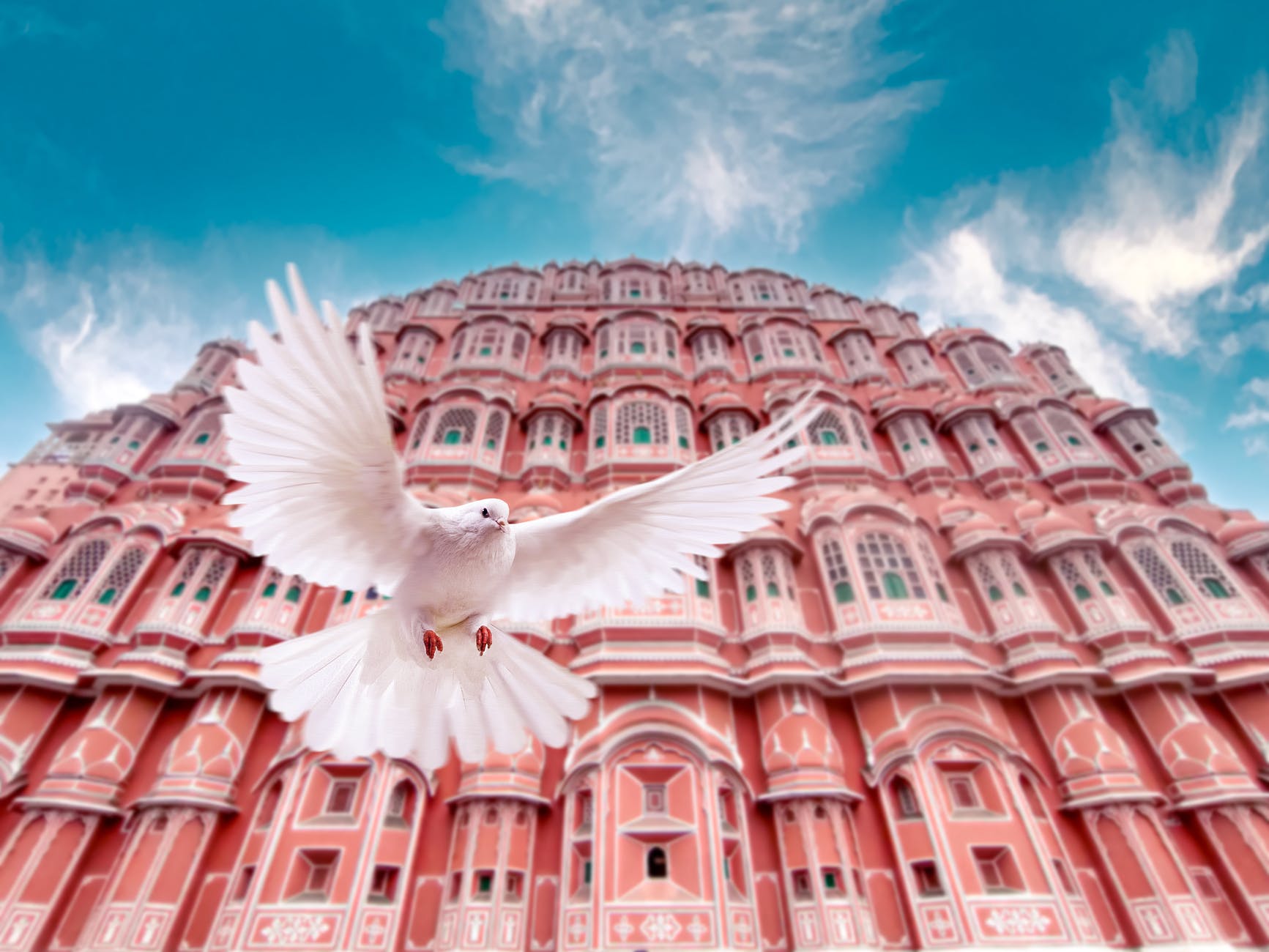
Hawa Mahal was built by Maharaja Sawai Pratap Singh in 1799 and was designed by architect Lal Chand Usta as a ‘Rajmukut’. The Hawa Mahal was built specifically for Rajput members, and especially for women, so that the royal ladies could watch the daily drama dance in the street below, as well as have a beautiful view of the city from the window.


Central Museum
Central museum is also known as ‘Albert museum’ or ‘Government Central Museum’. This is the oldest museum of the city and was constructed in 1876 beneath the command of Lt. Swinton Jacob. Initially the building was a town hall. But on the order of Maharaja Madho Singh it was transformed into an art museum.
Jaipur : The Pink City of India.

The capital of Rajasthan, the largest state in the country, Jaipur is all about its glorious history. It is also widely known as the Pink City. The name is derived from the fact that the erstwhile area of Jaipur which is now the area around the HawaMahal, was built of pink sandstone. The narrow streets, the colourful clothing, the lovely aromas bursting forth from the food, the vast number of palaces speak volumes of the deep rooted culture of the city.
Maharaja Sawai Jai Singh II invoked the artisans from all over the world and facilitated them with all the things they required, to help in creating the exotic city of beautiful architecture as Jaipur. Today, Jaipur is a hub for rich wedding destinations. Royal weddings are organized here. Exquisite destinations are specially designed for marriages, and offer an experience of one of its kind. Jaipur’s forts, monuments, and museums can be read about further.

Some of the best monuments and sites to visit in pink city are.

Amber/Amer Fort.
At a distance of 13 km from Jaipur Junction Railway Station, Amer Fort or Amber Fort is located in Amer near Jaipur. It is one of the best-preserved forts in Rajasthan, The architecture of Amer Fort is influenced by both Hindu and Muslim styles. Among the famous tourist places in Jaipur, Amer Fort was built using red sandstone and overlooks Maota Lake which is the main water source to the Palace.

City Palace.
City Palace, Jaipur was constructed between 1729-1732, in Jaipur as it paints the picture of heritage and rich culture. Sawai Jai Singh II has started the work of this palace, exclusively the exterior architecture of the building. Moving from Amber, he has moved to the Jaipur city because of the increase in water shortage problem which resulted in an inadequate supply of water to people.

Nahargarh Fort.
Nahargarh is one of three forts in the vicinity of the “Pink City” of Jaipur. Despite its prominence, the fort remained sadly neglected until recent years, resulting in visitors frequently overlooking it in favor of iconic and well-preserved Amber Fort on the opposite end of the ridge. Extensive restoration works and some exciting new attractions have revitalized the fort though, making it one of the top tourist places in Jaipur.

Jai Garh Fort.
Situated on one of the mountains of the Aravalli Range, Jaigarh Fort is a landmark structure in Jaipur. The strategically designed Jaigarh Fort was fundamentally built to protect the Amer Fort from any attack. Jaigarh Fort is popular for numerous reasons and the two most prominent are its mesmerizing architecture, which is a fusion of Rajputana and Mughal style, and for being the hub of artillery during the Mughal era.

Jantar Mantar.
Jantar Mantar is one of the finest monuments and striking creations by astronomers and architectures. It is a compilation of architectural astronomical devices which provided accurate astronomical results. It has even struck the modern approach of science. Jantar Mantar is the most well-known observatories amongst all the buildings formed during the sovereignty of Maharaja Sawai Jai Singh II.

Hawa Mahal.
Hawa Mahal was built by Maharaja Sawai Pratap Singh in 1799 and was designed by architect Lal Chand Usta as a ‘Rajmukut’. The Hawa Mahal was built specifically for Rajput members, and especially for women, so that the royal ladies could watch the daily drama dance in the street below, as well as have a beautiful view of the city from the window.

Central Museum
Central museum is also known as ‘Albert museum’ or ‘Government Central Museum’. This is the oldest museum of the city and was constructed in 1876 beneath the command of Lt. Swinton Jacob. Initially the building was a town hall. But on the order of Maharaja Madho Singh it was transformed into an art museum.
Top 5 venomous snake species

Snake are deadliest animal. Whenever one encounters it many get hurt or you can easily say they are dangerous to humans. They have aggressive nature. They are very dangerous especially for rural area people’s. There are estimated 3,500 snake species out of which 600 are venomous. Their estimated yearly attacks ranges from 53 lakhs to 54 lakhs, out of which more than 1 lakh people die due to their attack.

1) Inland Taipan

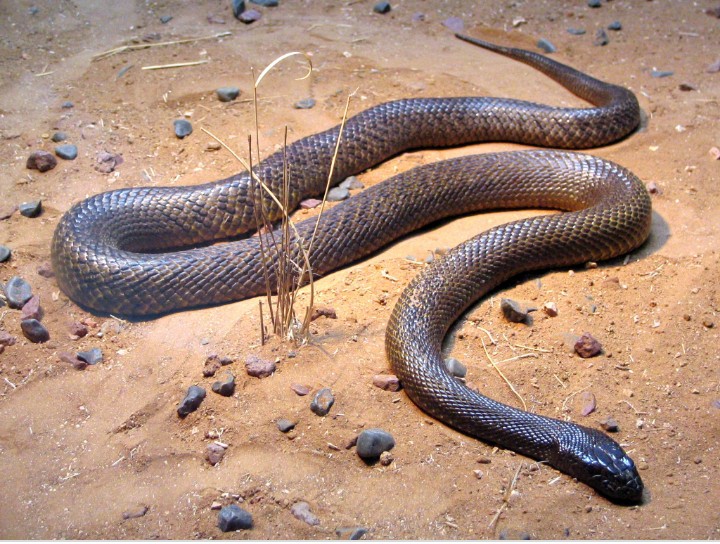
They are also known as fierce snake. They has the most toxic venom in the world. The average quantity venom give by this snake is 44mg while the most given is 110mg, which is enough to kill 100 people. Its venom consists of neurotoxins, Hemotoxins (procoagulants) affecting the blood, myotoxin affecting the muscles, nephrotoxins affecting the kidneys and hemorrhaggins causing hemorrhage. Its venom paralysis the body and cause hemorrhage. It is found in Australia.

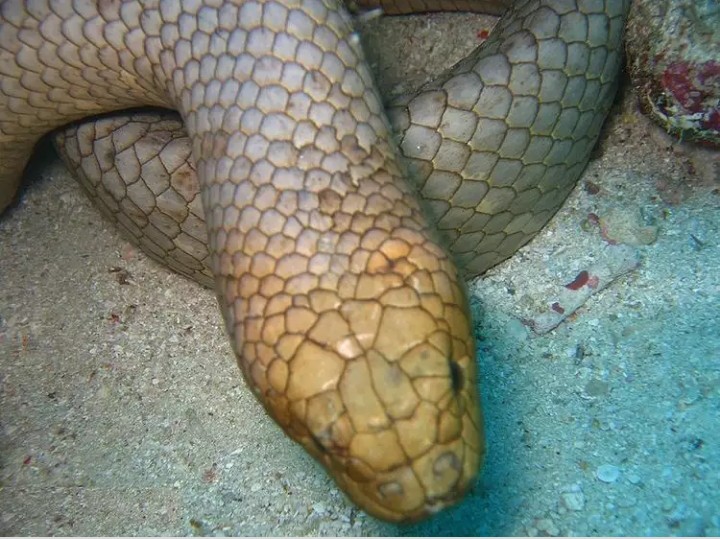
2) Dubois sea snake

Dubois sea snake is also known as reef shallow sea snake. It is a species of venomous sea snake. Adult sea snake grows upto 4.86ft but usually grow upto 2.6ft. It is most venomous sea snake and one of the top three most venomous snakes in the world. The venom is lethal and contains neurotoxin that act on the nerve cell, myotoxins acting on muscles. The venom of this snake paralysis the respiratory system which ultimately cause death of the person. They feed on fish and swallow the whole fish. True incident of sea snake bite has not been recorded but they might have caused bite in rural area where taking record might not be possible. They are not aggressive but can bite if feel threatened or surprised. Fisherman’s are more likely to get trapped in their bites often when they try to remove them from fishing net. They are found in Australia, and some parts of Indian Ocean and Timor sea.

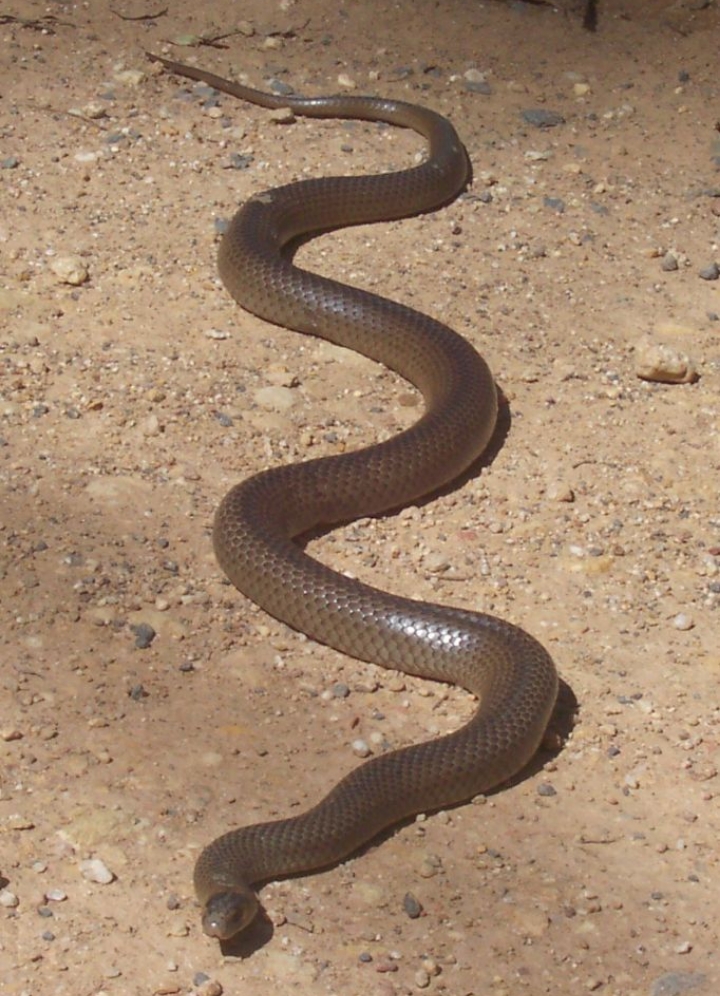
3) Eastern brown snake

Eastern brown snake or also known as common brown snake. This snake is highly venomous snake in the family Elapidae. Adult eastern brown snake goes upto 2m or 7ft. The venom of the snake mainly affects the circulatory system, coagulopathy, hemorrhage, cardiovascular collapse and cardiac arrest mainly the death occurs due to cardiac arrest. And one of the main components of venom is prothombinase which breaks down prothrombin. It is responsible for about 60% of snake bite death in Australia. They are native to eastern and central Australia and southern New Guinea.

4) Black mamba

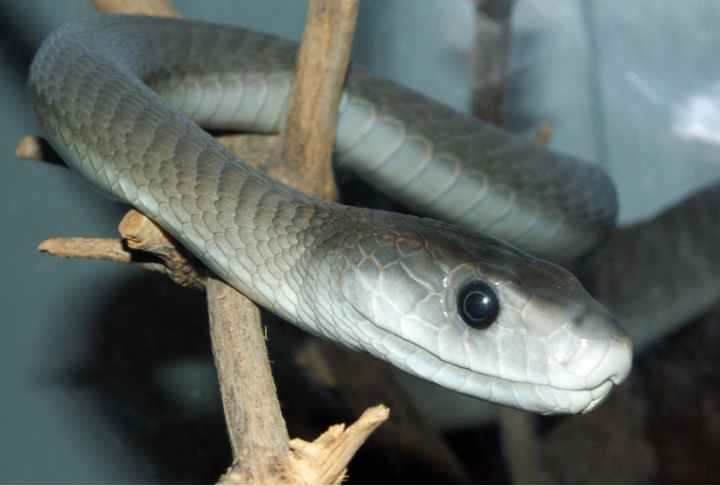
Black mamba also belongs to highly venomous species of family Elapidae. It is second longest venomous snake after king cobra. It grows upto 2m (6ft 7in) and commonly grow to 3m (9ft 10in). Its colour varies from grey to dark brown and it’s species is both terrestrial and arboreal (found on trees). It is native to parts of Sub Sahara Africa. Its venom is composed of neurotoxins and it’s induce symptoms within ten minutes and is frequently fatal. This species of snake is aggressive but only attack when threatened or cornered. It constantly bites more than once and it’s bite derive 100mg-120mg of venom, the highest venom recorded is 400mg. It is considered as snake of medical importance by World Health Organization. Its venom if not treated on time will result in respiratory failure, cardiovascular collapse and ultimately death.

5) Boomslang

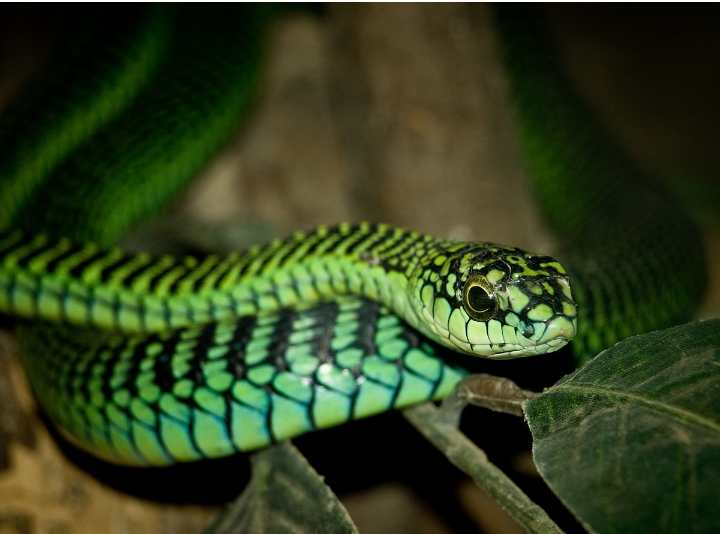
Boomslang snake is one of the venomous snake of family Colubridae Average adult Boomslang is 100-160 cm in total length and exceeds to 183cm. Colouration is very different like males are light green with black or blue scale edge while females may be brown. Their weight varies from 175 to 510 g. The Boomslang snake is able to open its jaws up to 170 degree when butting. It is found in sub Saharan Africa, south africa, Botswana and Namibia. Its venom is hemotoxin and disables coagulation process and the victim die as a result of internal or external bleeding. Its venom cause hemorrhaging in to tissue such as muscles and the brain tissue. Its venom is slow acting. This snake is timid and only bite if attempted to handle, catch or kill.