Make in India program was launched by Prime Minister Narendera Modi on 25th September 2014 as an initiative to encourage various companies to manufacture in India. Make in India is an initiative under Atma Nirbhar Bharat Abhiyan which is dedicated to developing a modern independent India. Make in India’s movement is to attract foreign capital to invest in Indian manufacturing companies to create more employment options and to transform India into a global design and manufacturing hub. This initiative is to promoting manufacturing companies to produce goods and services in India instead of importing it from other countries and encouraging citizens to use the made in India products only.
The ideology behind the Make in India plan was to generate more employment, saving the nation’s money from exporting goods that can be or used to manufacture in India, and to create a conducive environment for investments. This movement can help to develop India to become a developed nation quickly. Make in India help to develop a modern and efficient infrastructure and open up new sectors for foreign capital especially after the 100% ownership of FDI.
GoI aimed so many targets to be done successfully under the Make in India mission. A few of the objectives are listed out below:
A rise in the domestic value addition and technological depth in the manufacturing sector.
Raise in manufacturing sector growth to 12-14% per year.
Increase in the manufacturing sector’s share in the GDP to 25% by 2022.
Create 100 million extra jobs in the manufacturing sector by 2022.
Expanding the global competitiveness of the Indian manufacturing sector.
Creating required skill sets among the urban poor and the rural migrants to foster inclusive growth.
Having environmentally sustainable growth.
This program is destined to facilitate foreign direct investment and convincing Indian and foreign companies to produce their goods in India. Its key features are.
• It is estimated that such facility of producing goods would increase the demand for employment in various sectors and would lead to better employment conditions. • This program is competent in attracting foreign currency to be invested in the Indian industrial sectors. • It would create a demand of skilled people in specific sectors, which would also create a requirement to train people in various sector and skills, to satisfy the demand of such industrial requirements. • It has already soared the position of India in the context of ease of doing business on its land. It has far more potential to take the India at much better ranking through this program alone. • It has cleared the vague picture of deciding FDI ratio in railways and defense sector and applied the determined terms in the form of this scheme.
Make in India is an initiative by the government of India to encourage companies to manufacture products in India. This program is designed to facilitate investment, foster innovation, enhance skill development, protect intellectual property and build best-in-class manufacturing infrastructure in the country. It was launched by Prime Minister in September 2014 as part of a wider set of nation-building initiatives.
The aim is to transform India into a global design and manufacturing hub. The primary objective of this initiative is to attract investments from across the globe and strengthen India’s manufacturing sector. This program is very important for the economic growth of India as it aims to utilize the existing Indian talent base, creating employment opportunities and empowering the secondary and tertiary sectors.
Make in India needed a different kind of campaign, instead of the typical newspaper advertisements, this exercise required messaging that was informative, well-packaged and most importantly, credible. It had to inspire confidence in India’s capabilities amongst potential partners abroad, the Indian business community, and citizens at large; provide a framework for a vast amount of technical information on 25 industry sectors; and reach out to a vast local and global audience via social media and constantly keep them updated about opportunities, reforms, etc.
The Department for Promotion of Industry and Internal Trade (DPIIT) worked with a group of highly specialized agencies to build brand new infrastructure, including a help desk and a mobile-first website that simply contain information. The focus of the Make in India program is on 25 sectors. These include automobiles, automobile components, aviation, biotechnology, chemicals, construction, defense manufacturing electrical machinery, electronic systems, food processing, IT & BPM, leather, media and entertainment, mining, oil and gas, pharmaceuticals, ports and shipping, railways, renewable energy, roads and highways, space, textile and garments, thermal power, tourism and hospitality, and wellness.
DPIIT initiated this process by inviting participation from Union Ministers, Secretaries to the Government of India, state governments, industry leaders, and various knowledge partners. A National Workshop on sector-specific industries in December 2014 brought Secretaries to the Government of India and industry leaders together to debate and formulate an action plan for the next three years, aimed at raising the contribution of the manufacturing sector to 25% of the GDP by 2020. This demonstrated the transformational power of public-private partnership and has become a hallmark of the Make in India initiative.
In a short period, this initiative grows a lot with a transparent and user-friendly system. The ministry has engaged with the World Bank Group to identify areas of improvement. Now, the credibility of India becomes stronger. There are visible changes in the business sector of India as this program opened doors for investors and promoted entrepreneurs. Now India is on its way to becoming the largest and most powerful economy.
In his Independence Day speech on Monday, Prime Minister Narendra Modi said that India should take a pledge to become a developed country by 2047 – the 100th year of independence.
The prime minister urged citizens of the country to work towards achieving the “panch pran”, or five pledges, in the next 25 years. Apart from making India a developed country, the citizens should remove traces of colonial mindset, take pride in their roots, forge unity and inculcate a sense of duty, Modi said.
“We need to now move with a renewed focus and resolve for the next 25 years, and this can be made possible through the strength and determination of 130 crore Indians,” the prime minister said in his ninth Independence Day speech from the Red Fort in Delhi.
The World Bank currently classifies India as a lower-middle-income country, the second from the bottom of the four income groups it puts countries into—low, lower-middle, upper-middle, and high income. While the multilateral institution junked the ‘developed’ and ‘developing’ nomenclature some years back, a developed nation would still correspond with a high-income country. According to the latest World Bank statistics, India’s average gross income per capita, at $2,170 in 2021, was ahead of Nigeria at $2,100 and Pakistan at $1,500 but trailed Bangladesh at $2,620 and Bhutan at $2,840.
The Prime Minister said India must be a developed nation in next 25 years, terming it as an aspirational society. He appealed and asked for the support of the people to walk forward with him on these 5 pledges assuring that India will definitely be a developed nation in every front if everyone walks on the path of these 5 pledges.
India will have to walk forward with very big resolutions. If we have to achieve the target of a developed nation then nothing less than this will matter.
We have to leave our servitude mindset from every inch, corner, thinking, and mentality. We don’t have to carry forward any reflection of our servitude in any form in the country and have to overcome this.
We have to be proud of our heritage which gave India its golden glory in the past.
We have to keep in mind our ‘…ekta and ekjutta (Unity and solidarity)… na koi apna aur na koi paraya (we belong to everyone and everyone belongs to us)… ek barat shresth bharat (one country, pride country).
Responsibilities of citizens in which even a Prime Minister is not excluded, because he is also a citizen first.
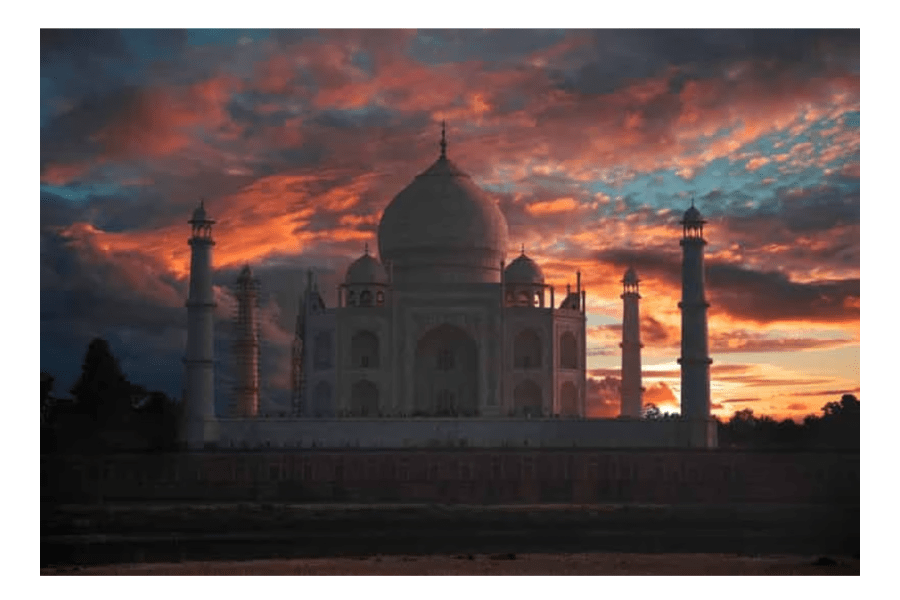
•Agra Agra is home to several historic monuments, making it one of the most visited places in India. Of course, top of this list of places to see in Agra is the Taj Mahal, one of the most famous buildings in the world.This beautiful building, finished in white marble, is a perfect example of Mughal architecture, as are the Agra Fort, Akbar’s Tomb and Fatehpur Sikri. Also a great place to gorge on wonderful Mughlai food.
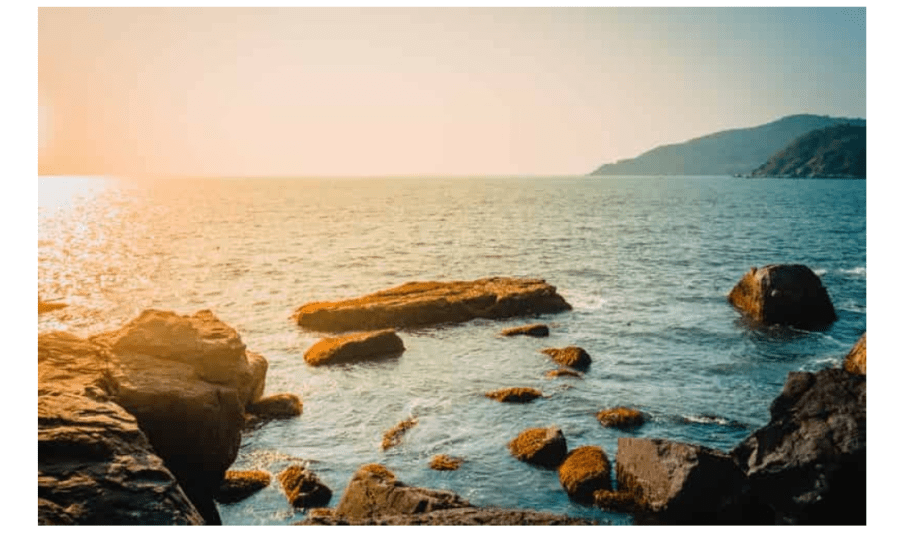
•Goa With 51 beaches along the coastline, Goa is considered one of the best tourist places to visit in India. Its white sandy beaches, palm trees, low tax rate, amazing coastal cuisine and laid-back attitude make it a wonderful tourist place in India.The best time to visit this place is the winter, as the weather is just perfect (though this is when it can get expensive, too). Apart from the beach, its nightlife is surely not something you should miss.
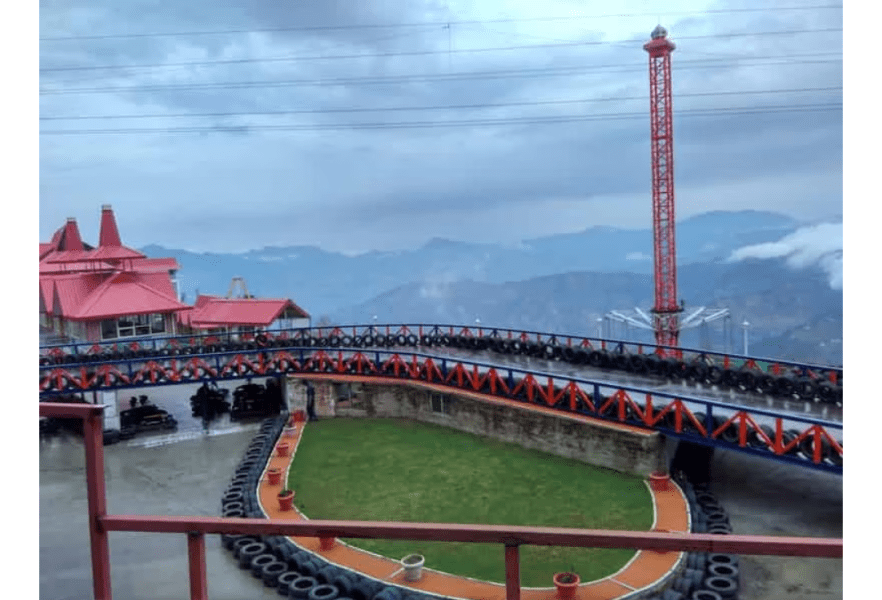
•Shimla Shimla, the capital of Himachal Pradesh, is one of the famous hill stations in India. With the Town Hall at its centre and the breathtaking view of the Himalayas, this place attracts a lot of tourists.To know the real legacy of Shimla, you can visit the Viceregal Lodge, Christ Church and Gorton Castle. During winters, the snowy mountains and narrow alleys are worth viewing and exploring.
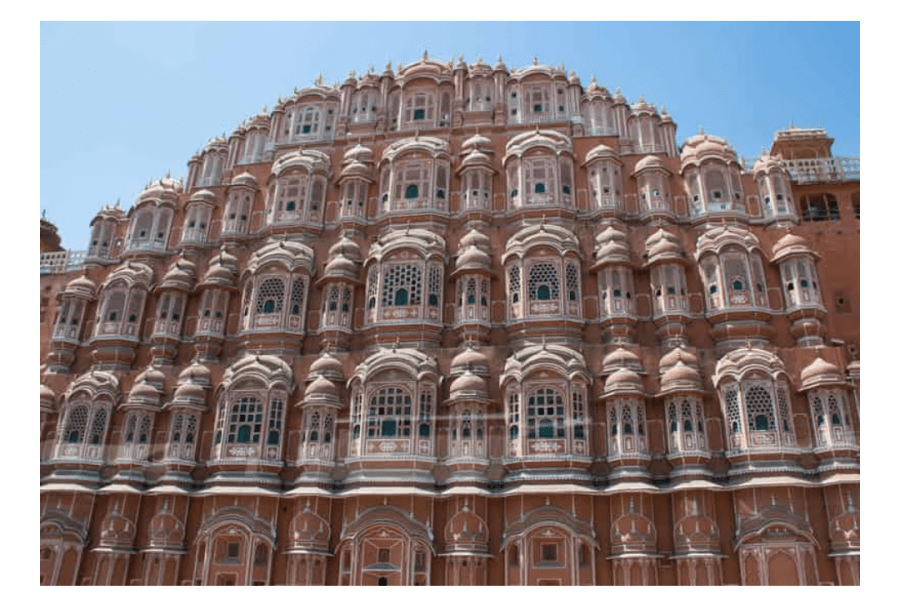
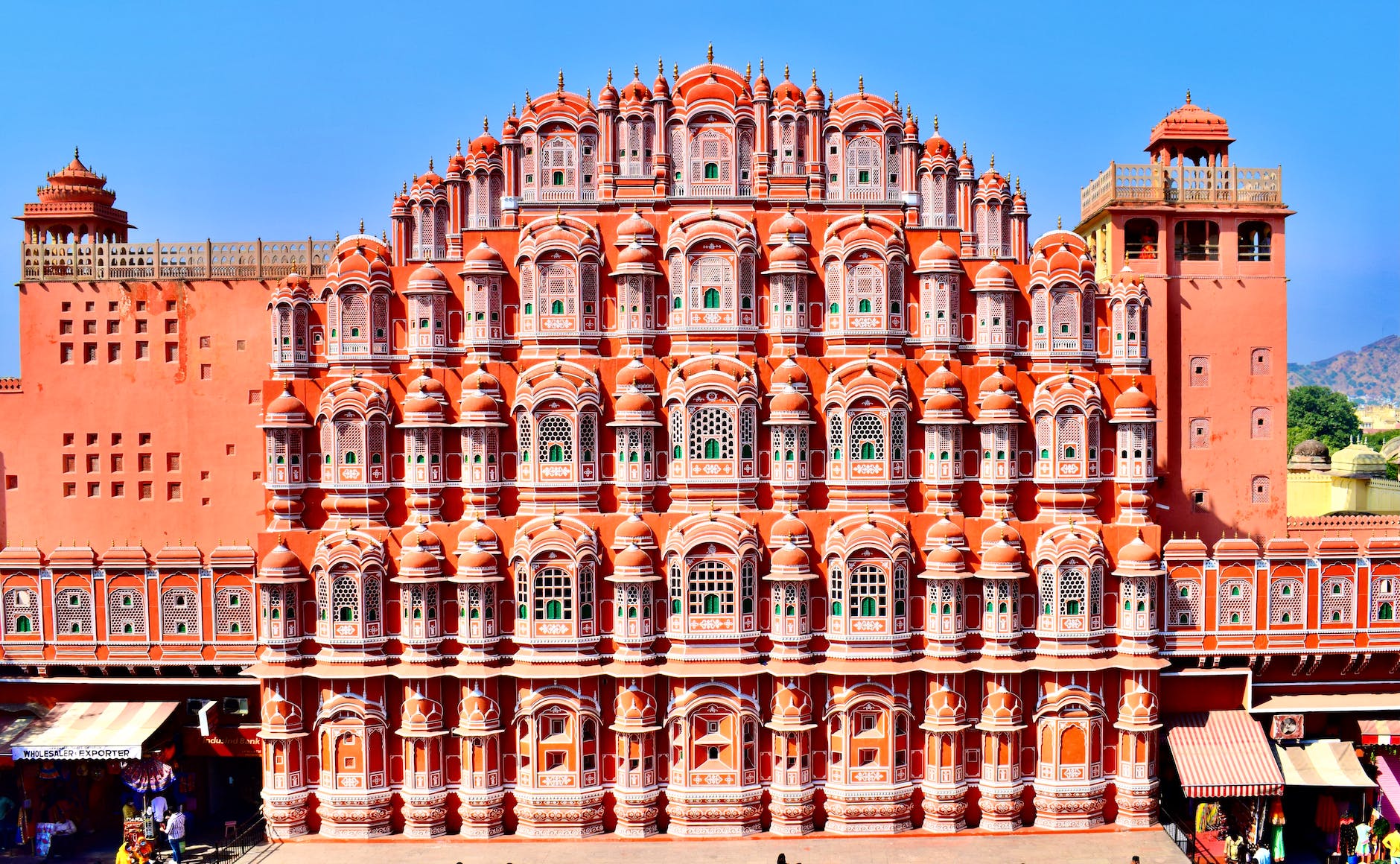
•Jaipur Jaipur, the capital city of Rajasthan, is popularly known as the ‘Pink City’ and is famous as a tourist and education destination in India. There are only a few cities that capture and showcase the rich history of the past and Jaipur is one of them.The popular destinations here are the Hawa Mahal, City Palace, Jantar Mantar and Amber Fort. If you want to experience the royal legacy and architecture this place is a must visit. Do not miss the Sound & Light Show at Amber Fort, narrated by Mr. Amitabh Bachchan himself.
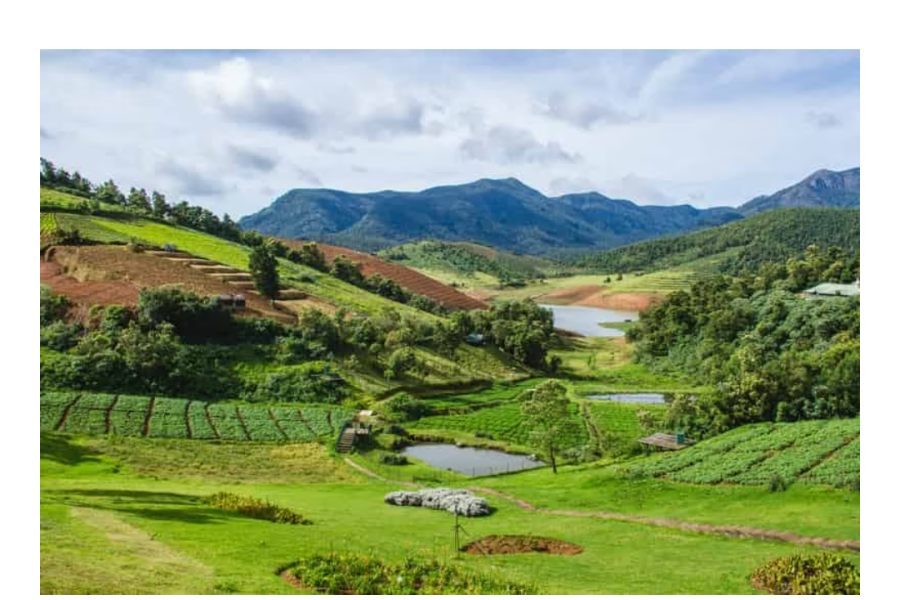
•Ooty Udhagamandalam, also known as Ooty, is a hill station in the state of Tamil Nadu. The pleasant climate, the view of India’s Western Ghats and the peaceful atmosphere make a great tourist place for both family and friends.It is famous for its tea plantations, lush gardens, British era bungalows and spicy food. It is usually crowded during the summer holidays, as many families spend a week or two here. Once a small town, Ooty is today a buzzing tourist centre with plenty of activity all year round.
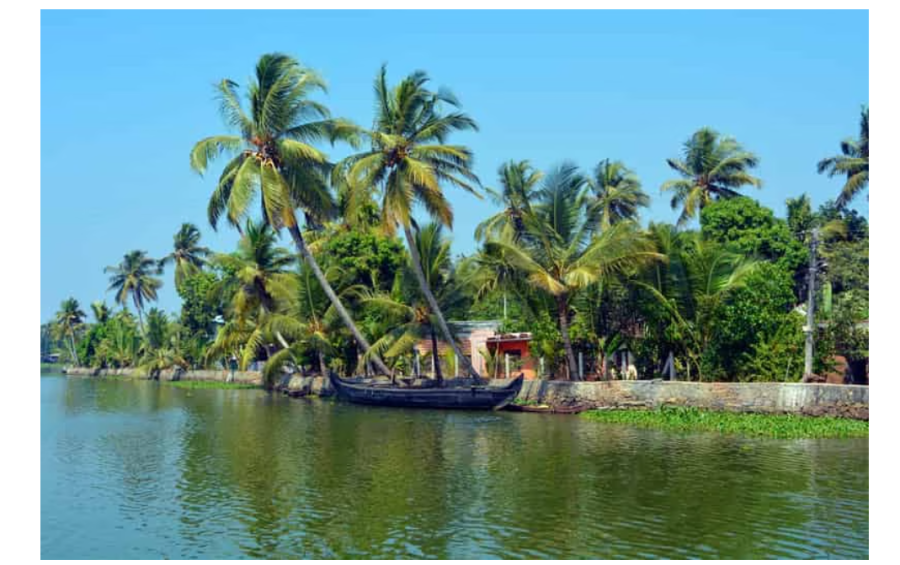
•Alleppey Alleppey is one of the ten most gorgeous locations in the world, according to the National Geographic Traveler. Located on the Malabar Coast, the backwaters of Kerala showcase the true beauty of nature. It is also famous for its Ayurvedic massages. Of course, you cannot miss the houseboat experience and the lovely Kerala cuisine, especially Malabar Chicken Curry and Puttu.
•Ladakh Ladakh, the capital of Leh, is in the eastern parts of Jammu and Kashmir. Ladakh is known for its pristine lakes, freezing winds, glaciers and sand dunes. It has kept its distance from the modern world – and thank heavens for that.The most famous tourist attractions here are Pangong Lake, Tso Moriri lake and Leh Palace. There’s also many adventures to be found here, from white water rafting to mountaineering and trekking.
“India is a place where colour is doubly bright. Pinks that scald your eyes, blues you could drown in.”
Jaipur is the capital of India’s Rajasthan state. It evokes the royal family that once ruled the region and that, in 1727, founded what is now called the Old City, or “Pink City” for its trademark building color.. The Pink City of India, is an exotic destination, to say the least. From royal palaces to peppy pubs and from regal forts to plush restaurants, the city offers a fascinating mix of attractions for an avid traveler. And let’s not forget the welcoming vibe of the city, a quality that’s inherent to Rajasthan’s imperial culture and heritage.
The city is known for its beauty, and it is unique in its straight-line planning. Its buildings are predominantly rose-coloured, and it is sometimes called the “pink city.” The chief buildings are the City Palace, part of which is home to the royal family of Jaipur; Jantar Mantar, an 18th-century open-air observatory that was designated a UNESCO World Heritage site in 2010; Hawa Mahal (Hall of Winds); Ram Bagh palace; and Nahargarh, the Tiger Fort. Other public buildings include a museum and a library.
Some of the tourist spots and monuments to visit in the city are :
Amber/Amer Fort.
At a distance of 13 km from Jaipur Junction Railway Station, Amer Fort or Amber Fort is located in Amer near Jaipur. It is one of the best-preserved forts in Rajasthan, The architecture of Amer Fort is influenced by both Hindu and Muslim styles. Among the famous tourist places in Jaipur, Amer Fort was built using red sandstone and overlooks Maota Lake which is the main water source to the Palace.
City Palace.
City Palace, Jaipur was constructed between 1729-1732, in Jaipur as it paints the picture of heritage and rich culture. Sawai Jai Singh II has started the work of this palace, exclusively the exterior architecture of the building. Moving from Amber, he has moved to the Jaipur city because of the increase in water shortage problem which resulted in an inadequate supply of water to people.
Nahargarh Fort.
Nahargarh is one of three forts in the vicinity of the “Pink City” of Jaipur. Despite its prominence, the fort remained sadly neglected until recent years, resulting in visitors frequently overlooking it in favor of iconic and well-preserved Amber Fort on the opposite end of the ridge. Extensive restoration works and some exciting new attractions have revitalized the fort though, making it one of the top tourist places in Jaipur.
Jai Garh Fort.
Situated on one of the mountains of the Aravalli Range, Jaigarh Fort is a landmark structure in Jaipur. The strategically designed Jaigarh Fort was fundamentally built to protect the Amer Fort from any attack. Jaigarh Fort is popular for numerous reasons and the two most prominent are its mesmerizing architecture, which is a fusion of Rajputana and Mughal style, and for being the hub of artillery during the Mughal era.
Jantar Mantar.
Jantar Mantar is one of the finest monuments and striking creations by astronomers and architectures. It is a compilation of architectural astronomical devices which provided accurate astronomical results. It has even struck the modern approach of science. Jantar Mantar is the most well-known observatories amongst all the buildings formed during the sovereignty of Maharaja Sawai Jai Singh II.
Hawa Mahal.
Hawa Mahal was built by Maharaja Sawai Pratap Singh in 1799 and was designed by architect Lal Chand Usta as a ‘Rajmukut’. The Hawa Mahal was built specifically for Rajput members, and especially for women, so that the royal ladies could watch the daily drama dance in the street below, as well as have a beautiful view of the city from the window.
Central Museum
Central museum is also known as ‘Albert museum’ or ‘Government Central Museum’. This is the oldest museum of the city and was constructed in 1876 beneath the command of Lt. Swinton Jacob. Initially the building was a town hall. But on the order of Maharaja Madho Singh it was transformed into an art museum.
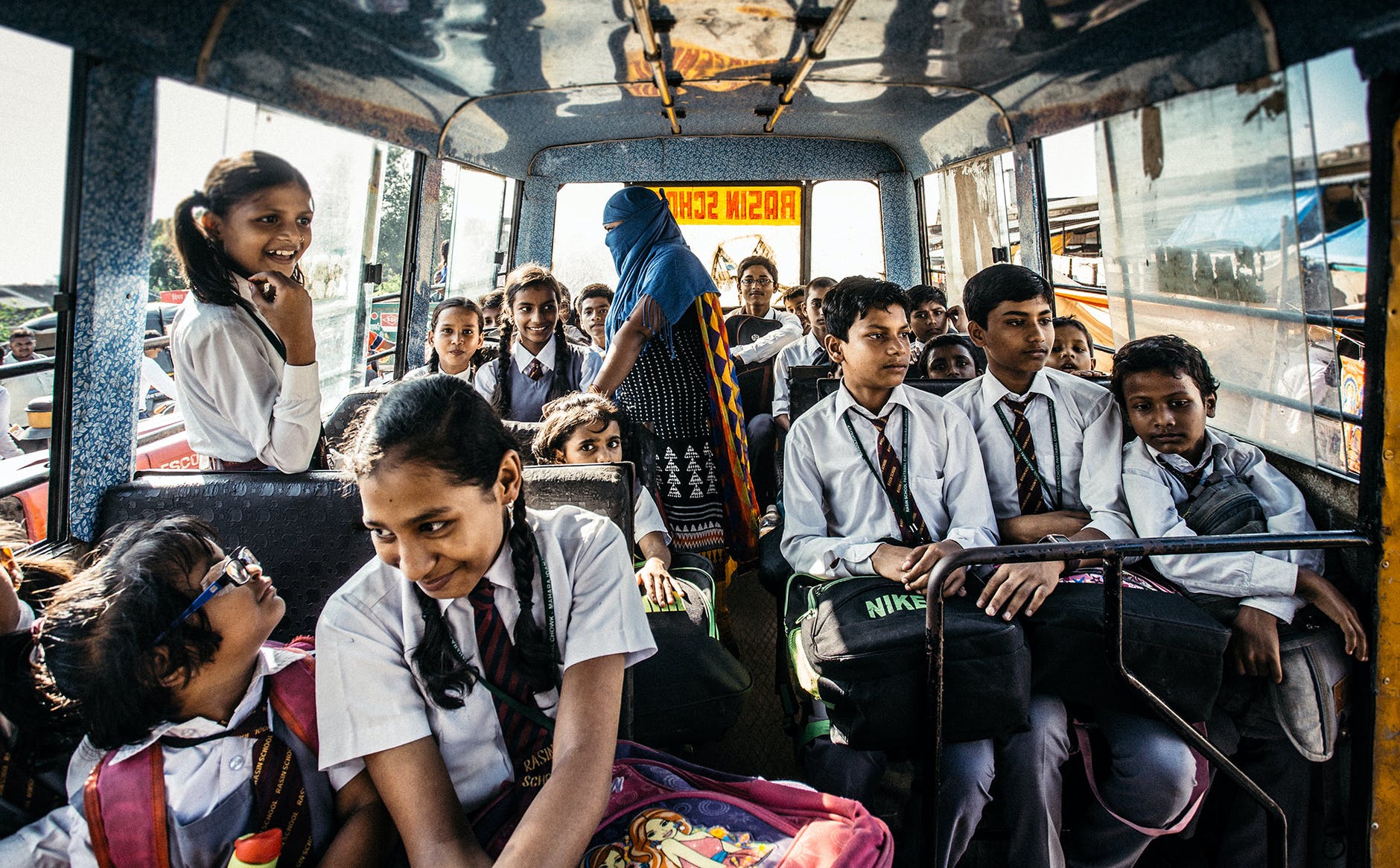
The National Education Policy (NEP) 2022 is a policy document released by the Government of India on 29th July 2020. It outlines the government’s vision for the education sector in India over the next ten years. The policy has been developed after extensive consultations with various stakeholders, including teachers, students, parents, education experts, and civil society organizations. It covers all aspects of education, from early childhood education to higher education and vocational training.
NIP aims to transform the education system of India by providing world-class education. The policy also aims at creating a “Global Knowledge Superpower” in the field of education. It focuses on the individual need of every student. The policy also seeks to create a more flexible and adaptive education system that can meet the needs of students and the economy.
Vocational Education is part of the New Education Policy. It includes teaching the mother tongue and regional languages up to the 5th year of schooling. The policy also makes it mandatory for schools and colleges to make their curriculum flexible and holistic.
Major Highlights of New education policy
It focuses on providing quality and affordable education to all children in the age group of 3-18 years.
Students will now be tested on their abilities to apply concepts to solving real problems rather than on how well they remember things from books.
The school curriculum in India has been updated to incorporate more core concepts and vocational education.
It focuses on using technology in education to make it more effective.
It focuses on a system where there is no distinction between rural and urban areas, and all children have access to quality education.
The policy wants to set up a National Higher Education Regulatory Council to oversee the regulation of higher education institutions.
It introduces a new 5+3+3+4 education structure, which moves away from the current 10+2 system.
The master’s degree (MPhil) course will no longer be required.
It says all higher education institutes (HEIs) will be governed by a single regulator, except the Medical and Law Colleges.
School board examinations will continue in 10th and 12th classes and redesigned to be more holistic and developmental.
Higher education will receive flexibility in subjects. There will be multiple entry points and exit points for all students.
UG programmed courses can range in duration from three to four years. The minimum duration required to get a certificate is one year. However, students can opt for a different route if they want to, such as obtaining a two-year Advanced Diploma or getting a B. Tech degree.
An academic bank of credit (ABC) will be created as a digital recognition awarded for a student’s academic performance.
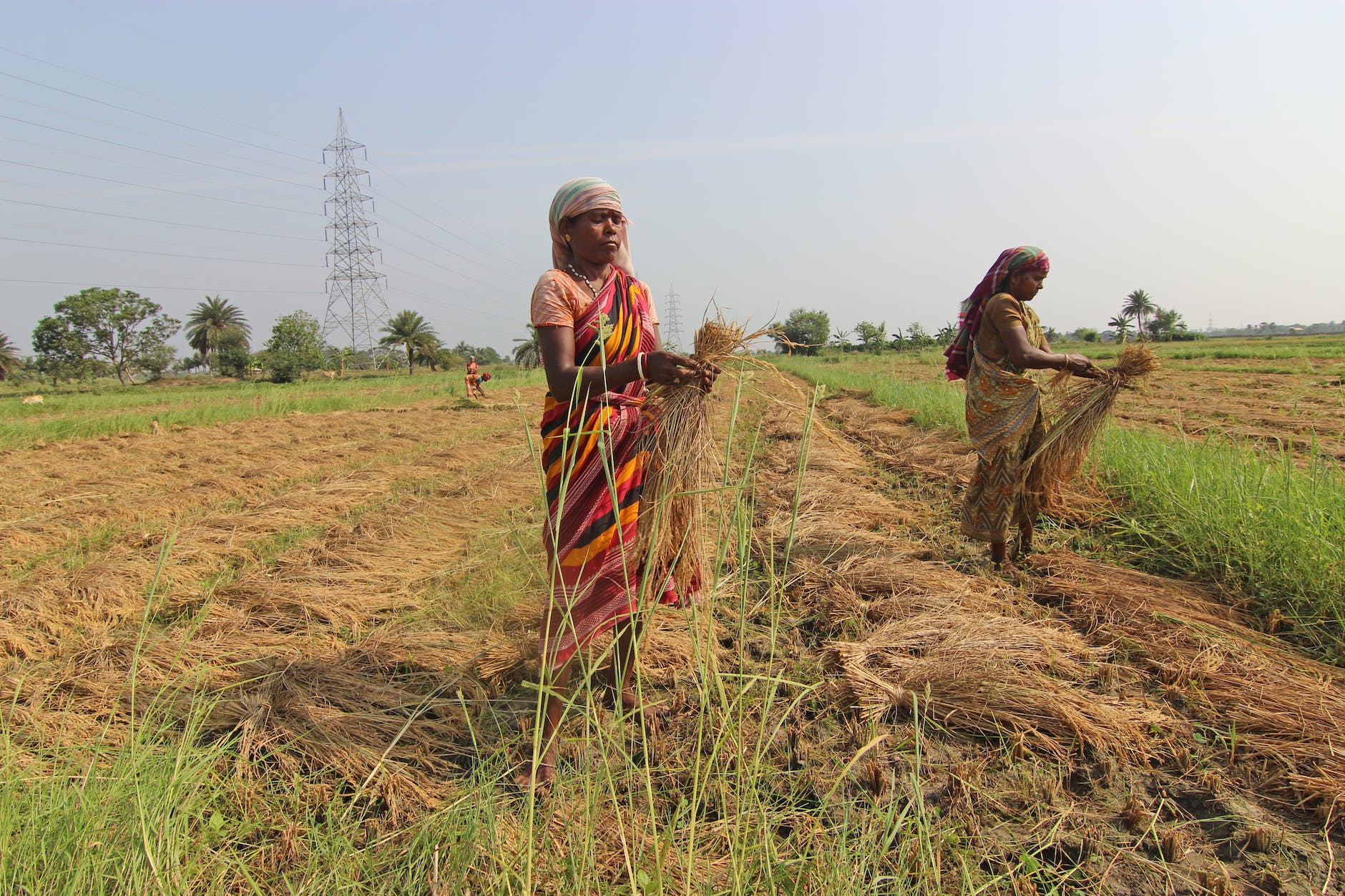
Rural development means improving the quality of life of people living in rural areas. Its main concern is to secure natural resources like agriculture and forest, from exploitation. But the change in the global production network and urbanization have changed the rural areas. A lot of things like manufacturers, tourism, recreation, etc., have affected agriculture as the domain of economic drives. Education, entrepreneurship, physical infrastructure, and social infrastructure all play an important role in developing rural regions. Rural development remains the core of the overall development of the country. More than two-thirds of the country’s people are dependent on agriculture for their livelihood, and one-third of rural India is still below the poverty line.
Rural development focus on Education, Public health and Sanitation, Women empowerment, Infrastructure development (electricity, irrigation, etc.), Facilities for agriculture extension and research, Availability of credit, Employment opportunities, sufficient and healthy food, etc.
Importance of Rural Development
Rural development is important for the population to live in rural areas and overall economic expansion of the nation. It is very important to be concerned about rural development because it is very important for the evaluation of our nation. It will help to increase productivity, stability in socio and economic development, and social-economic equality.
The main objective of Rural Development
The main objective of the government for rural development is to improve the productivity and wages of rural people, increase the standard of living of the underprivilege population, increase employment opportunities, and provide the basic needs like education, healthcare, rural roads, clean drinking water, sanitation, etc.
Ministry of Rural Development
The Ministry of Rural Development has two departments, the Department of Rural Development and the Department of Land Resources. The Department of Rural Development came into existence as a part of the Ministry of Food and Agriculture in October 1974. On 23 January 1982, this ministry was renamed the Ministry of Rural Development. as the Ministry of Agriculture in September 1985. On July 5, 1991, this department was again given the status of Ministry of Rural Development. After that, the name of the department was changed many times. In the year 1999. The department gets it to rename as Ministry of Rural Development.
The ministry aims to bring change in rural development with various programs. The main objective of this ministry is to remove rural poverty and provide a better quality of life to the rural population, especially the people living below the poverty line. To further enhance the efforts being made in these areas, the government launched the Pradhan Mantri Gramin Yojana (PMGY), and the Ministry of Rural Development was entrusted with the responsibility of implementing the following parts of the Pradhan Mantri Yojana (PMGY), namely – drinking water supply, Housing construction and construction of rural roads. Many other policies were started by the government for the welfare of the rural population.
Keeping in view the needs and aspirations of the local people, the cooperation of Panchayati Raj Institutions was taken in the implementation of this program. These institutions are a form of decentralized development of planning and its implementation. The Ministry is urging the State Governments to give requisite administrative and financial powers to the Panchayati Raj Institutions at the earliest as stipulated in the 73rd Constitutional Amendment of India. The empowerment of rural women is important for the development of rural India. Therefore, provision has also been made for the contribution of women in poverty alleviation programs so that adequate funds can be arranged for this section of society. The Constitution (73rd) Amendment Act, 1992 provides for reservation of selected posts for women.
The following major programs are being operated in rural areas by the Ministry of Rural Development,
Mahatma Gandhi National Rural Employment Guarantee Act (MGNREGA) provides employment,
National Rural Livelihoods Mission (NRLM) for self-employment and skill development,
Pradhan Mantri Awas Yojana Gramin (PMAYG) to provide housing to BPL families,
Pradhan Mantri Gram Sadak Yojana (PMGSY) for the construction of quality roads,
National Social Assistance Program (NSAP) for Social Pension,
Integrated Watershed Management Program (IWMP) to improve the productivity of the land.
The annual budget of Rs. 1 35944.29 crores have been allocated to the department of Rural Development for the Financial Year 2022-23.
The majority of population in India (about 73 per cent) is living in rural areas. Living conditions of the rural people are very poor. Under such a situation, development of rural areas must receive adequate attention in various schemes designed for the development of Indian economy.
The rural part of the country is still underdeveloped, and the government is doing what all they can to make sure that the rural part also has all the resources like the urban of the country has. But if survey gets conducted at various parts of the country, one will find out that still there are a lot of city and villages in the country whose development is still under process. Various kinds of roads and bridges are being made in various rural parts of the country so that they get connected to an urban part of the country, and thus people from rural part can travel to urban part easily to do various kinds of jobs.
Many industrialists have stepped out to develop rural part of the country, and that is why a lot of malls, call centers, and other industries are getting set up in various rural parts of the country. These industries will not only make job opportunities for the rural people, but it will also enhance their knowledge about certain things.
The following measures can he taken to attain rural development in the country.
Improvement of sanitation and for the improvement of sanitation, arrangements for supply of pure drinking water should be made. Tube-wells and ponds should be dug.
Education of the masses, Mass education should be introduced to remove the ignorance of the villagers. Education should be made free and compulsory.
Establishment of schools for poor people. Night schools should be set up for poor to teach elementary Hygiene and scientific methods of cultivation.
Establishment of cheap medical aid for people in rural areas. Hospitals should be established to give cheap medical aid to the people living in rural areas.
Construction of good roads and other means of communication is must.
Co-operative Credit Societies should be set up to provide loans to the peasants.
The Ministry of Rural Development is engaged in implementing a number of schemes which aim at enabling rural people to improve their living standards. Education, removal of poverty and speedy socio-economic progress is the goal with which the development programmes are being implemented through a multi pronged strategy, reaching out to the most disadvantaged sectors of society Huge priority is being accorded to provide clean drinking water, rural housing and road. The social security programmes are being implemented for providing assistance to the destitute and downtrodden. Assistance and encouragement to voluntary agencies and training of functionaries forms part of the emphasis on accelerated rural development. The ministry is constantly endeavouring to empower the Panchayt Raj institutions in terms of functions, power and finance. In the new initiative the Gram sabha has become the most significant institutions. Non-Government Organisations self help group and Panchayati Raj institutions have been accorded adequate role to make participating democracy meaningful and effective. Development of waste lands desert and drought prone areas has also been undertaken along with land reforms.
Inclusive growth is defined as economic growth that generates job opportunities and aids in poverty reduction. It entails poor people having access to basic health and education services. It entails ensuring equal opportunity for all, as well as empowering people through education and skill development. To reduce poverty quickly and sustainably, people must be able to both contribute to and benefit from economic progress. Rapid growth is required to eliminate poverty, but it must be broad-based across sectors and inclusive of a large portion of the country’s labor force to be long-term sustainable.According to the UNDP, inclusive growth is “the process and result of all groups of people participating in growth and benefiting equally from it.” According to the OECD (Organisation for Economic Co-operation and Development), inclusive growth is defined as economic growth that is evenly dispersed across society and generates opportunity for everyone.
•Unemployment
Because of illiteracy and over-dependence on agriculture, India’s employment quality and quantity are low.The lack of quality employment is a concern because more than 80% of individuals work in the informal sector and are not covered by social security.According to the NSSO’s Periodic Labour Force Survey (PLFS), the unemployment rate for the urban workforce was 7.8%, while the rural workforce had a rate of 5.3 percent, bringing the total unemployment rate to 6.1 percent.The following factors contribute to sluggish job growth: °The industry has a low capital utilization °Low initial budget °Agriculture’s expansion has been slow. °According to economists, what is being referred to as a “demographic dividend” could turn out to be a moment of crisis defined by high unemployment and social unrest.
•Backwardness in Agriculture
Agriculture employs 60% of the Indian population, either directly or indirectly. Agriculture, on the other hand, has a dismal growth rate of only 2%. Agriculture production must be improved by policymakers and government officials in order to be more inclusive.Lack of access to capital for agriculture and small and medium enterprises, as well as a lack of social protection, have all contributed to underprivileged communities being left out of the growth picture.The following are some of the issues in agriculture: °A gradual decrease in the employment share °Land availability per capita is dwindling. °Labor productivity is low. °Agriculture yields are declining as a result of climate change, soil degradation, and water scarcity. °Growth differences between regions and crops.
•Social Development Problems:
One of the most important concerns for inclusive growth is social development. However, it has some issues, such as: Regional, societal, and gender differences are all significant.Public spending, notably in health and education, is at a low level and growing slowly.Children’s malnutrition – India is ranked 102nd in the Global Hunger Index.
•Disparities by Region
India’s regional differences are a key source of concern. Factors such as the caste system, the wealth gap, and others contribute to regional inequities, resulting in a society in which certain groups enjoy greater privileges than others.Kerala is the most literate state in the country, with a literacy rate of 93.1 percent; nevertheless, Bihar’s literacy rate is only 63.82 percent.
India is a vibrant nation whose strength lies in its commitment to equal rights and to speech, religious and economic freedoms that enrich the lives of all citizens. India is not only the world’s largest democracy; it is also a secular, pluralistic society committed to inclusive growth.
The Union Cabinet chaired by the Prime Minister have approved the new National Education Policy 2020, making way for large scale, transformational reforms in both school and higher education sectors. This is the first education policy of the 21st century and replaces the 34-year-old National Policy on Education (NPE), 1986.
The New Education Policy 2020 has come up as a in the education sector as it aims at creating an equitable and vibrant knowledge for the society by providing high-quality education to all. Also it encourages to develop a deep sense of respect towards the fundamental rights, duties and Constitutional values, bonding with one’s country, and a conscious awareness of one’s role and responsibilities in a changing world. The New Education Policy believes in instilling skills, values, and dispositions that support responsible commitment to human rights, sustainable development and living, and global well-being, thereby reflecting a truly global citizen.
The key highlights of NEP are.
Early Childhood Care Education
The policy focuses on the importance of providing education to children between the age group of 3-6 years at an early age. The kids in the age group 3-5 years will be provided education through the current set-up of pre-schools and anganwadis, and those between the ages of 5-6 years will be included in the schooling system by 2025.
School Education for All
Aiming to make education from pre-primary level till the 12th grade universally accessible, NEP 2020 is looking to achieve 100% Gross Enrollment Ratio in providing the school education by 2030. New Curriculum & Pedagogical Structure.
The new policy has eliminated the 10+2 education system and replaced it with a more organized 5+3+3+4 structure, that is, 5 years of primary education (for the age group 3-8 years), 3 years of preparatory stage (for the age group 8-11 years), 3 years of middle stage (for the age group 11-14 years), and 4 years of secondary stage (for the age group 14-18 years).
The Flexibility of Choosing Courses
There will be no rigid demarcations between vocational and non-vocational, science and arts, curricular and extra-curricular activities, thus providing equal emphasis on all the subjects and courses. Also, the students will have more choices and flexibility while picking up the subjects they want to study so that their educational path is more focused on their skills and interests.
Emphasis on Mother Tongue & Multilingualism
The policy emphasizes on the inclusion of local language in the curriculum with the medium of instructions in all the schools till at least class 5 (but preferably till 8th standard and beyond) to be either in mother tongue or regional language. Subsequently, foreign languages will be offered as options for students in secondary schools. It also states that Indian Sign Language (ISL) will be standardized across the country.
Assessment System
As per the new policy, though the board examination for 10th and 12th grades will continue to be in place, the structure of the exams will be reformed to make them easier by focusing on core competencies of the students, thus eliminating the need of coaching classes at these stages. Also, the school examinations will be conducted by proper authorities only in grades 3, 5, and 8.
Multidisciplinary Education
The students will be provided with multi-disciplinary holistic education at the undergraduate level to ensure an integrated exposure with multiple entry and exit options. The 3 or 4-year duration undergraduate degree will have exit options (with certifications) during the entire course – a certificate after 1 year, diploma after 2 years and/or a bachelor’s degree after 3 years.
India is uniquely characterized by its unity and diversity. A grand synthesis of cultures, religions and languages of the people belonging to different castes and communities has upheld its unity and cohesiveness despite multiple foreign invasions. National unity and integrity have been maintained even through sharp economic and social inequalities have obstructed the emergence of egalitarian social relations. It is this synthesis which has made India a unique mosque of cultures. Thus, India present seemingly multicultural situation within in the framework of a single integrated cultural whole. The term ‘diversity’ emphasizes differences rather than inequalities. It means collective differences, that is, differences which mark off one group of people from another. These differences may be of any sort: biological, religious, linguistic etc. Thus, diversity means variety of races, of religions, of languages, of castes and of cultures. Unity means integration. It is a social psychological condition. It connotes a sense of one- ness, a sense of we-ness. It stands for the bonds, which hold the members of a society together. Unity in diversity essentially means “unity without uniformity” and “diversity without fragmentation”. It is based on the notion that diversity enriches human interaction. When we say that India is a nation of great cultural diversity, we mean that there are many different types of social groups and communities living here. These are communities defined by cultural markers such as language, religion, sect, race or caste.
India is a land of diversity each state in the country is home to several communities who live in harmony with each other while preserving and upholding their own distinct culture and traditions. From Delhi, the capital of India, to Tamil Nadu, the southernmost state of India, the land, is blessed with amazing scenic beauty. The country is also home to several historical monuments which add to the varied heritage of India. India is also classified by the Dravidian and the Nagara architectural styles as the focal focus of Hindu architecture. In the empires, in the South of India, the Dravidian style prospered, whilst in the North of India, the Nagara style predominately appeared. India’s history, culture and religion are ingrained in its architecture. India have cultural domains all over the nation.Few are listed below:
The inheritance of diversity of languages: The relationship between language and culture is perfectly embedded. In fact they are entangled. Peoples Linguistic Survey of India identified 780 languages of which 50 got extinct in past five decades. Officially there are 122 languages but 22 languages in the Eighth Schedule of the constitution give cultural pockets like Assamese, Gujarati, Konkani, Maithili, Manipuri, Oriya, Tamil, Telugu etc. Religious diversity: According to the data on Population by Religious Communities of Census 2011, Hindu 96.63 crores (79.8%); Muslim 17.22 crores (14.2%); Christian 2.78 crores (2.3%); Sikh 2.08 crores (1.7%); Buddhist 0.84 crores (0.7%); Jain 0.45 crores (0.4%) are dispersed all over the nation forming cultural pockets. Racial diversity: Most contemporary anthropologists categorize Indians as belonging to racial admixture. Mongoloids are largely confined to the North-eastern region whereas Negritos are found on the Andaman Islands. Ethnic diversity: As per the 1901 census, the eight different ethnic groups found in India are: 1. Pre-Dravidian 2. Dravidian 3. Indo-Aryan 4.Turko-Iranian 5.Scytho-Dravidian 6. Arya- Dravidian 7. Mongoloid 8.Mongoloid-Dravidian. Because of this, India has been termed as an ethnological museum. A particular ethnic group shared a common culture, common language or dialect, a common religion, a common norm, practices, customs and history. Such multiple groups appeared as cultural pockets.
Advantages of diversity: • It helps in strengthening love and tolerance promoting amity and unity and openness to other diverging views • It is the identity that India had asserted for long in three international foras • Diversity of culture translates into diversity of ideas and innovations • The rich heritage and culture resultant of this diversity has enormous potential for tourism capable of creating large scale employment • Geographical diversity creates rich reserve of flora and fauna benefiting the environment, tourism, pharmaceutical etc. Disadvantages: • The social tension and conflicts arising from this diversity leading to growth of divisive tendencies like communalism, regionalism, linguism etc. present a major that to the social fabric, economic development and survival of democracy
Threats: Disputes are inevitable in any diverse society and when not managed properly they can turn into conflict, threatening the very survival of society as was the case in Balkan Peninsula. Similarly Indian society faces following challenges which endanger its ‘unity in diversity’. • Communalism: the rising majoritarian tendencies such as call for a ‘Hindu rashtra’, cow vigilantism, love jihad claims against inter-religion marriages threaten the secular fabric of Indian society • Regionalism: the demands of new states and even secession based on language (gorkhaland, Dravidnaad), religion (khalistan), ethnicity (nagalim) continue to mar the unity and integrity of nation • Linguism: perceived threats to the local language and recent attempts the Fife Hindu on non-willing sections have in the past led to movements like Dravidian movement and can be seen in recent times as well such as Gokhaland and Bodoland movements • Casteism: caste oppression had continued for long time with scant attempts to challenge it until recently. With the opportunities provided by increasing literacy rate and economic reforms and excessive politicisation, caste identities are becoming more pronounced than before. While some use it to challenge the oppression they have faced (Bhima-koregaon), others use it to claim benefits of reservation (Jat, Patidar, Maratha) • Racism: discrimination against people of North-east, people of south in northern states and vice versa threatens a whole section of the society, dissipating discrimination into division • Separatist movements: The ongoing separatist movements in J&K and North-East along with Naxalism have for long and continue to pose significant risks to India’s unity.
Ensure this unity: A society based on justice, liberty, equality and fraternity only can stay united for long, especially society as diverse as India. As the Sachar committee report has pointed out, minorities continue to fare poorly in socio-economic indicators as compared to majority. Similar is the case with tribals and Dalits where high GDP growth has not translated into development and improvement in quality of life.
It is therefore necessary that principles espoused in directive principles are realised in spirit. Investments in the social sector including health and education, electoral reforms to keep out the divisive tendencies, providing for development needs of deprived sections such as tribals and Dalits, inclusive and equitable urbanization and curbing the majoritarian tendencies through appropriate legal measures is the only way forward to ensure a united and integrated India.
Commonwealth games were held in Birmingham, United Kingdom. India performs really good in commonwealth games 2022, with 22 Gold Medals, 16 Silver, and 23 Bronze. 215 Indian athletes participate in CWG and the star athletes of the country proudly marked themselves in the multi-sport event. From Table Tennis to Badminton to Wrestling, India Medal Tally at the Commonwealth Games 2022 reached to total of 61 medals by grabbing 4th position in the medal standings.
Commonwealth Games 2022 started with the opening ceremony on July 28 while, the closing ceremony of the event will be held on August 8, 2022. CWG 2022 saw the athletes competing in 20 sports and India had successfully named over 200 athletes or players who participated in 16 sports including hockey, cricket, badminton, and athletics, to name a few.
Various Indian sportsperson who participates in CWG 2022:
Mirabai Chanu
Mirabai Chanu, a star weightlifter from India, went on a record-smashing spree in Commonwealth Games 2022, claiming four of them in a power-packed performance. Mirabai Chanu claimed India’s first Gold Medal at Commonwealth Games 2022 in Birmingham on July 30, 2022.
Anchita Sheuli
Weightlifter Anchita Sheuli continued India’s victory spree at Commonwealth Games 2022 as he clinched India’s third Gold Medal in CWG 2022.
Bindyarani Devi
Weightlifter Bindyarani Devi won a Silver in the women’s 55 kg as India continued its medal rush at the Commonwealth Games 2022.
Vijay Kumar Yadav
The 26-years old Vijay Kumar Yadav produced a superlative performance and grabbed Bronze Medal in Men’s 60-kg class at the ongoing CWG 2022. He pounded on the mistake of his opponent and pinned him down for 10 seconds to end the contest in just 58 seconds.
Harjinder Kaur
India’s Harjinder Kaur won Bronze Medal in the women’s 71 kg weightlifting competition after the dramatic climax at the Commonwealth Games 2022.
Lovepreet Singh
India’s weightlifter Lovepreet Singh has won Bronze Medal in the men’s 109 kg category at the ongoing Commonwealth Games 2022.
Tejaswin Shankar
Tejaswin Shankar, a National Record holder, opened the Indian athletics team’s medal account with a Bronze in the men’s high jump event in the Commonwealth Games 2022.
Bajrang Punia
Tokyo Olympics Bronze Medalist Bajrang Punia defended his title in the 65 kg competition that he won three of his four bouts inside first rounds. Wrestler Bajrang Punia made the country proud by winning Gold in Men’s 65 Kg category.
Sakshi Malik
Wrestler Sakshi Malik won Gold in the Women’s 62 Kg category in the Commonwealth Games 2022. Her winning gave a boost to the country’s increasing medal tally.
Deepak Nehra
Deepak Nehra outplayed Pakistan’s Tayab Raza 10-2 in the bronze play-off as the country signed off from the wrestling competition with a high success rate.
Kidambi Srikanth
World Championship Silver Medallist Kidambi Srikanth signed off with the Bronze Medal in the Badminton competition of the Commonwealth Games 2022.
PV Sindhu
PV Sindhu has once again made the country proud by winning Gold Medal in the ongoing Commonwealth Games 2022 in Birmingham. The badminton player defeated Michelle Li of Canada 21-15 21-13 in the final of Women’s Singles to win a Gold Medal at CWG 2022.
The names of our stars are not limited. Their performance has made India proud. It was their hard work and courage which took our country at the height.
India will remove the fare caps it imposed on domestic airlines in 2020 during the COVID-19 pandemic from August 31, the country’s civil aviation ministry said on Wednesday, lifting restrictions on ticket prices. The government, in a rare move, had regulated fares by imposing a minimum and maximum band based on the flight’s duration to prevent ticket prices from spiking due to pent-up demand arising from restrictions on air travel easing. Given the current situation, airfares may go up as carriers as jet or aviation turbine fuel (ATF) prices have almost tripled in the last two years.
The ministry had imposed lower and upper limits on air fare after the resumption of services in May, 2020 following the two-month nationwide lock-down to contain the spread of Covid-19. Thereafter, the limits were relaxed in a phased manner as per the improvement in air traffic in the country. The lower caps were meant as a relief for airlines struggling after the pandemic. At the same time, the upper caps on air fare were fixed ensuring that passengers do not have to pay a hefty amount for air travel.
Earlier, discussions on removing the fare bands for domestic air fare were held among the stakeholders, including the government authorities and airlines. The airlines were of the view that removal of the pricing cap is required for the full-fledged recovery of domestic air traffic.
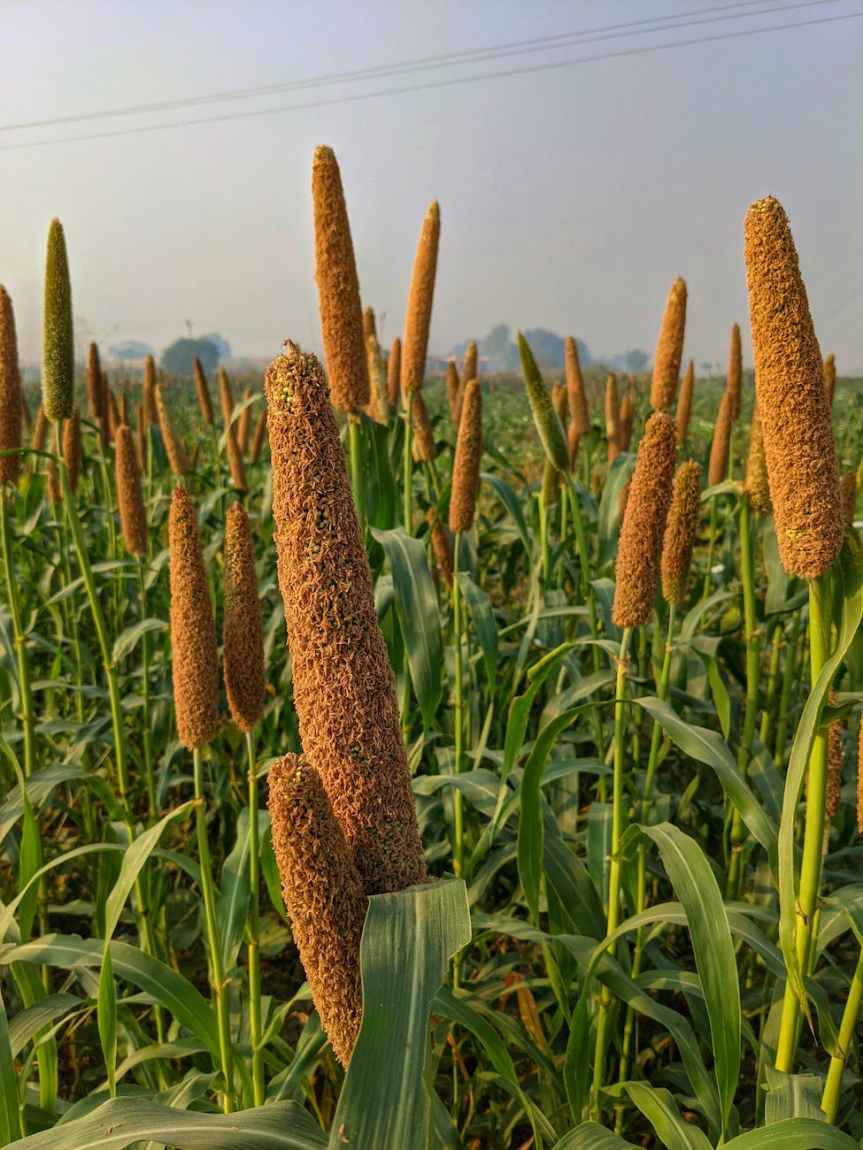
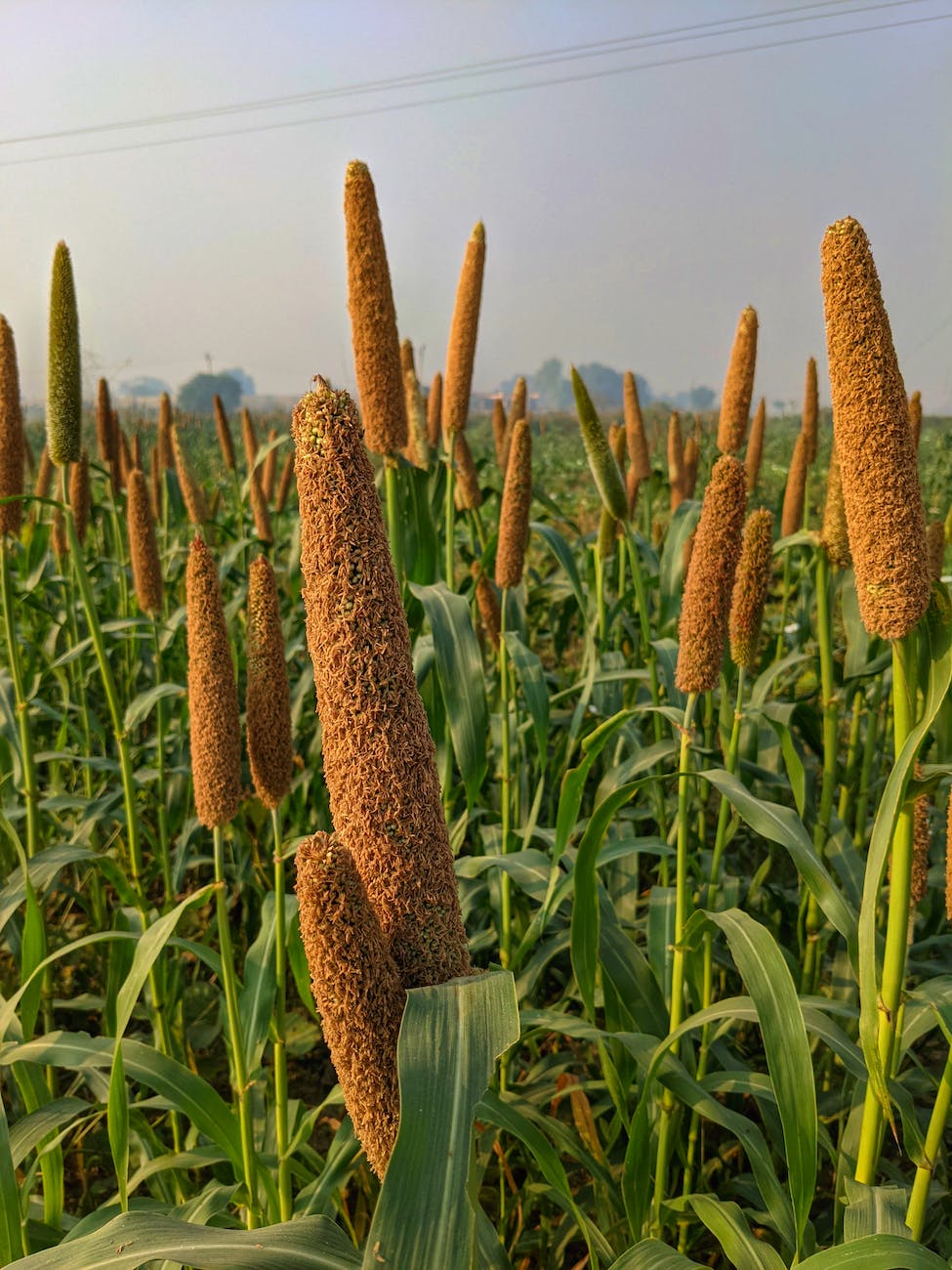
Millets are one of the oldest food known to mankind.These are group of highly variable small-seeded grasses, widely grown around the world as cereal crops or grains for fodder and human food.
Typesofmillet: Sorghum (jowar), Pearl millet (bajra), Foxtail millet (kangni), Finger millet (ragi), Barnyard millet, Kodo millet, Little Millet, Proso Millet are amongst the healthiest millet grains available.
Nutritionalvalue: They are good sources of proteins, carbohydrates, dietary fibre and essential amino acids.
Millets have 65% carbohydrates, 9% proteins, 3% fat, and 2-7% crude fibre.
They are rich in various vitamins such as vitamin A, C and B-complex vitamins and minerals such as magnesium, manganese, phosphorus and also iron.
Major producers include Rajasthan, Andhra Pradesh, Telangana, Karnataka, Tamil Nadu, Maharashtra, Gujarat and Haryana.
Significance: Release of 13 High Yielding varieties including 4 bio-fortified varieties of millets. declaring 2023 as International Year of Millets (IYOM).
This proposal of India was supported by 72 countries and United Nation’s General Assembly (UNGA) declared 2023 as International Year of Millets on 5th March,2021.
Millets are climate resilient crop as they can be grown in rainfed area and are resistant to climatic stress, pest and disease as well. So it plays major role in sustainable agriculture.
People possess a perception of millet being poor man food but owing to it’s nutritional value it is rich in dietary fibres, amino acid, calcium, zinc, folate and various nutrients. It can even be easily consumed by diabetic people as it possess low glycemic index. Nowadays, being consumed by many more people it helps to provide food security.
They even provide economic security to farmers growing millet in dry, low fertile, rainfed area as it requires less investment and involves less cost of cultivation.
Initiatives are taken by government to promote millet production by farmers as they promote sustainable agriculture as well as generate employment opportunities by promoting value addition of millets.
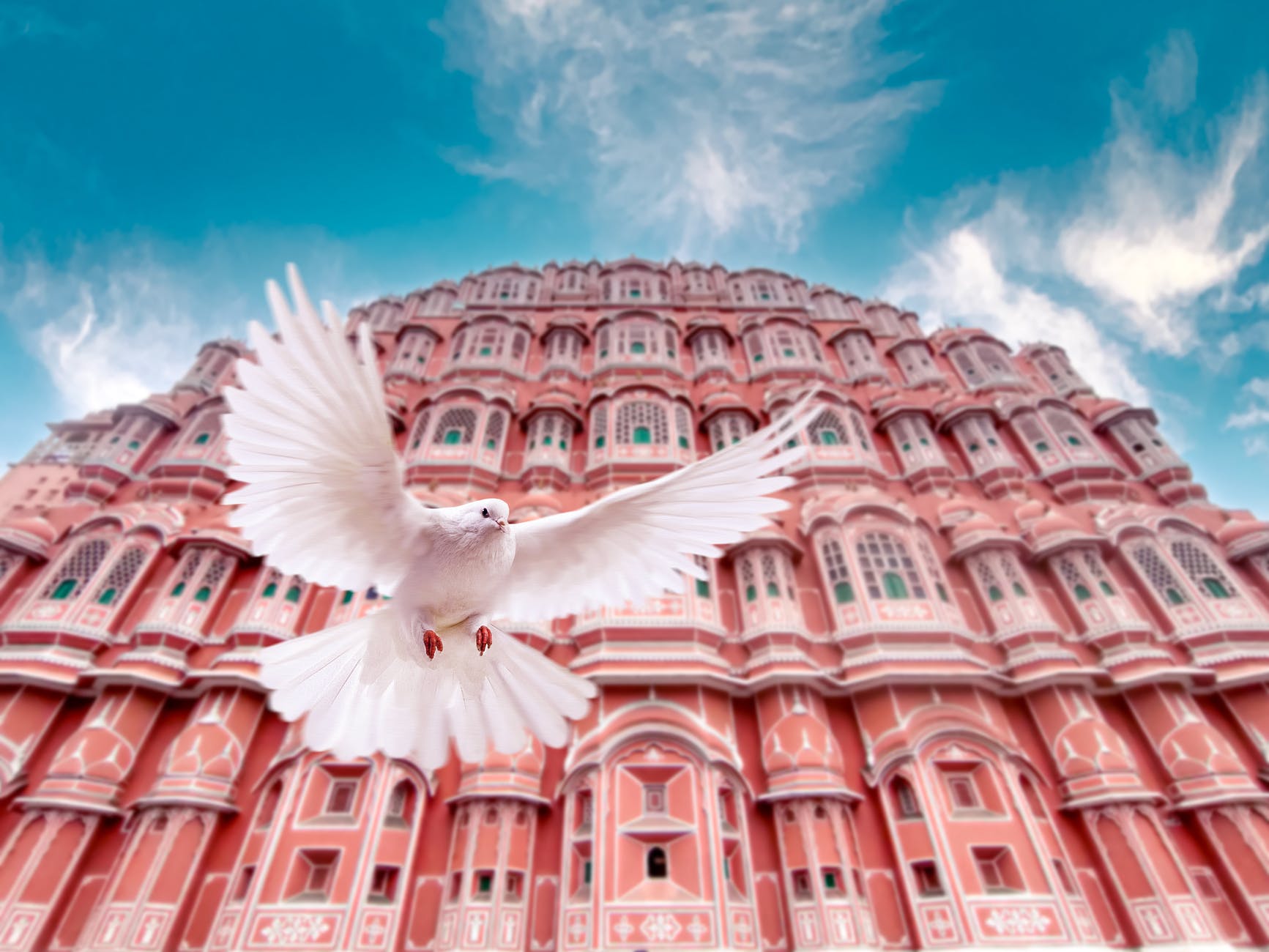
The capital of Rajasthan, the largest state in the country, Jaipur is all about its glorious history. It is also widely known as the Pink City. The name is derived from the fact that the erstwhile area of Jaipur which is now the area around the HawaMahal, was built of pink sandstone. The narrow streets, the colourful clothing, the lovely aromas bursting forth from the food, the vast number of palaces speak volumes of the deep rooted culture of the city. Maharaja Sawai Jai Singh II invoked the artisans from all over the world and facilitated them with all the things they required, to help in creating the exotic city of beautiful architecture as Jaipur. Today, Jaipur is a hub for rich wedding destinations. Royal weddings are organized here. Exquisite destinations are specially designed for marriages, and offer an experience of one of its kind. Jaipur’s forts, monuments, and museums can be read about further.
Some of the best monuments and sites to visit in pink city are.
Amber/Amer Fort. At a distance of 13 km from Jaipur Junction Railway Station, Amer Fort or Amber Fort is located in Amer near Jaipur. It is one of the best-preserved forts in Rajasthan, The architecture of Amer Fort is influenced by both Hindu and Muslim styles. Among the famous tourist places in Jaipur, Amer Fort was built using red sandstone and overlooks Maota Lake which is the main water source to the Palace.
City Palace. City Palace, Jaipur was constructed between 1729-1732, in Jaipur as it paints the picture of heritage and rich culture. Sawai Jai Singh II has started the work of this palace, exclusively the exterior architecture of the building. Moving from Amber, he has moved to the Jaipur city because of the increase in water shortage problem which resulted in an inadequate supply of water to people.
Nahargarh Fort. Nahargarh is one of three forts in the vicinity of the “Pink City” of Jaipur. Despite its prominence, the fort remained sadly neglected until recent years, resulting in visitors frequently overlooking it in favor of iconic and well-preserved Amber Fort on the opposite end of the ridge. Extensive restoration works and some exciting new attractions have revitalized the fort though, making it one of the top tourist places in Jaipur.
Jai Garh Fort. Situated on one of the mountains of the Aravalli Range, Jaigarh Fort is a landmark structure in Jaipur. The strategically designed Jaigarh Fort was fundamentally built to protect the Amer Fort from any attack. Jaigarh Fort is popular for numerous reasons and the two most prominent are its mesmerizing architecture, which is a fusion of Rajputana and Mughal style, and for being the hub of artillery during the Mughal era.
Jantar Mantar. Jantar Mantar is one of the finest monuments and striking creations by astronomers and architectures. It is a compilation of architectural astronomical devices which provided accurate astronomical results. It has even struck the modern approach of science. Jantar Mantar is the most well-known observatories amongst all the buildings formed during the sovereignty of Maharaja Sawai Jai Singh II.
Hawa Mahal. Hawa Mahal was built by Maharaja Sawai Pratap Singh in 1799 and was designed by architect Lal Chand Usta as a ‘Rajmukut’. The Hawa Mahal was built specifically for Rajput members, and especially for women, so that the royal ladies could watch the daily drama dance in the street below, as well as have a beautiful view of the city from the window.
Central Museum Central museum is also known as ‘Albert museum’ or ‘Government Central Museum’. This is the oldest museum of the city and was constructed in 1876 beneath the command of Lt. Swinton Jacob. Initially the building was a town hall. But on the order of Maharaja Madho Singh it was transformed into an art museum.








 Eduindex
You must be logged in to post a comment.