Analysing Satyajit Ray: Through The Eyes of The Master

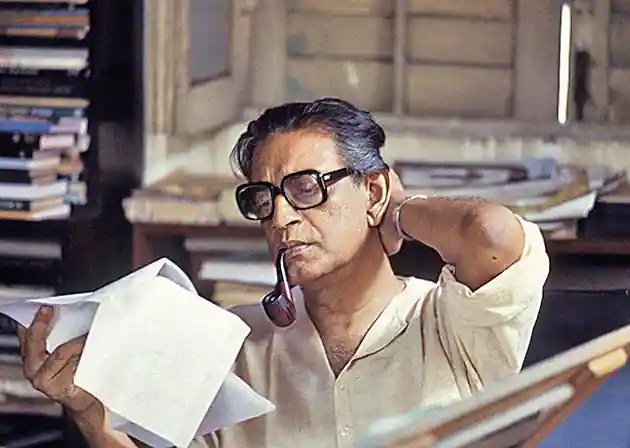
Satyajit Ray

Introduction

Satyajit Ray was India’s first internationally recognized film-maker and, several years after his death, still remains the most well-known Indian director on the world stage. Ray has written that he became captivated by the cinema as a young college student, and he was self-taught, his film education consisting largely of repeated viewings of film classics by de Sica, Fellini, John Ford, Orson Welles, and other eminent directors.
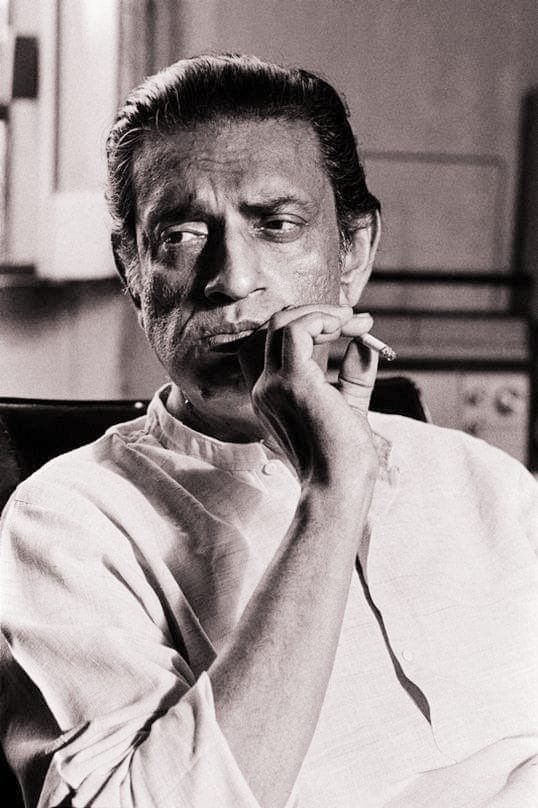
Satyajit Ray

Early Life and Family Background

Satyajit Ray was born into an illustrious family in Kolkata (then Calcutta) on 2nd May,1921. His grandfather, Upendra Kishore Ray-Chaudhary, was a publisher, illustrator, musician, the creator of children’s literature in Bengali and a leader of the Brahmo Samaj, a religious and social movement in nineteenth century Bengal. His father, Sukumar Ray, was a noted satirist and India’s first writer of nonsensical rhymes, akin to the nonsense verse of Edward Lear. Having studied at Ballygunge Government High School, Calcutta and completed his BA in economics at Presidency College, Satyajit Ray went on to develop an interest in fine arts. Later in life, Satyajit Ray made a documentary of his father’s life. His film, Goopy Gyne Bagha Byne, was based on a story published by his grandfather in 1914, but even other films, such as Hirok Rajah Deshe, “The Kingdom of Diamonds”, clearly drew upon his interest in children’s poetry and nonsensical rhymes.
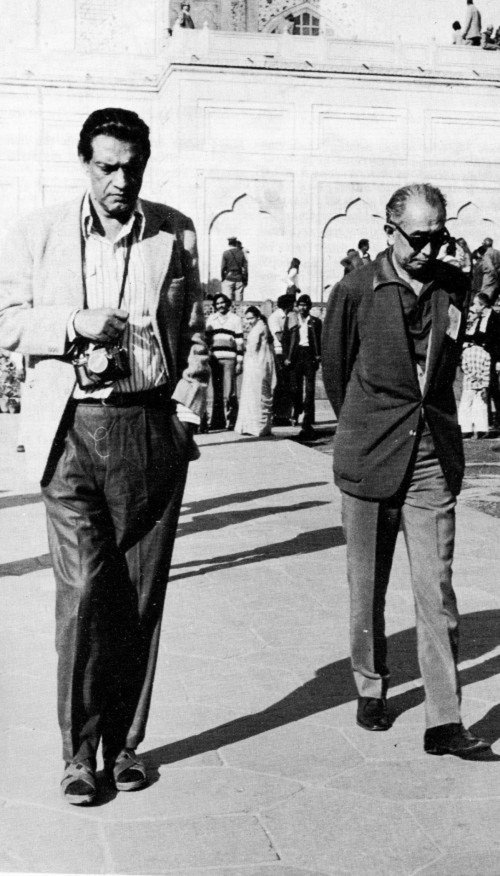
Satyajit Ray with Akira Kurosawa

The Crisis of Indian Cinema Before Ray

From the 1920s to the early 1950s, several directors working within Hollywood—as well as filmmakers in former Soviet Union, France, Italy, Germany, and Japan—considered cinema not as a mere tool of entertainment but as a medium for creative expression. Filmmakers such as Charlie Chaplin, Sergei Eisenstein, Jean Renoir, Roberto Rossellini, Vittorio De Sica, Akira Kurosawa, and others deployed artistically innovative filmic devices to convey profound statements about the complexities of life. Some of the aesthetically satisfying films produced during this period were hailed as cinematic masterpieces. Films in India, however, prioritised cliched elements such as sentimental slush, ersatz emotion, theatricality, romantic tales, spectacle-like songs, and happy endings in these decades. Instead of making serious attempts at formal experimentation, Indian directors continued catering to the lowest common denominator audience.
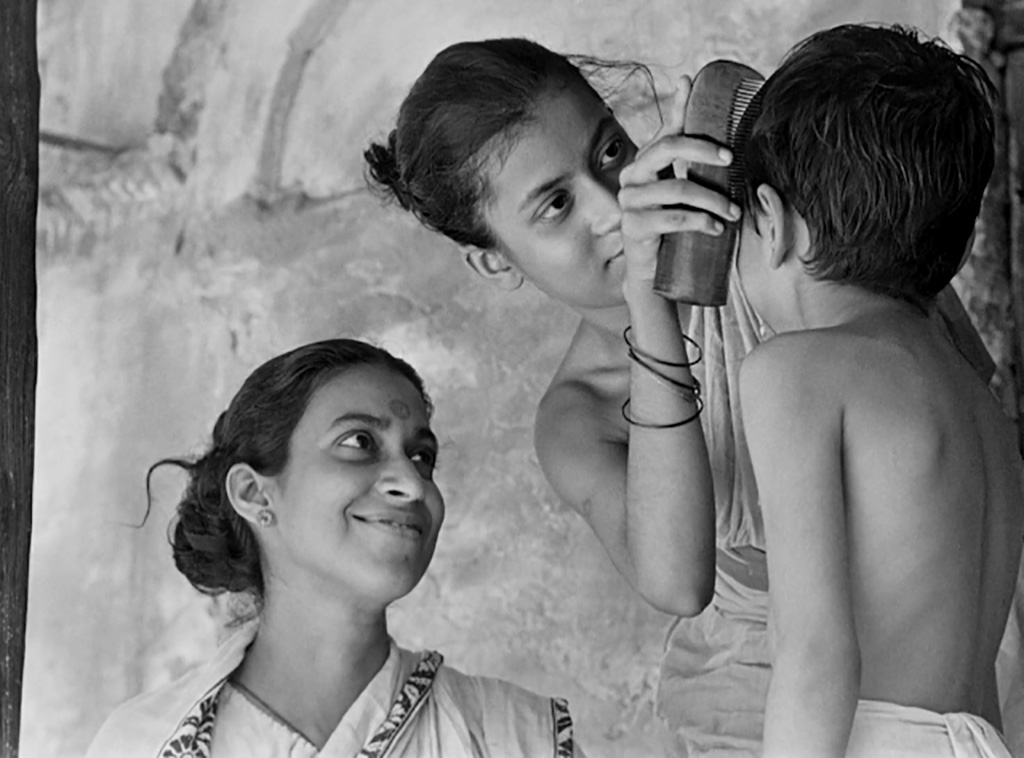
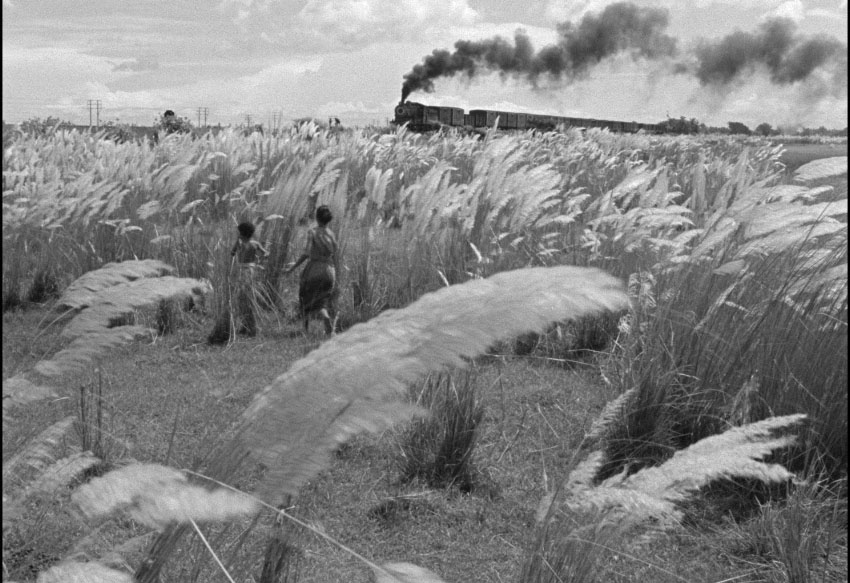
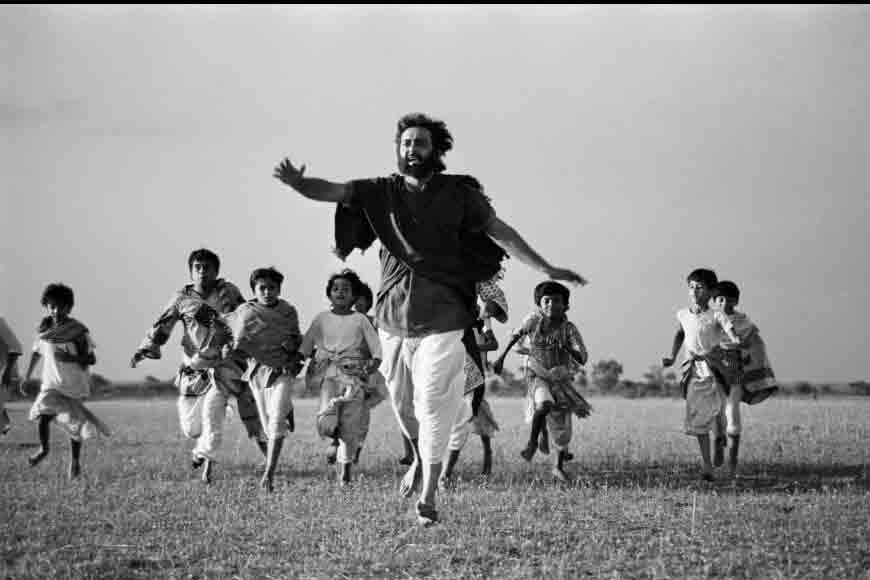
Iconic scene from Pather Panchali (1955)
Pather Panchali (1955)

Breakthrough of Satyajit Ray

A young Ray had grown up on Hollywood movies, so when his ad agency sent him to London for higher training, he spent more and more of his time in the company of films and started “losing interest in advertising in the process,” he once said in an interview. During this trip, he saw Vittorio De Sica’s “Ladri di biciclette” (Bicycle Thieves),in 1948, a neo-realist Italian masterpiece of post-War despair and was entranced by its beguiling simplicity and humanism. Back in Calcutta, he heard that Jean Renoir was in town and walked straight into the hotel where the great French filmmaker was staying to confide in his own dreams of making a movie someday. Renoir, who was location-scouting for The River in Calcutta at the time, encouraged the aspirant. And so began the journey of the song of the little road.
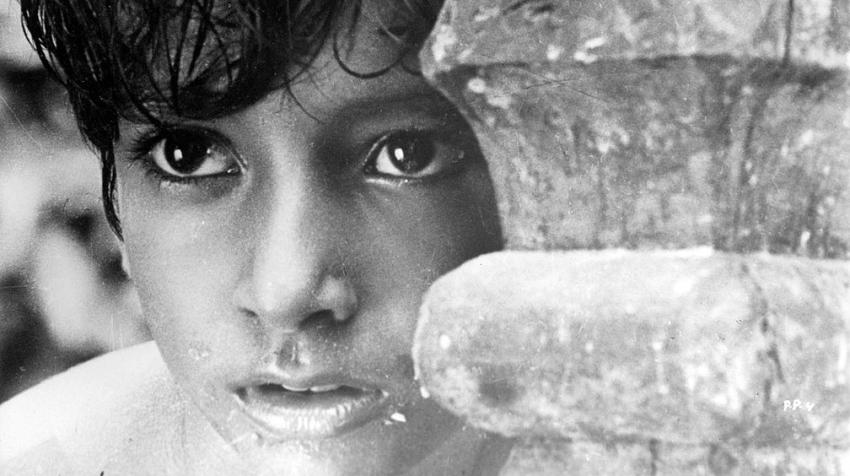
Subir Banerjee as Apu in Pather Panchali (1955)


Ray’s landmark debut, Pather Panchali ( which was adapted from  eponymous 1928 Bengali novel “Pather Panchali” by eminent Bengali novelist Bibhutibhusan Bandopadhay) was on a shoe-string budget in 1955 with a mostly non-professional cast. All the while, he clung on to his job for a safety net even as he shot what would become the first of the classic Apu Trilogy on weekends. The film was apparently being made by a group of neophytes, who had to stop filming more than once, owing to the depletion of their shoestring budget.
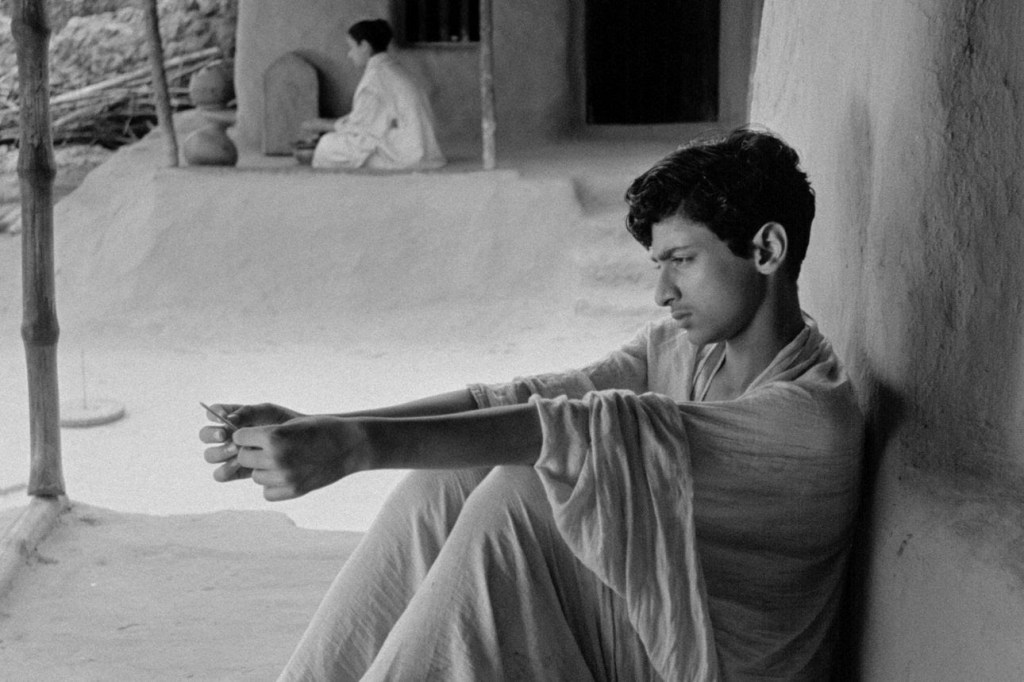
Smaran Ghoshal as Apu in Aporajito (1956)

Notable Films of Satyajit Ray

Ray directed 36 films, comprising 29 feature films, five documentaries, and two short films. Pather Panchali was completed in 1955 and turned out to be both a commercial and a tremendous critical success, first in Bengal and then in the West following a major award at the 1956 Cannes International Film Festival. sured Ray the financial backing he needed to make the other two films of the trilogy: Aparajito (1956; The Unvanquished) and Apur Sansar (1959; The World of Apu). Pather Panchali and its sequels tell the story of Apu, the poor son of a Brahman priest, as he grows from childhood to manhood in a setting that shifts from a small village to the city of Calcutta.
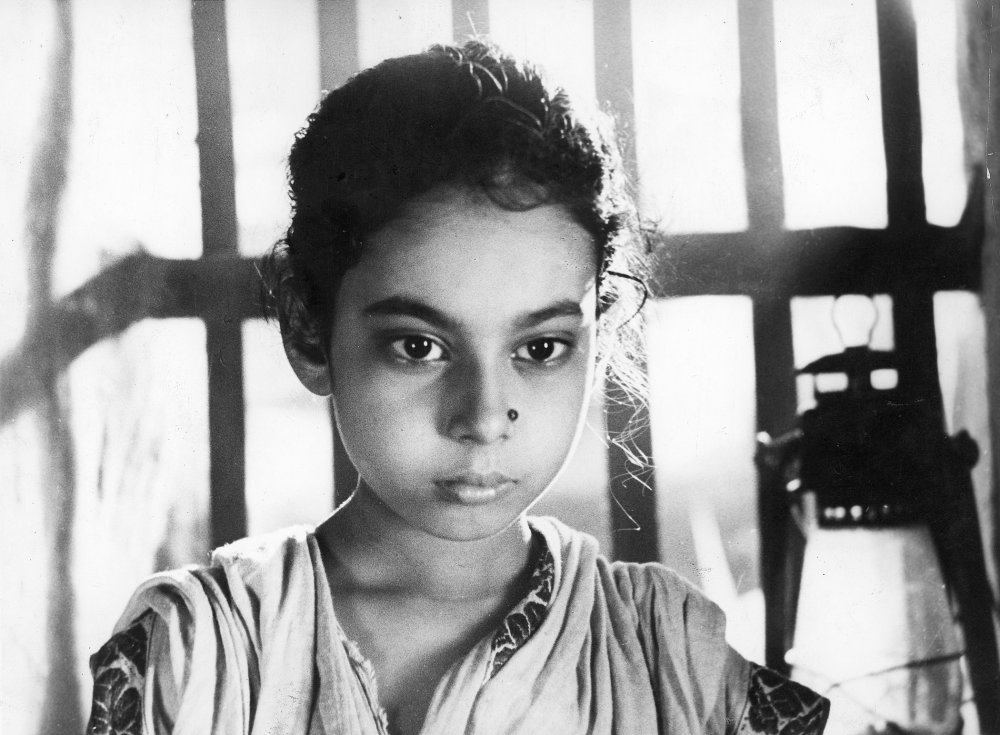
Chandana Banerjee in Teen Kanya (1961)
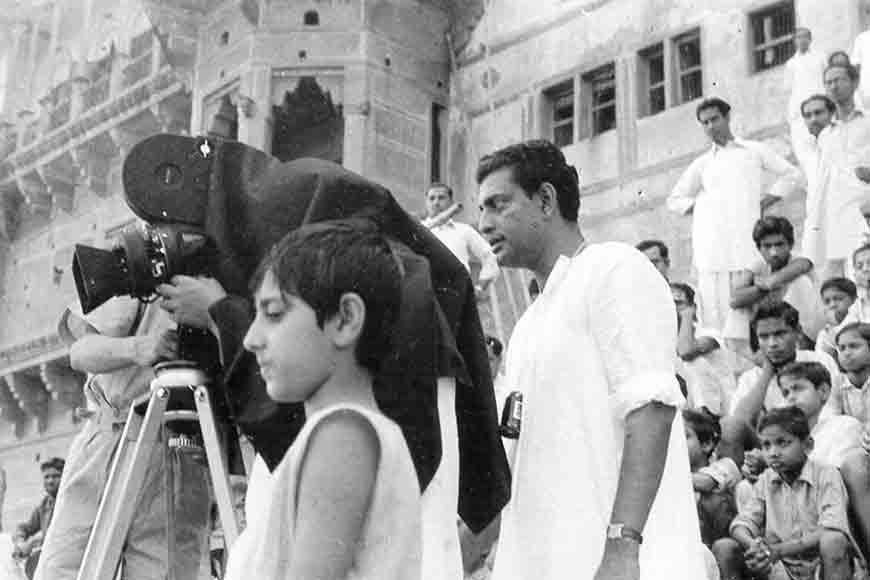
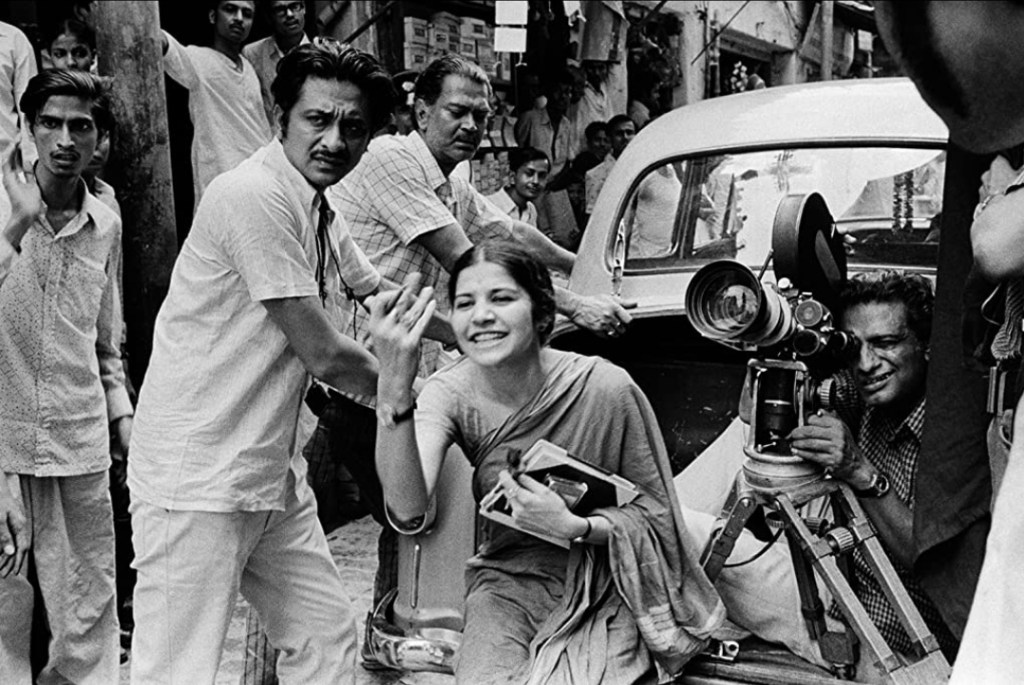
During the Shooting of Jana Aranya (1975)
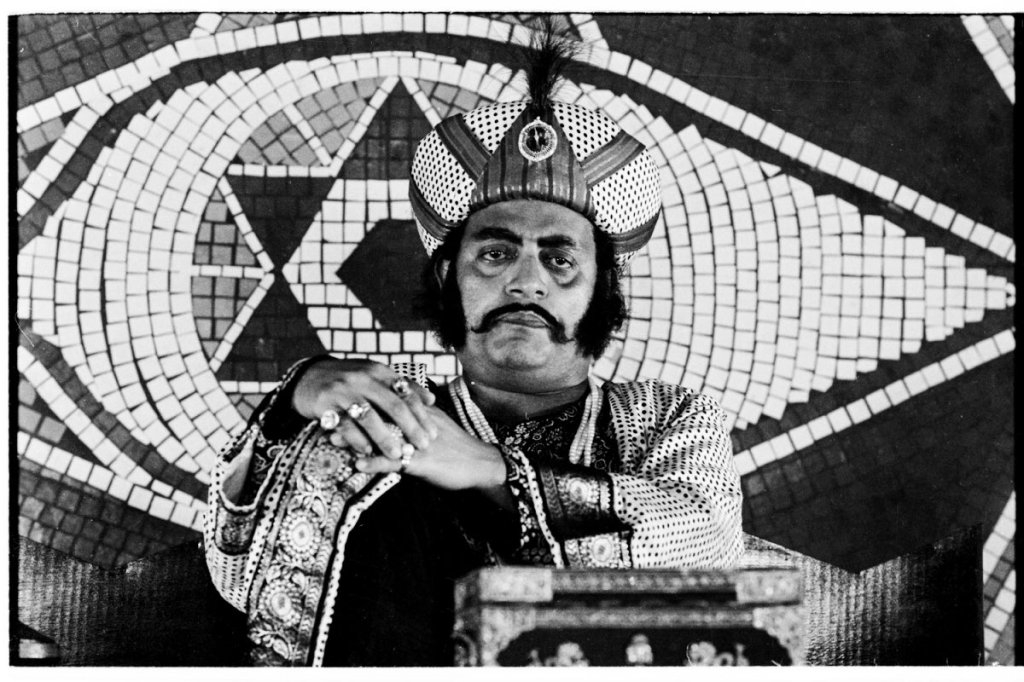
Utpal Dutta in Hirok Rajar Deshe(1980)
Soumitra Chatterjee in Hirok Rajar Deshe (1980)
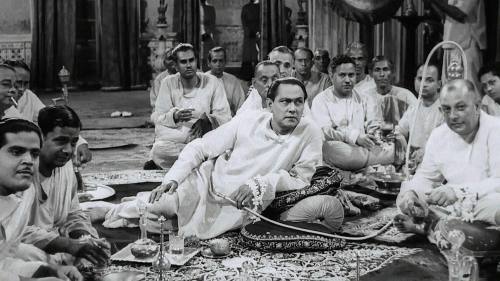
Chhabi Biswas (in middle) in Jalsaghar (1958)
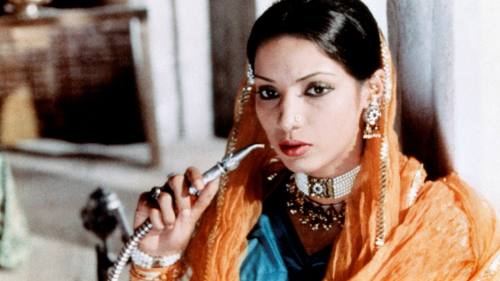
Shabana Azmi in Shatranj ke Khilari (1977)
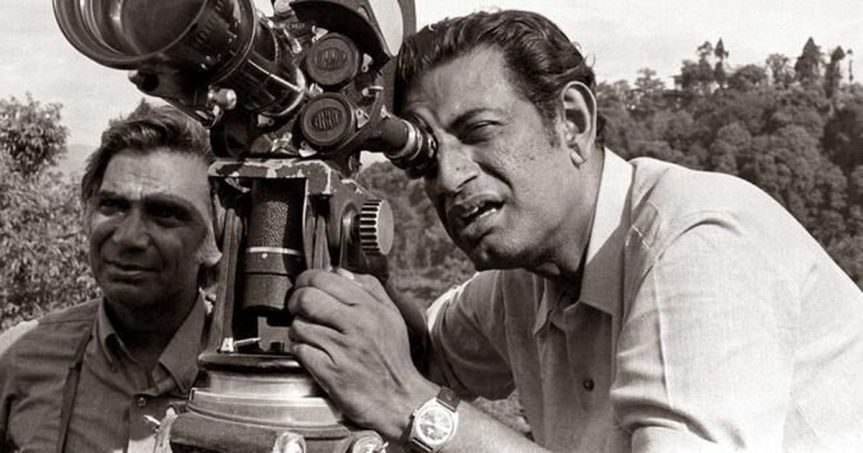
Satyajit Ray during the shooting of Sonar Kella(1974)

Ray’s major films about Hindu orthodoxy and feudal values (and their potential clash with modern Western-inspired reforms) include Jalsaghar (1958; The Music Room), an impassioned evocation of a man’s obsession  with music; Devi (1960; The Goddess), in which the obsession is with a girl’s divine incarnation; Sadgati (1981; Deliverance), a powerful indictment of caste; and Kanchenjungha (1962), Ray’s first original screenplay  and first colour film, a subtle exploration of arranged marriage among wealthy, westernized Bengalis. Shatranj ke Khilari (1977; The Chess Players), Ray’s first film made in the Hindi Language , with a comparatively large budget, is an even subtler probing of the impact of the West on India. Although humour is evident in almost all of Ray’s films, it is particularly marked in the comedy Parash Pathar (1957; The Philosopher’s Stone) and in the musical Goopy Gyne Bagha Byne (1969; The Adventures of Goopy and Bagha), based on a story by his grandfather. 

His other notable films were Ahsani Sanket (1973; Distant Thunder), Aranyer Din Ratri (1970; Days and Nights in the Forest) , Mahanagar (1963; The Big City) and a trilogy of films made in the 1970s—Pratidwandi (1970; The Adversary), Seemabaddha (1971; Company Limited), and Jana Aranya (1975; The Middleman), Ganashatru (1989; An Enemy of the People),  Shakha Prashakha (1990; Branches of the Tree), and the Agantuk (1991; The Stranger).
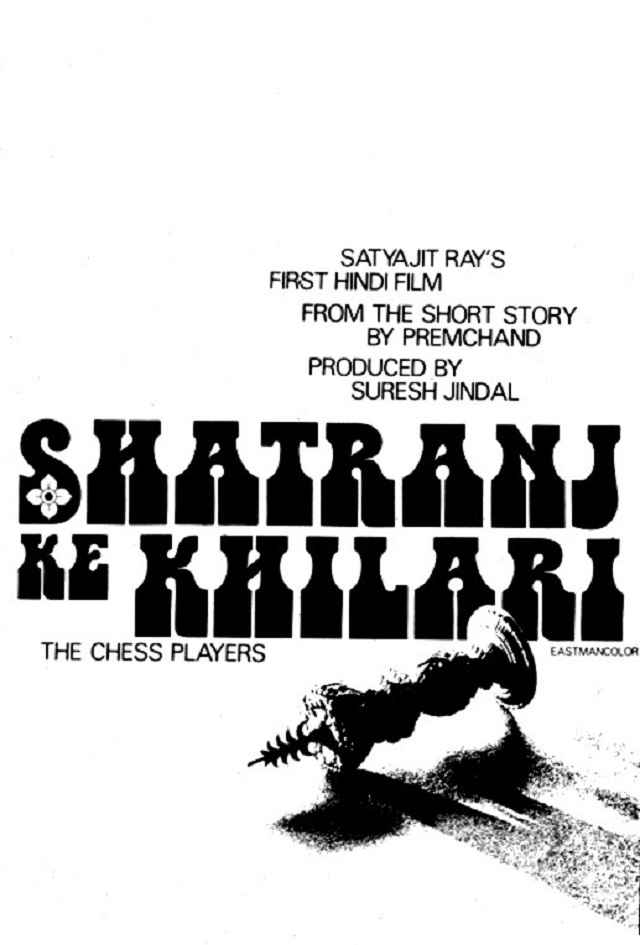
Poster of Shatranj ke Khilari (1977)
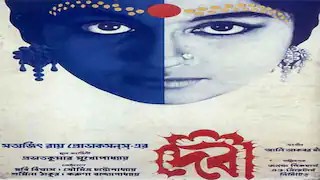
Poster of Devi(1960)
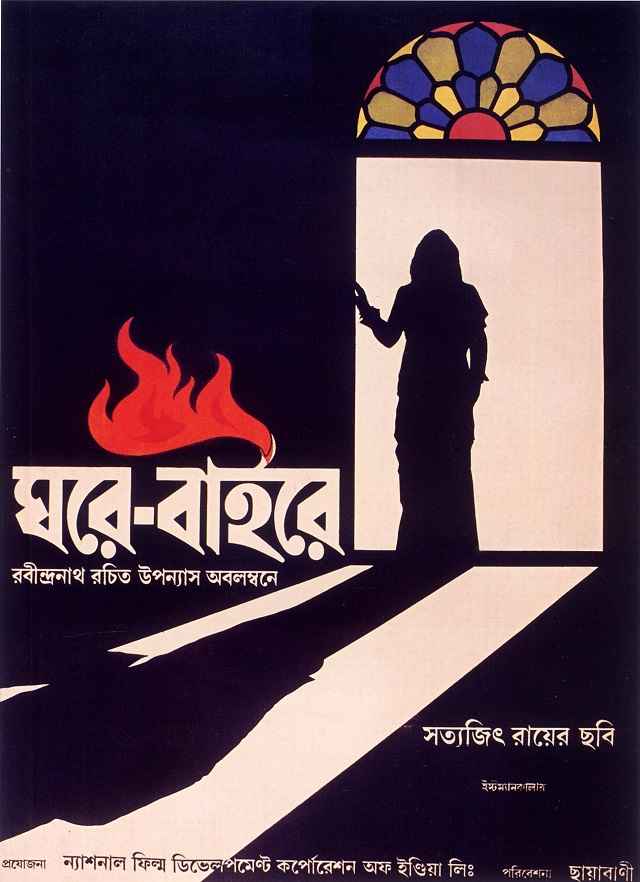
Poster of Ghore-Baire
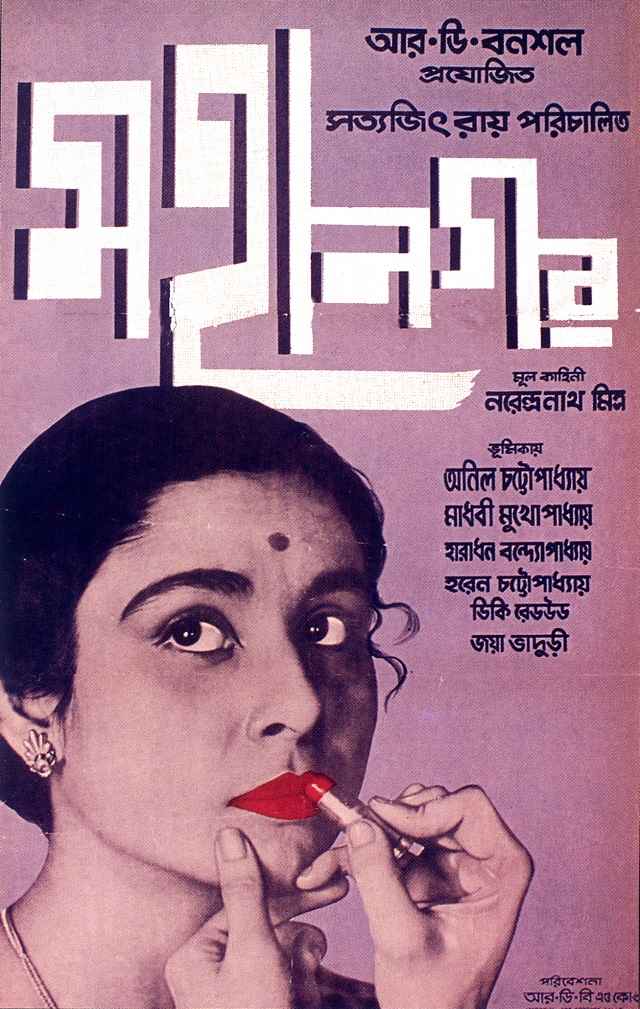
Poster of Mahanagar(1963)
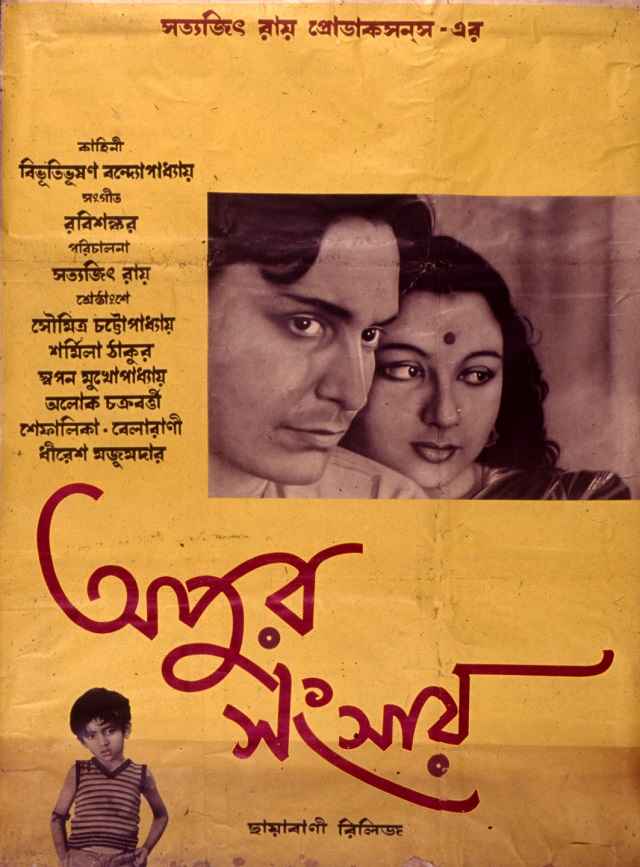
Poster of Apur Sansar (1959)
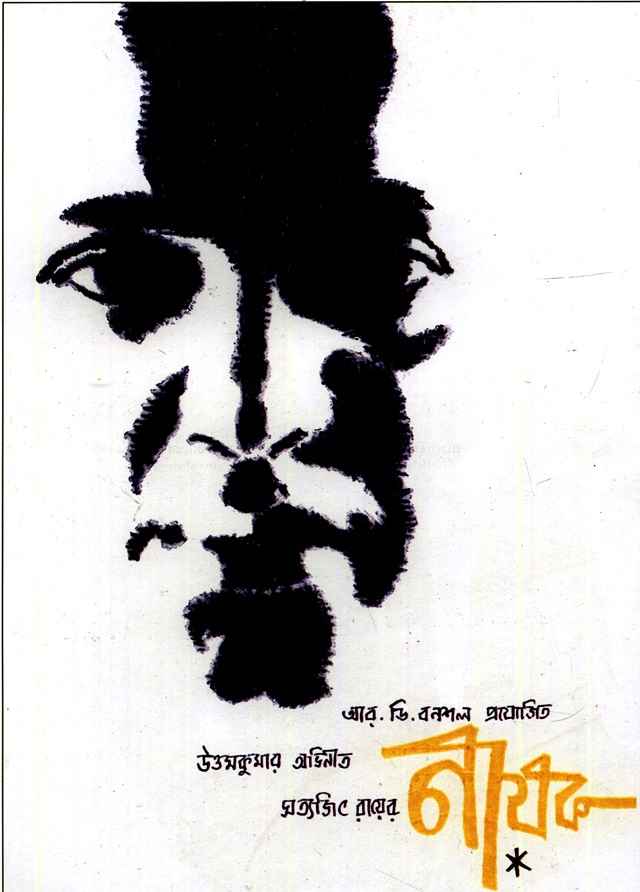
Poster of Nayak
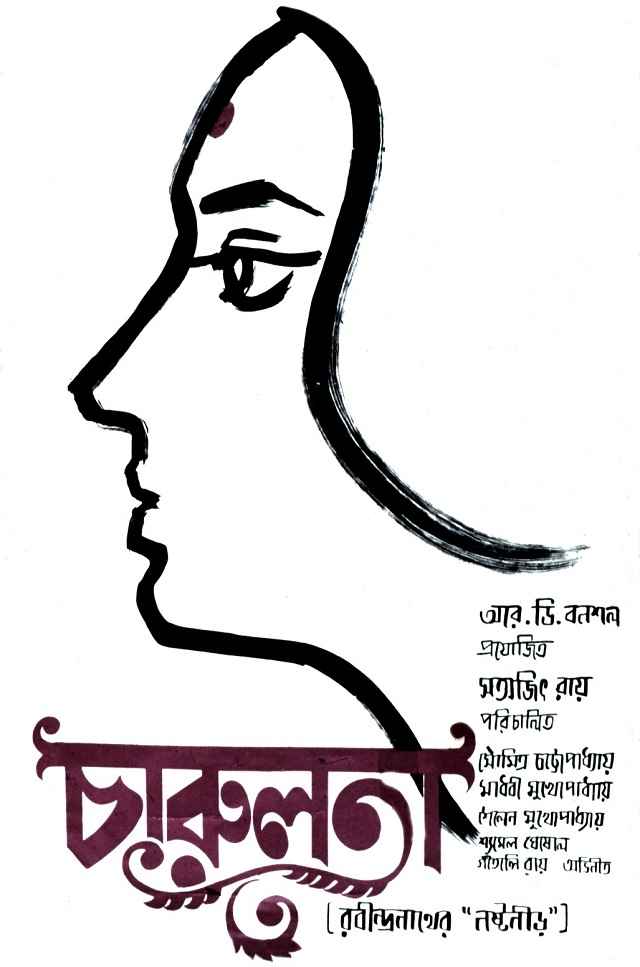
Poster of Charulata

Work As A Novelist

Ray created two popular fictional characters in Bengali children’s literature—Feluda, a sleuth, and Professor Shanku, a scientist. The Feluda stories are narrated by Topesh Ranjan Mitra aka Topse, his teenage cousin, something of a Watson  to Feluda’s Holmes. The science fictions of Shonku are presented as a diary discovered after the scientist had mysteriously disappeared. Ray also wrote a collection of nonsensical verses named Today Bandha Ghorar Dim, which includes a translation of Lewis Carroll’s “Jabberwocky”. He wrote a collection of humorous stories of Mulla Nasiruddin  in Bengali.  Ray wrote an autobiography about his childhood years, Jakhan Chhoto Chhilam (1982), translated to English as Childhood Days: A Memoir by his wife Bijoya Ray. In 1994, Ray published his memoir, My Year’s with Apu, about his experiences of making The Apu Trilogy.
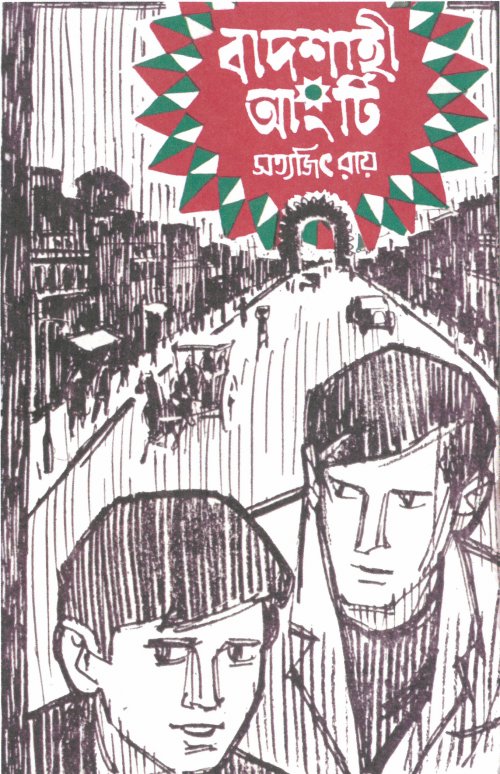
Book Cover illustrated by Satyajit Ray, himself for his first detective novel “Badshahi Angti”.
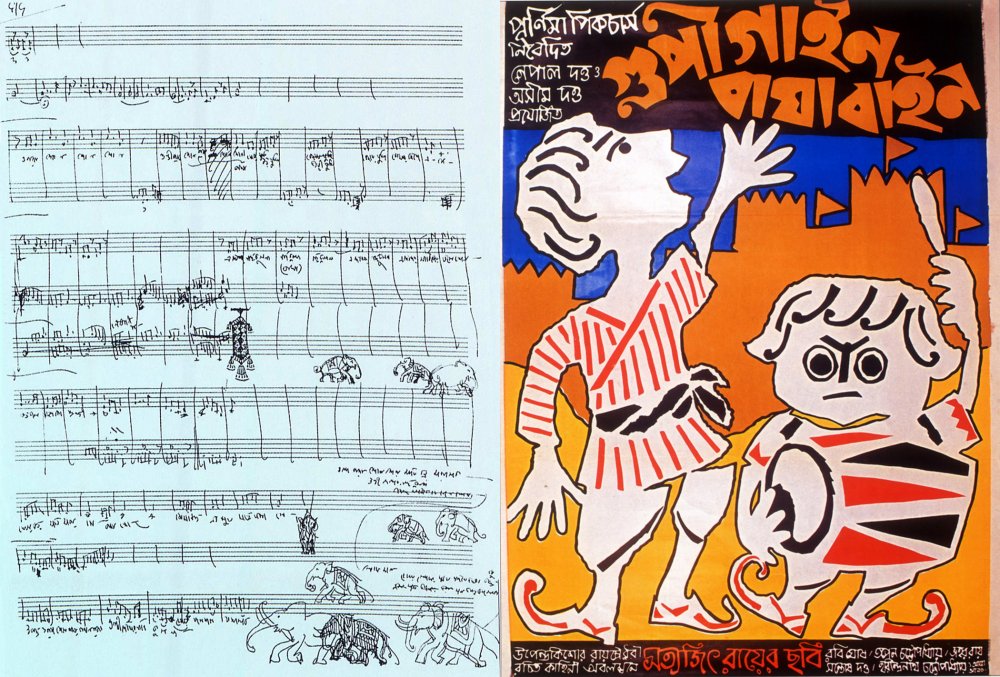
The musical score and Poster for Goopy Gyne Bagha Byne(1969), done by Satyajit Ray, himself
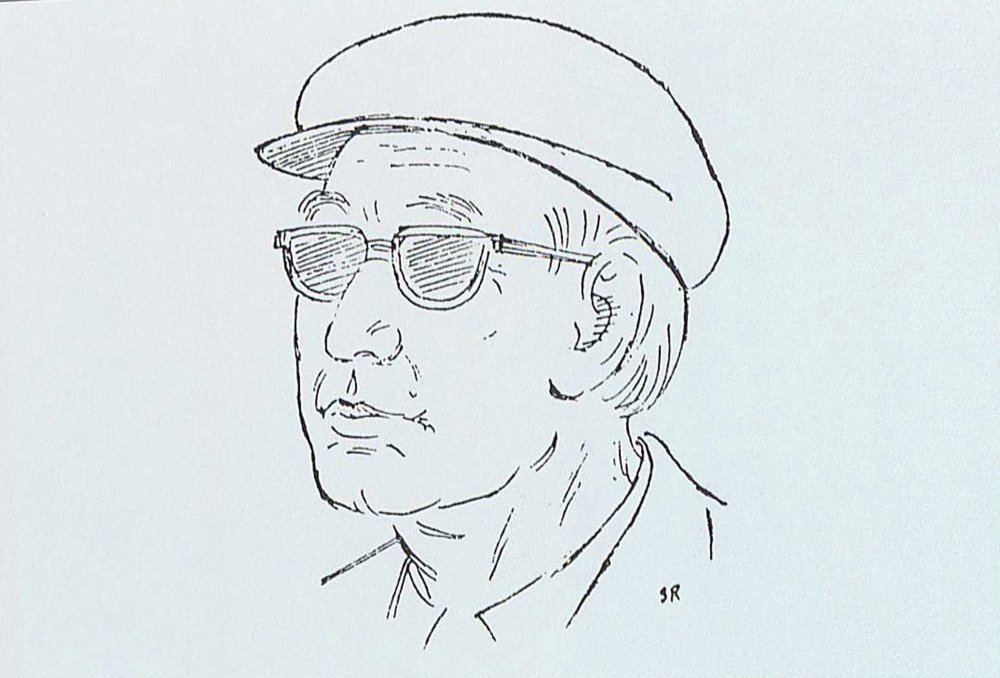
Portrait of Akira Kurosawa, illustrated by Satyajit Ray

Critical Analysis of Satyajit Ray

Instead of acting like a propagandist, Ray wanted to make people aware of the persistence of certain social problems. Devi and Ganasatru show people’s blind religious beliefsSakha Prasakhadiscloses the involvement of the top officials with bribery and corruption, Shatranj ke Khilari indicates the indolence and lack of political consciousness of the wealthy people, Aranyer Din Ratrireveals the insensitivity and boasting of the urban young men, and Mahapurush mockingly exposes the failure of the urban elite to embrace rational thoughts. Given the necessity of making people conscious of the same problems in present-day society, these films are still relevant today. Ray’s films also made a departure from tradition by frequently including strong women characters. Sarbajaya in Pather Panchali and Aparajito, Manisha in Kanchenjungha, Arati in Mahanagar, Charu in Charulata, Karuna in Kapurush, Aditi in Nayak, Aparna and Jaya in Aranyer Din Ratri, Sudarshana in Seemabadhdha, and Ananga in Asani Sanket appear as bolder, more confident, and more resilient than the male characters. In an interview, Ray states that the inclusion of unwavering women characters reflects his own attitudes towards and personal experience with women.

Awards Received by Satyajit Ray

Ray received many awards, including 36 National Film Award  by the Government of India, and awards at international film festival. In 11th Moscow International Film Festival 1979, he was awarded with the Honorable Prize for the contribution to cinema. At the Berlin International Film Festival, he was one of only four filmmakers to win the Silver Bear for Best Director  more than once and holds the record for the most Golden Bear  nominations, with seven. At the Venice Film Festival, where he had previously won a Golden Lion for Aparajito  (1956), he was awarded the Golden Lion Honorary Award in 1982. That same year, he received an honorary “Hommage à Satyajit Ray” award at the 1982 Cannes International Film Festival. Ray is the second film personality after Charlie Chaplin  to have been awarded an honorary doctorate  by Oxford University.

He was awarded the Dadasaheb Phalke Award  in 1985, and the Legion of Honour  by the President of France  in 1987. The Government of India awarded him the Padma Bhusan in 1965 and the highest civilian honour, Bharat Ratna, shortly before his death. The Academy of Motion Picture Arts and Sciences  awarded Ray an Honorary Award  in 1992 for Lifetime Achievement. In 1992, he was posthumously awarded the Akira Kurosawa Award for Lifetime Achievement in Directing at the San Francisco International Film Festival.

Conclusion

Whenever we talk about radical filmmaking in the realm of Bengali cinema, Satyajit Ray’s maiden feature (made in the face of tremendous odds) is mentioned. From Pather Panchali to his last film Agantuk, Ray never compromised on high standards, thereby making a huge impression. Having a greater familiarity with the oeuvre of Ray would enable people to understand the impressive qualities and importance of socially-meaningful cinema. We are surely in need of films that would make us perceive the beauty of a dewdrop on a blade of grass, strengthen our sense of humanism, and raise our social consciousness—hence, the everlasting relevance of the cinema of Satyajit Ray.


Khadi: The Sustainable Fashion of India

Khadi, India‘s own versatile clothing material for ages

Introduction

Khadi, also known as Khaddar ,which started as a symbol of the Swadeshi Movement led by Mahatma Gandhi 100 years ago, is now a fashion statement in India and is gradually getting popular across the globe. Not only as an affordable and comfortable fabric for daily-wears, but also Khadi is now being considered as a Style Statement for its sustainability and eco-friendliness.

Khadi production

Nature of The Khadi Material

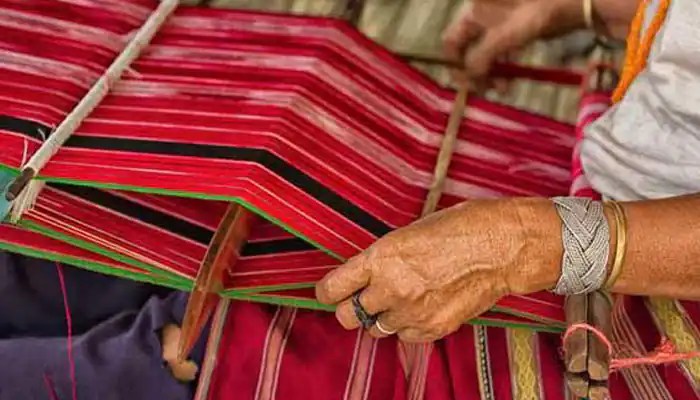
Khadi is a textile fabric made by hand-spun and hand-woven cotton, silk, wool or a mixture of these fibres. It is a traditional way of textile manufacturing and is generally produced by rural artisans. The method of manual spinning and weaving makes the fabric structure somewhat rugged and imparts a unique appearance and makes it soft and comfortable to wear. The spinning is carried out on a traditional wooden frame called charkha, while the weaving is done on a handloom. The specific fabric construction helps in circulation of air within the threads and imparts unique property of keeping the wearer warm in winter as well as cool in summer.

Weaving of Khadi

History of Khadi : Role in India’s Freedom Movement

India has an ancient heritage of cloth making based on the availability of natural fibrous raw material such as -agricultural cotton owing to the clement climatic conditions and fertile land, varieties of silk from different sericulture and wool from domestically reared sheep. The textile coloration was carried out using abundantly available natural dyes, derived from various plant and animal extracts. Such flourishing textile base was one of the major attractions for the Western world. After mechanised industrialisation, the situation changed and the basic raw material was exported from India, converted into mill-processed finished cloth and the imported fabric was brought back. This led to the demolition of traditional textile manufacturing in India and eventually the art and craft of fabric making diminished.

During the initial phase of the freedom movement, national leaders like Dadabhai Naoroji and Lokmanya Tilak initiated the Swadeshi Movement to promote Indian-made products. However, it was Mahatma Gandhi who in 1918 brought the focus of India’s freedom struggle to khadi by promoting that as a Swadeshi symbol.

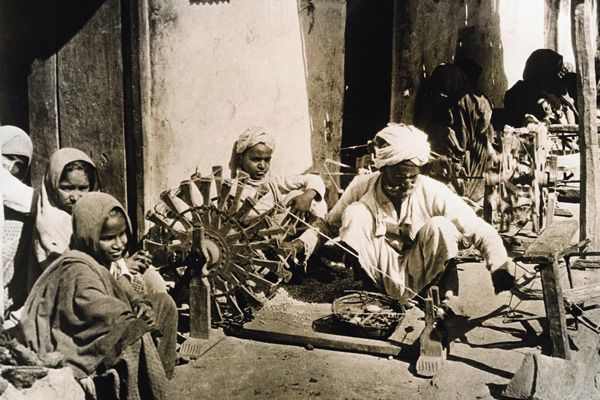
Under the leadership of Mahatma Gandhi, khadi-making regained momentum and became a symbol of revolution and resistance. It also provided employment to the vast rural population of India and achieved distinct identity as a common man’s cloth. As everybody could wear the same form of clothing without any distinctions of class, creed or religion, they could demonstrate solidarity in freedom struggle. Wearing khadi became a matter of national pride and united the population of India by surpassing the divisive system of the region, language, religion, caste, age and gender. It reflected our country’s legacy of sustainable living and self-reliance. The Indian national flag is also made from khadi material.

Khadi making with Charkha, during India‘s Freedom Movement

Government Initiatives After India’s Independence

The Khadi and Village Industries Commission (KVIC) is the Indian government body that promotes khadi, whose production and sale comes under the small scale industry sector. KVIC was created by a parliament act after which many KVIC outlets were opened across the country. These shops sell khadi fabrics and apparel. Every year between October to January, all Khadi Gramodyog Bhavans offer discounts on their products. KVIC also organises exhibitions and trade fairs in the country and abroad to promote khadi.

An estimated 15 lakh people are now engaged in producing over 12 crore metres of khadi. KVIC is taking further steps to enhance its production as the market demand for such products is much more than the supply. A new programme is expected to establish the ‘Khadi Mark’ and a logo to indicate the genuineness of the product. The financial support provided and the political will exerted by the present government and the special emphasis from Prime Minister Narendra Modi has helped boost employment in the manufacturing and promotion of khadi products. Leading film artists, sports personalities and fashion designers have come forward to promote this unique ‘Made in India’ fabric in the global arena.

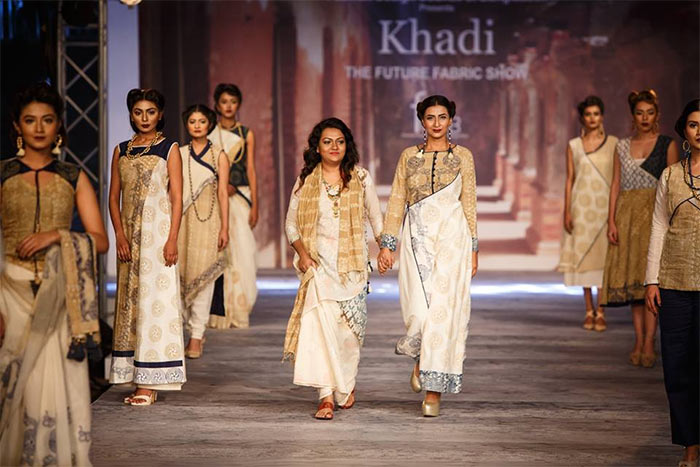
Khadi used in sustainable fashion

Contribution of Khadi in World Fashion

Considering khadi‘s eco-friendly and natural origin, it has become a focal point of global fashion owing to growing consumer awareness and the consistent demand for sustainability. Fashion designers have acknowledged the aesthetic appeal and comfort attributes of khadi and experimented it in blending with many other stuff to synergistically enhance the fashion appeal and outlook of products. Khadi is now used in denims, jackets, shirts, dress material, stoles, home furnishings and apparel accessories like handbags. Khadi, once considered as the fabric for political leaders and the rural folk, has entered the wardrobe of the fashion-conscious urban population. Wearing khadi now symbolises affluence as it offers a distinguished look. The ecological aspect and ethnic looks of khadi have caught the fancy of global brands and leading fashion designers have started including khadi material in their collections.

Global acceptance of the Khadi in fashion

Conclusion

Incorporating Khadi in our daily life may also pave the way for a simple spiritual living exuded by our clothing and home décor items. Khadi being such a versatile fabric can be easily incorporated, by changing the warp and weft, in a home decor and clothing lines. This will make us come closer to nature and add a touch of earthiness in our lifestyle.

Queer Representation in 21st Century Hindi Cinema

Cinema is not only a means of entertainment, but it is a form of art, like any other. Cinema has the ability to showcase the experience of witnessing human emotions on the screen, contrary to reading a book. It provides a better mode of expression as it is an amalgamation of sound, images, dialogues, music, people and their emotions.

The world of cinema has always been an important medium of communication among the masses. It is also a means of expressing new ideas and thoughts in an impactful manner. Cinema helps the makers and the viewers to express agreement, dissent and concern regarding social issues and norms. And one such topic of discussion can be the representation of queers in the realm of Indian cinema, mainly Hindi cinema.

Queer Stereotyping

Needless to say there has always been stereotyping of homosexual characters in Hindi movies, at least in the early 2000s. The representation of homosexuals has only been in a very light matter, usually in the form of mockery. A gay man would be typically casted as the comical sidekick who would not really have much to offer to the movie’s plot.

The misguided portrayal of the LGBTQ+ community was also limited to casting only gay characters. Hindi movies such as Dostana (2008), Straight (2008), Mastizaade (2016) deals with queer representation, mainly gay portrayal as comic prop to generate laughter among the masses, at the stake of jeopardising queer identities.

Sincere Queer representation

With the passage of time and the growing awareness among the masses it can be noticed that there has been few attempts at a non-comical queer presentation in Hindi cinema. Before mainstream commercial cinema began their queer representation journey, Hindi art cinema portrayed queer characters with much conviction and depth.

Movies like My brother…Nikhil (2005), Margarita with a Straw (2015),  Aligarh (2016) and a few more, have dealt with queer representation with utmost sincerity and sensitivity. And not just limiting their portrayal of queer characters to gay men only.

It can also be noticed that there has been a shift in queer representation from art to commercial cinema as well. With the growing awareness on LGBTQ+, commercial movies began highlighting queer representation as central characters. Such portrayal further helped in queer sensitization and acceptance by the mass public.

Movies such as, Ek Ladki toh Dekha toh Aisa Laga (2019), Subh Mangal Zyada Saavdhan (2020), Chandigarh kare Aashiqi (2021), Badhaai Do (2022) to name a few, has helped the masses through infotainment to understand the daily struggles a queer person has to endure.

OTT and Queer representation

The OTT platform has further broadened the reach to the audience on a day to day basis. Especially in the times of a pandemic when multiplexes were shut, OTT bridged the gap and filled the void. Over the few years the OTT platform has grow immense in term of providing quality content with reference to true representation of the community.

Web projects such as Made in Heaven, (2019), Dolly Kitty Aur Woh Chamakte Sitare (2019), Bombay Begums (2021), Ajeeb Daastaans (2021), explored the queer aspect with utmost maturity and sincerity.

                      The decriminalisation of Section 377 of the IPC in 2018 has further lead  to the opening up of new scope and liberty in displaying queer characters. This really widened the space for new convincing projects to establish and delivery themselves with the truest essence of realism. Hopefully in the coming times Hindi cinema portraits queers stories at a much more sensitive and engaging way.

Brief History of Hindi Cinema.

In the course of its long history, the Hindi Cinema has gone through constant evolutions and is still witnessing massive socio-cultural changes, however, from substantive and insular point of view; the Hindi Film Industry still retains its own unique and peculiar characteristics. Since the beginning, the Hindi Cinema has drawn its inspiration from the styles and aesthetics of the mega diverse Indian culture.

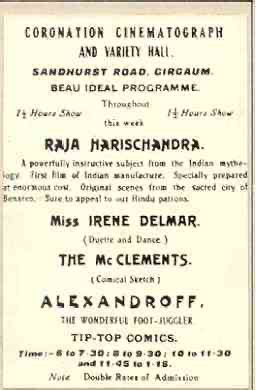
In general great emphasis has been put on classical Indian traditions over the years including Indian storytelling, epics, and poems and like. Although movies came to India in July 1896 as famous French Lumiere Brothers screened their short films in Watson Hotel, Mumbai, the first ever Indian film was ‘Raja Harishchandra’, a mythological film released in 1913 directed by Dada Saheb Phalke, who is often called as the father of Indian Cinema.

Film Poster of Raja Harishchandra, 1913.

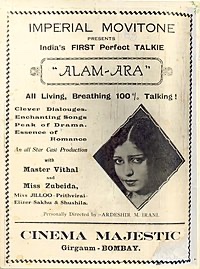
Raja Harishchandra being a silent film had Hindi, Marathi and English interfiles. In 1905, filmmaker Hiralal Sen documented “Swadeshi Movement of India” and screened it at Town Hall, Calcutta on 22nd of September which is considered as India’s first political film. H.S. Bhatavdekar’s first movie and the first film by an Indian Filmmaker was shot in 1899 in which he shot a Wrestling Match in Mumbai’s Hanging Gardens. By the 1930s, the industry was producing 200 films per year and it was in 1931, the industry had its first sound film named ‘Alam Ara’ by director Ardeshir Irani which had a mixture of both Hindi and Urdu.

Alam Ara, India’s first Sound Film. (1931)

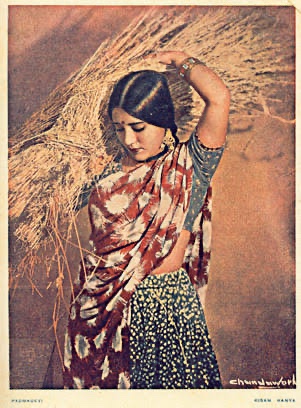
Since then the talkie films quickly were in high demand by the audience mostly in big cities and hence the industry permanently switched to sound films. The first ever Hindi color film was released in 1937 by Ardeshar Irani named “Kisan Kanya ”, however the colour films became popular among the audience only in late 1950s and early 1960s. The industry has also witnessed the breakdown of the studio system and complete on location shooting over the years. At present, Hindi Cinema produces over 1000 movies per year.

A still from Kisan Kanya (1937).

The Song and Dance Sequences

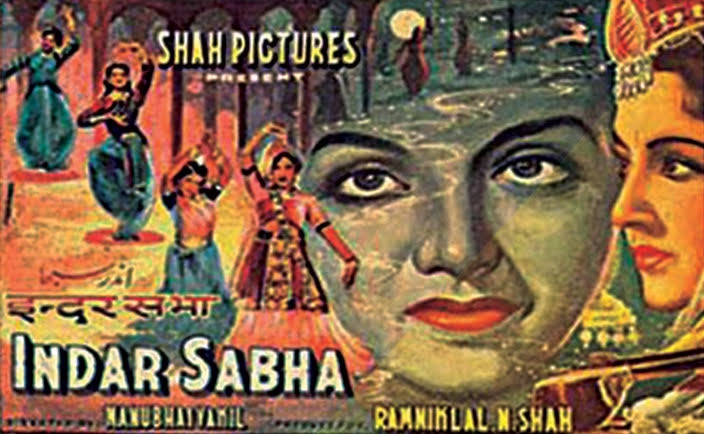
As mentioned earlier, the Hindi movies have always been a reflection of Indian culture and so hasn’t been any Hindi movie without a song till date. Two of the major characteristics of Hindi Cinema are songs and dance sequences. In fact, these two unique features are considered as the ‘peculiarities’ of Hindi Cinema which separates it from Hollywood or any other foreign film industry. In earlier times whenever there was a requirement of steamy scenes in movies, the protagonists, that is the hero and the heroine used to indulge into a song and dance sequel. The song and dance sequences pop up here and there according to necessary requirements and situations. The 1932 movie Indra Sabha was one of the first Indian movies with over 70 songs.

Film Poster of Indra Sabha (1932).

Truly, Hindi Cinema has entertained audiences worldwide for more than a century now. Informally and popularly known as Bollywood, Hindi Films will always have a special place in hearts of millions of Bollywood fans!

Has OTT platforms changed the dynamics of the Indian cinema

What is an OTT platform

OTT stands for over the top media , which offers media services to the viewers directly through the internet by passing the cables, broadcast, sattellite television platforms and the distributors or controllers of the entertainment content.

Cinema is basically the art or technique of making motion pictures of bringing the stories made by the creative minds to life with the help of the camera. it is immensely popular in India with over 1800 films releasing in many Indian languages per year with Mumbai, Chennai, Bangalore, Kolkata, Kochi, Bhubaneshwar-Cuttack and Guwahati being the main centers of the film production. Cinema in India not only serves a purpose of being a platform for showcasing art and providing entertainment to the masses but also it is an emotion. Whenever there has to be a celebration in the Indian households people do it by going to the theatres enjoying their time out relishing the feel of the reel stories with their favorite beverages in their hands. When we are happy or sad we watch movies, the choice of the films we watch represents our mood.

Indian Cinema over the years

Over the years, the cinema has transformed from giving classic deliveries over the daily situations of the lives, to the typical action packed romance films where a poor boy goes against all the odds to marry her rich girl or vice versa to the films depicting the importance of family to the films depicting social issues which are lesser known and require our immediate attention to the real life inspirations. Over the past half century and more there has been a rapid change in the dynamics of what film industry used to be and people’s perception about it.

We see ourselves in the character and derive joy from it and maybe learn things also from them . The vilian on the screen automatically was our definition of a bad guy. The iconic DDLJ’s “Tujhko dekha hai toh jana sanam “ song which was shot in the mustard feel continues to rein people’s heart over almost every generation even today 25 years after its release. This is what is about the movies, it takes us for a moment away from this hectic world.

The contribution of OTT platforms

With the covid-19 pandemic engulfing the world in its dreadness, everyone is locked in their homes with the theatres which since many decades have played home to hosting the movies on the big screen being closed. Though nothing comes close to the feeling of watching a story which sometimes consists of your dreams, unfold on the big screen, OTT platforms are what which came to our rescue in these times.

While the OTT platforms like Amazon Prime video, Netflix, zee5 are there since years now , but its the pandemic which had made people watch these. With the introduction of OTT came web series, a mid version of serials and movies. While a movie has to wrap up in 3 hours maximum and a tv serial goes on till infinity , web series are slightly longer than the 3 hour duration and are finite with the content i.e. there is no pressure to extend the content till infinity for the sake of TRPs. The content which includes these web series are the one which is too long to be caged within the 3 hours of the movie. And this has led to some serious changes in what Indian cinema is now.

Gone is the time of showcasing a damsel in distress who needs her Knight in shinning armor to save her, it is the time of equality and this is what the majority of content on OTT serves today. Not just the web series but the films which are releasing on these OTT platforms now showcase the need for change in today’s time. With people idolising the cinema and its actors, it is very helpful if those actors help drive an important message home.

Also, it has given an opportunity for the actors to showcase their skills and the ones who were once underrated are a household name now. Moreover, the OTT platforms are available at the lower rates with a subscription for an entire year in many Indian languages, it is just like the theatres shifting to the comfort of your homes with more valuable content . This helps people in watching end number of series and films over that platform in the amount of money that they would have spent on just one movie in the theatres. The reason for this cost reduction be the removal of distributors and many others who played an important role in the release of a film.

TALENT vs ROOTS

Over the past few months a lot has been said about Bollywood and, sadly, none of it has been positive. The film industry has been labelled corrupt, misogynistic, incestuous, corrosive and operating like the mafia.

Some may argue that trashing Bollywood is not new and has been going on since the first movies hit the screens, but the recent controversy is a low point for all of us and completely unwarranted.

 Bollywood no doubt in the last few years has taken itself to a totally different level. The craze for a Bollywood movie all across the globe is insane and as Indians we are really proud. The status bollywood industry has today is unparalleled, but there is a downside to it, something which has crippled it and grown its roots in the last 20 years and has been a hot topic of debate. This is the topic of nepotism.

It is indeed the bitter truth of Bollywood that the seeds of nepotism have now really grown into big trees.

The very famous movie Om Shanti om starring Shah Rukh Khan stated that the fact outsider Om Prakash was a struggling actor and had to die and take birth in the family of superstar to make it big says a lot about nepotism in bollywood.We cant deny the fact that there’s nepotism and favoritism existing in Bollywood.

Nepotism or not, star kids have always been a part of Bollywood. Some of those who made an entry riding on family names made a quick exit, while others like Alia, Ranbir Kapoor, Kareena Kapoor, Kajol, Hritik Roshan, have carved a niche for themselves without depending on their star parents.

The question is, should those using their lineage for a foothold in the industry stop pursuing acting as a career? Or should the ‘outsiders’ give up so easily, despite having oodles of talent?

It would be wrong to say and put all actors in the same plate and target them with bullets of nepotism and say that they don’t deserve their status as an actor. There are certain actors despite coming from privileged families of Bollywood  who have proved themselves worthy with their acting skills.

But yes they definitely had an upper hand over the people not coming from so called star families and they already got a kick start due to their connections.

credits- First Post

The debate of talent Vs privilege has been a contentious one

 If countless outsiders spend years slogging it out in small films, is it fair that star kids in their early twenties get to start their careers with lead roles in plum projects irrespective of their skills?The difference between star kids getting a movie as compared to an outsider is that they have to constantly struggle to prove themselves again and again to survive in this industry and these people literally have to thrive hard to be casted by good directors.

We cannot deny the fact that there are a lot of leading actor and actresses who doesn’t really have a Bollywood background but have still managed to make their way and have foot hold in this industry.

But the thing which has outraged a lot of people right now is why has privilege surpassed talent these days in b-town? Why actors who are really deserving doesn’t get those bright chances and on the contrary there is an entire PR machinery planning and executing  tricks and crores are been spent on an average star kid’s launch. Post launch, if the kid fails, there are the options of relaunch and re-relaunch. There are industry kids who are yet to score a single major hit even after over half a decade, but they still bag projects thanks to familial contacts, one such example is Arjun Kapoor. They always have something on their plate only because they belong to a privileged btown families.

The late Sridevi’s daughter Janhvi Kapoor and Shahid Kapoor’s half-brother Ishan Khatter in Dhadak, and Salman Khan’s brother-in-law Ayush Sharma in LoveYatri, were other blue-blood launches last year besides Sara. Although these films were forgettable, each debutant saw ample publicity boost.

last year Karan Johar, big daddy of B-Town nepotism, geared to introduce Chunky Pandey’s daughter Ananya in Student Of The Year 2 and is all set Sanjay Kapoor’s daughter Shanaya in an untitled project. Sunny Deol directs son Karan’s debut flick Pal Pal Dil Ke Paas. Sajid Nadiadwala shoulders responsibility of launching Suniel Shetty’s son Ahaan.

Be it when actor Kangana Ranaut called director-producer Karan Johar the ‘flag bearer of nepotism’ on his own show Koffee With Karan or the time when young Ananya Pandey ‘complained’ about it and debutant Siddhant Chaturvedi ‘silenced’ her, nepotism has and will always be one of the burning topics in the Hindi film industry. 

Being an outsider we really don’t know the reality going inside this industry but for sure this industry does have a dark side that directly or indirectly affects a lot of people who are struggling to be a part of this concept of pure art form and not a money making business scheme.

Future of Cinema Post Covid-19

The 1999 and 2008 crises were certainly high impact, but neither was as global as the 2020 correction that was felt in every nation due to the first simultaneous worldwide lockdown.

The ongoing COVID-19 crisis has led to large-scale anxieties about the future of the arts. Many livelihoods rely upon the performing and visual arts. It is just not the fraternity of artistes but their support staff, co-workers and an entire ecosystem that is sustained through their practice. We are the largest film-making nation in the world. The film industry offers jobs to several thousands.The lockdown will be eventually relaxed at some point as can be seen in different parts of the world but many are of the opinion that this pandemic will significantly impact our film-viewing behavior and other economic decisions around it. We might stay away from film theatres to avoid large gatherings. This could also indicate a shift towards viewing films on online platforms which have already made a dent during the lockdown.

Netflix, Amazon Prime, etc., have witnessed a record surge in subscriptions during the lockdown. This doesn’t mean that everybody has suddenly turned a film lover, but that these platforms offer a plethora of entertainment options for people locked inside their homes. The content and range of programmes on these portals is also far superior to what is available on regular television. There are films and TV series which are especially commissioned by and released exclusively on these platforms.

For over two months now, cinemas across India—around 10,000 single-screen ones and 3,000 multiplexes—have remained shut as most of the country is under lockdown to curtail the spread of coronavirus. This shutdown is estimated to have cost the Indian film industry over $130 million (Rs984 crore) in box office revenue. Meanwhile, even as the government has started a partial withdrawal of the lockdown, reopening cinema halls isn’t high on its agenda. And even if the government allows theatres to reopen, experts believe, not many people will take the risk of going to the movies.

Wooing audiences again

The “movie theatre experience”—complete with surround sound, visual effects, flavoured popcorns and colas, and even recliners in some cases—has thrived in India despite the touch competition from OTT segment in recent years. But this time, the fight is harder as cinema owners need to deal with consumers’ psyche, which is hard to change, experts said.

To begin with, there’s a need to create an environment that feels hygienic and safe. For instance, cinema hall operators must try to remove all human contact by making it mandatory for customers to book tickets online. “Cine-goers could be encouraged to book their snacks online to avoid crowds at food stands,” suggested Neeraj Roy, founder and CEO of Mumbai-based Hungama Digital Media.In line with cinemas in the US, which are opening up with “social distancing seating,” Indian theatres are bracing for less than half the occupancy. On May 20, the Multiplex Association of India put out a plan detailing measures they were willing to take, including deep cleaning of halls at regular intervals, use of body temperature detectors, making masks compulsory while watching movies, and grilling health check-ups of staff.

These steps will need higher spending by cinema hall owners, who will eventually need to charge customers more. This might become a major roadblock to attracting crowds as thousands of Indians are faced with pay cuts and job losses, which leaves less scope for discretionary spending and instills caution against reckless expenditure. Cinema owners have also been struggling to convince producers to stall releases instead of taking the OTT route. “We were hoping that the producers would accede to our request to hold back their film’s release till cinemas reopen,” said Kamal Gianchandani, CEO of one of India’s leading multiplex chains, PVR. “That said, this is not the first time films are being premiered on streaming platforms. Cinema exhibition has regularly faced competition from new emerging distribution platforms.”

Bypassing the censors

Also, you could bypass many of the problems of censor certification if you release films on these platforms. Amidst the ongoing pandemic, many film festivals are moving online. Britain’s most famous socialist filmmaker, Ken Loach, has made some of his best films available for free on YouTube. Other film streaming platforms are making foreign and documentary cinema available at a nominal fee for a limited time span. With increased awareness about films, will we go back to theatres and settle for the same content that mainstream cinema peddles after the lockdown?

However, there is also a grave danger. Access to these platforms is largely limited to an urban demography that can afford an Internet connection, along with the subscription fees which also determines the class character of its potential viewers. If this were to become the norm, it would exclude a large majority of the film-viewing population. That will be a denial of cinema to those who have been its utmost supporters.

Gender stereotypes present in Indian cinema

Gendet stereotypes are present in every society. There are certain roles, behaviour, profession and even dresses which are defined for a particular sex. And if we talk about our film industry, it is also not free from gender stereotypes, infact it is highly gender stereotyped.

If we see the plot of the films in 60-70% films, the main character is a male, or the plot is revolving around a male character. In movies woman are always shown physically weak and she always need a man to rescue her from danger.

In hindi films objectification of women is done .Her sexuality is always shown as a source of attraction mainly in item songs. In films ‘ideal’ women are shown as self sacrificing, controlled and present in a saare, proper bindi, sindur and who treats her husband like a god even if he mistreats her. This shows that women having these characteristics are considered as ‘ideal’ and ‘good’ and if they aren’t fitting in this definition then they are considered as ‘bad’. So ‘bad’ women are individualistic, sexually aggressive, westernised and not sacrificing.

If we see how characters are described in movie, women are often described as attractive, beautiful, whereas males are described as strong and successful.

When a male is introduced in from of other in the movie he always introduced by his profession, but if we talk about females they are often introduced from their bodily features like beautiful or with respect to someone like xyz’s daughter or a very big buisnessman’s daughter or wife etc which shows that women don’t have their own identity and their identity depends on the male member of the family.

The profession or roles which is shown in movies for different sexes are also stereotyped like generally women are shown as housewife, taking care of home and children and if they are shown working then their profession are like teacher or doctor only. Role like police, sports, pilot arr always played by male.

Male characters are shown sometimes betting for girls with his friends as if she is an object.

Boys are shown as someone who should be capable of taking burden of the family. If the wife us earning in the house, then he is insulted in the society.

So we can see that how gender stereotypes are present in the society and these stereotypes are present in our mind in such a way and it becomes so normal for us that we don’t give it a second thought that wrong and those who are a little different from this ‘ideal’ notions and are not fit in this criteria of so called ideal male or female are not considered as part of the society and make them feel excluded.

So, it is necessary to critically think about everything present around us and see the difference between what is right and what is wrong.