Mizoram – The happiest state of India

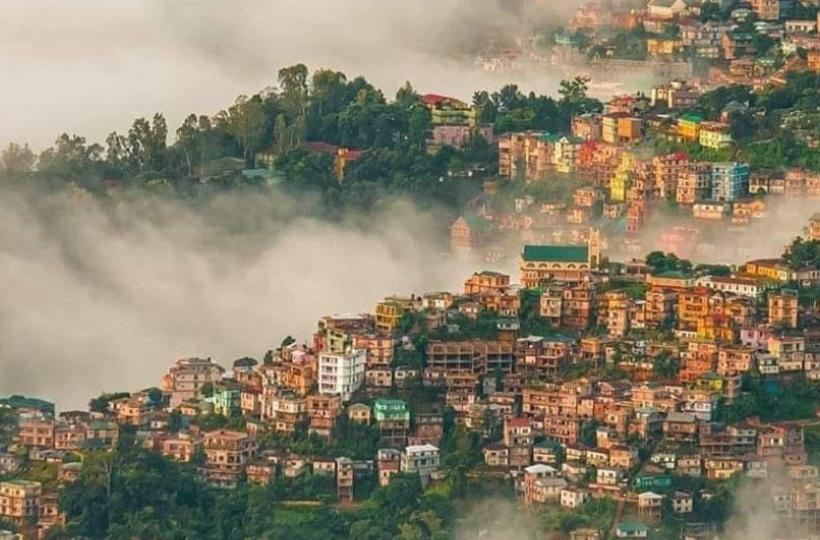
Mizoram, located in the northeast region of India, is often called the “land of the hill people.” This beautiful state is home to many indigenous communities and boasts a rich cultural heritage. In recent years, Mizoram has gained a reputation as one of the happiest states in India. Here are some reasons why Mizoram is considered the happiest state in India.

1. Strong Community Bond

One of the main reasons why Mizoram is considered the happiest state in India is because of its strong community bond. People in Mizoram have a deep sense of community and belongingness. They share a common culture, language, and tradition, and they support each other in times of need. The people of Mizoram are known for their hospitality and kindness, which helps to create a positive and happy atmosphere in the state.

2. Low Crime Rate

Mizoram is one of the safest states in India, with a very low crime rate. This is due to the strong community bond and the fact that people in Mizoram take their social responsibilities seriously. They have a strong sense of right and wrong and are committed to maintaining peace and harmony in their communities. This sense of security and safety helps to contribute to the overall happiness of the people in Mizoram.

3. Natural Beauty

Mizoram is blessed with natural beauty in the form of lush forests, hills, and valleys. The state is home to many waterfalls, caves, and lakes, which attract tourists from all over the world. The scenic beauty of Mizoram is truly breathtaking, and it helps to create a sense of peace and contentment among its inhabitants.

4. Education

Mizoram is one of the most literate states in India, with a literacy rate of over 91%. The state government has invested heavily in education, and this has helped to create a highly educated population. Education is seen as a way to improve one’s life and the lives of others, which contributes to a sense of purpose and fulfillment among the people of Mizoram.

5. Strong Economy

Mizoram’s economy has grown steadily in recent years, thanks to the state government’s efforts to promote economic development. The state has a strong agriculture sector, and it is also rich in natural resources like bamboo and timber. The government has also encouraged the development of industries like textiles and handloom, which has created jobs and helped to improve the standard of living of the people in Mizoram.

The people of Mizoram are happy, content, and proud of their state, and they work hard to maintain its unique culture and traditions. If you are looking for a place to visit in India that will make you happy and fulfilled, Mizoram should be at the top of your list.
Handloom Sarees of India

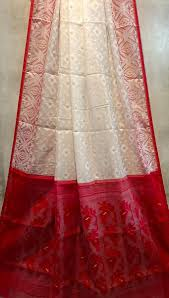
Handloom sarees are an integral part of India’s rich cultural heritage. These sarees are woven by hand using traditional techniques, making them unique and distinctive. They are available in a wide range of materials, designs, colors, and textures. Handloom sarees are also considered to be eco-friendly and sustainable as they do not require the use of electricity or heavy machinery for their production.

Handloom sarees are woven using a variety of techniques such as Jamdani, Banarasi, Patola, Kanjivaram, Chanderi, and many more. Each technique has its own unique style and texture, making handloom sarees a popular choice among women across India.

Jamdani sarees –

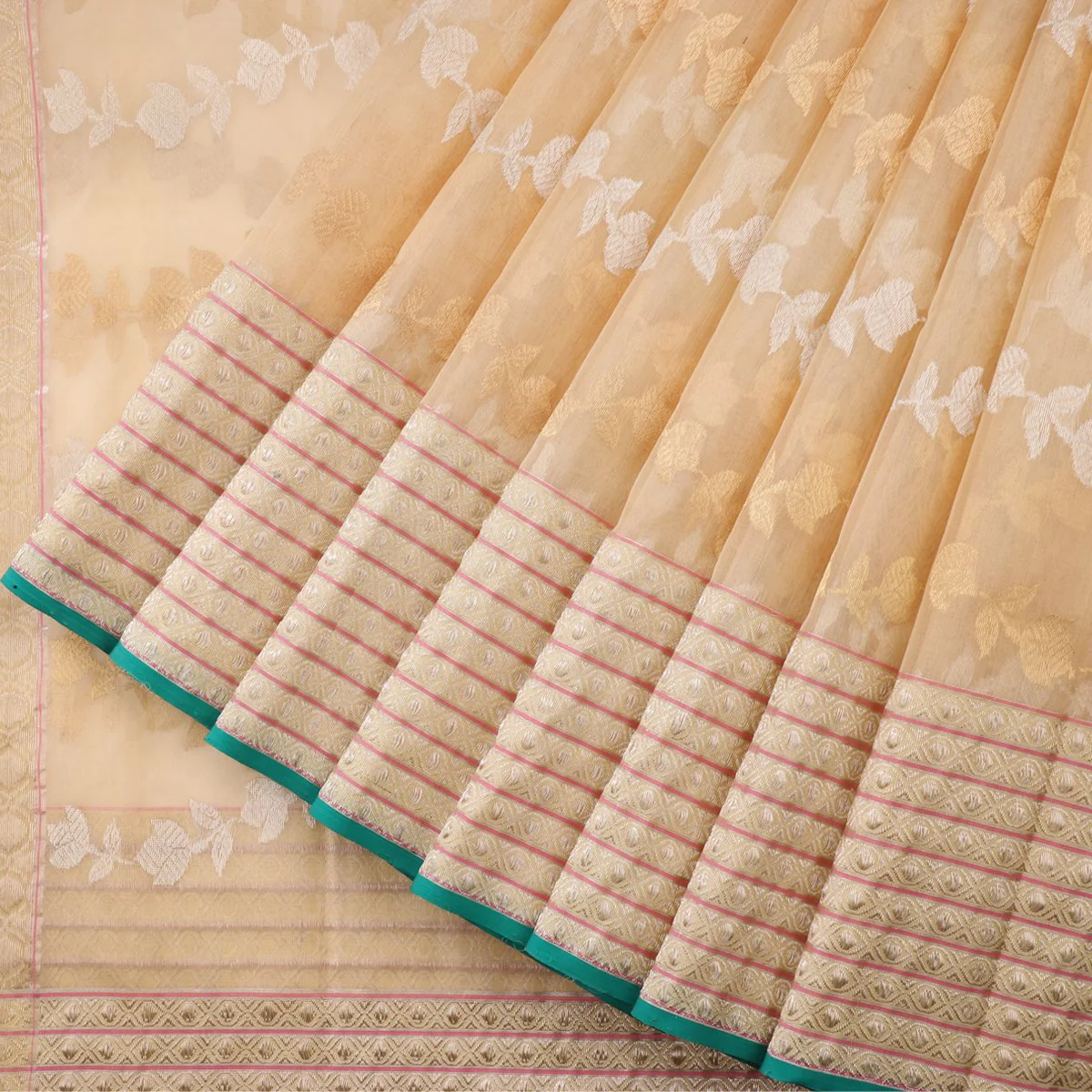
Jamdani sarees are woven using the traditional Jamdani technique, which involves weaving fine muslin cloth with intricate floral and geometric patterns. These sarees are lightweight and comfortable to wear, making them perfect for summer.


Banarasi sarees –

Banarasi sarees are woven in Varanasi, a city in Uttar Pradesh. These sarees are made from silk and have intricate designs woven with gold and silver threads. Banarasi sarees are considered to be one of the most expensive and luxurious sarees in India.

Patola sarees –

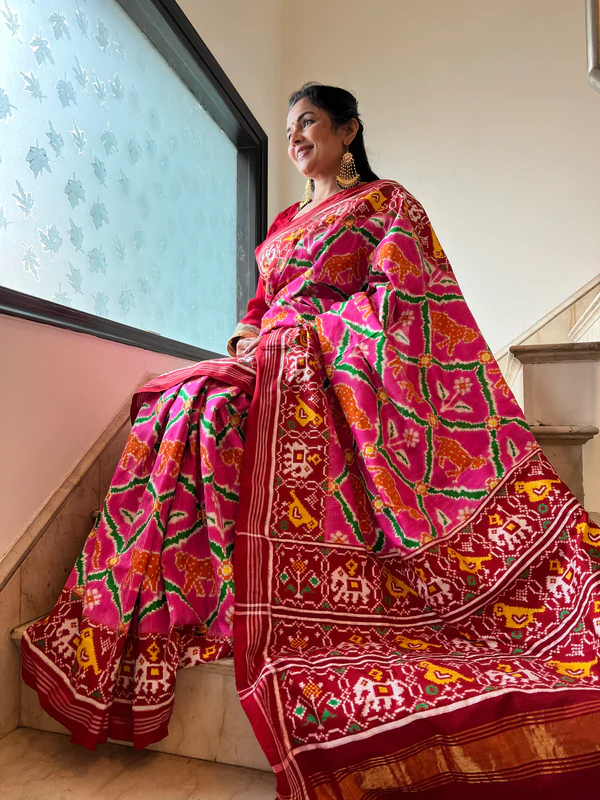
Patola sarees are woven in Patan, a city in Gujarat. These sarees are made from silk and have vibrant colors and geometric patterns. Patola sarees are considered to be a symbol of wealth and status in Gujarat.

Kanjivaram sarees –

Kanjivaram sarees are woven in Kanchipuram, a city in Tamil Nadu. These sarees are made from silk and have bold colors and intricate designs. Kanjivaram sarees are known for their durability and are considered to be a prized possession for every South Indian bride.


Chanderi sarees –

Chanderi sarees are woven in Chanderi, a town in Madhya Pradesh. These sarees are made from cotton and silk and have delicate designs woven with zari threads. Chanderi sarees are known for their lightweight and comfortable feel, making them a popular choice among women across India.


Handloom sarees are not just a piece of clothing but a piece of art that represents India’s rich cultural heritage. They are a symbol of tradition, elegance, and sophistication. With their unique designs and exquisite craftsmanship, handloom sarees are here to stay and continue to be an important part of India’s fashion industry.

Evolution of Indian Saree Over Centuries

The Indian saree is a traditional garment that has evolved over thousands of years. It is a long piece of cloth that is draped around the body in different styles, and it is worn by women of all ages and social classes in India. The saree is a symbol of cultural heritage and feminine grace in Indian society.

The history of the saree can be traced back to the Indus Valley Civilization, which existed in present-day India and Pakistan around 2800-1800 BCE. Archaeological evidence suggests that women in the Indus Valley Civilization wore garments similar to the saree, which consisted of a long piece of cloth draped around the body.


The saree as we know it today began to take shape during the Maurya Empire (321-185 BCE). The Mauryan period saw the development of weaving techniques, and cotton and silk became popular fabrics for sarees. The saree also became a symbol of social status, with wealthy women wearing more elaborate and expensive sarees.

During the Mughal Empire (1526-1857), the saree became even more elaborate and luxurious. Mughal empresses like Nur Jahan and Mumtaz Mahal wore sarees made of fine silk, adorned with gold and silver thread, pearls, and precious stones. The Mughal period also saw the development of new saree styles, like the lehenga saree and the dupatta.

In the 19th and 20th centuries, the British colonial period had a significant impact on the saree. British textile mills began to produce inexpensive cotton fabrics, which became popular among Indian women. The introduction of the sewing machine also made it easier and faster to produce sarees. However, British colonialism also led to the decline of traditional weaving techniques and the loss of local textile industries.

After India gained independence in 1947, there was a renewed interest in traditional Indian textiles and fashion. The Indian government encouraged the revival of local textile industries and promoted handloom sarees made by skilled artisans. Designers like Ritu Kumar and Sabyasachi Mukherjee also played a significant role in promoting the saree as a fashionable and modern garment.

Today, the saree is worn by women all over the world, and it has become a symbol of Indian culture and fashion. The saree has evolved to include new styles and fabrics, like the chiffon saree and the georgette saree. Designers continue to experiment with the saree, incorporating new elements like embroidery, prints, and sequins. Despite these changes, the saree remains a timeless and elegant garment that embodies the beauty and grace of Indian women.

Ram Navami 2023

Ram Navami is an important Hindu festival that is celebrated with great fervor and enthusiasm across India and other parts of the world. It is celebrated on the ninth day of the Hindu month of Chaitra (usually in March or April) to mark the birth anniversary of Lord Rama, who is considered to be the seventh incarnation of Lord Vishnu. The festival is celebrated with great enthusiasm and devotion across India and other parts of the world. It is a time for people to come together, seek blessings from Lord Rama, and reflect on his teachings of righteousness and morality.

Source – ISKON Dwarka

The festival is celebrated by performing puja (worship) to Lord Rama, who is revered as the epitome of righteousness, truth, and justice. People observe fasts, read the Ramayana (a Hindu epic that tells the story of Lord Rama’s life), and chant his name to seek his blessings. On this day, devotees decorate their homes and temples with flowers, lights, and rangolis (intricate designs made with colored powders). Many people also organize processions and cultural programs to celebrate the occasion. The streets are filled with people dressed in colorful traditional clothes, singing hymns, and playing musical instruments.

One of the most significant rituals associated with Ram Navami is the Rama Navami Rath Yatra. It is a procession in which a chariot carrying the idol of Lord Rama, along with his wife Sita, his brother Lakshmana, and his devotee Hanuman, is taken out on the streets. The chariot is decorated with flowers and other decorations and is pulled by devotees, who chant hymns and mantras. The procession usually ends at a temple, where the idols are placed and worshiped.

In some parts of India, Ram Navami is celebrated for nine days, leading up to the main day of the festival. This period is known as the Navratri, and each day is dedicated to a different form of the divine mother. The final day of Navratri is Ram Navami, which is considered to be the most auspicious day of the festival.

Apart from the religious significance, Ram Navami is also associated with social and cultural traditions. It is believed that Lord Rama’s message of righteousness, truth, and justice is relevant even today and can inspire people to live a life of virtue and morality.

Gudi Padwa – Marathi New Year

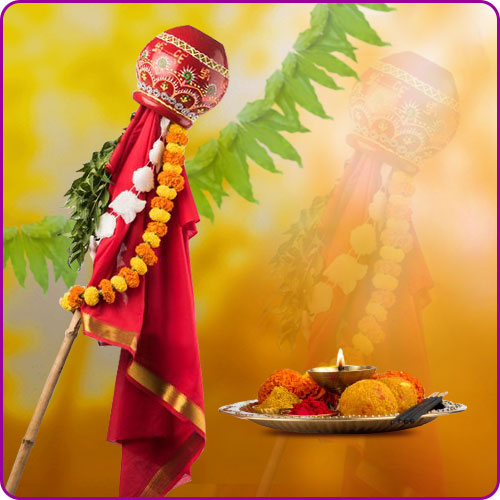
Gudi Padwa is a Hindu festival that marks the beginning of the New Year according to the traditional Hindu lunar calendar. It is celebrated on the first day of Chaitra month, which usually falls in March or April. Gudi Padwa is primarily celebrated in the states of Maharashtra, Goa, and Konkan regions of India. The festival symbolizes victory, happiness, and prosperity and brings people together to celebrate the spirit of the New Year.

Source – https://www.rudraksha-ratna.com/

The festival of Gudi Padwa is celebrated with great enthusiasm and joy. It is believed that on this day, Lord Brahma created the universe, and it is also considered the day when Lord Rama returned to Ayodhya after his victory over Ravana. The festival is named after the ‘Gudi’, which is a special flag made of cloth or silk and is adorned with a copper or silver pot, a neem leaf, a twig of mango leaves, and a garland of flowers. The Gudi is hoisted outside homes, and it signifies victory and happiness.

The celebration of Gudi Padwa begins with the cleaning and decoration of homes. People decorate their homes with rangolis, flowers, and lights. The preparation of traditional delicacies like puran poli, shrikhand, and karanji is also an essential part of the celebration. On this day, people also wear new clothes and exchange sweets and gifts with each other.

One of the main rituals of Gudi Padwa is the hoisting of the Gudi outside homes. The Gudi is hoisted early in the morning, and it is believed to bring good luck and prosperity to the family. People also offer prayers and perform puja to the Gudi. The Gudi is taken down in the evening, and the prasad is distributed among family and friends.

Another significant aspect of Gudi Padwa is the traditional Maharashtrian dance, ‘Dindi’. Dancers dressed in colorful traditional attire dance to the beats of Dhol, Tasha, and Lezim. The dance signifies the victory of good over evil and is performed in temples and public places.

Apart from Maharashtra, Gudi Padwa is also celebrated in other parts of India with different names and customs. In Andhra Pradesh and Telangana, the festival is known as Ugadi, while in Karnataka, it is celebrated as Yugadi. In Tamil Nadu, the festival is called Puthandu, while in Punjab, it is celebrated as Baisakhi.

Pakhala Divas – A unique festival of Odisha

Being from Odisha and being raised in a different state, I have always been curious about my ground culture and traditions. One of such interesting festival celebrated in Odisha is Pakhala Divas. The article will discuss more about its History, Significance & celebration of Pakhala Divas in Odisha.

Pakhala Divas is a unique festival celebrated in the eastern state of Odisha, India. It is celebrated on March 20th every year, marking the beginning of summer in the state. The festival is dedicated to Pakhala, a traditional dish made of rice, water, and curd.

Source – pragativadi.com

History of Pakhala Divas

The history of Pakhala Divas dates back to ancient times when Odisha was ruled by the Kalinga dynasty. During those times, Pakhala was a staple food for farmers and laborers who used to work in the scorching heat. The dish is prepared by mixing cooked rice with water and sour curd and kept overnight. This process allows the rice to ferment and gives it a unique taste and aroma.

The tradition of celebrating Pakhala Divas started in the 1990s when a group of social activists in Odisha came together to revive the traditional food culture of the state. They realized that the younger generation was losing interest in traditional dishes and were adopting western food habits. To promote traditional food habits, they organized the first Pakhala Divas in 1992.

Significance of Pakhala Divas

Pakhala Divas has significant cultural and social significance in Odisha. It is celebrated to promote the traditional food culture of the state and to create awareness among the younger generation about the health benefits of traditional food. Pakhala is a healthy dish that is rich in probiotics, which is beneficial for the digestive system. It also helps to keep the body hydrated during the scorching summer heat.

The festival also promotes the sense of community and togetherness. People in the state come together to share the meal with their friends and family, and it is a symbol of unity and brotherhood. It is also an occasion to express gratitude towards farmers and laborers who work hard to provide us with food.

Celebration of Pakhala Divas

Pakhala Divas is celebrated with great enthusiasm and fervor in Odisha. People prepare Pakhala in their homes and offer it to their friends and family members. They also distribute the dish to the poor and needy. In many parts of the state, restaurants and food joints offer free Pakhala to the public on this day.

Several cultural programs and events are also organized to mark the occasion. People dress up in traditional attire and participate in cultural activities such as folk dances and songs. The festival also includes competitions and games, including cooking competitions, pakhala-eating competitions, and quiz competitions related to traditional food culture.

Dance forms of India

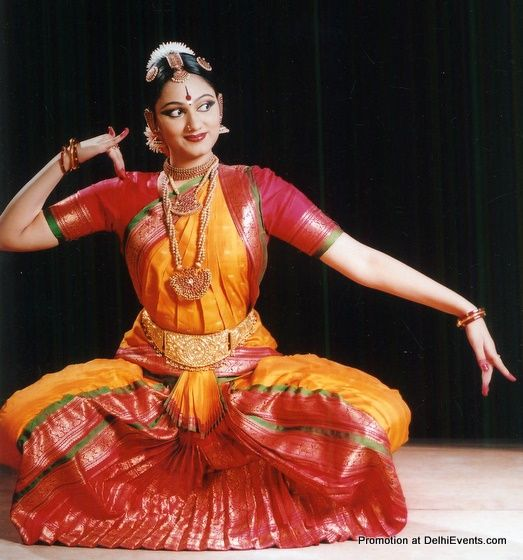
India is a land of rich cultural diversity and heritage, and dance is an integral part of its culture. Indian dances have a long history, with some forms dating back several thousand years. Each dance form is unique in its own way, with its own distinct style, costume, and music.

Source – Pinterest

Here are some of the most popular dance forms in India:

  1. Bharatanatyam: Bharatanatyam is a classical dance form from Tamil Nadu in South India. It is one of the oldest dance forms in India, with a history that dates back over 2,000 years. Bharatanatyam is known for its graceful movements, intricate footwork, and expressive hand gestures. The dance form is usually performed solo and is accompanied by Carnatic music.

  2. Kathak: Kathak is a classical dance form from North India that originated in the Mughal courts. It is characterized by fast footwork and intricate spins. The dance form tells stories through its movements, with the dancer using facial expressions, hand gestures, and body movements to convey different emotions. Kathak is usually accompanied by Hindustani music.

  3. Kuchipudi: Kuchipudi is a classical dance form from Andhra Pradesh in South India. It is known for its fluid movements and storytelling through dance. The dance form has a history that dates back over 2,000 years and is performed to both Carnatic and Hindustani music. Kuchipudi is usually performed by a group of dancers and is characterized by its use of colorful costumes and makeup.

  4. Manipuri: Manipuri is a classical dance form from Manipur in Northeast India. It is known for its graceful movements and use of vibrant costumes and props. Manipuri tells stories through its movements, with the dancer using facial expressions, hand gestures, and body movements to convey different emotions. The dance form is usually accompanied by classical Manipuri music.

  5. Mohiniattam: Mohiniattam is a classical dance form from Kerala in South India. It is known for its slow and graceful movements and storytelling through dance. The dance form is usually performed by a solo dancer and is accompanied by classical music. Mohiniattam is characterized by its use of white and gold costumes and jewelry.

  6. Kathakali: Kathakali is a classical dance form from Kerala in South India. It is known for its elaborate makeup, costumes, and facial expressions that tell stories from Hindu mythology. The dance form has a history that dates back over 500 years and is usually performed by a group of male dancers. Kathakali is accompanied by classical music and percussion.

  7. Bhangra: Bhangra is a folk dance form from Punjab in North India. It is characterized by energetic movements and is often performed to celebrate harvest festivals. Bhangra is usually performed by a group of dancers and is accompanied by traditional Punjabi music and instruments.

  8. Garba: Garba is a folk dance form from Gujarat in West India. It is performed in a circular formation and is known for its energetic movements and use of colorful costumes. Garba is usually performed during Navratri, a festival that celebrates the victory of good over evil.

  9. Odissi: Odissi is one of the famous classical Indian dances from Odisha. It is generally based on themes of Dashavatar, Lord Krishna’s love and Lord Jagannath’s Philosophy. It is a graceful and sensous dance style and involves tribhanga( three bends) posture. The Tribhanga posture symbolises the means to escape the limitations of the body.

In conclusion, India has a rich and diverse dance culture that is deeply rooted in its history and traditions. Each dance form is unique in its own way and reflects the cultural diversity of India. From classical dances to folk dances, India has something to offer for everyone who is interested in dance.

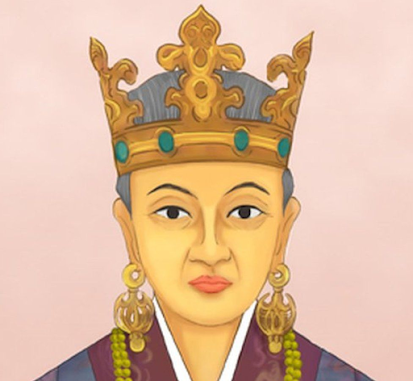
Indian princess who married a Korean King – Heo hwang ok

Source: BBC News

 Ayodhya is best known for being the birthplace of the Hindu god Ram. However, the city has special significance for some South Koreans, as many believe they can trace their ancestors back to it. This belief is based on several historical Korean stories about an Indian princess named, Suriratna who married a South Korean king and established a dynasty.

According to legend, Princess Suriratna, also known as Heo Hwang-ok, travelled to Korea in 48 AD, approximately 2000 years ago, and founded the Karak dynasty by marrying a local king. According to some Chinese-language texts, the then-King of Ayodhya had a dream in which God told him to send his 16-year-old daughter to South Korea to marry King Kim Suro.

According to Samguk Yusa (Memorabilia of the Three Kingdoms), a popular South Korean book of fables and historical stories, Queen Hwang-ok was the princess of the “Ayuta” kingdom. The royal couple was a success. They had 12 sons and lived to be more than 150 years old. While children in Korea usually take their father’s surname, the queen was disappointed that her children would not be able to use her surname. As a result, King Suro granted her name (Heo) to two of their sons, which is still used today.” Historians estimate that the couple’s descendants number more than six million, accounting for nearly 10% of the South Korean population.

People from the Karak dynasty have also preserved the rocks that are said to have been used by the princess during her sea voyage to Korea to keep her boat stable.

An anthropologist named Kim Byung-mo Ayuta appeared to confirm the widely held belief that Ayuta was actually Ayodhya, as the two names are phonetically similar.

How this connection has impacted the modern ties?

In the year 2000, an agreement was signed to develop Ayodhya and Gimhae as sister cities. 

Then in 2001, more than 100 historians and government representatives, including the North Korea ambassador to India, unveiled Queen Hwang-ok’s memorial on the west bank of the River Saryu in Ayodhya.

In 2016, a Korean team presented the Uttar Pradesh Government with a proposal to expand the memorial. On the eve of Diwali, South Korean first lady Kim Jung-sook lay the foundation stone for the enlargement and beautification of the current memorial on November 6, 2018. She paid her respects at the Queen Heo Memorial, attended a ground-breaking ceremony for the memorial’s upgrade and beautification, and joined the current Chief Minister of Uttar Pradesh, Yogi Adityanath, at an elaborate Diwali celebration in Ayodhya that included cultural shows and the lighting of 300,000+ lights on the banks of the Saryu River.

As per reports, every year, hundreds of South Koreans visit Ayodhya for paying homage to their legendary queen Heo Hwang-ok.

Prof Kim Do-young, a Korean studies expert based in Delhi, claims that this shared history began to be recognised in India “after the diplomatic and economic relationship” between the two countries developed.

“Whether it is history or legend – based on it – mental or spiritual gap [between the people] is reduced and a common cultural ground is made,” he adds, pointing out that it’s interesting that there maybe a “ancient bond” between the two nations.

The story of Queen Hwang-ok has been and can continue to be the “foundation for building better relations” between South Korea and India.


The Incredible Life of Sri Ramakrishna Paramahamsa

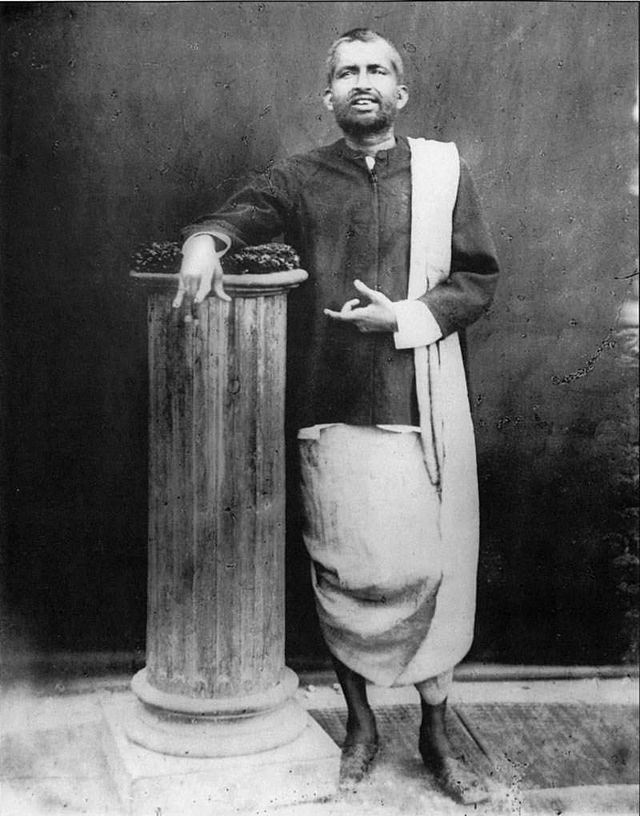
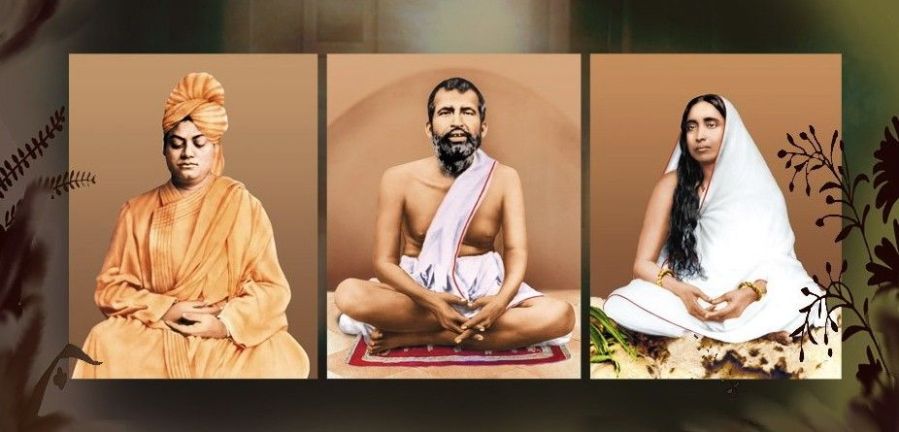
Sri Ramakrishna was an Indian Hindu religious leader and saint of 19th century Bengal who is known for his enlightening teachings on God and religion. On his 186th birth anniversary, let us take a look into his compelling life and ideals which has influenced and still remains influencing a great number of minds.

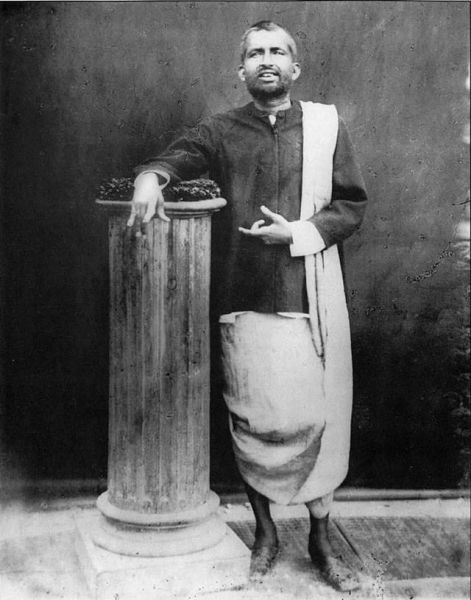
Sri Ramakrishna Paramahamsa

Sri Ramakrishna was born on 18 February 1836 to Kshudiram Chattopadhyaya and Chandramani Devi, in the village of Kamarpukur, West Bengal, in India. Born in a very poor, yet pious and orthodox household, he did not show much interest towards formal education, saying that he was not interested in “bread-winning education”.

Spirituality, Priesthood and Marriage

It was at the age of six that he went through his first experience of spiritual trance, when he came across the sight of a flock of white cranes flying against a background of black rain clouds and continued to have similar experiences throughout his childhood. He was also interested in spiritual discourses from an early age. The death of his father when he was just seven years old added to his introspective nature.

At sixteen, Ramakrishna travelled to Kolkata to help his brother Ramkumar who was the chief priest at the Dakshineshwar Kali Temple. When his brother died after a few months, Ramakrishna was made the priest. He now became completely absorbed in the worship of Goddess Kali. He spent days and nights in prayer, singing devotional songs and meditating, forgetting his priestly duties, longing for the divine vision of Mother Kali. Finally, on an occasion when he was in utmost despair yearning for Mother Kali, he was blessed with her vision, later describing it as an infinite sea of radiation and light which enveloped him and everything around him.

Rumors of Sri Ramakrishna’s unstable life resulted in his concerned family getting him married to Sarada, a five-year old from the neighboring village of Jayarambati. She later joined him in Dakshineshwar at the age of eighteen. Sri Ramakrishna had by this time been ordained a Sannyasin and thus observed the basic vows of monastic life. Thus, their marital life remained truly spiritual. He even worshipped Sarada as the Divine Mother while performing the Shodashi Puja in his room at Dakshineshwar.

After his marriage, Sri Ramakrishna returned to Dakshineshwar, where he proceeded to learn and experience different aspects of God he followed, with the help of various Gurus, and realized God through each path. Bhairavi Brahmani, an ascetic well-versed in scriptures, was the first Guru to arrive at Dakshineshwar in 1861 and teach Sri Ramakrishna various disciplines of the Tantric path. A Vedanta monk named Tota Puri arrived in 1865 and guided him to Nirvikalpa Samadhi, which is the highest spiritual experience according to Hindu scriptures. Sri Ramakrishna also went on to practice Islam and Christianity, wanting to experience God in all forms. He was able to attain the highest realization through each of them in a short span of time. He spent 12 years practicing various forms of religion and spirituality, finally expressing his spiritual realization as “So many religions, so many paths to reach one and the same goal”.

Disciples and Final Years

As his name and spiritual messages spread all over the country, it attracted people from different backgrounds. Disciples arrived from all over, wanting to learn from him. He divided his disciples into householders, who were taught to realize God while performing their family duties, and young, educated monks, who were tasked with spreading the universal message of Vedanta. One of his most influential disciples was Swami Vivekananda, who re-invigorated Hinduism and remains one of the most celebrated spiritual leaders in India.

Swami Vivekananda, Sri Ramakrishna Paramahamsa and Sarada Devi

In 1885, Sri Ramakrishna was diagnosed with throat cancer after which he was shifted to a suburban villa where he was nursed by his disciples and Sarada Devi. He gave up his physical body on 16 August 1886, uttering “Ma” before passing away. Sri Ramakrishna’s disciples, led by Swami Vivekananda founded the Ramakrishna Math and Ramakrishna Mission. His illuminating conversations with visitors and disciples have been noted down by his disciple Mahendranath Guptha and published as a book “The Gospel of Sri Ramakrishna“, released in 1942.

Why is Dowry Still Popular in India?

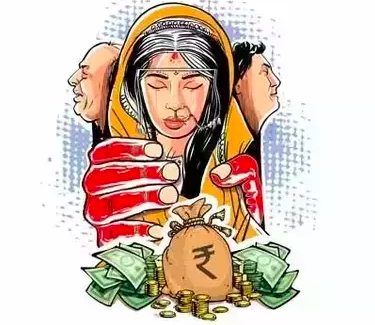
Dowry is basically the transfer of parental property, gifts, money or anything else of monetary value, usually by the wife’s family to the husband and his family upon marriage. Hence, dowry serves as a gift from the bride’s family to the groom’s family in consideration of their marriage and accepting the bride into the groom’s home. This practice of dowry is an old, obsolete and discriminatory practice. It has its roots in ancient Indian culture that placed women at an inferior position to men, such that women had to pay a price through dowry just to be with them. In older times, women had no individual identity and their identity was tied to their husbands through marriage. Dowry is a practice which took advantage of this convention and exploited women due to their inferior social position. With the change in times and beliefs, the payment of dowry has been prohibited under specific Indian laws such as the Dowry Prohibition Act, 1961 and subsequently by Sections 304B and 498A of the Indian Penal Code. However, the practice is still prevalent to a high degree in India today despite its prohibition, leading to things like harassment, domestic violence and even dowry deaths. There are many reasons for this.

Reasons for Dowry till existing

  • Firstly, dowry still exists in India because it is perceived as a source of easy income by the groom’s family. This is why we see the practice of dowry today predominantly in the rural areas and among the households of the poor. Without any of their own effort or hard work, and by simply relying on this social convention, the groom’s family can ask for dowry and gain wealth for free. Yet, research suggests that dowry is highly prevalent even among urban households and households of the rich and educated. This is unusual and it raises the question as to why someone who is educated and aware of laws indulge in the practice of dowry. Even recently in 2019, there was CCTV footage released of a retired Madras High Court judge Nooty Rama Mohana Rao harassing and beating his daughter in law for the payment of dowry. Hence, there are other factors that cause the practice of dowry to continue.
  • In most cases, due to patriarchy and preference of a boy child over a girl, the sex ratio in many states of India is disparate. This leads to a greater number of men compared to women. It could be argued that due to a greater number of men, dowry might hardly exist. However, this isn’t practically true, because the men having characteristics desired by the bride and her family are few. These characteristics include physical features, income, family status, etc. Thus, the bid for these highly demanded men leads to the existence of dowry. This is a typical market approach focusing on the demand and supply of desired partners which still exists in India today. Dowry is essentially the price to be paid to gain a husband or son-in-law, called the ‘groom price’.
  • Another reason for the prevalence of dowry is the notion of security. Research suggests that in-laws show more preference towards the daughter-in-law that brings a large dowry, giving her more autonomy and say in households matters and giving her fewer chores to do. In some cases, the bride herself encourages the payment of dowry as she sees it as a transfer of wealth from her paternal side to her husband’s side, leading to a rise in the financial position and status of her new family. Hence, the play of power and autonomy has led dowry to still exist.

Conclusion

Hence, we can see that despite its abolishment, dowry is still practiced to a large extent in India. This is because of the reasons stated above, and also generally because we are in a modern era with new requirements. We have an open economy which fosters free trade and globalization, which in turn has nurtured a consumerist attitude in us. The growing consumerism has affected the way dowry is perceived in India, and it is now being encouraged as it helps satisfy the consumerist needs of people. Furthermore, any attempt by a woman to file a complaint or report a case of domestic violence/harassment with regard to dowry is often silenced by the husband or his family by threat or coercion. Therefore, India must try its best to create some sort of support system for women and work to abolish the practice of dowry at all levels so as to remove this discriminatory practice from Indian society.

Cultural Heritage Sites in India

India is a country which has a host of spectacular sites, ranging from glorious historical monuments to diverse natural heritage sites. UNESCO World Heritage Convention has recognised many sites across the world for their cultural heritage. India has the 6th largest number of world heritage sites with 38 such sites. Here are some sites among those, which one shouldn’t miss while exploring the country.

Taj Mahal, Agra

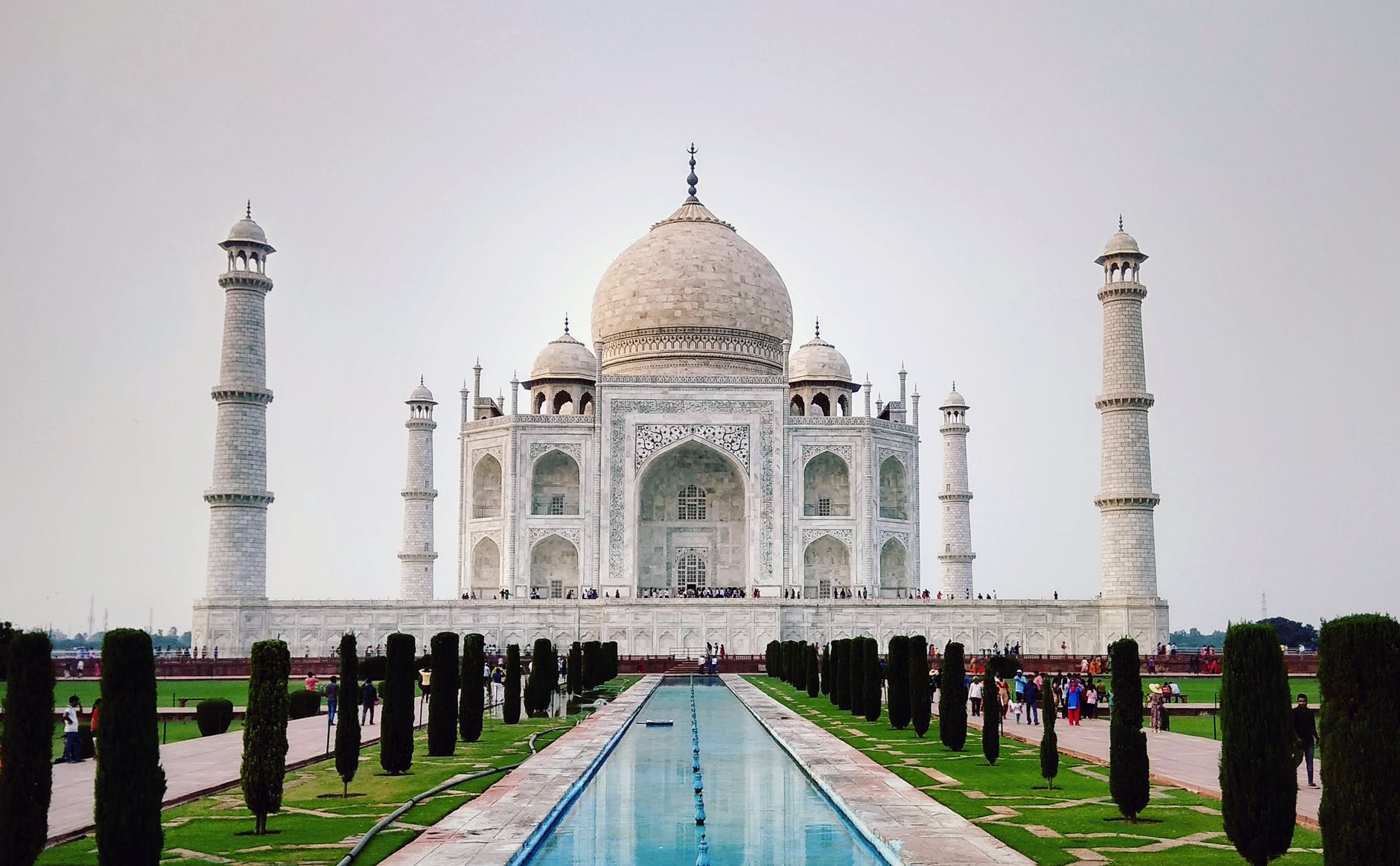
The Taj Mahal is a funerary mosque, built by Emperor Shah Jahan in memory of his third wife Begum Mumtaz Mahal. Set against the Mughal Gardens, it is a pristine architectural monument made of white marble. It was built in 16 years by thousands of artisans under the Chief Architect Ustad Ahmad Lahauri and is considered as a masterpiece.

Photo by Roney John on Pexels.com

Khajurao, Madhya Pradesh

The Khajurao is a group of monuments located in Madhya Pradesh and is attributed to the Chandela dynasty. It is known for its unique artistic architecture which has survived since the 10th century. Out of the 85 temples built originally, only 22 temples are there at present.

The PInk City, Jaipur

Jaipur is a fort city in Rajasthan, built according to grid plans of Vedic architecture. The urban planning of the city shows influence of ancient Hindu, modern Mughal and western cultures. Originally built as a commercial capital, the city is an intersection of commercial, artisanal and traditional center.

Elephanta Caves, Maharashtra

The Elephanta Caves is a group of sculpted caves on Elephanta island, located in Mumbai harbour. It is dated to 5th century and it consists of 5 Hindu caves and 2 Buddhist caves. The architecture is characterized by rock cut stone sculptures.

Sundarbans, West Bengal

The Sundarbans are the largest mangrove forests in the world and is both a national park and a tiger reserve. It is situated in the Sundarbans Ganges river delta and is formed by the deposition of sediments from 3 rivers – the Ganges, Brahmaputra and Meghna. It consists of dense mangrove forests which is the home to the Bengal tiger, the salt water crocodile and various birds.

Fatehpur Sikri

Also known as the City of Victory, the Fatehpur Sikri was built by the Emperor Akbar. It includes a set of mosques, monuments and temples built in Mughal architectural style. It was built as a city which had several monuments, buildings, palaces, public spaces and courts. The site has monuments like – the Jama Masjid, the Buland Darwaza, the Panch Mahal, and the Tomb of Salim Chishti which are popular tourist attractions.

Monuments at Hampi, Karnataka

These are a group of monuments in the Hampi town in Karnataka. Located on the banks of the river Tungabhadra, it consists of Dravidian temples and palaces. It has been admired by travelers of the 14th and 16th century and is still a very important cultural and religious center for Hindus and Jains.

Sun Temple, Konark, Odisha

The Konark Sun temple is a renowned temple, located on the coast of the Bay of Bengal and built in the form of the chariot of Surya, the sun god. It is constructed with sandstone and decorated with beautiful stone carvings. It was constructed under the rule of King Narasimhadeva I of the Eastern Ganga Dynasty.

12 Great Inventions you didn’t know were made in INDIA

Indian inventions and discoveries have been instrumental in shaping the face of the current modern world. I have picked 12 such interesting findings out of a whole bunch that will make you go, “I didn’t know that”.

Shampoo

12 Best Drugstore Shampoos 2020 Under $10

The word ‘Shampoo’ is derived from chāmpo (चाँपो). It was initially used as a head massage oil for the Nawabs of Bengal during the Mughal Empire around 1762. It evolved into shampoo over the years. Yes, you have India to thank for shampoo.

Buttons

Microsoft Store on Twitter: "Did you know Count Your Buttons Day ...

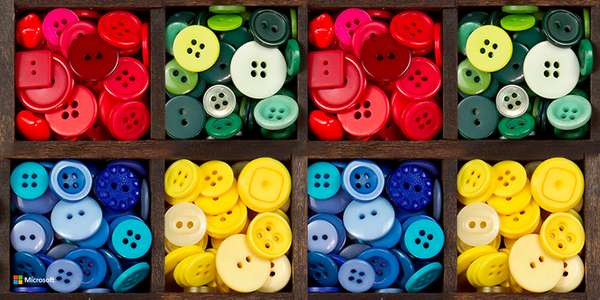
Buttons were first used in Mohenjo-daro for ornamental purpose rather than for fastening. They were first used in the Indus Valley Civilization by 2000 BCE.

The Chess Game

1st FIDE World Corporate Championship

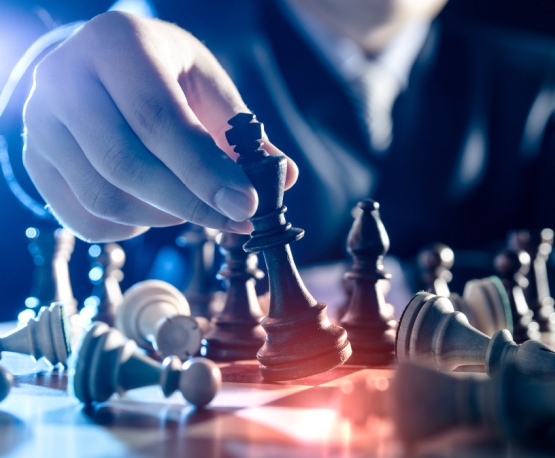
Chess developed out of Chaturanga, which is an ancient strategy board game developed during the Gupta Empire in India around the 6th century AD. Now you know why Vishwanathan Anand is such a pro. It is simply in our roots.

Ruler / Scale

11 Online Rulers To Use When You Can't Find A Physical One

Rulers were first used by the Indus Valley Civilization prior to 1500 BCE. Made of ivory, the rulers found during excavation, reveal the amazing accuracy of decimal subdivisions on it.

Radio / Wire-less Communication

Why India has only 179 community radio stations instead of the ...

We all know that Marconi received a Nobel Prize in Physics in 1909 for contribution to the development of wireless telegraphy. But the first public demonstration of radio waves for communication was made by Sir Jagdish Chandra Bose in 1895, two years prior to Marconi’s similar demonstration in England.

Sir Bose was posthumously credited (more than a century later) for his achievement. The fact remains that this discovery truly shaped the face of modern wireless communication.

Ink

Pin on Writing

Many ancient cultures and civilizations independently discovered and prepared ink for writing purposes. The source of carbon pigment used in Indian Ink (called musi) used in ancient India, was India. Since 4th century BC, the practice of writing with ink with a sharp pointed needle was common in South India.

Flush in Toilets

Why Toddlers Go Potty at Day Care but Not at Home

Flush toilets were first used in the Indus Valley Civilization. These existed in most homes and were connected to a sophisticated sewage mechanism. The civilization was prominent in hydraulic engineering.

Diamond Mining

Diamonds

Worldwide, India was the only source of diamonds until the discovery of mines in Brazil in the 18th century. Almost 5000 years ago, diamonds were first recognized and mined in central India.

Cotton – so basically we clothed the World!

Cotton-Ancient and Modern Fiber | Memory Foam Mattress

The ancient Greeks used to wear animal skins and were not even aware of cotton. But Indians were sort of cool and started cultivating cotton during the 5th – 4th millennium BCE in the Indus Valley Civilization. The word spread to the Mediterranean and beyond and soon everyone was ordering one from Flipkart. Well, pretty much.

Steel and Metal Works

How to build a working iron man suit! - YouTube

Ancient Indians were pioneers in metallurgy. High quality steel was produced, almost two thousand years before it was understood by the West. One of the most remarkable feat in metallurgy: creating a seamless celestial globe, was invented in Kashmir. It was earlier considered impossible to create a metal globe without seams.

So thanks to India, Iron Man can wear his suit now.

Plastic Surgery & Cataract Surgery

Geetika Swami on Twitter: "Sushruta,father of Plastic surgery ...

Yes, you heard it right. Indians were pioneers in Plastic Surgery and Cataract surgery, too. It was carried out in India as early as 2000 BCE by Rishi Sushruta also known as the father of surgery.

Snakes & Ladders

Snakes & Ladders ! - YouTube

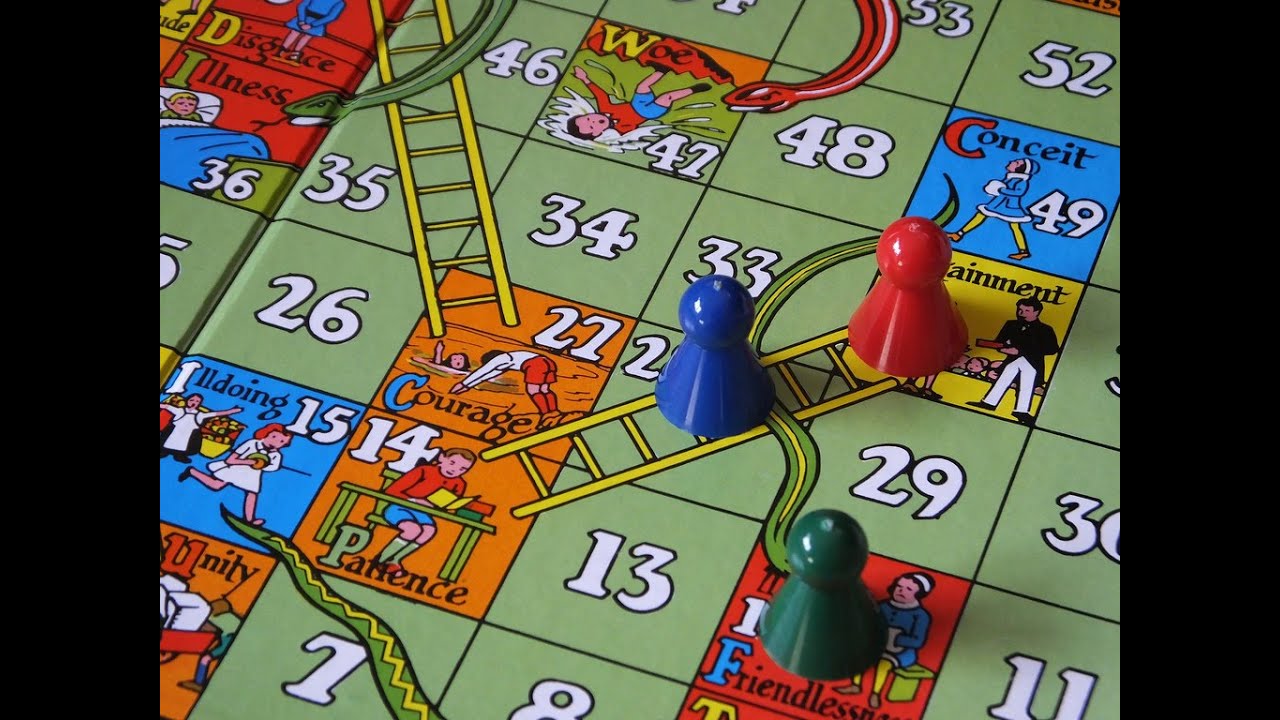
The game, Snakes & Ladders,  was invented in India as a game of morals. Later it spread to England and eventually introduced in the USA by game pioneer Milton Bradley in 1943.

Being one of the oldest civilizations in the world, complete with a rich history and culture as well as a strong and long scientific and technological tradition, it comes as no surprise that many significant inventions have come out of INDIA.