

History of National Flag of India
Each country has their own flag which represent their patriotism towards their nation . India is also has their own flag which represent the whole nation.
A flag is the most important symbol of a country. The national flag of India is a symbol of honour, patriotism, and freedom for the country.
As India is secular country there are different people who belongs to different cultures, religion, caste , language,etc so Indian flag represent the unity of a people inspite having different religions, caste , language, culture ect.
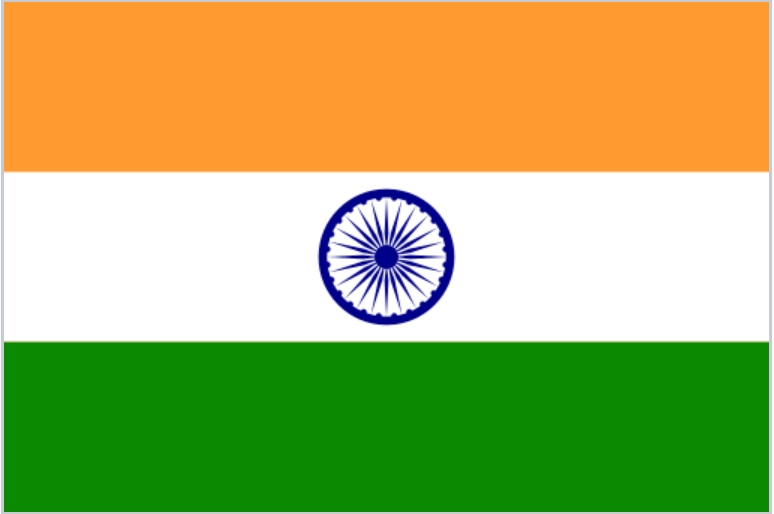
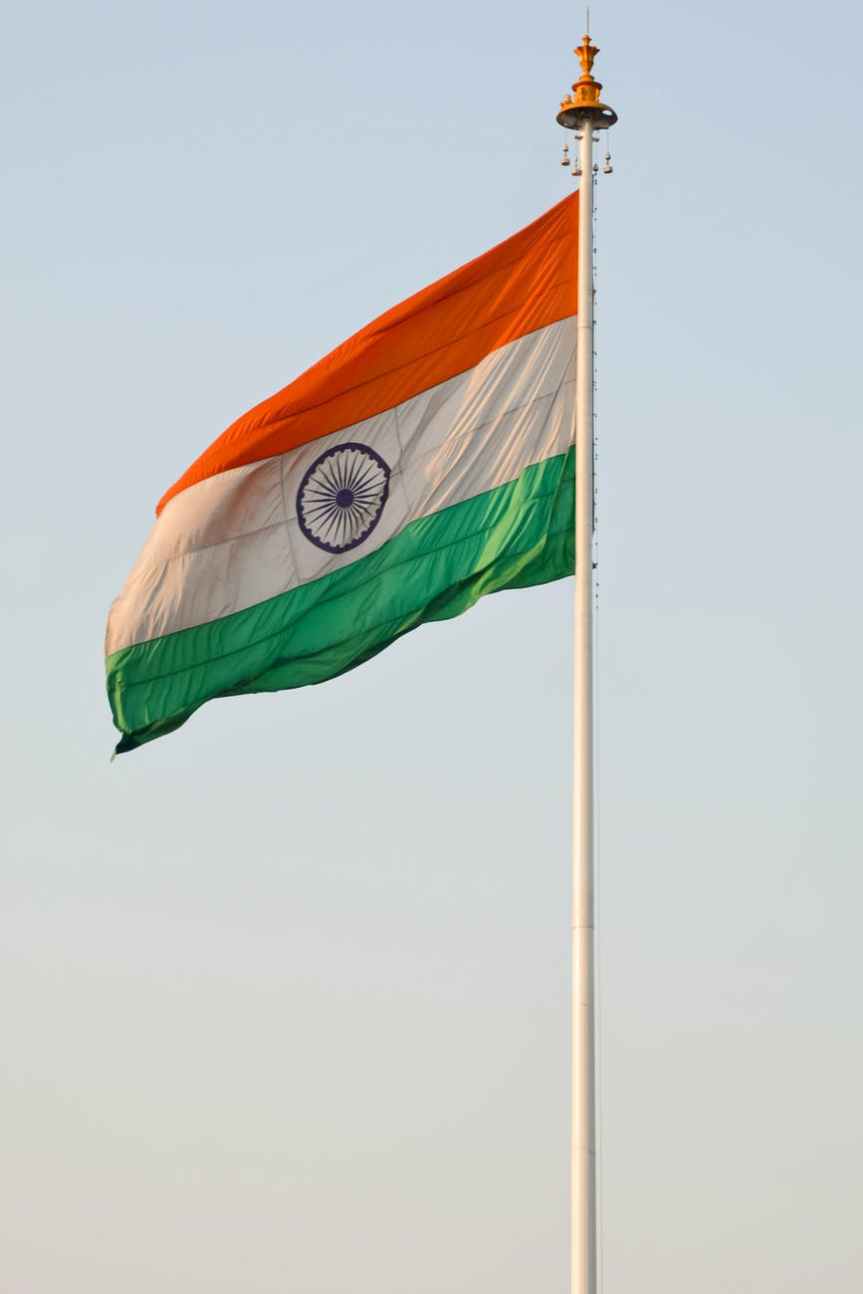
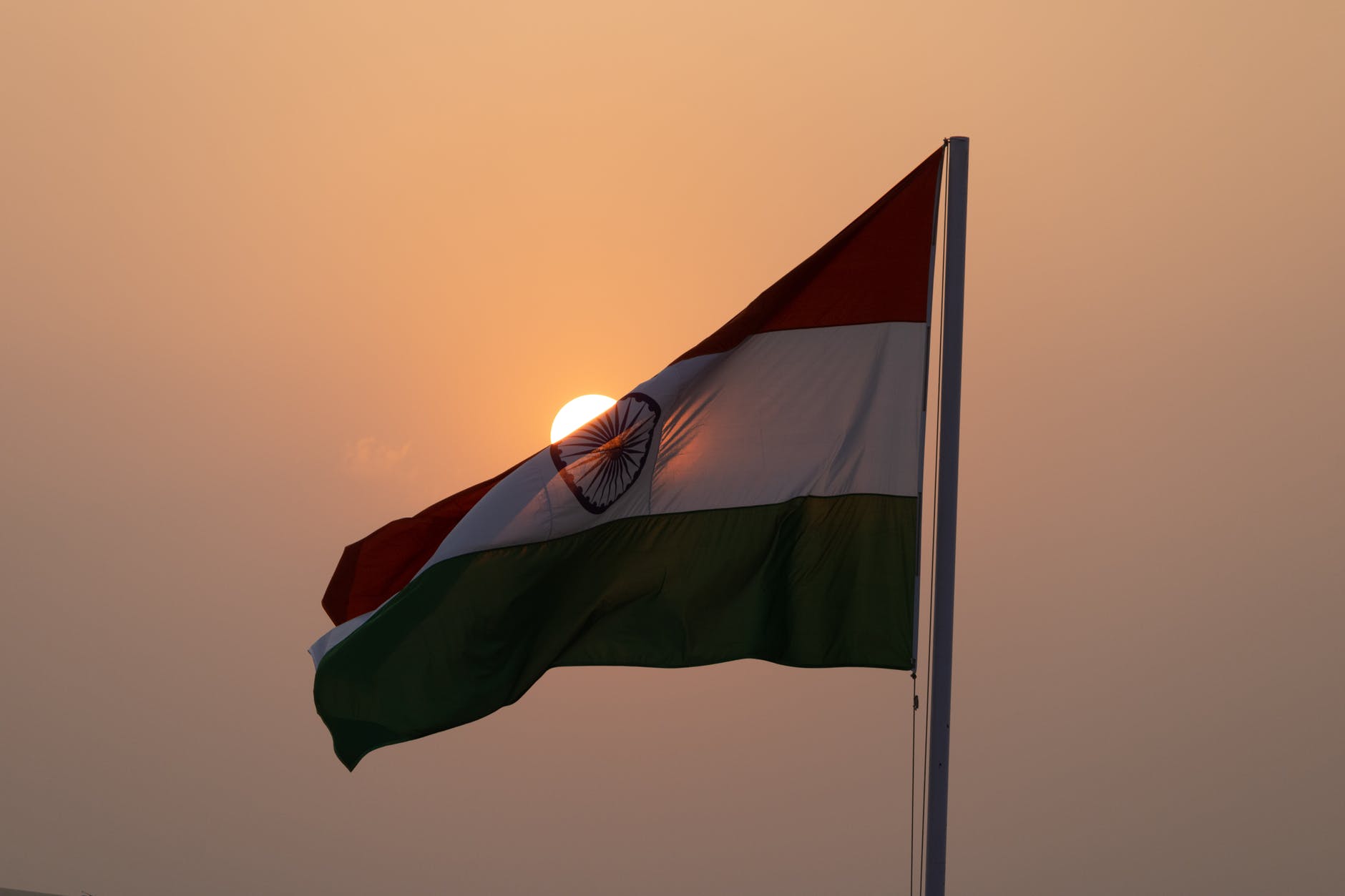
Indian flag is a horizontal rectangular tricolour and it consists of saffron , white, and green colour and their is one spinning wheel in between saffron and green colour.


The proposal of the flag to the Indian National Congress was made by Mahatma Gandhi in 1921. The flag was designed by Pingali Venkayya . In the centre of the flag was a traditional spinning wheel.
The national flag of India was adopted in its present form during the meeting of Constituent Assembly held on 22 July 1947 , a few days before India’s independence from the British on 15 August 1947.
India never had a National Flag that could represent it as one nation. The need for having a flag wasn’t really felt by Indians until the partition of Bengal was announced. That day was declared as the national day of mourning. A year later, on the anniversary of anti – partition movement a flag was unfurled. It was designed by Sachindra Prasad Bose. After the partition was annulled people forget about the flag. Madam Bhikaji Rustom Cama who attended the 2nd International Socialist Congress in Germany gave a speech about the political fight with British and waved the flag . It was made by Hem Chandra Das. Years later in 1917, during the Home Rule Movement Bal Gangadhar Tilak and Mrs. Anne Besant also designed a flag .
Four year later in 1921 Gandhi ji asked Mr Pingley Venkayya to design a National Flag, for freedom movement, which should have a ‘Charkha’ in the flag as it represented self reliance, progress and common man . It was also called the Swaraj flag , the Gandhi flag and the Swaraj flag , the Gandhi flag and the Charkha flag . However, in 1931 , a seven – member flag committe was established in Karachi to modify the flag and they had given a new design.
The big day for India came when Lord Mountbatten announced the decision to free India. The need to have a flag thar is acceptable to all parties was realised and an ad – hoc flag committee was headed by Dr. Rajender Prasad to design the flag for free India. Gandhiji’s consent was taken and Pingley Venkayya’s flag was decided to modified. Instead of the Charkha , the emblem of Ashoka’s Sarnath pillar , the wheel , was decided upon . The National Flag was adopted on 22 July , 1947.
 Eduindex
You must be logged in to post a comment.