Big Fat Indian Weddings

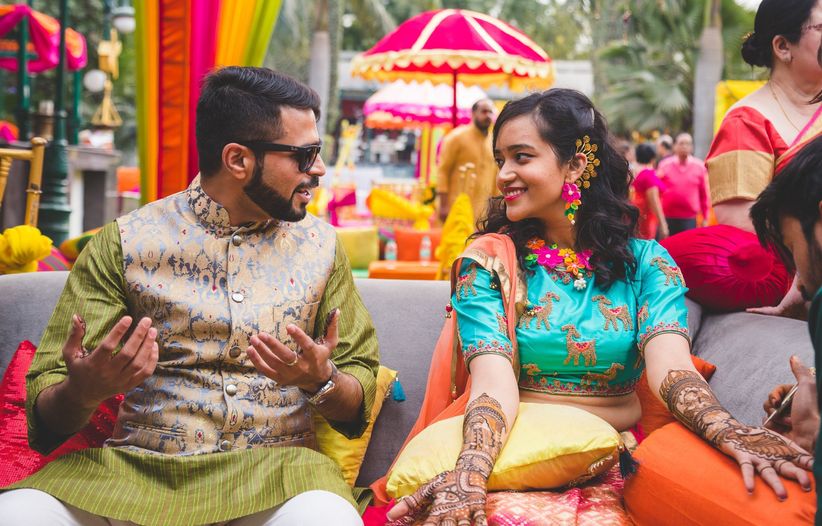
The groom riding on the back of a horse, just being the prince charming, this beautiful bride had been waiting for, since she was nine, hundreds of people dancing, singing, celebrating, some other busy hosting more than a thousand people and the guests just rejecting every good thing. Rings a bell? Yes! That is what a Big Fat Indian Wedding Is! Will this showing off business take us anywhere? Why can’t we just have a wedding to satisfy ourselves rather than some strangers? The tradition of BIG FAT WEDDING has been in India for as long as humans have existed on earth and even a slightest change is considered crime in the eyes of the envoys of these traditions. With fair variety of food amounts taking space in the rented marriage halls as deemed necessary and appropriate measure of the respect they give to their guest has to be toxic at another level.

Hidden Ills

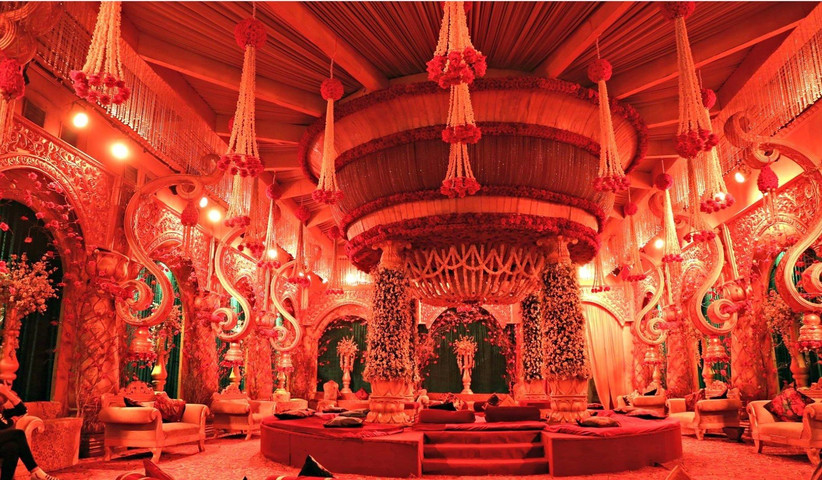
These high budgeted, well planned, stretching for over a week weddings could be fun for people who can afford it but for those who are to take loans just to satisfy the people (of half of whom doesn’t even matter to them), is something that definitely catches the eye. The issue with these weddings is that their sole purpose is not the happiness and contentedness of the bride and the groom but of the people who does not even knew the couple existed until before their wedding day. The show business is something that is worrisome to people who intend on getting married with lesser crowds and obviously lesser money. Because when these people do not follow the lead of burning millions in food, drinks, lodging, entertainment, for the people they hardly know, they are termed as misers, or even sometimes questioned if they are happy for their own wedding. The glorification of picture perfect wedding, the one where bride has at least one Sabyasachi or Manish Malhotra, groom gets a diamond ring for the engagement, there are as many as thousand shaguns given to all the guests, the hotels are no less than five stars, magnificent wedding sets inspired from dharma movies and only some 10-15 years worth savings going away with each step, is doing the harms it can in all the directions.
Picture Credits: WeddingWire.in
http://shorturl.at/noLQW

The amount to be spent on the wedding which was once one’s own choice today has become not only the status symbol but also a way of getting much craved respect from far away relatives. The amount that is spent has gone so high that people are compelled to give up all their savings along with loans burden on their heads. Everything becoming expensive day-by-day, the total cost can range anything from 20 lakhs to 5 crores, which also happens to be some family’s total savings or at least half of it. From decor to events to catering to photography with list adding on, the wealth drains with every event until it’s over. 80% people take loans for the wedding expenses. Reliance Money has stated that “An Indian wedding is generally a three-day affair with different ceremonies and rituals lined up. Each ceremony requires its own set of apparel, set-up, and materials. The average cost of a single ceremony may range between 6 to 10 lakhs.” Could we even think that these weddings are nothing more than wastage of money in its most prime way?

Refined Way

as the younger generation is getting married with their own money and not with their families taking loans, there has been a change in the way the weddings are being planned out. They marry on their own terms and more specifically in their own budgets. These new couples of 21st century aren’t the ones who spend money to impress some strangers but the ones who plan and spend as their own needs. The court marriages have emerged as a new trend with only the couple and parents saving the money and mostly donating it. With covid hitting the world and restricting the number of people in weddings in India, people have been inviting guests that are close to them. Now weddings are turning into more of a private affair than a public one, with only limited guests and less spending, there by moving forward in the right direction of curbing the ills of BIG FAT INDIAN WEDDING.

Reference: https://www.reliancemoney.co.in/getting-married-in-india-what-does-an-average-wedding-cost
10 RITUALS FOLLOWED IN A TRADITONAL HINDU WEDDING

  • THE SANGEET DAY

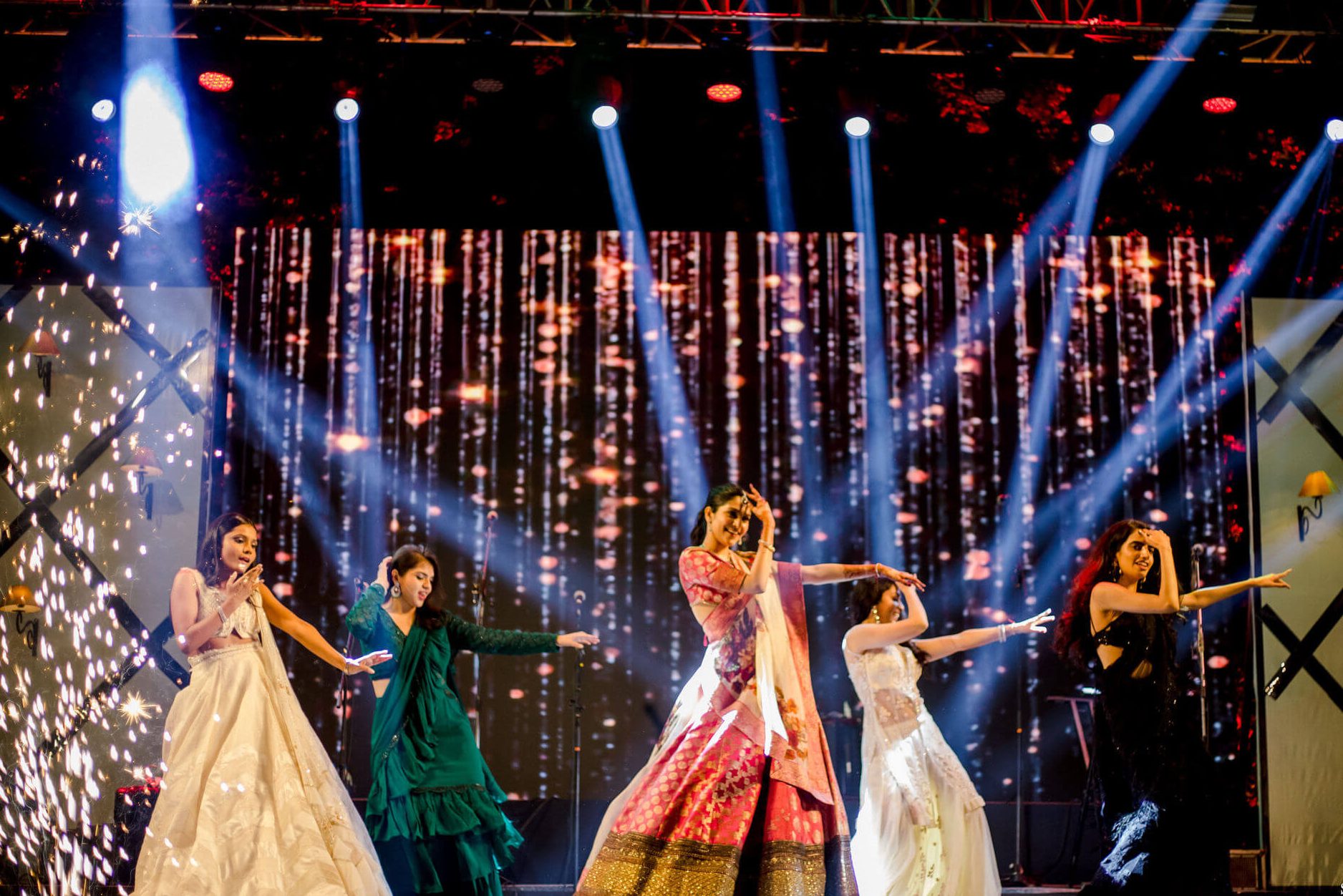
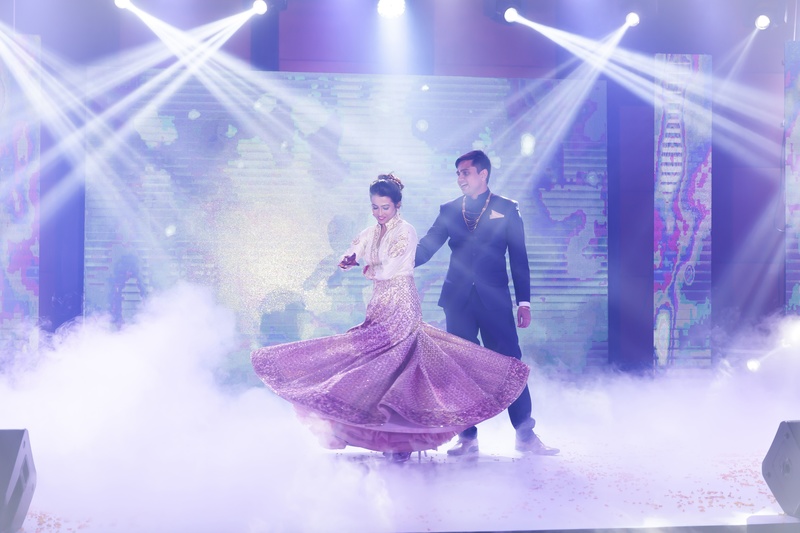
Before the day of wedding there is a gathering of relatives and close friends called sangeet. During this day everyone form bride as well as groom side performs dance, sings and enjoys the day. This event is a kick start of all due rituals need to be followed by the bride and groom before the wedding. The sangeet day is consider as a big celebration eve for Indians.

  • THE MEHNDI DAY

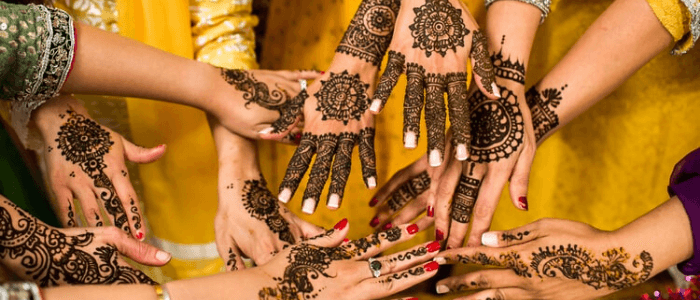
The mehndi ceremony is considered to a traditional party day. Only bride’s close female friends and relative are allowed to attend this function. This function generally takes place before a day of wedding. During this function, the henna mehndi paste is made, and temporary detail art designs are drawn on bride’s hand and feet. This same process can be done to groom’s hand and feet. It is common to hide each other’s name in the mehndi art, the relation is forever if groom finds his name in bride’s mehndi work.

  • THE DRESS CODE

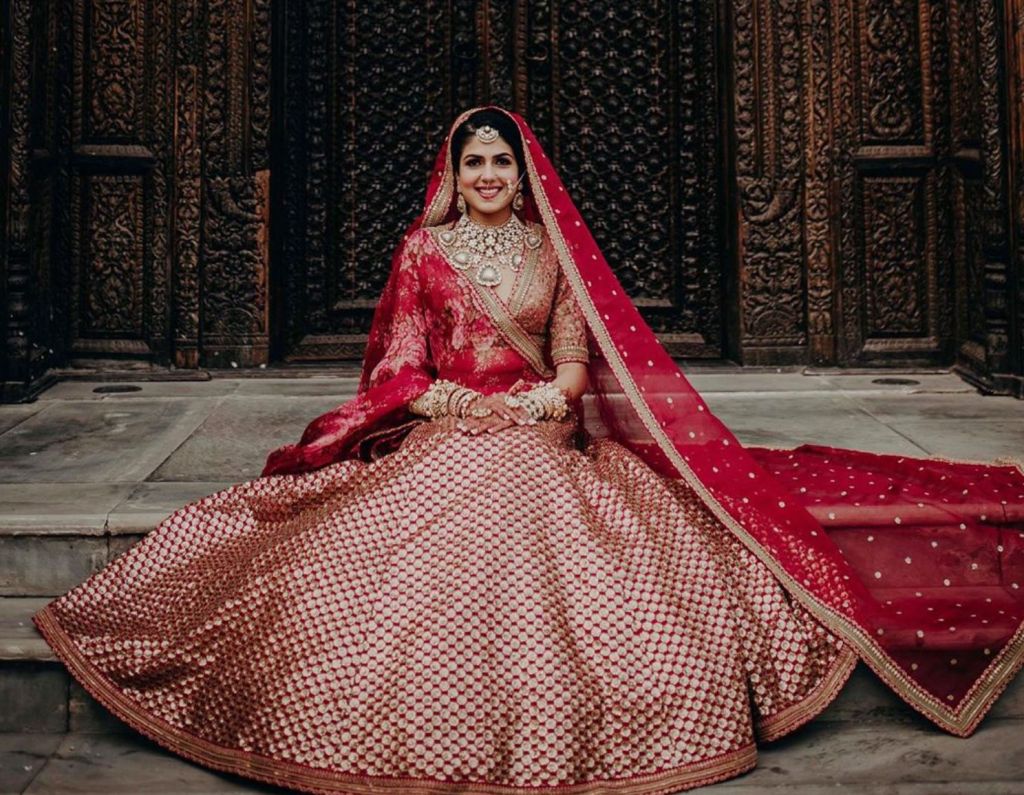
Never expect an Indian bride in white gown in a Hindu wedding. Traditionally a bride wrap herself in a red colour saree or in a lehenga. Now a days bride prefers to wear lehnga with floral print. And do not forget the groom, they also have choices for their dress like, sherwani, suit, or a traditional dhoti kurta. Usually both bride and groom both wears same colour and printed dress on their wedding day can be said as twinning.

  • CELEBRATING THE GROOMS ARRIVAL

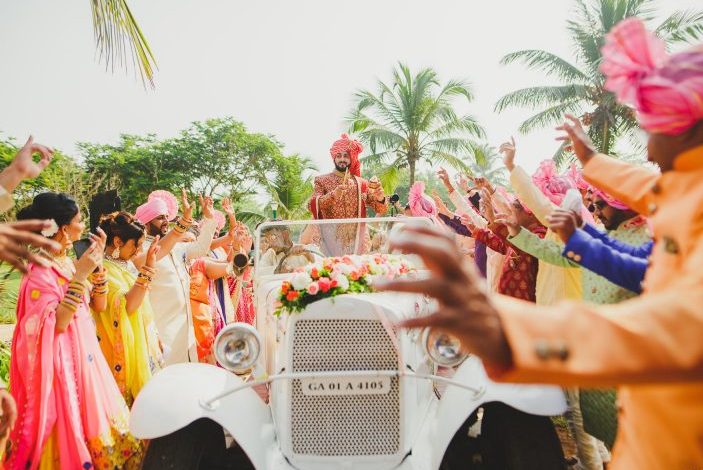
Arrival of the groom to the wedding venue is one of the biggest celebration in itself. This ceremony is traditionally called as the baraat or Vara yatra according to region. The family member, relatives as well as friends show their joy by dancing till the baraat reaches the venue. The groom is welcome with a plate carrying a little lamp (the arti) and tilak, a small dot on forehead is also done.

  • BRIDE’S FATHER GIVER HER AWAY

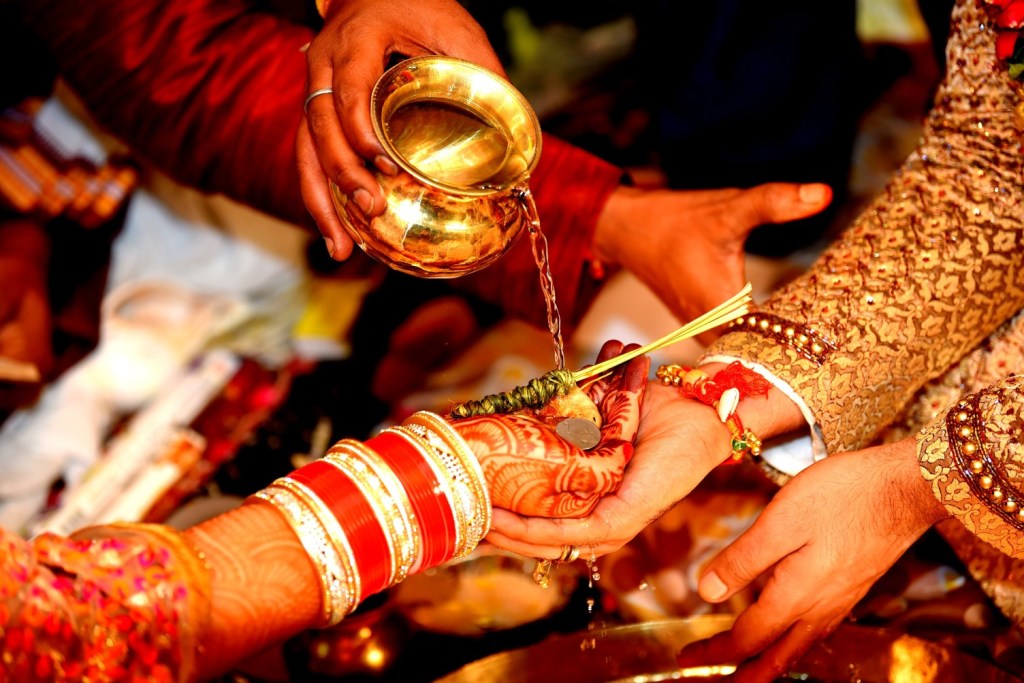
The bride is escorted to the mandap by her brothers or uncles. The moment the bride’s farther giver her to her new family this ritual is known as Kanyadaan. During this ceremony, the father places bride’s hand onto her soon to be husband’s hands as gesture of giving her away.

  • THE WEDDING MANDAP

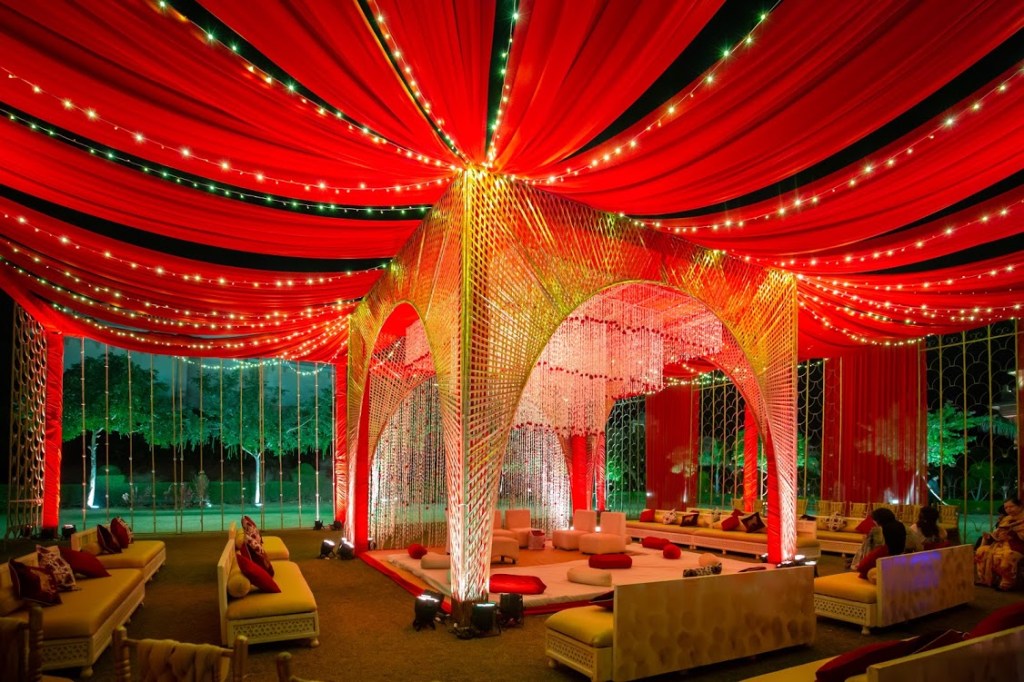
The wedding mandap is temporary structure constructed for the couples to follow the remaining wedding rituals. The couple traditionally get together under the mandap by their parents.

  • THE FIRE AT CENTER OG MANDAP

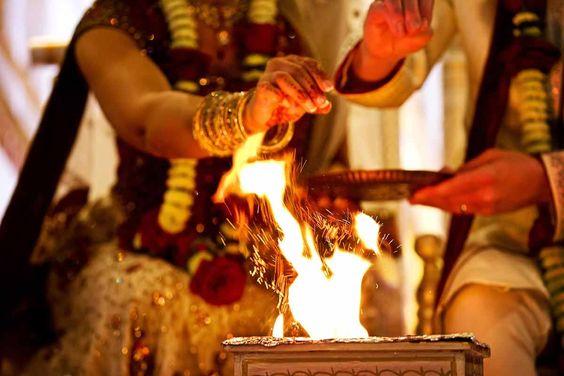
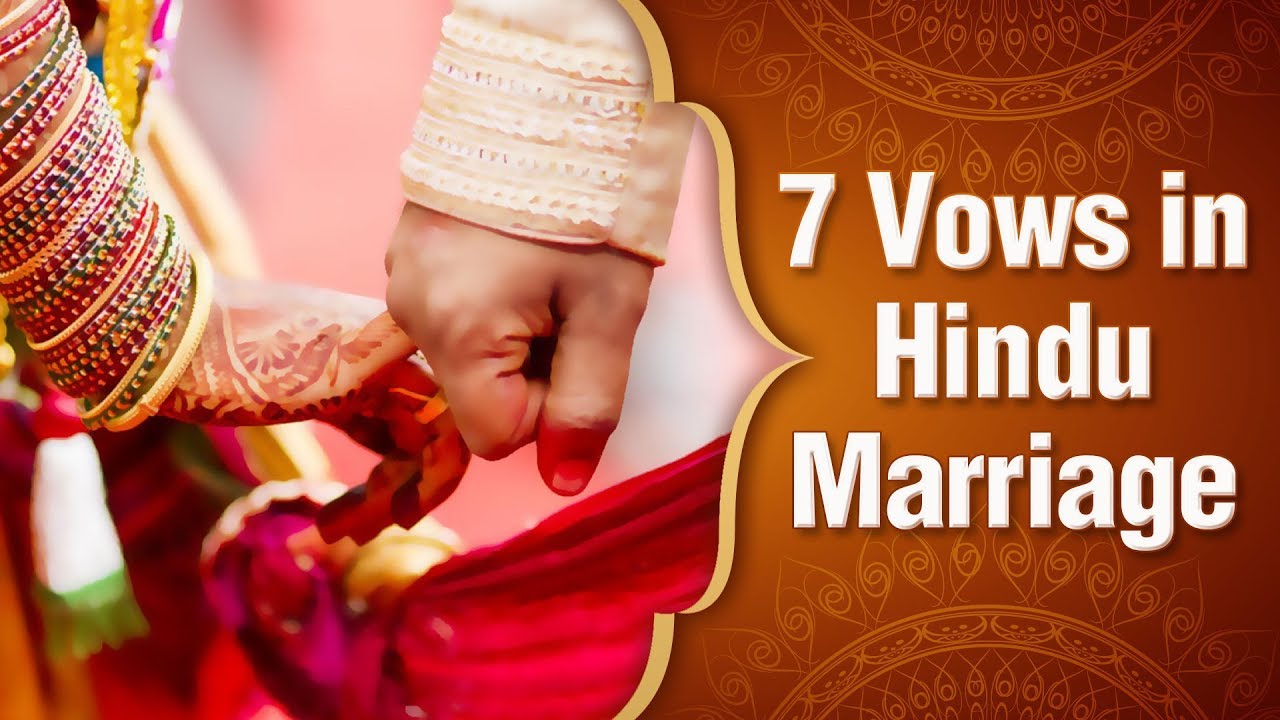
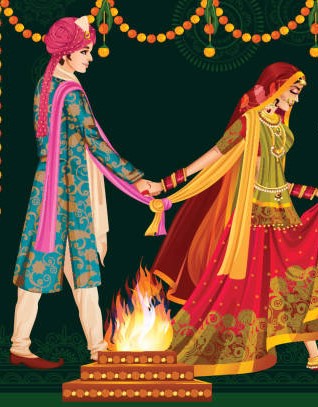
At the center of the mandap the fire is burn. A Hindu marriage is religious ceremony not a contract. As a sign of viability of the wedding the fire is said to be the witness of the ceremony. Couple walks 7 rounds around the fire keeping the dignity of 7 promises made to each other.

  • EXCHANGE OF FLORAL LOOP AND ENHANCNG BRIDE WITH MANGAL SUTRA

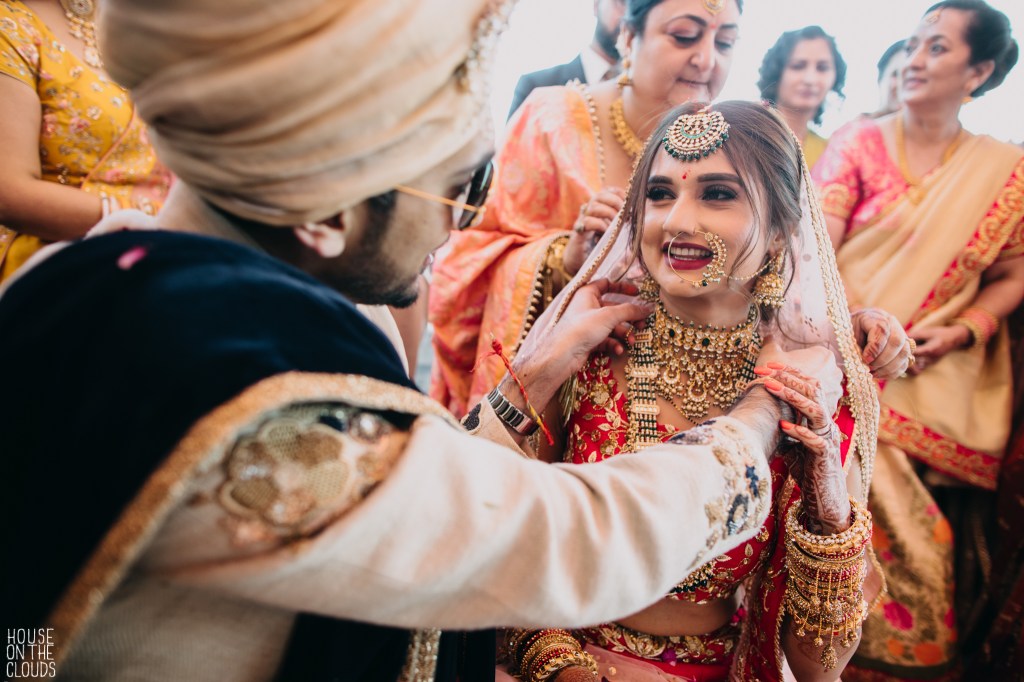
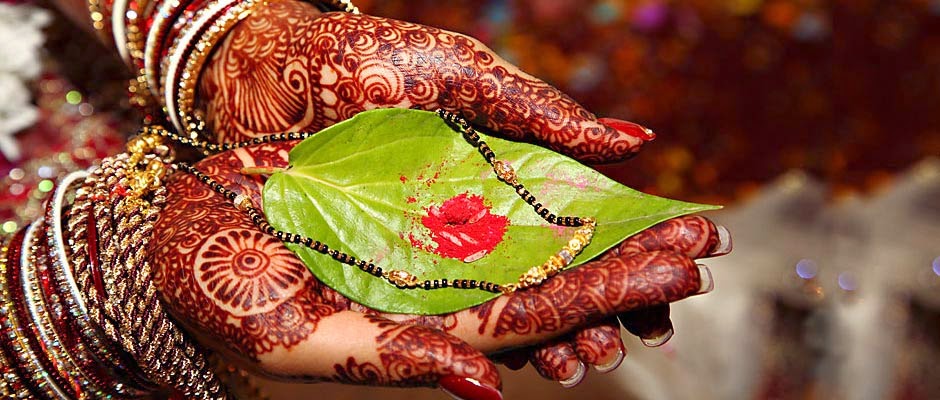
The floral loop traditionally names as Jai Mala is exchanged between the newlyweds. Both put this jai mala around the neck of each other. This ceremony symbolises both groom and bride welcome each other to their families. After this the groom tied a necklace around the bride’s neck made with black and gold beads. It is considering the mangal sutra is a blessing of the Hindu goddess of wealth “Lakshmi”.

  • SINDOOR TO BRIDE’S HAIR

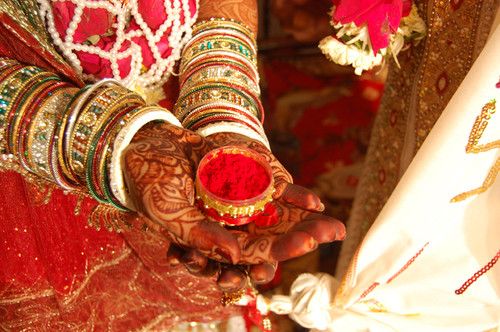
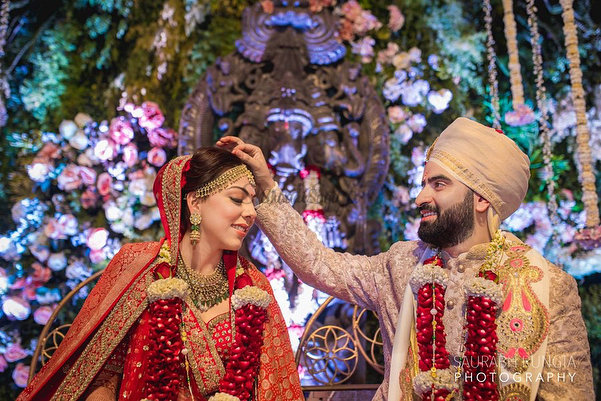
Sindoor a red or orange colour powder is applied on to the middle of bride’s hair by her husband, this symbolises her new status as a married woman.

  • THE VIDAI CEREMONY

Here the Hindu wedding ends up by sending off the bride to her new house. Not all farewell for brides ends up with smile and sparkle but also ends with tears and the memories of emotions. Vidai ceremony indicated that bride’s parents leaving all their rights from their daughter and giving her the final goodbye.

MEANING OF 7 VOWS OF HINDU MARRIAGE

First Vow:

Groom PROMISES:  I will provide welfare and happiness for you and the children that we bear and you shall offer me food and help whenever it is required.

BRIDE PROMISES: I will be responsible for the complete household management.

Second Vow:

Groom PROMISES: He promises that together, we will protect our children and home

BRIDE PROMISES: She promises to stand with her husband as his strength and courage and in return demands him to be loyal to her.

Third Vow:

Groom PROMISES: He hopes for a wealthy and prosperous future for both of them and their children.

BRIDE PROMISES: She gives an assurance of staying loyal to her husband and putting every other man in her life as secondary.

Fourth Vow:

Groom PROMISES: The groom declares that bride has made his life complete and promises to respect her. He hopes for their children to be obedient , noble and longevity of their life.

BRIDE PROMISES: She promises him that shower him with joy and happiness and do everything possible to please him.

Fifth Vow:

Groom PROMISES: He calls the bride his best friend and a well-wisher. He thanks her, and asks God to bless her.

BRIDE PROMISES:  She promises to love and cherish him all her life and pledges that his happiness and sorrows are now her happiness and sorrows and she promises to honour him and strive to fulfill his wishes.

SIXTH VOW:

Groom PROMISES: He says to the bride “Now that you have taken six steps with me and I am delighted. Would you promise to fill my heart with the same happiness for the lifetime?” 

BRIDE PROMISES: She  the bride promises to be with her husband all her life.

Seventh Vow:

Groom PROMISES: He declares that “we are now husband and wife, and now we will stay together for eternity.” 

BRIDE PROMISES: she says that with God being the witness, she is now his wife and says that both of them will cherish and honour each other forever.