Year of 2020 had been an omen for the entire world and India is no exception to dodge from this curse. Unemployment rose from 6.7% on 15 March to 26% on 19 April and then back down to pre-lockdown levels by mid-June. During the lockdown, an estimated 14 crore (140 million) people lost employment while salaries were cut for many others. More than 45% of households across the nation have reported an income drop as compared to the previous year. The Indian economy was expected to lose over ₹32,000 crore (US$4.5 billion) every day during the first 21-days of complete lockdown, which was declared following the corona virus outbreak. Under complete lockdown, less than a quarter of India’s $2.8 trillion economic movement was functional. Up to 53% of businesses in the country were projected to be significantly affected. Supply chains have been put under stress with the lockdown restrictions in place; initially, there was a lack of clarity in streamlining what an “essential” is and what is not. Those in the informal sectors and daily wage groups have been at the most risk. A large number of farmers around the country who grow perishables also faced uncertainty.
The Government of India announced a variety of measures to tackle the situation, from food security and extra funds for healthcare and for the states, to sector related incentives and tax deadline extensions. On 26 March a number of economic relief measures for the poor were announced totalling over ₹170,000 Cr. The next day the Reserve Bank of India also announced a number of measures which would make available ₹374,000 Cr. to the country’s financial system. The World Bank and Asian Development Bank approved support to India to tackle the coronavirus pandemic.
Businesses across the world namely hospitality, entertainment, aviation etc have seen a major negative impact. Various sports events such as IPL and Olympics have been postponed. Schools and colleges have been closed. The virus has also disrupted the functioning of various online giants such as Amazon. Countries such as USA, Italy and Spain are suffering the most since their death toll is very high. Factories, Restaurants, Pubs, Markets, Flights, Super Markets, Malls, Universities and Colleges etc. were shut down. Fear of corona virus has limited the movement of the individuals. People were not even going to buy the daily essentials and these all were somewhere impacting the economy of the world as a whole. The Organization for Economic Co-operation and Development (OECD)reveals that they have cut their expectation for global growth to 2.4% from 2.9%, and warns that it could fall as low as 1.5%.
India faces a huge decline in government revenues and growth of the income for at least two quarters as the coronavirus hits economic activity of the country as a whole. A fall in investor sentiment impacts privatization plans, government and industry. The lockdown in India will have a sizeable impact on the economy mainly on consumption which is the biggest component of GDP. India’s total electronic imports is equal to 45% that of China. Around 1/3rd of machinery and almost 2/5th of organic chemicals that India purchases come from China. For automotive parts and fertilisers China’s share in India’s import is more than 25%. Around 65 to 70% of active pharmaceutical ingredients and around 90% of certain mobile phones come from China to India.
On the upside, better news on vaccines and treatments, and additional policy support can lead to a quicker resumption of economic activity. On the downside, further waves of infections can reverse increased mobility and spending, and rapidly tighten financial conditions, triggering debt distress. The Geopolitical and trade tensions could damage fragile global relationships at a time when trade is projected to collapse by around 12 per cent.
PETA India, over the years, has earned itself the reputation of being a hypocrite of the highest order. They have been known to selectively target Hindu traditions and customs with religious zeal while giving other religions a free pass. The few occasions PETA India did manage to raise their voice, they quickly silenced themselves due to rousing opposition.
Recently PETA was questioned for its campaign of go-leather-free during the festival of Rakshabandhan. Suspicion was raised when there ad banner had referrings to Rakshabandhan and on the same banner they had mentioned in bold ‘go leather free’. Now the fact is during Rakshabandhan festival everything has to be purely Sanatan (Broader name of Hinduism) that is purely vegetarian. Anything made of leather would actually break the rituals of Praying.
But now, it appears PETA India has found another target. And it is columnist Shefali Vaidya. The NGO in cohorts with Congress and left-liberal trolls has embarked upon a concerted campaign against the columnist for calling out the hypocrisy of the supposed animal rights organisation with regards to Eid where animals are slaughtered and anti-cow leather campaign in times of Rakshabandhan. However, the campaign against Shefali Vaidya has backfired on them terribly as netizens used the opportunity to expose their hypocrisy. It soon became evident that PETA India is more concerned about the criticism it faces on social media than actual physical attacks on its workers by Islamist mobs. One social media user pointed out the time when PETA activists were assaulted by a Muslim mob in Bhopal in 2014 for campaigning for vegetarianism ahead of Bakr-Eid. The Police even registered a case under section 295A against three activists for allegedly outraging the religious sentiments of the Muslim community. For some reason, PETA India has been horribly quiet about the incident for some unknown reasons. Others pointed out that three years after Bollywood actress Sonam Kapoor was awarded the title of PETA India’s ‘hottest vegetarian celebrity’, the daughter of Bollywood star Anil Kapoor had taken to consuming chicken and fish. People also pointed out that less than a week after PETA India gifted Shilpa Shetty Kundra the ‘Hero to Animals’ award, the Bollywood actress could be seen on YouTube preparing a Roast Turkey recipe. Then there was the case of Richa Chadha who PETA India heaped praises on for being ‘kind to animals’ but the actress was one of those individuals who was resolutely against the ‘beef ban’. The most disingenuous sign of hypocrisy came from PETA India’s endorsement of Sonam Kapoor. While the Bollywood actress was awarded by the supposed animal’s rights organisation, she endorses products made of 100% animal skin. Similarly, PETA conferred a ‘Hero to Animals’ award on actress Dia Mirza, who had earlier shared ‘Kachi Yakhni Ki Biryani’ recipe that is made of chicken or any other animal meat. Why does PETA kill cats and dogs by the thousands instead of finding them homes? Simply, PETA does not believe in pet ownership. Ingrid Newkirk has called pet ownership “an abysmal situation.” She further elaborated on her goal for destroying the human-pet bond: “If people want toys, they should buy inanimate objects. If they want companionship, they should seek it with their own kind.” “In the end, I think it would be lovely if we stopped this whole notion of pets altogether,” she has said. Ridiculously, PETA has argued that outdoor cats should be summarily killed instead of allowed to live. In a 2014 interview with the Washington Post, Newkirk argued that outdoor cats would be better off dead because they might contract a future illness or be hit by a car in the future. In PETA’s twisted mind, it’s more humane to just euthanize the animals than for a hypothetical harm to befall them in the future. Similarly, PETA has also argued in court that elephants are better off being killed than living in American zoos where they are well cared for. PETA’s pro-killing attitude is part of its core—and it should shock any animal lover.
It’s true that democracy is wonderful form of government but ever wonder where it was initially invented. Who were those people responsible for setting foundation of the concept of democracy? A concept that wasn’t available in any other civilisation that developed afterwards. One way or the other you must have read it somewhere that a King is everything in an empire, a king forms the law and a king is the law. Basically a king is supposed to do anything that he feels is correct, Right?
What if I tell you that there existed a Mighty King who had immense power yet he was most humble, a king most beautiful and yet he had only one wife, a worthy prince who was the first heir of throne and yet never screamed for his birth right, a king who always lived a life for others being selfless, a king who always faced misery and spent 14 years of his life in exile far from his kingdom and yet never complained, a king whose love of life was abducted, taken to far unknown place thousands of miles and yet he never gave up on her, he travelled thousands of miles barefoot to get his love back.
A king who fought a battle with the strongest man of all the three worlds (Heaven, Hell and Earth) and defeated that strongest man, yet never conquered his territory.
Words aren’t enough to explain that king and no language has any power to explain his true harmonious character and yet this king had to spend 500 years under a tent.
This could happen only in India and whether to call it a beauty of democracy or flaw of democracy which took it another 74 years, it’s up to you.
It is obvious that no religion should be facing any form of repression but India’s majority religion Hinduism had to face this devotional suppression in its own nation. However difficult to believe it sounds but yes, it actually happened. Maybe because of non-violent and peaceful approach of Hinduism this took 74 years even after Independence of India in 1947, or maybe slow and interruptive approach of solving this case under Indian judiciary should be held responsible, we can’t say actually.
The King that we have been writing about is none other than Lord Ram, the King of Ajodhya and the founder of democracy. Lord Ram established a kingdom for all the races, colours, creeds, therefore also denoted as Ram-Rajya (The best democracy any nation could have). A kingdom that had fundamental rights for both humans and animals, thousands of year before any civilisation on this planet, this kingdom had rights for all beings.
Indian Supreme Court advocate K. Parasaran who represented Lord Ram’s case in the most sensitive land dispute among Hindus and certain groups of Islamic faith, since all of Muslims were never against Ram Temple construction at ayodhaya’s demolished barbari masjid territory. Around 500 years before during the empire of Mughal emperor Babar, a descendent of Zhengis khan’s bloodstream demolished the most devoted place of worship for Hindus, The Ram temple at a place where Prince Ram was born thousands of years before. The temple itself was found to thousands of years old, when it was demolished.
There’s a saying by Indian Judiciary and constitution “truth shall prevail over lies” and this was rubber stamped by the Supreme Court of India, in its verdict of granting the entire disputed land of babri masjid to Hindus, based on key archaeological evidences (pillars, statues and various other anti-Islamic items) found under the foundations of babri masjid. These were found and secured by former Director of ASI North (archaeological survey of India) K.K. Muhammed and proved to be key evidences in the Honourable supreme court of India while making its final judgement.
According to the Ministry of Shipping, around 95 per cent of India’s trading by volume and 70 per cent by value is done through maritime transport. India has 12 major and 205 notified minor and intermediate ports. Under the National Perspective Plan for Sagarmala, six new mega ports will be developed in the country. The Indian ports and shipping industry play a vital role in sustaining growth in the country’s trade and commerce. India is the sixteenth largest maritime country in the world with a coastline of about 7,517 kms. The Indian Government plays an important role in supporting the ports sector. It has allowed Foreign Direct Investment (FDI) of up to 100 per cent under the automatic route for port and harbour construction and maintenance projects. It has also facilitated a 10-year tax holiday to enterprises that develop, maintain and operate ports, inland waterways and inland ports.
India’s coastline stretches more than 7,000 km and since the country is at the crossroads of the Far East and the West, the waters around India are among the busiest in the world, giving way to a majority of the cargo ships that sail between Europe, Americas, Africa and East Asia. There are over 200 ports in India, of which 12 are considered the busiest and major ports of India. And they are Kolkata, Paradip, Visakhapatnam, Chennai, Tuticorin, Kochi, New Mangalore Port, Mormugao, Mumbai, Jawaharlal Nehru Port, Ennore, and Kandla. These ports account for 58% of the total cargo shipped through the ports in India.
According to a report published by the Centre for Monitoring Indian Economy, these 12 ports handled 277 million tonnes of cargo between April and September this year, a 2.3% increase as compared to 2012, and this figure is expected to increase to 4% in 2013-2014. The main commodities handled by the major ports are petroleum, oil, lubricants, and coal, and the freight volume of these goods is expected to increase in the years to come. The largest shipping company in India is the Shipping Corporation of India, which owns and operates approximately one-third of the Indian tonnage and services both national and international lines. When the Shipping Corporation of India was established in 1961, it had a fleet of 19 vessels, but today, it has a fleet of 79 vessels of 5.9 million metric tonnes dead weight.
Other major shipping companies in India are the Great Eastern Shipping Company, Essar Shipping, Varun Shipping, and Global Offshore Services. The Shipping Corporation of India is the largest state-owned shipping enterprise whereas the Great Eastern Shipping Company is India’s largest private sector shipping company. To enhance the attractiveness of the Indian shipping industry and to develop the maritime sector, the government of India has established the National Maritime Development Programme. The cost of developing the maritime sector is estimated at Rp 734 billion and the government of India has allowed foreign direct investments of up to 100% under the automatic route for projects pertaining to the construction and maintenance of ports.
Apart from the operation of ports, the shipping industry also looks into the construction of ships. According to Union Cabinet Minister of Shipping G K Vasan, India has the potential to be the next hub of the ship-building industry among the emerging economies. An 87% growth was witnessed in the tonnage capacity in the global shipping industry, and this growth will prove to be beneficial for ship manufacturers in India. In August 2013, Cochin Shipyard launched INS Vikrant, the first aircraft carrier built in India. The launch of this indigenous aircraft carrier has provided India with a golden opportunity to join the elite club of countries that have the capability of constructing warships in the ‘over 35,000 tonnes class’. The Indian shipping industry is not a standalone industry – it has an impact on the Indian Navy, Indian Air Force, and the oil and gas industry, to name a few. The Indian shipping industry is set to reach new heights in the coming years. In fact, port traffic at both major and non-major ports is expected to increase between 2013 and 2014. Also, the cargo capacity in India is likely to increase from 1247.5 million tonnes in 2012 to 2301.6 million tonnes by 2017.
Government Initiatives
Some of the major initiatives taken by the government to promote the ports sector in India are as follows :
As of November 2019, projects worth Rs 13,308.41 crore (US$ 1.90 billion) were awarded in the last three years on upgradation of the major ports.
As per Union Budget 2020-21, the total allocation for the Ministry of Shipping stands at Rs 1,800 crore (US$ 257.22 million).
Major Port Authorities Bill 2020 was introduced in the Loksabha, which intends to provide regulation, operation and planning of major ports in India and to vest the administration, control and management of such ports upon the Boards of Major Port Authorities and for matters connected therewith or incidental thereto.
Net profit at major ports increased from Rs 1,150 crore (US$ 178.4 million) in FY13 to Rs 3,413 crore (US$ 529.6 million) in FY18, while operating margin increased from 23 per cent to 44 per cent.
In May 2018, Ministry of Shipping allowed foreign flagged ships to carry containers for transhipment.
In March 2018, a revised Model Concession Agreement (MCA) was approved to make port projects more investor-friendly and make investment climate in the sector more attractive.
Achievements
Following are the achievements of the government in the past four years :
Turnaround time at major ports stood at 64.69 hours in FY20 (till September 2019).
Project UNNATI was started by the Government of India to identify opportunities for improvement in the operations of major ports. Under the project, 116 initiatives were identified, out of which 91 initiatives were implemented as of November 2018.
India’s recent growth story is now much analyzed, and quite well understood. Despite some temporary controversy over the relative impacts of economic reforms in the 1980s and 1990s – hesitant and piecemeal in the first of those decades, deeper and more systematic in the subsequent period – the new consensus is not very different from the old, namely, that an overall shift in economic policy toward greater reliance on the market for resource allocation, including greater openness to the global economy, has been an important factor in increasing India’s average growth rate from its previous low levels. This recognition of the role of market competition does not diminish the Indian government’s past importance in building physical infrastructure and human capital, and in providing stability and safety nets. Nevertheless, the reform of India’s governance is one of two major strands of current policy debates, the other being areas where further “liberalization” of the economy is needed (e.g., small scale industry reservations, privatization, and matters pertaining to openness to foreign capital). Debates about India’s governance include old concerns about corruption, affirmative action (e.g., the latest controversy over quotas in higher education) and social safety nets (e.g., the new Employment Guarantee Scheme), as well as newer worries about growing regional inequality. Managing the public finances appropriately has been an obvious part of the reform story, since fiscal deficits have been a continuing problem for well over a decade. Within the broader context of governance, issues of federalism and decentralization have been addressed in a somewhat piecemeal fashion. Thus, the need for fiscal consolidation has focused considerable attention on the states’ situations in this regard, and the central government, central bank, and central Finance Commission have all made efforts to ameliorate aspects of the states’ fiscal crisis. At the same time, the decentralization to local governments, put in motion by the 73rd and 74th amendments to the Constitution, has been proceeding unevenly, and with mixed success. States have made various kinds of efforts to attract investment, done various deals with multilateral agencies, and wrestled with potentially major tax reforms, all the while struggling with fulfilling their constitutional responsibilities to constituencies such as the rural poor.
Underlying all the developments in economic policymaking, and concerns about governance, therefore, is the working of India’s federal system. It is important to understand what this system is, what it does, and how it has been changing in response to the forces put in motion by India’s renewed struggle to fulfill its “tryst with destiny” by substantially improving the well-being of all its citizens in a tangible manner. In particular, many of India’s fiscal federal institutions evolved in the context of a planned economy, with the state playing a dominant role and that of the private sector and markets heavily circumscribed, and largely closed to the outside world. Economic liberalization with state control receding and markets coming into their own, and globalization together require a comprehensive reassessment of these institutions.
In today’s time we have seen multiple examples where this federal system of India had been challenged. We’ve seen example of west-bengal and telangana states of India who denied to no-permit entry of Central Bureau of Investigation (CBI), where CBI holds power of independent investigation from the Indian constitution and as per that CBI officials need not seek any kind of permit to enter into any of Indian states. CBI when required can be into any Indian state because it comes under its investigation needs. Another recent example is the on-going dispute between Maharashtra’s and Bihar’s police, where two different FIRs had been launched for the same case of Indian Bollywood actor Sushant singh’s death. Here, Mumbai police’s investigation has been repeatedly alleged to delay the investigation process. Things were stretched into far ends when Bihar police’s investigation team was forcibly taken off from their scheduled press meeting. Another example was set when Bihar police’s IPS officer who came Mumbai in regards to FIR filled in Patna was held and sent into 14 days quarantine. Now this is seen as a fight between two Indian state police and their prestige, such activities seriously damage India’s federal integrity of state and the union.
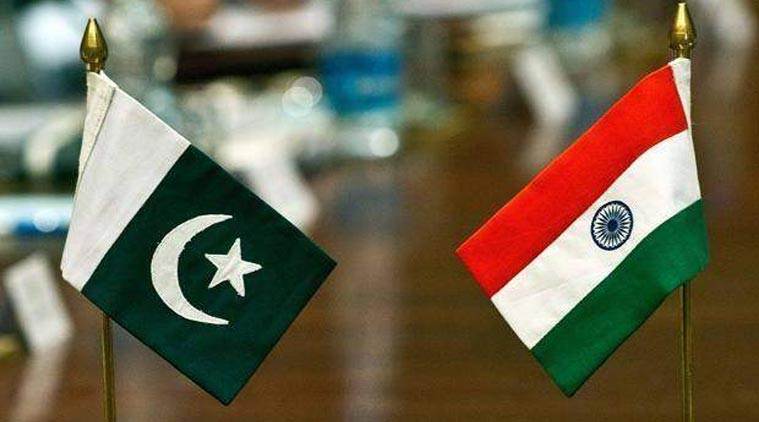
The India–Pakistan cricket rivalry is one of the most intense sports rivalries in the world. The tense relations between the two nations, resulting from bitter diplomatic relationships and conflict that originated during the Partition of British India into India and Pakistan in 1947, the Indo-Pakistani Wars, and the Kashmir conflict, laid the foundations for the emergence of an intense sporting rivalry between the two nations who had shared a common cricketing heritage.
The two sides first played in 1952, when Pakistan toured India. Test and, later, limited overs series have been played ever since, although a number of planned tours by both sides have been cancelled or aborted due to political factors. No cricket was played between the two countries between 1962 and 1977 due to two major wars in 1965 and 1971 and the 1999 Kargil War and the 2008 Mumbai terrorist attacks have also interrupted cricketing ties between the two nations.
The growth of large expatriate populations from both countries across the world led to neutral venues, including the United Arab Emirates and Canada, hosting bilateral and multilateral One Day International (ODI) series involving the two teams and the teams have met during International Cricket Council (ICC) competitions. Tickets for matches in which the two teams play each other at international competitions are in high demand, with over 800,000 applications for tickets made for the 2019 Cricket World Cup meeting between the two sides.
Players from both teams routinely face intense pressure to win and are threatened by extreme reactions in defeat. Extreme fan reactions to defeats in key matches have been recorded, with a limited degree of hooliganism. At the same time, India–Pakistan matches have also offered opportunities for cricket diplomacy as a means to improve relations between the two countries by allowing heads of state to exchange visits and cricket followers from either country to travel to the other to watch the matches.
IAF’s Wing Commander Abhinandan
On the day of February 27th 2019 both India and Pakistan said they shot down each other’s fighter jets on , with Pakistan capturing an Indian pilot a day after Indian warplanes struck inside Pakistan for the first time since the 1971 Liberation War, reports Reuters.
Earlier, India carried out air raids on rebel camps inside Pakistan weeks after a suicide attack in the disputed Kashmir region, raising fears of a war between the nuclear-armed South Asian nations.
Indian Prime Minister Narendra Modi vowed a strong response in the wake of the worst attack on soldiers in decades.
Pakistan will return a captured pilot “as a peace gesture” to India, Pakistan’s Prime Minister Imran Khan said on next day.
But the actual scenario seems to differ, it was reported later that the United States weighed in on the Pakistan Army through high-level military channels to release Wing Commander Abhinandan Varthaman within hours of his capture on February 27, making it clear to Rawalpindi that it was the only way to de-escalate matters. United States warned Pakistan of India’s strong military response if their wing commander isn’t released at the earliest.
We have seen in the case of Sarabjeet Singh (an Indian abducted and jailed by Pakistan police) that how Pakistan treats Indians into its side of territory. Mr. Sarabjeet was allegedly tortured to death and when his dead body was returned to India, it was later found that vital body parts of Sarabjeet were removed while he was still alive. So it’s obvious that there’s nothing like “peace gesture from Pakistan”. If someone really wish to see a peace gesture, then they should see Shimla treaty signed between India and Pakistan post 1971 Indo-Pak war in which Pakistan lost miserably and around 90,000 of Pakistani soldiers who were initially kept as war prisoners were later released under this treaty.
Hence its clear that which nation wants actual peace and which nation use the term of peace only for causing propaganda at United nations and the rest of world. It seems Pakistan would never change its attitude but India has moved on with its motive to boost its economy and parallel help other countries in Humanitarian operations. Where Pakistan is seen as terror camping underdeveloped and unsafe nation for business, India’s potential is being explored by great economies of the world.
In India Corruption goes hand in hand with nepotism. It goes on in government and private jobs both. Nepotism is common in politics, judiciary, and business and in the film industry. It goes on even in religious circles, arts, industry, and other types of organisations. Many members of Parliament and various Legislative Assemblies have a generations-long legacy of nepotism allocation of constituencies to their relatives. Many judges and advocates of the High courts and the Supreme Court are alleged to be appointed by exercising casteism, nepotism and favouritism, primarily because the Supreme Court and the High Court’s uses a non-transparent undemocratic appointment process called Collegiate which recommends to the President, in a legally binding manner, the names of judges to be appointed or promoted to the higher judiciary. The various judicial services exams are also infamous for these practices. The Bajaj family is related to the Birla family which itself is related to the Biyani family by marriage. Moreover, dynasty in politics remains. Rahul Gandhi, Vice-President of the Indian National Congress party, is a descendent of Jawaharlal Nehru and Indira Gandhi & Rajiv Gandhi. Data shows since 1999, the Congress has had 36 dynastic MPs elected to the Lok Sabha, with the BJP not far behind with 31 dynastic MPs. The highly popular sport of cricket is also affected with nepotism, although to a lesser extent, in the form of Stuart Binny, Rohan Gavaskar and very recently Arjun Tendulkar. Home minister Amit Shah’s son was appointed as the BCCI secretary.
Growing nepotism in the Indian film industry (Bollywood)
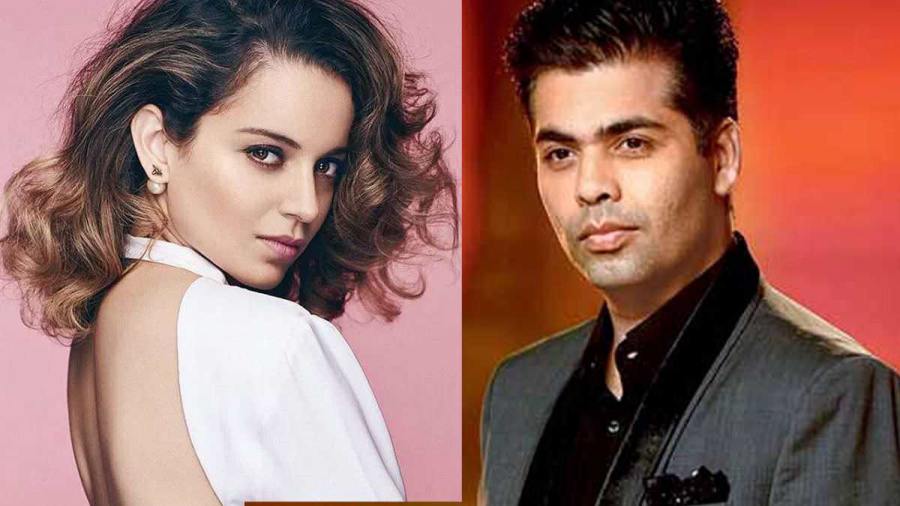
The Kapoor families and many other Indian film actors have been known for bringing their children into the industry with their endorsements and influence for decades. However, a fresh debate on nepotism soon followed the untimely demise of actor Sushant Singh Rajput, investigations into which have pointed to professional rivalry and instances of “bullying”. As per media reports, he was ostracized by the film fraternity despite being an accomplished actor. Filmmaker Karan Johar, with whom Rajput had worked in the Netflix film Drive, was quickly hailed as the flagbearer of nepotism by actress Kangana Ranaut, with Rajput’s fans calling for a boycott of Johar and his banner, Dharma Productions, as well as of actor Salman Khan and his brothers, who were greatly accused of bullying outsiders in the past. Actors and actresses like Alia Bhatt, Varun Dhawan, Janhvi Kapoor, Ishaan Khatter, Ananya Pandey, Athiya Shetty, Tiger Shroff, Arjun Kapoor, Sara Ali Khan, all of whom hail from film families, were also widely criticized for their mediocre filmography and quickly lost millions of social media fans and followers within a week. Responding to allegations of nepotism against her, Sonam Kapoor sparked controversy with a tweet on Father’s Day, with trolls calling her out for delivering poor films in the past few years.
In recent weeks, nepotism has become centre stage in mainstream public discourse. Triggered by speculations over the death of actor Sushant Singh Rajput, the debate was initially confined to the film industry. But it has since spread to other domains. What began as a hashtag about a tragic death has acquired a life of its own. How do we understand this sudden upsurge, given that nepotism is not a new phenomenon?
In India, whichever field one may consider, there is no denying the prevalence of influential families that wield nepotistic influence. But does this mean we make peace with nepotism? Certainly not. But a lot depends on how the debate is framed, and the nature of the contingent politics around the nepotism discourse.
India’s union Cabinet on Wednesday approved the National Education Policy 2020, engraving a way for transforming reforms in school and higher education sector in the country. Union cabinet also renamed the HRD Ministry as Education Ministry. Making the announcement, Union Ministers Prakash Javadekar and Ramesh Pokhriyal Nishank said there would be a single regulator for all higher education institutions and MPhil would be discontinued.
“I congratulate Government of India for giving the country an education policy that will nurture a child’s creative and unique abilities rather than only judging them on their exam scores”, said famous film actor Anil Kapoor in reaction to new education policy.
The National Education Policy was framed in 1986 and modified in 1992. More than three decades have passed since previous Policy. During this period significant changes have taken place in our country, society economy, and the world at large. It is in this context that the education sector needs to gear itself towards the demands of the 21st Century and the needs of the people and the country. Quality, innovation and research will be the pillars on which India will become a knowledge super power. Clearly, a new Education Policy is needed.
The Government had initiated the process of formulating a New Education Policy through the consultation process for an inclusive, participatory and holistic approach, which takes into consideration expert opinions, field experiences, empirical research, stakeholder feedback, as well as lessons learned from best practices.
The Committee for preparation of the draft National Education Policy submitted its report to the Ministry on 31.05.2019. The Draft National Education Policy 2019 (DNEP 2019) was uploaded on MHRD’s website and also at MyGov Innovate portal eliciting views/suggestions/comments of stakeholders, including public. The draft NEP is based on the foundational pillars access, affordability, equity, quality and accountability.
Post submission of Draft Report States/UTs Governments and Government of India Ministries were invited to give their views and comments on Draft National Education Policy 2019. A brief summary of the Draft National Education Policy 2019 was circulated among various stakeholders, which was also translated in 22 languages and uploaded on the Ministry’s website. Meetings with State Education Secretaries of School Education and with State Secretaries of Higher & Technical Education were held.An Education Dialogue with Hon’ble MPs of Andhra Pradesh, Telangana, Tamil Nadu, Puducherry, Kerala, Karnataka and Odisha.
A special meeting of CABE on National Education Policy was held. In the meeting, 26 Education Ministers of various States and UTs, representatives of States and Union Territories, Members of CABE, Heads of Autonomous Organisations, Vice Chancellors of Universities, attended the meeting along with senior officials of the Central and State Governments. Around 2 lakh suggestions on the Draft National Education Policy received from various stakeholders. A meeting on Draft NEP 2019 of Parliamentary Standing Committee on Human Resource Development was held on 07.11.2019.
Indian Government also said that “Efforts will be made to incentivize the merit of students belonging to SC, ST, OBC, and other SEDGs. The National Scholarship Portal will be expanded to support, foster, and track the progress of students receiving scholarships. Private HEIs (Higher Education Institutes) will be encouraged to offer larger numbers of free ships and scholarships to their students.”
A development in the Indian education system and policies were need of the time, demand of the 21st century. It took almost 34 years for India to make changes into its schooling, Higher Education processes.
India has improved drastically in the World Bank’s ‘Ease of Doing Business’ 2020 international ranking by moving up to 63 out of 190 countries in the list. India was at rank 130 in a list of 189 countries in 2016. A sudden jump in rank from 130 to 63 is definitely remarkable and shows true business potentials of new India. Although this sounds good there is a lot more to be done for India to continue rising up. Hrishikesh Datar, Founder and CEO of Vakilsearch, a technology driven company empowering Indians with access to trustworthy legal solutions for entrepreneurs, gives his insights into what more can be done to push India further up the ranking.
The World Bank has said “In the year of 2015, India eliminated the paid-in minimum capital requirement and streamlined the process for starting a business. More reforms are ongoing—in starting a business and other areas measured by Doing Business—though the full effects are yet to be felt”.
Doing business in India – a country which the economic pundits say will be the world’s second-largest economy by 2030 (with China top and the USA pushed into third place). Going back a decade or so this assertion might have seemed nothing more than a fantasy, but everybody now seems to agree that India is finally going places. With a rapidly growing population of 1.3 million which boasts a vibrant middle class and a demographic which is heavily weighted towards youth, the potential of India seems almost limitless.
In the past, many developed economies saw India as a destination for the low-cost outsourcing of back-office or R&D-type functions and, whilst this area of the economy continues to thrive, India needs to be viewed in a very different light these days. India is, quite simply, the world’s largest potential market for goods and services. Where China has already developed much of its infrastructure and service economy, India still has enormous work to do. Look around on the streets of Delhi, Bangalore or Chennai and the need for development is obvious – move into the second or third tier cities and this need becomes even more acute.
What does all of this point to? Opportunities. India is a land of endless possibility where the people are aspirational, energetic, open and eager for progress.
Research
The biggest mistake organisations make when looking at India as a market is that they fail to do adequate research. To say that India is enormous would be a massive understatement. A country with 1.3 billion people, multiple languages, ethnicities, climates and geographies cannot be approached as a homogenous unit. You can’t really have an ‘India strategy’ – you probably need multiple India strategies.
The first question has got to be is: ‘Is India the right market for your products or services at this stage of your development, taking into consideration the current needs of India?’ This is not an easy question to answer. So many factors come into play when addressing this – what is your price point, and how does that sit against the competitive landscape in India? Who are your major competitors and how are they faring? Can you afford to invest in India knowing that the returns might not accrue for a number of years? Which city or region would be a good starting point?
All of these questions need answers, but good quality information is not always easy to come by in India. You will need to engage people on the ground in India who can really get under the skin of the local market and get back to you with honest, trustworthy answers to key strategic questions. Don’t convince yourselves you can do all your research via a laptop back in your office or home– you quite simply can’t.
Finding Manpower
India is full of really great potential employees. On the whole, Indians are well-educated, ambitious, enthusiastic and motivated. Lack of local talent definitely isn’t the issue; finding and retaining good people though can be very difficult.
The Indian employment market is very fast-moving. Indians are always on the lookout for ways of improving their career prospects, job titles and income. How are you going to convince good people that you offer them a bright future? Why should they join your company when there is a myriad of opportunities for the type of people you are looking for?
Culture in India
The underlying factors which drive Indian business culture are deeply rooted in the country’s religious, societal and ethnic past. People are often fooled into thinking that because Indian’s often speak good English and because the country has a western-influenced history, that the cultural challenges they might face will be minimal. Nothing could be further from the truth.
You simply cannot hope to succeed in India unless you gain a very good understanding of the local cultural landscape.
Though with huge efforts of Indian government like launching a start-up India portal, Mudra Loan scheme for MSME (medium small & micro enterprises), there’s a lot to be done in collaborate efforts of Indian citizens and Indian government to get into top economic powers of the world.
The detergent market in India is divided into three segments – premium, mid-range, and popular. The premium segment comprises Ariel and Surf; the mid-range segment comprises Tide, Henko, and Rin; and the popular segment comprises Mr White, Wheel, Nirma and Ghari. The market share of the detergents in the premium segment is 15%, and that of the mid-range and popular are 40% and 45% respectively. These detergent brands are considered organized players in the industry and comprise 60% of the total market. The remaining 40% of the market is saturated with regional and small unorganized players. Reports show that India’s per capital consumption of detergent stands at 2.7kg – the lowest in the world.
Before 1985, Hindustan Unilever’s Surf held the number one position in the detergent market in India. However, when Nirma Chemicals launched a detergent brand called Nirma, catering to the middle and lower middle class customers, Surf was evicted from its number one position. Soon, HLL realized that there were fragments of the market which were untouched by major detergent players in India and it came up with two low-priced detergents called Wheel and Rin to cater to the lower middle class group. When Hindustan Lever, HLL, and Nirma Chemicals began increasing their market share, Rohit Surfactants, yet another player, launched a detergent brand called Ghari for rural customers, and middle and lower middle class customers.
Today, Ghari is the market leader in the detergent industry, with a market share of 17.3% and Wheel is tagging behind closely at 16.9%. Tide is at present at the third position with a market share of 13.5% and Nirma has less than 6% market share. Ghari has always maintained affordable pricing, which is why it has managed to become a household name in India. To increase its customer base, Rohit Surfactants has spread its distribution network for Ghari detergent to more states in India. In fact, in the last three years, the company has increased its reach to 10 more states and it sells Garhi detergent through more than 3,500 dealers.
The detergent industry is worth Rs 13,000 crores and industry players are constantly improving their products to suit the changing needs of consumers. A few years back, liquid detergents were almost unheard of; however, today, we witness more and more companies producing liquid detergents alongside powder detergents and laundry bar soaps. In the past, consumers in India used to wash clothes by hand but today, with the advancement of technology, more and more people are shifting to washing machines. Hence, detergent companies have tweaked their products to enable the washing of clothes in all types of washing machines – top load, front loading, fully automatic, and semi automatic washing machines. In addition, detergent companies have started manufacturing powder detergents in packs of 20 grams, 200 grams, 500 grams, 1 kg, and 2 kg to cater to the needs of those who prefer to buy in small packets and in bulk. Today, consumers have a number of products to choose from, which is why companies are constantly upgrading their products and coming up with better and innovative advertising campaigns to increase their market share.
The Indian detergent market is largely divided into two markets of organised and unorganised players. The main products sold here are the detergent bars, detergent powder & liquid detergent. The major proportion of Indian market lies in the rural area in which people are less aware of the brands, buys from general retails and are also highly price sensitive. Moreover, they can easily switch to another product if it is being offered at lower price.
Hence, price competition is a major factor in Indian Detergent market. On the other side, urban people are educated and are aware of the trends, brands and fabric hygiene. Furthermore, they also purchase detergents from multibrand retails and e commerce. Hence, the premium detergent products such as washing machine powders and liquid detergents were developed targeting the urban audience.
The Indian Detergent market has always seen a substantial growth and is expected to reach INR 49067 crore with a compounded annual growth rate (CAGR) of more than 9%. The Surf brand of Hindustan Unilever Limited claims to be the first brand of the market but soon with the introduction of indigenous brands such as Nirma and Ghari, the global leader lost its shares in Indian market. The indigenous brands Nirma and Ghari pinched the empathy of Indian consumers and started making available detergent powder in Indian market.
However, Nirma lost its share over the Ghari Detergent and the brand Ghari by Rohit Surfactants is currently leading the Indian Market with highest market share. The liquid detergent was brought by HUL in the year 2013 under the brand name of Surf Excel. Other price friendly brands such as Rin, Active Wheel, Tide, etc came into the market with their pricing strategies.
The detergents are made available to the end consumer through mainly three sales channels- General retail, Multi brand retail and online retails. The rural market have only general retails which restricts the people to have only one buying option. But the urban people enjoy various discounts and festive offers given by Multibrand and online retails. The major working chain in Indian multibrand retails re Big Bazaar, D mart, Bansal, etc. and e commerce such as Amazon, Flipkart, etc. offers variety of detergents in different size and packaging.
India the only major Asian economy that’s grown its export share since the start of the tariff wars in 2018 is the one with the fewest trade links to China. India’s share of world exports rose to 1.71% in the first quarter of 2019 from 1.58% in the fourth quarter of 2017, data compiled by Bloomberg show. The share of every other economy among Asia’s 10 biggest exporting nations fell in the same period.
The two largest goods traded by India are mineral fuels (refined or unrefined) and gold (finished gold ware or gold metal). In the year 2013-14, mineral fuels (HS code 27) were the largest traded item with 181 billion USD worth imports and 64.685 billion USD worth re-exports after refining. In the year 2013-14, gold and its finished items (HS code 71) were the second largest traded items with 58.465 billion USD worth imports and 41.692 billion USD worth re-exports after value addition. These two goods constitute 53 per cent total imports, 34 per cent total exports and nearly 100 per cent of total trade deficit (136 billion USD) of India in the financial year 2013-14. The services trade (exports and imports) are not part of commodities trade. The trade surplus in services trade is 70 billion USD in the year 2017-18.
Part of the reason for India’s outperformance is that it’s not as integrated into global manufacturing supply chains as peers, which means exporters are cushioned from rising trade tensions in the region.
It’s a sentiment that was flagged by central bank Governor Shaktikanta Das in an interview.
“India is not part of the global value chain,” he said. “So, U.S.-China trade tension does not impact India as much as several other economies.”
China is the biggest buyer of goods from South Korea and Japan, whose share of world exports have fallen the most in Asia. For India, China is the third-largest market, after the U.S. and the U.A.E.
“Our biggest advantage is that our product basket and market basket are both quite diversified,” said Rakesh Mohan Joshi, a professor at the Indian Institute of Foreign Trade in Delhi.
Trade tensions between the U.S. and China have given India an opportunity to ramp up exports to both countries, according to Ajay Sahai, director general and chief executive officer of the Federation of Indian Export Organisations.
India’s exports to the U.S. grew at the fastest pace in six years in the year ended March 2018, while exports to China surged 31%, the second highest annual pace of growth in more than a decade, data from India’s Ministry of Commerce show.
“China is more willing to give market access to India than ever before,” said Sahai, pointing to increased access for products such as rice, fruits and vegetables, with potential for greater exports of pharmaceuticals and automobile components to China.
On the other hand, India’s exports to the U.S. could lose momentum. President Donald Trump has criticized India for its tariffs on U.S. products, and withdrew trade concessions on $6.3 billion of Indian goods on June 1. India responded with higher tariffs on about 30 American products.
India stands at number 16 in the list of global trading partners and the nation is running with its pace to reach under top 10 in the list but the covid-19 pandemic has hit not just Indian economy but the entire world economy. The all of world would take steep financial dive with this epidemic before reaching on its initial status, till then let’s hope for the betterment of not just India, but the whole of world and the severely impacted victims of this contagious virus.
On the month of May 14th in the current year 2020, Mr. Tushar Jindal, 40, a kidney patient, tested positive for novel coronavirus and his family shocked with the results made some calls to Sir Ganga Ram Hospital, India’s one of the elite private hospital situated in Delhi. The private hospital allegedly asked for an advance deposit of INR 5 lakhs for admission.
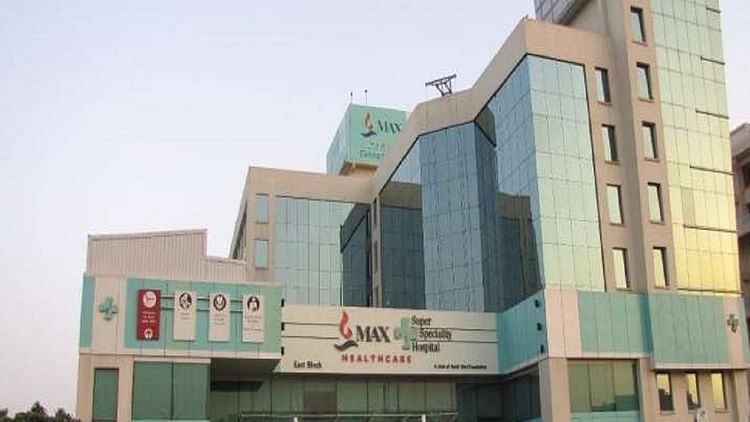
Since the amount was hefty for a middle class Indian family, following advice from Mr. Jindal’s nephrologist, they admitted him at Max Hospital in Saket, Delhi where an advance of INR 2.5 lakhs had to be paid.
“While I was admitted there, I barely received any treatment as my condition was stable. I was discharged within four days, but I was handed an exorbitant bill of ₹1.98 lakh,” claimed Mr. Jindal. He has sent a legal notice to the hospital contesting many of the items charged for and claiming that the bill issued to him was “faulty and fake and carries a lot of unnecessary and unreasonable charges”.
Mr. Jindal’s notice states that medicines and drugs which were not administered to him have been charged for in the bill and a charge of ₹71,000 questioned for “investigation” offered no other detail. Specifically, the notice states that being a kidney transplant patient, Mr. Jindal takes a particular brand of medicine prescribed by his nephrologist and he has been charged for a medicine he could never take, as it belongs to another company. He claims that he consumed his nephrologist-prescribed brand but has been charged for an alternative with four units and six times a day. Mr. Jindal was also charged ₹8,900 per day for PPE kits amounting to ₹35,600, hospital bills show. He was also charged ₹52,000 for “other charges”, which the notice terms “irrelevant and fake”.
Responding to queries, a Max Healthcare spokesperson said: “A patient’s attendants are counselled about the estimated cost of treatment at the time of admission itself, and they are required to sign an informed consent form for all treatment and procedures. Bill updates are also shared on a day-to-day basis on registered mobile numbers of attendants for any immediate concerns. The attendants of the patient were explained the overall consumption of PPEs during a 24-hour cycle, which is approximately nine PPEs per day per person in the COVID ICU, and the costs charged to the patient are in line with the costs incurred by the hospital in sourcing the PPEs.”
D.S. Rana, chairman of Sir Ganga Ram Hospital, said “the upfront payment is to tide over certain issues such as the family of a COVID-19 patient not being allowed to come to the hospital due to risk of infection. How will they make payments? We ask for INR 5 lakhs as advance from COVID-19 patients and refund the money if the bill is less than that,” he said.
Dr. Rana said, “The hospital follows a similar process for non-COVID-19 treatment too”.
“There is nothing to hide. Our expenses have gone up since the virus outbreak. Our hospital is just meeting expenses, not making any profit. The government can audit our accounts if they want,” he said.
Another case of a Journalist from nationalheraldindia shows another face of the overall situation and the huge differences in charging between government and private hospitals. The said journalist initially went seeking aid from an elite private hospital who gave a pricing quotation of INR 9 lakhs, the journalist was shocked with this pricing and with the mere fact that particular hospital called it as “a package for covid-19 treatment”, yes a package!
Shocked with the pricing, he decided to admit himself to the district civil hospital in the city where they charged him INR 50 (fifty) per day for three medicines and less than INR 1,000 per day for equipment that included oxygen cylinders and ventilators. With his multiple ailments, including chronic kidney disease, he should have had no hope of survival. But it is almost a miracle that the doctors at the district civil hospital pulled him out of danger and did not allow the comorbidity factors to undermine his chances of recovery. Out of hospital for a week now, he is fighting fit and back to the normal activities of a journalist.
Now what we can do to tackle these situations is to question the administrations, the system and governments ruling these systems, we need to ask our governments as to “why they are unable to curb the exorbitant charges by the prominent private hospitals of India”.
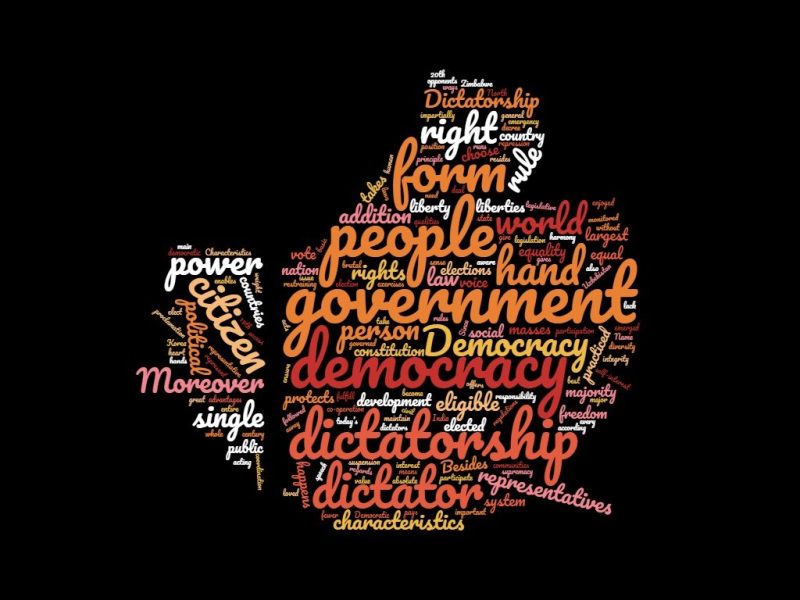
The current scenario of world order is disturbed and tightly stressed in the midst of on-going epidemic, Corona Virus. A virus that originated in China has spread across the globe reaching almost every country. Many countries are pointing fingers at Communist Party of China (CPC) for delaying information regarding deadly virus outbreak. Some accusations even suggest that this particular virus had been intentionally developed by the Chinese in the wuhan laboratory of virology to rupture the global economy. All this has led to tensioned strings between China and the rest of the world, with only few countries in support of china. Nations among these few allies of china are North Korea, Pakistan, Turkey, Iran etc. The most important aspect drawing attention is that all of China’s allies are either dictatorship or partially democratic.
This leads to our conclusion for the title, world war 3 would definitely be a war between dictatorship and the democracy.
India’s Military Up-gradation
India has decided to order 12 more Su30MKI fighter jets that will be made at Nasik by HAL under Russian licence. This new order will add to the 272 fighters of the type already ordered by the Indian Air Force. The Su30MKI fleet is now the backbone of IAF and will continue to be so for the coming years. The Chinese air force, too, operates the Su30 fighters.
With more than 260 fighters in service, Su30MKI forms the bulk of IAF. Additional jets are still being manufactured by HAL at Nasik and production will continue for next 2-3 years. The Indian versions are different from other Su30s as they are tailored to the needs of IAF. The designated MKI for India, the India’s modified Su30MKI have advanced Israeli avionics and an electronic warfare system, making them different from the standard Su30. The Indian fighter Aircrafts also demonstrates Brahmos firing capabilities.While they all have standard Russian origin R73/77 missiles, the Indian version will now be equipped with the longer-range Astra, the beyond visual range air-to-air missile developed by India’s DRDO (Defence Research & Development Organisation). This adds an advanced new capability to the aircraft that has till now been hampered by limited range to take down air targets, compared to the western platforms. Though it’s beyond visual range combat ability is limited, at close quarters it has unbeatable capabilities. China operates two variants of Su30 but these aren’t as capable as the Indian versions. The restrictions on the use of Israeli and western subsystems is one of the major reasons. China had ordered 73 of the older MKK version and later added 24 of the MK2 version for its Navy. However, unlike the MKI, the Chinese version does not have thrust vectoring engines, making them less manoeuvrable and nimble than the Indian fighters. China did not manufacture Su30s domestically, but it copied the design to make two indigenous versions called J11 and J16. The J11, which is based on Su27 platform, is the backbone of PLAAF, with 346 of the type ordered. The more advanced version J16 is based on the Su30 platform and are at least 128 in the service. China has fitted the aircraft with indigenous weapons, including PL12 and PL15 air-to-air missiles.
Both India and China are engaged in setting up their armies at the Indo-China borders, more aggressively after the galwan, Ladakh incident of clash between PLA (people liberation of China) and Indian army. It is also observed that most of the world leaders are upset with China’s response and careless behaviour towards the spread of covid-19. If at any point war breaks between India & China, the world would divide into allies and enemies. Diplomatically the India’s relationship with the rest of the world, would leave China helpless during war.
As the world battles the COVID-19 pandemic, countries are moving to stringent measures like lockdowns and curfews. With markets crashing, the global economy is staring at a deep distress.
Entire world is fighting against epidemic COVID 19 outbreak and Hon’ble Prime Minister of India Sh. Narendra Damodardas Modi has taken much need precautionary step of complete lockdown from midnight 12’o clock of 24th March, 2020 onwards for next 21 days and again extended to 3rd May, 2020 for another 19 days.
In this difficult environment, each regulatory body is releasing relief measures and guidelines for easing out the impact of COVID 19. On the financial and compliance front, announcements have been flowing from the Government authorities in the form of deferment of statutory due dates or relaxation in payment terms to overcome the financial crisis being faced due to lock-down.
Similar to several countries, the Government of India has begun working on an economic package to deal with the impact of the pandemic. Realising the hardships faced by its citizens, the Union Finance & Corporate Affairs Minister Smt. Niramla Sitharaman has announced several important relief measures on tax and regulatory aspects.
The Finance Minister also announced that necessary legal circulars and legislative amendments for giving effect to these relief measures will be issued by the concerned Authority.
Following is the summarised form of the key announcements made by the Finance Minister here below:
Direct Taxes
1. Extension of tax return filing deadline
The deadline for the following types of tax return have been extended from 31 March 2020 to 30 June 2020
Belated income-tax return for tax year 2018-19
Revised income-tax return for tax year 2018-19
2. The timeline for linking Aadhaar with PAN has been extended to 30 June 2020
3. Relief with regards to delay in payment of taxes
Interest at the reduced rate of 9% (i.e. 0.75% per month instead of 1/1.5 percent per month) will be charged on delay in respect of following payments made between 20 March 2020 and 30 June 2020:
Advanced tax
Self-assessment tax
Regular tax
Taxes withheld or collected at source
Equalization levy
Securities Transaction Tax and
Commodities Transaction Tax
Penalty and late fees in relation to the above mentioned payments are to be waived off
4. Extension of compliance due dates
In respect of the following, where the due dates fall between 20 March 2020 and 29 June 2020, the revised due dates shall be 30 June 2020:
Issue of notice
Intimation
Notification
Approval order
Sanction order
Filing of appeal
Furnishing of return, statements, applications, reports, any other documents
Completion of proceedings by the authority and
Any compliance by the taxpayer including investment in saving instruments or investments for roll over benefit of capital gains
5. The Direct Tax Vivad se Vishwas Act, 2020:
The timeline for payment of disputed arrears without attracting additional 10% amount under the Vivad se Vishwas Scheme extended from 31 March 2020 to 30 June 2020.
Indirect Taxes
1. Extension of GST return filing deadlines:
The last date for filing the forms GSTR-3B due in months of March, April and May 2020 (i.e. returns of February, March and April 2020) will be extended till 30 June 2020 (in staggered manner)
Date for filing GST annual returns of FY 18-19, which is due on 31 March 2020 is extended till the last week of June 2020
2. Relief in respect of payment of taxes
For those having aggregate annual turnover less than INR 50mn, no interest, late fee, and penalty will be charged for the period
However, for those having an aggregate annual turnover of more than INR 50mn, a reduced rate of interest @ 9% per annum will be charged from 15 days after due date (current interest rate is 18 % per annum) for the delayed payment between 20 March 2020 and 30 June 2020, but no late fee and penalty will be charged if complied before 30 June 2020
Last date for making payments by the Composition dealers for the quarter ending 31 March 2020 will be extended till the last week of June 2020
Payment under Sabka Vishwas Scheme shall be made without interest till 30 June 2020
3. Extension of compliances due dates
In respect of the following under GST law, where the due date falls between 20 March 2020 and 29 June 2020, shall be extended to 30 June 2020:
Issue of notice
Notification
Approval order
Sanction order
Filing of appeal and
Furnishing of return, statements, applications, reports, any other documents
4. Date for opting for composition scheme for the F.Y. 2020-2021 is extended till 30 June 2020
5. 24X7 Custom clearance till end of 30 June 2020
Corporate Laws
1. CARO 2020
Applicability of Companies (Auditor’s Report) Order, 2020 will be effective from FY 2020-2021
2. Board meeting
The mandatory requirement of holding Board meetings within prescribed interval provided by the Companies Act, 2013 (120 days) shall be extended by a period of 60 days till next two quarters i.e. till 30 September
3. Meeting of Independence Directors
For FY 2019-20, if mandatory one meeting of independent directors is not held, the same will not be treated as non-compliance
4. Form INC-20A- Declaration of commencement of Business
New Companies being given 6 more months for filing declaration of commencement of business
5. Debenture
Time line to invest 15% of debentures maturing in a particular year has been extended from 30 April 2020 to 30 June 2020
6. Deposit Reserve
Requirement of creating a Deposit Reserve (equal to 20%) of deposits maturing during FY 20-21, extended to 30 June 2020 instead of 30 April 2020
7. Minimum residency
Non-compliances with 182 days residency in India by Director will not treated as non-compliance
8. No Additional Fees
Moratorium period from 1 April 2020 to 30 September 2020, during which no additional fee would be charged in respect of any filing, irrespective of its due date
9. Insolvency and Bankruptcy Code 2016 (IBC)
Minimum amount of default required to initiate insolvency and liquidation on corporate debtors raised from INR 1 lakh to INR 1 crore, effective immediately, in order to prevent admission of MSMEs defaulting due to economic conditions in lieu of COVID-19
Proposed Suspension of new initiations of Corporate Insolvency Resolution Process under Sections 7, 9 and 10 of IBC for 6 months, contingent upon scenario beyond 30 April 2020 as a safeguard companies from defaults attributable to financial downturn pursuant to the COVID-19 pandemic
Among the measures announced late on Tuesday, the government extended the e-way bill validity for the second time since the lockdown was imposed. The e-way bill generated on or before March 24 and expiring during the March 20-April 15 period would now be valid till May 31. This is likely to help trucks stuck en route to reach their destinations.
Further, the notification extended by three months the deadline for furnishing the annual return and GST audit for financial year 2018-19 to September 30. Additionally, a taxpayer can now furnish monthly return GSTR-3B showing nil sales through SMS using the registered mobile number. This return would be verified by a registered mobile number based one-time password (OTP) facility, the notification said.
Indian democracy though not the oldest but still the largest of all democracies around the globe. It has its own sets of merits and demerits to which we would like to shed some lights on. The Indian political diaspora is unlike any other political system being quite complex with its 100s of national and state wise political parties. A system so diverse, that would always have some room for new political parties making it extreme difficult to choose from, for the citizens with voting rights. Political groups mostly based on caste or creed, religions or regions, are spread across the nation with dedicated voters who would never turn them down.
Now this can’t be concluded that Indian democracy is a bucket of flaws, it’s just that it has too much flexibility and has scope for all measures. A ferocious criminal would have equal citizen rights just as an innocent law abiding citizen would have. The Indian judiciary never sees any accused with public or news media’s perspective; everyone would go through same court trial. The Indian judiciary says “Doesn’t matter how many culprits are left unpunished but under no circumstances an innocent be punished”.
The many political party system on one hand obstructs the formation of decisive actions for the betterment of nation, it basically slows the overall process of national development but on the other hand it also ensures that no such bill/law to be passed that is unacceptable even to the super minorities of the country. Multiple party systems also ensure that representative of all castes or creeds, religions or races are present in the law forming parliament house. A good opposition is equally responsible for national growth as like a good running government.
A good democracy also ensures that no military gets above the political power and this situation remains likewise forever. We have many examples of failed/ collapsed nations who had military power above the political will, these countries being Syria, Lebanon, Iraq, Yemen and Pakistan. These countries had been victims of military hijack, where its citizens lost all their fundamental rights and political system could not do anything. In ministry of defence, Governors, President poses all political and decision making rights above all security forces, be it Army, Air Force, Navy or Police.
An army’s general would seek indirect permissions from the Prime Minister of India and not the President alone. Political leaders elected directly by the common crowd of India possess much more power than any government official or a representative further elected by the elected members.
This basically protects the idea of free India, a place for all and a place where every opinion matters. We do understand that Indian democracy is designed such that it would take greater time to incorporate changes, because when you have to bring together a crowd of 1.4 Billion with their agreeable opinions, it will take time.
Indian democracy isn’t just the largest, it has room for all. As mentioned earlier in this article, it takes time to initiate changes for the good but the good stays forever and for a law abiding citizen would be able to protect his dream for the better and safe tomorrow.






 Eduindex
You must be logged in to post a comment.