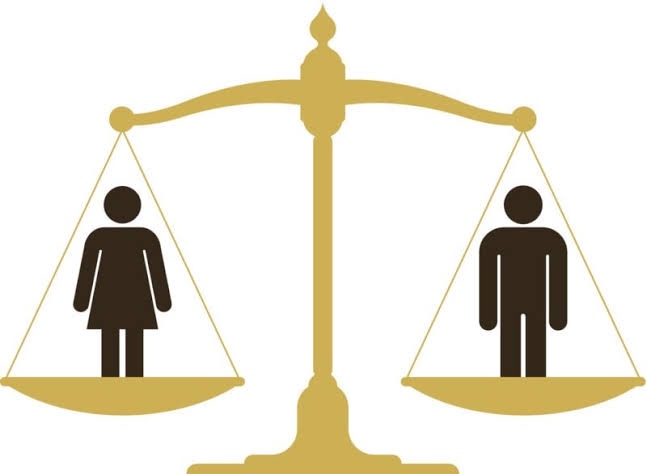
ARUNIMA SINHA

Arunima Sinha was born on 20 July 1989 in Lucknow, Uttar Pradesh. She is the World’s first female amputee to scale Mount Everest, Mount Kilimanjaro (Tanzania), Mount Elbrus (Russia), Mount Kosciusko (Australia), Mount Aconcagua (South America), Carstensz Pyramid (Indonesia) and Mount Vinson, she is additionally seven time Indian volleyball player.

EARLY LIFE AND TRAIN ACCIDENT

Arunima preferred football and furthermore was a public volleyball player. She needed to join paramilitary powers. Be that as it may, when she was going to Delhi in a train a few burglars entered in train mentor to take her pack and gold chain. She had a go at opposing yet they pushed her out of the train and fell on the track. She attempted to get up yet couldn’t and afterward the train run over her leg.

She was raced to the clinic with genuine leg and pelvic wounds and lost her leg after specialists removed it to save her life.

She was offered remuneration of ₹25,000 (US$350) by the Indian Sports Ministry. Following public shock, the Minister of State for Youth Affairs and Sports Ajay Maken declared an extra ₹200,000 (US$2,800) remuneration as clinical help, along with a suggestion for a task in the CISF. The Indian Railways additionally extended to her an employment opportunity.

On 18 April 2011, she was brought to the All India Institute of Medical Sciences for additional therapy, going through four months at the Institute. She was given a prosthetic leg liberated from cost by a private Delhi-based Indian organization.

MOUNT EVEREST ASCENT

While as yet being treated in the All India Institute of Medical Sciences, she set out to climb Mount Everest. She was propelled by cricketer Yuvraj Singh (who had effectively struggled malignant growth) and other TV programs, “to accomplish something” with her life. She dominated in the essential mountaineering course from the Nehru Institute of Mountaineering, Uttarkashi, and was urged by her mom to ascend Everest. She climbed Mount Everest with a prosthetic leg, which was orchestrated by raising assets with the assistance of a master of Ramakrishna Mission, Vadodara.

She reached Bachendri Pal. When she met Pal and Arunima disclosed to her story to her, Bachendri Pal said to Arunima “My youngster You chose to climb Mount Everest in these circumstances with Prosthetic (Artificial) leg. You had climbed, accomplished Mount Everest my youngster now the date is staying to the World to know”.

Furthermore, after that Arunima join essential mountaineering course from Nehru Institute of Mountaineering and TATA Steel Adventure (TSAF) in Uttarkashi (India) and she was energized or roused by her senior sibling Omprakash to ascend Mount Everest.

Sinha climbed Island Peak (6150 meters) in 2012 as groundwork for her rising of Everest.

Sinha and Susan Mahout, a USAF educator, who had together climbed Mount Chaser Sangria (6,622 meters or 21,726 feet) in 2012 under the direction of Hendrick Pal began their rising of Mount Everest.

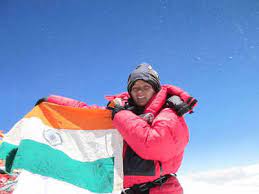
After a hard work of 17 hours, Sinha arrived at the highest point of Mount Everest at 10:55 am on 21 May 2013, as a component of the Tata Group-supported Eco Everest Expedition,becoming the primary female amputee to scale Everest. She required 52 days to arrive at the highest point. She composed a little message saying thanks to the Almighty on an enveloped fabric and squeezed it by the snow. Relating the occurrence, she said:

It was my recognition for Shankara Bhagawan, and Swami Vivekananda who has been a motivation for the duration of my life.

The Chief clergyman said that Sinha had made history, because of her persistent effort and assurance, by climbing Mount Everest. She was complimented by the Indian Sports Minister Jitendra Singh on her accomplishment.

Arunima Sinha is presently devoted towards social government assistance and needs to open a free games foundation for poor people and distinctively abled individuals. She is giving every one of the monetary guides she is overcoming grants and courses for a similar reason. The foundation would be named Shaheed Chandra Shekhar Vikalang Khel Academy.

She composed the 2014 book Born Again on The Mountain.

She is a motivation to every one of the ladies and individuals with handicap. She demonstrated that one requires difficult work and energy to achieve objective. She has a solid resolve which caused her to achieve her objective even get-togethers around her pity her. She genuinely demonstrated that “the sky is the limit”.
Republic Day

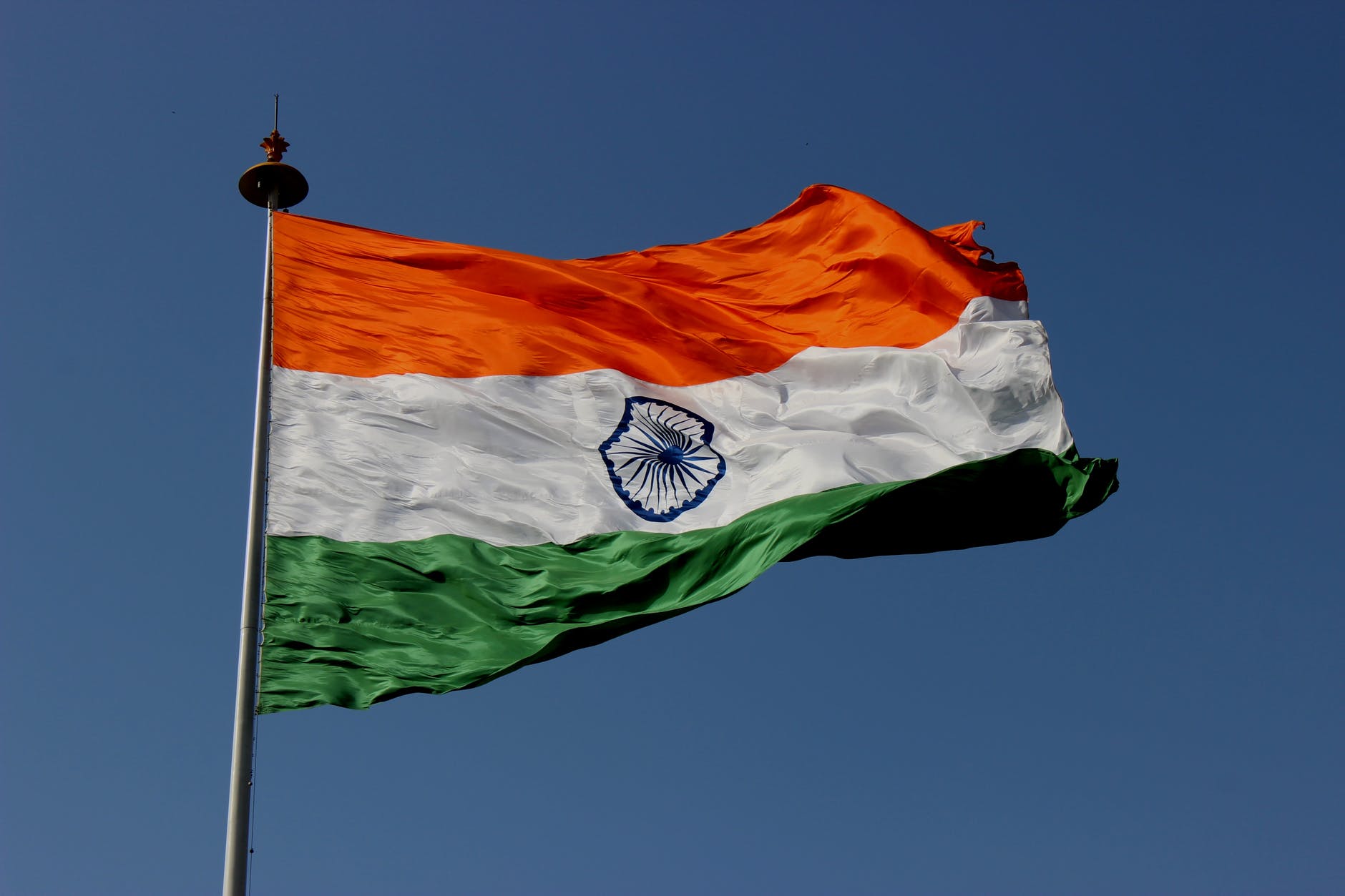
India celebrates Republic Day on January 26 annually with a lot of pride and fervor. It is a day that is important to every Indian citizen. It marks the day when India became truly independent and embraced democracy. In other words, it celebrates the day on which our constitution came into effect. On 26 January 1950, almost 3 years post-independence, we became a sovereign, secular, socialist, democratic republic.

History of Republic Day

While we got independence from British rule on August 15, 1947, our country was still lacking a concrete constitution. Moreover, India also did not have any experts and political powers which would help in the functioning of the state affairs smoothly.  Up until then, the 1935 Government of India Act was basically modified in order to govern, however, that act was more bent towards the colonial rule. Therefore, there was a dire need to form an exclusive constitution that would reflect all that India stands for.

Thus, Dr. B.R. Ambedkar led a constitutional drafting committee on August 28, 1947.  After drafting, it was presented to the Constituent Assembly by the same committee on November 4, 1947. This whole procedure was very elaborate and took up to 166 days to complete. Moreover, the committee organized sessions were kept open to the public.

No matter the challenges and hardships, our constitutional committee left no stone unturned to include rights for all. It aimed to create the perfect balance so all citizens of the country could enjoy equal rights pertaining to their religions, culture, caste, sex, creed and more. At last, they presented the official Indian constitution to the country on January 26, 1950.

Moreover, the first session of the India Parliament was also conducted on this day. In addition to that, 26th January also witnessed the swearing-in of India’s first president, Dr. Rajendra Prasad. Thus, this day is very important as it marks the end of the British rule and birth of India as a Republic State.

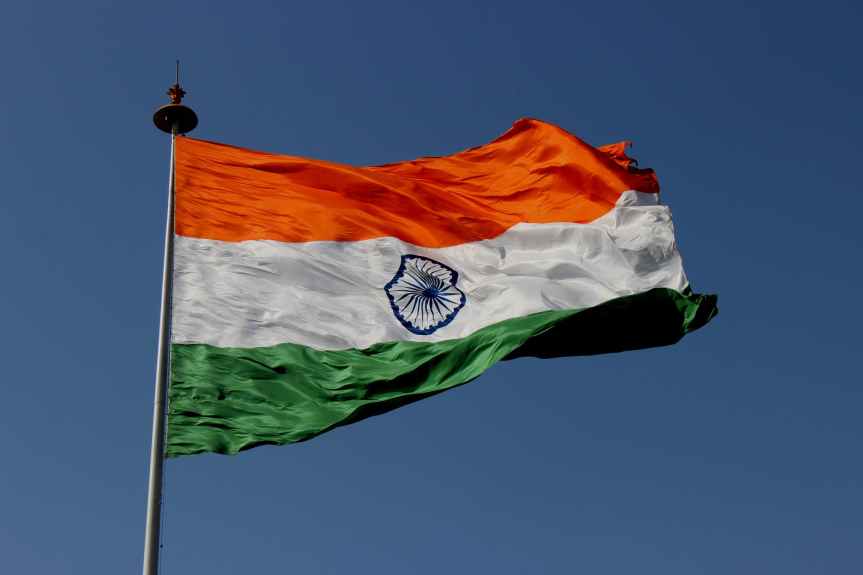
Photo by Alok Uniyal on Pexels.com

Republic Day CelebrationsIndians celebrate January 26 each year with lots of enthusiasm and zeal. On this day, people forget their religion, caste, creed, sex, and more. It brings together the country as a whole. It truly shows the diversity of our country. The capital city of India, New Delhi, celebrates it with a Republic Day Parade that showcases the might of the Indian Military and the cultural diversity of our country.These parades take place in other cities as well, where a lot of schools participate in.

It is a delight to watch the children and professionals put in so much effort. The way they grace the parade makes one proud of their country. We also do National Flag Hoisting on this day. In New Delhi, after the President of India hoists our National Flag, 21 guns salute follow it with the national anthem played by the military band.Further, in schools, March Past takes place and it is mandatory for every student to attend the celebrations. In many schools, they distribute sweets on this day as well.

While it is a very joyous day, we must not forget the struggle of freedom that our forefathers took part in. Moreover, it is a day to celebrate the spirit of freedom and make sure to help India reach greater heights in the future.

Important Constitutional Rights granted exclusively for women

These are some important rules that EVERY INDIAN must know!

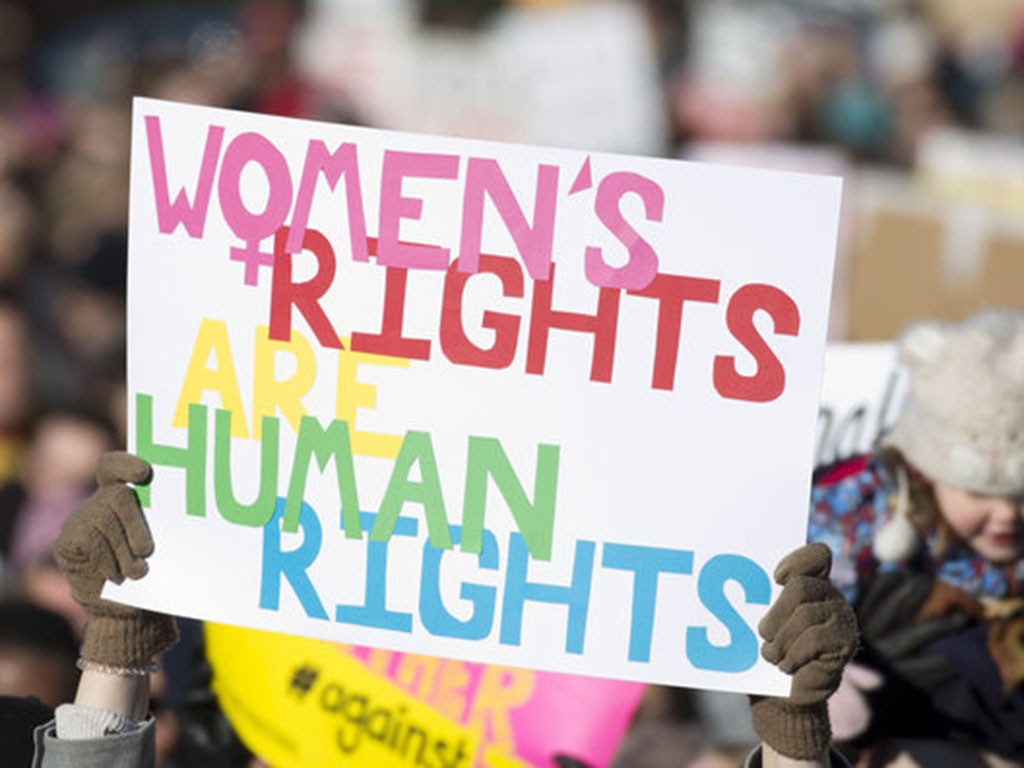
Human’s rights are Woman’s rights and Woman’s rights are Human’s rights

Hillary Clinton

Legal provisions for women that everyone should know

We live in a world where gods and goddesses are worshipped and women are harassed, tortured, abused and abducted every single day. The Government of India confers important rights to Indian women, investigating cases related to many women. Unfortunately, many women in India are not aware of their rights which are provided in different Indian laws.

On the basis of gender equality, an Indian woman has 11 rights in India.

1. Women have a right to Zero FIR

A FIR that can be filed at any police station irrespective of the location where the incident occurred or a specific jurisdiction it comes under, the Zero FIR can later be transfered to the Police Station in whose jurisdiction the case falls under. This ruling was passed by the Supreme Court to save the victim’s time and prevent an offender from getting away scot-free.

2. Women have the right against being stalked

Section 354D of the IPC makes way for legal action to be taken against an offender if he/she follows a woman, tries to contact her to foster personal interaction repeatedly despite a clear indication of disinterest; or monitor the use by a woman of the internet, email or any other form of electronic communication.

3. Female sexual assault victims have the right to keep their identity anonymous

To ensure the protection of privacy of a woman, a woman who has been sexually assaulted may record her statement alone before the district magistrate when the case is under trial, or in the presence of a female police officer.

4. Women have the right against workplace harassment

The Sexual Harassment of Women at Workplace Act gives a female the right to file a complaint against any kind of sexual harassment at her place of work. Under this act, she can submit a written complaint to an Internal Complaints Committee (ICC) at a branch office within a period of 3 months.

5. Women have right not to be arrested at night

Unless there is an exceptional case on the orders of a first class magistrate, a woman cannot be arrested after sunset and before sunrise. In addition, the law also states that the police can interrogate a woman at her residence only in the presence of a woman constable and family members or friends.

6. Women have a right against domestic violence

Section 498 of the Indian Constitution looks to protect a wife, female live-in partner or a woman living in a household like a mother or a sister from domestic violence (including verbal, economic, emotional and sexual) by the hands of a husband, male live-in partner or relatives. The accused shall be punished with a non-bailable imprisonment for a term which may extend to three years and shall also be liable to fine.

7. Women have the right to get free legal aid

Under the Legal Services Authorities Act, female rape victims have the right to get free legal aid or help from the Legal Services Authority who has to arrange a lawyer for her.

8. Women have the right to equal pay

According to the provisions listed under the Equal Remuneration Act, one cannot be discriminated on the basis of sex when it comes to salary, pay or wages. Working women have the right to draw an equal salary, as compared to men.

9. Women have the right to dignity and decency

In an event of accused being a woman, any medical examination procedure on her must be performed by — or in the presence of another woman.

10. Women have the right against indecent representation

Depiction of a woman’s figure (her form or any body part) in any manner that is indecent, derogatory, or is likely to deprave, corrupt or injure the public morality or morals, is a punishable offence.

11. Women have the right to register virtual complaints

The law gives women the provision for filing virtual complaints via e-mail, or writing her complaint and sending it to a police station from a registered postal address. Further, the SHO (Station House Officer) has to a police constable to her place to record her complaint. This is in case a woman is not in a position to physically go to a police station and file a complaint.

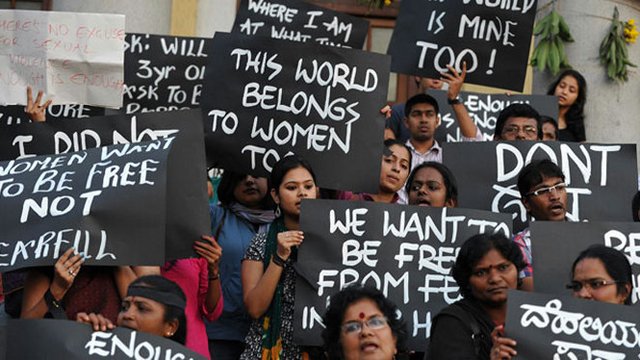
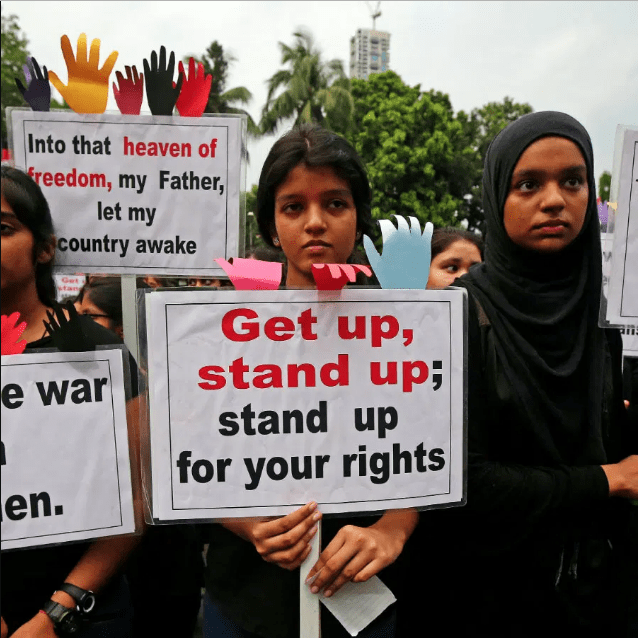
It is high time Women become aware of their rights and Stand up strong! Rise up together against the injustices happening against Women!!

References: India Today

PSYCHOLOGICAL ASPECTS OF WOMEN ATHLETE

Lesson 6 women and sports

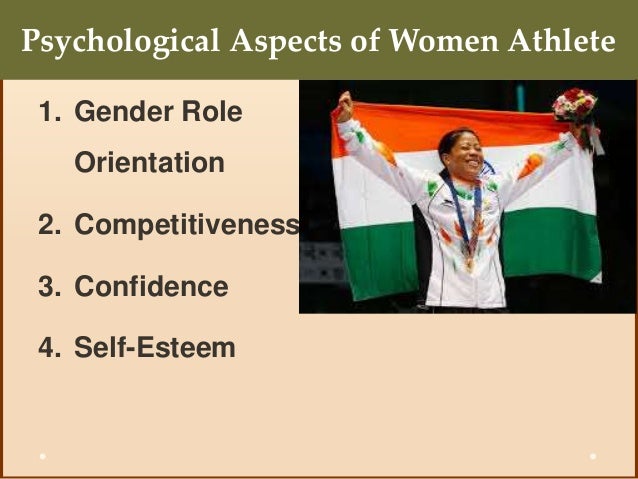
Over the past several decades , the role of women has changed drastically .However , gender beliefs and stereotypes still do exist across the world especially in sports . Most of the people in our society consider that sports are not meant for females but only for males .Social tradition , customs and cultures have great influence upon the psychology of women . In a male dominating society , males are expected to be aggressive , independent , dominating , robust and confident , whereas females are expected as well as considered to be emotional , sensitive , cooperative , sympathetic , loyal , etc. It is a well – known fact that participation of women in sports is increasing year after year .With this enhancement in female participation in sports , there is also renewed interest in the psychological characteristics of the female athletes and the effects of athletics on women . The various psychological traits of women athletes are stated below .

  1. Gender Role Orientation : It is an established fact that there has been an increase in the level of women’s participation in the types of sports that have been traditionally limited to only males , e.g., wrestling , weightlifting , kick boxing , body building , etc . However , many sports have been still considered inappropriate for women . For a long time it was considered that women should not take part in athletics because of the potentially harmful masculinising effects of sports .
  2. Competitiveness : It is evident that in the field of sports , both men and women are competitive in their own fields . In fact , women are more goal oriented and perform magnificently in artistic activities such as gymnastics . However , a number of research studies indicate that females who take part in sports are more competitive in comparison to the females who do not participate in sports .
  3. Confidence : As mentioned earlier , due to social pressures , women tend to have less confidence than men . Participation in sports , competitive environment , awards and recognitions increase confidence levels of sportspersons . However , a significant difference may exist between sportswomen and non- sportswomen .
  4. Self-esteem : Most of the research studies indicate that training plays a vital role in performance . Self -esteem improves with good performance . In the field of sports , intensive training helps in enhancing self-esteem . Research studies also show that those people who engage in sports have high self-esteem in comparison to non-participants .
  5. Aggression : Aggression is a forceful , goal- directed action that maybe verbal or physical . Participation in sports has many positive aspects which usually involve aggressive behavior . Various studies of aggression show that athletes who participate in contact sports , i.e., football players , judos or wrestlers are more aggressive than the athletes who participate in less contact sports . However , females who participate in contact sports show more aggression in comparison to females who do not participate in sports at all.

Why society only loves women who sacrifice ?

We must have heard from our relatives and people from our older generation that a good woman or a good wife is the one who knows how to ‘adjust’. We also must have come across conversations where patriarchs have often said things like “to maintain a good relationship, a woman must adjust” or “till the time things don’t go worse a woman should learn to adjust and shouldn’t go for judicial recourse”.

Photo Credits: First Post


These casual patriarchal phrases raise many important questions: do women need to face the worse to get justice? Do women need to tolerate abuse from their partners till the time abuse doesn’t go extremely physical or sexual in nature? Do only women need to give up on their dreams and just look after their families?

Patriarchy apologists, however appraise some women in our society and they are only those women who unwillingly or willingly give up on their dreams and career in order to maintain a ‘happy’ family or women who stay with their ‘cruel’ in laws. This proves that the more a woman sacrifices or the more a woman tolerates abuse, the more she is loved and the more she is considered as an “ideal woman”.

But the moment a woman stands up for herself, the moment she focuses on her dreams and career instead of caring about maintaining a family, the moment she stops adjusting, the same patriarchy apologists start slut shamming her or shamming her simply. In this case, she becomes a “bad example” for all other women just for standing up for her simple basic rights.

This also reminds us about how society has taught us that a mother only becomes “a true mother” when she is sacrificial. In India, people question a mother’s identity even if she chooses to wear a western outfit. Do women now even have to sacrifice on their preferred clothes? Women wearing western are seen “incapable “of raising a child? How does a simple piece of fabric decides a woman’s worth? Mothers are also judged by our patriarchal world for being into a particular profession, for example, those engaged in beauty and wellness or into travelling. How does a mother’s profession makes her “less of a mother”?

Photo Credits: Clipart Library.

It’s high time we stop romanticising women who suffer because of internalized patriarchy. The only thing our patriarchal society has to understand is that a woman’s personal choices are her own fundamental rights and she can exercise them as and when she wants.