Communication can make or break your efforts to connect with your team, manage and coordinate initiatives, and build trust within your organization. Great pioneers speak with a worker first focal point. They communicate based on the needs and preferences of their team members and seek to listen to and understand the employee experience.
2.Have a dream for what’s to come/have a vision
Vision gives center, inspiration, and course to travel through change and snags. Great pioneers have a reasonable vision and can express the way ahead to their group. Leaders ought to have the option to interface the work on the ground to the master plan and give the explanation for all that they do.
3. Understanding what others want
For dealing with agroup one should understand what sorts of jobs are reasonable for every single individual from the group. The pioneer ought to have the capacity to use every individuals potential to the most extreme. Each colleague ought to have singular objectives fell down from a solitary Goal and vision of the group. Colleagues accordingly feel that their commitments are significant in accomplishing the goal/Goal.
4.Consider themselves responsible
Great pioneers consider themselves responsible and are continually attempting to improve and advance. They are perpetually discontent with business as usual. Responsibility and consistent improvement require a guarantee to looking for and following up on criticism, gaining from errors, and course remedying.
5.Show appreciation
A grateful pioneer is an powerful pioneer. Appreciation brings positive collaborations and association, expands commitment, and fabricates flexibility. Grateful leaders comprehend that achievement is a collaboration and they make a point to perceive the work and commitments of their group.
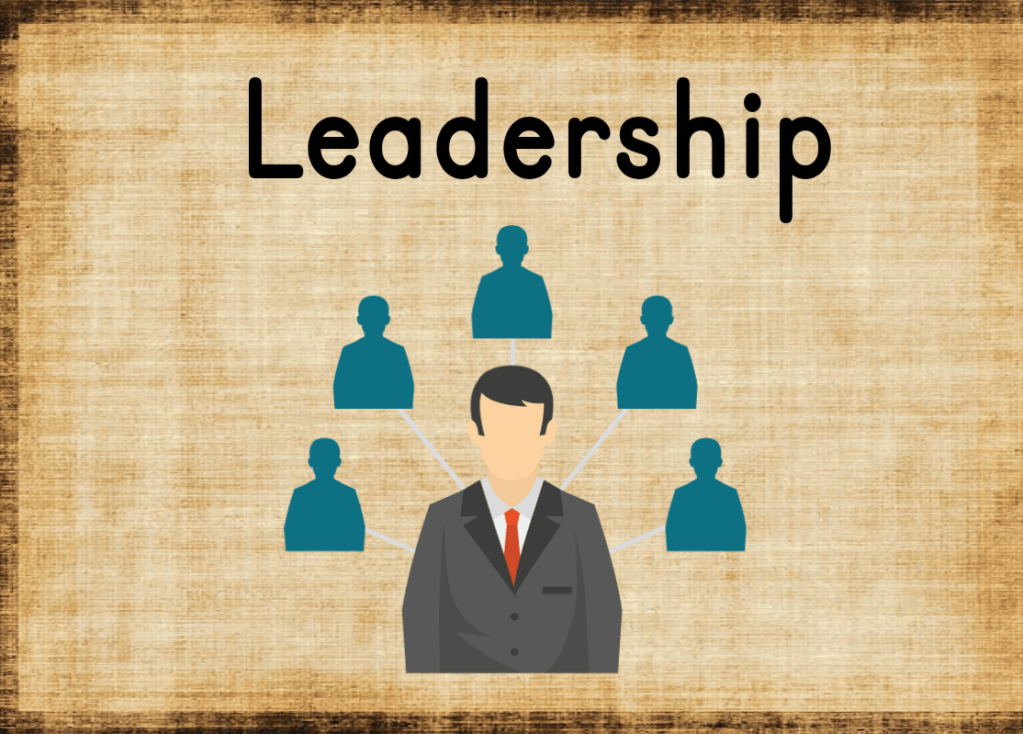
Leadership is the ability to motivate a group to focus on a particular goal to achieve it. In an organisation, managers have a right to do managerial task and not all managers have ability to lead effectively. Leader is an important person he can manage tasks as well as influence or motivate other members to achieve the goal.
Importance of Leadership
Commencement of work: Leader initiates or starts the work by explaining plans and regulations to subordinates who all are working together in a team.
Counselling: It is the duty of leader not to only supervise his subordinates but also counsel and guide them about their work, so that they can perform their work effectively and efficiently.
Motivation: Leader also plays a role of motivator. He motivates his subordinates by giving then opportunities and rewards based on their performance.
Developing confidence: It is important for every employee to be confident about their work, and leader is the person who can boost their confidence by encouraging them.
Coordination: For achieving any organisational goal, coordination is very important amongst employees and leader can maintain synchronisation through effective coordination.
Establish work environment: In every organisation it is important to maintain effective work environment. Employees are human resource for any organisation, it is necessary that leader should have personal contact with every subordinate and listen their concerns.
Qualities of leaders
A leader has special or unique trait which distinguish them from others. There are various qualities in a leader which enhances his work ability and which effectively motivates other to work hard.
Neutral: Leader should be neutral towards every individual. He should not be bias on any basis towards his subordinates, rather be logical and make fair decision.
Physical Characteristics: Physical appearance is important for every leader. Physique and health are necessary for leader so that subordinates can focus on what he wants to convey.
Communication ability: Good leader must have this quality because communication is the way to explain what he wants from his subordinates. With good communication skills leader can explain the policies and procedure to subordinates easily.
Responsible: Leader must be responsible towards his authority then only he can maximize his skills and capabilities in performing his role. Before motivating others he should himself feel motivated and give his best in performing each task.
Intelligence: Leader must be intelligent along with responsible then only he can find out solution for every problem faced by a team and he can analyze the advantages and disadvantages of a situation arise in an organization.
Leadership Styles
Leadership style is a way or attribute in which leader works in a group with other group member or perform in a team. There are various leadership styles which prevail in an organization:
Authoritarian Leadership
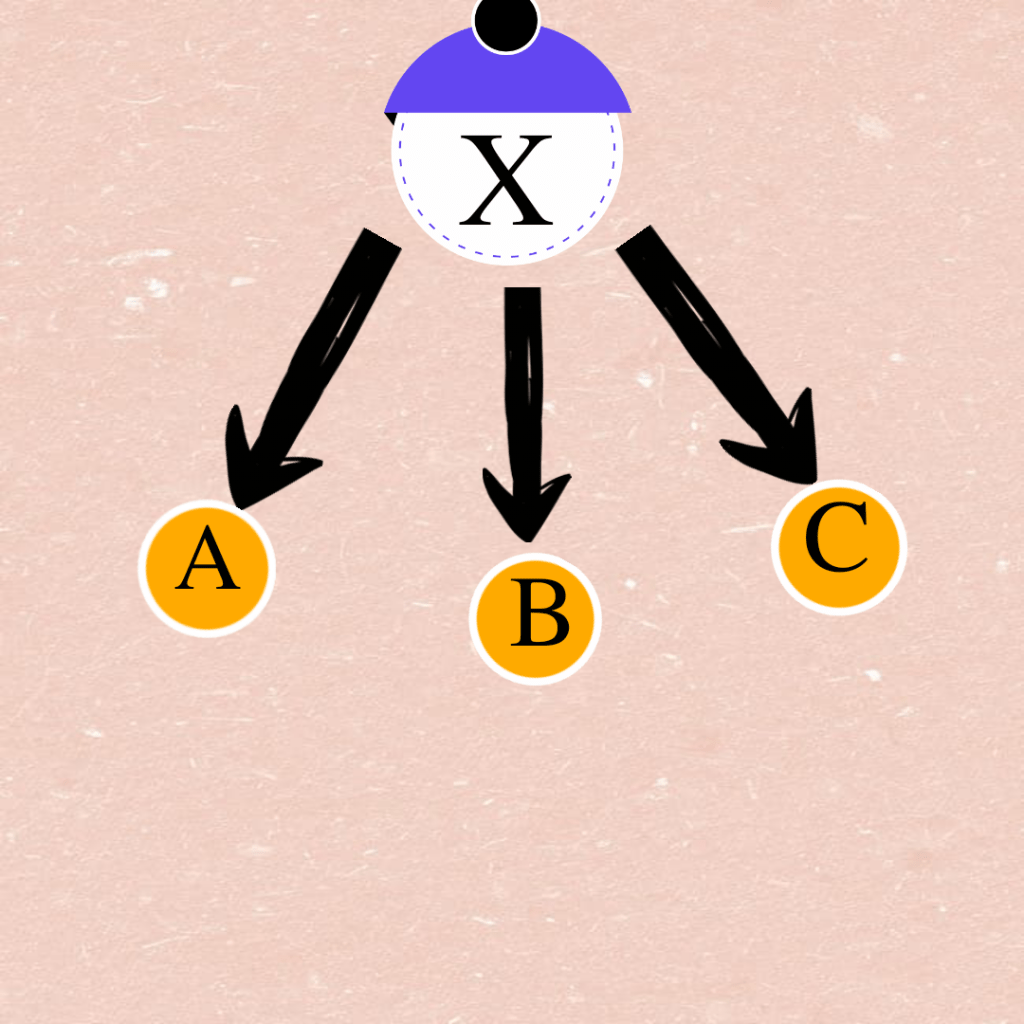
In this type of leadership, autocratic leader have full authority and responsibility of the work. He gives instructions and explains duties to his subordinates without consulting with them. He holds the power and has authority of decision making. This style of leadership has negative effect as leader himself takes all decisions, and doesn’t concern for his subordinates opinion. In autocratic leadership, less time is consumed in taking action because here leader is the one person who decides, give orders and employees do work accordingly. But somewhere, it have a negative impact on employees because may be they feel that their opinions and suggestions are of no use. Basically, in this type of leadership there is no delegation of authority by leader.
Autocratic Leadership
2. Democratic Leadership
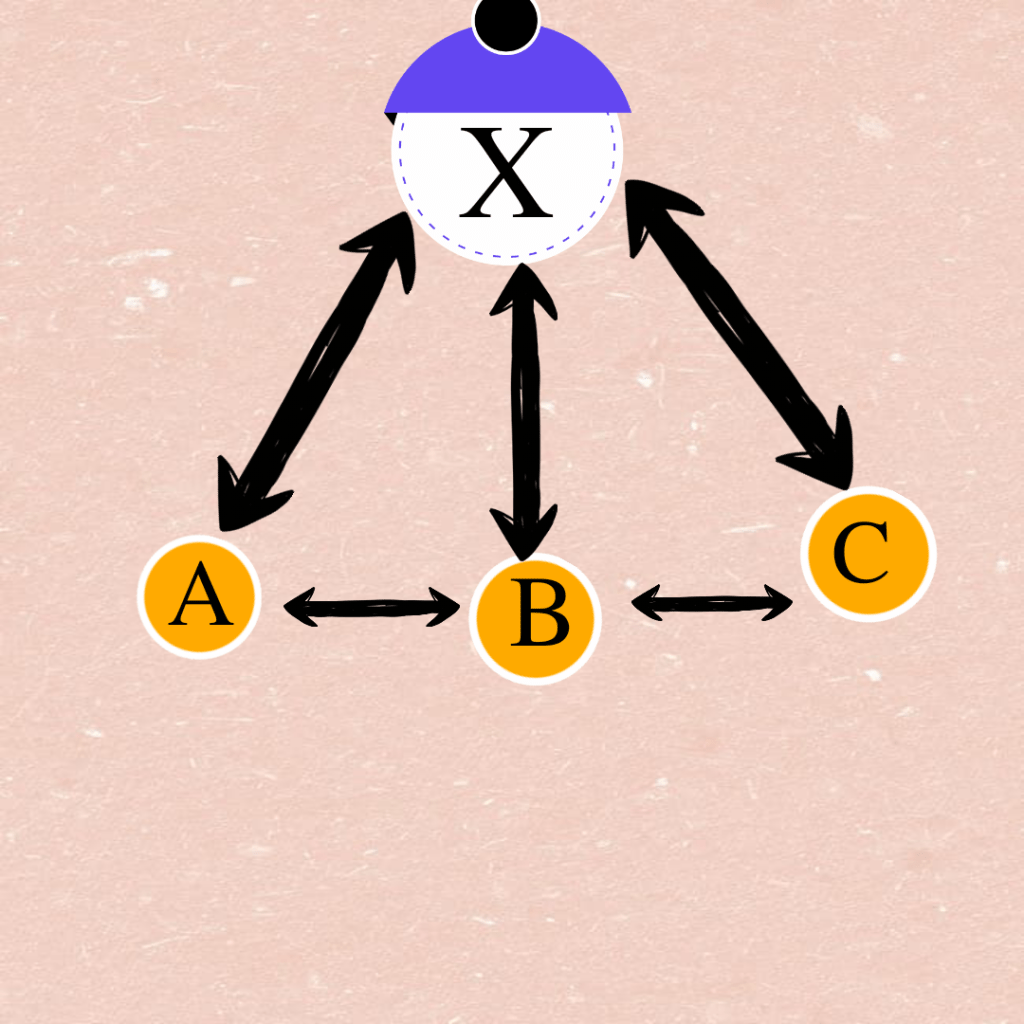
In this type of leadership, leader includes every individual in decision making process or any policy formulation. He consults with his subordinate before taking any decision and let them influence his decision sometimes as per the requirements of management. He decentralise his authority by doing so. Leader himself forces his subordinates to give their input or ideas which will be beneficial for the management. It also helps in boosting morale or motivating employees, they feel that their participation is also important in decision-making process.
Democratic Leadership
3. Free-rein Leadership
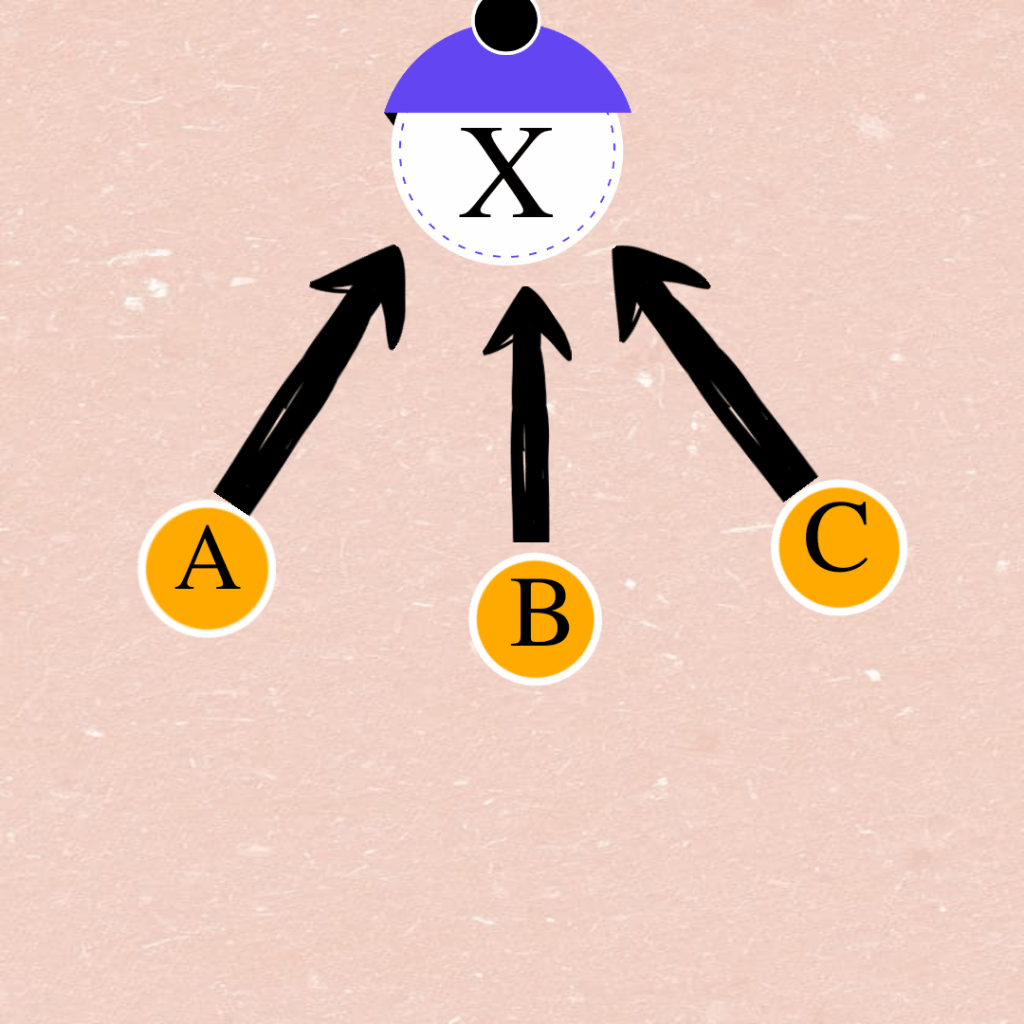
This style of leadership is different from above two style of leadership in many ways. Here, leader delegate his responsibility to subordinates for decision making and he himself doesn’t intervene. He gives no order or direction to his subordinates and permits the group to work as per their opinion or ideas. He wants that each individual gives his best and take all efforts to achieve the set goals.


 Eduindex
You must be logged in to post a comment.