As we already read about the secret to living happily from The Alchemist book by Paulo Coelho. Today we will look at two different stories from different books.
THE KITE RUNNER BY KHALID HOSSEINI
It was a dark little tale about a man who found a magic cup and learned that if he wept into the cup, his tears turned into pearls. But even though he had always been poor, he was a happy man and rarely shed a tear. So he found ways to make himself sad so that his tears could make him rich. As the pearls piled up, so did his greed grow. The story ended with the man sitting on a mountain of pearls, knife in hand, weeping helplessly into the cup with his beloved wife’s slain body in his arms.
This story must give you goosebumps but, the real conclusion is when Amir the protagonist and the narrator of the book The Kite Runner wrote this story and shared it with his friend Hassan, who is a servant’s boy of Amir’s family. Hassan was shocked and impressed with Amir’s story but, he asked why he has to kill his own wife, instead of he can shed tears by cutting onions?
MORAL: When you have to choose something… Choose wisely.
VERONICA DECIDES TO DIE BY PAULO COELHO:
Zedka started to narrate a story to Veronica.
A powerful wizard, who wanted to destroy an entire kingdom, placed a magic potion in the well from which all the inhabitants drank. Whoever drank that water would go mad.
The following morning, the whole population drank from the well and they all went mad, apart from the king and his family, who had a well set aside for them alone, which the magician had not managed to poison. The king was worried and tried to control the population by issuing a series of edicts governing security and public health. The policemen and inspectors, however, had also drunk the poisoned water, and they thought the king’s decisions were absurd and resolved to take no notice of them.
When the inhabitants of the kingdom heard these decrees, they became convinced that the king had gone mad and was now giving nonsensical orders. They marched on the castle and called for his abdication.
In despair the king prepared to step down from the throne, but the queen stopped him, saying: ‘Let us go and drink from the communal well. Then we will be the same as them.’
The king and the queen drank the water of madness and immediately began talking nonsense. Their subjects repented at once; now that the king was displaying such wisdom, why not allow him to continue ruling the country?
After drinking water from the poisonous well all became mad and equal. The country continued to live in peace although its inhabitants behaved very differently from those of its neighbors. And the king was able to govern until the end of his days.
Zedka asked veronica: Do you know what exists outside beyond the walls of this asylum?
Veronica said People who have all drunk from the same well.
MORAL: Zedka and Veronica both are patients in the asylum. Through this story, Zedka symbolically tells that people think they are civilized and normal. But, when they encounter some strange people they started to divide the borders and make them as a patient.
I’m telling you about on Sleep habits among Indians?
Aviral is a Man .Aviral knew he was dead tired. Though it had been more than thirty eight hours since the forty four year old marketing executive returned to Delhi early one morning from New York, he was still recovering from jet lag. He had forced himself to remain awake the whole day as he had hoped to coerce his body into sleeping at night.
But the much needed sleep seemed to elude him completely. “I hardly managed any sleep that night,” Aviral recalled. The time change had completely disrupted his sleep pattern, and when he got out of bed at 7a.m. to head for office, he was entirely ill at ease, to say the least. At the office, he could barely concentrate on his work.
Aviral wasn’t aware simply how exhausted he was until he had driven a quarter of the twenty-four kilometre stretch on his way back home in the suburbs of Delhi. He halted at a busy signal on the way, but fell asleep suddenly at the wheel. He dazed after the motorist behind him honked. Aviral drove on, but feeling woke up he couldn’t focus any further, he decided to pull off the main road and parked the car in a quiet place. Then, he rolled down the windows a bit and managed to take a two-hour nap in his car. It was only after that that Aviral could drive home safely.
It is an undisputed fact that not getting enough sleep can lead to problems in concentrating. In fact many sleep disorder experts think that lack of sleep is the reason for many ailments. Dr. Kumar Menon and his colleagues presented a study paper on sleep disorders in Mumbai in which they stressed on the need for early detection of the problem and concluded that it was high time that all the physicians “woke up to sleep disorders and included sleep history in evaluating their patients.”
Whatever be the cause of not getting proper and enough sleep, we’ve all experienced the exhaustion caused by lack of sleep. Thus, sleep is as important to a healthy lifestyle as eating properly and exercising. Getting a good night’s sleep is one of the simplest things we can do to stay healthy.
A good night’s sleep means waking up rested and invigorated. On an average, a healthy adult requires just over eight hours of sleep a night, according to Dr. Jeffrey Lipsitz, a Canadian expert on sleep disorders. However, the amount of sleep it takes to rejuvenate an individual varies from person to person. “It’s not a fixed number,” opines Joseph De Koninck, a renowned professor of psychology, adding that if one consistently gets less sleep than one needs, then “a sleep deficit accumulates.” The time it takes for a sleep deficit to accrue depends on how consistent the problem is. “Missing a couple of hours of sleep every night for a week is probably enough,” says another psychiatrist Robert Levitan.
Swarup Chatterjee, the 28 year-old IIM graduate and assistant manager at a BPO in Hyderabad, knows very well that he doesn’t get enough sleep. “I haven’t had more than four to five hours of sleep for the last three years. There’s always so much that needs to be done in my professional as well as personal life that I am constantly thinking.” Swarup is fully aware that all that is very stressful and he admits that even though he has high energy levels, he is often tired and so he drinks several cups of coffee to counter the fatigue. “But I know that I’ll be able to concentrate better if only I got more sleep,” Chatterjee concludes.
In a study conducted by sleep-disorder experts, it was found that at least one- third of adults have significant sleep loss, i.e. they have just six and a half hours or less of sleep every night. Then a recent survey conducted in India has shown that twenty-nine percent of Indians went to sleep only after midnight and sixty-one percent slept for seven hours or less. The survey also arrived at the conclusion that Indians were among the world’s earliest risers, with sixty-four percent getting out of bed before 7a.m. Is there a need to reiterate that “Early to Rise” is good provided a person follows the “Early to Bed” principle as well?
Sleep is crucial to maintaining one’s health. Without it, we increase our susceptibility to an astonishing array of health problems, including heart disease, stroke, diabetes, obesity and depression. Not sleeping enough can compromise your immune system, says Stanley Coren, noted professor of psychology and author of the very popular book, “Sleep Thieves”. You eat well and exercise in order to keep your immune system up, Coren goes on to explain, but if you aren’t sleeping, you undo all that good work. “The immune system works best when you are sleeping,” he says. “That’s when your natural killer cells are generated.”
Image Source -google.
Natural killer cells are produced in the bone marrow and found in the blood and lymph fluid. They are part of the body’s defence mechanism against viruses, bacteria, even cancer, and they do not work properly in the persons who are sleep- deprived. A study in Turkey revealed that after 24 hours of sleep deprivation, the percentage of natural killer cells in the blood declined by 37 percent. Another study in the USA conducted on 23 boys and men found that one night of partial sleep-deprivation reduced natural-killer-cell activity to 72 percent of normal levels. Though their activity returns to normal when we begin to get proper sleep, the real problem is that a lot of damage might have been done to our bodies when we were sleep-deprived for several nights and our immune system might have left us undefended and susceptible to infection.
Sleep is important in keeping not only our waistline trim, but ensuring a balanced brain activity too. During sleep, brain neurotransmitters-the chemicals that deliver messages between nerve cells in the brain-are replenished. When we do not sleep well, our brain chemicals become depleted which leads to emotional disturbances like depression, anxiety and general feelings of sadness, anger and irritation.
While we’re in the midst of life’s stresses, we sometimes just want to feel happy immediately. Not only do studies indicate that cheerful individuals have many advantages in life as a result of their happiness, but happiness also just feels good.
Every area of your life is affected by your mood and mental health, from how you feel about yourself to your relationships with others and your physical health.
Though it may appear like happiness is just around the corner with a better career, a healthier relationship or a nicer house, the euphoria that comes with those accomplishments might be ephemeral. Furthermore, you don’t need to make major changes to be joyful; you can experience happiness even with doing miniscule task
There are several strategies to keep your brain and emotions in peak condition. Exercise, good nutrition, and stress-reduction strategies such as meditation or mindfulness may maintain your brain — and your body — in peak condition.
How to Quickly Improve Your Mood
Listen To Music
Music is believed to have the capacity to affect one’s mood, making it a great stress reliever. In reality, music has been utilised therapeutically in hospitals for pain management and mental well-being. Music has also been related to happiness, particularly specific genres of music, according to research. Music, particularly music with a major tone, is associated with reduced stress and feelings of enjoyment.
Incorporate Laughter In Your Life
As it’s so true, the saying “Laughter is the best medicine” has become a cliche. We know that laughing has several benefits other than improving one’s mood. Laughter has been shown to boost immunity and extend life. Laughter can not only be helpful for elevating your mood but the mere anticipation of laughter has been shown to have advantages.
Change Your Mindset
Changing your expectations and comparisons is a quick and easy approach to improve your attitude. Rather than focusing on what you don’t have, consider all you do have. There will always be those that will have more than you in some aspect of life, but so many would have less than you. Enjoy the advantages of thankfulness and shift your perspective on what you have, and you will feel happier right away.
Do a Good Deed
Many people have found that helping others makes them happy. Indeed, studies suggest that individuals who volunteer have higher levels of health and pleasure. This is believed to be true for a number of reasons. The first is that generosity itself has several advantages, including an increased degree of emotional well-being. If you are doing something kind for someone else, your attention shifts away from yourself and your issues and onto others and making them happy. A smile that you put on somebody else’s face is an infectious smile that spreads contagious happiness.
Practice Meditation
Although meditation appears to be more of a stress management strategy than one that may increase happiness, it has been shown to be an efficient approach for both. Meditation’s stress-reduction effects are well-known, but research also suggests that regular meditation can lead to higher levels of happiness.
If your attempts to improve your mood aren’t helping or you’re having difficulty giving yourself a very much needed boost, consider seeking help from a professional therapist. If your mood has been low for much more than two weeks or is affecting your relationships, job, or education, speaking with a therapist can help.
Remember the feeling of nervousness and fearfulness on the first day of school/when going for a job interview/when moving to another city/when giving your first speech? Well, if you do then that feeling my friend is called Anxiety.
Anxiety is our body’s natural response to stress. It’s a feeling of fear or uncertainty about what’s to show up. However, if you feel anxious on a severe level and the feelings last longer than six months and are intruding with your life, you may have an anxiety disorder.
Anxiety is the most common mental illness. Also, you have heard a lot of things about anxiety, out of them some are facts and some are myths. So, let’s have a look at some of the myths and facts about Anxiety:-
I) What are the types of Anxiety?
Myth: All anxiety is the same.
Fact: There are multiple different types of anxiety disorders.
Anxiety affects people differently. For some people, anxiety may only be experienced in certain situations, while others experience it more often.
Common types of anxiety include:
★ General anxiety disorder
★ Panic disorder
★ Social anxiety disorder
★ Phobias
★ Obsessive-Compulsive Disorder
★ Post-Traumatic Stress Disorder
★ Separation anxiety
II) Who suffers from Anxiety?
Myth: Only adults suffer from anxiety.
Fact: Anxiety affects both children and adults.
The more Anxiety is common in Adults, the same it is for children. According to the Centers for Disease Control and Prevention (CDC), around 4.4 million children aged 3-17 have been diagnosed with anxiety.
Anxiety can affect children by causing; children behavioral, emotional, and physical symptoms, similar as they can in adults.
III) How serious is Anxiety?
Myth: It is not a big deal.
Fact: Anxiety can cause serious health problems.
As mentioned above anxiety can be different for everyone. Anxiety becomes a problem when it starts intruding on your day-to-day life.
Anxiety can cause emotional and behavioral problems like worries and fears. Also, it can cause physical problems like rapid breathing, sweating, headaches, and tense muscles. It also affects eating and sleeping patterns.
IV) Anxiety and Depression
Myth: Anxiety and depression are not related.
Fact: Many people who suffer from anxiety also undergo depression.
It is common to have both anxiety disorder and depression at the same time. 50% of people undergoing depression are also diagnosed with anxiety disorder, according to the Anxiety and Depression Association of America (ADAA).
Also, according to ADAA, anxiety is linked with numerous other mental and health conditions:
★ Headaches
★ Irritable bowel syndrome
★ Chronic pain
★ Eating disorders
★ Sleep disorders
★ Substance abuse
★ Bipolar disorder
★ Attention-deficit/hyperactive disorder
★ Fibromyalgia
Anxiety is a concerning issue, stop believing in myths, check your facts. And if it has started intruding your life, consult a doctor.
The Psychological Disorders Part 9 discussed Schizophrenia. It is a lifelong disorder but the intensity and the effect of it can be controlled with the help of planned treatment and various medicines prescribed by the psychologists. This article will discuss Personality Disorders.
Personality Disorders
Personality disorders involve a pattern of maladaptive thoughts, feelings and behaviours that cause serious detriment to various areas of life.
Antisocial Personality Disorder is also known as sociopathy. It is a mental disorder wherein a person continuously shows zero regard for what is right and wrong, in doing so the person also ignores the rights and feelings of other people. People with this disorder have a tendency of antagonizing, manipulating and treating others in a harsh manner. They also tend to show no guilt. The people with this disorder often end up violating the law and hence become criminals. Some of the symptoms are persistent lying, exploiting others, disregard for right and wrong, using wit to manipulate others for personal gain, being cynical, disrespecting others, arrogance, repeatedly violating the rights of others through dishonesty, criminal behaviour, being impulsive, lack of empathy, lack of remorse, aggression, violence, abusive relationships, dangerous behaviour, persistent irresponsibility, not considering negative consequences of their behaviour. Adults with this disorder usually start showing signs by the age of 15. This is a lifelong disorder.
Avoidant Personality Disorder (APD) is a mental disorder in which the person has a pattern of extreme shyness, they feel inadequate and are excessively sensitive to rejection. Symptoms of this personality disorder include fear of rejection, criticism, embarrassment, disapproval, intimate relationships, getting to know new people and fear of being ridiculed. People with this disorder might also have trouble believing someone likes them.
Borderline Personality Disorder is a mental disorder that impacts the way a person thinks and feels about themselves and others. It includes self-image issues and difficulty managing emotions. A person with this disorder will have an intense fear of abandonment or instability, which would make being alone difficult for them. This disorder usually begins by early adulthood. Some of the symptoms are intense fear of abandonment, pattern of unstable intense relationships, periods of stress-related paranoia, rapid changes in self-image, suicidal threats in response to fear of rejection, extreme mood swings, intense anger and an ongoing feeling of emptiness.
Dependent Personality Disorder involves being anxious about being left alone, that is, the inability to be alone. Some of the symptoms are behaving submissively, needing repeated reassurance, relying on others for making decisions, easily being hurt by disapproval, feeling nervous when alone, tendency to be naïve, fear of abandonment and fearing rejection.
Histrionic Personality Disorder involves people having a distorted image of themselves. They base their self-esteem on other’s approval. Some of the symptoms are uncomfortable in situations where they are not the center of attention, display of rapidly shifting emotions, interaction with others involving inappropriate seductive behaviour, consistently using physical attention to get others focus and showcasing exaggerated expression of emotions.
Narcissistic Personality Disorder is a mental disorder in which people have an inflated sense of importance, they need a lot of attention and admiration. They also have a lack of empathy. Some of the symptoms are having a sense of entitlement, expecting to be recognized as superior, exaggerating achievements and talents, belittling others, expecting special favours, arrogance, boastful and insisting on having the best of everything.
Obsessive-Compulsive Personality Disorder involves a person wanting extreme perfectionism, neatness and order. People with this disorder feel the need to impose their standards on others. Some of the symptoms are perfectionism to a point that it is difficult to finish tasks, rigid mannerisms, extreme attention to detail, overwhelming need to be punctual, fixation with lists, hoarding useless items, sense of righteousness and rigid adherence to ethical codes.
Paranoid Personality Disorder involves people being extremely suspicious of other people. Some of the symptoms are believing that people have hidden motives, trouble working with others, quickly becoming hostile, having trouble relaxing, socially isolated, defensive and doubting loyalty of others.
Schizoid Personality Disorder is when people avoid social activities and continuously shy away from interacting with others. They tend to have a limited range of emotional expression. Some of the symptoms are preferring being alone, not enjoying close relationships, feeling like can’t experience pleasure, appearing to lack motivation, feeling no desire for sexual relationships and may seem emotionally cold.
Schizotypal Personality Disorder is a disorder in which people are often described as odd and have very few close relationships. Some of the symptoms are being a loner, flat emotions, excessive social anxiety, belief in special powers, peculiar style of speech and dressing.
Conclusion
There are many kinds of personalities which brings many kinds of personality disorders as well. Personality is known to be fluid but the reason of these disorders includes brain chemistry and genetics because of which they remain permanent. These disorders are very harmful for the people themselves and their loved ones, which makes it important to consult a psychologist to get treatment and reduce the symptoms.
To paraphrase a line from Ron Burgundy, the ocean is a big thing. Big enough for scientists to point out that the term “Earth” is a misnomer. Water may be a more accurate name for a world that is nearly 3/4 covered in water, with marine plants contributing a whopping 50 percent or more of the oxygen we breathe. With all of that stated, it’s past time (high tide?) for us to band together to save the resource that has been depleted.
The bad news is that human activity is wreaking havoc on the environment. The good news is that there are several things we can do to help stop (and even reverse!) those detrimental behaviors, which is why this is a message about hope and empowerment rather than doom and gloom.
Plastic pollution is destroying the ocean
A non-profit that works to protect the ocean Every year, 17.6 billion pounds of plastic is estimated to escape into the ocean from land-based sources, according to Oceana. Every 60 seconds, a garbage truck full of plastic is dumped into our waterways. The world’s most renowned (and largest) rubbish dump is located in the ocean.
The Great Pacific Garbage Patch covers 1.6 million square kilometres and contains 1.8 trillion bits of plastic in an estimated 80,000 metric tonne landfill. Plastic garbage in the ocean is believed to kill over one million sea animals each year, including sea turtles, sharks, and coral reef (yes, coral reef is an animal!).
Plastics in the ocean will surpass fish in the ocean (!?) by 2050, according to research, and 99 percent of seabirds will have plastics in their GI tract. Plastic pollution is not only destructive to the ocean; there is also evidence that it is harmful to humans.
Acidification in the ocean
Carbon dioxide emissions absorbed by the oceans over decades have changed the underlying chemistry of our ocean, resulting in an increase in acidity. Acidification causes small decreases in shell density in small creatures, which support entire ecosystems despite their small size.
As the world’s seas warm, species are moving in large numbers to new locations, posing new challenges or simply failing to develop as they should, while millions of people rely on fish as their primary source of nutrition. It’s also causing the Great Barrier Reef to perish. Coral reefs require all of the protection we can provide, given the disastrous effects of climate change.
Because it has the potential to cause the most apparent and immediate human misery, sea-level rise may be the most well-known of these concerns. Low-lying areas such as Miami and the South Pacific islands are growing increasingly vulnerable; 10% of the world’s population lives on the low-lying coast.
Meanwhile, deoxygenation, which is most typically caused by algal blooms fed by nutrient-rich fertilizer run-off, is causing enormous dead zones and suffocating marine life.
Overfishing
Fishing techniques that are illegal, uncontrolled, and unreported are common. Humans have already brought the giant grouper, several skates and rays, and a dozen or more other sturgeon species to the brink of extinction through fishing.
Bluefin tuna is one of the fish species whose populations may never recover as a result of unsustainable fishing techniques. Other apex predators, such as sharks, are among the most endangered.
Places like Monterey Bay National Marine Sanctuary have shown how impactful policy changes can be in helping species rebound.
Ocean conservation isn’t just a hobby for those who enjoy the water. You might not be a scuba diver, a fisherman, or a seaside dweller. Perhaps you have a seafood allergy and despise surfers! Even so, chances are you still breathe air and enjoy life when there is less human suffering.
Plants and trees are oxygen-producing powerhouses. But wait till you see what oceanic greens can accomplish! (Hint: it’s not just trees.) More than half of the oxygen on the earth is produced by marine plants.
Thoughts famous people have about ocean
Jacques Cousteau: “The sea, once it casts its spell, holds one in its net of wonder forever.”
Beyoncé Knowles: “I’m always happy when I’m surrounded by water, I think I’m a mermaid or I was a mermaid. The ocean makes me feel really small and it makes me put my whole life into perspective… it humbles you and makes you feel almost like you’ve been baptized. I feel born again when I get out of the ocean.”
William Wordsworth: “The ocean is a mighty harmonist.”
John F. Kennedy: “We are tied to the ocean. And when we go back to the sea, whether it is to sail or to watch, we are going back from whence we came.”
Step 1: Land and sea are far more intertwined than most people think, and activities taken on land have substantial consequences in the ocean. The good news is that there are a plethora of tools available—Pinterest offers a plethora of ocean-saving categorieS.
2. Opt for Ocean and Earth-Friendly Products
Oceana’s #1 is to demand plastic-free alternatives to items such as plastic water bottles, straws, plastic cutlery, coffee cups, bags, balloons, plastic-wrapped produce, and take-out food containers.
In today’s time, everyone has free and easy access to social media. On some days we keep scrolling all through the day without even realising what are we doing. We say, “I’m bored”. So, what are we doing to get rid of the boredom?
Those in their teens, especially late teens and early 20s are about to go to college. Some are serious about their future. Some are still thinking. Some know what to do. Some are worried about what do to. Some know they want to do something, just don’t know what. Some probably, don’t even think much. For everyone, books are the solution. How?
Well, agreed, there are many courses that one can do. Many podcasts one can listen to. What’s the need for books?! Dead weights! Well, these ‘dead weights’ are what great minds write once they’ve achieved what they wanted to achieve. These weights helped them on their path. Some write to explain their journey and what they learnt so the younger gen can learn and grow. Some help those who know what they want to do, some help the others, who don’t know what they want to do. Some books help you make a path while some help you find your path. Some even help you during your path. But, we can just listen to podcasts of those books!
Well, not every book has been made into a podcast. Also, we listen to podcasts on our phones. And, let’s be honest. One ping is all it takes for our entire focus and concentration to go, poof! So, I guess I’ve made my point.
Moving on, what books should we read to help us grow? And how to develop an interest in boring non-fiction? How do we find out what books to read?
For starters, some people enjoy reading non-fiction. So, let’s rule out the thought that they are all boring and try to keep an open mind.
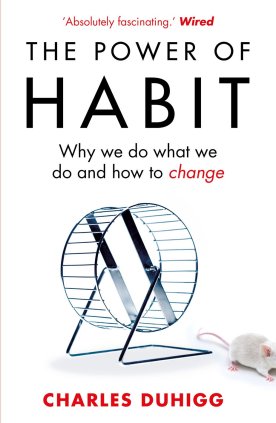
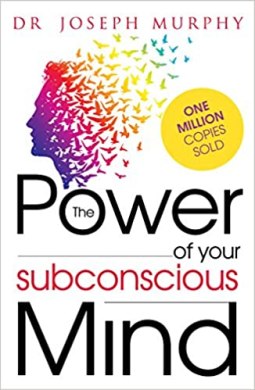
To know what book to read, try finding out what your goal is. If, for example, you wish to know your superpowers, read books on the subconscious mind, like The Power of your Subconscious Mind by Dr Joseph Murphy. Our subconscious mind is supreme, once you know how to utilise its strengths. If you are lazy and wish to break it and make a healthy habit, you can read The Power of Habit by Charles Duhigg.
Similarly, if you know what you want to do, look up books on Google, find out what you like best, which book suits your needs the best and read it.
Every book is a gem and there are many gems for each person out there. All one has to do is know what do they wish to learn/know and look for a book which suits their needs.
Rainy season is on. Many mosquitos gonna form and attack so, it’s better for us to get prepared to fight against mosquitos. Here, I’m going to explain the benefits and drawbacks of each. It will be useful for us to the make right decision in purchasing products.
electricMOSQUITO BAT:
ADVANTAGES:
It does not give off vapors of toxic chemicals like other repellents.
It is cheap, highly effective, handy and reusable.
Some of them have a torch light also. It is not only used for mosquitoes, but also for small insects like bees, house flies, etc.
It is convenient to use.
The mosquito dies instantly before our eyes.
Not much weight to hold on . It usually feels like you are playing tennis .
No pollution to the environment .
Humans will not get affected by harsh chemicals.
DISADVANTAGES:
All mosquitoes can’t die at a time . Some Mosquitoes can escape from our sight.
Takes time to search and kill.
When a mosquito contacted in the bat. The mosquito bat sounds like a diwali cracker.
Should not be used when gas is leaked in your house. It may explode.
It should also be kept away from the children as it is not a toy.
MOSQUITO LIQUID VAPOURIZER:
ADVANTAGES:
Time consumption less.
All mosquitoes dies at a time.
DISADVANTAGES:
1. Mosquito sprays and liquid vaporizers contain chemicals like pyrethin and diethyl toluimide (DEET) which cause breathing difficulty, respiratory problems, dizziness, stomach irritation, nausea, vomiting, skin infections and so on.
2. An one time usage of mosquito-repellent vaporizer and the amount of 100 cigarettes smoked is roughly same. The release of ultrafine grain by the Vaporizer can be retained in the lungs and triggers asthma in the short term and in long term it could cause cancer.
3. It pollutes the environment on a high level.
4. It is costly hence, it has to buy once the liquid gets over.
5. Causes health issues on children , adults and aged people.
6. In rare cases , Prolonged usage and intake can cause even death .
7. Can be used only for mosquitoes .multi usage of it is not possible.
Intermittent fasting is a type of eating regimen in which you alternate between fasting and eating on a regular basis. Intermittent fasting has been shown in studies to help people lose weight and prevent — or even reverse — disease.
Many diets emphasise what to eat, but intermittent fasting emphasises when to eat.
Intermittent fasting is when you only eat at certain times of the day. Fasting for a set number of hours each day or eating only one meal a couple of times a week can aid fat loss. Scientific data also suggests that there are certain health benefits.
Mark Mattson, Ph.D., a neuroscientist at Johns Hopkins University, has studied intermittent fasting for 25 years. He claims that our bodies have evolved to be able to survive without food for several hours, days, or even weeks.
Before humans learned to farm, they were hunters and gatherers who evolved to survive — and thrive — without eating for lengthy periods of time. They needed to: It required a lot of time and effort.
It was easy to maintain a healthy weight even 50 years ago. “There were no computers, and TV shows switched off at 11 p.m.; people stopped eating because they went to bed,” says Christie Williams, M.S., R.D.N., a nutritionist at Johns Hopkins. The portions were significantly smaller. More people worked and played outside, getting more exercise in general.”
Television, the internet, and other forms of entertainment are now available 24 hours a day, seven days a week. We stay up later to watch our favourite shows, play games, and communicate on the internet. We spend the entire day — and most of the night — sitting and snacking.” Obesity, type 2 diabetes, heart disease, and other ailments can all be exacerbated by eating too many calories and exercising too little. Intermittent fasting has been shown in scientific studies to have health benefits.
How does this work?
Intermittent fasting can be done in a variety of methods, but they all revolve around choosing regular eating and fasting times. For example, you could try eating only for eight hours a day and fasting for the rest of the day. Alternatively, you could choose to eat only one meal each day two days per week. There are a variety of intermittent fasting schedules to choose from.
According to Mattson, after a period of time without meals, the body’s sugar stores are depleted and it begins to burn fat. This is referred to as metabolic switching by him. “Most Americans eat throughout their waking hours, so intermittent fasting is in contrast to their regular eating pattern,” Mattson explains. “If someone eats three meals a day plus snacks and doesn’t exercise, they’re rumination every time they eat.”
Intermittent fasting works by extending the time between when your body burns off the calories from your last meal and starts burning fat.
Approaches of Intermittent fasting
Before beginning intermittent fasting, make sure to see your doctor. The actual technique is straightforward once you have his or her permission. You can choose a daily strategy, which limits daily meals to one six- to eight-hour period. For example, you could try 16/8 fasting, which involves eating for eight hours and fasting for sixteen. Williams is a proponent of the daily routine, claiming that “the majority of people” follow it.
Another method, known as the 5:2 technique, is eating five times a week. You only eat one 500–600 calorie meal on the remaining two days. For instance, suppose you decided to eat normally every day of the week except Mondays and Thursdays, which are your one-meal days.
Fasting for longer lengths of time, such as 24, 36, 48, and 72 hours, is not always beneficial and can be dangerous. Going too long without eating may cause your body to begin storing fat as a response to the lack of food.
According to Mattson’s studies, it takes two to four weeks for the body to adjust to intermittent fasting. While you’re getting adjusted to the new pattern, you can feel hungry or irritable. However, he notes that research subjects who make it through the adjustment stage are more likely to continue to the diet because they feel better.
Water and zero-calorie liquids like black coffee and tea are allowed at periods when you aren’t eating.
And “eating normally” during your periods does not imply “going insane.” If you fill your meals with high-calorie junk food, super-sized fried foods, and desserts, you’re not going to lose weight or get healthier.
But what Williams enjoys about intermittent fasting is that it allows him to eat — and enjoy — a wide variety of things. She explains, “We want people to be conscious and enjoy eating delicious, nutritious food.” Eating with others and sharing the mealtime experience, she continues, enhances satisfaction and promotes excellent health.
Whether you’re trying intermittent fasting or not, Williams, like other nutrition experts, considers the Mediterranean diet to be a solid pattern for what to consume. When you choose complex, unprocessed carbohydrates like whole grains, leafy greens, healthy fats, and lean protein, you can’t go wrong.
Benefits of Intermittent Fasting
Intermittent fasting does more than burn fat, according to research. “Changes in this metabolic switch affect the body and the brain,” Mattson explains. Mattson’s research was published in the New England Journal of Medicine, and it offered information on a variety of health benefits linked to the practice. Longer life, a slimmer body, and a sharper mind are among them.
“During intermittent fasting, numerous things happen that protect organs from chronic diseases including type 2 diabetes, heart disease, age-related neurological disorders, even inflammatory bowel disease and many cancers,” he explains.
Thinking and memory : Intermittent fasting improves working memory in animals and verbal memory in adults, according to research.
Heart health : Fasting for a short period of time improved blood pressure, resting heart rates, and other heart-related parameters.
Physical performance : Fasting for 16 hours resulted in fat loss while retaining muscular mass in young males. Mice that were fed on different days had superior running endurance.
Diabetes and obesity : Intermittent fasting has been shown to prevent obesity in animals. In six small studies, obese adult individuals lost weight by fasting intermittently.
Tissue health : Intermittent fasting in mice minimized tissue damage during surgery and improved outcomes.
Is Intermittent Fasting safe for everyone?
Some people use intermittent fasting to lose weight, while others use it to treat chronic illnesses including irritable bowel syndrome, high cholesterol, or arthritis. Intermittent fasting, on the other hand, isn’t for everyone.
Before attempting intermittent fasting (or any diet), Williams recommends consulting with your primary care physician. Some persons should avoid experimenting with intermittent fasting:
Children and teenagers under the age of 18 are considered minors.
Women who are expecting a child or who are breastfeeding.
People who have diabetes or other blood sugar issues.
Those who have had an eating disorder in the past.
People who aren’t in these groups, but who can safely undertake intermittent fasting, can continue the routine indefinitely, according to Williams. “It can be a lifestyle shift with advantages,” she explains.
Keep in mind that intermittent fasting can have a variety of impacts depending on the individual. If you start to experience unusual anxiety, headaches, nausea, or other symptoms after starting it, talk to your doctor.
Almost no one hasn’t heard of Devkota’s most well-known creation, the Muna Madan. This short epic about Muna and Madan is well-known in Nepali, but its English translation is equally well-known. Madan, a hopeless rancher, decides to go to Tibet as a vendor in order to get money, leaving behind his elderly mother and lovebird wife, Muna. Muna begs her husband to stay, but Madan withdraws in the hopes of accumulating wealth for the family. The hardships Muna and Madan have while trying to reunite with one another are depicted in a horrible way in sonnet. Muna Madan, while being a short epic, has become a commercial success and is regarded as a model of Nepali writing.
Plot
Muna Madan is a Nepalese epic that tells the heartbreaking story of Muna and Madan. It was written in a melodious version in 1935 by Nepalese writer Laxmi Prasad Devkota. It is one of the most well-known works of Nepali literature. Not long before his death in 1959, Devkota observed, “It would be fine if every one of my works were singed, except for Muna Madan.” In terms of deals, it is the best Nepali book ever written. It’s not a Jhaurey song in the traditional sense. The plot revolves around a man (Madan) who abandons his significant other (Muna) and travels to Lhasa in order to bring in money. Madan represents all Nepalese young people who migrate abroad to make ends meet.
Muna, Madan’s wife, is the queen of sacrifice and love. She adores her Madan and is devastated that she must send him to Lahsa, a dangerous and difficult region. However, she accepts the challenge and decides to remain in the country with her elderly and weak mother-in-law. On his way back to his residence, Madan becomes unwell. His friends abandon him on the road and come home to tell him he has died. Finally, a Nepalese man from a lower caste comes to his aid. That is why a guy is said to be magnificent because of his heart, which is full of love and humanity, rather than his caste or ethnicity.
Madan returns to Kathmandu after regaining his health only to discover that both his mother and beloved wife had died. Madan ultimately comes to the realization that money has no meaning at the time. The story also recounts the life of a poor widow who suffered greatly without her husband and died in sorrow. In this poem, Devkota addresses the most important challenges plaguing Nepalese society at the moment. Through the story of Muna and Madan, Laxmi Prasad Devkota hopes to stabilize the truths of archaic societies, unscientific notions, and the negative impacts of unemployment and poverty in Nepalese society. The poet has brilliantly characterized love by writing about Muna and Madan’s connection.
More people need to make their own well being a priority.
To some people self care means face masks, bubble baths, and a glass of malbec. To others it means spending more quality time with your family, friends, or pets.
But one thing seems universal: the need to spend less time grinding and more time enjoying.
How do we do this when we are told to idolize “the hustle?” Told to follow the grind wherever it leads us? Told that we are only successful if we put everything we have into our work?
Over the last few years we have fallen victim to what is now being called “hustle culture.”
Hustle culture does not sleep. Hustle culture does not take lunch breaks. Hustle culture is waking up Saturday morning and making spreadsheets instead of pancakes.
Hustle culture does not take into account what your goals in life really are.
If you have a goal in mind, you need to put your foot on the gas and strategize how you’ll achieve it A S A P., Or else it’s just an idea and a waste of time.
The idea is that we find our value and sense of self in our output or how much work we can get done. So much so that we glamorize the idea of being a “workaholic” and are obsessed with Hyperproductivity.
The bottom line becomes, if you’re not constantly delivering something of perceived value, you’re doing it wrong.
People often admire the “hustle.” “Don’t knock on the hustle,” they say. True enough, in some instances having a hustle culture is a good thing, in a workplace environment the opposite is generally true. Especially in today’s highly competitive and fast-paced lifestyle, hustle culture is becoming the norm for more and more people in the workforce today.
Millennials in particular — especially fresh graduates and singles — are particularly keen on the kind of workaholism that hustle culture perpetuates. It’s all about how “busy” they are, how many million things they’re juggling at the same time. Hustle culture has become the standard for many to gauge things like productivity and performance.
The thing is, hustle culture isn’t really as great as it’s made out to be. It’s dangerous, both to individuals and to a workplace environment in general. It may seem like a good thing on paper, but in practice, there is a lot to at least be extremely cautious about.
In a nutshell, hustle culture (as the name also implies) means constant working. It means devoting as much of your day as possible working — hustling. There is no time out or time in at work. Work is done in the office, outside the office, at home, at coffee shops — anywhere. And in a world constantly on the go and equipped with the tools to achieve that, working constantly on the go is very possible.
Hustle culture is the societal standard that you can only succeed by exerting yourself at max capacity professionally. Everyday.
Hustle Culture pushes the idea that you are only valuable, worthy, or capable of success if you are performing at your maximum capacity at all times.
And it’s a mindset, a philosophy and a life embraced by many, both by individuals and even companies. When you talk of hustle culture, the more you work, the more celebrated you are. Never mind that you miss meals, sleep, and other important events. In hustle culture, taking a break is for the weak. Your brain becomes trained to always be active and always churning out idea after idea after idea.
Indian society is split into several sects and classes. This is due to the existing caste structure in the nation. The origins of the caste system may be traced back to the ancient Vedas, which divided individuals based on varna, or vocation. It has brought about a slew of calamities in society. The government is continuously working to address the system’s flaws and achieve real equality among the people. The caste system is the bane for the Indian society. It divides the Indian society into sectarian groups and classes. Even today, it plays a predominant role in our society despite the growth of culture and civilization.
The official words used in government papers to designate erstwhile untouchables and tribes are ‘Scheduled Castes and Scheduled Tribes’ (SC/ST). However, after noticing that the term ‘Dalit’ was being used interchangeably with the official term ‘Scheduled Castes,’ the National Commission for Scheduled Castes asked state governments to stop using the term ‘Dalit’ in official documents, calling it ‘unconstitutional,’ and to replace it with the term ‘Scheduled Caste’ instead.
The caste system’s origins may be traced back to prehistoric times. While one school of thought distinguishes castes as higher and lower castes based on their origin, another school of thought links the origins of castes to varnas, which classify the caste system based on their roles. Since then, it has been discovered that those with an advantage and a say in the community have taken unfair advantage, resulting in discrimination and exploitation of the group’s weaker members. People from Scheduled Castes and Scheduled Tribes, sometimes known as “untouchables,” account for one-sixth of India’s population, approximately 160 million people; they face prejudice and segregation.
Evil faces of this system:-
Untouchability:- Many communities are divided by caste, and they are not permitted to cross the line separating them from the upper castes. They may also not drink from the same wells or visit the same tea shops as higher castes.
Discrimination:- In lower caste neighbourhoods, they frequently lack access to power, sanitation, and water pumps. Higher castes are denied access to better education, housing, and medical services.
Division of labour:- They are restricted to certain occupations like sanitation work, plantation work, leather works, cleaning streets, etc.
Slavery:- They are subjected to exploitation in the name of debt, tradition, etc., to work as labourers or perform menial tasks for generations together.
Government Initiatives
The Indian government has passed legislation to abolish untouchability and has implemented several reforms to enhance the quality of life for the poorer parts of society. Among them are the following:
Fundamental human rights are guaranteed by the constitution.
In 1950, the term “untouchability” was abolished.
Act to Prevent Atrocities Against Scheduled Castes and Tribes, 1989.
Reservations in locations such as educational institutions, career possibilities, and so forth.
Creating social welfare ministries and national committees to look after the interests of scheduled castes and tribes.
The government’s initiatives have provided some assistance to the weakest sectors of society. The metropolitan regions have had a significant influence and have showed some progress. People in rural areas and villages, on the other hand, continue to experience severe prejudice. We still have a long way to go in terms of eradicating and abolishing prejudice based on caste and creed. It now rests on our efforts, and a shift in our attitude will almost certainly result in a permanent shift, bringing equality to all.
Right to Equality
The fundamental fights are guaranteed to protect the basic human rights of all citizens of India and are put into effect by the courts, subject to some limitations. One of such fundamental rights is the Right to Equality. Right to Equality refers to the equality in the eyes of law, discarding any unfairness on grounds of caste, race, religion, place of birth sex. It also includes equality of prospects in matters of employment, abolition of untouchability and abolition of titles. Articles 14, 15, 16, 17 and 18 of the Constitution of India highlight the Right to Equality in detail. This fundamental right is the major foundation of all other rights and privileges granted to Indian citizens. It is one of the chief guarantees of the Constitution of India. Thus, it is imperative that every citizen of India has easy access to the courts to exercise his/her Right to Equality.
Various articles under the Right to Equality are explained as follows:
Equality Before Law :- Article 14 of the Constitution clearly defines equality before the law, ensuring that all citizens are equally protected by the country’s laws. It means that the state would not discriminate against any Indian person based on their gender, caste, creed, religion, or even location of birth. The state cannot deny equality before the law and equal legal defence to any individual on Indian territory. In other words, no one or group of individuals may expect preferential treatment. This privilege pertains not only to Indian nationals, but to all individuals living on Indian territory. The right to social equality and equal access to public areas is explicitly stated in Article 15 of the Indian Constitution, which states that no one should be treated favourably on the basis of colour, caste, creed, language, or other characteristics. Everyone must have equitable access to public sites such as public wells, bathing ghats, museums, and temples. The State, on the other hand, has the authority to make special provisions for women and children, as well as for the development of any socially or educationally disadvantaged class, scheduled castes, or scheduled tribes. This article solely pertains to Indian nationals.
Equality in Matters of Public Employment:- Article 16 of the Indian Constitution states unequivocally that the state must treat all citizens equally in job concerns. In any occupation or position under the State, no citizen must be discriminated against on the grounds of race, caste, religion, creed, descent, or place of birth. Every Indian citizen is eligible to apply for government employment. There are, however, certain restrictions to this right. The Parliament may adopt legislation stating that certain positions can only be filled by individuals who live in a specified area. This qualification is mostly for positions that demand knowledge of the location and language.
Abolition of Untouchability:- Article 17 of the Constitution of India abolishes the practice of untouchability in India. Practice of untouchability is declared as a crime and anyone doing so is punishable by law. The Untouchability Offences Act of 1955 (and now Protection of Civil Rights Act in 1976) states punishments for not allowing a person to enter a place of worship or from taking water from a well or tank.
Abolition of Titles:- Article 18 of the Indian Constitution forbids the state from bestowing any titles. Citizens of India are not permitted to accept titles from other countries. The British administration also eliminated titles such as Rai Bahadurs and Khan Bahadurs. Nonetheless, academic and military awards can be bestowed to Indian nationals. The awards of ‘Bharat Ratna’ and ‘Padma Vibhushan’ cannot be used as a title by the recipient and are not forbidden under the Indian Constitution. Since December 15, 1995, the Supreme Court has upheld the legality of such rewards.
To conclude, the ‘Right to Equality’ should not only remain on papers. This right should be properly exercised; otherwise it will lose its essence if all the citizens of India, especially the weaker and backward classes do not have equal rights and equality before law.
Empathy The subject of Empathy is something that I heard throughout my life and had a general understanding of what it was, but definitely one of those things that you things actually don’t understand fully until you experiencing it.
“Empathetic is ability to understand and share the feeling of another.’’
THE IMPORTANCE OF EMPATHY.
The Empathy is one of the most important interpersonal good quality in human. Because it can help you to connect with someone that personaly very easily.
• There is a difference between sympathy and Empathy.
I can see how important this is to you” “I know this can be frustrating” “I know this process can be confusing “ “I’m sorry to see that you’re in this situation “ “I’d like to help you if I can” “let’s see if we can slove this together”
Now lets see the empathetic postion in my life.”
(stranger life Postion)
It is pleasure to begin with an introduction of myself, well, I’m Jacklin, doing my final year UG.I’m just a girl with big dream that I fight for.I would like to take challenge for it because I know that I’m able to attain my dream and that I can take both success&failure in a balanced manner I’m just an introvert sometimes and I love to be alone because I would be positive wheneverd I was alone I could have figured things out better and the best when I was alone. I spread positivity whenever I would be and well, I think that’s my best behavior. I have some hobbies, I love music the most, and I sing well too and I love to plat football.
And now, a friend of mine, she was my classmate too. She had a habit of worrying all the time about her future. Whenever she calls me, she will not disconnected the call without blabbering about her future. The future things like, what I will do? what it will be? is that will make me good or bad bla bla bla…..Yeah, because her basic problem is that she have no plans. That time, I was like what is it? 🙄And why these bla bla…!! I just simply calm her down and tell that. she have to enjoy the pressed moments and work for the present life. And not to worry all the time. “I try to understand her” and try to figure things out in every possible happy ways like cracking jokes and like motivating, boasting her up, also, doing those conversations, I would feel better and motivating her makes me some more confident about myself too….
Yeah here I shared a small postion of Empathetic situation happened in my life.
I always wish to tell the people around in me…. Just speard the Empathy.
“understand others by being socially aware. The first step in social awareness is Empathy”
Part IV of the Constitution under Article -( 36 to 51 ) contains the Directive Principles of State Policy.
Classification of the Directives-
(1) Certain ideals, particularly economic, which according to the framers of the Constitution, the State should strive for.
(2) Certain guidance to the Legislature and the Executive aimed in what counts the State should use their legislative and executive powers.
(3) Certain rights of the citizens which shall not be enforceable by the courts like the “fundamental rights”, but which the State shall nevertheless aim at securing, by regulation of its legislative and administrative policy.
Scope of the Directives– It shall be the duty of the State to follow these principles both in the matters of administration as well as in the making of laws. They embody the object of the State under the Republican Constitution, namely that it is to be a “Welfare State” and not a mere “Police State”. Most of these Directives, it will be seen, aim at the establishment of the economic and social democracy which is pledged for in the Preamble.
The 42nd Amendment- However, it should be noted that the objective of the State has been formulated to live ‘socialist’, by the amendment of the Preamble by the 42nd amendment. Bythesame amendment, certain other changes have also been introduced they are:
(i)Article 43A has been inserted to ensure the State provides free legal aid to the poor and to take other suitable steps to achieve equal justice for all, given by the Preamble.
(ii) It has been inserted to direct the State to ensure the participation of the workers in the management of industry and other undertakings. This is a positive step in the advancement of socialism in the sense of economic justice.
The 44th Amendment- The Janta Government sought to implement the promise of economic justice and equality of opportunity assured by the Preamble, by inserting a clause (2) in Article 38 by the 44th Amendment Act, 1978 carried– The State shall, in particular, strive to minimize the inequalities in income, and endeavorto eliminate inequalities in status, facilities, and opportunities, not only amongst individuals but also amongstgroups of people residing in different areas or engaged in different vocations.
The 86th Amendment- The Constitution 86th Amendment Act, 2002 substituted Article 45 making provision for early childhood care and education to children below the six-year of age provides provision for free and compulsory education until they complete fourteen years of age.
The 97th Amendment- Article 43B in Part IV of the Constitution has been put to promote the voluntary formation of cooperative societies. Article 43B provided that: The State shall endeavor to promote voluntary formation, autonomous functioning, democratic control, and professional management of cooperative societies.
DPSP and Fundamental Rights-
The dpsp has to conform to and run as a subsidiary to the Chapter Fundamental Rights. Nevertheless, in determining the scope and ambit of the Fundamental Rights relied on by or on behalf of any person or body the court may not entirely ignore these Directive Principles of State Policy laid down in Part IV of the Constitution but should adopt the principle of harmonious construction and should attempt to give effect to both as much as possible.
I think everyone have the memories of your school life which never fades. The most cherished and enjoyed part of our life would definitely be our school life, right? Though, we go to college or job but the happiness might not be equal to the happiness in school life. Am I right guys? But the children these days do not know the happiness of this school life. This would be a great regret in their life. This pandemic has affected our daily lives. This affected our life greatly. Due to this, the children miss their school life and focussed on the online classes which is the greatest regret of the parents these days. The usage of mobile phone in such a young age may develop the habit of laziness in children. They may have eye problems. Let me tell you about school life now and then. Yes, I will share you how I enjoyed my school life. We were the last batch to complete school life before the pandemic started. We feel lucky for that.
School days before Covid-19
As I said, the most unforgettable part in our life is our school days. Yes, school makes one built their character and knowledge of life. The most things can be learnt only in school days. This is a palce where every student tries to be the best in his work and want to use the school life the most to be a successful person. There they learnt to be disciplined and how punctuality matters a lot. Punished for being late teaches them to be a punctual person and this can be applied wherever he goes. Schools shape our character, mold our mental attitudes and fashion the basic principles of life. Most of us would have spent the most happiest days in school only. Think about it.
The children fight among themselves to prove they are the best in the class. The attention of students towards teachers are very high those days. Though they didn’t do their homework or didn’t work hard, during the time when examination dates are announced they show their strength to the fullest. Yes, the competition to be the first is always a fire in their mind. School teaches us how to respect others and befriendly with everyone. School is the place where we first identify our talents. There were many competitions which encourage them to prove themselves. This brings out dancing ability, singing, etc. Some children are interested in sports and teachers help them to be the best in their sports. To say bluntly, teachers are the pillars of school life.
The best companion of School life
The loyal and life long friends can be made only in your school life. Yes, the school friends are the ones who befriend with you without any expectations. Everyone can’t be able to forget the attrocities done with your friend right? At times, getting punishments together or making your friend a scapegoat and these cannot be forgotten. Sharing food and snacks are the best parts. This teaches us to be friendly and generous to the people around us. In every class, there will always be a group of gang and fight between them for silly things are unforgettable. Possesiveness over your friend and ego clashes between them are the most enjoyable things in school life. But the children these days miss the school days and this pandemic has made the situation worst.
Friends
Days goes, trend changes. This pandemic has made things difficult for children. They have become lazy and didn’t know about their school at all. They are studing through online class. Will it cultivate all the good habits ? No, puntuality and other things can only be taught in school. They are sure to miss this. Attending classes online may bring health issues and eye problem etc., But we should adjust this and be safe for now. I hope the pandemic will end soon and the children will be able to attend their live classes and cultivate their character. Doctor advices children to hear the online classes rather than seeing the mobile or laptop for the full day.







:max_bytes(150000):strip_icc():format(webp)/avoidant-personality-disorder-4172959-5c1a913a46e0fb0001bc2c8e.png)



:max_bytes(150000):strip_icc():format(webp)/GettyImages-487729433-56f72dfc3df78c78418e35d8.jpg)
/schizotypal-personality-disorder-4689994-b8156a1551654864ab21568b0cadf60d.gif)







 Eduindex
You must be logged in to post a comment.