17 Sustainable Goals by United Nations.

Sustainable development is development that meets the needs of the present without compromising the ability of future generations to meet their own needs. Sustainable development has continued to evolve as that of protecting the world’s resources while its true agenda is to control the world’s resources. Environmentally sustainable economic growth refers to economic development that meets the needs of all without leaving future generations with fewer natural resources than those we enjoy today. Let us know 17 Sustainable Goals set by UN and their progress by now.

1) Poverty Eradication:

The 2030 Agenda acknowledges that eradicating poverty in all its forms and dimensions, including extreme poverty, is the greatest global challenge and an indispensable requirement for sustainable development.

2) ENDING HUNGER:

The total number of persons suffering from severe food insecurity has been on the rise since 2015, and there are still millions of malnourished children. The economic slowdown and the disruption of food value chains caused by the pandemic are exacerbating hunger and food insecurity.

3) Ensure healthy lives and promote well- being for all at all ages

Progress in many health areas continues, but the rate of improvement has slowed and will not be sufficient to meet most of the Goal 3 targets. Globally, an estimated 295,000 maternal deaths occurred in 2017, resulting in an overall maternal mortality ratio of 211 maternal deaths per 100,000 live births, a 4 per cent reduction compared with 2015 and a 38 per cent reduction compared with 2000. The majority of the deaths occurred in low- and lower-middle-income countries, and roughly 66 per cent of them occurred in sub-Saharan Africa. At the current pace of progress, the world will fall short of the target of the Goal.

4) Ensure inclusive and equitable quality education and promote lifelong learning opportunities for all:

At the end of 2019, millions of children and young people were still out of school, and more than half of those in school were not meeting minimum proficiency standards in reading and numeracy.

5)Achieve gender equality and empower all women and girls

The commitment to advancing gender equality has brought about improvements in some areas, but the promise of a world in which every woman and girl enjoy full gender equality and all legal, social and economic barriers to their empowerment have been removed remains unfulfilled.

6)Ensure availability and sustainable management of water and sanitation for all

In 2017, 3 billion persons lacked soap and water at home. In 2016, 47 per cent of schools worldwide lacked handwashing facilities with available soap and water, and 40 per cent of health-care facilities were not equipped to practise hand hygiene at points of care.

7) Ensure access to affordable, reliable, sustainable and modern energy for all

The world is making good progress on increasing access to electricity and improving energy efficiency. However, millions of people throughout the world still lack such access, and progress on facilitating access to clean cooking fuels and technologies is too slow.

8) Promote sustained, inclusive and sustainable economic growth, full and productive employment and decent work for all:

In 2018, the rate of growth of global real GDP per capita was 2 per cent. In addition, the rate for least developed countries was 4.5 per cent in 2018, less than the 7 per cent growth rate targeted in the 2030 Agenda.

9) Build resilient infrastructure, promote inclusive and sustainable industrialization and foster innovation:

In 2019, 14 per cent of the world’s workers were employed in manufacturing activities, a figure that has not changed much since 2000. The share of manufacturing employment was the largest in Eastern and South-Eastern Asia (18 per cent) and the smallest in sub- Saharan Africa (6 per cent).

10)Reduce inequality within and among countries

In 73 of the 90 countries with comparable data during the period 2012–2017, the bottom 40 per cent of the population saw its incomes grow. Moreover, in slightly more than half of those countries, the bottom 40 per cent experienced a growth rate in income that was higher than the overall national average.

11) Make cities and human settlements inclusive, safe, resilient and sustainable:

Rapid urbanization has resulted in a growing number of slum dwellers, inadequate and overburdened infrastructure and services and worsening air pollution.

12) Ensure sustainable consumption and production patterns:

As at 2019, 79 countries and the European Union reported on at least one national policy instrument that contributed to sustainable consumption and production in their efforts towards the implementation of the 10-Year Framework of Programmes on Sustainable Consumption and Production Patterns.

13) Take urgent action to combat climate change and its impacts.

The year 2019 was the second warmest on record and the end of the warmest decade, 2010 to 2019. In addition, with a global average temperature of 1.1°C above estimated pre-industrial levels, the global community is far off track to meet either the 1.5 or 2°C targets called for in the Paris Agreement.

14. Conserve and sustainably use the oceans, seas and marine resources for sustainable development:

Oceans and fisheries continued to support the global population’s economic, social and environmental needs while suffering unsustainable depletion, environmental deterioration and carbon dioxide saturation and acidification.

15) Protect, restore and promote sustainable use of terrestrial ecosystems, sustainably manage forests, combat desertification, and halt and reverse land degradation and halt biodiversity loss:

Forest areas continued to decline, protected areas were not concentrated in areas of key biodiversity and species remained threatened with extinction.

16) Promote peaceful and inclusive societies for sustainable development, provide access to justice for all and build effective, accountable and inclusive institutions at all levels:

Conflict, insecurity, weak institutions and limited access to justice remain a great threat to sustainable development. Millions of people have been deprived of their security, human rights and access to justice.

17) Strengthen the means of implementation and revitalize the global partnership for sustainable development:

Strengthening multilateralism and global partnerships is more important than ever before. The global nature of the pandemic requires the participation of all governments, the private sector, civil society organizations and people throughout the world.
Art Therapy

“Art washes from the soul the dust of everyday life.” —Pablo Picasso

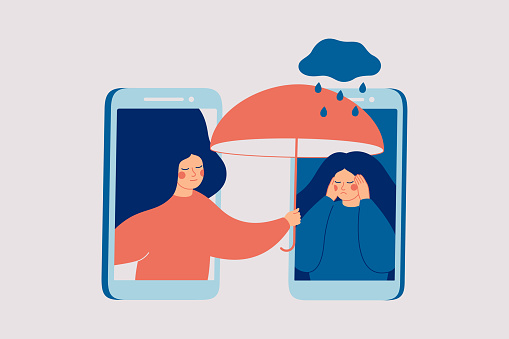
“Expressive art therapy integrates all of the arts in a safe, non-judgmental setting to facilitate personal growth and healing. To use the arts expressively means going into our inner realms to discover feelings and to express them through visual art, movement, sound, writing or drama. This process fosters release, self-understanding, insight, and awakens creativity and transpersonal states of consciousness.” -Natalie Rogers

Art therapy is a kind of therapy that uses art as a means of communication and le people explore and express their emotions and thoughts. This therapy is also known as expressive therapy.

In the process of the therapy arts, therapists use fine arts and performing arts to improve physical, mental, and emotional well-being. Fine arts and performing arts include drawing, painting and drama, dance, and movements respectively to improve physical, mental, and emotional well-being. In the process, the therapists work with individuals or groups using arts to create meaning rather than focusing on the end product. This process includes activities like creating stress painting, designing a postcard that one will never send, creating an emotional wheel, collage, doodling and scribbling, finger painting, photography, sculpting, working with clay, etc. Art therapy is more useful for people who cannot verbalize their feelings. This therapy is perfect for people of all ages because of its versatility.

Art therapy can help in treating a wide range of mental disorders and psychological distress.

Certain studies and institutions recommend art therapy for people suffering from schizophrenia (a long-term mental disorder of a type involving a breakdown in the relation between thought, emotion, and behavior, leading to faulty perception, inappropriate actions and feelings, withdrawal from reality and personal relationships into fantasy and delusion, and a sense of mental fragmentation.) and other related conditions. People who face difficulties in learning, art therapy are great for them.

People suffering from Dementia (a chronic or persistent disorder of the mental processes caused by brain disease or injury and marked by memory disorders, personality changes, and impaired reasoning). Due to art therapy, people use creative parts of their brain, which helps them to manage stress levels and restore a sense of personal identity.

People suffering from Autism spectrum disorder (ASD) (a complex developmental condition that involves persistent challenges in social interaction, speech, and nonverbal communication, and restricted/repetitive behaviors). Art therapy helps people to distract and calm themselves and also improve their communication skills.

It also helps prisoners to help in their feelings. It can also be used for people suffering from Post-traumatic stress disorder and depression.

Things to keep in your mind to participate in art therapy

•             People do not need to have artistic ability or special talent. According to some researchers sometimes only the presence of art can play a part in boosting mental health.

•             Art therapy is not the same as art classes. Art classes are focused on teaching techniques while art therapy is more about let people focus on their inner feelings. People do not need to create masterpieces in art therapy but they need to express their feelings with the help of color or anything they feel connected with.

•             People do not need to have experience in arts for participating in art therapy.

In this pandemic like situation people are facing issues like stress, depression and mental health more than ever. To get out of these situations people started to do yoga and many more things. So here is the suggestion you can start art therapy at your home. You just need to practice regularly to overcome the issues. Art therapies can help you open up emotions you have been pushing back. The therapy forces you to notice them and work on them. So start playing with colors or dance or sing in your own way and let yourself express what you feel.

CALL FOR A CHANGE

THE WORSE CONDITIONS FACED BY CHILDREN WHO LOST THEIR PARENTS DUE TO COVID-19

We all are aware about the worse situations in INDIA due to new phase of pandemic. We all listened and watched about several heart touching incidents that happened around us, many families has destroyed because of covid-19 but we never think about the survival of children who lost their parents in these situations. Let me show you a video on statistics of children who became orphans because of pandemic.

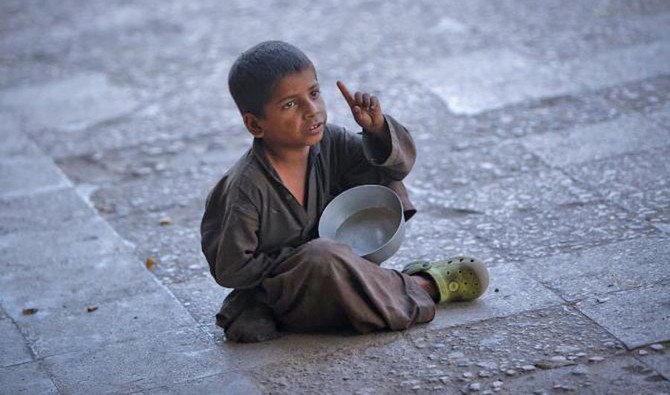
Child hood phase is the critical phase in everyone’s life and it is essential to take care about the child in this phase because in this phase only the personality and emotional resilience will be developed but because of this pandemic situations the children who lossed their families are facing a lot of troubles in the hands of child traffickers and illegal adopters. Let me share you a story about a child who lost his parents in this pandemic and turned as a beggar on the streets.

” Once I encountered a tot on our street, he asked me 5/- to obscure his hunger. I offered him a meal instead of giving him money and later I asked him about the reason why he has turned into a beggar then he replied me that, he lost his both parents a few months ago because of covid virus and no one of his relatives doesn’t like to take care of him and with in few days one of their relatives left him in the bus stop and went away. ” After hearing to his words, I felt bad for the situations he faced with out any takecarer and immediately I decided to make a call for childline number to give him better future. I explained him about what I did for him but initially he felt scared about my proposal but after sometime he realised and felt happy. With in few days volunteer’s of some NGO who received information from childline help center rescued him successfully.

We all crave to sleep like a child. Do you savvy, there are more than twelve million children who can’t sleep due to starving stomach in India and that number has increased much more due to these pandemic situations. ”If God is the one who writes the fate, then be the demigod for these tots.” Childline 1098 is a service of Ministry of women and child development. ” CHILDLINE INDIA” a foundation which is non-governmental organization in India. It operates with a telephone helpline called childline, for children in distress. It is India’s 24-hour toll-free phone outreach service for children.

A single phone call can make a large change in the entire life of a child, It cost’s nothing guys for making a phone call guys but it can give a new life to the child who is in tough situations. We all know the role play of youth in building a nation and also we know that, today’s children are tomorrow’s leader’s. Let us all unite and play as a role of gardener’s of a garden named as India and fill it with blossoms of children’s smile.

I think I have sown a seed of spreading awareness about rescuing the homeless children using the helpline number of childline India. Remember guys nature of helping others will give us a lot self satisfaction. Guy’s please Join your hands to continue this chain, So that we can at least save few children from our side. Finally, Guys do remember the childline India helpline number (1098) to save the distressed children in our surroundings.

” LET US CHANGE!
BE FOR CHANGE! & CALL FOR THE CHANGE! ”

Acid Rain!

 In your school or college, we all have once come across the phrase ‘Acid Rain’. Many of us have forgotten about it and many of us do remember the topic in detail. So, in this article, I am going to put some light on the following topics:-

I) What is Acid rain?

II) How much acidic is Acid rain?

IIl) Effects of Acid rain.

V) What can be done?

What is Acid rain?

When gases like nitrogen oxides and sulfur dioxide (produced by the burning of fuels from factories, power stations, or vehicles) react with tiny droplets of water in clouds to form sulphuric and nitric acids. Which is the form of rain that falls from the clouds, which is why that rain is known as ‘Acid Rain’.

How much acidic is Acid Rain?

We all have learned in school about the pH scale, the scale which is used to determine acidity. This scale goes from 0 to 14, where 0 is the most acidic and 14 is the most alkaline and 7 is neutral. Acid rain is very weak in terms of acidity.

Rain is always acidic because of the presence of naturally occurring oxides in the air, for unpolluted rain the pH value is between 5-6. But when the air gets more polluted with the presence of sulfur dioxide and nitrogen oxides in it, the acidity can increase to a pH value of 4. The most acidic rain recorded till now has a pH value of 2. But, even the most acidic rain ever is as acidic as lemon juice or vinegar. 

Now that we know it can’t harm us then why do we worry about it? 

What are the effects of Acid rain?

Though Acid rain can cause skin irritation to some people, there are many effects of Acid rain on the forest, aquatic animals, and water resources. 

Effects on Forest:-

I) It can dissolve and wash away the nutrients and minerals in the soil which helps the trees to grow.

II) Acid rain causes the release of harmful substances such as aluminum into the soil.

III) Acid rain wash away the waxy protective coating of leaves, damaging them and preventing them from being able to photosynthesis properly.

Effects on Buildings:-

I) Acid rain can make the erosion process of materials faster. 

II) Statues and monuments made up of limestone are worst affected by Acid rain.

Effects on Lakes and Rivers:-

I) It can be very harmful to aquatic species.

II) It can also cause toxic substances like aluminum to be released into the water from the soil, resulting in water pollution.

III) It can destroy the ecosystems of lakes and rivers.

What can be done?

Mentioned below are some ways to reduce Acid rain:-

 By installing catalytic converters on our vehicles.

→ Sulfur can also be ‘washed’ out of smoke by spraying a mixture of water and powdered limestone into the smokestack.

 By using renewable energy sources rather than fossil fuels.

 By conserving energy. 

 By carpool or using public transport.

BENEFITS OF SANDALWOOD

BENEFITS OF SANDALWOOD FOR SKIN :

1. Helps in Removing Tan:

It is imperative to save yourself from the harmful rays of the sun. The natural oils present in sandalwood help to get rid of a sun tan.

It also helps to soothe a sun burn and has a cooling effect, reducing the redness caused due to a sun burn.

2. Has Anti-inflammatory Properties:

Its anti-inflammatory properties help to any kind of burning sensation caused due to acne or sun burn.

Sandalwood essential oil can be used to treat insect bites or any other skin wounds

3. Acts as an Astringent:

Sandalwood causes coagulation of skin proteins, further protecting your skin from any breakouts, allergies or abrasions.

It brings about minor contractions in your soft tissues of the skin and tightens your pores.

This is precisely why many facial packs and toners use sandalwood as one of their primary ingredients.

4. Used as an Antiseptic:

Sandalwood has antiseptic properties that prevent pimples, acne and sores from developing.

Exposure to dust and dirt can cause bacterial growth on your skin which can further lead to skin problems.

Applying sandalwood powder mixed with milk on your face or the affected area can really help.

5.It removes wrinkles:

Sandalwood oil contains antioxidants that help maintain the buoyancy and structure of the skin cells.

It also reduces dryness and replenishes the moisture in skin, increasing elasticity.

Right to repair

Right to repair is the movement started by the activist and oragination all around the world. Joe -Biden ,US president ,signed an executive order on Federal Trade Commission to institute rules to curb anticompetitive restrictions that limit consumers’ ability to repair gadgets on their own terms. The Uk too had introduced this .

The agenda of the movement is to get compinies to make spare parts of the gadget and the consumers can repair them rather than replacing the product.

Large tech compinies like Apple, Microsoft,Amazon and Tesla are opposing the movement stating that its opening up their intellectual property to third party to repair them.

STRESSED??? READ THIS

Everyone in this world faced this kind of situation lots in their life. stress occurs when one’s desires are not fulfilled properly or ended negatively . I am not a psychiatrist I am just a student who have gone through lots of stress in my life and everyone has too. But I didn’t give up that’s my power . I become more and more confident when I raised my positive outlook in life. Always ask this questions when you’re in stress.

1)what’s the reason behind my stress?

2)Is this stress necessary ?

3)why I’m thinking that this bad luck will last long throughout my life?

4)what are the ways to remove my poor mindset?

Answering this questions itself gives you a lot of clarity. Here are some things that humans commonly do avoid that

1)Comparing your life with others life:

Avoid this kind of thinking. your personality and life is different from others then why comparing your life with others. They may look like happier but they only know how much stages they have gone through in their life. So, don’t have this silly thought that what kind of troubles that they have faced in their life. Human life is of two sides negative and positive .Everything is connected when we face negative side we learn and the result is success (positivity) that’s how life works.

2) Avoid jealousy:

This kind of character will destory you . Don’t get jealous about others instead compliment them. It will make you happier than ever. Instead of being jealous , learn from them.Use that knowledge to improve yourself in your own way. Being Jealous is a waste of time as it will not improve you instead it will degrade you on a lower level.

3)Positive outlook :

whatever happens in your life look in positive outlook. The universal truth is whatever thing you took it will have both advantages and disadvantages .

For example: Morning and Night . Let’s keep morning as happiness and night as sadness . If you like only the morning time and you keeping it for the full day and avoiding the night .For somedays you can survive but living for longer period destroys the world as well as you due to the aggressive heat of the sun . That’s how universe works . In your life too you have to face both in order to balance your life . Instead of getting stressed accept this truth and it will help you to grow .

How to Run a Successful Business in Emerging Markets Like India

It is a well known fact that China rules the world in the sector of marketing. But emerging markets are not that behind. They are catching up and making a place for themselves in the world market.

Business in Emerging Markets

According to a survey done recently by the IMF (International Monetary Fund), it is observed that the emerging markets will be growing at a continuous pace in the next 2-3 years. So, doing business in the emerging markets is going to be successful.

In the last decade, the emerging markets have shown a rapid increase in their sales as compared to the multinationals. And in addition, it proves to be more safer in times of economic deficiency.

Photo by Benjamin Suter on Pexels.com

Emerging markets are the best platform for many companies to start their business and grow their revenue. Here are some steps to success in emerging markets :

  1. Be up-to-date with the newest technologies.
  2. Move on from the thoughts of uncertainties and insecurities.
  3. If you face any type of problem at any time in your business, then go for collaboration.
  4. Let go of the old strategies and build new ones to excel more in the market.
  5. Try to get familiar and used to the scarcity of work and sales.

Follow these few steps and keep your mind focused in growing and growing more. Business in emerging markets like India is not hard but is a game of well planned strategies and being focused in the work.

FACEBOOK ADVERTISEMENTS

Facebook is one of the major platforms for all businesses trying to reach a wide range of audiences. Facebook advertisement is more user-friendly and brings more traffic to your business.

More than 90% of social media marketers use Facebook as their means of marketing and expanding their horizons. To fully conquer advertising on Facebook, it is important to have perseverance and a deep understanding of how it works. From a start-up to massively grown companies everyone need a platform to promote their products.

Types of FB ad formats:

  • Image ads: It is always recommended to use images for promoting your business.
  • Video ads: Moving images always catch the user’s attention.
  • Carousel ads: Showcasing up to 10 images/videos with links in a single ad. It supports various businesses.  
  • Messenger ads: This makes it easier to drive into conversation over a large scale.
  • Collection ads: This format features multiple products and gives an instant experience once the user interacts with your product. 
  • Instant experience: It gives a full-screen ad experience to the user when tapped on the ad.
  • Slideshow ads: It supports motion, text, and sound unlike video ads it is quicker and load time is low which helps to show a beautiful story about your growth.
  • Playable ads: It gives a try-before-you-buy experience to the user. 

How does it work exactly?

Facebook targets users based on their location, ethnicity, and interests. Location can track the user’s country, state, zip code and show the ads which are more relevant to their needs. Gender and interests increase the probability of targeting the right people. Categories related to technology, science & inventions can target the young changemakers and women of age group 18 and above get attracted towards the skin & hair care products and so on.

You can use free ad management tools on Facebook like- Facebook Ads Manager and Power Editor for creating, running, and managing your ads. Once you create your advertisement you can track the traffic by using Facebook Pixel.

What should you keep in mind?

  • The most important part of advertising on Facebook is the image of your ad, you won’t get clicks unless you have catchy pictures and taglines.
  • Provide free valuable content to the audience.
  • Creative, articulate, and limited lines of description can always help.
  • Attention– Content of your product must grab the attention of the customers.
  • Desire– It should create a desire in the customer to buy your product. Tip: By describing the benefits of using your service and provide discounts for new users.
  • Service– Make your services available for users over a range.

Here, I have provided an external link which answers most of the common questions on Facebook advertisements.

Advantages of Facebook ads:

  • It offers you the flexibility to expand your business.
  • Can get a chance of collaborating with multiple companies.
  • Budget-friendly for new users.
  • A quick way to fall into the eyes of the audience.

Disadvantages of Facebook ads:

  • Ads alone can’t guarantee sales.
  • Unless to pay for your ads you will not have customers. 
  • Have to handle hate and avoid plagiarism.

credit to the right owner of the image used.

What are Folkways ?

What are social norms ?

Social norms refer to the group shared standards of behaviour .It is a pattern setting limits on individual behaviour .
Norms are said to be ” blueprints ” for behaviour .
They determine , guide , and control human behaviour .
Norms are not systematically classified by Sociologists . But they are grouped into –
” Folkways “, “mores ” , “fashions “, “rites “, “ceremonies “, “customs ” etc. .

What are folkways ?

In general , folkways means “ the ways of folk “.
The term ‘folk’ represents people and ‘ways’ represent their behavioural habits .
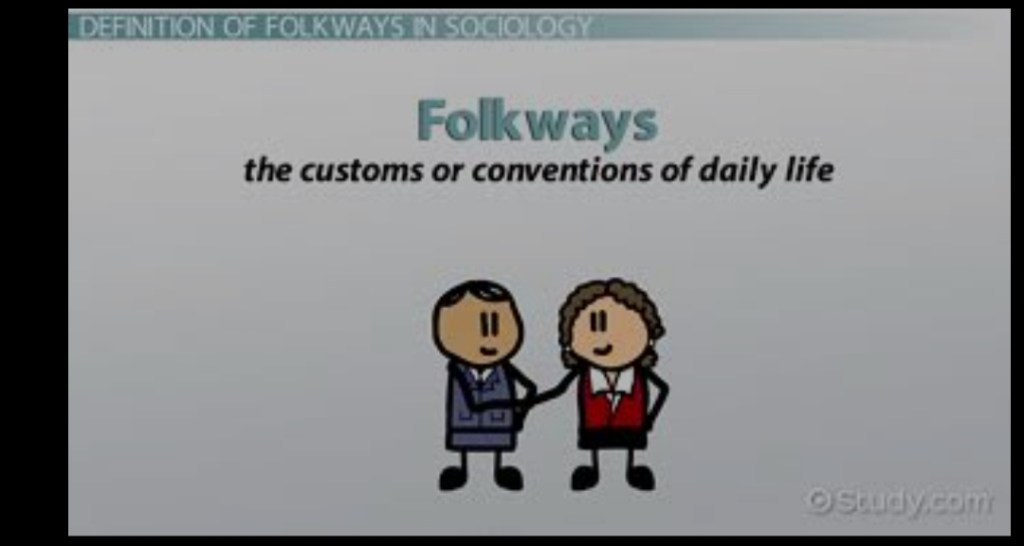
Folkways are the customary, normal and habitual ways of the group to meet certain needs or solving day-to-day problems.

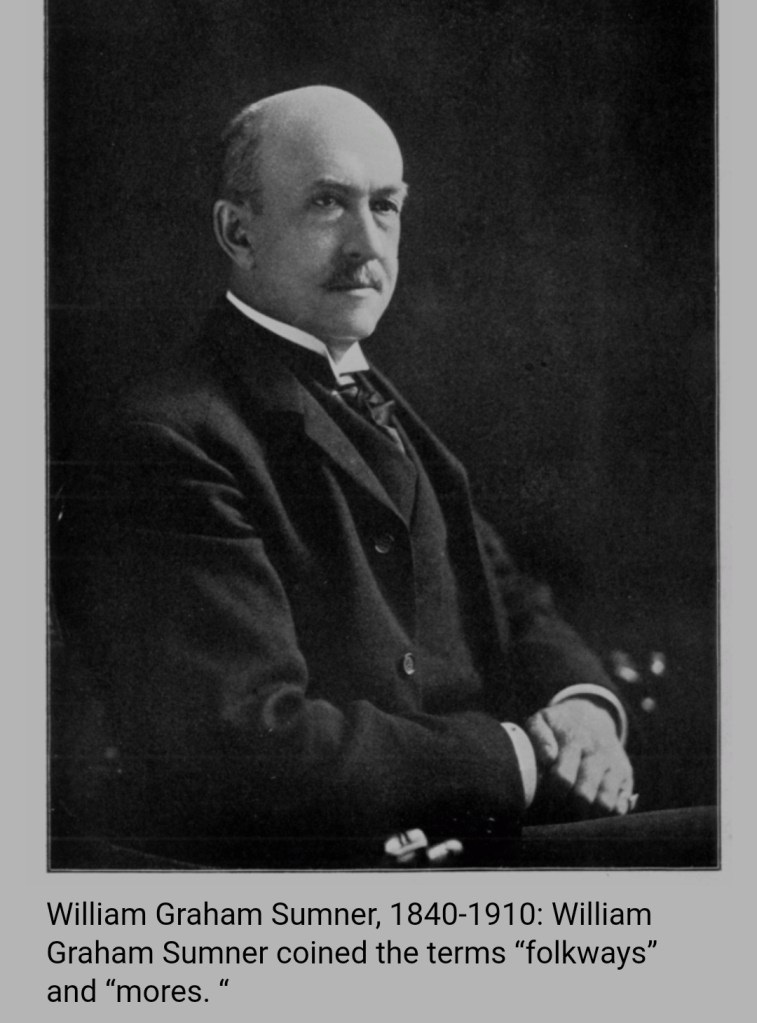
The term folkways was introduced into Sociology literature by W.G .Summer in a book with the title , ” Folkways: A Study of the Sociological Importance of Usages, Manners, Customs, Mores, and Morals ” published in 1906.

Folkways are accepted ways of behaviour.
According to Summer ,
” folkways represent man’s unique means of adapting himself to the environment .

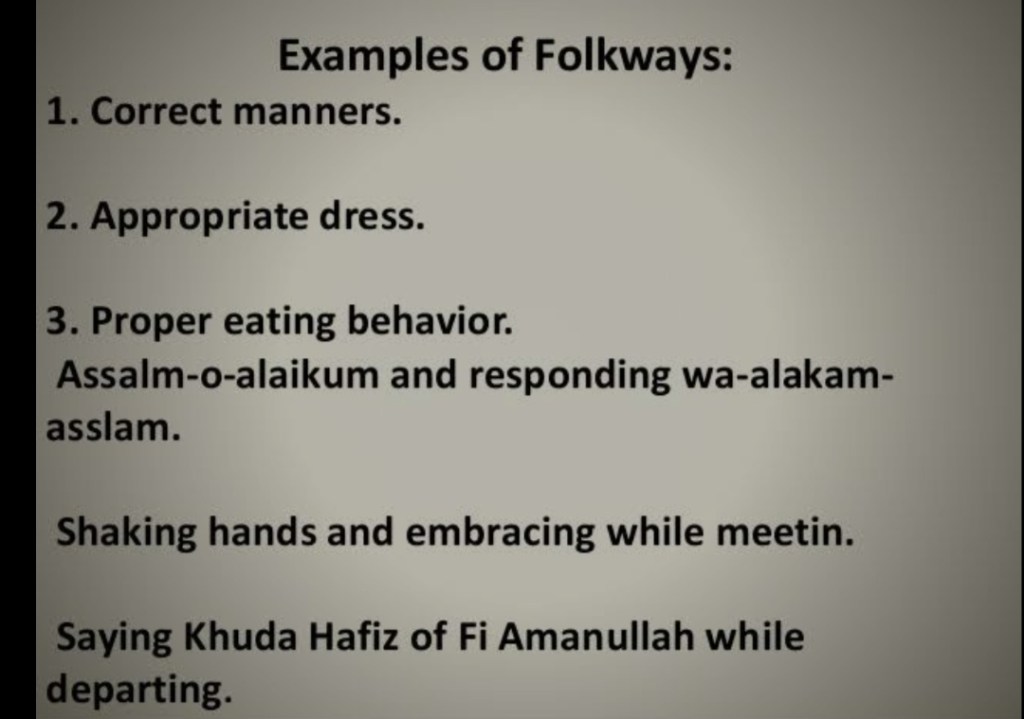
Examples of Folkways :-

The ways of eating , talking , dressing , playing , walking , working , greeting , conversing ,etc. represent folkways .

The daily activities become an individual’s habits ,but folkways are termed as habits of a group though Not all (group) habits become general. They differ from individual to individual and place to place.

Folkways are a learned process of socialisation. They become the second nature of the individual.

Habits are socially approved habits which are followed by a number of persons in a society are referred as folkways,

Habits of exchanging greetings and courtesies like bidding ‘Namaste’ with joined palms is an.examples of Indian folkways .

Walking on right side if the road , taking three meals a day , Wearing different clothes at different occasions, showing respects to elders , love and affection to younger ones ,
Wearing a cap, hat or turban,.shaking hands, eating with forks and knives, driving on the left or right hand side of the street, attending classes in paints and skirts rather than gowns or bathing suits etc..are some folkways followed by difficult individuals.

Definitions :-

Folkways are behavioural patterns of e everyday life which generally arise unconsciously in s group .”
-.Gillin and Gillin

According to Reuter and Hart (1933),
“The folkways are simple habits of action common to the members of the group; they are the ways of the folks that are somewhat standardised and have some degree of traditional sanction for their persistence”.

Maclver and Page (1949) defined it as:
“Folkways are the recognized or accepted ways of behaving in society.”

A.W. Green opines ,
Those ways of acting that are common to a society or a group and that are handed down from one generation to the next are known as folkways .

Lundberg stated ,
“. Folkways are the typical or habitual beliefs , attitudes and styles of conduct observed within a group or community .”

In simple words , folkways are “repetitive petty acts of the people .”
___________________________________________

Characteristics of Folkways

• Social in Nature :- Folkways are the products of man’s group life . They are created by the groups for their sustenance and maintenance . Individuals get social recognition by comforting the folkways .

Repetitive in Character:– A social practice becomes a folkway when the majority of people observe it constantly and regularly . The often repeated practices of the majority normally become the folkways . These practices become standardized practices by constant repetitions .

Unplanned Origin :– The origins of Folkways are very obscure . Summer believed that they arise automatically and unconsciously . They are not the result of any advance planning . Someone in the group starts a new way and in course of time it becomes popular and a good number of people may start following it but by the time it becomes folkways the origin trace fades away.

Informal Enforcement :– Folkways constitute one of the types of informal means of social control . Folkways are not as compulsive and obligatory as that of laws or morals . Conformity to the folkways is neither required by law nor enforced by any special agency of society. They are not absolutely obligatory though they are considered as necessary .

Folkways Differ a Lot :- Folkways Differ from group to group and society to society . They may also undergo changes in course of time within the same group or society .
For example , table meals are common in the West whereas the majority of Indians used to squat on the floor and take their meals with their hands .

Folkways vary with age and sex in almost all places . They even vary according to social status , religion , ethnic groups , racial groups etc .

Folkways are Numerous :- It is not possible for anyone to enlist all the folkways . There are so diverse and numerous folkways . They range from most trivial acts and behaviour patterns to the most serious ones .

Folkways are subject to Change :- Just like everything folkways are also subject to change . Folkways change according to changes in social conditions .
Summer is referred to as ” fashion ” .
Fashion related to dress , hairstyle , architecture designs , etc. undergo rapid changes .
___________________________________________

Social importance of Folkways

The folkways are the foundation of every culture . They give us a better understanding about a particular culture.
When fully assimilated they become personal habits .

Summer believed , ” the life of society consists in making folkways and applying in them . The science of society must be construed as the study of them .

Folkways have become a universal characteristic of human societies. No society does or could exist without them . Hence they constitute an important part of the social structure . They are most powerful and control the behaviour of individuals in society even more than the state action.

They become a part and parcel of the personality of the infant through the process of socialisation. An individual learns different folkways at different stages of socialisation . They become a form of unstated premises of our mental life .

Folkways play a major part in social control in society, as folkways are informal means of social control.

Hence , folkways are not compulsory or obligatory but constitute an important part of social structure as they become personal habits that contribute stability and order in social relations .

TEA CONNOISSEUR

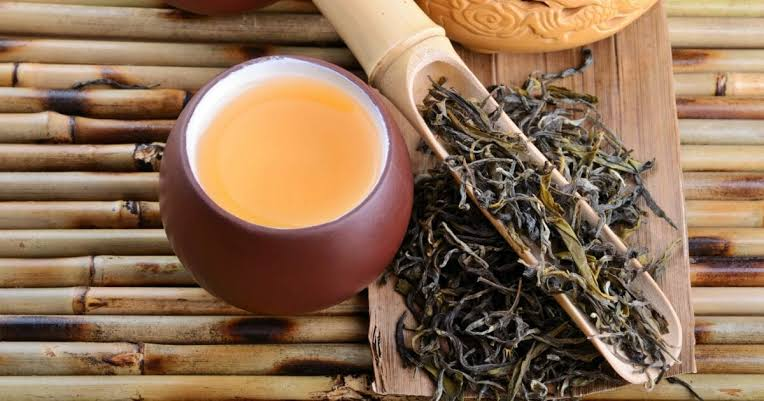
Tea is not a word but an emotion for Indians. Be it masala chai, black tea, green tea or even kashmiri kahwa. A hot cup of tea suit’s every season and emotion. Happy? It will add up to your mood. Anxious? It will calm you down. Sleepy? It will keep you awake. Insomnia? It will help you relax and sleep.
So now you might be wondering, how does one tea provide so many services where most of them contradict one another?

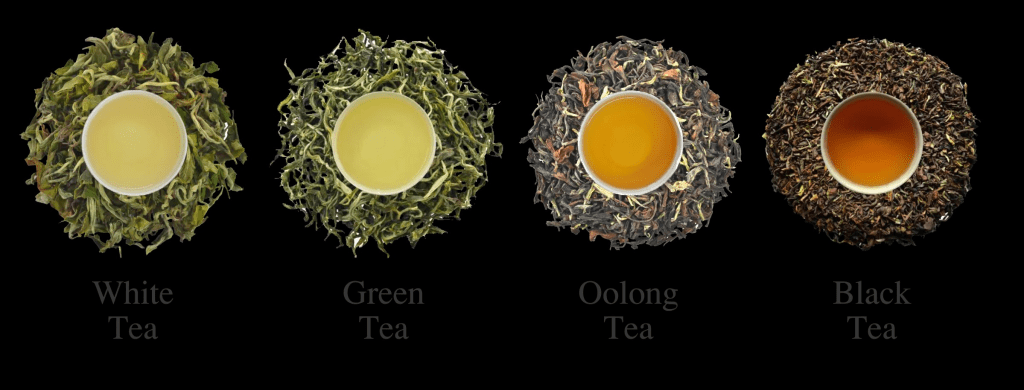
To answer that, the quality and benefits of the tea depends on its Level of Oxidation. The four major types of tea i.e. WHITE TEA, GREEN TEA, OOLONG TEA and BLACK TEA, comes from the same plant called Camellia sinensis. However, they are differentiated by the level of oxidation they undergo. This adds to its level of flavour, aroma and health properties.

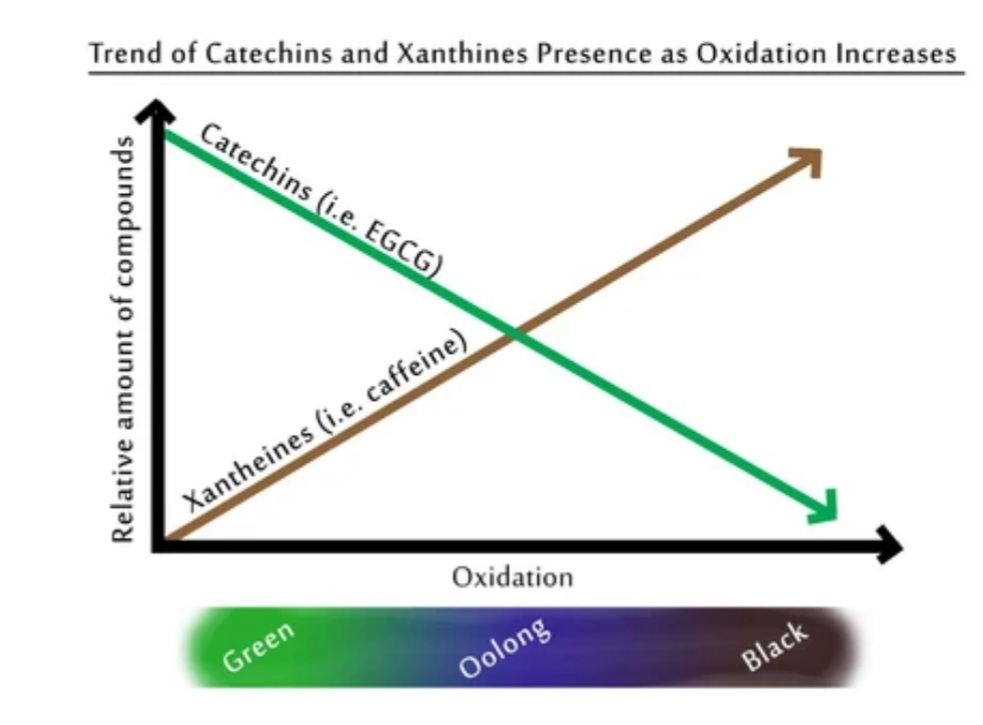
The two major compounds in tea are Catechins and Xantheines. Catechins is present in the form of ECGC which are naturally occurring antioxidants that reduces the oxidative cellular damage in the body and Xantheines in the form of caffeine that provides a gentle energy boost without the harmful side-effects of coffee. The presence of these compounds depends on the oxidisation of the tea leaves. Higher oxidisation leads to more of Xantheine and less of Catechins, where’s lower oxidized leaves contain higher Catechines and less Xantheine.

White Tea is most delicate of all the tea’s as it’s uncured and unfermented. Famous for it’s floral, fruity and naturally sweet flavour, it contains the highest amount of antioxidants as is least oxidized (So it has most of it’s natural Catechins). Hence, it possesses major health benefits because of the absence of caffeine. It’s known for its anti-aging and most potent anti-cancer properties.

Green Tea is the most famous health tea for the past few decades. It is darker compared to White tea as it is slightly more oxidized, however it contains high number of antioxidants that is beneficial for promoting good metabolism and weight-loss. Some of the numerous health benefits of green tea include growth of bladder, stomach, pancreas, lungs; reduced risks of neurological disease like Alzheimer’s; lower blood pressure; prevent cancer; lowers cholesterol levels; prevents tooth decay and many more.

Oolong Tea comes after green tea in terms of its antioxidant content as it’s more oxidized compared to the latter. Its properties depend upon the level of oxidation which is mostly between 30% -70%. It is aromatic and highly fragrant. It is known to lower bad cholesterol levels (LDL) and increase the production of good cholesterol (HDL). It has higher amount of caffeine hence it is known to increase mental alertness and increases concentration

Black Tea is rich, hearty and bold. It’s over 80 % oxidized and hence contain highest levels of caffeine compared to all the others. Hence, this makes it best for an instant energy boost. It is known to protect the skin against excess UV radiation exposure, boost immunity, protect lungs, improve heart health and lower the risk of kidney stones.

Hence, who wouldn’t want to enjoy a hot cup of tea on a pleasant evening (Specially, if it’s good for your health as well as taste buds).

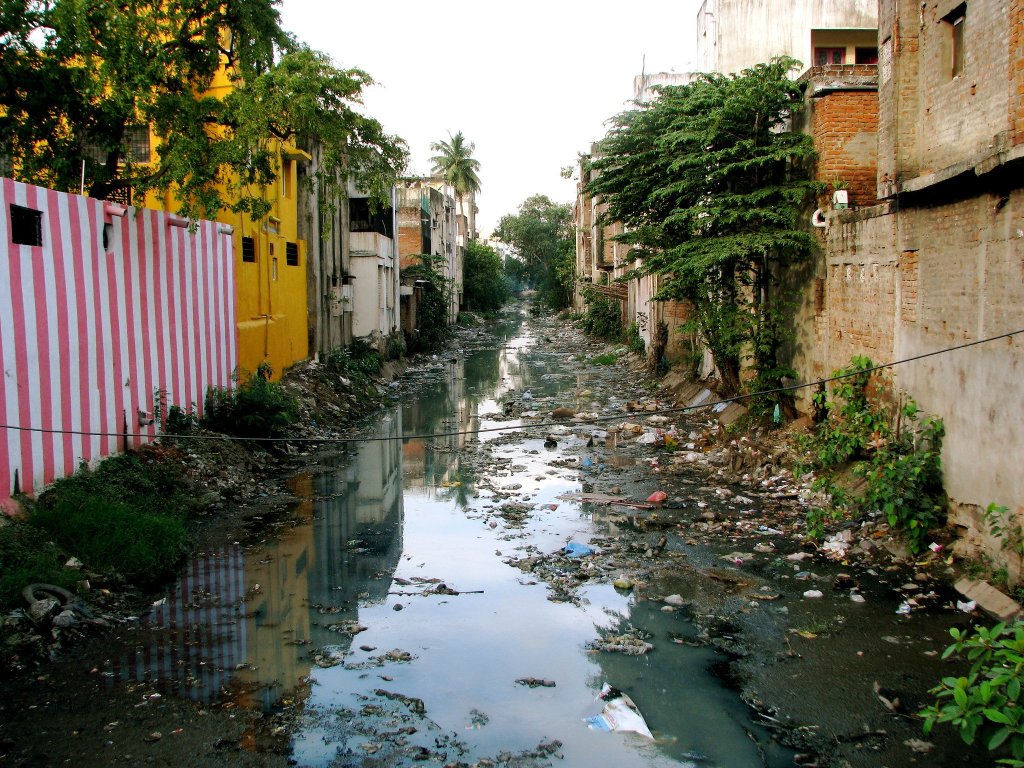
WATER BODIES AREN'T BINS.

Would you value something, you would die without?

Image source

Well looking at the picture above I think, Indians doesn’t seem to be having this thinking. Such disregard of Water, the thing which makes our life possible definitely has to be one of the most irresponsible thing done by humans. Especially, Indians who worship these seas and rivers themselves are the one’s polluting it the most. The holy river of GANGES, which is generally called the most pure river in the whole country itself is the most polluted one. Severly polluted Ganges river which provides water to 40% of India’s population in total of 11 states serving an estimated population of 500 million people, is the fifth most polluted river in the WORLD. Sewage discharge from cities, towns and some villages is the most prevalent cause of water pollution in India. Major cities of India produce 38,354 million litres per day (MLD) of sewage, but the urban sewage treatment capacity is only 11,786 MLD. The scientific analysis of water samples from 1995 to 2008 indicates that the organic and bacterial contamination is severe in water bodies of India. This severity is increased at an even more rapid rate until 2020. According to A reliable source, Around 80% of India’s water is severely polluted because people dump raw sewage, silt and garbage into the country’s rivers and lakes. This has lead to high scarcity of drinkable water. Experts predict that 40% of people may not have a connection to a clean water source by 2030. Then how come are we yet not sincere about not just saving water but Ourselves? As urban areas households get more and more facilities of 24*7 running water taps and availability of drinking water, lesser is the value of the latter. Around 70% of wastewater from household, industries, etc. goes untreated and each day, more than 40 million liters of wastewater flows directly into India’s lakes, rivers and ocean. This waste while travelling from small to big waterbodies, go on contaminating all of it along with the organisms living within. Lakhs of fishes and other underwater living organisms die as they eat or get caught in this waste. This waste even covers the inner and outer surface area of the water at times and thus disbalancing the oxygen levels in the water, due to which the organisms die in huge quantities. This water also enters the groundwater and makes it polluted and undrinkable as well.

Further, this water when reaches to households it immensely affects the health of individuals especially, children. Each year, more than 1.5 million Indian children die from diarrhea. It affects the irrigation systems in fields as this water doesn’t allows the crops to grow properly due to it’s I’ll properties, infectious and diseased bacteria into it. Because of the poor infrastructure and absence of sewage control, 38 million Indians suffer from waterborne diseases like typhoid, cholera and hepatitis every year. Worldwide, waterborne diseases cause more deaths than AIDS, tuberculosis and measles combined in children under 5-years-old. This severity of pollution affects humans and other organisms, plus our food security and the GDP growth of nation. As the diseases spread, the more people get ill and cease work which decreases productivity of companies, crops damage reduces the agricultural revenue too. Hence proved, that this problem is not as small as we think of it. Be it socially or economically it has a bad effect on the country as a whole. It is necessary for all the people to get educated regarding the same as soon as possible and start contributing their part in preventing water pollution and wastage.

Steps taken..

India is taking several steps to rebalance the quality of its water source, from flocculation and reuse of industrial water to the contributions that local Indian startups are making. In Chennai, a city in Eastern India, industrial water reuse rose from 36,000 to 80,000 cubic meters in 3 years, from 2016 to 2019. VA Tech Wabag, a water company quartered in Chennai, also built numerous water reuse plants all across India. As of 2020, VA Tech Wabag contributed immensely to the production of more than 18 million cubic meters of clean water every day, which has positively impacted almost 100 million people globally. In Gujarat, a state of more than 70 million citizens, the government launched its Reuse of Treated Waste Water Policy, which aims to drastically decrease the use of the Narmada River. It will install 161 sewage treatment plants all across Gujarat in order for industrial and construction sectors to use the treated water. Evaluations offer that in 2015, the Indian government installed almost 16,000 reverse osmosis systems in Karnataka and 281 solar electrolytic defluoridation plants in Madhya Pradesh.

But the most important part is we all have to remember that only Government officials and workers alone couldn’t sort this situation for the whole country. Ech and every individual has to do their part to ‘save water and save future’.

Why Indians are Shorter on Average

Indians are among the shortest people in the world on average. Despite impressive rates of economic growth in India over the past decade or two, India remains one of the worst performing countries worldwide in terms of height, among both children and adults. This is unusual because data and research has shown that over time people become progressively taller as living standards improve. There has, however, been an increase in average height in India itself as the standards of living have increased. Between 1914 and 2014, the average height of Indian men increased by about 3cm to become 165 cm, while women grew taller by about 5cm to become 153 cm. Also, it seems that children in India today are much taller than their parents were at their age, according to studies conducted into the matter. But why are Indians still shorter than the global average while Most countries have shown an increase in height over the past century or so?

Some Factors

Genes contribute to only a small portion of a person’s height, and so most scholars around the world have disregarded the hypothesis that genetic factors are of prime importance in explaining the small stature among Indians relative to international standards. Instead, it has been identified that environmental factors such as the mother’s health, infant and child nutrition, sanitation and environmental pollution are the major reasons for smaller heights in India. Nutrition here not only implies that there is malnutrition in the country, but also the fact that India has a very large vegetarian population. This means that many people are not gaining nutrition from a very good source: meat. Protein obtained through meat is great for growing height. Though vegetarians can get protein from dal or soybean, they are not nearly as good sources of protein, and the best quality of protein comes from animal sources. Apart from this, the low status of women in Indian society, high rates of gastro-intestinal infections spread by the widespread practice of open defecation (especially in rural areas), and certain eating habits are said to contribute to height.

Furthermore, research has shown that forward caste men are the tallest in India, and scheduled caste and scheduled tribe men are the shortest. This is proof of the fact that better living conditions and nutrition helps in height growth. Thus, there is decreased importance of genetic factors in explaining the disappointing growth performance of Indians, and it is more of the socioeconomic and environmental factors prevailing in India. This is evidenced by the fact that ethnic Indian adults in England are much taller than in India, because of their standard of living and environment.

Conclusion

Today in India, children are definitely much healthier and better-fed than they used to be, and adults are gradually getting taller than their previous generation. However, Indians are still much shorter than Americans or Europeans, and it is estimated that the height difference will take around 250 years to eliminate at the British growth rate. And the reason behind all this is not Indian genetics, but rather things like malnutrition and poverty in the country. Today, nearly 40 percent of Indian kids today are short enough to be classed as stunted by international standards. Furthermore, it is mostly Indian men that we see gradually growing in height to meet the international average, while women are growing taller at less than a third of the rate at which Indian men are growing taller. This matches the pattern of discrimination that we often see in India, which is a mostly patriarchal country. Hence, we will only be able to increase in average height if we are able to raise the standard of living for everyone in the country and aim for equitable treatment of all.

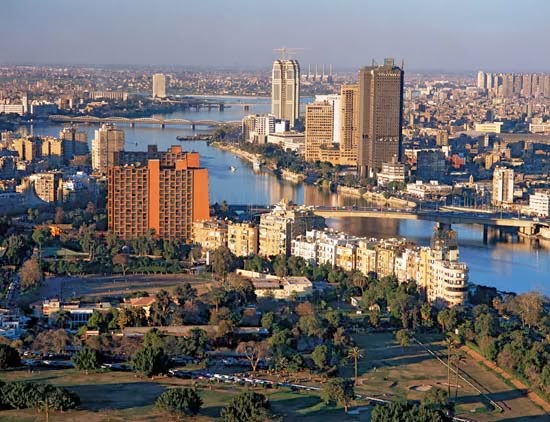
URBAN ECOSYSTEM AND URBAN SUSTAINABILITY

URBAN ECOSYSTEM

UNDERSTANDING URBAN ECOSYSTEM

Urban Ecosystem is the ecological system which is located within an urban area or a city or town or any densely populated area. Urban Ecosystem is the amalgamation of the urban population, its built infrastructure along with its surrounding environment and the interactions between them. It can be seen as a modern way by which adaption can be promoted and guidance can be provided for ecosystem approaches for planning and management of urban areas and their ecosystem. By this the effectiveness and efficiency of the amenities and services being provided for the people can be improved.

URBAN ECOSYSTEM

NEED TO UNDERSTAND URBAN ECOSYSTEM

  1. As of the current situation, more than 54% of world’s population is residing in urban areas (2017) and is projected to reach nearly 66% by 2050.
  2. Urban areas occupy only a small portion of land as compared to the total land available but the amount of global energy consumed by them is huge and is nearly 67 – 76%.
  3. Industrial activities are one of the most widely practiced activities in urban areas and they consume nearly 80% of residential water and 80% of woods.
  4. With the increasing percentage of population residing in urban areas the chances of deterioration of urban ecosystem also increases.
  5. The expanding urban areas convert the  biomes into residential, industrial, commercial, and transportation areas.

STRUCTURE OF URBAN ECOSYSTEMS

Urban Ecosystems consist of 2 elements:

  1. Biological Elements : In the biological components in includes plants, animals and other life forms of life and in addition to that, it also includes the human population, their demographic characteristics, their institutional structures and the socio economic tools that they employ.
  2. Physical Elements : The physical component mainly includes buildings, transportation networks, modified surfaces (e.g., parking lots, roofs, and landscaping) and the environmental alterations etc . 

CHARACTERISTICS OF URBAN ECOSYSTEMS

  1. In comparison to other ecosystems, urban ecosystems are more warm because of high built up areas which reduces the infiltration of rainwater and show high amount of surface run off.
  2. The amount of chemicals, pollutants and heavy metals and other man made organic compounds is also more concentrated in these areas.
  3. The biological community found in different urban areas and urban ecosystems is similar, which is mainly attributed to the structural similarities in urban areas like infrastructures, buildings etc. and due to introduction of different types of activities and characteristics in urban areas for satisfying the needs of the population.

URBAN SUSTAINABILITY

As the percentage of people residing in the cities is increasing, the need of understanding the human – nature interactions and the evolution of their interaction and relationship also increases. With increasing urbanization, the complexities, adversities and nature of this relationship increases and keeps on changing.

Urban Sustainability is the approach that aims to reduce the reliance of cities on other means and modes for satisfying its need and to power itself by making best use of the available renewable sources of energy. By this practice, the carbon footprint, ecological footprint and extent of pollution caused by the cities and urban areas can be reduced. This can be done by efficiently using the land, using the compost obtained from material, by switching to zero waste strategy and waste – to – energy concept. By this the cities impact on micro and global climate change will be reduced.

SOME STRATEGIES FOR ACHIEVING URBAN SUSTAINABILITY

  1. Urban Gardening
  2. Using Sustainable Approaches in construction of buildings
  3. Sustainable Landscaping
  4. Investments in Downtowns
  5. Food Forest

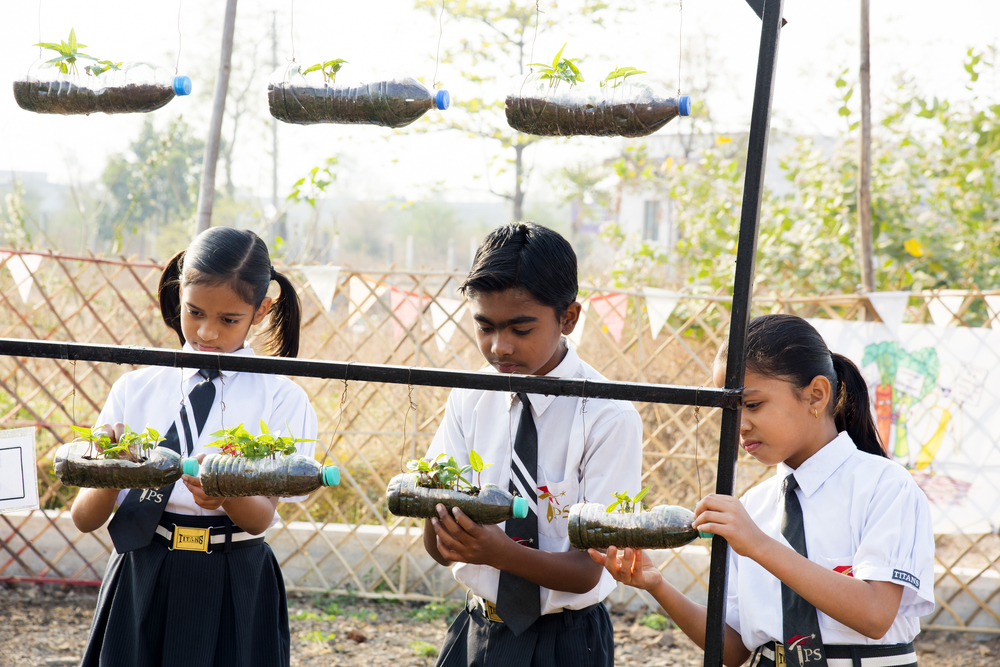
Learning at the school garden

India Requires All Schools to Have Kitchen Gardens
  • A one of its kind initiative, Edible Schools has been launched by MS Swaminathan Research Foundation (MSSRF) in Kalpetta, Kerala in association with Botanical Garden Conservation International (BGCI) to familiarize school children with food crops and family farming. 
  • The aim of this program is to engage the children in food production and farming activities under the guidance of trained and caring leaders, who lead the children into discovery and exploration of soil, water, biodiversity and the science of agriculture production and consumption.

Teaching gardening in schools

  • This project was launched in 2 schools of Waynad – Hill Blooms School, Mananthavady and Government High School, Thrikaipetta, in January, 2021 and it is a huge success till date. The programme was initiated by developing a nutrition garden and fruit garden at both schools following COVID 19 protocols. 
  • These gardens were designed on approximately 870Sq.ft land and fruit trees were planted as part of the campus greening. The nutrition garden has been cultivated with mostly leafy greens such as Amaranthus, Spinach, Curry leaves and Moringa and the commonly consumed vegetables such as Brinjal, Okra, Beans and Cow peas as well as medicinal plants , fruit trees, wild food plants and larval hosts have also been planted. 
  • The first harvesting from the nutrition gardens at the edible schools was done by the students and they were guided by their leaders. They were very excited to see their produce as well as fruit garden saplings of Guava, Custard Apple and Mango seeds growing into healthy trees. 

Although during pandemic the students couldn’t visit the school campuses much, the nutrition gardens have been extended to their homesteads. Training was given to the students for the collection and multiplication of the seeds of wild native trees like Venga, Njaval, Athi etc.  The seedlings planted by the students will be handed over to MSSRF and hence, the students will be a part of the reforestation programme

reference-https://content.ces.ncsu.edu/teaching-from-the-garden-creating-transformative-learning-landscapes-at-schools

School Gardening Curriculum