LGBTQ AND THEIR RIGHTS

N kavya

LGBTQ is an acronym for “lesbian, gay, bisexual, transgender, and queer. Lesbian, Gay, Bisexual and Transgender, Queer. Over the past decade, LGBT people have gained more and more tolerance and acceptance in India, especially in large cities.

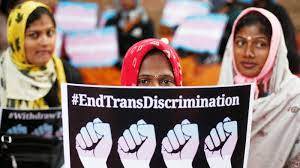
LGBTQ people in India remain closeted, fearing discrimination from their families, who might see homosexuality as shameful. Discrimination is still present in rural areas, where LGBTQ people often face rejection from their families and forced opposite-sex marriages. People in the LGBTQ community are fighting for equal rights and acceptance. Trans people, especially, face a lot of difficulty in finding acceptance. People in the LGBTQ community are looked down upon all the time.

This is a major issue because discrimination against the LGBTQ community is highly prevalent. People’s prejudices lead them to think that LGBTQ people are odd and very different. Today, homosexuality and queer identities may be acceptable to more Indian youths than ever before but within the boundaries of families, homes, and schools, acceptance remains a constant struggle for LGBTQ people. I have heard of people coming out of the closet and declaring to their families that they are not the person their family expected them to be. Being L, G, B, T, or Q is not a ‘problem’, nor is it a ‘choice’ as such. LGBTQ individuals are merely individuals who have sexual preferences that differ from what would appear to be the ‘norm’, due to differing learned behaviors and, you know, having a personal perspective and mindset that differs from everyone else’s. Saying that it’s objectively wrong for people to have sexual preferences that differ from the norm is objectively wrong itself.

Transgender people in India are allowed to change their legal gender post-sex reassignment surgery under legislation passed in 2019 and have a constitutional right to register themselves under a third gender. Additionally, some states protect hijras, a traditional third-gender population in South Asia through housing programs, and offer welfare benefits, pension schemes, free operations in government hospitals as well as other programs designed to assist them. There are approximately 480,000 transgender people in India as per Census 2011. Article 15 of our Indian Constitution Article 15, 1949. 15. Prohibition of discrimination on grounds of religion, race, caste, Sex, or place of birth.

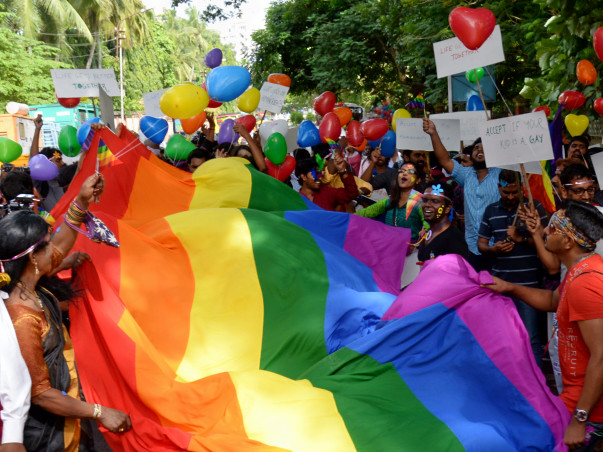
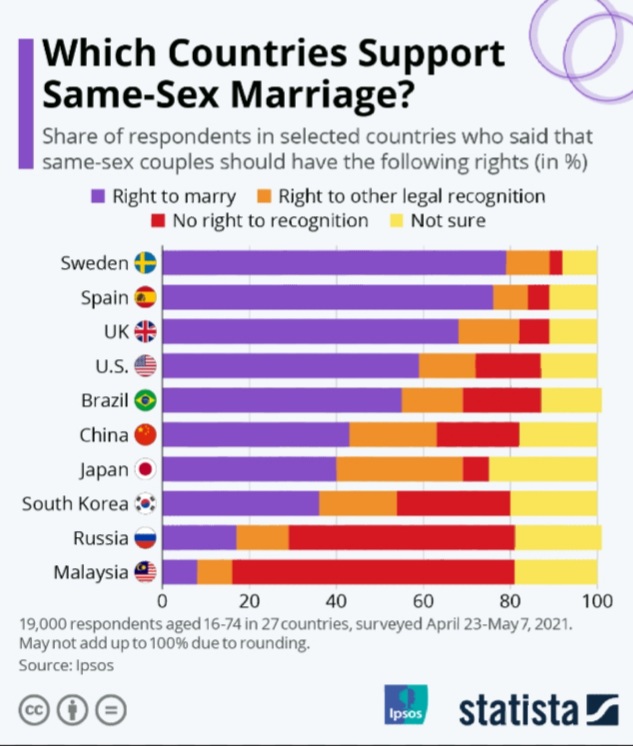
In 2018, in the landmark decision of Navtej Singh Johar v. Union of India, the Supreme Court of India decriminalized consensual homosexual intercourse by reading down Section 377 of the Indian Penal Code and excluding consensual homosexual sex between adults from its ambit. Amidst strong political movements in favor of LGBTQ rights, people are more accepting of same-sex relationships, with around three out of four Indians supporting them according to an opinion poll. In the 2010s, LGBT people in India increasingly gained tolerance and acceptance, especially in large cities.

Major Activists of LGBTQ:

1. Anand Grover.
2. Menaka Guruswamy.
3. Laxmi Narayan Tripathi.
4. Anjali Gopalan.
5. Gopi Shankar Madurai.
6. Manvendra Singh Gohil.
7. Harish Iyer.
8. Ashok Row Kavi.

Conclusion:

The backlash is the biggest concern at the moment. Homophobia is still one of the last acceptable forms of bigotry in some regions, and my hope is that that changes. Legally India has taken many steps in this area to identify the rights of LGBT community. Discrimination and the fear of discrimination is an important concern among the minorities at workplace.

If normal men and women have the right to live in this society with respect then why not a person who belongs to LGBTQ can live in this society with respect? It’s not about what our religion says it’s about what humanity says.
Queer Representation in 21st Century Hindi Cinema

Cinema is not only a means of entertainment, but it is a form of art, like any other. Cinema has the ability to showcase the experience of witnessing human emotions on the screen, contrary to reading a book. It provides a better mode of expression as it is an amalgamation of sound, images, dialogues, music, people and their emotions.

The world of cinema has always been an important medium of communication among the masses. It is also a means of expressing new ideas and thoughts in an impactful manner. Cinema helps the makers and the viewers to express agreement, dissent and concern regarding social issues and norms. And one such topic of discussion can be the representation of queers in the realm of Indian cinema, mainly Hindi cinema.

Queer Stereotyping

Needless to say there has always been stereotyping of homosexual characters in Hindi movies, at least in the early 2000s. The representation of homosexuals has only been in a very light matter, usually in the form of mockery. A gay man would be typically casted as the comical sidekick who would not really have much to offer to the movie’s plot.

The misguided portrayal of the LGBTQ+ community was also limited to casting only gay characters. Hindi movies such as Dostana (2008), Straight (2008), Mastizaade (2016) deals with queer representation, mainly gay portrayal as comic prop to generate laughter among the masses, at the stake of jeopardising queer identities.

Sincere Queer representation

With the passage of time and the growing awareness among the masses it can be noticed that there has been few attempts at a non-comical queer presentation in Hindi cinema. Before mainstream commercial cinema began their queer representation journey, Hindi art cinema portrayed queer characters with much conviction and depth.

Movies like My brother…Nikhil (2005), Margarita with a Straw (2015),  Aligarh (2016) and a few more, have dealt with queer representation with utmost sincerity and sensitivity. And not just limiting their portrayal of queer characters to gay men only.

It can also be noticed that there has been a shift in queer representation from art to commercial cinema as well. With the growing awareness on LGBTQ+, commercial movies began highlighting queer representation as central characters. Such portrayal further helped in queer sensitization and acceptance by the mass public.

Movies such as, Ek Ladki toh Dekha toh Aisa Laga (2019), Subh Mangal Zyada Saavdhan (2020), Chandigarh kare Aashiqi (2021), Badhaai Do (2022) to name a few, has helped the masses through infotainment to understand the daily struggles a queer person has to endure.

OTT and Queer representation

The OTT platform has further broadened the reach to the audience on a day to day basis. Especially in the times of a pandemic when multiplexes were shut, OTT bridged the gap and filled the void. Over the few years the OTT platform has grow immense in term of providing quality content with reference to true representation of the community.

Web projects such as Made in Heaven, (2019), Dolly Kitty Aur Woh Chamakte Sitare (2019), Bombay Begums (2021), Ajeeb Daastaans (2021), explored the queer aspect with utmost maturity and sincerity.

                      The decriminalisation of Section 377 of the IPC in 2018 has further lead  to the opening up of new scope and liberty in displaying queer characters. This really widened the space for new convincing projects to establish and delivery themselves with the truest essence of realism. Hopefully in the coming times Hindi cinema portraits queers stories at a much more sensitive and engaging way.

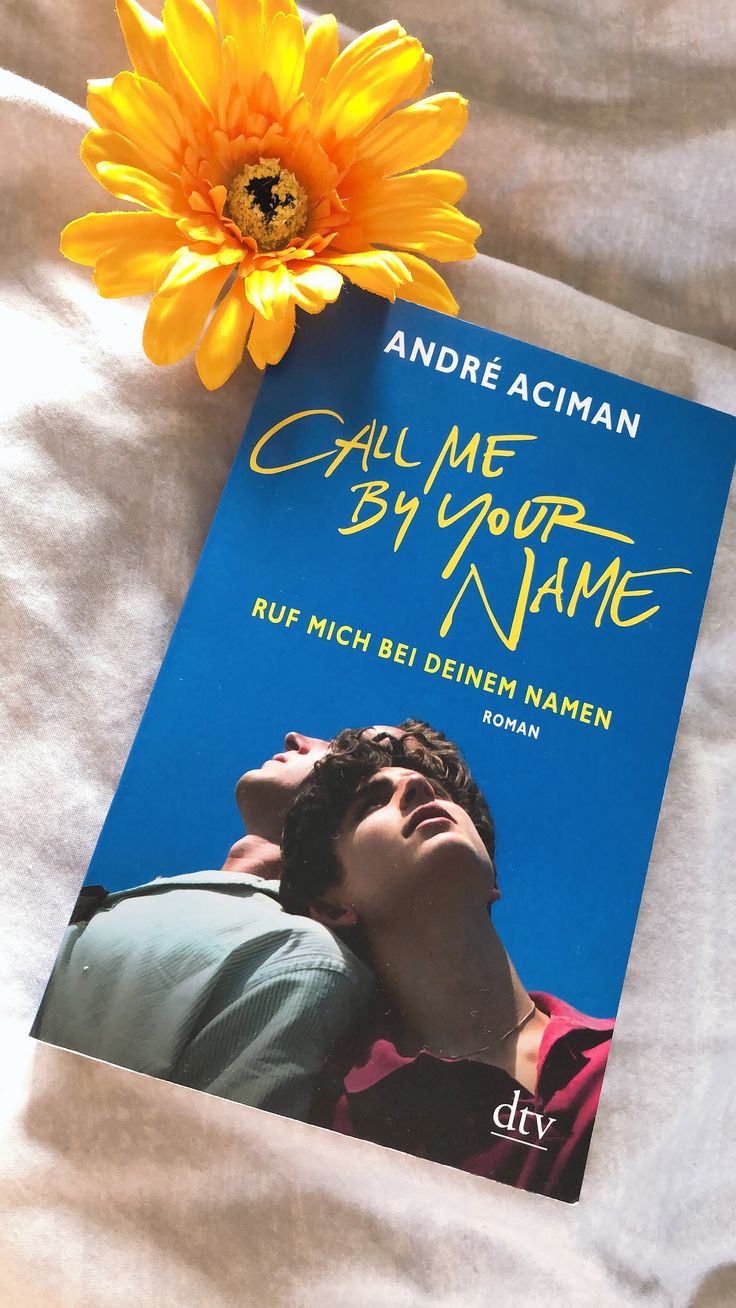
Call Me By Your Name: The Book Review

Call Me By Your Name, Cinematic Adaptation

Introduction

Call Me By Your Name is a book that throbs with desire. André Aciman’s 2007 novel (and the basis for the film of the same franchise in 2017) is a portrait of adolescent love and lust, experienced for the first time with an intensity that’s almost frightening in how all-consuming it feels. And Aciman devotes himself to chronicling every fleeting fantasy, every caress, with a fervour that matches what his characters are feeling.

About The Author

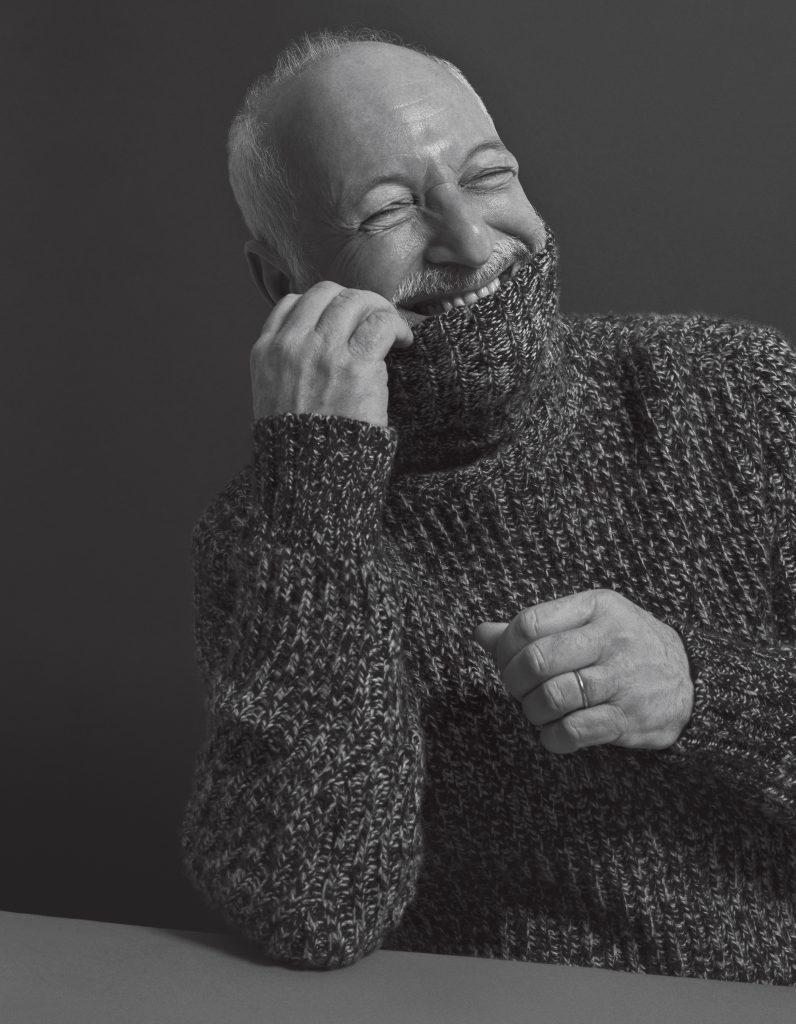
André Aciman is an Italian-American writer. Born and raised in Alexandria,Egypt, he is currently distinguished professor at the Graduate Center of City University of NewYork, where he teaches the history of literary theory  and the works of Marcel  Proust.

He is the author of several novels, including Call Me By Your Name and a 1995 memoir, Out of Egypt, which won a Whiting Award.  Although best known for Call Me by Your Name, Aciman stated in an interview in 2019 that his best book is the novel Eight White Nights.

André Aciman

Storyline of The Novel

It tells the story of a blooming romance between 17-year-old Elio Perlman, and 24-year-old visiting scholar Oliver, who comes to the summer home of Elio’s parents in Italy, 1983.

The story is told in retrospect, with grown-up Elio recalling the events of that fateful summer. He always resented his parents’ tradition of taking a doctorate student into their home for six weeks each year, forcing him to vacate his bedroom (that sacred space of a teenage boy) to make room for their guest. That all changed when Oliver, a Harvard graduate student comes to stay with the academic expat family in the Italian Riviera, where he will oversee the translation of his dissertation on Heraclitus. As he wins the family over with his breezy charm and preppy insouciance, Oliver also inspires the adoration of the professor’s teenage son, Elio, who relays to us each stage of his infatuation.

Elio catalogues every aspect of Oliver—his gazes, his phrases—and even augurs meaning from his clothing: “He had, it took me a while to realize, four personalities depending on which bathing suit he was wearing.” Elio, in turn, dazzles Oliver with his precocity—he’s a virtuoso on piano and on an enviously easy footing with literature from Ovid to Celan. But he is unsure and untested in carnal matters. His desire for Oliver literally false-starts when he accidentally (and discreetly) ejaculates in his presence (the scene recalls Marcel’s embarrassing tussle with Gilberte). But when Oliver starts sleeping with a local girl, it seems that Elio’s fantasies of consummation will never be realized. He muses about killing, or at least crippling, Oliver: “If he were in a wheelchair, I would always know where he was, and he’d be easy to find.”

But then, just as Elio has given up hope, it happens: He slips into Oliver’s room one night and so begins their five-week love affair. They have adventurous, almost incessant sex, during which, at Oliver’s prompting, they call each other by the other’s name. As a strategy for subsuming the other’s self, this verbal masquerade is strikingly successful. At first shameful for Elio, their passion quickly becomes all-consuming. The lovers revel in their sameness—they are both young Jews, “brothers in the desert”; they experience the same sexual pains and pleasures; their minds travel along the same currents to catch the right literary references.

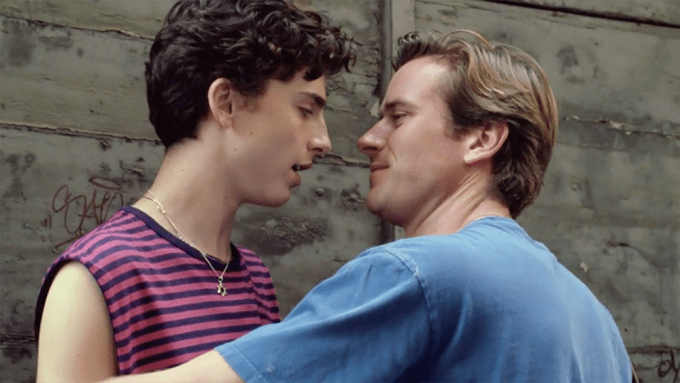
Timotheé Chalamet as Elio Perlman and Armie Hammer as Oliver, in Call Me By Your Name (2017)

Analysis of The Story

Call Me by Your Name is the story of a sudden and powerful romance that blossoms between an adolescent boy and a summer guest at his parents’ cliff-side mansion on the Italian Riviera. Unprepared for the consequences of their attraction, at first each feigns indifference. But during the restless summer weeks that follow, unrelenting buried currents of obsession and fear, fascination and desire, intensify their passion as they test the charged ground between them. What grows from the depths of their spirits is a romance of scarcely six weeks’ duration and an experience that marks them for a lifetime. For what the two discover on the Riviera and during a sultry evening in Rome is the one thing both already fear they may never truly find again: total intimacy.

The psychological manoeuvres that accompany attraction have seldom been more shrewdly captured than in André Aciman’s frank, unsentimental, heartrending elegy to human passion. Call Me by Your Name is clear-eyed, bare-knuckled, and ultimately unforgettable.

Timotheé Chalamet as Elio Perlman

Criticism of The Story

Despite the fact that it’s a coming-of-age story, Call Me By Your Name is hardly a young adult book. For one, it’s quite erotic, albeit in a highly literary way. All of the sexual encounters (including one truly smutty incident with a peach) are depicted in detail, but not to titillate. It feels more like Aciman is simply demonstrating the depth and desperation of Elio and Oliver’s desire.

Call Me by Your Name ends with a series of unsatisfactory but still charged meetings between Elio and Oliver later in life. They have a rendezvous in New England, where Elio is traveling and where Oliver teaches and lives with his family. The novel, despite its melancholy send-off, ultimately holds out an extremely un-Proustian, optimistic promise: Love and understanding can endure hand in hand. Elio can still say of Oliver, “This was my favourite Oliver: the one who thought exactly like me.” Twenty years later, when they return to one of their cherished spots in Italy, Elio asks only to be called once more by the name Oliver—as if to imply that nothing has changed. For Proust, such naming is inevitably fraught with failure (Marcel at one point wishes he could give a different name to each of the Albertines he knows). The notion that the past could ever obey such a summons, that anyone could ever be so static, suggests that Elio has breached, but finally resisted, Proustian knowledge. This shying away leaves us with something less than we might have expected from Aciman’s previous reckonings with time.

Scene from the Movie Call Me By Your Name

Conclusion

Even with all the critical analysis, the storyline wins millions of hearts with the sweet message of love, that can happen to anyone under any circumstance. The story broke some stereotypes about how the meaning of Love is mostly depicted in society. It normalizes the simplicity, the beauty and the agony of love between two men, in a never seen before way. And that makes the book an ultimate winner for its modern day readers.

COVID-19 and its impact on LGBTQ+

The world came to a standstill with the spreading of the infectious coronavirus in 2020. In March 2020, the WHO declared the COVID-19 as a pandemic. Hence, the governments all around the world imposed (and are still imposing) nationwide/partial lockdown and curfew timings, as a measure to contain the spread of the virus.

With the imposition of lockdown came different sets of difficulties. The COVID-19 pandemic has had adverse impact on the world economy, and the impact is expected to be visible in the coming times as well. However, not just the economy but the social impact of the virus can be felt on different genders groups as well. Gender and sexual minorities are the one most prone to face the social impact of the virus.

COVID-19 and its discrimination towards LGBTQA+

The gender and sexual minorities (SGM) are especially vulnerable to the experiences of COVID-19. The SGM people collectively includes Lesbian, Gay, Bisexual, Transgender, Two-Spirit, Queer, Intersex, and Asexual (LGBT2SQIA+) people.  Hankivsky & Kapilashrami in their work ‘Beyond sex and gender analysis: An intersectional view of the COVID-19 pandemic outbreak and response’ (2020), mention that, While COVID-19 was initially framed as an illness that does not discriminate COVID-19, but like other biocultural health crises, it does in fact discriminate, and it does so in ways that mirror the discriminations that are fundamental to contemporary society.

It is not an uncommon fact for SGM people to face discrimination on a daily basis. Now in times of COVID and the past nation-wide lockdowns and state lockdowns, along with the mass hysteria of not-knowingness, their chances of facing discrimination is clearly higher than the usual.

In the work ‘Sexual and Gender Minority Health Vulnerabilities During the COVID‐19 Health Crisis’ (2020) by Gibb et al, they mention, the heteronormative structures of power, inequality and marginalisation have shaped the understanding of economic, social and political inequalities experienced by SGM people. The stigma, systemic discrimination and other forms of structural inequalities faced by SGM people’s reduces their access to vital resources such as basic healthcare, educational and employment opportunities, housing, wealth, social support and political power related to heterosexual cisgender people. Like other marginalised communities SGM people face the risk of behavioural and environmental inequalities linked to social and economic marginalisation. In the crisis of the COVID-19 pandemic, SGM people are being subjugated to the atrocities from the hysteria created by the public.

COVID-19 and mental health of LGBTQ+

With the imposition of nation-wide lockdowns and/or curfew timings, the livelihood of people came to a pause. This also meant that people had to return to their homes of safety. But, this option was not entirely available for people of SGM because of their past social unacceptance of their sexuality by their family and others. And hence, they had to take abode in unsafe neighbourhoods.

Gibb et al in their ‘Sexual and Gender Minority Health Vulnerabilities During the COVID‐19 Health Crisis’ (2020) further mention that, public health measures, such as social distancing and self-isolation, to protect the public from the pandemic may have unintended consequences for SGM people’s physical and mental health. Social distancing and isolation may lead SGM people to take shelter in dangerous places, and fall prey to experience violence and abuse. Such experiences also lead to cases of  anxiety and depression, increasing risks of suicide, self-harm and controlled substance dependence among the SGM people.

In worst case scenario when a LGBTQ+ person contacts the virus, the absence of love and care from loved ones can be damaging to their mental health. The emotional support from family could help them deal with the recovery process as they have someone to look forward to.

SGM and COVID-19 vaccination

The greater challenges faced by the LGBTQ+ was/is for getting the vaccination. There have been instances where members of the trans community were getting left out of the vaccination drive. One of the main reason for such exclusion is that it first requires the access to the web portal, which includes navigating through the sites, further demanding the need for identification to book a slot for the vaccine. This process can be quite complicated and not everyone has the access to the internet or other related means of access to it, thus creating a digital divide.

Apart from the challenge of booking a slot, there has been speculation regarding the efficacy of the vaccination and the possible side effects, which further limited the chances of them being vaccinated. However, different aid organisations are working towards especially vaccinating the LGBTQ+ community. Their efforts are yielding slow but visible results in vaccinating the community.

                         It can be regarded that the LGBTQ+ community members experienced the COVID-19 pandemic differently. These differences and discriminations always existed and will continue to do so. However, the pandemic has further exaggerated these already existing discriminations. Nevertheless, it is hopeful to anticipate that these discriminations would be reduced someday with collective efforts.

Same Sex Marriages

Sex is a biological term that differentiates between two biologically different human beings; the Male and the Female. When we talk about same sex marriages, we are intending to a sacred union of two people belonging to the same sex. This union can be seen when two females get married to each other or when two males get married to each other. It is not the sex or gender that binds two souls together but love and care for each other.

As we all know, love comes in all form. So, it be wrong to say a person cannot marry someone just because they are not from the opposite sex. The world is evolving more than ever and we need to keep up with times. We should not shun the concept of same sex marriage anymore.

In other words, gone are the days when people had to ashamed because of their sexuality. In today’s accepting world, we must make way for every human being irrespective of their gender. One needs to realise that there are more than two genders. The society needs to be more inclusive of the people. It will make the world a happier place when everyone feels that they are accepted and appreciated.

Same sex marriages are not a trend or western influence that is adapted by the society. Same sex attraction has existed from ancient times. It was not openly a d vividly talked about due to tha lack of knowledge and understandings. It is still a taboo in most of the world. With the struggle for these activities, it has now become possible for the same sex couples to be free and enjoy equal rights in some countries. It is our responsibility to educate ourselves and the world so that the same sex couples do not face discrimination.

Same sex marriages are ridiculed at most parts of the world by society. These type of marriages need to welcomed with joy, and the same sex couples must not be subjected to discrimination. Marrying anyone is basic fundamental right, thus, not allowing the same sex couples to get married is deciding them of their basic human right. We, as society, must take care that the LGBTQ+ community are not devoid of their fundamental rights and are treated with respect with everybody else.

Same sex marriages in India especially are not encouraged. There are ma y countries which have stringent laws against it yet the people are open-minded. In India, neither are the laws lenient but the people are also very narrow-minded.

Most importantly, they never give them a chance to prove themselves. Indian society does not like to change. It is not as adaptable as western countries. India still needs time to be okay with the concept of same sex marriage.

However, not knowing about the concept is a different thing and completely opposing is different. Not only in India, but in other countries, people do not support same sex marriage because they think it is against their religion.

Thus, this creates a lot of problems for them. People do not want the LGBTQ+ community to get the right to marry their lovers. This takes away their very basic human rights. The LGBTQ+ community has fought for a long time for their rights. We must not be against of any form of love, be it same sex marriage or anything else.

In India, same sex marriages are yet to be legalised. On 6th September 2018, the Supreme Court of India discrimalised gay sex marking a historic judgement in the Indian judiciary. The court also defined love to be without boundaries. This historic judgement is a result of prolonged protests and sufferings. It was welcomed and celebrated by the country with joy.

PROBLEMS FACED BY LGBT COMMUNITY

The expression “LGBT” represents lesbian, gay, bisexual and trans gender. A lesbian is lady drawn to another ladies. Gay is a man drawn to another man. Bisexual individuals are drawn to more than one gender. A transgender individual is somebody whose sex personality varies from the one they were appointed upon entering the world. Individuals in the LGBT people group are battling for equivalent rights and acknowledgment. Trans individuals, particularly, face a ton of trouble in discovering acknowledgment. Individuals in the LGBT people group are peered downward on constantly. While lesbians, gay and bisexual individuals are reluctant to inform their families about their sexuality.

They are not acknowledged in the public eye. Others ridicule them. “LGBT” terms are regularly used to affront somebody. “Gay” is frequently utilized as a revile/curse term which isn’t right. Somebody’s identity shouldn’t be utilized as reviling/cursing word.

Consistently, an enormous number of LGBT individuals face gigantic issues identified with brutality, joblessness, separation, destitution and absence of medical care. Biased individuals have issues with the manner in which individuals from the LGBT people group lead their lives. These individuals, I accept, are being juvenile. There are a few group who claims themselves as LGBT ally however the extremely next second they crack lame and sexiest jokes on them.

However, there are individuals who genuinely support LGBT people group. Be that as it may, of individuals have ill-conceived notion about them. They accept that LGBT individuals shouldn’t be permitted in home. I believe If school make their understudies mindful about the LGBT people group, we would not deal with such issues.

RESOURCES:

1.https://www.youthkiawaaz.com/2018/01/dont-ever-be-afraid-to-show-off-your-true-colours/

2.https://www.livemint.com/Sundayapp/sAYrieZdZKEybKzhP8FDbP/Being-LGBT-in-India-Some-home-truths.html

LGBT COMMUNITY

BY: VAIBHAVI MENON

LGBT or GLBT is an initialism that stands for lesbian, gay, bisexual, and transgender. In use since the 1990s, the term is an adaptation of the initialism LGB, which began to replace the term gay in reference to the broader LGBT community beginning in the mid-to-late 1980s. The first widely used term, homosexual, now carries negative connotations in the United States. It was replaced by homophile in the 1950s and 1960s, and subsequently gay in the 1970s; the latter term was adopted first by the homosexual community. As lesbians forged more public identities, the phrase “gay and lesbian” became more common. A dispute as to whether the primary focus of their political aims should be feminism or gay rights led to the dissolution of some lesbian organizations, including the Daughters of Bilitis, which disbanded in 1970 following disputes over which goal should take precedence.

As equality was a priority for lesbian feminists, disparity of roles between men and women or butch and femme were viewed as patriarchal. Lesbian feminists eschewed gender role play that had been pervasive in bars as well as the perceived chauvinism of gay men; many lesbian feminists refused to work with gay men, or take up their causes. Lesbians who held the essentialist view, that they had been born homosexual and used the descriptor “lesbian” to define sexual attraction, often considered the separatist opinions of lesbian-feminists to be detrimental to the cause of gay rights. Bisexual and transgender people also sought recognition as legitimate categories within the larger minority community. After the elation of change following group action in the 1969 Stonewall riots in New York City, in the late 1970s and the early 1980s, some gays and lesbians became less accepting of bisexual or transgender people. Critics said that transgender people were acting out stereotypes and bisexuals were simply gay men or lesbian women who were afraid to come out and be honest about their identity. Each community has struggled to develop its own identity including whether, and how, to align with other gender and sexuality-based communities, at times excluding other subgroups; these conflicts continue to this day. LGBTQ activists and artists have created posters to raise consciousness about the issue since the movement began.

From about 1988, activists began to use the initialism LGBT in the United States. Not until the 1990s within the movement did gay, lesbian, bisexual, and transgender people gain equal respect. This spurred some organizations to adopt new names, as the GLBT Historical Society did in 1999. Although the LGBT community has seen much controversy regarding universal acceptance of different member groups (bisexual and transgender individuals, in particular, have sometimes been marginalized by the larger LGBT community), the term LGBT has been a positive symbol of inclusion. Despite the fact that LGBT does not nominally encompass all individuals in smaller communities (see Variants below), the term is generally accepted to include those not specifically identified in the four-letter initialism. Overall, the use of the term LGBT has, over time, largely aided in bringing otherwise marginalized individuals into the general community. Transgender actress Candis Cayne in 2009 described the LGBT community as “the last great minority”, noting that “We can still be harassed openly” and be “called out on television”.

Top 5 anime you must see (Part 2) Bonus 4

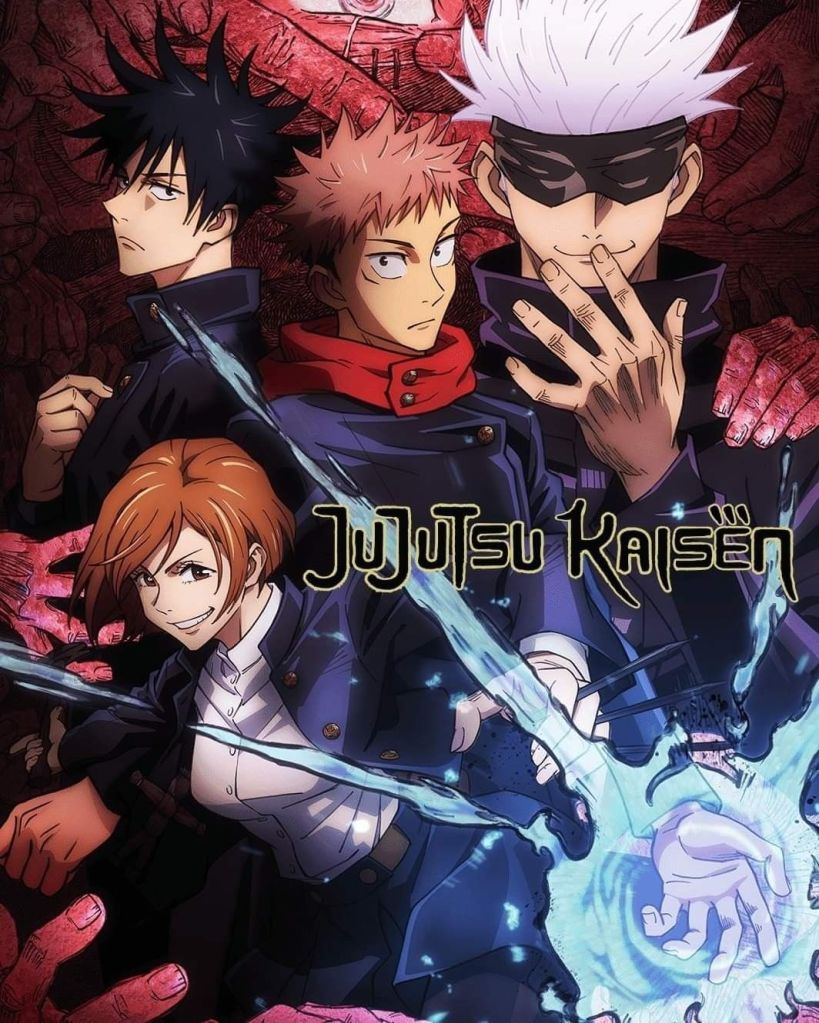
1)Jujutsu Kaisen

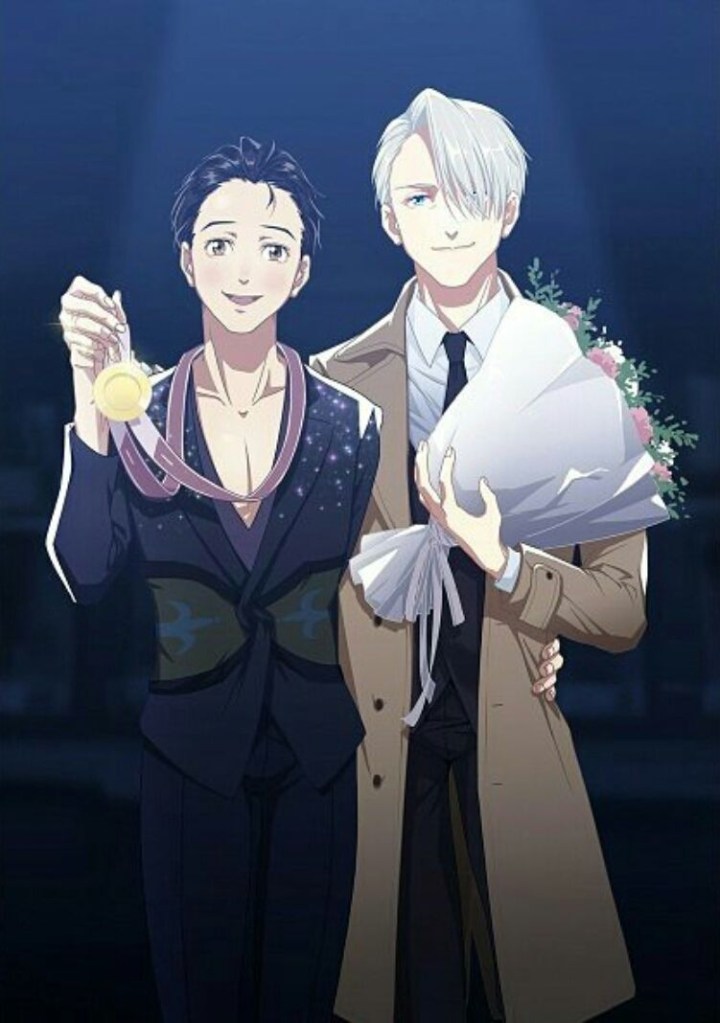
2)Yuri on ice

3)Kuroko no basket

4)The devil is a part-timer

5)Hunter V Hunter

Bonus:

1)Dororo

2)Parasyte

3)Monogatari series

not in any order or ranking

1)Jujutsu Kaisen

Jujutsu Kaisen is a Japanese manga series written and illustrated by Gege Akutami.The series was produced by MAPPA and directed by Sunghoo Park.

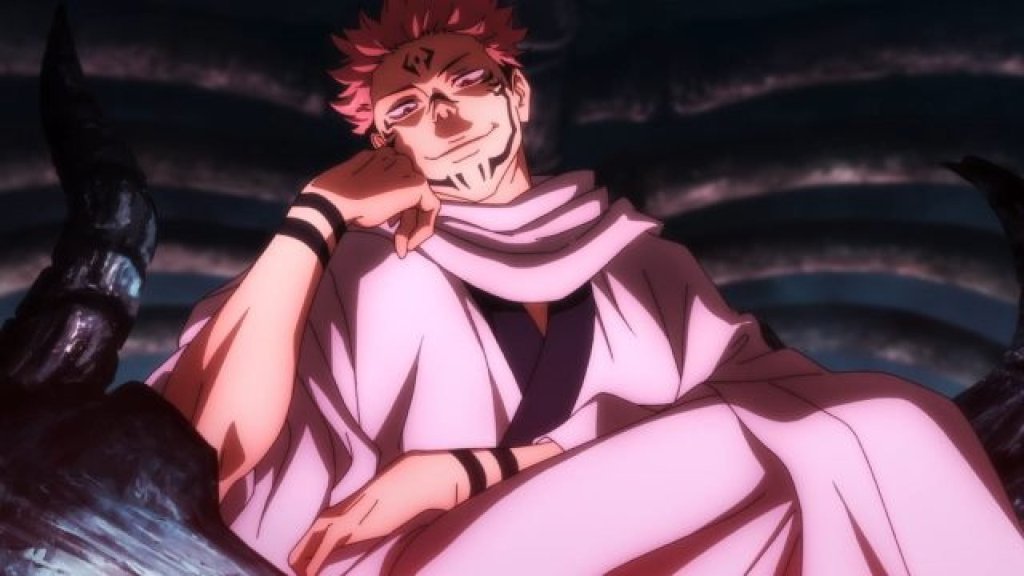
Plot: A high school student Yuji Itadori joins a secret organization of Jujutsu Sorcerers in order to kill a powerful Curse named Ryomen Sukuna, who he now hosts in his body. The goal is collect all of sukuna’s fingers and try to exoercize him. Sukuna is the most powerful curse the world has ever witnessed. Gojo Satoru

Themes = Horror, system of powers, concepts that makes most of us relate to, honesty, mature storylines compared to many shonen.

No. of season(s): 1 No. of Volumes: 16

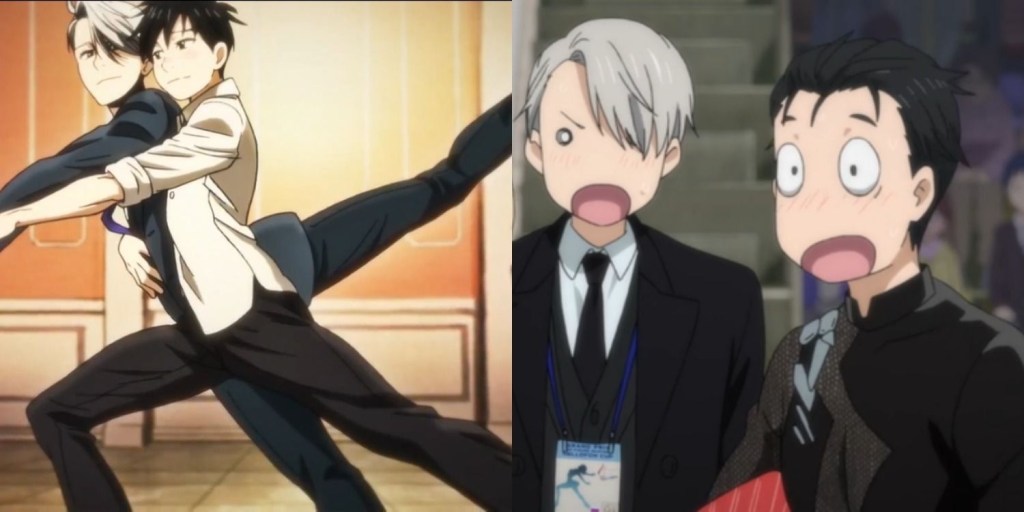
2)Yuri on ice

Yuri on ice is a Japanese sports anime television series about figure skating. The series was produced by MAPPA, directed and written by Sayo Yamamoto.

Plot: Yuri Katsuki develops mixed feelings about skating and puts his career on hold after getting defeated.He visits his hometown after a much needed break for him. He skates perfectly a routine by his idol, Russian figure skating champion Victor Nikiforov. After his video being uploaded and garning major views, praises, his idol visits him. His love for skate is rekindled.

Yuri on Ice is known for it’s depiction of a same-sex relationship between its protagonists, some praising it for covering homosexuality in a way that differs from most anime and manga such as the yaoi genre, and for dealing with homosexuality in a country and sport that has present-day issues with homophobia. The series has also been praised for its depiction of anxiety.

Achievements:  It won three awards at the Tokyo Anime Award Festival, a Japan Character Award, seven awards in Crunchyroll’s inaugural Anime Awards, and in 2019 was named by the website’s editorial team as one of the top 25 anime of the 2010s. In Japan

No. of Episodes: 12+OVA ( Season – 1)

No. of volumes: 6

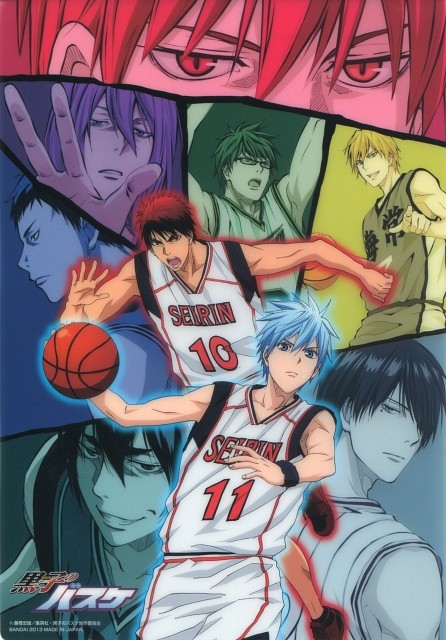
3) Kuroko no baske

Kuroko’s Basketball is a Japanese sports manga series written and illustrated by Tadatoshi Fujimaki

Plot: It is an anime about basketball revolving around an all-star team called as “Generation of miracles”. This anime is a complete package. Good and consistent character development, amazing visual effects, good humor and display of how the life of skillful players benefit as well as hinder their healthy lifestyle.

Kuroko’s innocently hilariously character and his buddy, Taiga Kagami’s powerful presence on court keeps you on edge dyring matches. This anime has a blooper series which is funny as heck. Basketball skills, moves is bound to enthrall you.

No. of seasons: 3 (with OVA)

No. of volumes: 30

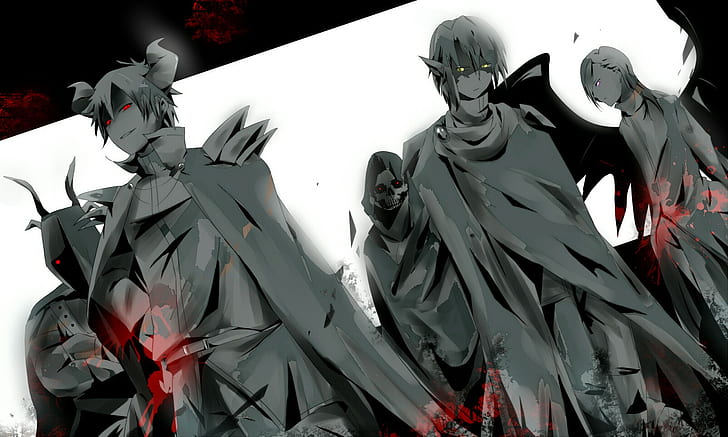
4) The Devil is part-timer. (Hataraku Maō-sama!)

The Devil Is a Part-Timer! is a Japanese light novel series written by Satoshi Wagahara, with illustrations by Oniku.

The story is about Satan seeking to conquer the world of Ente Isla, but he is confronted by the Hero Emilia. After having a tough battle with her, he and Alciel is forced to retreat through a gate that transports him to modern day Tokyo, Japan. To go back to Ente Isla, he works at a fast-food joint to earn and probably rule over Earth to gain enough power.

Yes, you heard it right, Satan, a demon works at a fast-food joint. He is greedy, vibrant and really careless (about spending money).  Sadao Maō, meets a girl who is actually Emilia in the form of Emi Yusa. he takes upon the human name of Sadao Maō and meets a girl who is actually Emilia in the form of Emi Yusa. The story goes with their personalities showing. Well, the funny thing is, the anime twists the stereotype of a demon and an angel without taking away their many morales.

No. of seasons: 1 (Season 2 is coming soon!!)

No. of volumes: 27

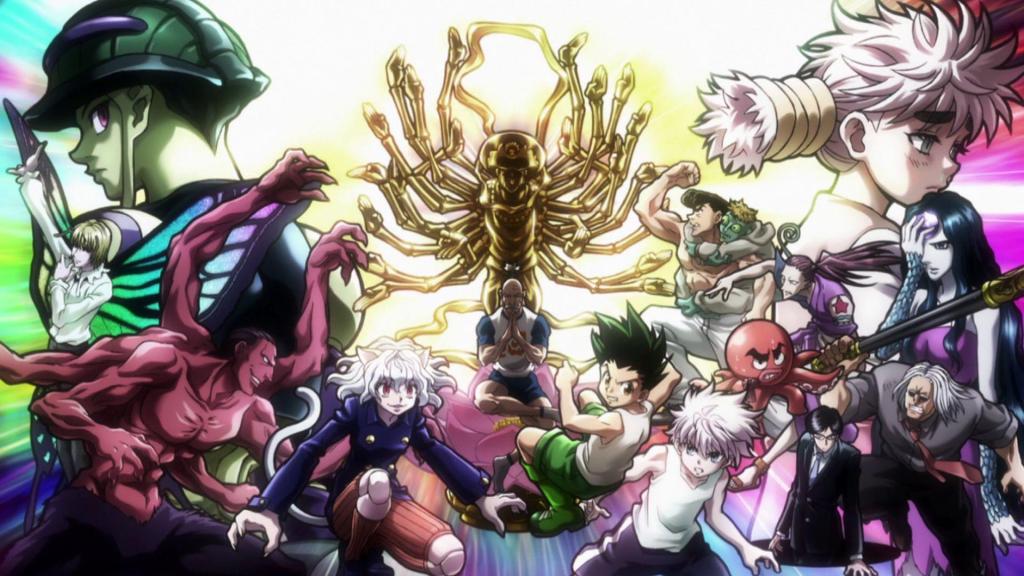
5) Hunter V Hunter

Hunter × Hunter is a Japanese manga series written and illustrated by Yoshihiro Togashi. 

The story follows a young boy named Gon Freecss, who was told all his life that both his parents were dead. But he learns that his father is still alive and is renowned Hunter (Hunters  are licensed, elite members of humanity who are capable of tracking down secret treasures, rare beasts, or even other individuals.) He then goes to find his dad by training to become a good Hunter himself. The anime is packed with adventures, humor, awesome fights and amazing antagonists despite them being kids, so don’t get fooled by the poster.

Achievements: Hunter × Hunter has been a huge critical and financial success and has become one of Shueisha’s best-selling manga series, having over 78 million copies in circulation as of November 2019.

No. of seasons: 1 ( 148 Episodes!!)

No. of volumes : 36

BONUS:

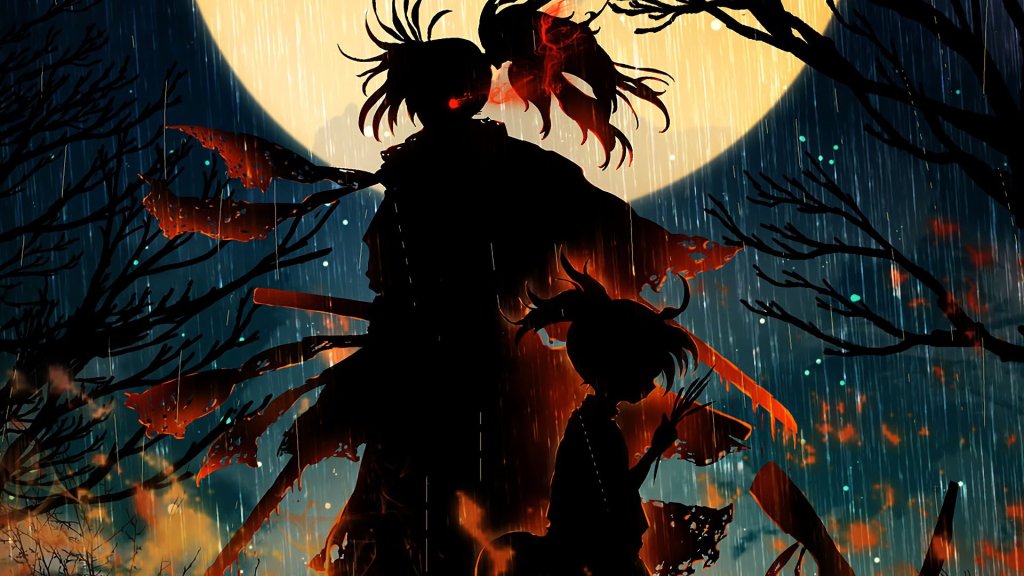
1)Dororo

Dororo’s revolves around ancient Japanese samurai.

Genres: Action fiction, dark fantasy, historical fantasy, shounen, supernatural.

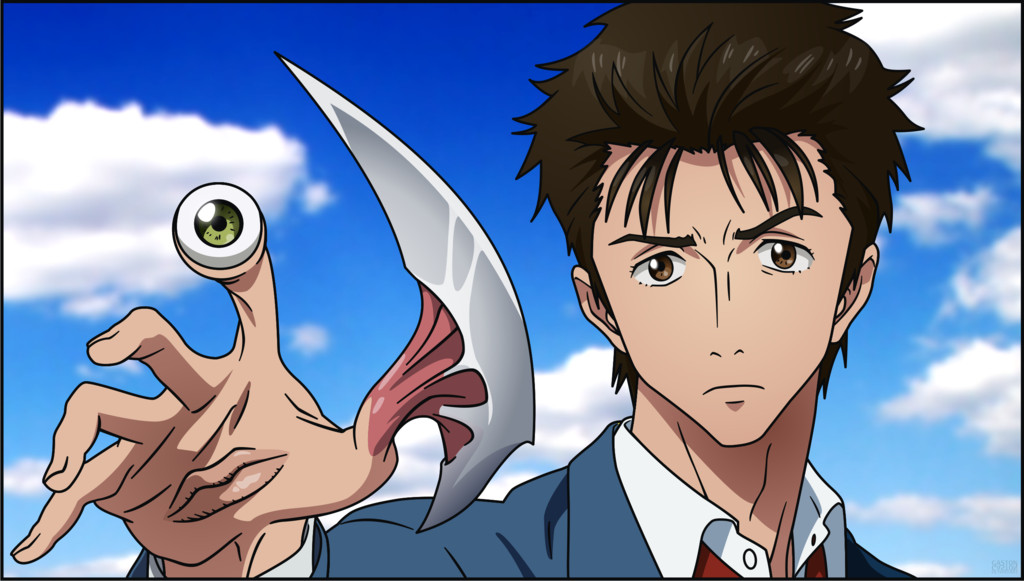
2)Parasyte

Parasyte is a Japanese science fiction horror manga series written and illustrated by Hitoshi Iwaaki 

Genres: Body horror, Thriller, Science fiction

3)Monogatari series

Monogatari is a Japanese light novel series written by Nisio Isin and illustrated by Vofan. The plot revolves around Koyomi Araragi, a third-year high school student who survives a vampire attack and has almost restored his humanity after briefly becoming a vampire during spring break.

Genres: Comedy, mystery, romance and supernatural.

4) That Time I Got Reincarnated as a Slime

That Time I Got Reincarnated as a Slime is a 2018 television anime series based on the light novel series written by Fuse. The series follows a man who is killed and reincarnated in another world as a slime named Rimuru.

Genre: Action, Adventure, Comedy, Fantasy, isekai

References:

https://en.wikipedia.org/wiki/Yuri_on_Ice

LGBTQ IN WORKPLACE COMMUNITY

BY: VAIBHAVI MENON

“Nature made a mistake, which I have corrected.” With the changing times, The Lgbtq community has become an important aspect in our day to day life yet many people are opposed to the idea since they refuse to accept them. After the Supreme Court ruled in 2015 that marriage is a right guaranteed to same-sex couples, many believed the largest battle for LGBTQ rights had been won. And while the gains in recognition and legal protections were no doubt significant, same-sex marriage recognition alone couldn’t have possibly resolved a number of longstanding LGBTQ issues – particularly LGBTQ workplace issues. More than 53 percent of LGBTQ workers hide their identity at the workplace, often citing a persistent feeling of being unwelcome. This identity struggle has detrimental impacts on their health, happiness, and productivity, in addition to businesses’ talent retention and leadership development.

Many LGBTQ workplace issues stem from the fact that currently, there’s no federal law that explicitly protects employees from discrimination due to their sexual identity, gender identity, or gender expression. Such protections have necessarily come from state laws and federal court cases interpreting the law to protect LGBTQ workers. This patchwork of court rulings and state legislation leaves many vulnerable. LGBTQ employment discrimination laws vary between states. Only 23 states (in addition to the district of Columbia) bar discrimination based on sexual orientation and gender identity in both the public and private workforce. All told, nearly half of the U.S. LGBTQ population lives in a  state that doesn’t prohibit employment discrimination because of sexual orientation and gender identity. While this LGBTQ discrimination in the workplace has an undoubtedly negative impact on the social and economic circumstances of  LGBTQ people, it’s the subtle social dynamics within workplaces that wreak havoc on their security and sense of belonging. The combination of the stress of hiding their identities, loss of advancement opportunities, and often pervasive negative sentiments about their identities help create a pervasive sense of isolation among LGBTQ workers.

The negative impact of non-inclusive workplace cultures ultimately proves a detriment to employers. Overall, employee engagement amongst LGBTQ workers is 30 percent lower than their cisgender counterparts, according to Human Rights Watch, while one in five LGBTQ employees report they were already considering leaving their job. If there’s a silver lining for HR and compliance professionals looking to create a more inclusive environment that prevents sexual orientation discrimination in the workplace, it’s the increased workplace loyalty, productivity, and happiness of LGBTQ workers in inclusive environments, according to Human Rights Watch. One in four LGBTQ employees surveyed reported that they’ve stayed in a job specifically because of its inclusive environment. In addressing LGBTQ workplace issues, anti-discrimination policies and employee resource groups (ERGs) are often the first efforts companies take to better establish a more inclusive environment. Human Rights Watch warns, though, that such efforts don’t always send their intended message. About half of polled LGBTQ workers say that enforcement of non-discrimination policies depends upon their supervisor’s overall feelings about LGBTQ individuals, and while 67 percent said they felt “very welcomed” by their ERG, 31 percent reported feeling only “somewhat welcomed.”

LOCKDOWN WIDENS THE VOID BETWIXT QUEER COMMUNITY AND SOCIETY

The past year was indeed a difficult time for the world owing to the COVID 19 pandemic and the lockdown imposed following it. Though the entire population got affected by this adverse conditions, there were certain minor communities and groups like the transgender community which had the bitter taste of it. There were active discussions and discourses on the impact of the lockdown on women facing domestic abuse, but the atrocities and adversities faced by the LGBTQ communities were the least spoken about. Being the have-nots of normal society, the life of the queer community in a pandemic affected locked down scenario was found to be the worst. 

The basic social liberties were always denied to the queer accounting to their physical and psychological divergence and aberant sexual orientation. They were neither included in the mainstream by the government nor had any access to public health care, education, steady job opportunities etc which along with the lack of support from their families resulted in the financial subsiding of the community. In many cases, staying home also became a potential danger to many, where they fell prey to violence from their family members or partner.

For a section whose normal daily life in itself is a hurdle, life in lockdown was nothing but catastrophic. While the majority of us worried about being confined into the comforts of our home during lock down, these destitutes were perturbed over losing the shade over their head. The Indian Hijra community who depended on the streets for their livelihood got literally ‘locked’ inside their residences with no basic supplies or access to money. As they were disdained from the ordinary jobs, street dancing, prostitution and begging were their only source of income and these ‘jobs’ required immense social interaction which was impossible during lockdown. The void between the society and queer community got widened with the imposition of lockdown and the already outlying community was pushed off to further disdain. The society along with the government should consider them at least as humans if not as citizens and take necessary measures for eradicating the stigma regarding the marginalized communities by making them a part of relief programs. 

HUMANS OVER GENDER.

Today, homosexuality and queer identities may happen to be acceptable to wider Indian youths than ever before, but in the confines of family, home, and school, recognition of their sexuality and liberty to openly display their gender preferences prevail to be a constant conflict for LGBT (lesbian, gay, bisexual, transgender) people. On September 6, 2018, India’s Supreme Court ruled that consensual homosexual acts would no longer constitute a crime. The historic move changed Section 377 of the Indian Penal Code which was a legacy from British colonial control. The difference was welcome by Indian and global LGBTQ+ populations being progressed towards consent and equal rights, but nearly two years following the passing of this order, what is the status of LGBTQ+ titles in India?

Several people encounter harassment and bullying, and to avoid shame and brutality they oftentimes skip classes or drop out of school entirely. Most teachers are not qualified or allowed to acknowledge to anti-LGBT bullying, so in several circumstances, they don’t. In some situations, they also join in harassment. The ‘LGBT’ stands for lesbian, gay, bisexual, and transgender. A lesbian is a woman interested in another woman. Gay is applied to indicating men who are interested in other men. Bisexual means that a person is interested in more than one gender. A transgender person is someone whose gender status differs from that one person was indicated at birth. Being different arises with its difficulties and the LGBTQ community perceives this extremely well. As people do not realize their way of life, it becomes quite tough for them to presume their lifestyles.

Modern research noticed that one of the main factors that occur in the branding of LGBT people is a familial attitude towards homosexuality. This research continues to reason that most LGBT people are allowed in the family simply if they accept to act like heterosexuals. In a culture-bound on a rigorous set of civil and social norms that decree the terms and conditions of education, profession, and wedlock, the loss of parents’ support can prove to be a huge setback to the mental and physical well-being of LGBT people. Separation and stress to conform usually drive to despair, thoughts of suicide, and psychosomatic diseases. Several of them prefer to migrate to a different city to stay aside from the extensive demand to marry and start a family.

Families that accept their identities set multiple limitations in the method they prefer to try different outfits and communicate with their partners. In the loss of parents’ support, online crowds and social media have allowed easy options to build an alliance outside of the family. It’s time for people in India to argue on the matter of homosexuality. Civic knowledge and sex education for all should hold the bottom line to resolve the sexuality regulation and to build empathy and respect for India’s homosexuals. If India wants to be acknowledged globally as an democratic country, then it should finally improve or the prejudicial law so that the neglected homosexual community can be liberated at least.

LGBTQ belong to the human race!…

Ronnie and Maria got married. Few days passed, but they were not happy together. So the thing was there was no physical intimacy between them. Maria tried for it at times but Ronnie refused without a reason. One day she found him making love to a guy on the terrace. She was terribly surprised thinking about her married life. She felt so devasted. She was now stuck in a midway where she neither could’ve baby nor a divorce. What will society say now? What will be the future? Thousands of thoughts struck in her mind but she kept calm.
In the night, she confronted Ronnie asking about the guy. Ronnie began to cry in front of her stating his story. He told her how he felt attraction towards the same gender since childhood, how everyone made him suppress his emotions and sexuality. He even told her that he wasn’t ready to marry the girl but they made him do that just for the sake of society. After listening to his story, now Maria was also in tears. But she was a strong woman. She decided to stand by him. She called her parents, made her and Ronnie’s parents sit together. She told them the whole story. None of them was ready to accept it. It took much time but somehow she convinced them. Then she got herself divorced, called the guy her husband was in love with and made them marry. Now both of them were very happy. Later she found a guy perfect for her and got married.
So? Everybody must have loved the story as it was the ideal version of the situation. But is it possible even in real life as well? We’ve been taught since childhood that a girl and a boy together form a couple. We just can’t digest when a girl loves a girl or a boy loves a boy. We even laugh at them saying they have some mental problem. We all have the fear that what people will say, how society will react? If something goes wrong we’ll lose our honour. This sick fear makes us weak. Even if a guy or a girl dares to speak up about their sexuality, they are made to suppress their emotions. They’ve been brainwashed at times that attraction towards opposite gender is only the normal thing, anything else is not allowed. With the revoke of section 377, even the judiciary system agreed that LGBTQ is totally normal. But still, we didn’t accept them as one of us, a human. The basic issue of people’s such reaction is the ignorance I feel. People don’t even what is it all about. They simply take it as someone is going against nature and rules and we must stop them. There are so many types of sexualities that we don’t even know and never ever heard of it either. So basically the LGBTQ community includes lesbian, gay, Bi, Trans and Queer. Sexuality is a very personal thing and nobody can question someone about it. There are many types of sexualities such as asexual where a human is not sexually attracted towards any gender, bisexual where human is attracted towards both the genders, demisexual where sexual attraction develops only after an emotional attachment. Actually, there are many. We just need to understand them clearly. We must get to know that it’s totally normal to have different but unique sexuality. Even they belong to the human race and they deserve to live, happily. It’s not a one day task to bring the change. Revolution always comes with opposition. We need to give a fight until we succeed.

Basic LGBTQ+ Terms That You Should Know

Recognising the singularity within the LGBTQ+ community is of extreme importance. Many fail to understand the difference and club them all together, thus, their identities should be properly understood and respected by society. They have been discriminated against, labelled as a disease, disrespected and their acts criminalised by law. Understanding, accepting and respecting the community is the least the society can do to compensate for the past. 

Let’s get right to the terminology so that we can do proper justice to the community-

  1. Lesbian 

People who identify with this identity are generally women who are attracted to other women. This attraction may be sexual or romantic in nature. The term ‘lesbian’ was derived from Lesbos, an island in Greece, where lived the poetess Sappho. The remnants of her poetry are about women, describing their lives, relationships, role and also expressing her love for other women. It was with the growth of female education and feminism that lesbians first started to rise and demand respect. 

2. Gay

Initially, ‘gay’ was used as an umbrella term for all those attracted to the same sex. However, now it refers to men who are attracted to the same gender. The term originally meant cheerful, however, in the 17th century, it was used to refer to prostitutes or womanisers. It was in the 1950s that the term ‘gay’ described homosexuality. Laws of many countries have been amended to favour the community but there is still a long way to go. 

3. Bisexual

Bisexuality is romantic or sexual attraction to more than one gender. Commonly, it is understood as an attraction towards men as well as women but it is quite a fluid term. Earlier, the term ‘bisexual’ was used for those who had both male and female genitals. It was in 1892 that bisexual was used to refer to those who were attracted to the opposite as well as the same gender. Bisexuality is wrongly perceived as a transitioning phase, rather than a sexual identity. 

4. Transgender

Transgender, an umbrella term, includes those whose gender identity does not coincide with the gender assigned at birth. They may also undergo medical procedures to change their sex as they don’t identify with their birth sex. In 1965, the term ‘transgender’ was coined by John F. Oliven. The sexual orientation of trans people may be heterosexual, homosexual, bisexual, asexual, et cetera. 

The ‘Q’ in the LGBTQ+ may stand for Queer or Questioning.

5. Queer 

Queer is often used to refer to people with sexual identities and orientation other than heterosexual and cisgender. It includes the entire LGBT+ community. Initially, this word meant ‘odd’ or ‘peculiar’ but now it has transformed into a term inclusive of all genders and sexual minorities which have a collective history of prejudice and discrimination. However, people of the LGBT+ community may or may not identify as queer. 

6. Questioning

It This terms may refer to those who are still discovering themselves, who are questioning their sexual identity or orientation. It may also be used by people who do not want to put a label on themselves due to personal reasons or societal pressures. 

Always remind yourself that you deserve respect, independent of your sexuality and identity. 

(I, as the writer, sincerely apologise if I was unable to properly define your identity. There are multiple genders, sexual identities and orientations that I have not covered in this article).

Acceptance

I’m gay. I’ve wanted to tell you for a long time. I thought doing it this way would be a piece of cake. I hope you still love me. I mean, it’s hard not to love someone who baked you a cake. All my friends know and still love me. Your acceptance would be the icing on the cake. I hope you, much like this cake, are not in tiers. I hope we can look back on this and say ‘boy, this one really takes the cake!’ It gets better. Love, Aman.(sorry for so many puns)”

This is a story of thousands of people who came out this way by sending text messages to their parents because they are afraid to face them in the fear of being disowned.

Coming out takes a lot of courage and finesse. Some people use humor. Some use emotion. And sometimes, their families react the “right” way. But not everyone can be so lucky.

And for those who aren’t ready to come out yet, that’s okay. Come out when you’re ready and when you’re in a safe position to do so.

Decriminalising homosexuality may have come as a huge relief to the LGBTQ community in India but things have not changed much yet. Coming out continues to be a challenge.

Both sides of coming out stories are important to share. Our society has come far but we also have a long way to go.